
A pickup bed grafted onto a car body gives a vehicle that rides on passenger-car underpinnings yet hauls like a small truck. Domestic automakers and importers alike have tried the formula, from station-wagon derivatives to modern unibody trucks. Here are ten car-based pickups that took that approach, each with a detail worth knowing.
1. Ford Ranchero: First Out of the Gate
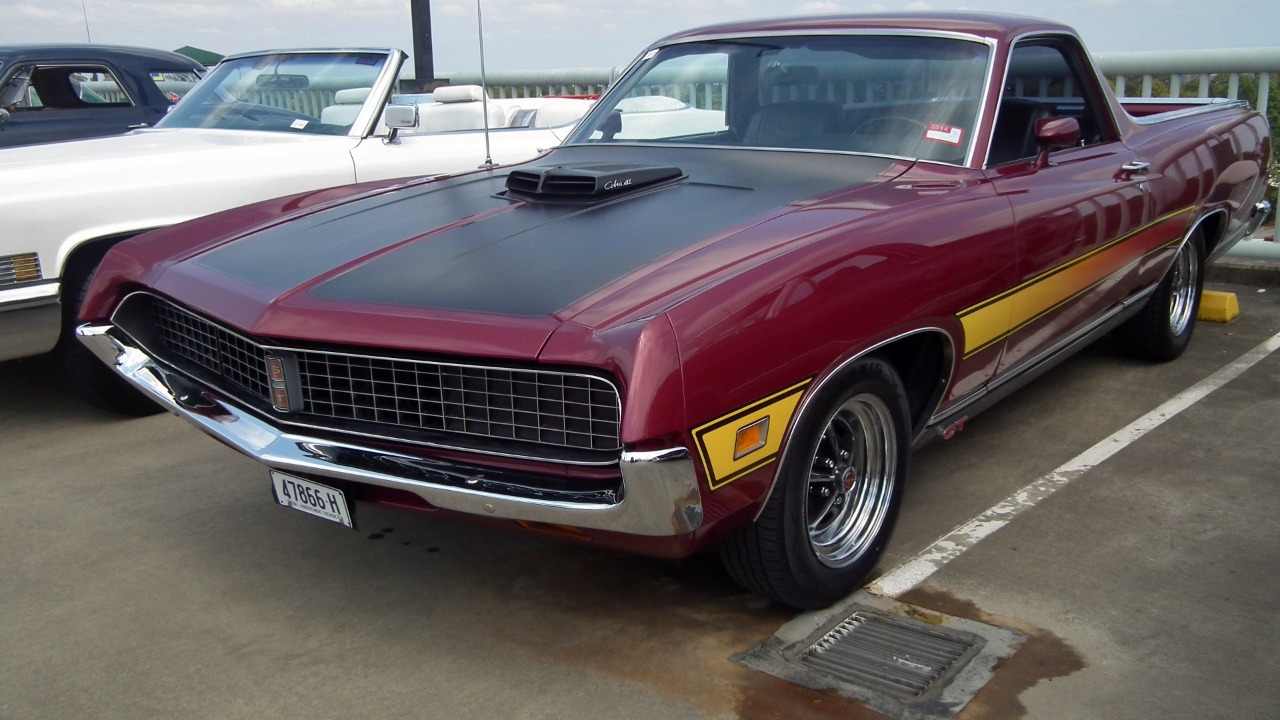
Ford was first with the Ranchero coupe utility in 1957, and it ran until 1979. A total of 508,355 units were produced during that run.
Unlike a standard pickup truck, the Ranchero was adapted from a two-door station wagon platform that integrated the cab and cargo bed into the body. For buyers, that meant a car-like structure with a bed, not a truck frame with a car-style cab on top. The 508,355 total covers the full 1957 to 1979 production run, so it counts every generation Ford built rather than a single model year.
2. Chevrolet El Camino: The Road, Twice Launched
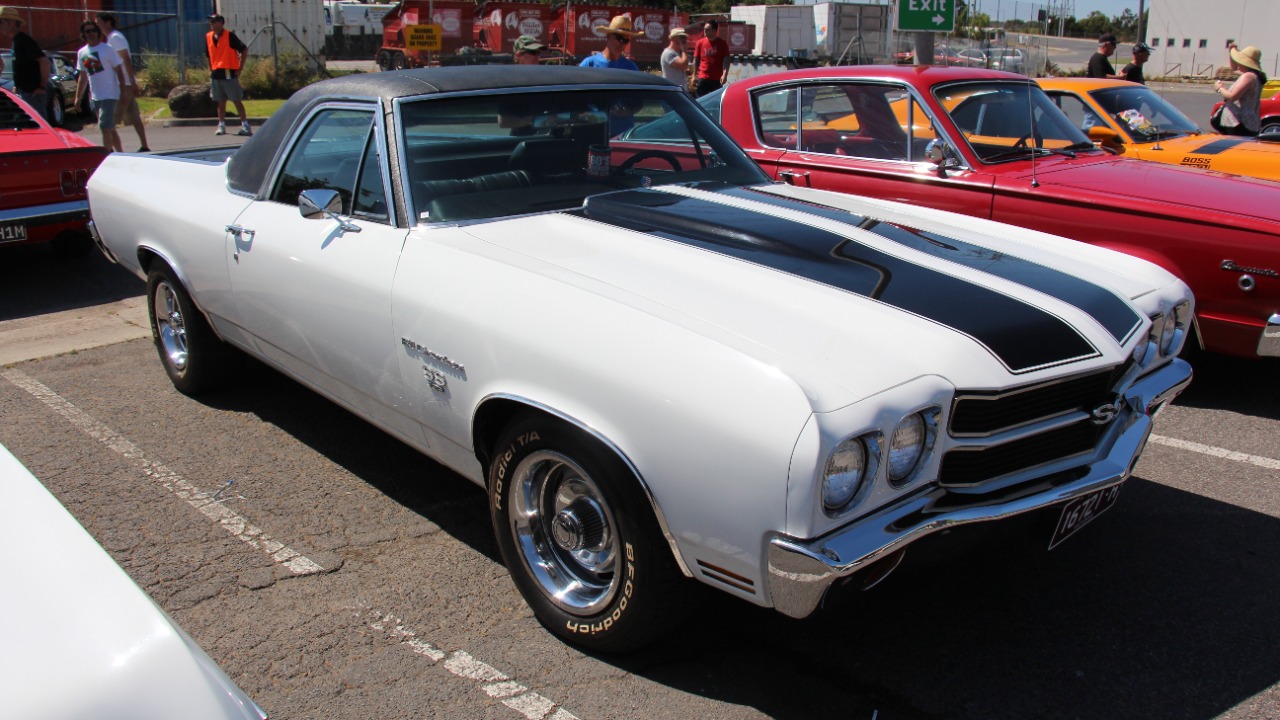
The Chevrolet El Camino was produced from 1959 through 1960 and again from 1964 through 1987, a pick-up truck bed. The name means The Road in Spanish.
The gap between the two runs is the notable part: GM stepped away after 1960 and returned in 1964. For shoppers across those decades, it offered an answer to Ford’s car-based pickup that kept the passenger-car body. Two separate production windows, 1959 to 1960 and 1964 to 1987, make its history unusual, and Conceptcarz classes it as a small car rather than a truck.
3. Chevrolet Corvair Rampside: Ramp on the Right
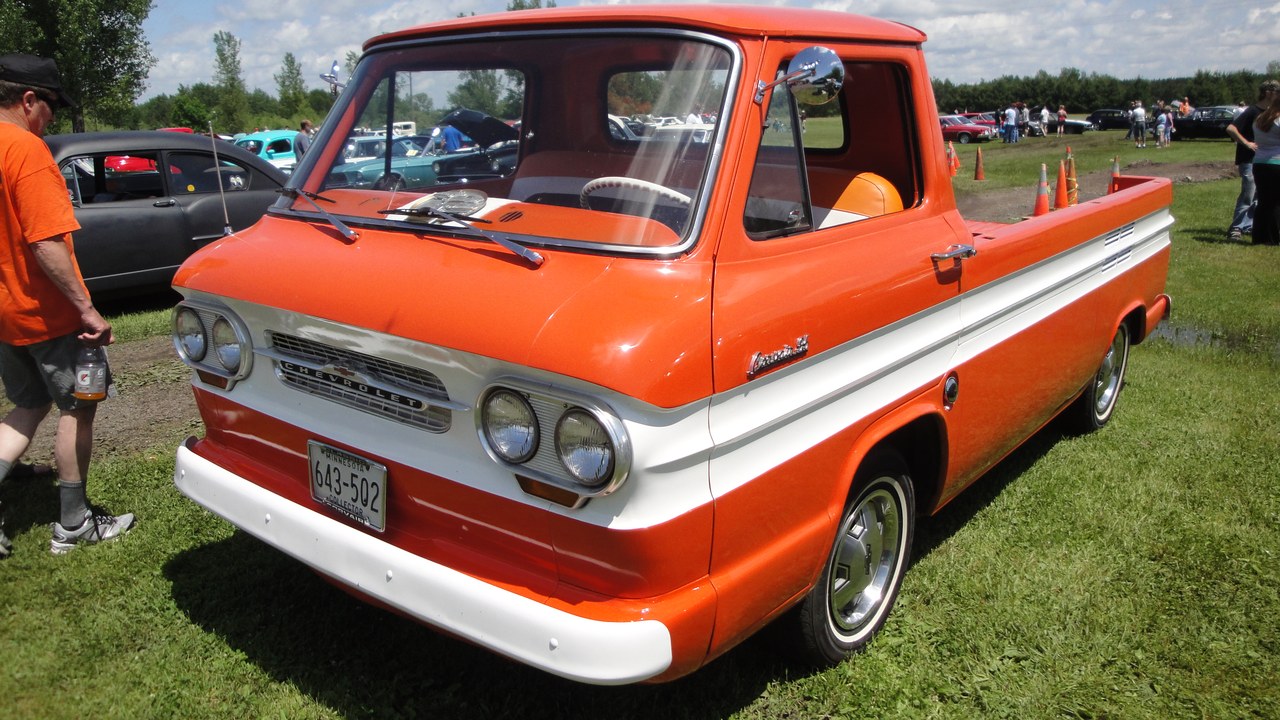
Chevrolet’s rear-engined pickup carried a hinged side ramp on the right side of the vehicle, hinged at the bottom of the cargo bay. Rubber trim on the edge helped avoid scratching the paint when the ramp was lowered.
For owners, the ramp made loading and unloading easier without lifting cargo over the bed rail. The rubber trim shows that the designers worried about the paint as well as the load, a small detail that explains the Rampside’s name. Its position on the right side of the vehicle, not at the rear, is what distinguishes it from a standard tailgate.
4. Volkswagen Rabbit Pickup: Pennsylvania-Built Hatchback

Volkswagen of America was interested in the pickup, and the Rabbit Pickup was released in North America. It was produced at the Westmoreland Assembly Plant in Pennsylvania from 1978 to 1984.
For American buyers, the result was a hatchback-based truck assembled domestically, in Pennsylvania, and sold under the Rabbit name. The 1978 to 1984 production dates bracket its time on the market in North America, where Volkswagen of America had been the party interested in the pickup. Wikipedia covers the Rabbit Pickup within its Volkswagen Caddy entry.
5. Subaru BRAT: A Tariff Dodge in the Bed
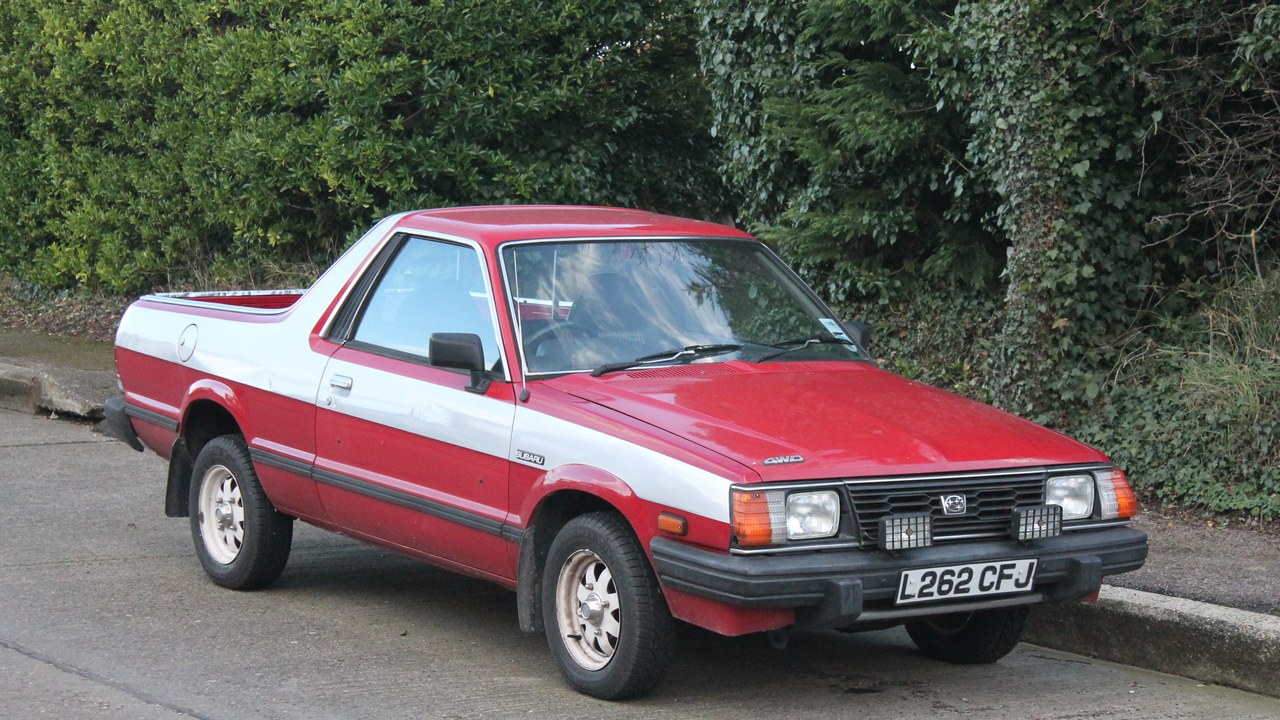
North American and Canadian BRAT models featured carpeting and welded-in rear-facing jump seats in the cargo area. The seats were a ploy to circumvent a punitive tariff on light trucks known as the Chicken Tax.
That makes the jump seats less an accessory than a legal workaround: with seats in the bed, the vehicle avoided classification that would have triggered the tariff. Owners got a pair of open-air rear perches as a result. Owners also got carpeting in the cargo area. The tariff applied to light trucks, which is why seating in the bed mattered for a vehicle with a cargo box.
6. Chevrolet SSR: Retro Roadster with a Bed

The Chevrolet SSR, short for Super Sport Roadster, was a retro-styled pickup with a retractable hardtop, built from 2003 to 2006. Its design was inspired by the Chevrolet Advance Design series of trucks.
For buyers, it combined an open-top roadster feel with a pickup bed behind the seats. The short four-model-year run and the nostalgic Advance Design styling made it a deliberate departure from the work-truck mold. The hardtop was a power-folding steel unit, so the roof stowed itself, and the name Advance Design belongs to Chevrolet’s late-1940s trucks that supplied the look.
7. Dodge Rampage: Front-Drive Coupe Utility
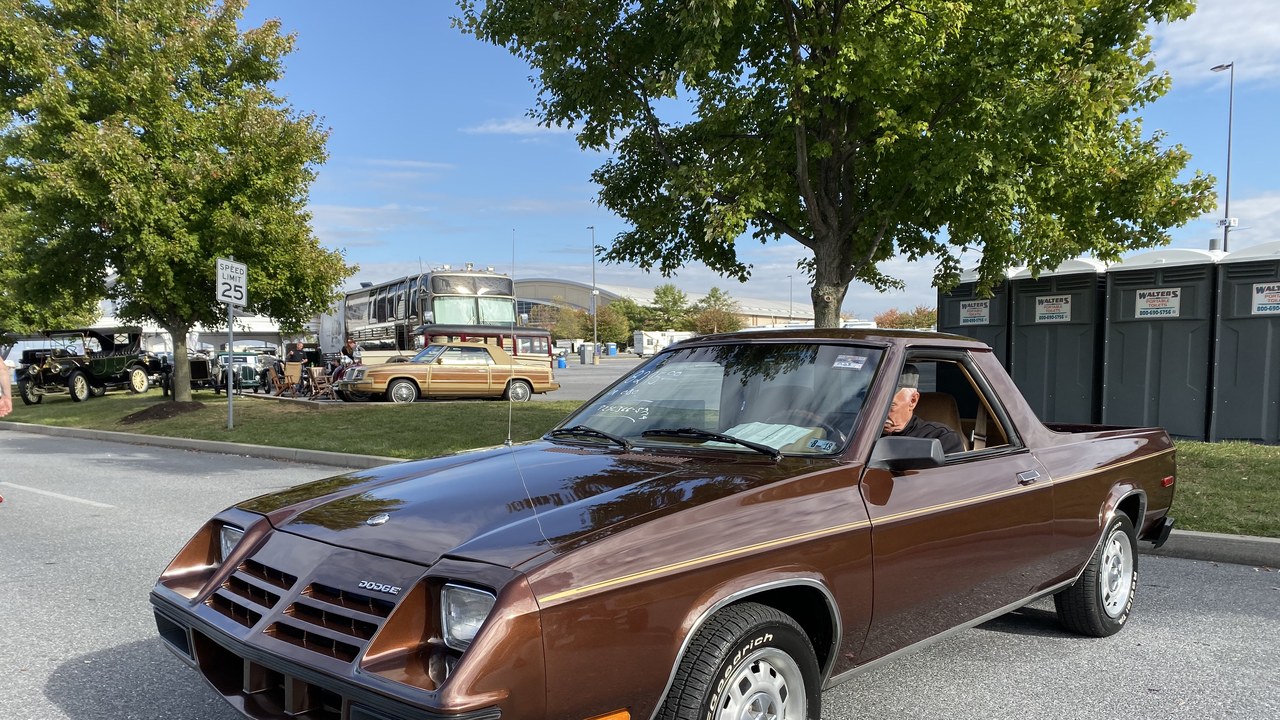
Chrysler’s 1984 Dodge Rampage, with a 2.2-litre four-cylinder and a four-speed manual, is rated 23 mpg combined by the EPA. That works out to 21 mpg in the city and 28 on the highway, on regular gasoline.
The EPA record is for the two-wheel-drive pickup, with a four-speed manual transmission, which gives a straightforward look at the model’s official ratings. The EPA also notes that estimates for 2016 and older vehicles may have been revised since. The coupe utility body style is the thread connecting it to the Ranchero and El Camino earlier in this gallery.
8. Hyundai Santa Cruz: Newest of the Breed
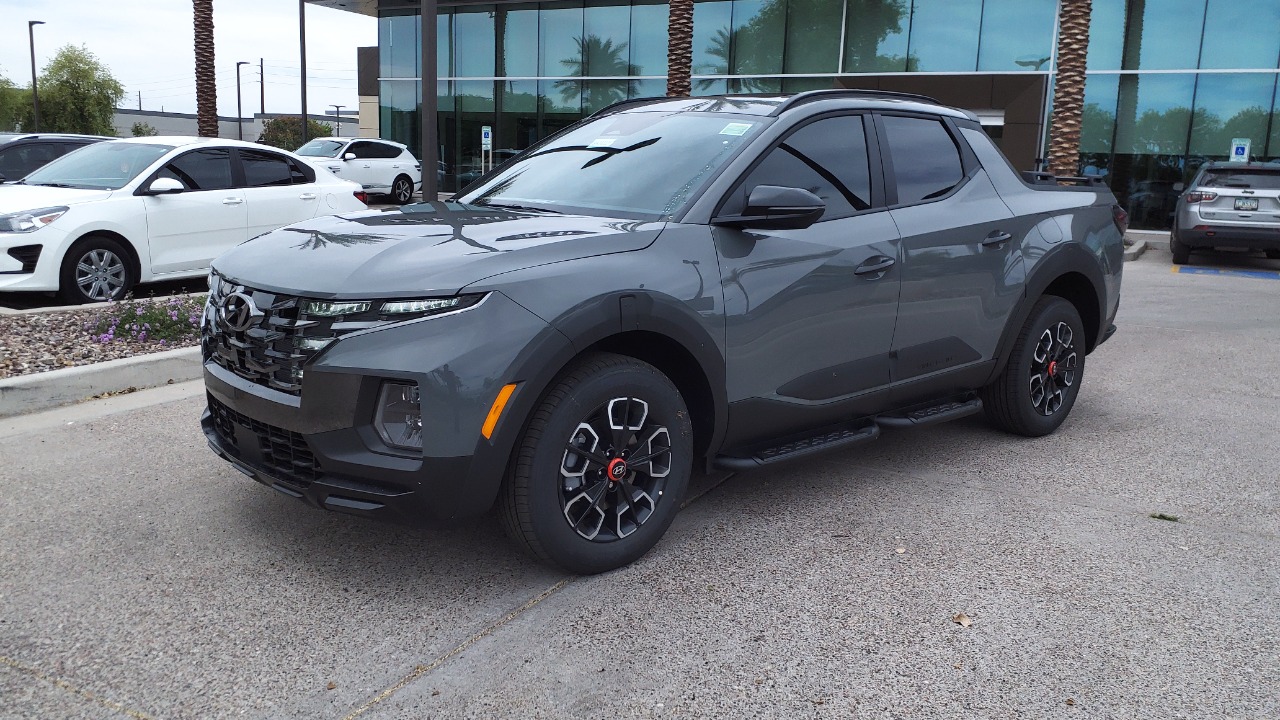
The Hyundai Santa Cruz carries a $26,900 starting MSRP in its 2024 front-wheel-drive form, with the EPA record running up to $29,650. EPA rates the 2.5-litre four at 23 mpg combined, 22 city and 26 highway.
The EPA record gives a total range of 407 miles and 4.3 gallons per 100 miles. For shoppers, that makes it the most recent car-based pickup on this list, and an entry-price option for a bed with a car-like cabin. The EPA record names the 2.5-litre four-cylinder with an S8 automatic, the powertrain behind those mileage figures.
9. Honda Ridgeline: Priciest Car-Based Pickup
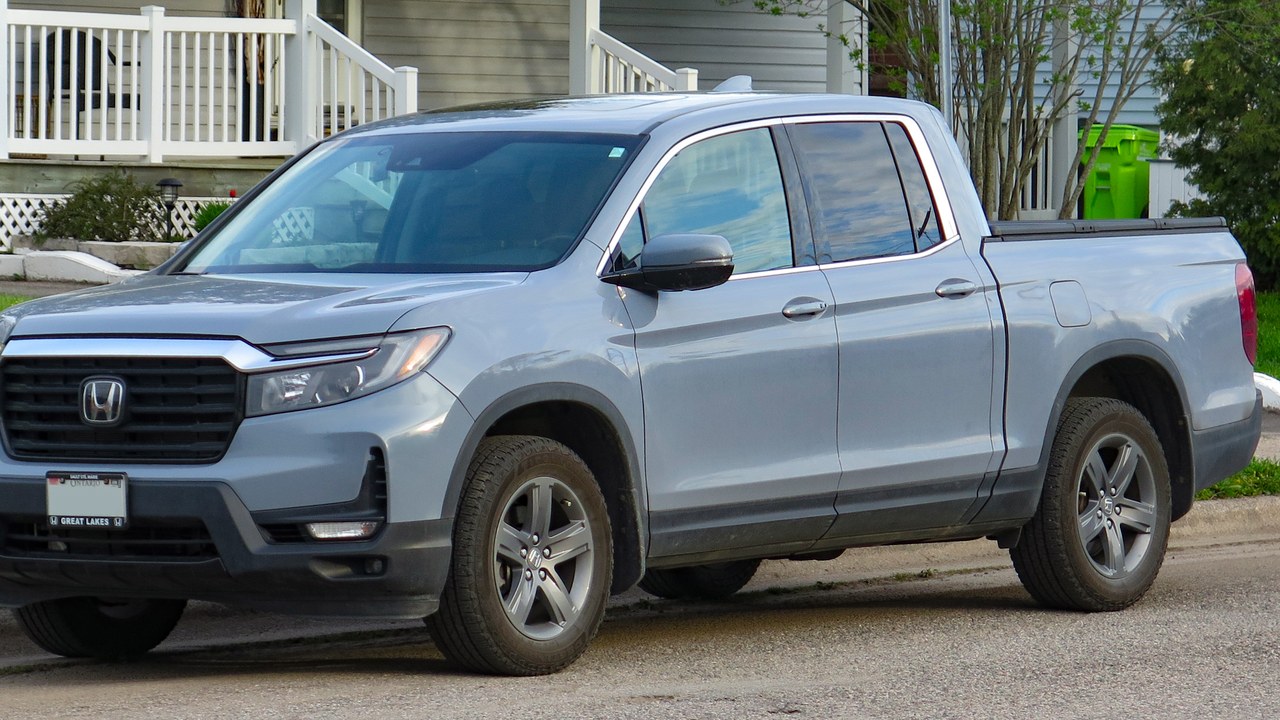
The 2026 Honda Ridgeline AWD carries a $40,795 starting MSRP, rising to $47,895 in the EPA record. Its 3.5-litre V6 is rated 21 mpg combined, 18 city and 24 highway.
That starting price makes it the priciest car-based pickup in this gallery. The EPA record also shows 4.8 gallons per 100 miles and a total range of 410 miles, the figures a buyer would weigh against that higher sticker. The EPA record shows regular gasoline and an S9 automatic, the powertrain behind the 21 mpg combined rating, and EPA labels the range figure unofficial.
10. Subaru Baja: Flat-Four Mini Truck
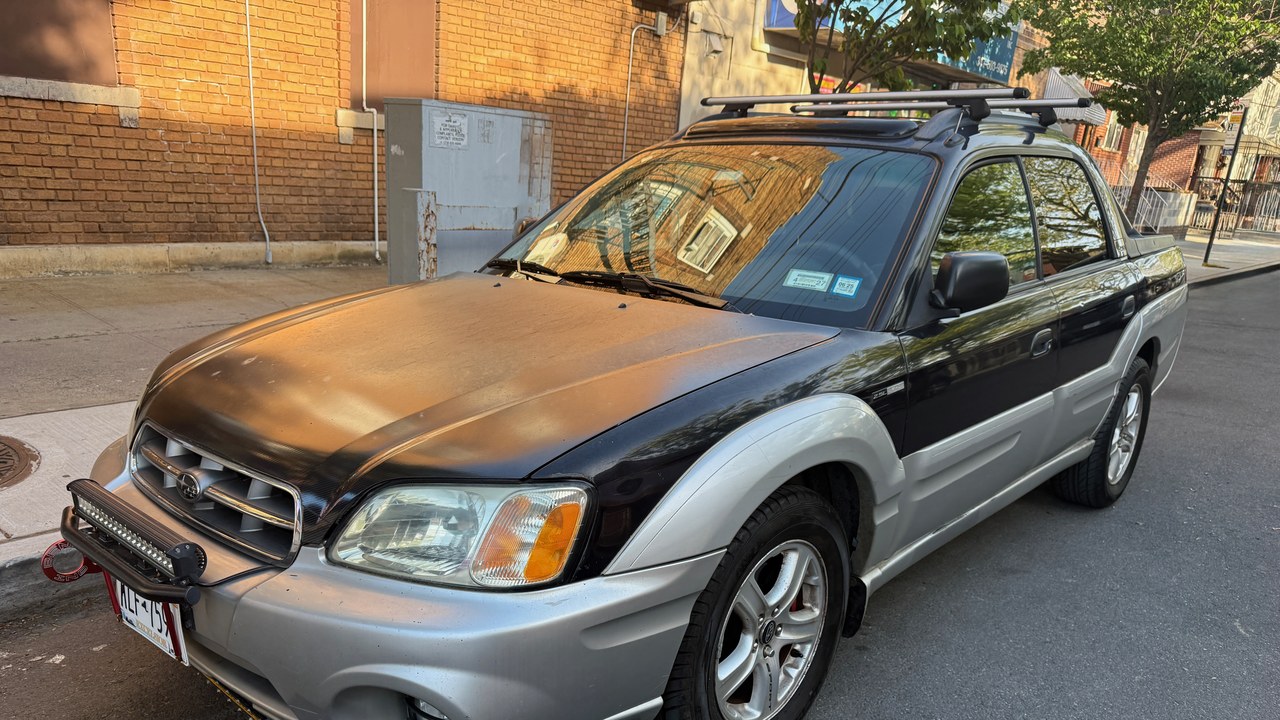
The 2005 Subaru Baja AWD’s 2.5-litre flat-four is rated 21 mpg combined by the EPA, with 19 mpg in the city and 25 on the highway. The EPA record shows a four-speed automatic and regular gasoline.
It also lists 4.8 gallons per 100 miles and a total range of 355 miles. The 2005 rating is a reminder that the Baja belongs to the early 2000s, and EPA notes that estimates for 2016 and older vehicles may have been revised. Those figures give the Baja the same combined rating as the Ridgeline, though from a smaller engine.
More from Morning Overview
- Early electric-car owners are hitting battery and screen failures no one warned them about
- A magnitude 5.3 quake struck off the Oregon coast this week
- Amazon’s Prime refunds are rising to $200 as millions more customers become eligible
- A handful of car engines are so tough mechanics say they almost never wear out
