
Some American trees are measured in tons, cubic feet, and thousands of years rather than in ordinary heights alone. Most of the record holders stand in protected groves, where paved trails and scenic roads lead straight to the trunks. Here are eleven of those trees and forests, from single named giants to entire groves.
1. General Sherman Tree: Nearly 1,400 Tons of Trunk

Measured by volume, the General Sherman Tree is the largest tree on Earth, with an estimated 52,500 cubic feet of wood. The National Park Service adds that the trunk alone weighs nearly 1,400 tons, a figure that explains why the tree is discussed in weight as well as height.
A half-mile paved trail ends at the base of the tree, so the trunk is within reach of visitors who would never attempt a backcountry hike. Standing at the bottom of it puts the 1,400-ton figure in plain view against the ground.
2. General Grant Tree: The Nation’s Christmas Tree
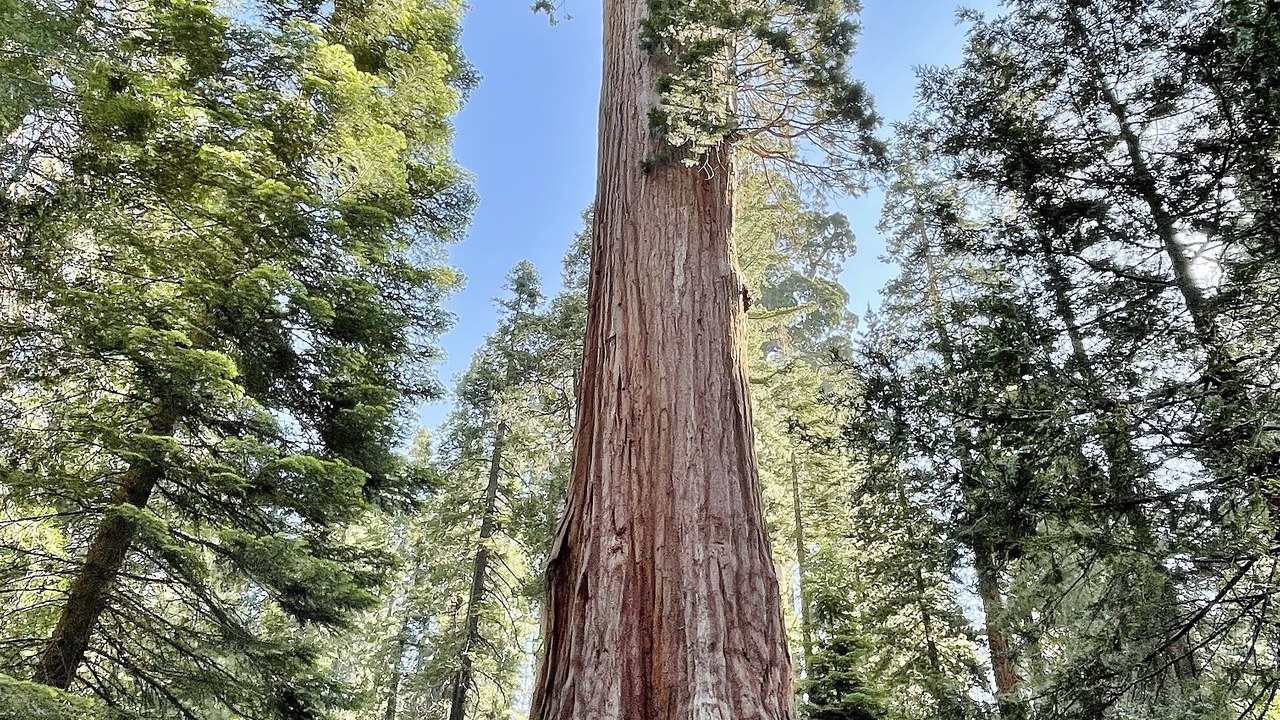
President Calvin Coolidge designated the General Grant Tree as the Nation’s Christmas Tree on April 28, 1926, giving a Kings Canyon sequoia a national title. The designation tied a single living tree to a holiday tradition that has outlasted the proclamation itself.
A third-mile paved loop in Kings Canyon still circles the tree, so the whole circuit is a short walk. Walking the loop lets visitors see the trunk from every side instead of from one viewpoint, and the paving keeps the route simple.
3. Giant Forest: Largest Unlogged Groves
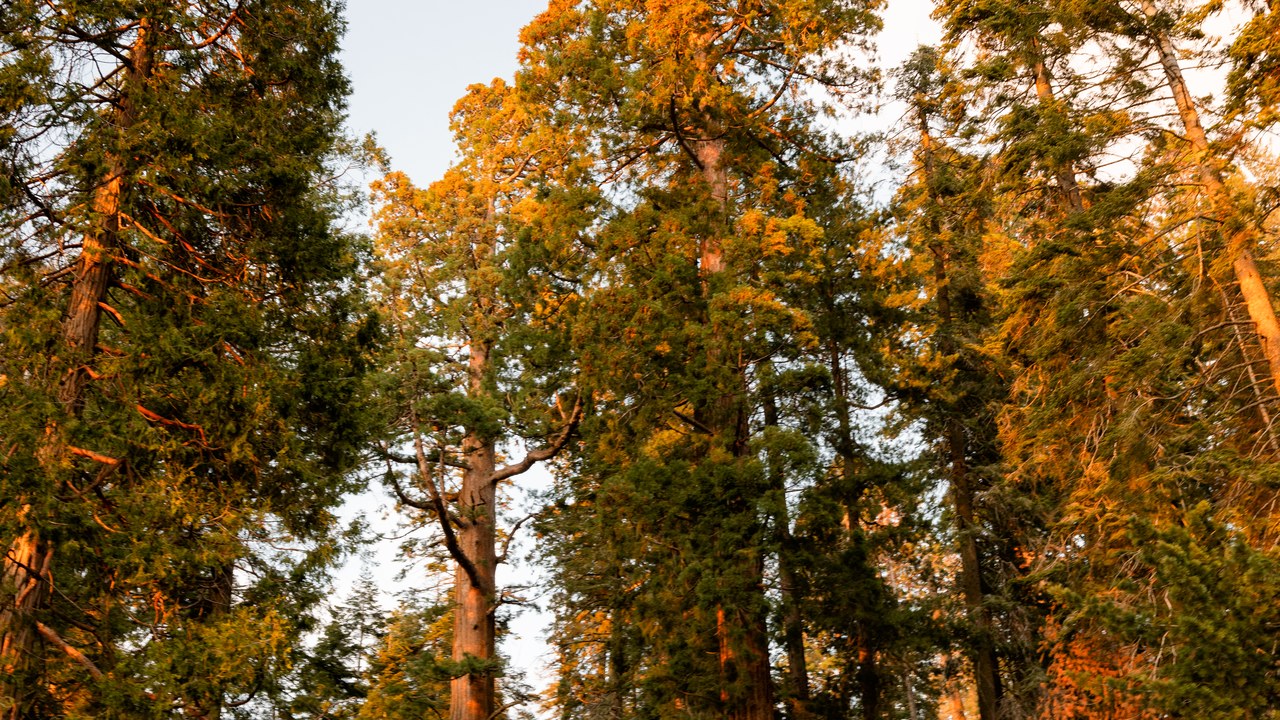
According to the Park Service, the Giant Forest is home to the largest unlogged giant sequoia groves in California. The General Sherman Tree stands at the north end of the forest, which places the largest tree on Earth by volume inside the largest uncut stands.
Because the groves were never logged, the forest shows giant sequoias growing together rather than as isolated survivors among stumps. A trip to the Sherman Tree therefore doubles as a visit to the grove around it, covering the famous trunk and its neighbors in a single outing.
4. Grizzly Giant: Three Thousand Years Old
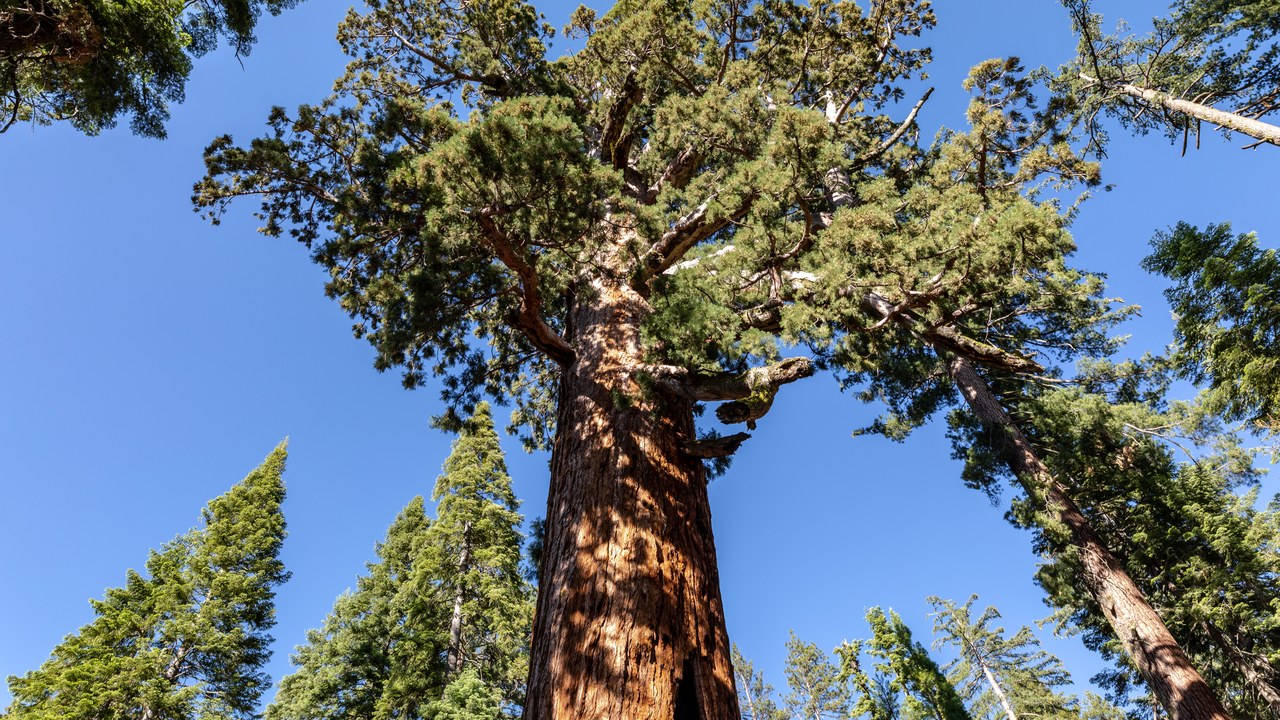
Yosemite’s headline sequoia is the 3,000-year-old Grizzly Giant, a tree reckoned to have been growing for about three millennia. The Park Service names it among the main attractions of Mariposa Grove, where it draws visitors toward its massive trunk.
Reaching the tree takes a two-mile loop with 300 feet of climb, which makes it a moderate effort rather than a stroll. Visitors who make the walk stand beneath a living organism whose age is counted in thousands of years, a scale few trees anywhere can match.
5. Mariposa Grove: Lincoln’s 1864 Protection
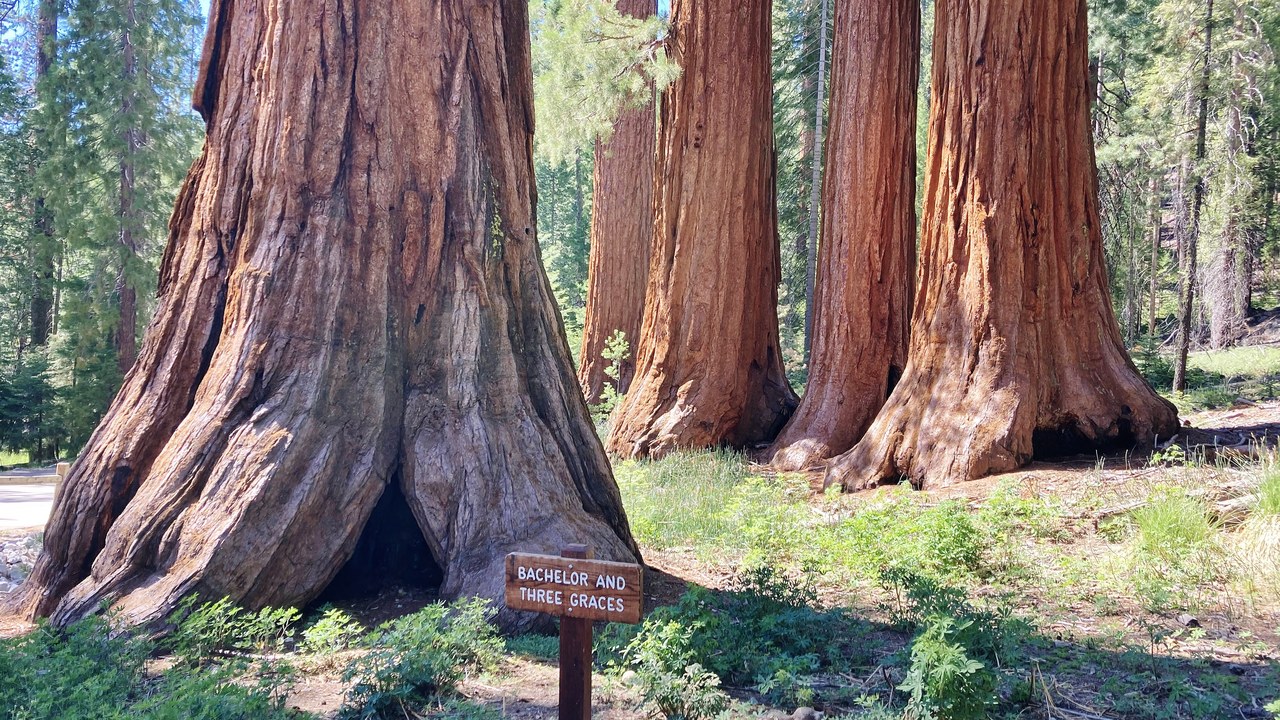
Mariposa Grove of Giant Sequoias is the largest sequoia grove in Yosemite, with over 500 mature giant sequoias. Abraham Lincoln signed its protection in 1864, a measure that covers a stand of trees that still numbers in the hundreds.
The grove is also home to the Grizzly Giant, so a single visit takes in both the largest stand in the park and its best-known individual tree. The count of more than 500 mature sequoias gives a sense of how many giants share one grove, not just one famous trunk.
6. Redwood National and State Parks: Redwoods Taller Than Skyscrapers
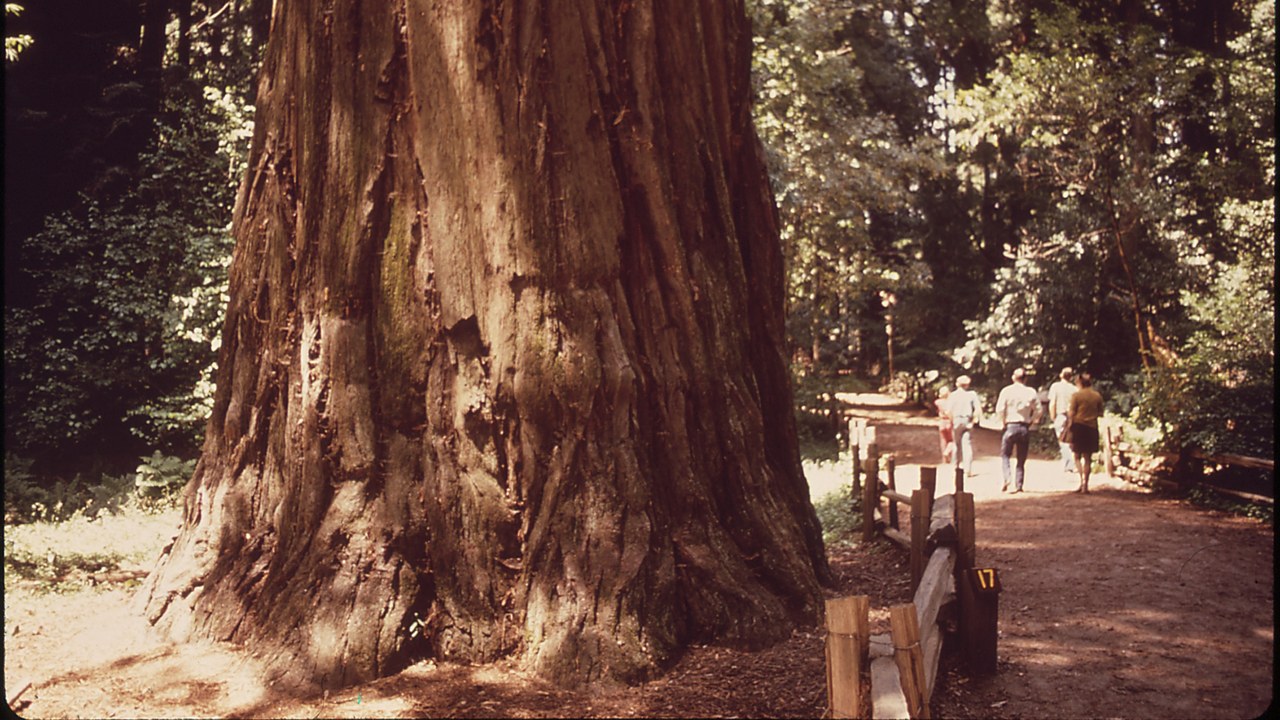
Coast redwoods in Redwood National and State Parks may grow to a height of 367 feet, with a width of 22 feet at the base, according to the Park Service. That height equals a 35-story building, and the trees can live 2,000 years.
The figures turn a forest walk into a comparison with city architecture, since the tallest trunks rival tall buildings. Visitors craning upward at a base 22 feet wide are looking at an organism that may have been standing for twenty centuries.
7. Muir Woods National Monument: Redwoods Near San Francisco
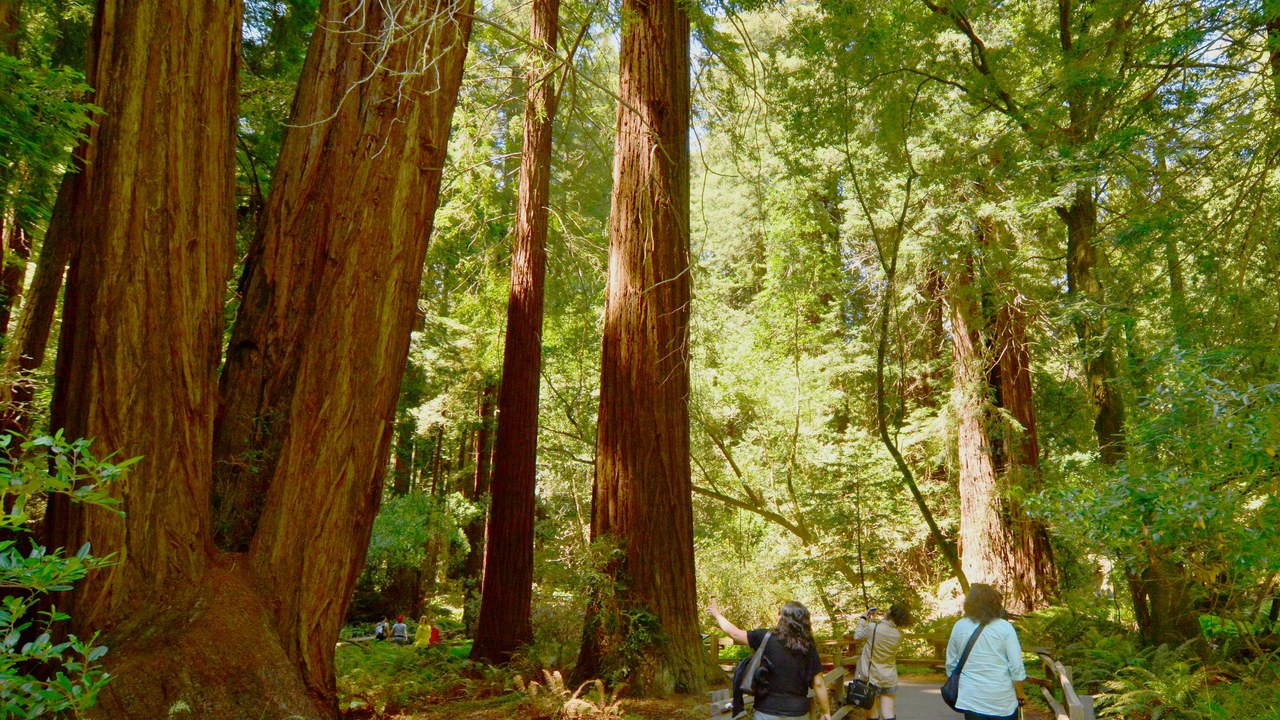
Muir Woods National Monument protects old-growth coast redwood forest only 12 miles from San Francisco. The park’s accessibility page describes nearly 2 miles of firm-surfaced, flat trails with frequent benches, which opens the forest to a wide range of visitors.
The flat grade and the benches make the old-growth redwoods reachable for people who cannot manage steep or uneven paths. The short distance from a major city also means the trees stand close to a large urban area, so the forest does not require a long expedition.
8. Great Basin bristlecone pines: Older Than Any Other Tree Species
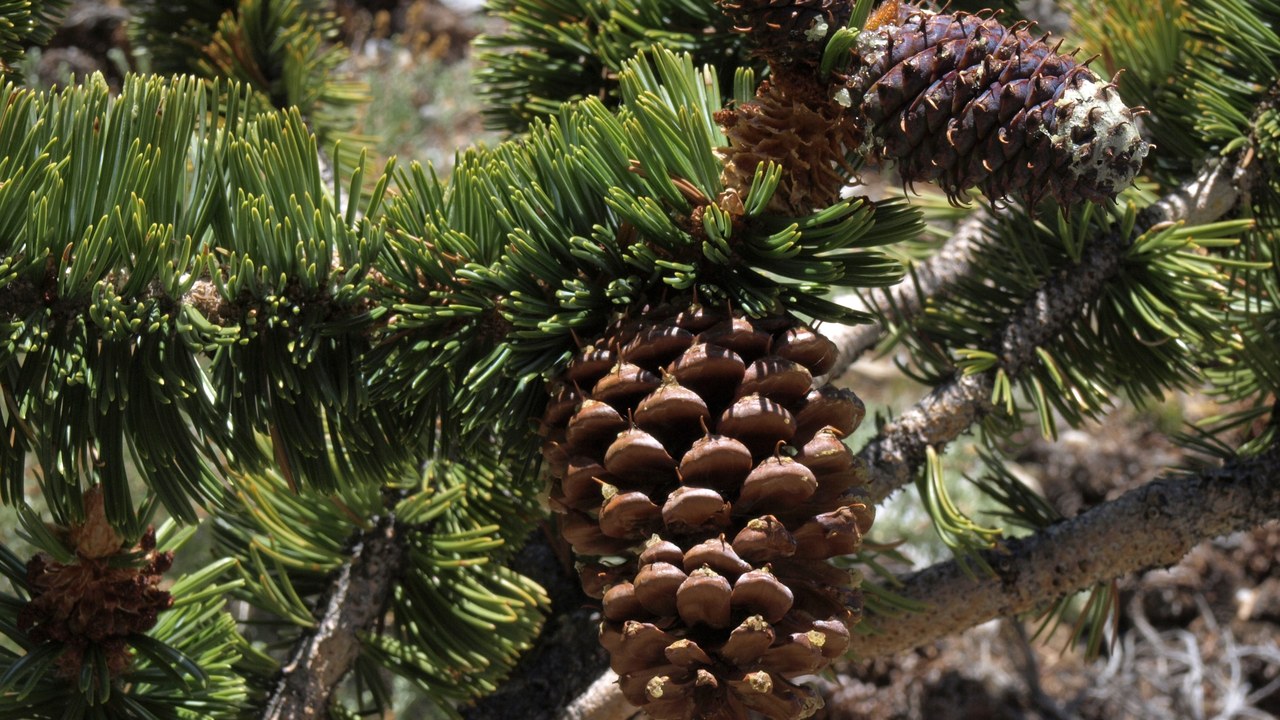
Great Basin bristlecone pines are the oldest non-clonal species on the planet, according to the Park Service. The park’s Prometheus tree was once recorded as the oldest living thing in the world, estimated between 4,700 and 5,200 years old.
Non-clonal means each tree is a single individual rather than a colony, which is what makes the age estimates so striking. For visitors, the bristlecones offer a chance to see living wood that began growing thousands of years before the oldest sequoias now standing.
9. Humboldt Redwoods State Park: The Rockefeller Forest
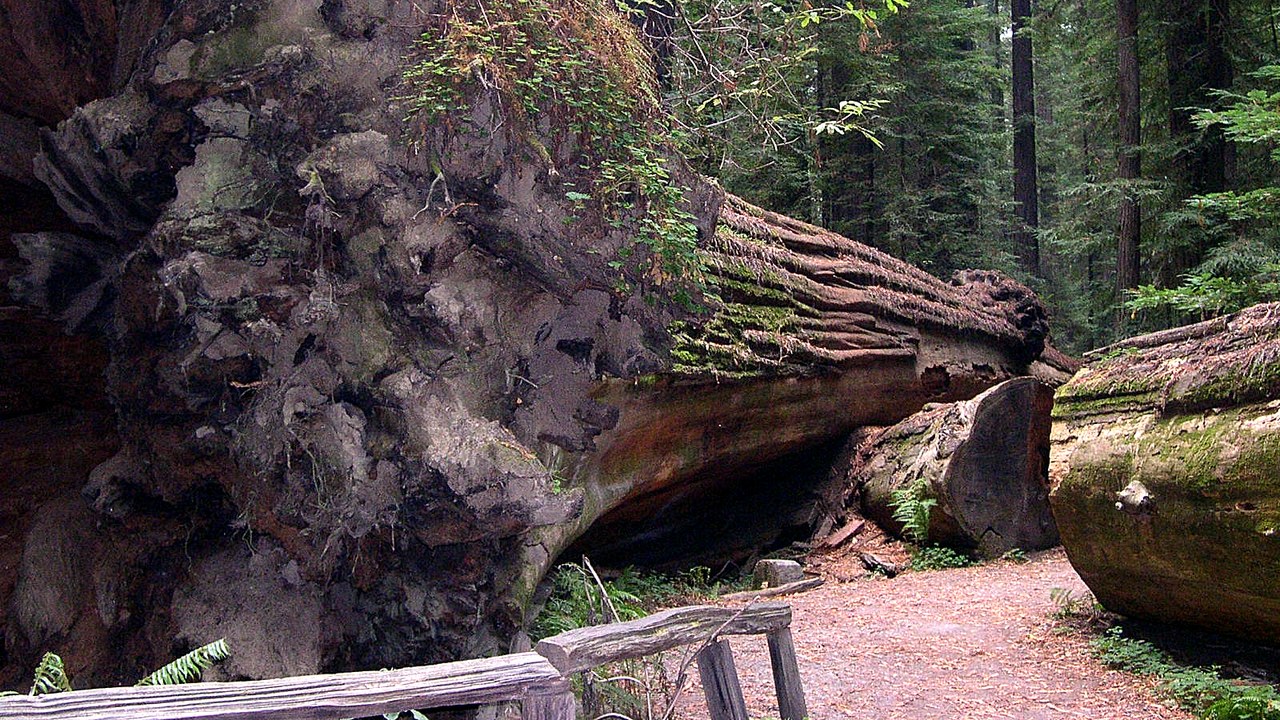
Humboldt Redwoods State Park contains Rockefeller Forest, described as the world’s largest remaining contiguous old-growth forest of coast redwoods. The word contiguous matters here, because the old growth forms one connected stand rather than scattered remnants.
For visitors, the park is the place to see an unbroken expanse of coast redwoods instead of a few roadside specimens. The Avenue of the Giants scenic highway also runs through the park, so the forest can be reached by road without a long approach on foot.
10. Calaveras Big Trees State Park: Visitors Since 1852
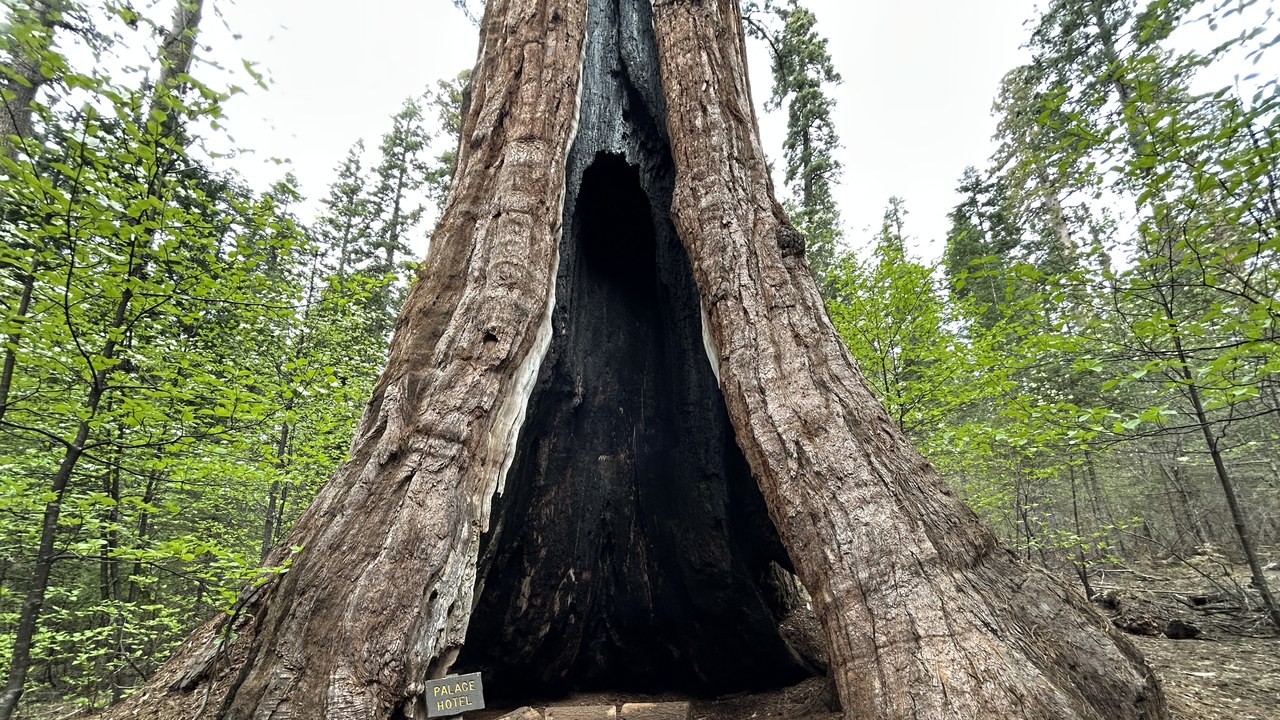
Calaveras Big Trees State Park preserves two groves of giant sequoia trees. People have been coming to see them since 1852, when word of the trees first got out, which makes the park an old destination among the places that protect big trees.
That long record means the sequoias have drawn travelers for well over a century and a half. Having two groves rather than one gives visitors more than a single stand to explore, so the park offers a choice of giants instead of one fixed viewpoint.
11. Avenue of the Giants: A Road Beneath the Redwoods
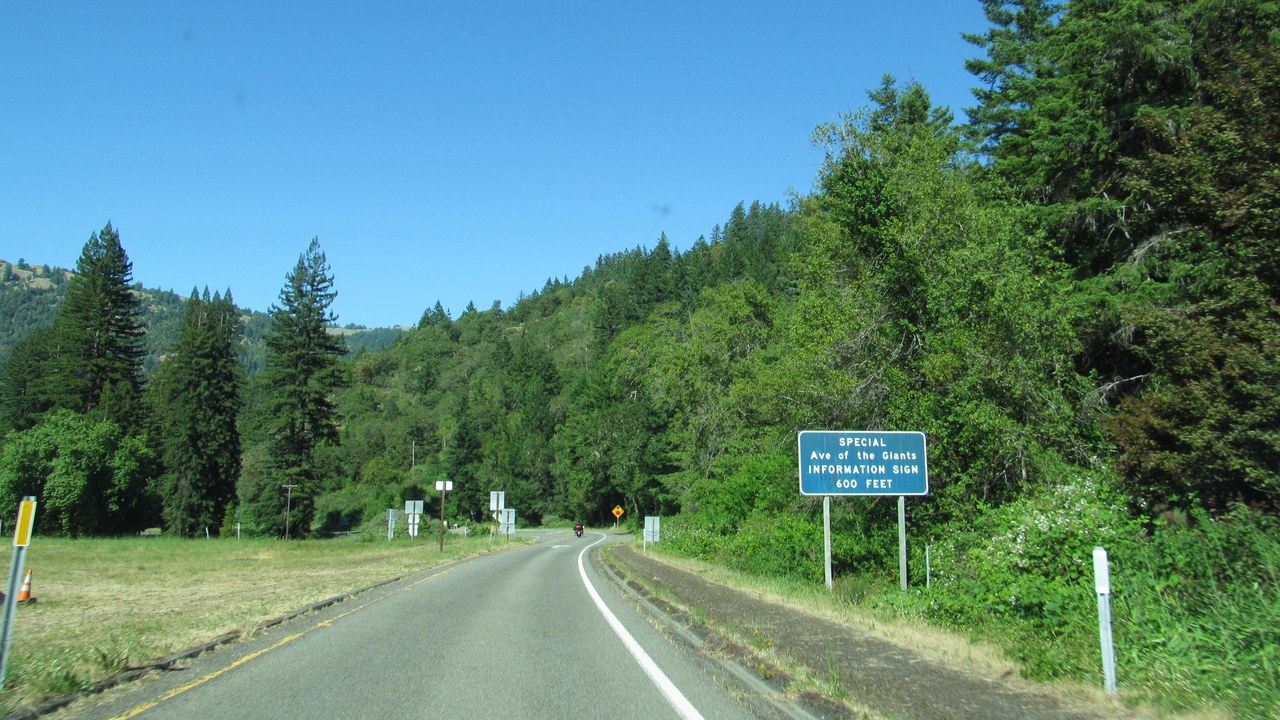
The Avenue of the Giants is a scenic highway in northern California, running through Humboldt Redwoods State Park on the old U.S. 101 alignment. It runs for miles directly beneath the coast redwoods, so the trunks line the pavement itself.
The route turns the trees into something that can be seen from a car window, which suits visitors who want the redwoods without a long hike. Because the road sits on the former highway alignment, it is a drive meant for slow looking rather than for getting somewhere fast.
More from Morning Overview
- A geomagnetic storm is forecast to hit Earth today, pushing the northern lights unusually far south
- A recalled pill hid a stimulant dose linked to heart attacks and death
- Four U.S. startups fired up their first small nuclear reactors, aiming to power AI data centers on-site
- Card skimmers hidden on gas pumps and ATMs are draining accounts, and here’s the tell
