
Many American car names started life as place names, taken from beaches, salt flats, bays and cities in Europe and the United States. The sources behind each entry state the origin directly, and several of the cars appear alongside current fuel-economy ratings. Here are twelve models whose names came straight off the map.
1. Chevrolet Malibu: California Surf
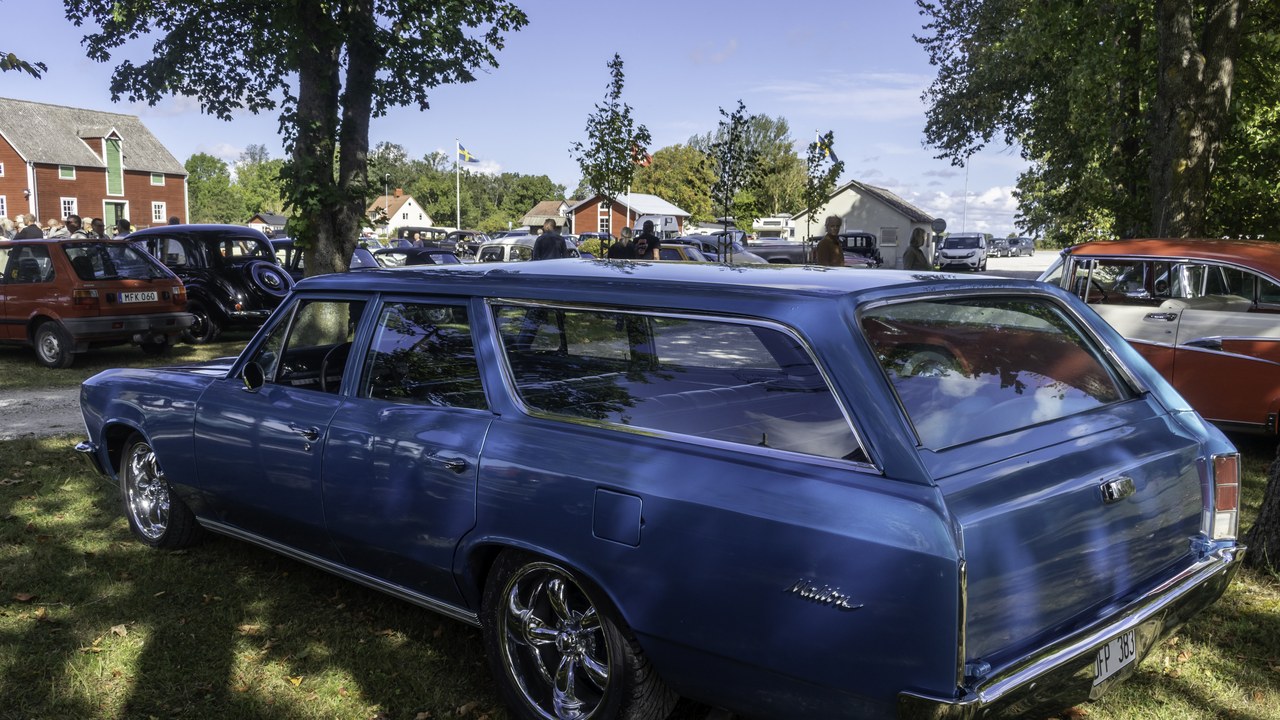
Chevrolet’s mainstream sedan takes its name from a coastal Los Angeles County community, and Chevrolet Malibu’s Wikipedia entry states that the car is named after Malibu, California. It has been marketed primarily in North America.
The eighth generation was introduced globally, which carried the California beach town’s name to buyers well beyond the United States. The name is the one thing tying the sedan to California, since the car itself has been sold mainly in North America.
2. Pontiac Bonneville: Salt Flat Speed
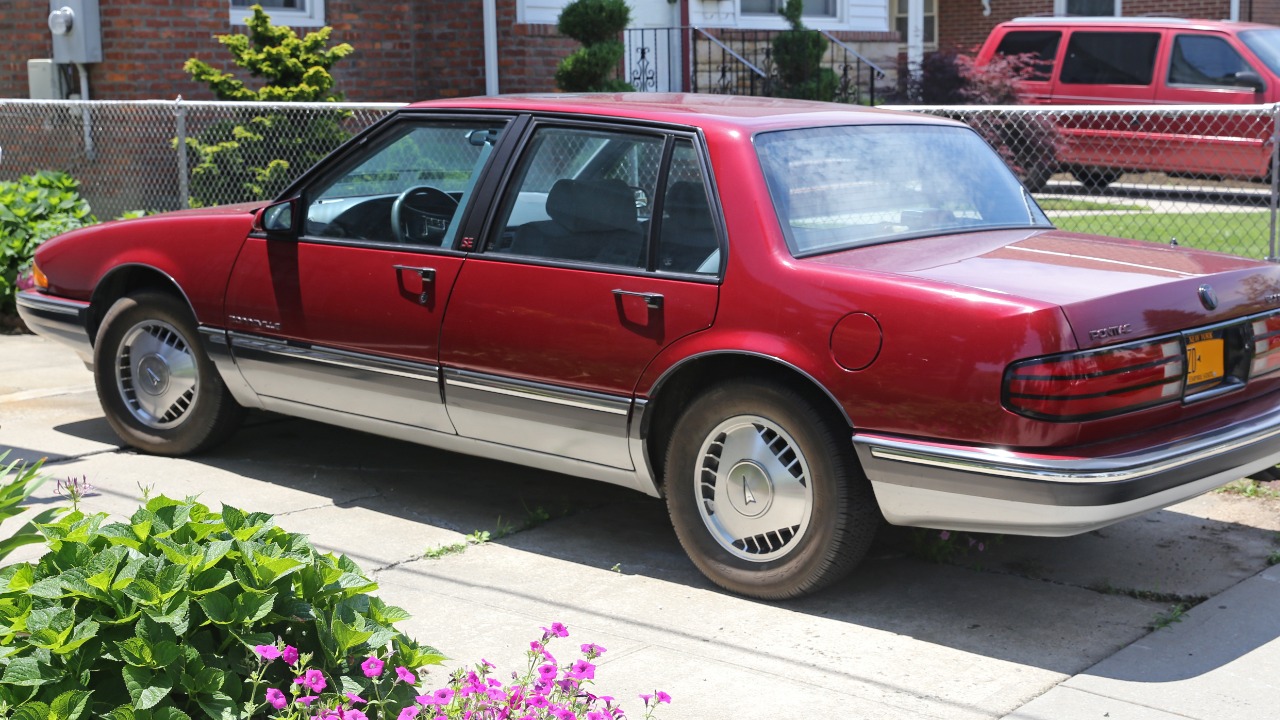
The 1957 Bonneville began as a limited-production performance convertible, and Pontiac Bonneville’s Wikipedia entry says its name came from the Bonneville Salt Flats in Utah, an early site of American automobile racing and numerous world land speed records.
The nameplate therefore started as a low-volume performance model, tied to a place where speed records were set. The debut came in the 1957 model year, so the link between the car and the salt flats dates to its introduction.
3. Chevrolet Monte Carlo: Riviera Glamour
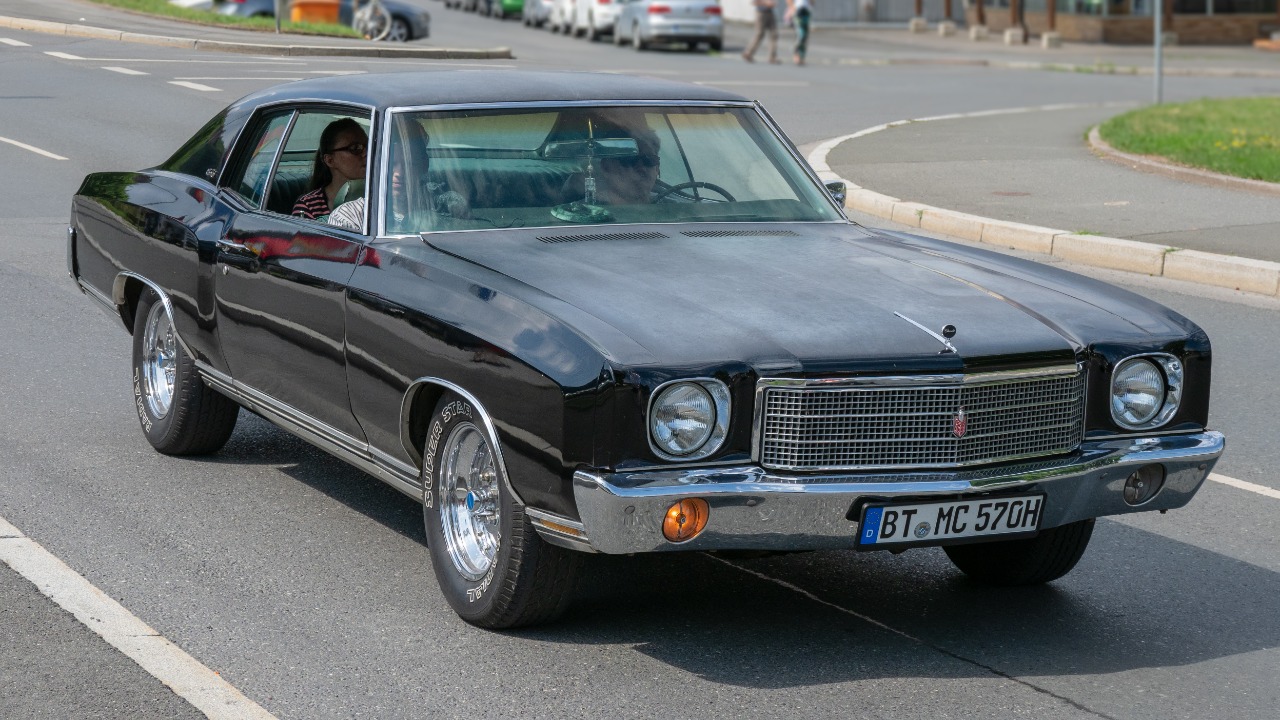
Chevrolet drew the name from the city in Monaco, and Chevrolet Monte Carlo’s Wikipedia entry describes the Monte Carlo as the first personal luxury car of the Chevrolet brand.
The model is billed as a first for the brand in the personal luxury class, so the place name marks a new kind of car for Chevrolet rather than a trim level on an existing one, and the Monaco reference sets it apart from the brand’s other sedans and coupes of the period.
4. Chrysler Cordoba: Spanish Namesake
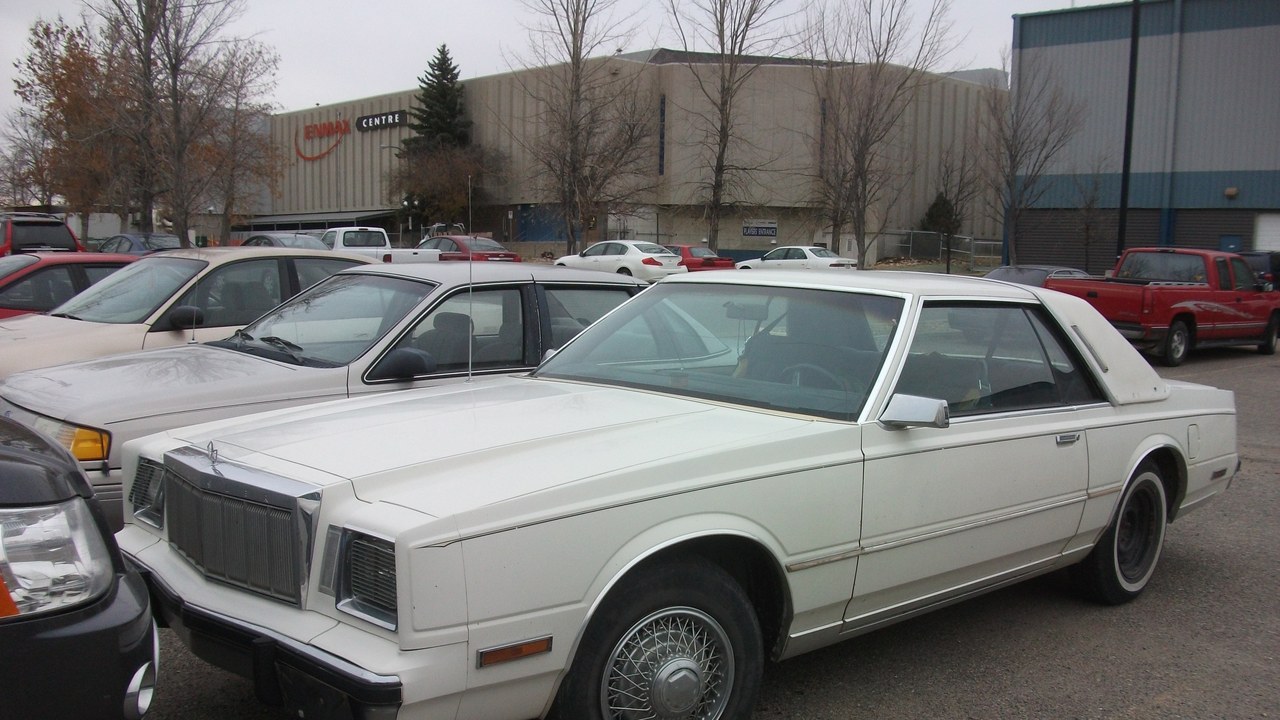
The Chrysler Cordoba was named for a city in Spain, and Chrysler Cordoba’s Wikipedia entry states simply that the name was taken from the Spanish city of Córdoba, Spain.
The badge names the city, not the Corinthian leather the car was sold on, and the origin stands as a plain geographic borrowing. The Cordoba shares its Spanish-city origin with the Cadillac Seville, which appears later in this gallery, and both names came from across the Atlantic.
5. Mercury Monterey: Monterey Bay
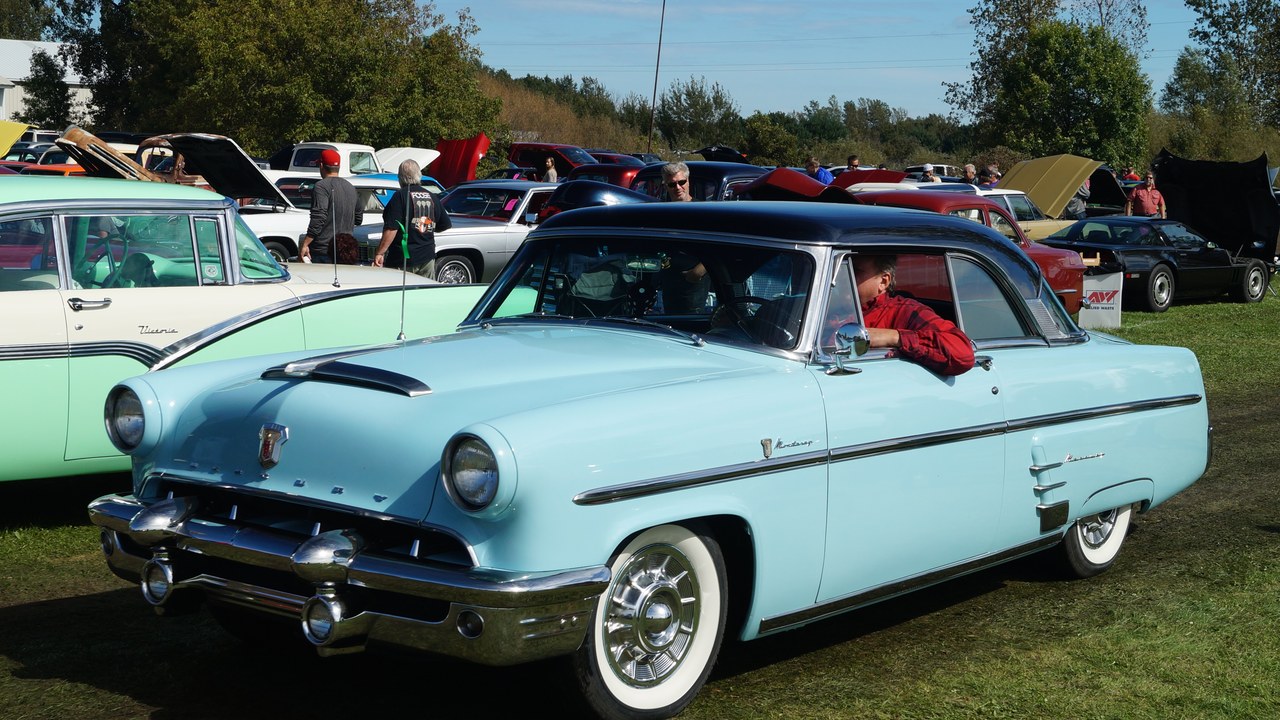
Mercury’s Monterey carried the name of Monterey Bay in California, and Mercury Monterey’s Wikipedia entry describes the original car as the top-of-the-line two-door sedan for 1950 and 1951.
It was positioned to compete with the hardtop models of Oldsmobile and Buick. The name therefore began on a two-year flagship, and the name derives directly from the California bay, the same way other cars here took their names from coastal places.
6. Pontiac LeMans: French Endurance
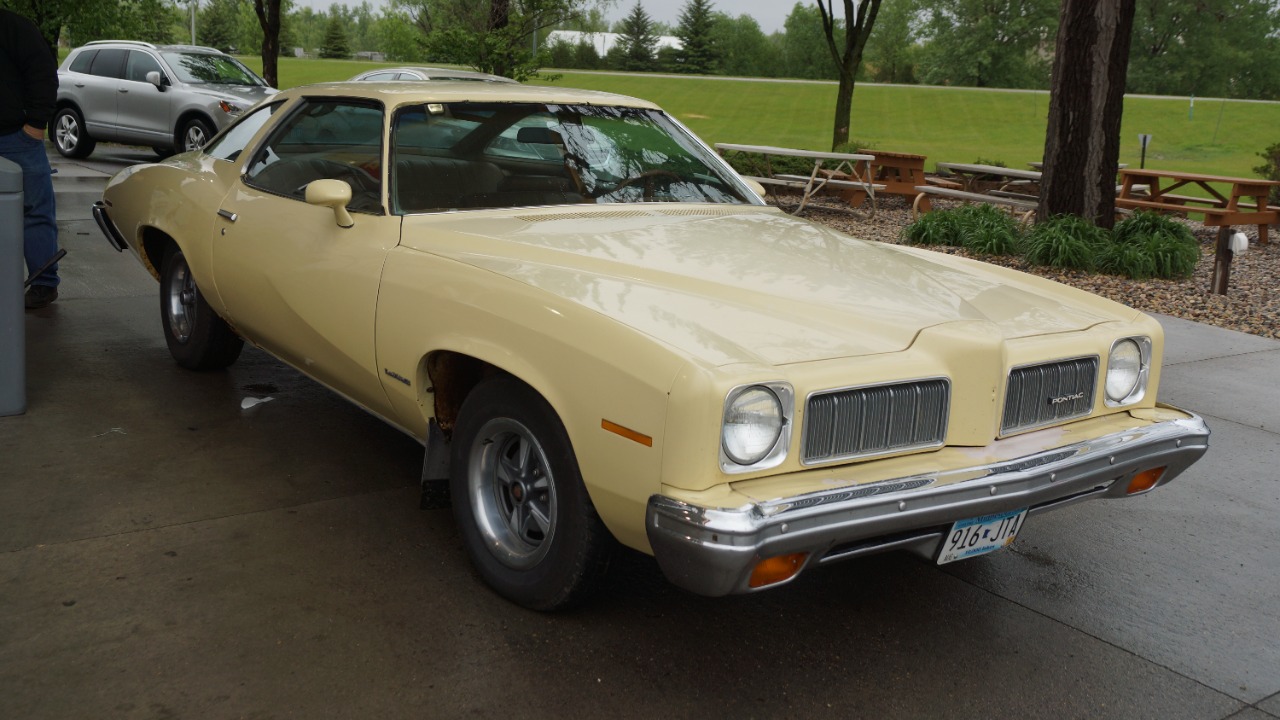
Pontiac took the LeMans name from the French city that hosts the 24 Hours of Le Mans, and Pontiac LeMans’s Wikipedia entry notes that the endurance race is the world’s oldest active sports car event, first held in 1923.
The reference ties a Pontiac to a place known worldwide for motorsport. The race’s age, which dates back to 1923, means the name borrowed the standing of a long-running competition as well as a point on the French map.
7. Hyundai Tucson: Arizona Desert
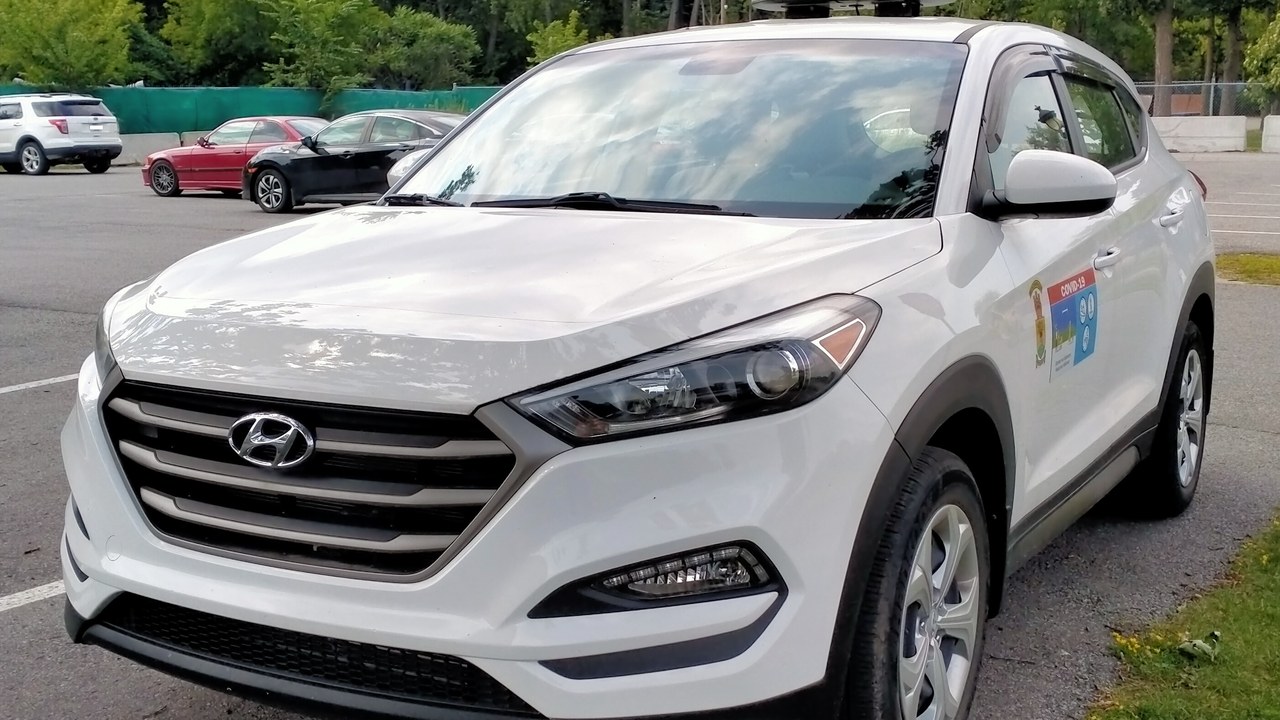
Hyundai’s compact SUV is named after the city of Tucson, Arizona, according to Hyundai Tucson’s Wikipedia entry.
The name points toward the American Southwest, even though the vehicle is marketed by a Korean brand. As a compact SUV it is a very different vehicle from the full-size Pontiac Catalina, yet both took place names. Along with the Malibu, it is one of the entries here whose namesake is a community inside the United States.
8. Pontiac Catalina: Island Trim
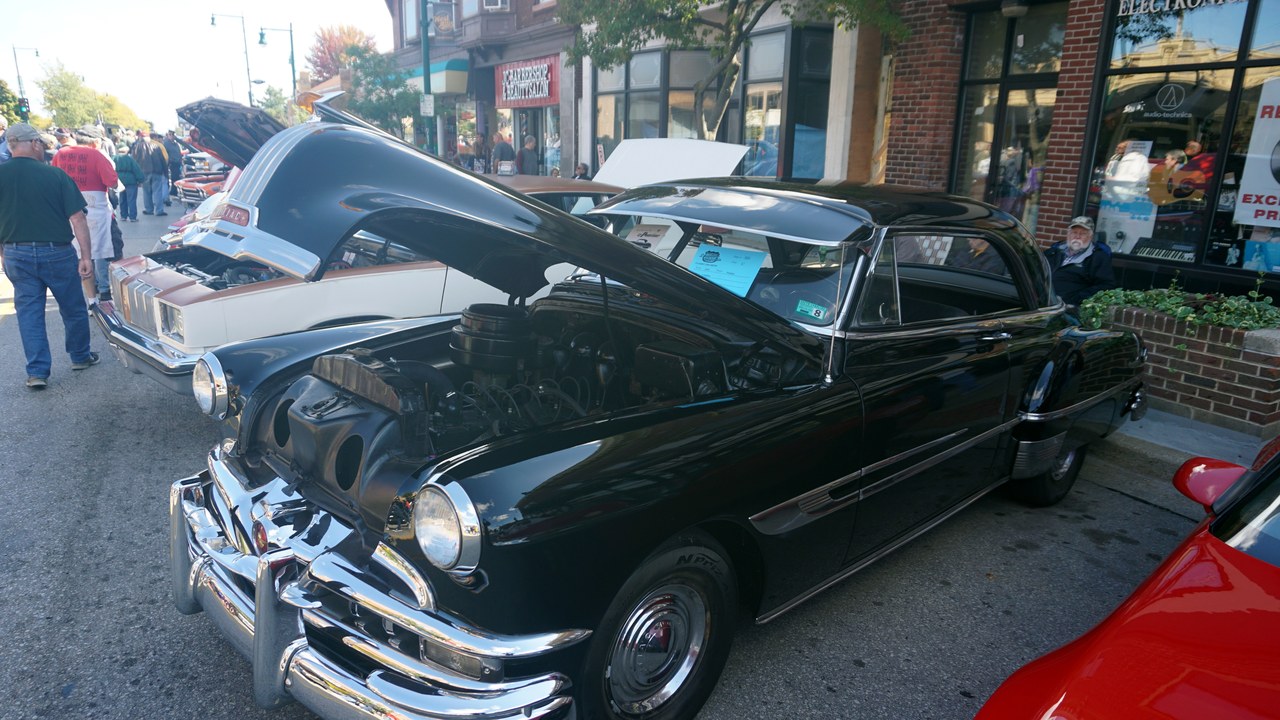
The Catalina name first appeared in 1950 on the Chieftain Series 25/27 hardtop, and Conceptcarz’s Catalina page records it as Pontiac’s top trim level at the time, with the Catalina in the full-size line from 1950 to 1981.
The name evokes an island, and it began as a trim level instead of a standalone model. That origin explains how a place-inspired badge grew into a long-running family of large Pontiacs spanning more than three decades.
9. Cadillac Seville: Seville, Early
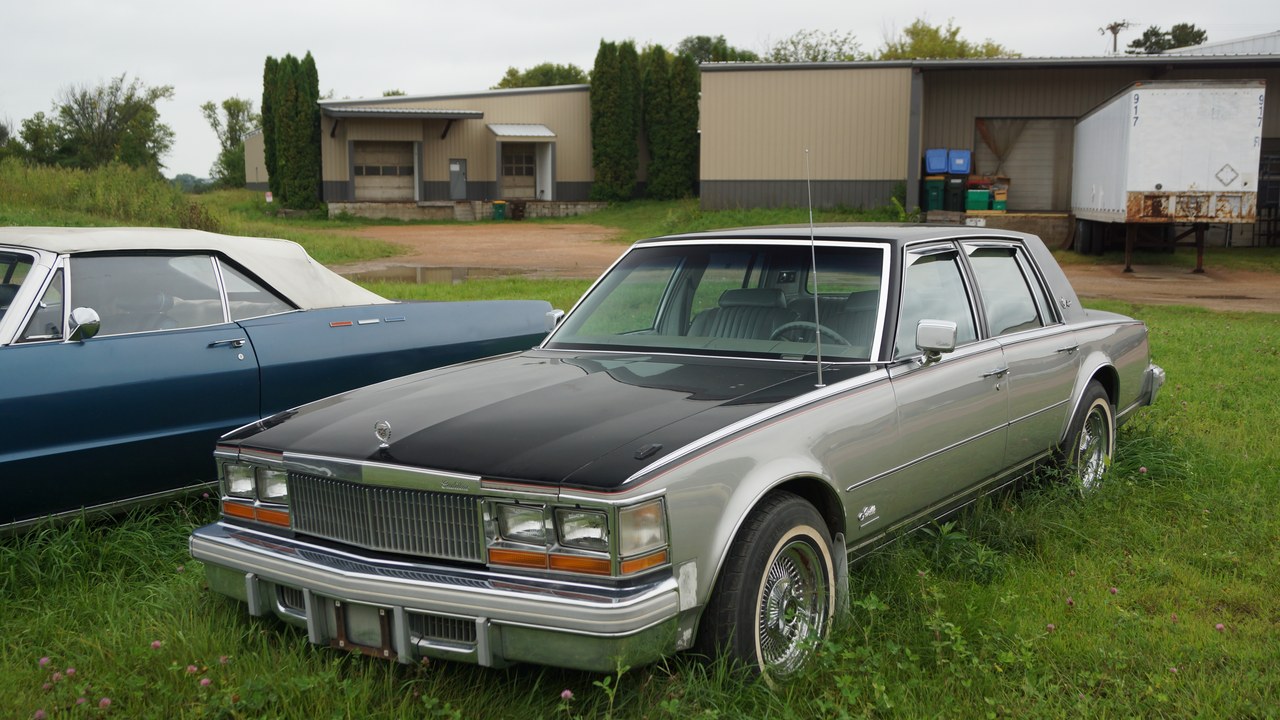
Cadillac first used the name SeVille in 1956, according to Conceptcarz’s Seville page, which dates the Spanish city’s first appearance on a Cadillac well before the car most buyers know.
The name appeared two decades before the Seville became its own model. For that stretch, the city name lived on as a badge before it became a standalone Cadillac, which makes it one of the older place names in this gallery.
10. Hyundai Santa Fe: Santa Fe Hybrid
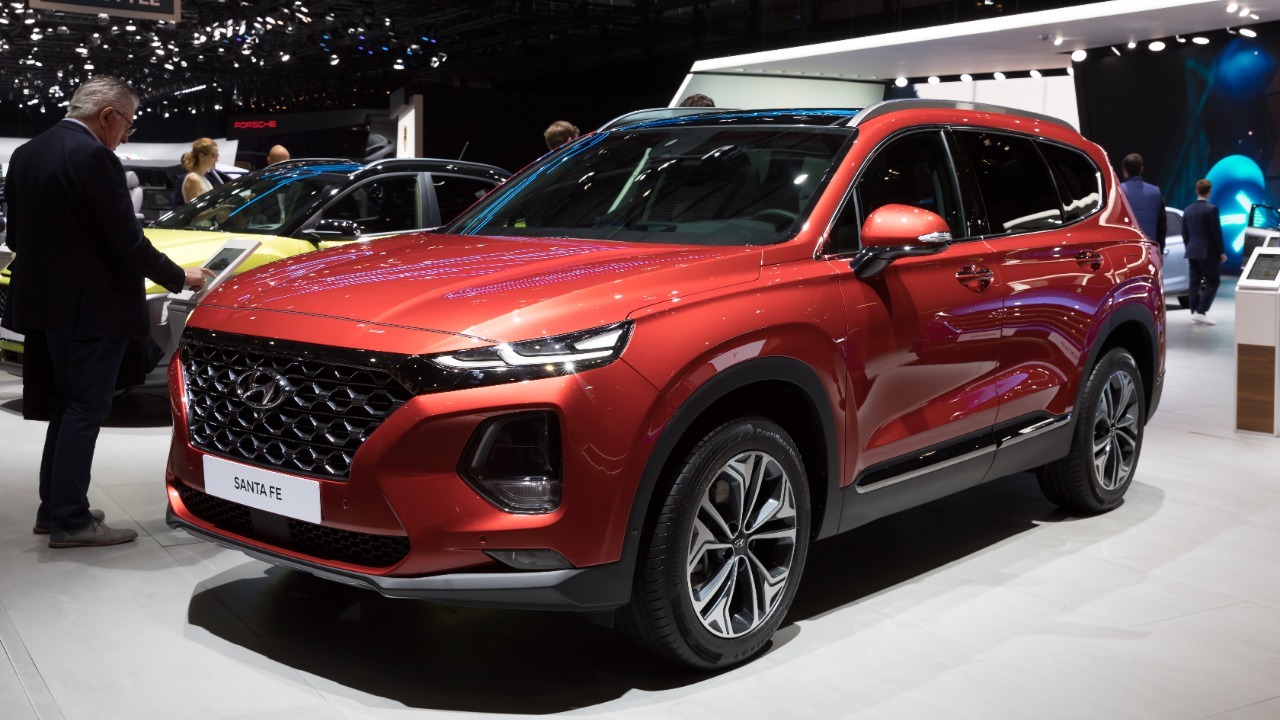
Hyundai’s Santa Fe borrows a place name, and 2027 Santa Fe Hybrid listing rates the 2027 Hybrid FWD at 36 mpg combined, 37 city and 36 highway, with a 1.6-litre turbo four and a six-speed automatic.
The city rating edges the highway figure by one mpg. The listing shows 2.8 gal/100mi and a 637-mile total range on regular gasoline, which gives the Hybrid the best combined rating of the fuel-economy entries in this gallery.
11. Toyota Tacoma: Pickup Rating
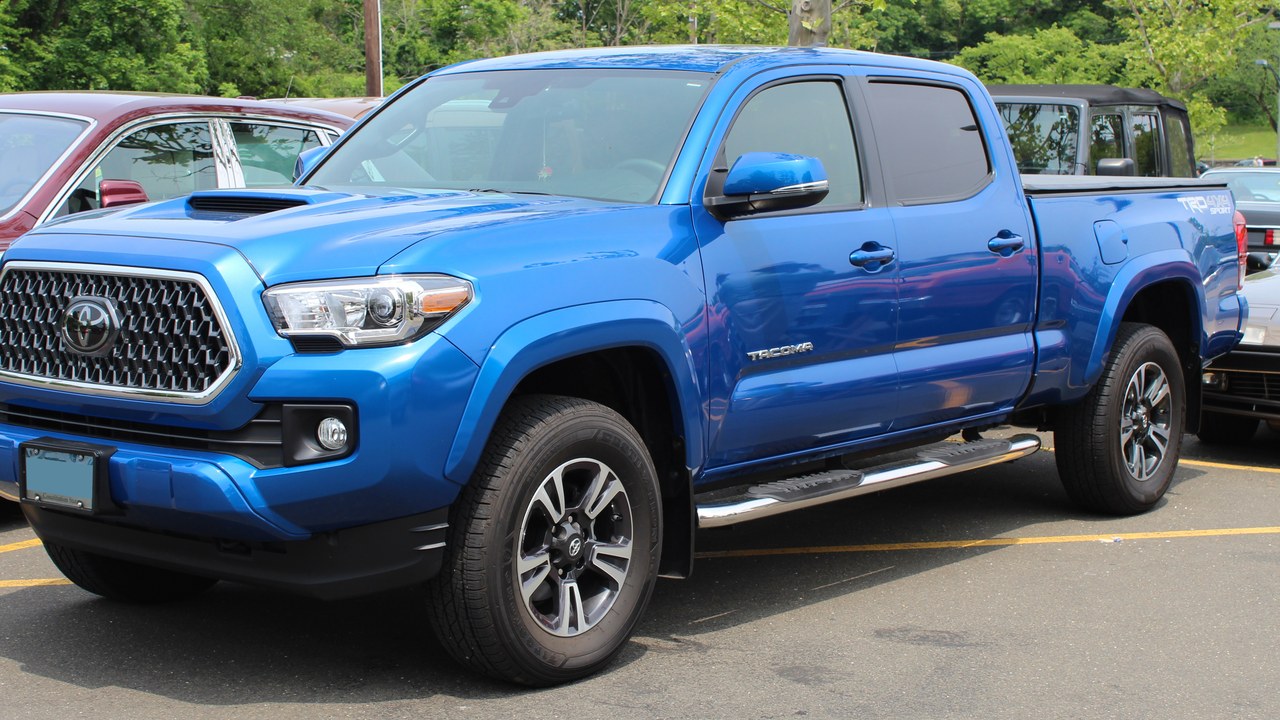
EPA rates the Toyota Tacoma in 2026 Tacoma 2WD sheet, at 23 mpg combined, 21 city and 26 highway for the 2026 SR5, Sport and PreRunner 2WD. Its 2.4-litre turbo four starts at $36,335.
Consumption is listed at 4.3 gal/100mi, with a 419-mile total range. The price range reaches $40,615, and the eight-speed automatic runs on regular gasoline, so the Tacoma sits between the Santa Fe Hybrid and the Tahoe on efficiency.
12. Chevrolet Tahoe: Lake Tahoe
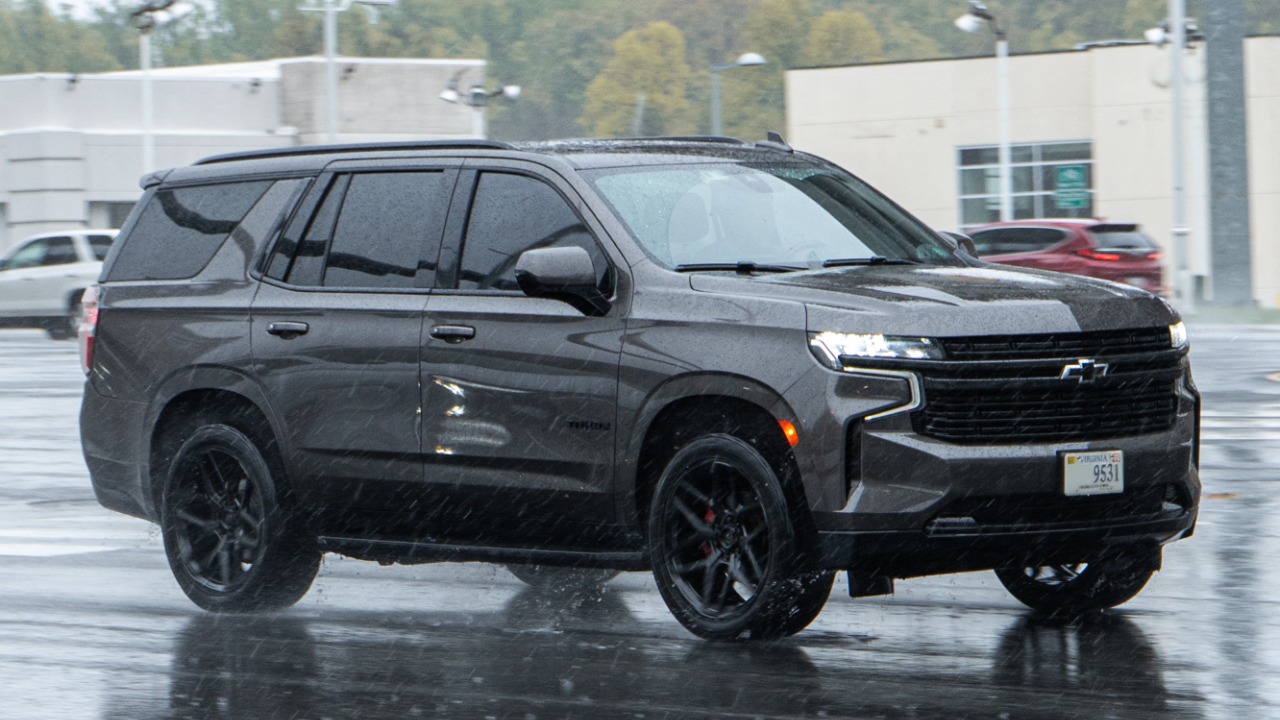
The Tahoe takes its name from Lake Tahoe, and 2027 Tahoe 4WD listing rates the 2027 4WD version at 16 mpg combined, 14 city and 18 highway. Its 6.2-litre V8 drives a ten-speed automatic and requires premium gasoline.
The 6.2 gal/100mi consumption figure is the highest of the fuel-economy entries in this gallery. The highway rating of 18 mpg is half the Santa Fe Hybrid’s 36, a measure of how far apart the gallery’s two modern place-name vehicles sit.
More from Morning Overview
- Hackers are hijacking outdated home routers, and the FBI named the models to check
- Older Teslas are wearing out in ways early owners never saw coming
- Early electric-car owners are hitting battery and screen failures no one warned them about
- A magnitude 5.3 quake struck off the Oregon coast this week
