
Toyota and Lexus built their reputations on durability, yet the paperwork tells a more complicated story. Recall notices, federal safety filings and owner complaint databases all show where specific models have cost buyers time and money. Here are twelve models, each tied to a documented recall or a repair bill that owners should weigh before buying.
Save more, waste less: The Cool Down’s newsletter sends smart, simple changes that help you and the planet in your everyday life.
We may earn a commission if you sign up.
1. Toyota Tundra: Camera Goes Dark
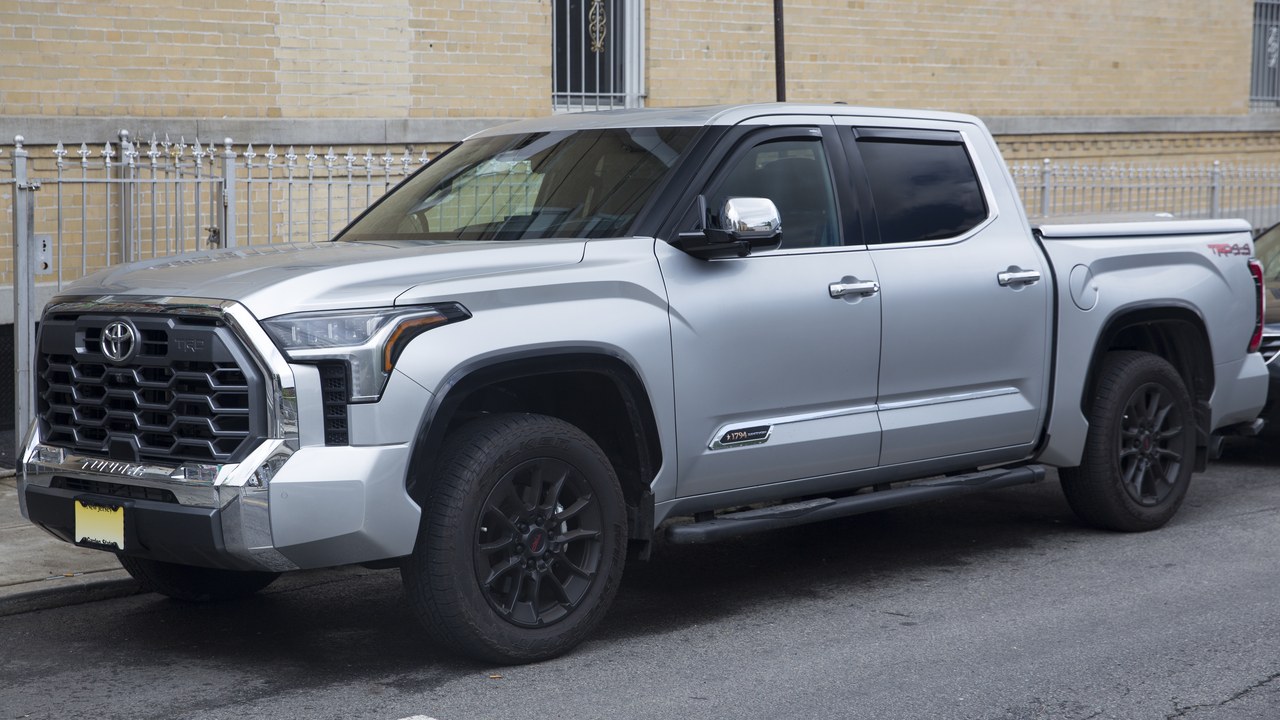
Toyota recalled 161,268 Tundra trucks from the 2024 and 2025 model years in January 2026 because the rearview camera image may not display, a failure of federal standard FMVSS 111 that appears in Motor1’s 2026 recall list.
A truck that cannot show the area behind it leaves a driver relying on mirrors and guesswork, which matters most when hitching a trailer or backing out of a crowded lot. Owners of 2024 and 2025 Tundras should confirm their VIN against the recall database and book the dealer repair.
2. Toyota Prius: Rear Door Surprise
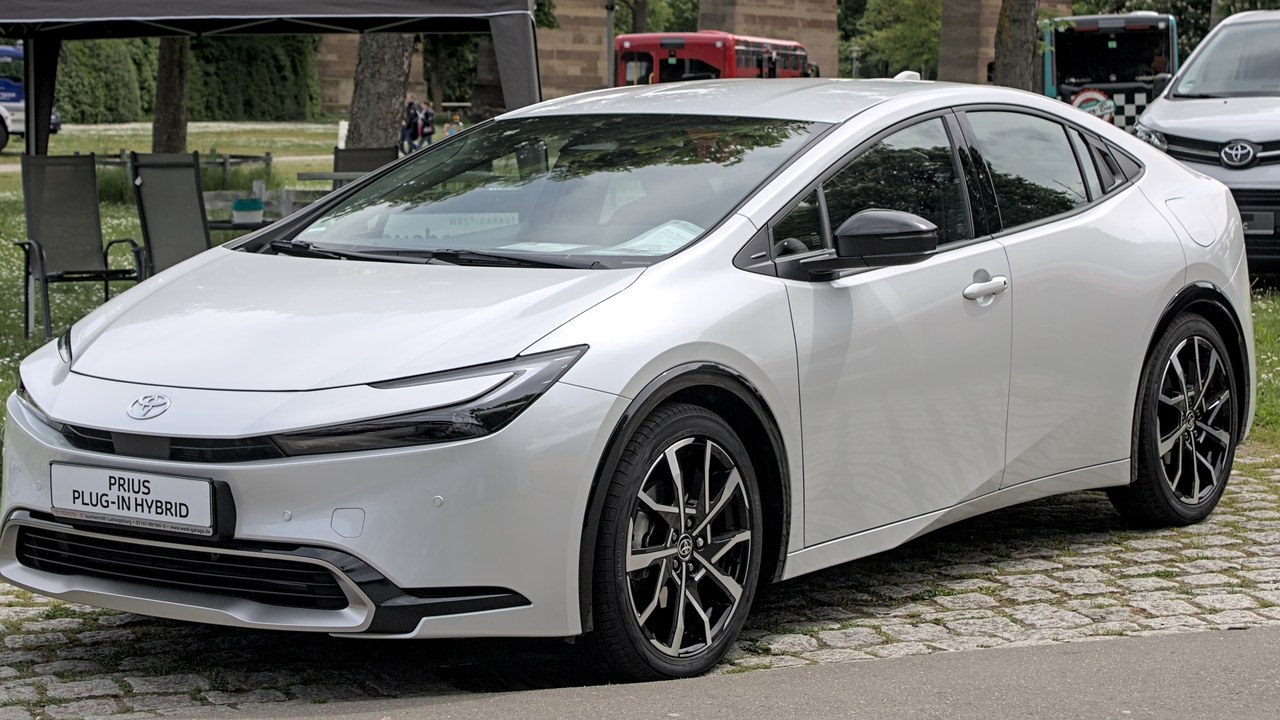
A rear door left unlocked could open unexpectedly, the defect behind a January 2026 recall of 141,286 Prius cars from the 2023 through 2026 model years, according to Motor1’s recall roundup.
Families who carry children in the back seat have the most reason to pay attention. Owners in that range should check the recall status of their VIN, and keeping the doors locked while driving is the obvious precaution until the dealer completes the repair. The recall notice is the authoritative source for what the remedy involves, and a dealer can confirm in minutes whether a particular car is included.
3. Lexus LX: Two Recalls, One Badge
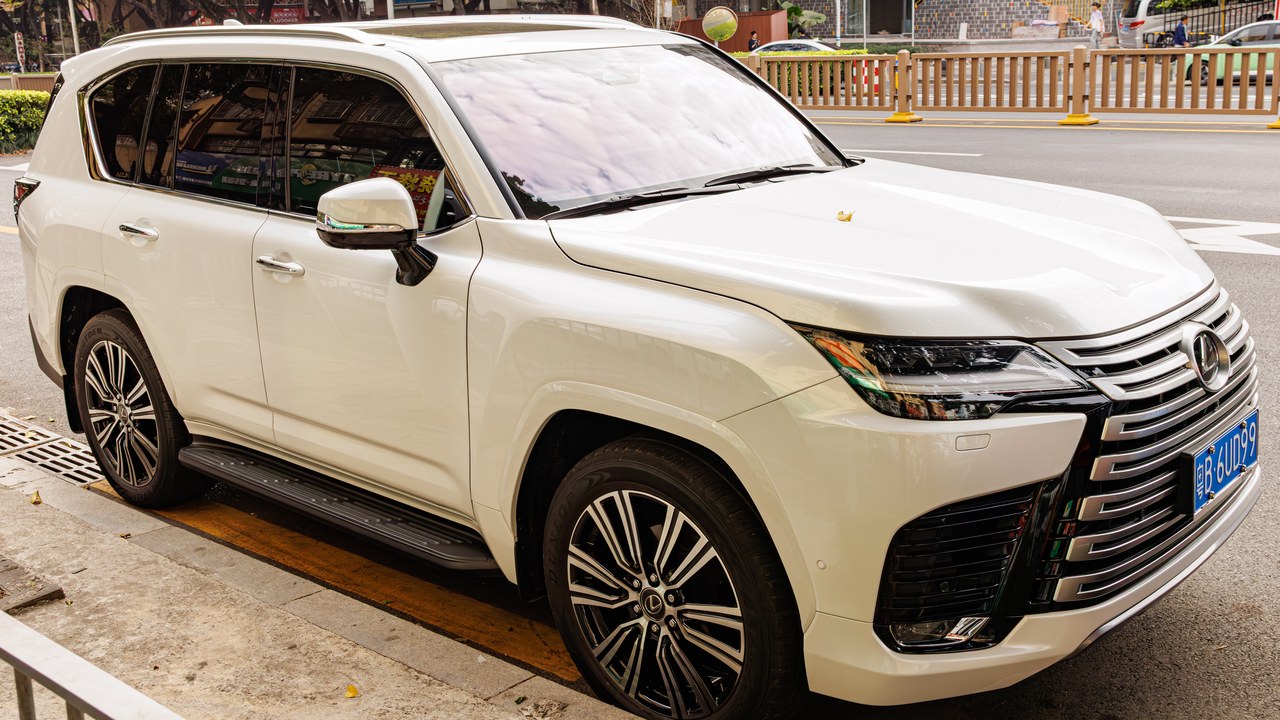
The Lexus LX has two separate recalls on record. One covers 4,374 units from the 2025 and 2026 model years for loss of drive power from transmission damage, per Motor1’s Toyota and Lexus list, while another covers 15,264 of the 2022 through 2024 LX for a front passenger air bag that may not deploy properly.
Two different defects across consecutive model years make this luxury SUV a case for checking the VIN no matter which year sits in the driveway. A loss of drive power can strand a driver in traffic, and an air bag that fails to deploy properly removes protection in a crash.
4. Toyota Highlander: Half a Million Seats

The largest campaign on the list involved 550,007 Highlander SUVs from the 2021 through 2024 model years, recalled in March 2026 because second-row seat backs may fail to lock, a defect detailed in Motor1’s recall tally.
A seat back that is not latched is a concern in sudden stops, and the second row is where many families seat children. Highlander owners in that range should confirm eligibility and schedule the repair rather than assume the seats are secure.
5. Toyota Camry: Thirsty for Oil
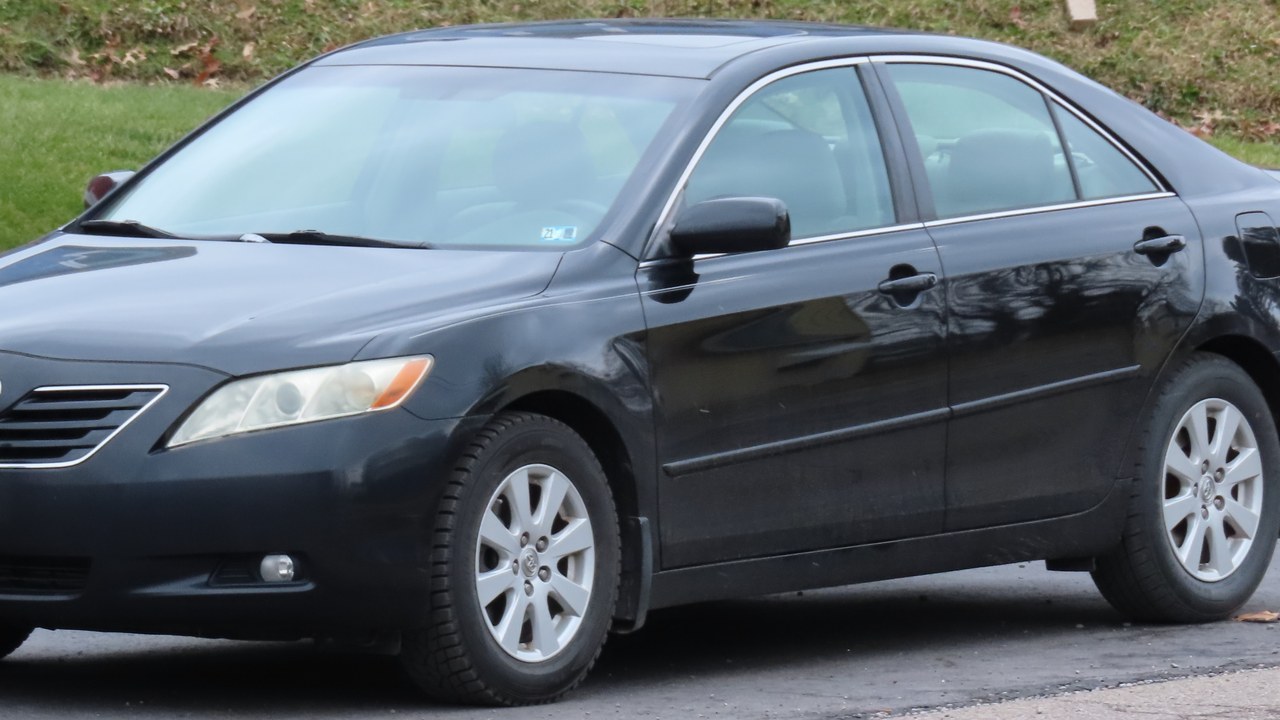
CarComplaints’ worst-rated Camry is the 2008 model, whose excessive oil consumption averages $2,700 to fix at about 107,000 miles, and the Camry draws more complaints than any other Toyota, 3,617 in all, on CarComplaints’ Toyota page.
Volume partly reflects how many Camrys have been sold and driven, so the count alone does not prove poor quality. Still, anyone shopping for a used 2008 should ask for oil-consumption records and budget for the repair that owners report. A search of the owner reports for a specific car, followed by a mechanic’s opinion, is a better guide than any single average.
6. Toyota RAV4: Five-Figure Fixes
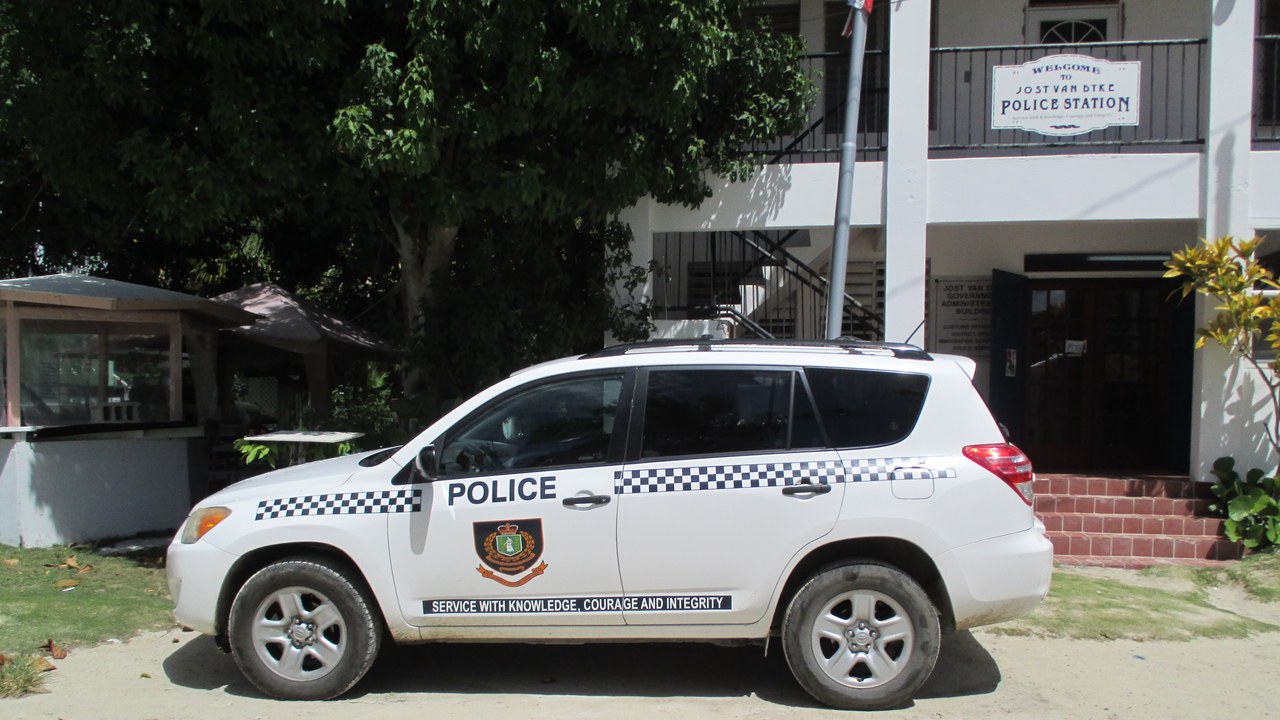
On CarComplaints’ Toyota listings, the 2008 RAV4’s excessive oil consumption averages $35,600 to fix at 105,000 miles, while the 2019 RAV4 hesitates and lurches at slow speeds, with an average cost of $20,000.
Both averages are steep, and they come from owner-submitted reports rather than a controlled study, so a single expensive repair can skew them. Even so, a used RAV4 from either year deserves a pre-purchase inspection and a close look at service records. Anyone pricing a used RAV4 should factor in the possibility of a major repair and ask the seller what has already been done.
7. Toyota Tacoma: Frames That Rust Through
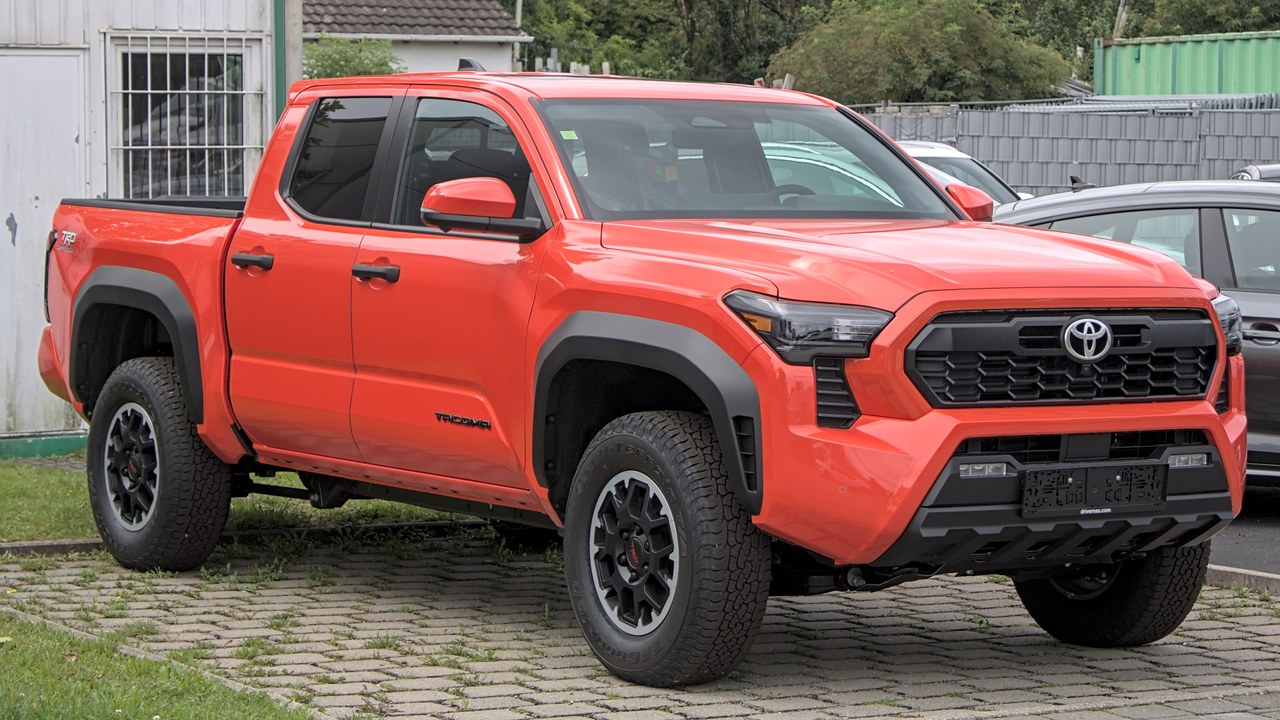
CarComplaints lists 145 structure and body complaints on the 2006 Tacoma alone, and the 2006 Tacoma complaints describe frames rusted through, with mileage from about 61,000 to 262,000.
One owner describes the entire frame of a garage-kept truck as completely rusted through, which suggests that careful storage alone did not prevent the problem. Buyers of older Tacomas should put the frame on a lift and inspect it closely before agreeing to a price. A mechanic’s frame inspection costs little next to a repair of this kind.
8. Toyota bZ4X: Do Not Drive
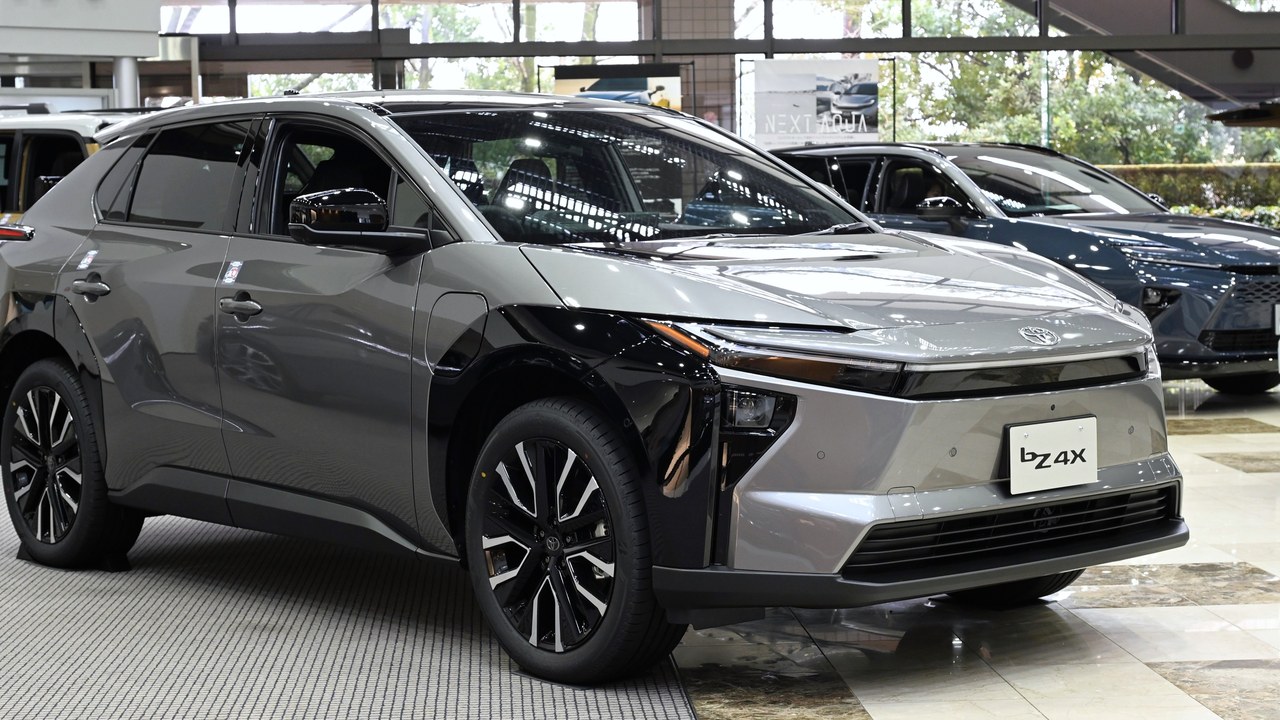
Toyota told owners of about 260 early 2023 bZ4X electric vehicles not to drive them, because hub bolts could loosen until a wheel detached, according to NHTSA recall report 22V-444.
The notice stated that no one should drive the affected vehicles until the remedy was performed. The number of cars was small, but a wheel separating from a vehicle is among the most serious failures possible, and owners of any early bZ4X should verify their recall status. Used buyers in particular should ask for proof that the remedy was completed on a given car.
9. Toyota Sienna: Power Drops When Slowing
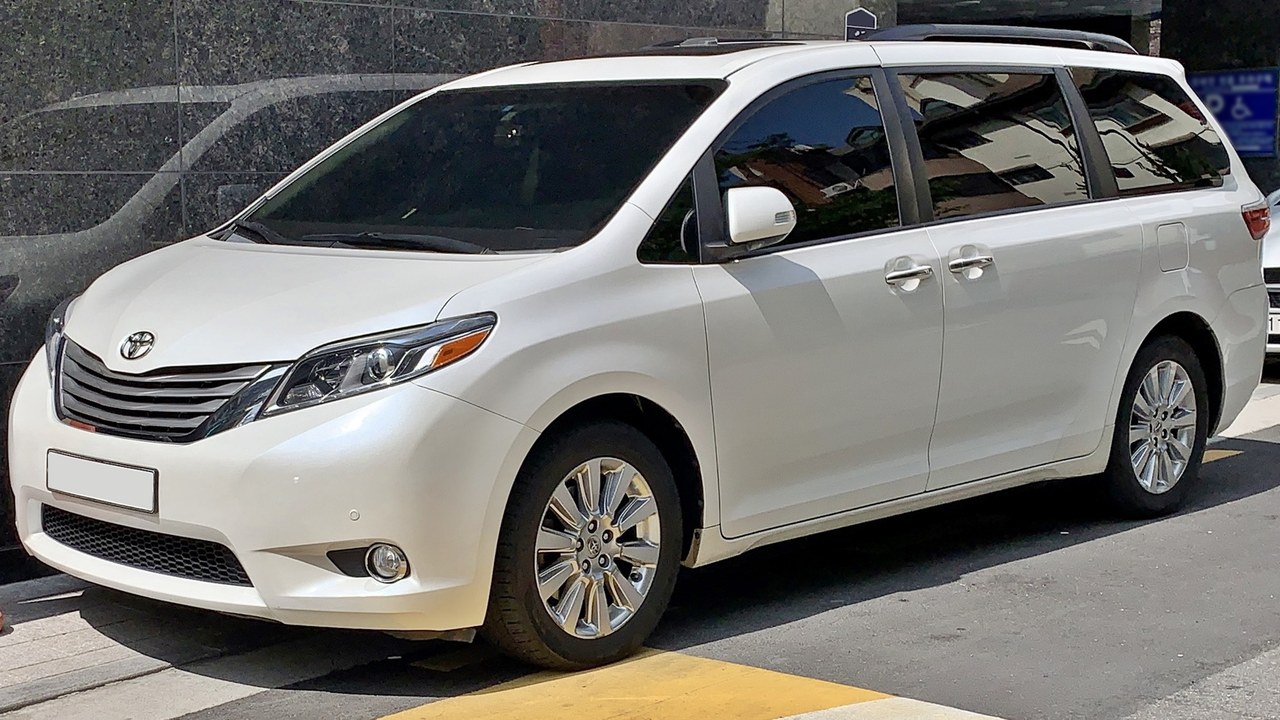
CarComplaints rates the 2007 Sienna as the worst year, with loss of power after slowing down costing about $3,000 to fix at 37,000 miles, and the minivan has 1,002 complaints on file at CarComplaints’ Sienna page.
A power loss after decelerating is the kind of fault that feels alarming in traffic, and the low mileage makes it notable because the problem appeared early in the van’s life. Used-minivan shoppers should treat a 2007 as a vehicle that needs a thorough history check.
10. Toyota Land Cruiser: Fuel Line Fire Risk
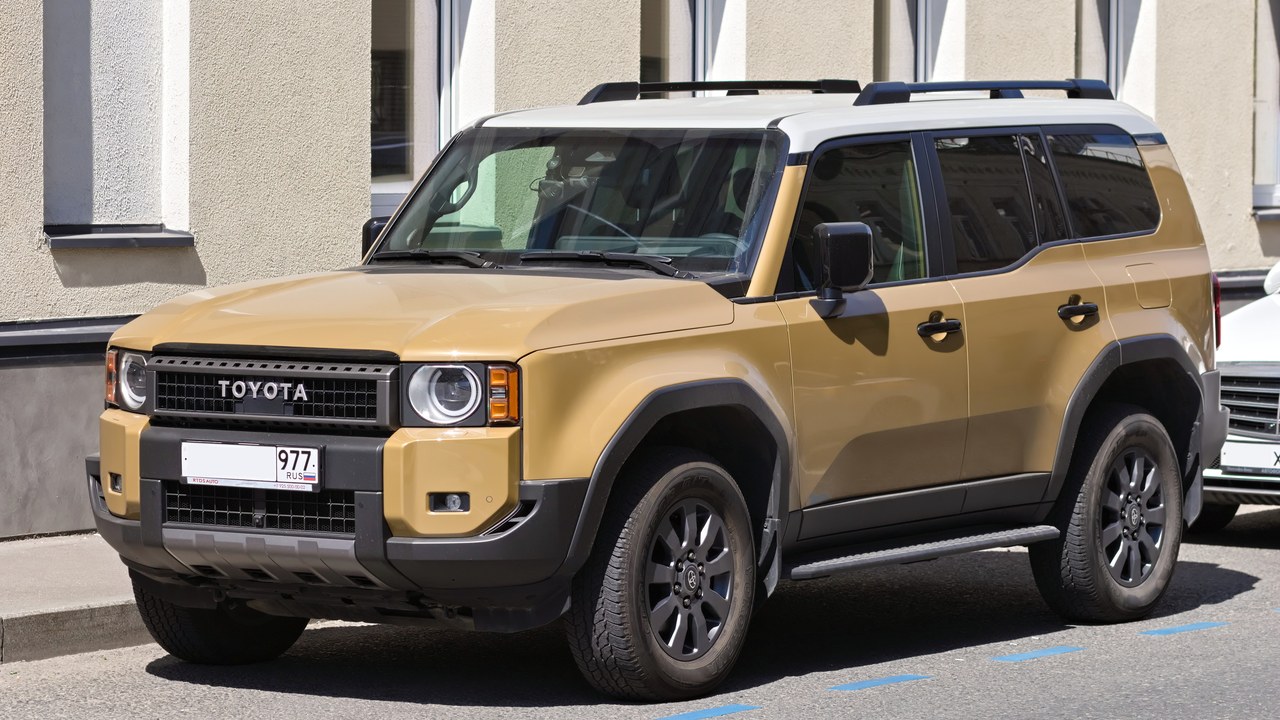
Toyota recalled approximately 106,000 Land Cruisers from the 2024 through 2027 model years because a fuel line joint near the tank may detach, risking a fuel leak and fire, according to Toyota’s recall announcement dated October 14, 2026.
A fuel leak paired with a fire risk is among the more serious recall categories, which is why this campaign stands out. Owners of these Land Cruisers should watch for fuel odor and follow the dealer’s notification and repair schedule. Because the announcement is recent, many affected trucks may still be waiting on a repair, and checking the VIN is the quickest way to find out where a given one stands.
11. Lexus RX: Cracking Steering Knuckles
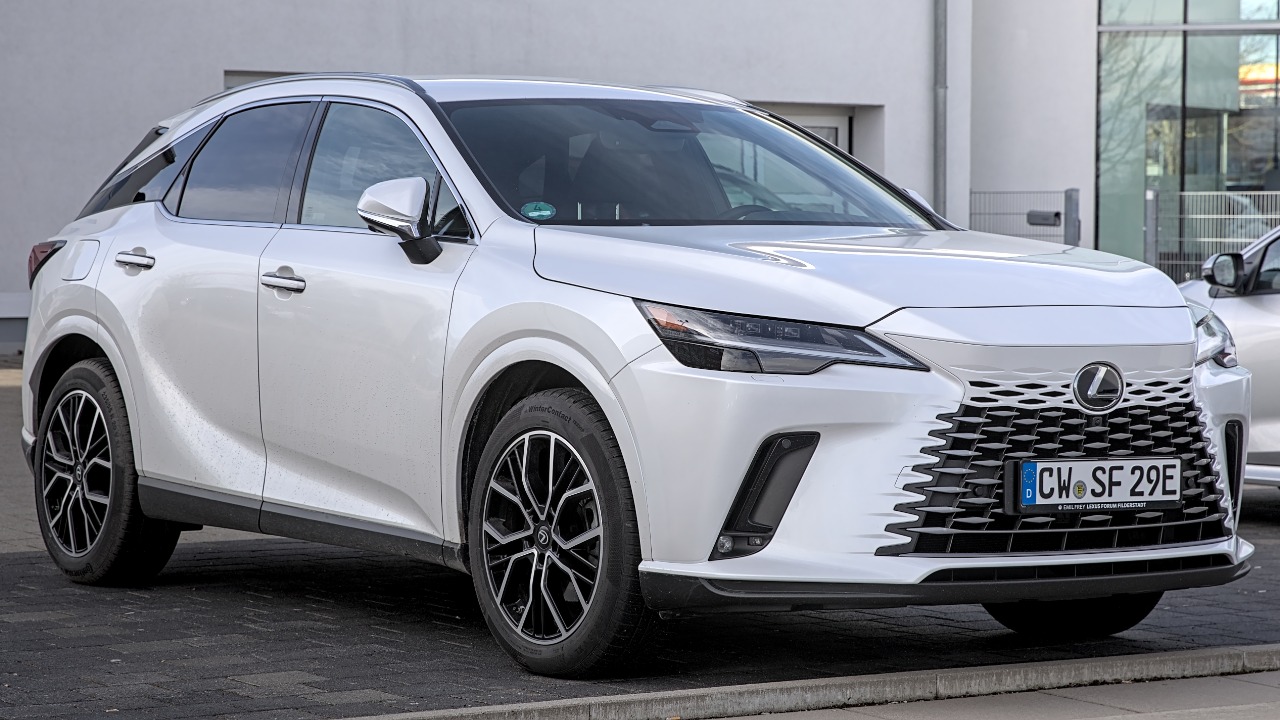
NHTSA campaign 26V598 found that manufacturing defects may cause front steering knuckles to fracture on 617 Lexus RX, Lexus TX and Toyota Grand Highlander vehicles from the 2026 model year, potentially resulting in loss of steering, per the NHTSA campaign record.
The population is small compared with the six-figure recalls elsewhere on the list, yet the failure mode is severe because a driver who loses steering has little chance to react. Owners of a new RX, TX or Grand Highlander should check their VIN rather than rely on the low unit count.
12. Toyota C-HR: Overcharge Warning
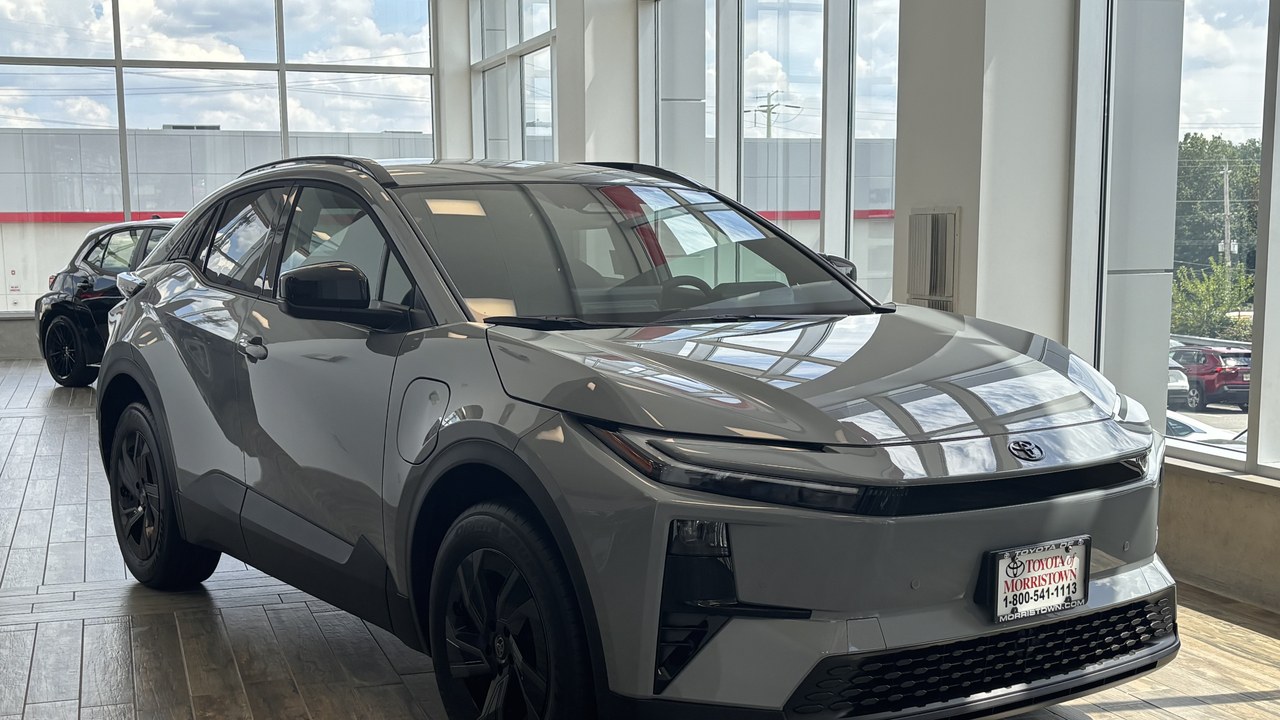
NHTSA campaign 26V570 covers 8,521 vehicles in which a software programming error may cause the electric drive system battery to become overcharged, as listed in the NHTSA recall record.
An overcharged battery is the kind of fault that matters most in a vehicle with an electrified drivetrain. Owners and used-car buyers of the C-HR should check the VIN against the campaign and confirm that the work has been completed before the car changes hands. A short call to a Toyota or Lexus dealer with the VIN settles the question quickly.
Save more, waste less: Subscribe to The Cool Down →
We may earn a commission if you sign up.
More from Morning Overview
- Doctors warn a silent liver disease now affects one in three American adults
- The FBI told the rest of ShinyHunters to surrender after a 24-year-old was arrested
- Two passengers died at an Ohio toll plaza, and the NTSB now wants the cash lanes shut
- Long use of a common prostate pill is tied to a higher chance of glaucoma
