
Every automaker with a famous badge had to start somewhere, and the opening model often looks nothing like the cars that made the name. Some began as tiny city runabouts, others as exotic grand tourers or electric experiments. Here are eleven debut cars that launched brands, with the production figures, prices and dates that mark each beginning.
The tech news worth your time: 400,000+ professionals from Google, Apple and OpenAI read Techpresso, a daily email with the most interesting tech news and insights.
We may earn a commission if you sign up.
1. Porsche 356: Certified, Then Cherished
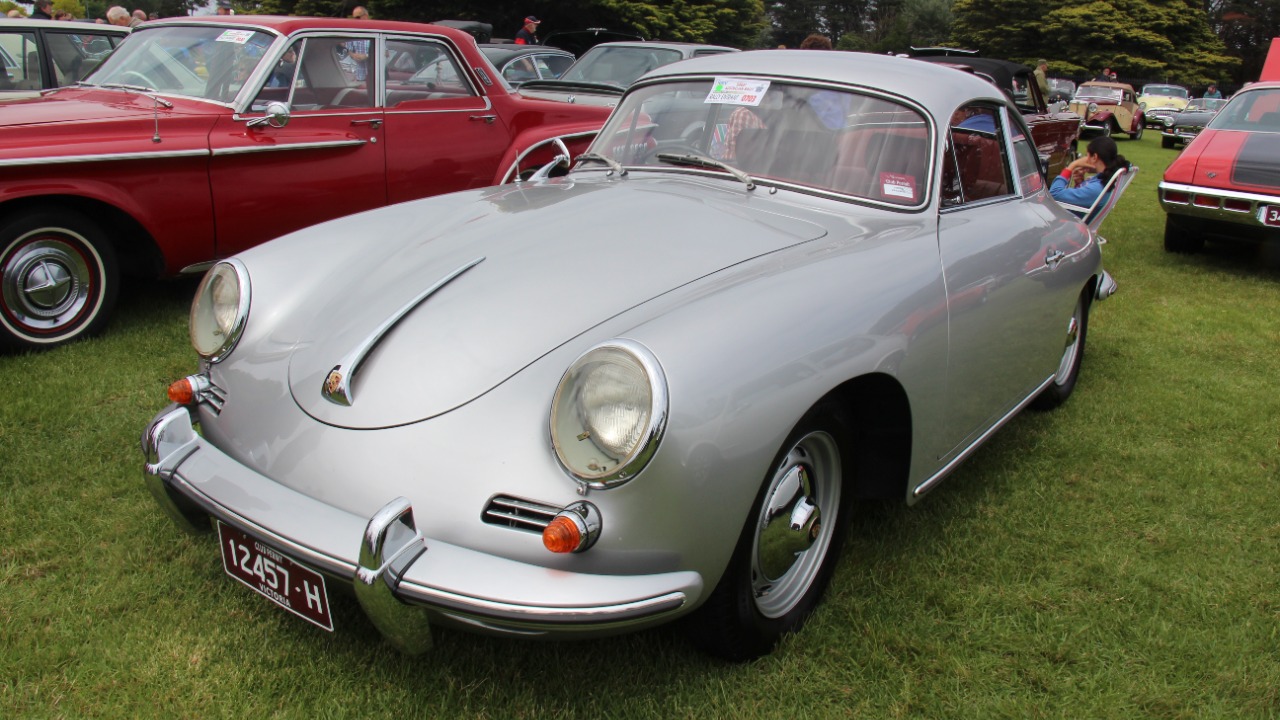
The first 356 was road-certified on June 8, 1948, and the Porsche 356 history entry puts total output at about 76,000 cars. The original 1948 coupe carried a price of $3,750, a modest sum for the model that carried a new sports-car name onto the road.
Survival is the unusual part of the record. Of those 76,000 cars, roughly half are still around, a rate that suggests owners treated the 356 as something worth keeping rather than something to use up. Buyers hunting for one today are chasing a surviving piece of the marque’s earliest chapter.
2. Lamborghini 350 GT: A Raging Bull Learns to Drive
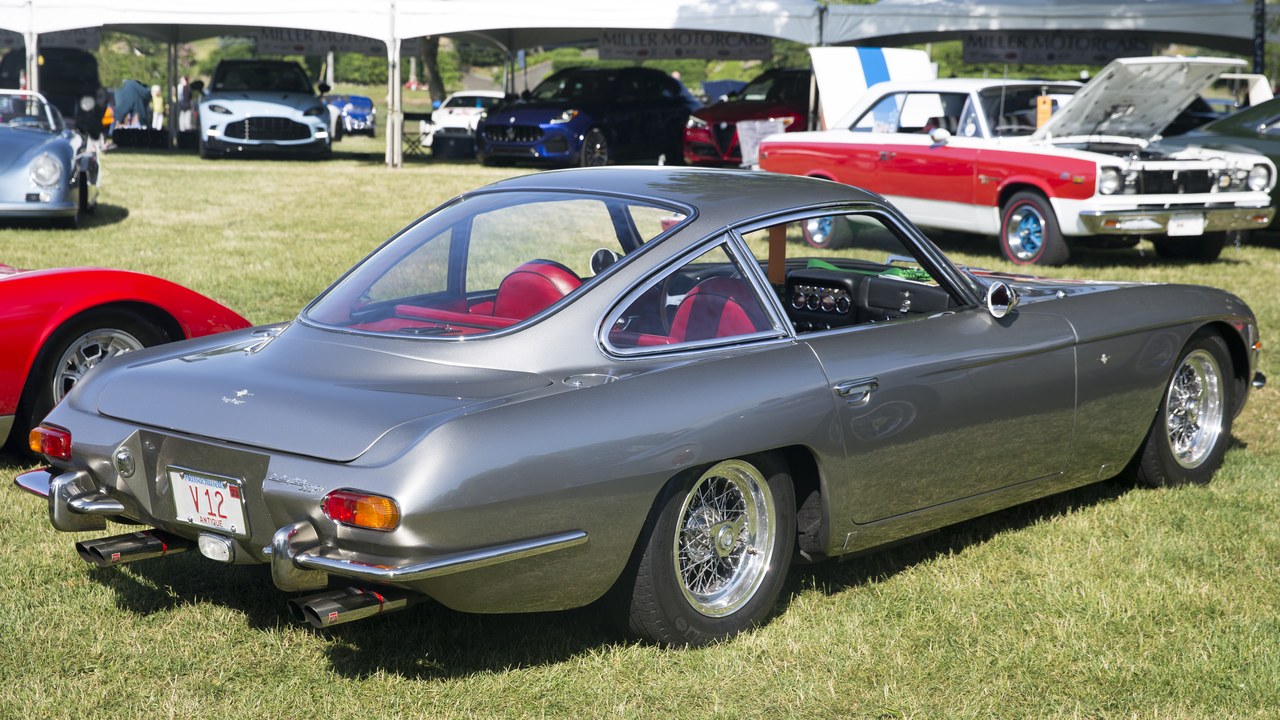
Lamborghini showed the 350 GT at the 1963 Turin show, and production began the following year. According to a Jalopnik roundup of debut cars, the company built just 150 examples, a tiny run for a brand’s opening act.
Low numbers define the model’s place in the story. With only 150 built, the 350 GT is a scarce starting point for a name now known worldwide, and any example that surfaces carries the weight of being the first road car from the company.
3. Honda T360: Mini Truck, Big Ambitions
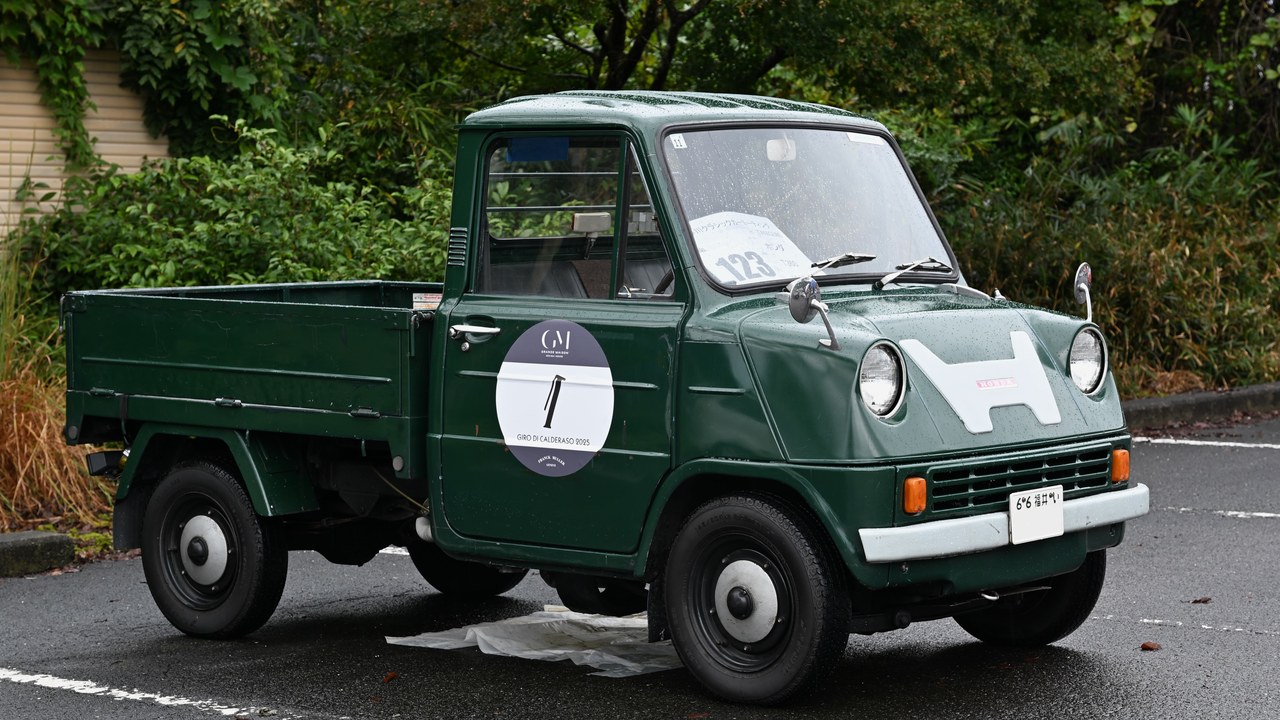
Honda’s first automobile was a small truck, not a sedan. The Honda T360 entry notes it went on sale in August 1963, powered by a 360-cc engine that cranked out 30 hp, modest output by any standard.
Reading the T360 today, the lesson for collectors is that a famous automaker’s beginnings can be humble and utilitarian, with little to hint at the passenger cars that would follow. The small engine and the short list of figures make it an easy debut to remember.
4. Subaru 360: Japan’s People’s Car
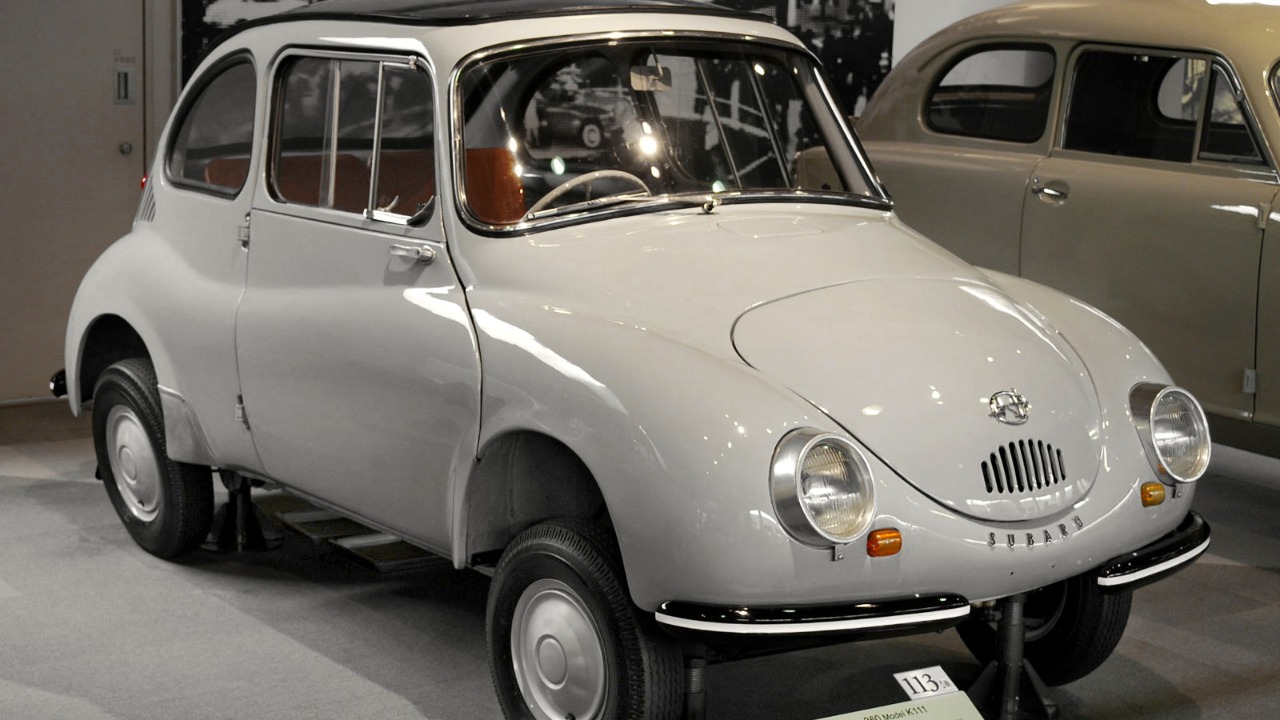
Subaru introduced its 360 on March 3, 1958, with a 356-cc engine rated at 16 PS. The Subaru 360 production record shows about 392,000 were built across a model run of twelve years, ending in 1971, and the American price was listed at $1,297.
Volume of that scale makes the 360 more than a curiosity. A small firm sold hundreds of thousands of an ultra-compact car for over a decade, and the low sticker price shows how seriously the design aimed at ordinary households.
5. Tesla Roadster (2008): An Electric Start-Up Shows Its Hand
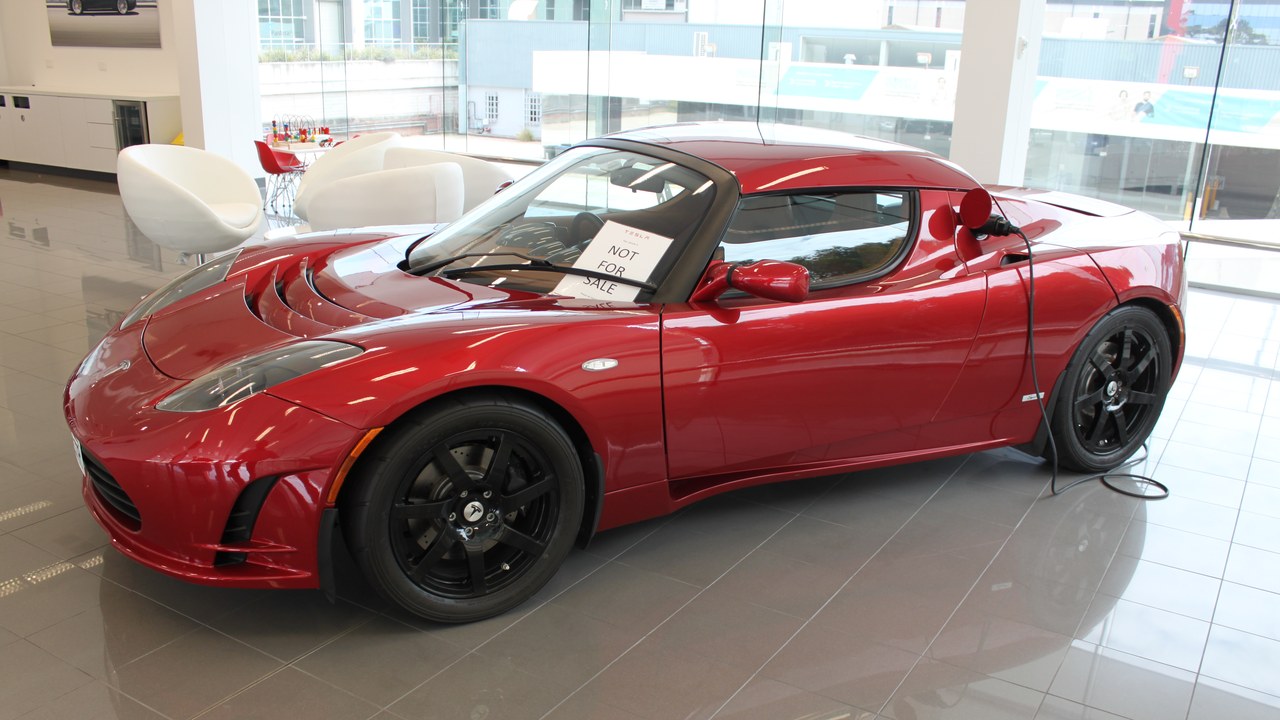
Tesla’s first car was the Roadster. According to a Jalopnik feature on first cars, the total production run was only about 2,400 units, which makes it one of the rarest vehicles the company has ever sold.
That small figure is a reminder of how far the company traveled from its first product. A limited batch proved a point about electric drivetrains before the brand moved to higher volumes, and surviving Roadsters now serve as a record of that opening bet.
6. Hyundai Pony: South Korea’s Pony Express
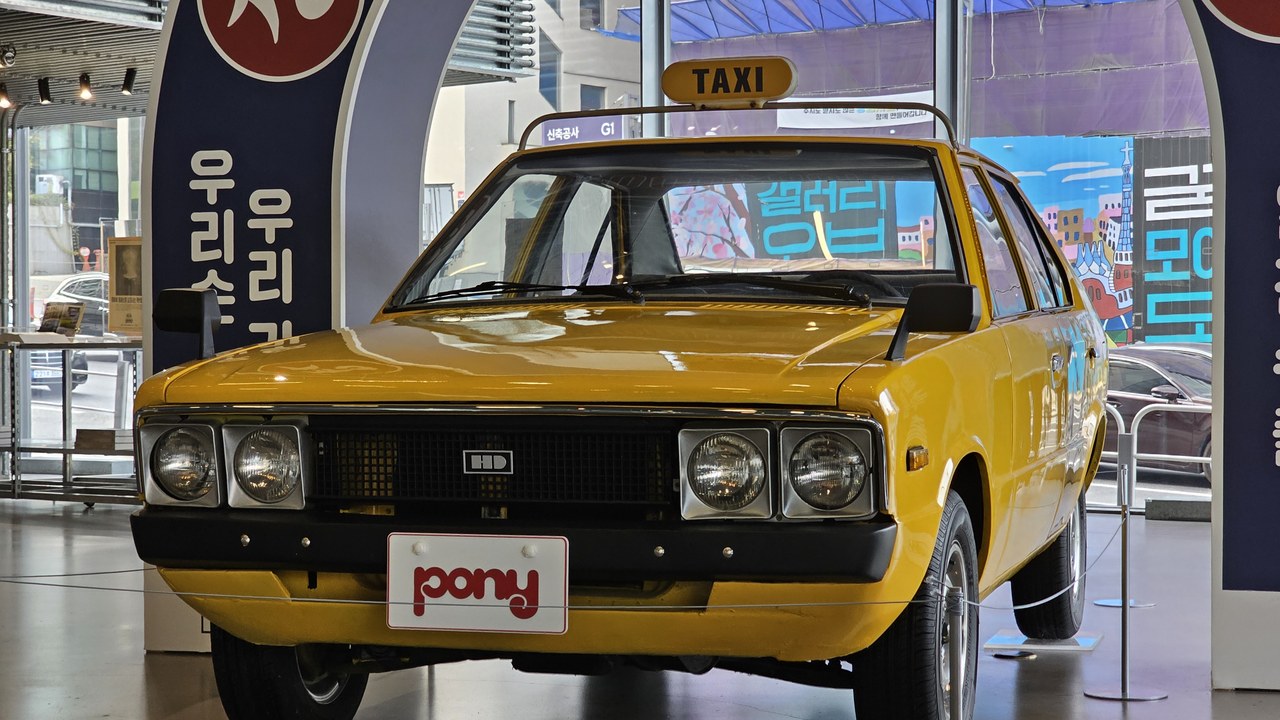
Hyundai’s first mass-market effort was the Pony, and sales commenced in 1975. A Jalopnik look at debut models notes that a Canadian-market example produced 70 hp, a figure that gives a sense of the modest performance expected from an entry-level compact.
The Pony matters mostly as a starting line. Everything the brand later built descends from this plain economy car, and its simple specification suggests a company aiming first at affordability rather than prestige.
7. Volkswagen Beetle (Type 1): Two Sold, Millions Followed
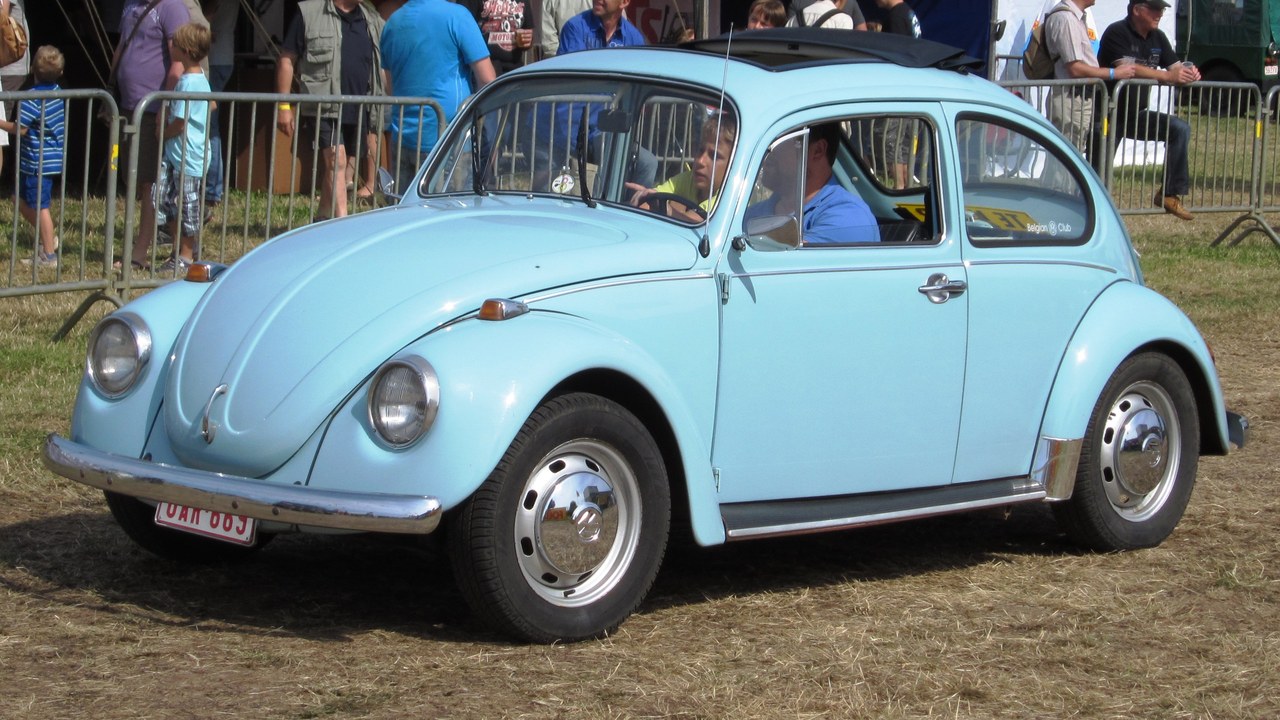
Hagerty’s buyer’s guide records that just 2 Beetles were sold in the U.S. in 1949. By the 1950 price of $1,280 the brand was under way, and the Hagerty Beetle buyers guide puts the total at about 21.5 million cars built in all.
The jump from two sales to a fleet of that size is the story of the Type 1. Few debuts began so quietly and ended so large, and the pricing near $1,280 helps explain why a plain, cheap car could win over American buyers.
8. BMW Dixi 3/15: The Dixi That Started BMW
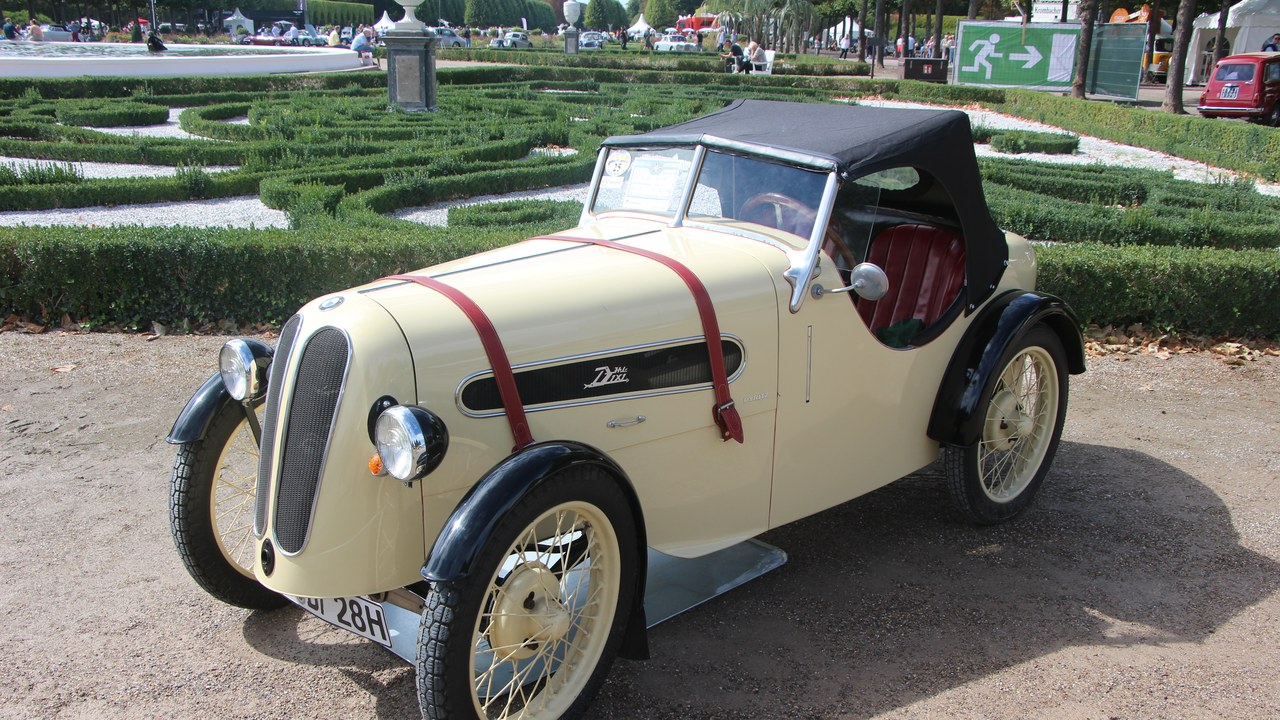
BMW’s car history begins with the 1927 Dixi 3/15. As Autocar’s BMW history puts it, “the Dixi was the first BMW-built car,” a statement that frames a small, simple machine as the origin of one of the best-known badges in motoring.
The Dixi shows that prestige brands are often built on ordinary beginnings. Enthusiasts who associate the roundel with performance sedans may be surprised that the earliest BMW-built car was this modest model, yet the lineage is clear in the company’s own account.
9. Lexus LS 400: Luxury Arrives From Toyota
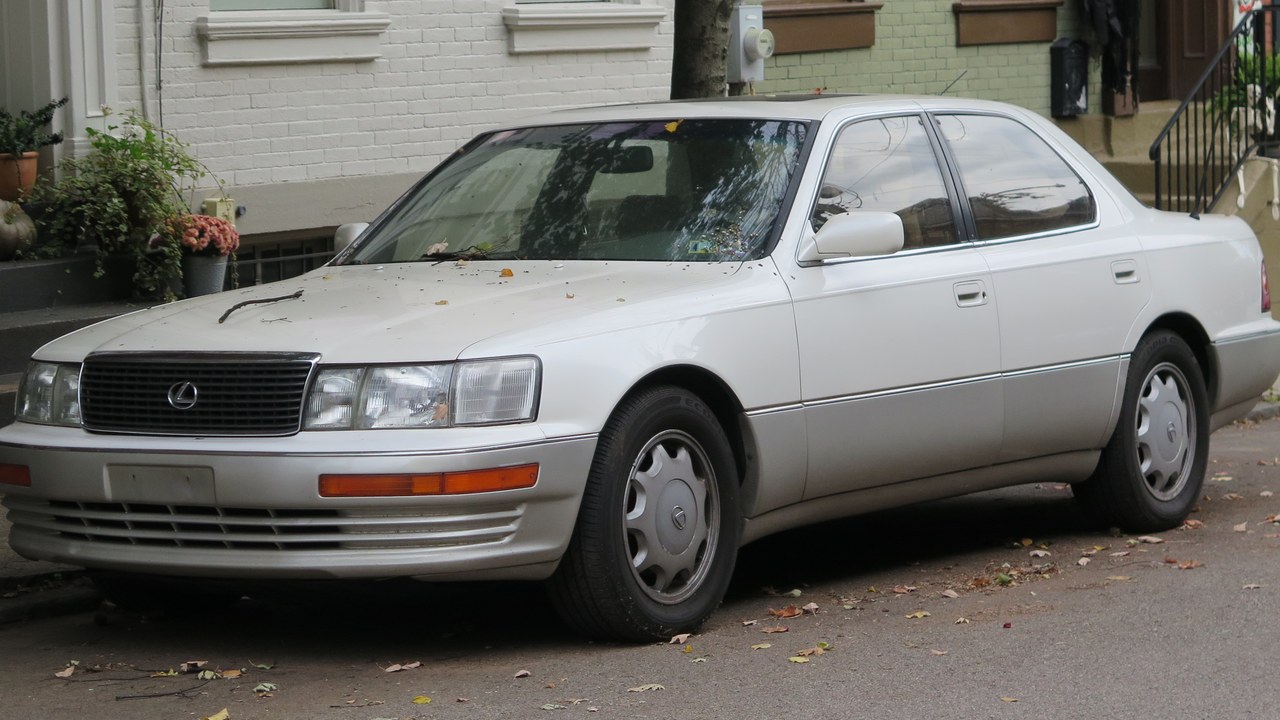
The LS 400 was the first Lexus, arriving in 1989. The Motoring Research anniversary piece records that the brand sold 16,302 cars in the U.S. that year, of which 70 percent were the LS 400, making the flagship sedan the heart of the launch.
A single model carrying most of a new brand’s sales is rare. The figure shows how much depended on one sedan, and it explains why the LS 400 is remembered as the car that introduced a whole luxury division to American showrooms.
10. Audi 100: America Meets the Audi 100
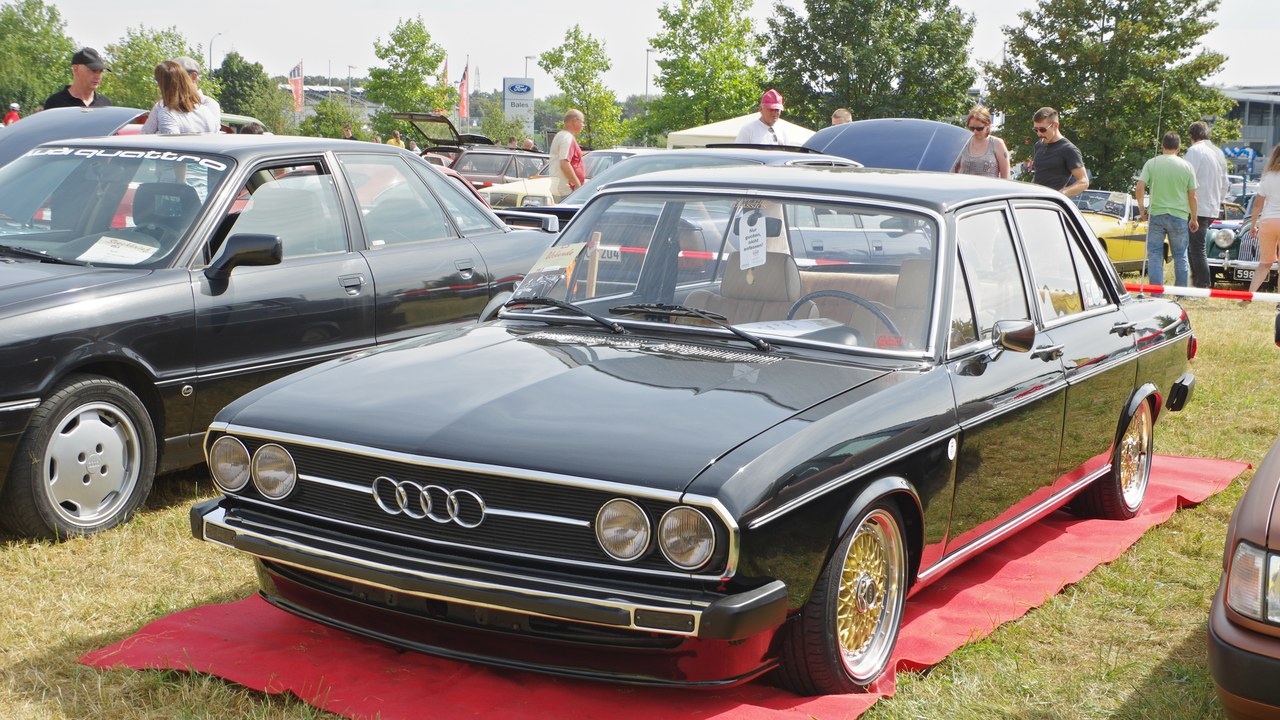
Audi’s first car sold in America was the 100, which arrived in 1969. The Audi Club North America celebration marks it as the start of the brand’s American story, a launch recalled in an anniversary look at fifty years of Audi in the country.
That entry point is worth noting for anyone tracing the marque’s history. Dating the arrival to 1969 gives buyers and historians a clear marker for when the badge first appeared in American showrooms.
11. Datsun 1000: Datsun Crosses the Pacific
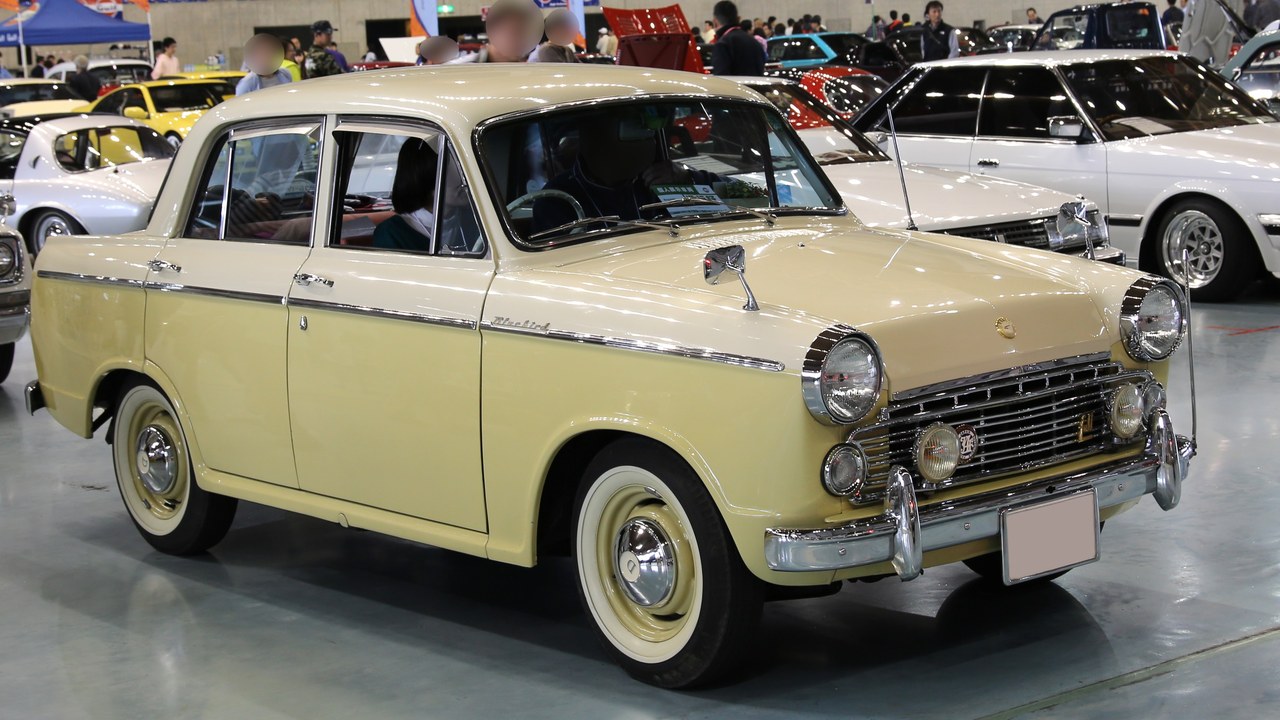
Nissan’s heritage page marks 1958 as the year the Datsun 1000 was first sold in America. The Nissan USA heritage page treats the 1000 as the start of a long relationship between American drivers and a Japanese brand.
The Datsun name later gave way to Nissan, which adds a twist for anyone looking at the 1000. A carmaker that now sells across the country began with the 1000, and the date on the heritage timeline anchors the story.
The tech news worth your time: Subscribe to Techpresso →
We may earn a commission if you sign up.
More from Morning Overview
- Hybrids have 15% fewer problems than gas cars, while EVs and plug-in hybrids have about 80% more, Consumer Reports finds
- Regulators cleared the first U.S. small modular reactor, 4 months early
- Lake Powell sank to a record 3,517 feet, nearing the level that stops Glen Canyon Dam’s turbines
- Seven of Earth’s nine planetary boundaries are breached, and all seven are worsening
