
American rail transit is concentrated in a handful of big systems, and the 2025 totals show how steep the drop is from the top. One subway alone carried more than a billion riders, while smaller lines counted their trips in the single-digit millions. Here are twelve transit systems ranked by ridership, from the giant of the group to the smallest.
Save more, waste less: The Cool Down’s newsletter sends smart, simple changes that help you and the planet in your everyday life.
We may earn a commission if you sign up.
1. New York City Subway: The Billion-Rider Giant
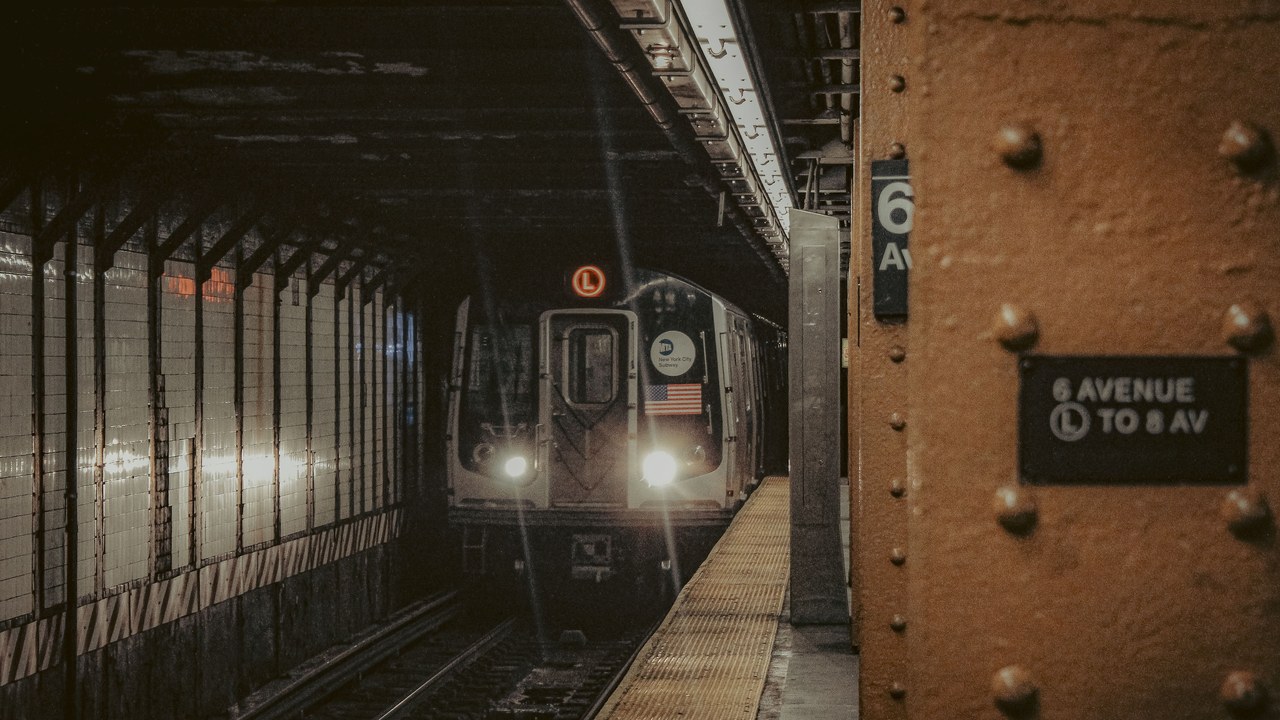
By the MTA’s count, New York City Subway ridership reached 1,281,883,362 rides in 2025, about 1.28 billion and up 7.3% from the year before. APTA’s unlinked-trip method, which counts differently, gives a figure of 2.31 billion for the same system.
The two numbers differ because agencies define a ride in different ways, so a reader comparing systems should check which count is in use before drawing conclusions. Either way, no other American system comes close to this scale, and the 7.3% gain adds to a lead that was already wide.
2. Washington Metro: Capital Rebound
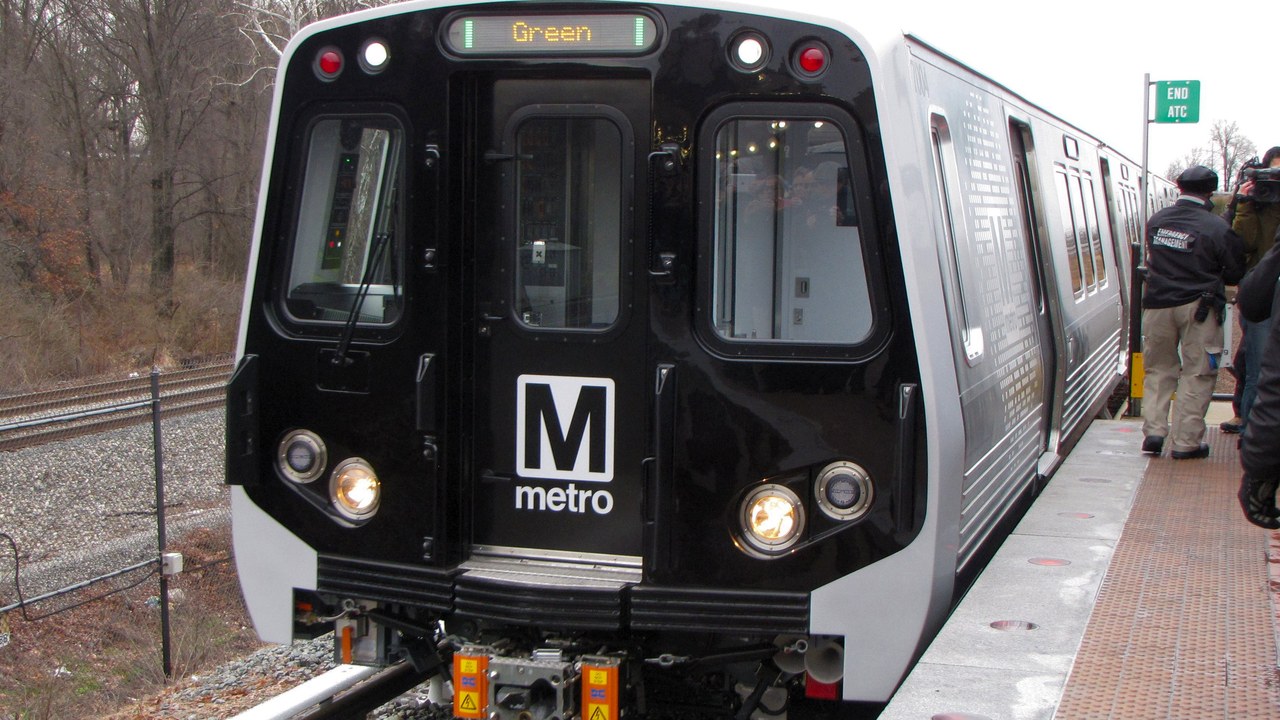
Washington’s Metro recorded 188.5 million unlinked trips in 2025, a gain of 19.45% over 2024, according to APTA’s fourth-quarter ridership table. That growth rate is the sharpest among the larger systems on this list, and it lifts the Metro to second place.
A rise of nearly one fifth in a single year suggests strong demand returning to the network. For commuters and planners, the Metro stands out as a system gaining riders much faster than its peers, which makes its trend worth watching in coming years.
3. Chicago ‘L’: The Loop Keeps Moving
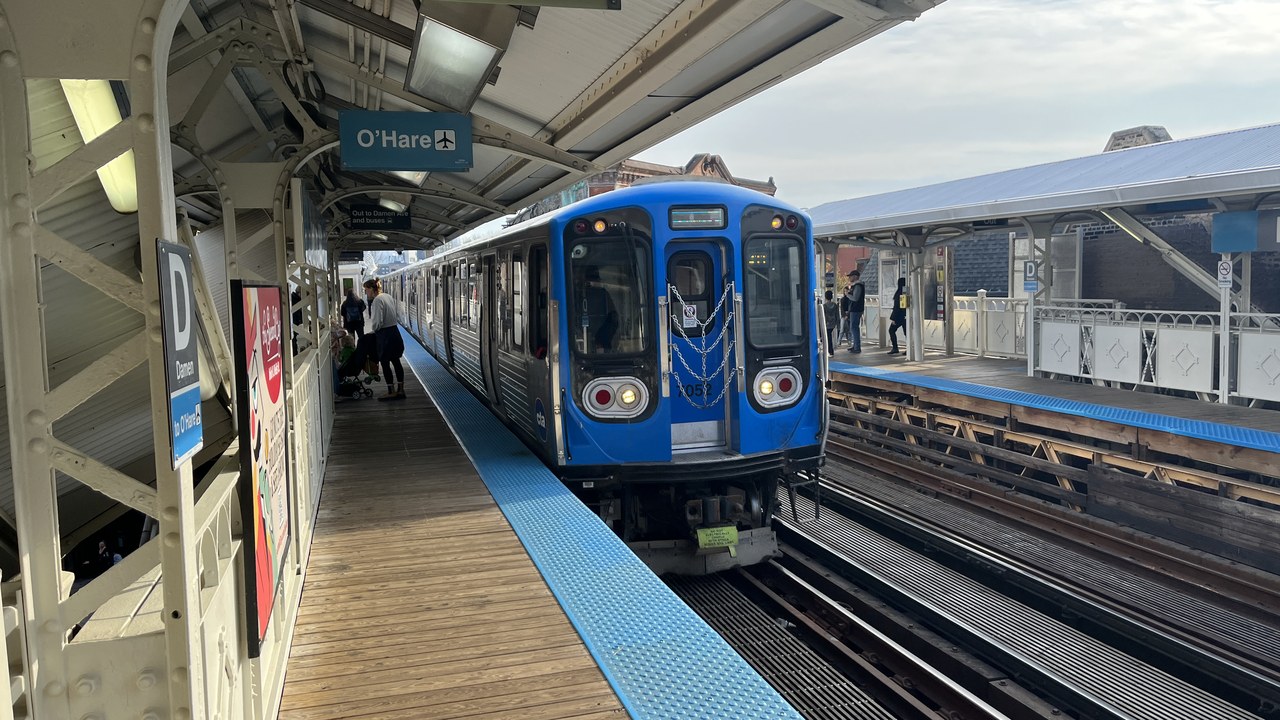
Chicago’s Transit Authority logged 135.2 million unlinked trips in 2025, up 6.07%, based on the APTA quarterly ridership report. That places the ‘L’ third among the systems ranked here, behind New York and Washington.
Growth of about six percent is solid without being dramatic. The figure shows a system that holds its position behind the two leaders while adding riders at a steady pace, and it keeps Chicago well clear of the next group of cities on the list.
4. Boston MBTA subway: Boston’s Steady Climb
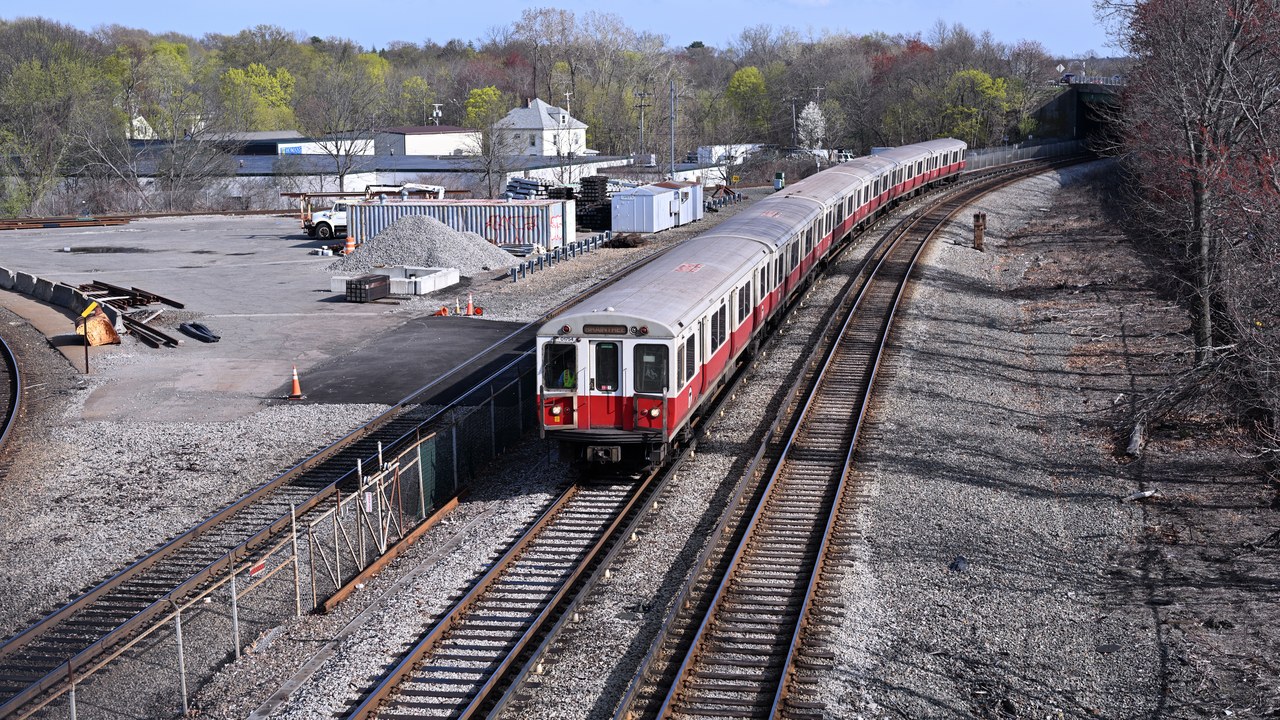
The MBTA subway carried 101.1 million unlinked trips in 2025, an increase of 17.13%, according to APTA’s 2025 ridership data. The total puts Boston just over the 100 million mark, a threshold only a few American systems reach.
Crossing that line while growing more than seventeen percent marks a strong year for the agency. Among mid-sized systems, Boston shows how quickly ridership can climb when riders return, and its pace trails only Washington on this list.
5. SEPTA Metro (Market-Frankford and Broad Street lines): Philadelphia’s Main Lines
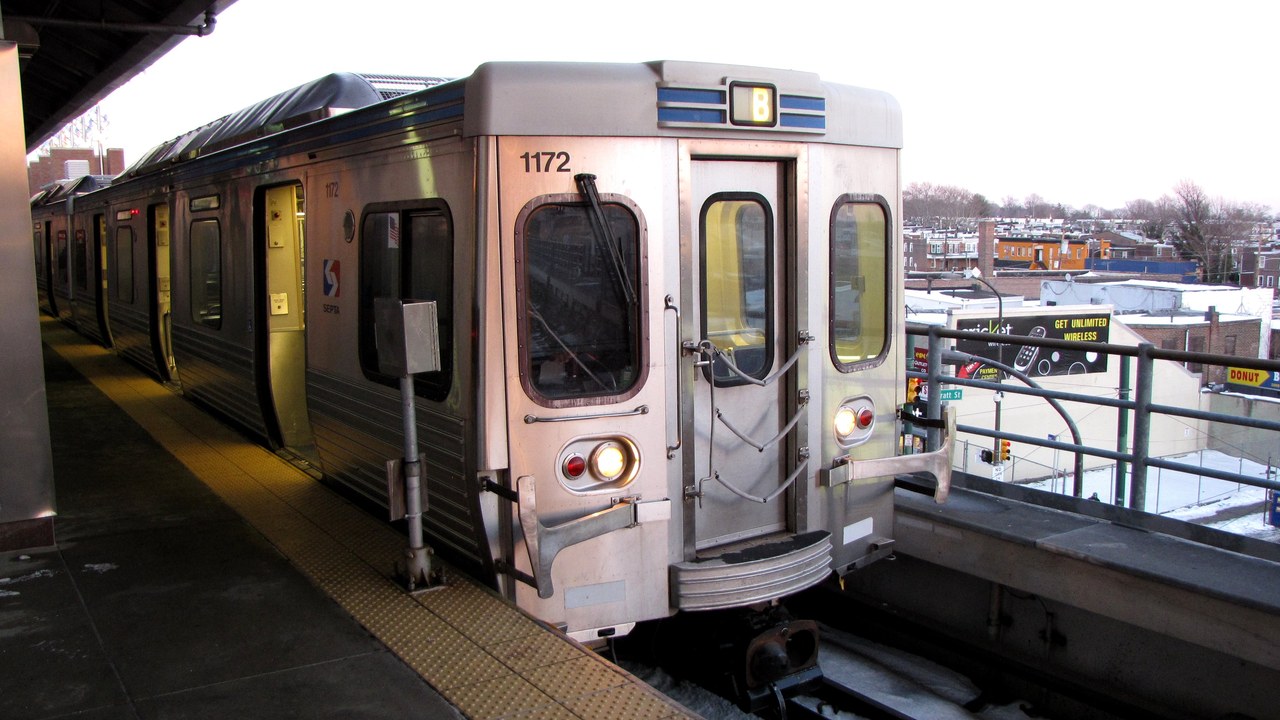
SEPTA’s Metro, which covers the Market-Frankford and Broad Street lines, recorded 65.5 million unlinked trips in 2025, up 10.95%, per APTA’s ridership tables. It ranks fifth on this list, behind Boston and ahead of PATH.
A double-digit increase signals a recovering base of riders. The two lines form the core of Philadelphia’s rapid transit, so the gain reflects demand along its main corridors rather than a single route, and the trend points upward.
6. PATH (New York-New Jersey): Under the Hudson
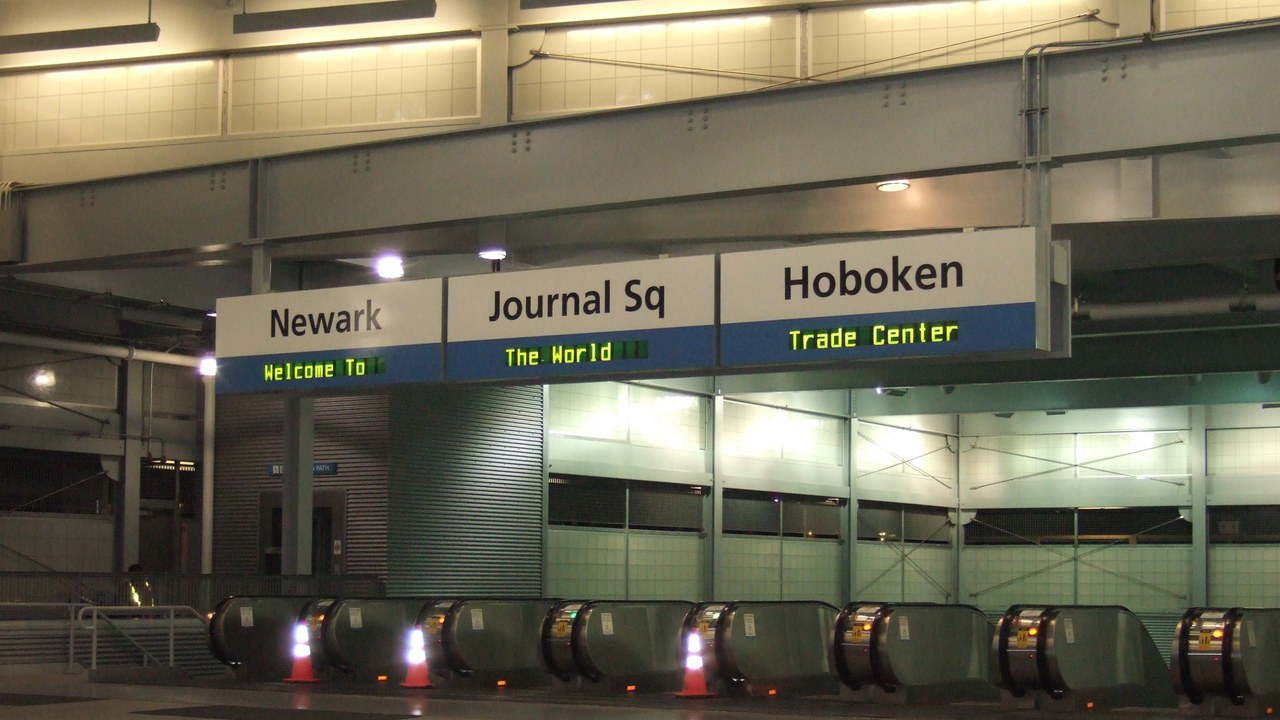
PATH logged 64.3 million trips in 2025 on a 13-station system, and the list of North American rapid transit systems notes the railway opened in 1908. That makes it one of the oldest names in the ranking, and it sits just behind SEPTA.
A compact network with only thirteen stations still ranks sixth nationally. Its numbers show that a short line serving a dense corridor can outcarry far larger systems elsewhere, a point that matters for anyone comparing transit by track mileage alone.
7. BART (San Francisco Bay Area): Bay Area Backbone
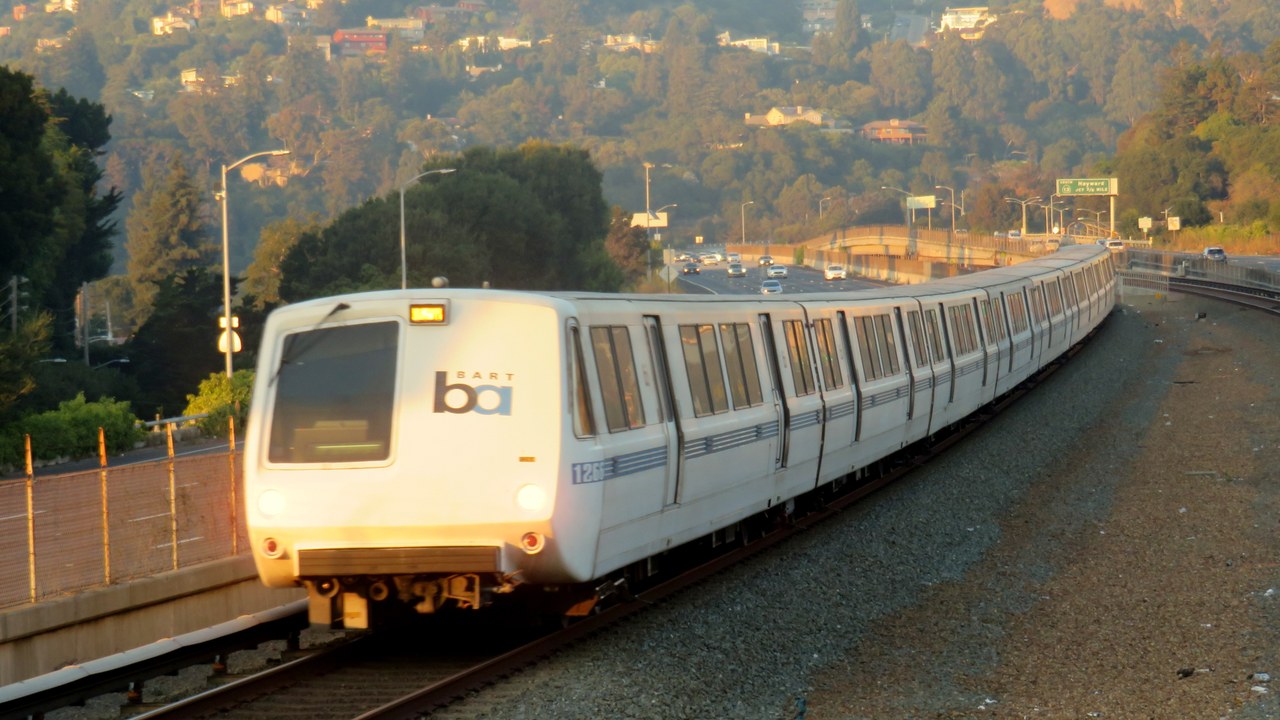
BART carried 53.7 million trips in 2025 across 50 stations and 131.4 miles of line, according to the North American rapid transit listing. The system opened in 1972, making it a product of the same era as several others in this gallery.
Long distances and many stations produce a lower ridership figure than the shorter systems just above it. BART is a useful example of how network length and rider totals do not always move together, and size on the map is a poor guide to volume.
8. MARTA (Atlanta): Atlanta’s Rail Spine
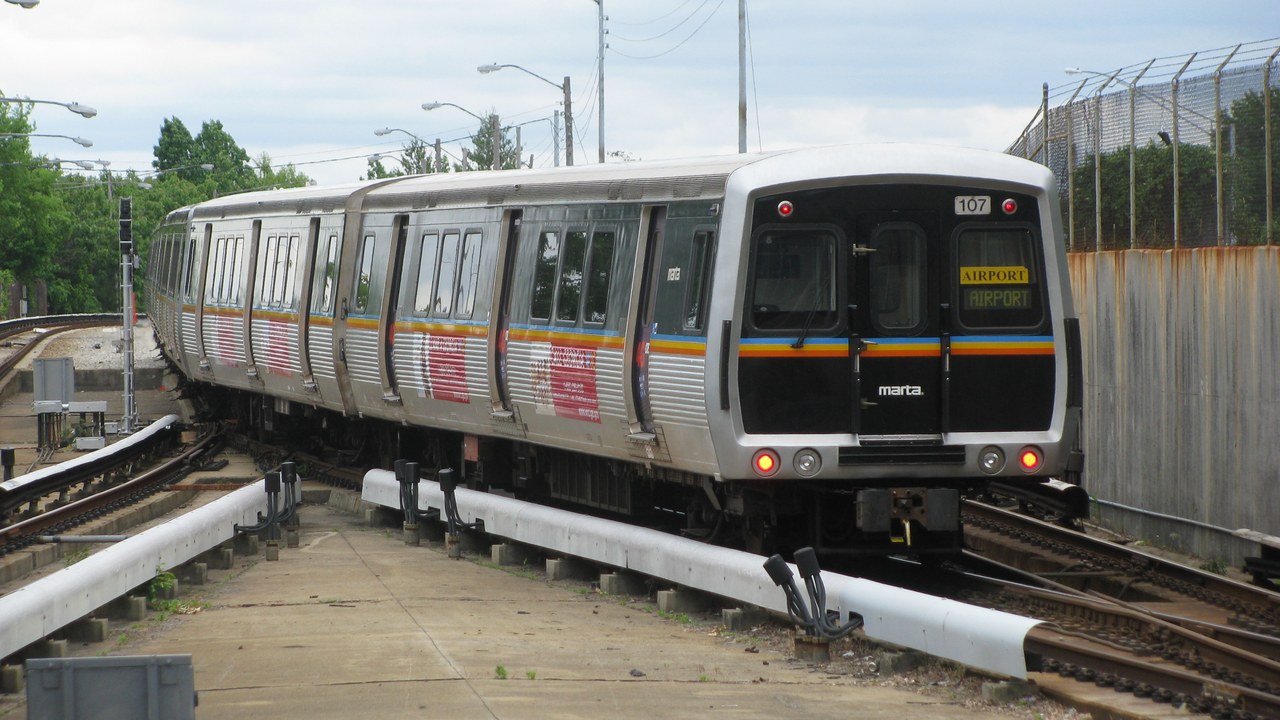
MARTA counted 30.4 million trips in 2025 on a 38-station system, as the rapid transit systems table shows. The network opened in 1979 and ranks eighth in this group, between BART and the Los Angeles subway lines.
Fewer than 31 million trips marks a clear step down from the Bay Area. Even so, the total keeps MARTA comfortably ahead of the smallest systems in the ranking, and its 38 stations give riders a broad footprint to work with.
9. Los Angeles Metro Rail (B and D lines subway): Subway Lines in Los Angeles
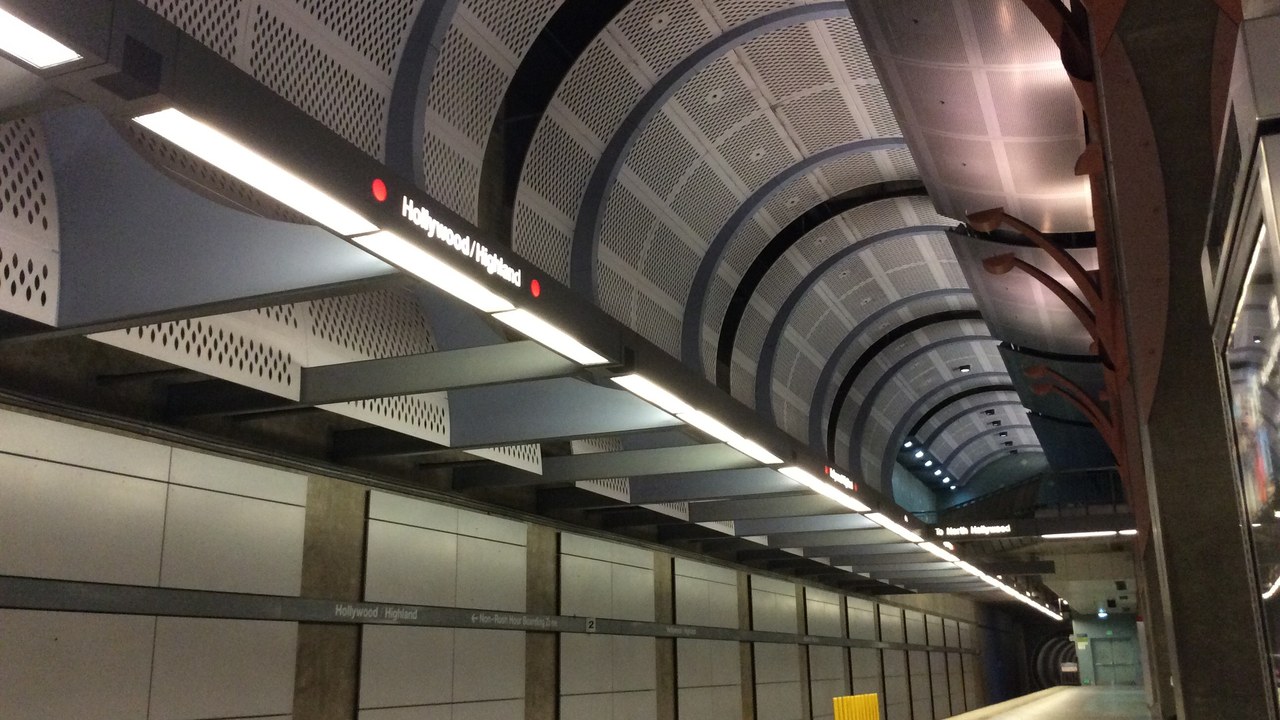
The subway lines of Los Angeles Metro Rail, the B and D lines, carried 21.0 million trips in 2025, according to the United States rapid transit list. Those lines opened in 1993, making them among the younger entries in the ranking.
The figure covers only the subway portion rather than the full light-rail network, so it understates the agency’s wider rail reach. It still shows how a relatively young system draws millions of annual riders to a pair of lines.
10. Miami Metrorail: Metrorail Across Miami
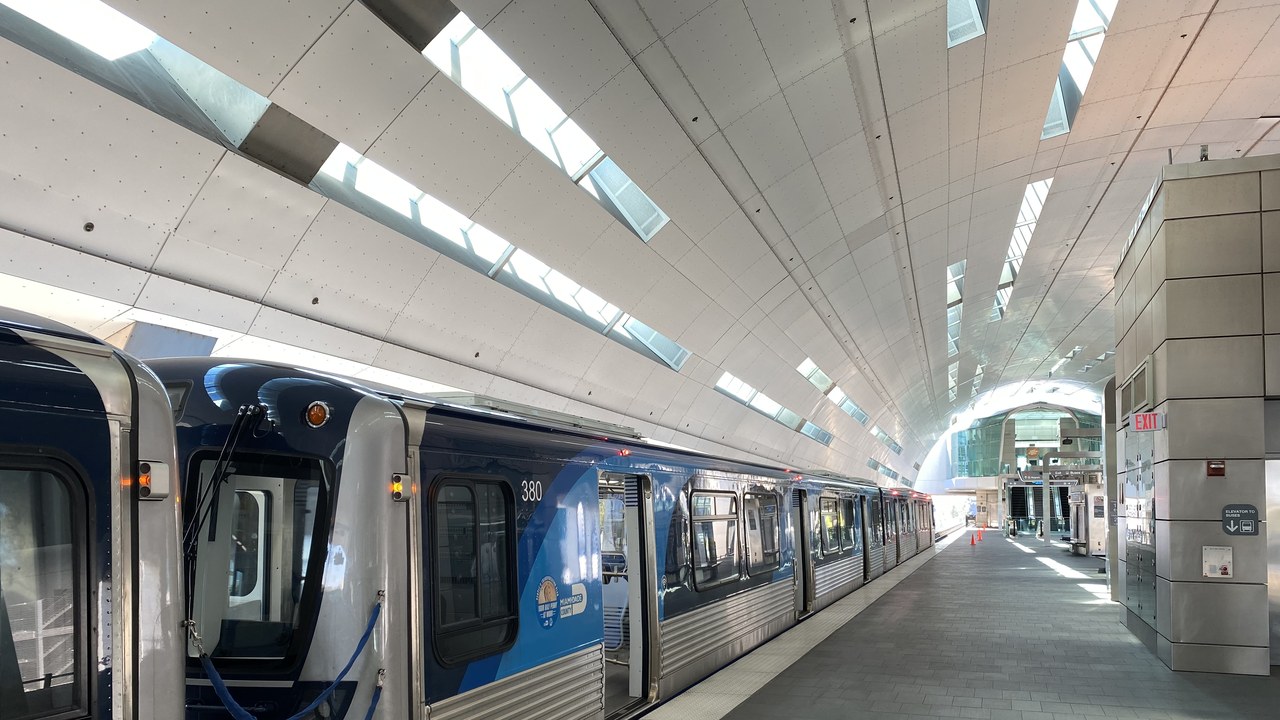
Miami Metrorail recorded 15.0 million trips in 2025 over 23 stations, and the North American rapid transit systems list dates its opening to 1984. It ranks tenth in this group, ahead of two much smaller lines.
Fifteen million trips places it well below the largest systems, yet the total is still ahead of the two smallest. The ranking underscores how much range exists across American systems, from the billion-rider leader to modest regional lines.
11. PATCO Speedline: A Line Older Than the Subway Boom
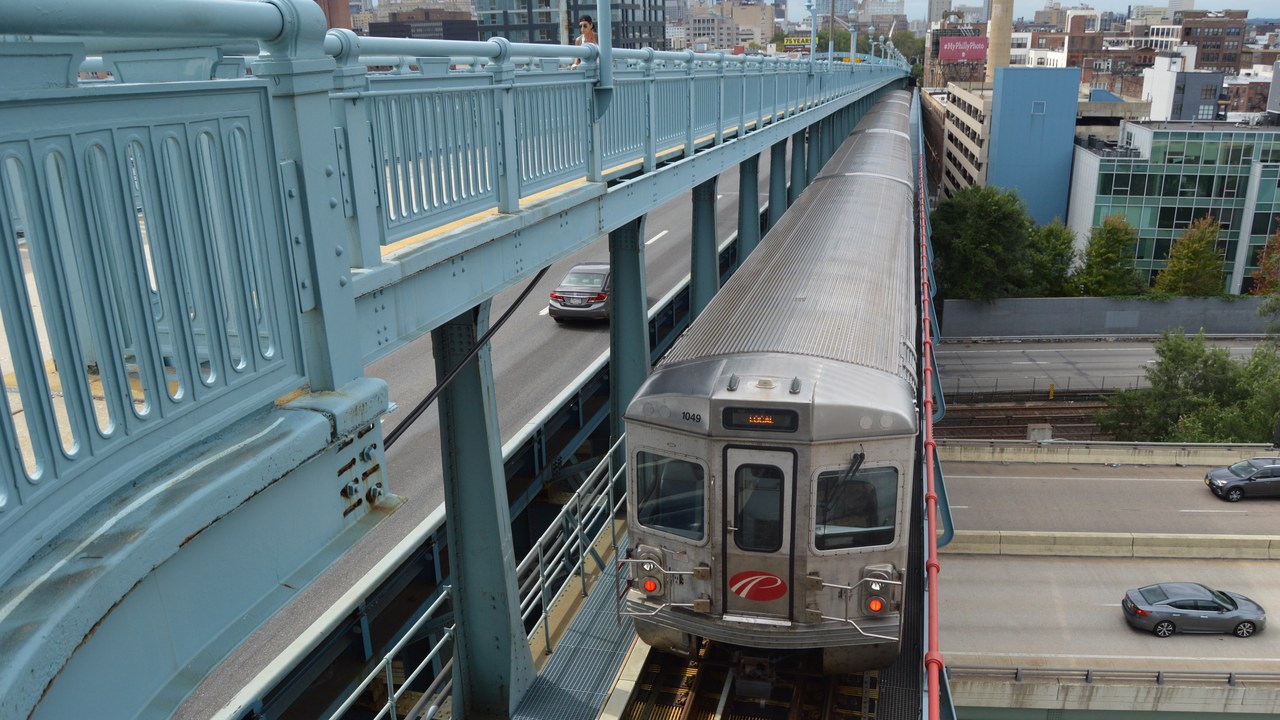
PATCO Speedline carried 5.9 million trips in 2025 on a 14-station line between Philadelphia and New Jersey, according to the rapid transit systems list. The line opened in 1936, which predates several of the systems above it.
Opening in 1936 makes PATCO one of the older entries here, even though its ridership is among the lowest. Age and volume plainly do not track one another in this ranking, and a short interstate line can have a long history without a large rider base.
12. Baltimore Metro SubwayLink: Baltimore Closes the List
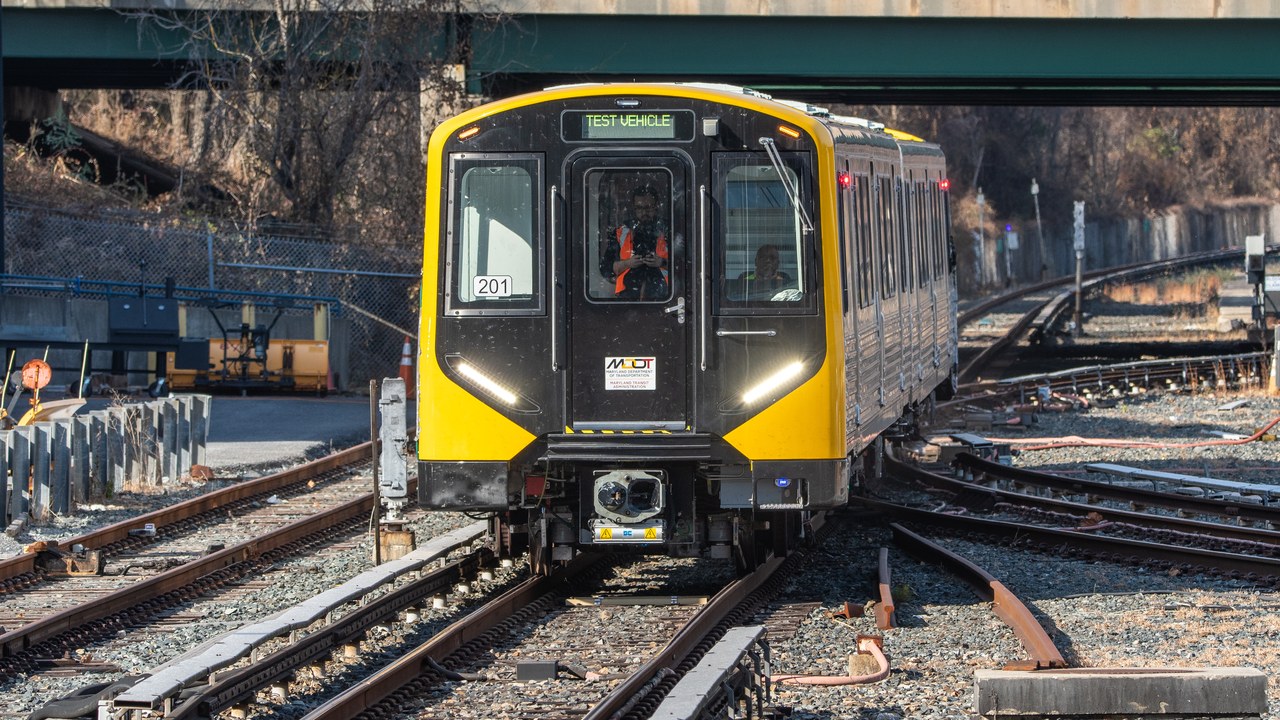
Baltimore’s Metro SubwayLink counted 4.6 million trips in 2025 on a 14-station line that opened in 1983, per the list of rapid transit systems. That is the smallest total among the twelve systems in this gallery.
The gap between 4.6 million and 1.28 billion shows how uneven American transit really is. Baltimore’s single line remains a fixture of the region, even as its numbers sit far below the leaders, and it closes out the ranking at the bottom.
Save more, waste less: Subscribe to The Cool Down →
We may earn a commission if you sign up.
More from Morning Overview
- Lake Powell sank to a record 3,517 feet, nearing the level that stops Glen Canyon Dam’s turbines
- Seven of Earth’s nine planetary boundaries are breached, and all seven are worsening
- The NSA says three phone features should be off whenever you aren’t using them
- Hurricane Hunter radar shows four warning signs that a tropical cyclone is about to strengthen, a University of Miami study found
