
Small cars have always been a way for engineers to prove that less metal can still move people. Some were bubble-shaped runabouts, others three-wheelers, and a few were mass-market economy cars that sold in the millions. Here are twelve of the smallest cars ever built, from a microcar measured in inches to familiar names that shrank the idea of a family vehicle.
AI, explained every day: The Deep View is the go-to daily newsletter for 600,000+ founders, knowledge workers and professionals who want to stay up to date with artificial intelligence.
We may earn a commission if you sign up.
1. BMW Isetta: Bubble Car Icon

BMW’s own heritage page lists the Isetta 250 with a 247 cc engine making 12 bhp. According to the BMW Group Classic entry, more than 26,000 of the first version sold in under two years, a strong showing for such a modest machine.
Those sales confirm that buyers embraced the tiny design rather than treating it as a novelty. A twelve-horsepower engine would be unthinkable in a new car now, yet it was enough to make the Isetta a commercial success for the company, and collectors still prize the first version.
2. Messerschmitt KR200: Three Wheels and a Canopy
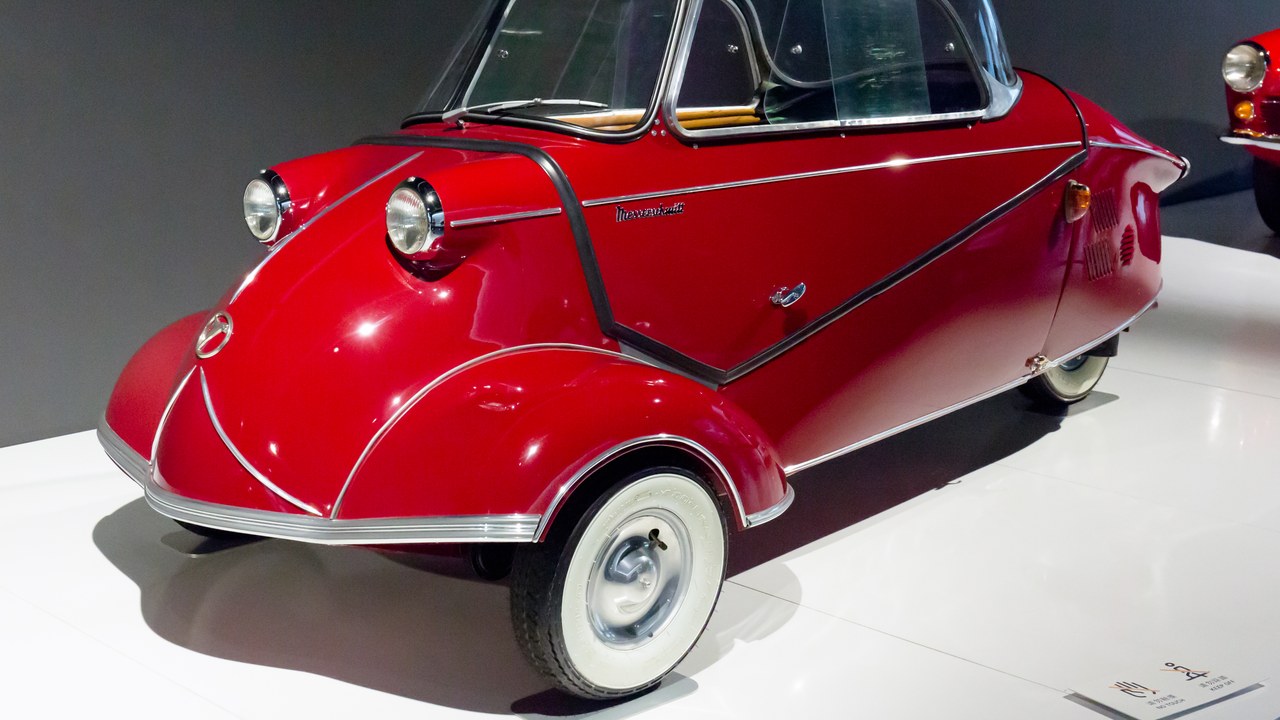
The Messerschmitt KR200 was a three-wheeler, 281.9 cm long and weighing 230 kg, with a 191 cc two-stroke engine claimed at 10 PS. The Messerschmitt KR200 article records those dimensions and the power claim.
At under three meters long, it occupied far less road than a conventional car. The small two-stroke power figure underlines how little engine was needed to move a vehicle this light, and the dimensions explain why it belongs among the smallest cars ever made.
3. Peel P50: The 54-Inch Record Holder
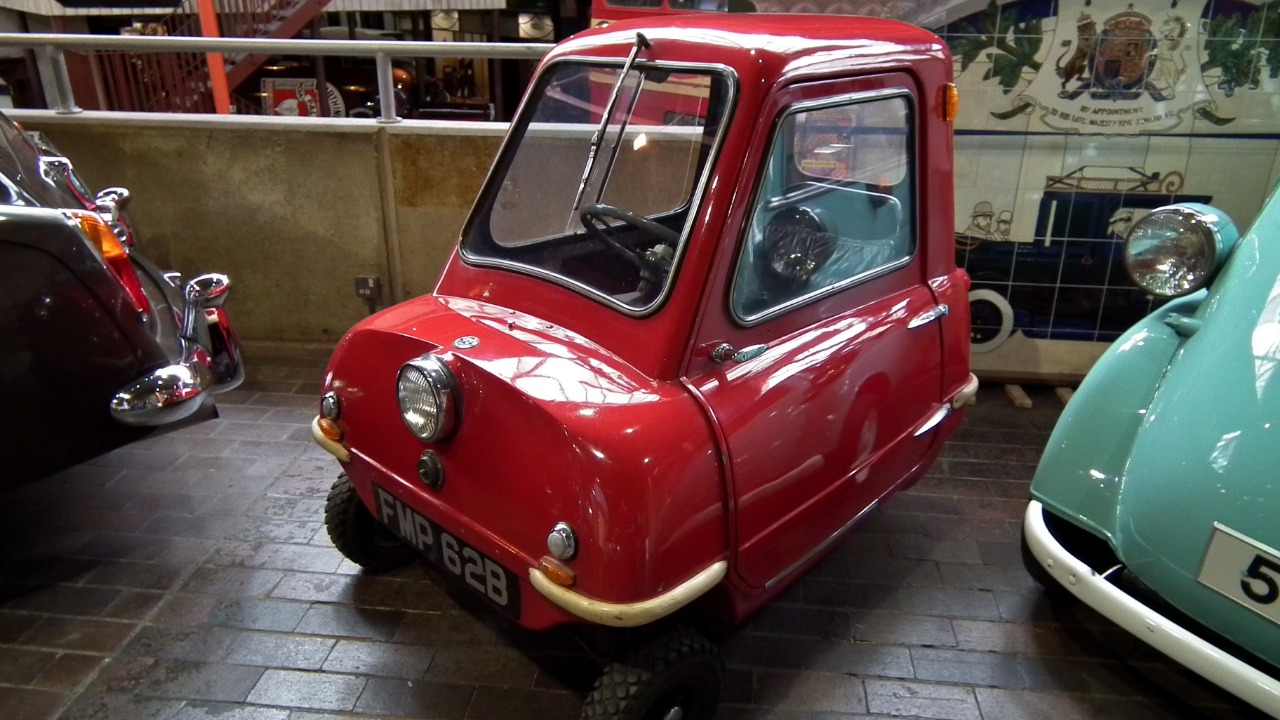
At 54 inches long and 59 kg, with a 49 cc engine, the P50 was recognised by Guinness in 2010 as the world’s smallest production car, according to Silodrome’s Peel P50 profile. The title rests on those figures alone.
That recognition is the reason it opens the headline of this gallery. An engine measured in double-digit cubic centimeters and a weight lighter than many adults make it the extreme end of automotive shrinking, a car reduced to its barest elements.
4. Fiat 500 Nuova: Italy’s Little Giant
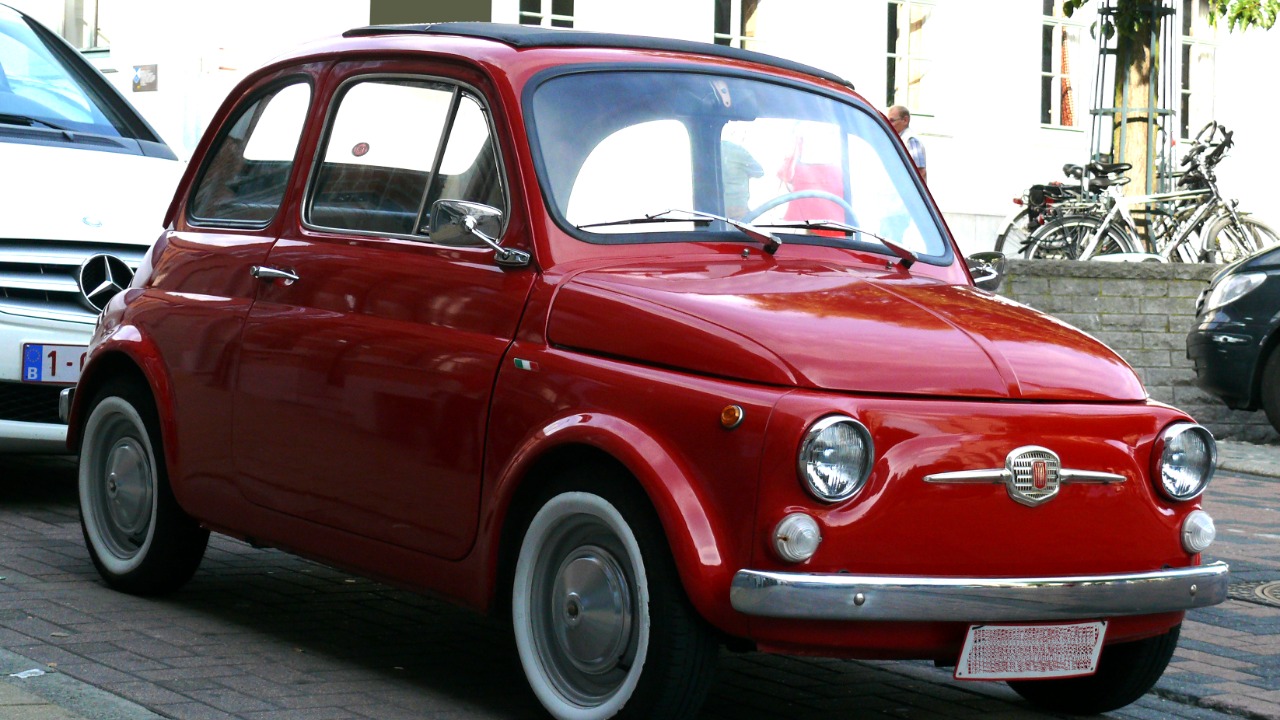
The Nuova 500 launched on 4 July 1957 with a 479 cc engine making 13 hp and a dry weight of 470 kg, as the Stellantis Heritage story explains. The launch date is recorded precisely in the company’s own account.
Compact dimensions and modest output defined a car meant for everyday use. The Nuova 500 shows that a tiny engine and a light body could serve ordinary drivers, and its numbers sit comfortably beside the other economy cars in this gallery.
5. Subaru 360: Light Enough to Dodge Rules
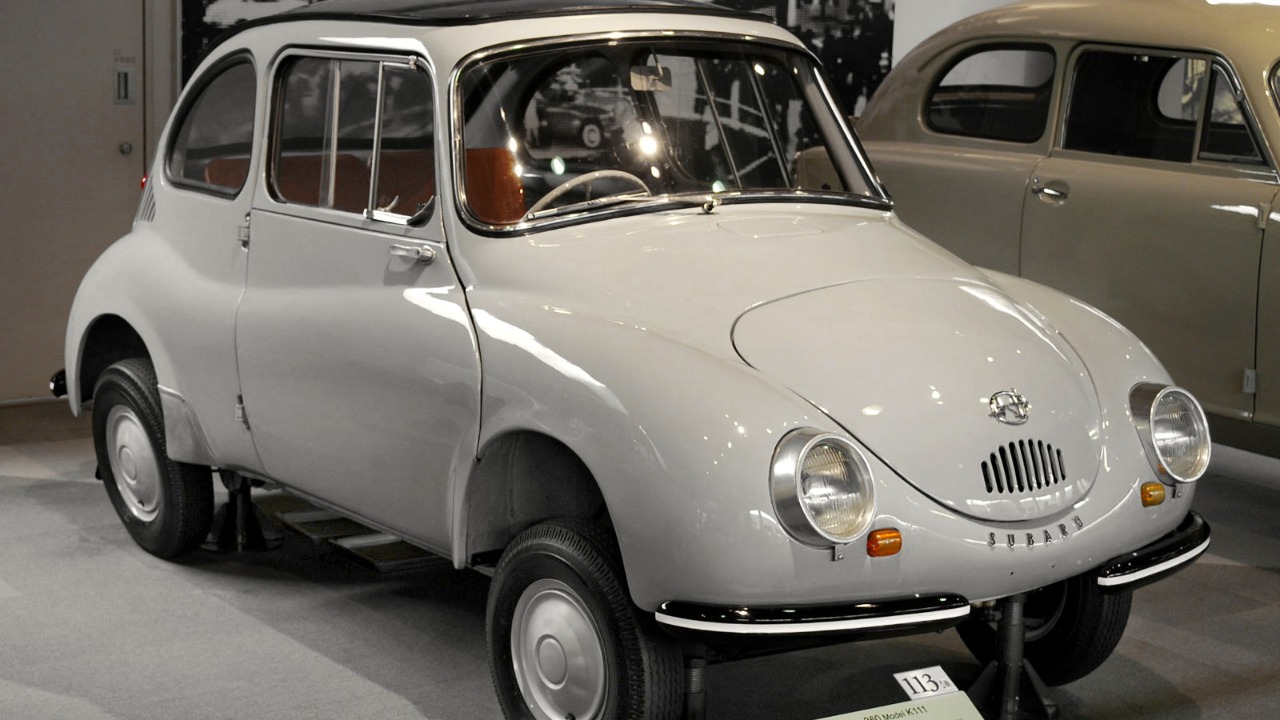
The Subaru 360 ran a 356 cc twin-cylinder two-stroke and weighed under 1,000 lb. Silodrome’s Subaru 360 profile adds that it was light enough to escape American safety rules of the day, an unusual advantage.
That quirk of regulation shaped how the car could be sold. Its lightness was not only a matter of economy but also a way around standards applied to heavier vehicles, which turns a spec-sheet detail into a legal footnote worth remembering.
6. Smart Fortwo: Two Seats, Nearly 25,000 Sales
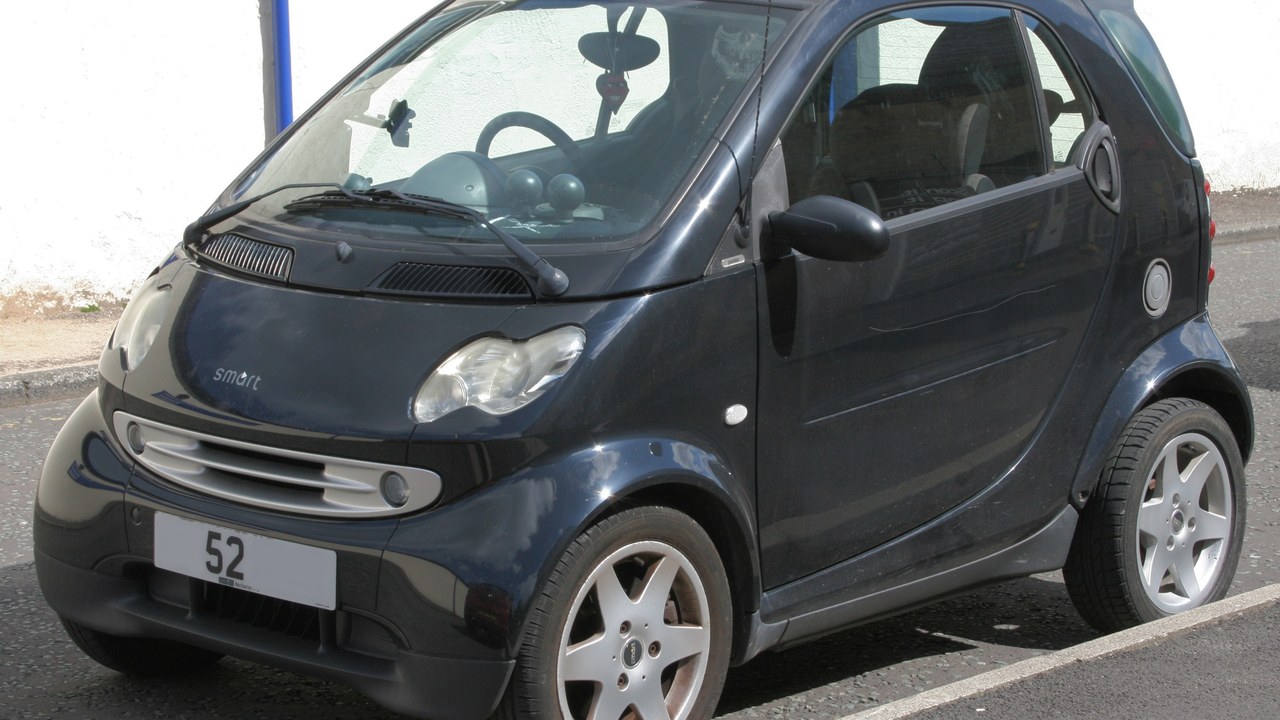
Smart sold nearly 25,000 Fortwos in America in 2008 alone, then pulled the car from sale there in 2019, according to Green Car Reports coverage of the model’s end. The two dates bracket the car’s American run.
The spread between those two years shows the Fortwo’s arc in this market. Strong early interest faded over a decade, and the car left the market it had once drawn crowds in, a reminder that small size alone does not guarantee lasting sales.
7. Nash Metropolitan: America’s Compact Convert
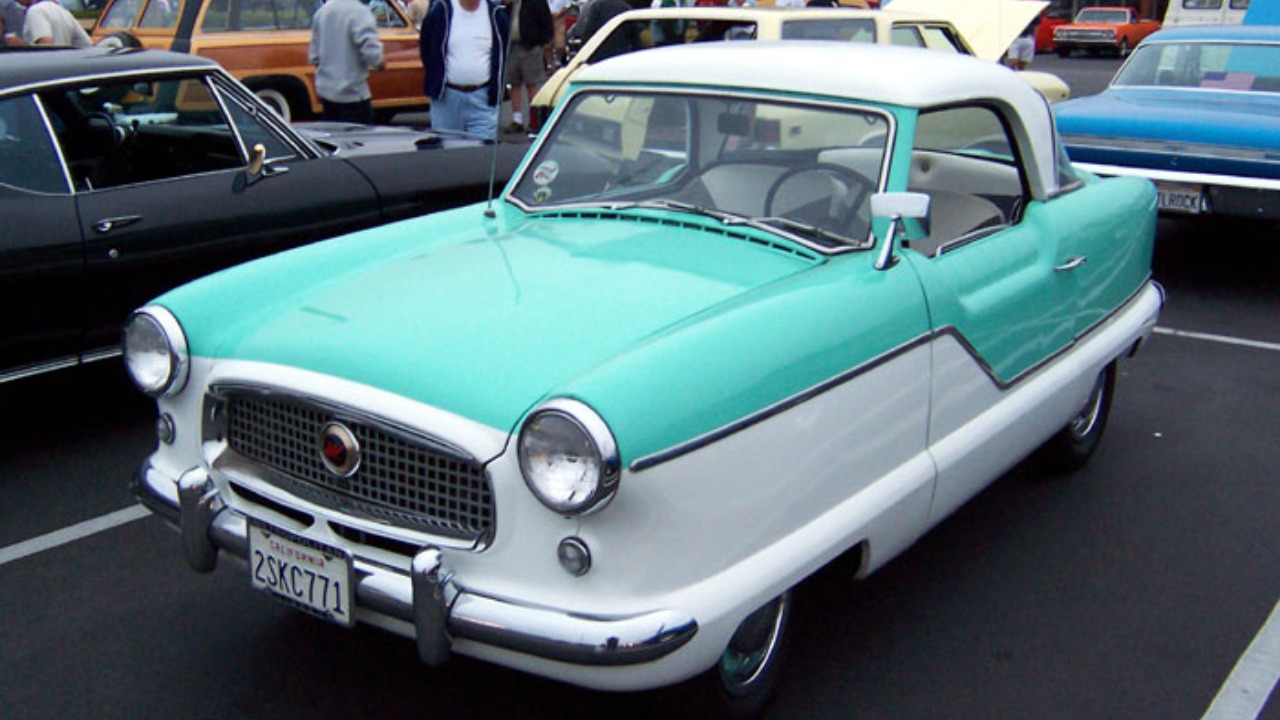
About 95,000 Metropolitans were sold to American customers, on an 85-inch wheelbase at roughly 1,800 lb, as Conceptcarz details in its profile of the Nash Metropolitan. That total is large for a car so short.
Sales of that size show a real market for small cars among American buyers. The short wheelbase and light weight set the Metropolitan apart from the larger sedans of its day, and the numbers explain why it earns a spot on this list.
8. Mini Mark I: Compact Icon With Many Badges

The original Mini used A-series engines from 848 cc up, and 4,030 Cooper S cars were built before the 1,071 cc version ended in August 1964. Wikipedia’s Mini first-generation entry gives those figures for the first generation.
The tally of Cooper S cars shows how small the run of one sporting version really was. Collectors tracking those numbers can see how a single engine size could define a rare model, even within one of the best-known small cars ever built.
9. Citroen 2CV: Nine Horses, Millions Built
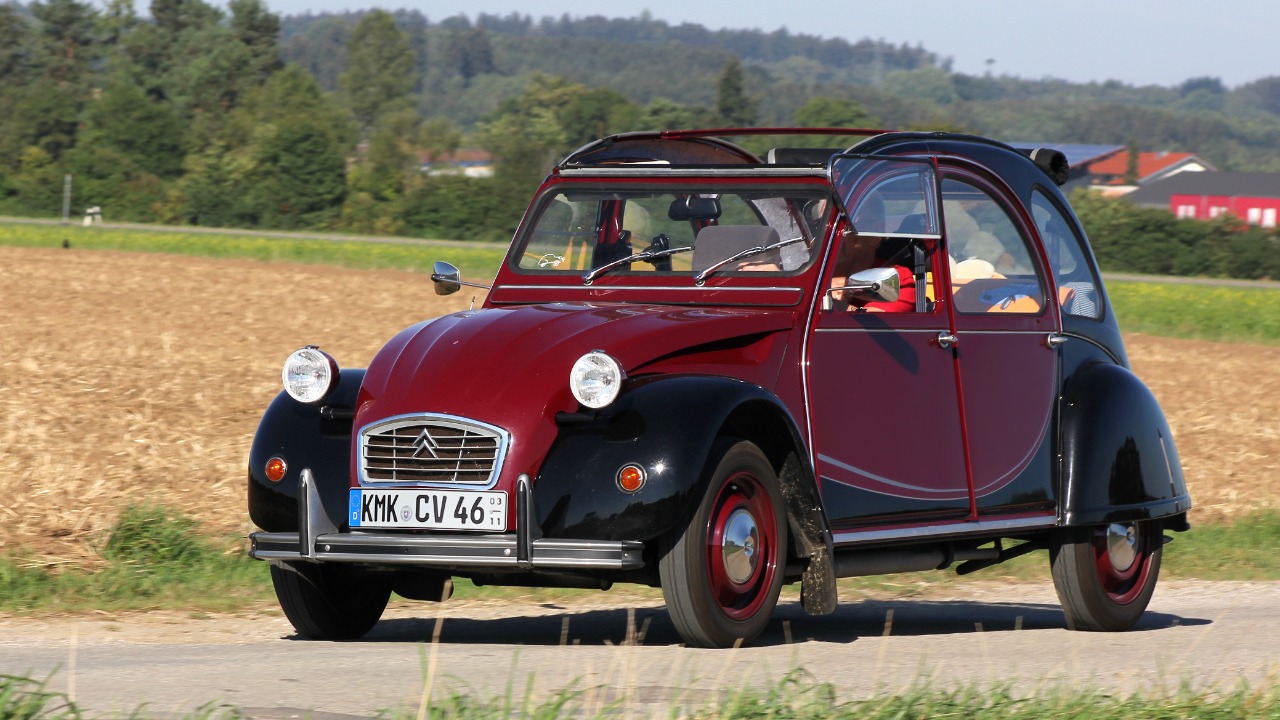
More than 3.8 million 2CVs were built between 1948 and 1990, starting with a 375 cc engine making 9 hp, according to the Citroen 2CV article. The production span covers more than four decades.
A run lasting that long is remarkable for such a minimal design. The small engine and the sheer volume make the 2CV one of the great economy cars on this list, and its very modest starting output is part of the appeal.
10. Crosley Hotshot: A Small Roadster, Briefly

Crosley’s 137-inch Hotshot weighed 1,095 lb with a 26.5 hp, 724 cc engine. The Crosley Motors history adds that the company sold about 84,000 cars before closing in July 1952, which gives the figures a final date.
Those numbers describe a small automaker that found a niche and then ran out of room. The Hotshot remains a compact reminder of what Crosley tried to offer, and its short wheelbase and light weight keep it on any list of tiny cars.
11. Trabant 601: East Germany’s Two-Stroke
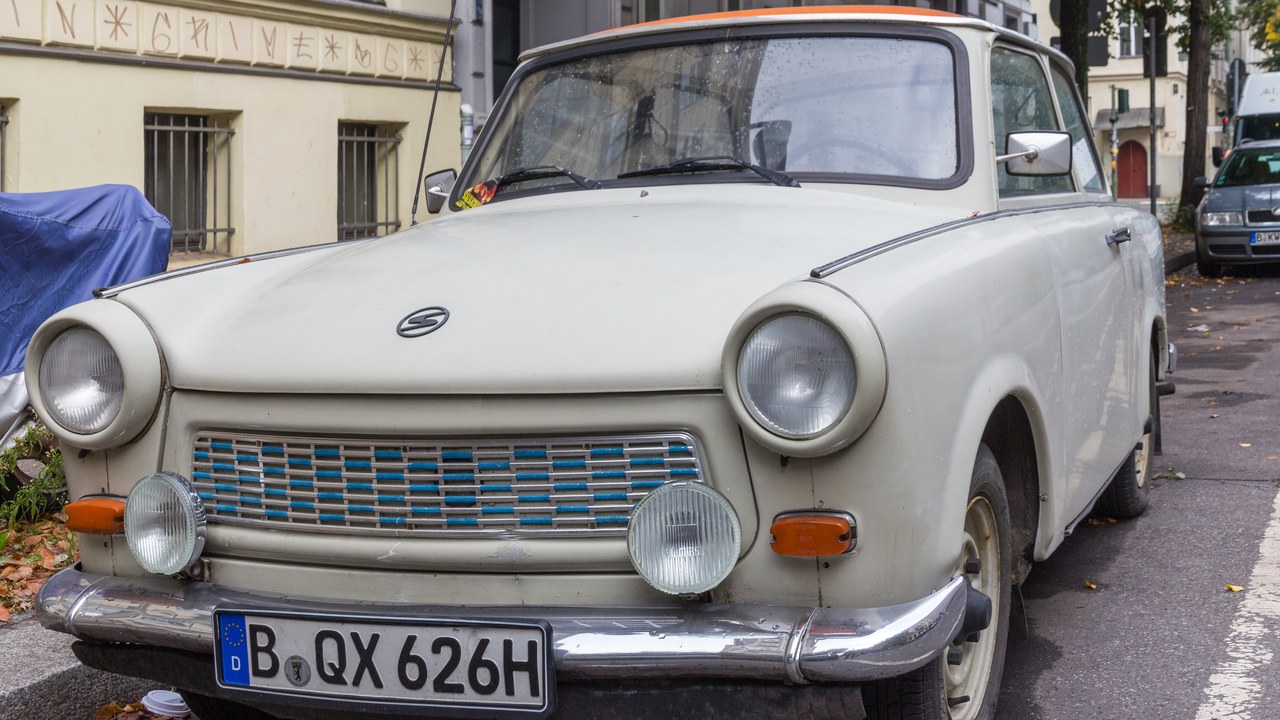
About 3.7 million Trabants were built, powered by a 594 cc two-stroke making 26 PS, according to the Trabant article. The volume places it among the most widely produced small cars in this gallery.
A figure that large shows how common the car became in its home market. The simple two-stroke engine tells the story of a vehicle designed for basic mobility, not performance, and the output of 26 PS is modest even by small-car standards.
12. Honda N600: Honda’s Small-Car Debut
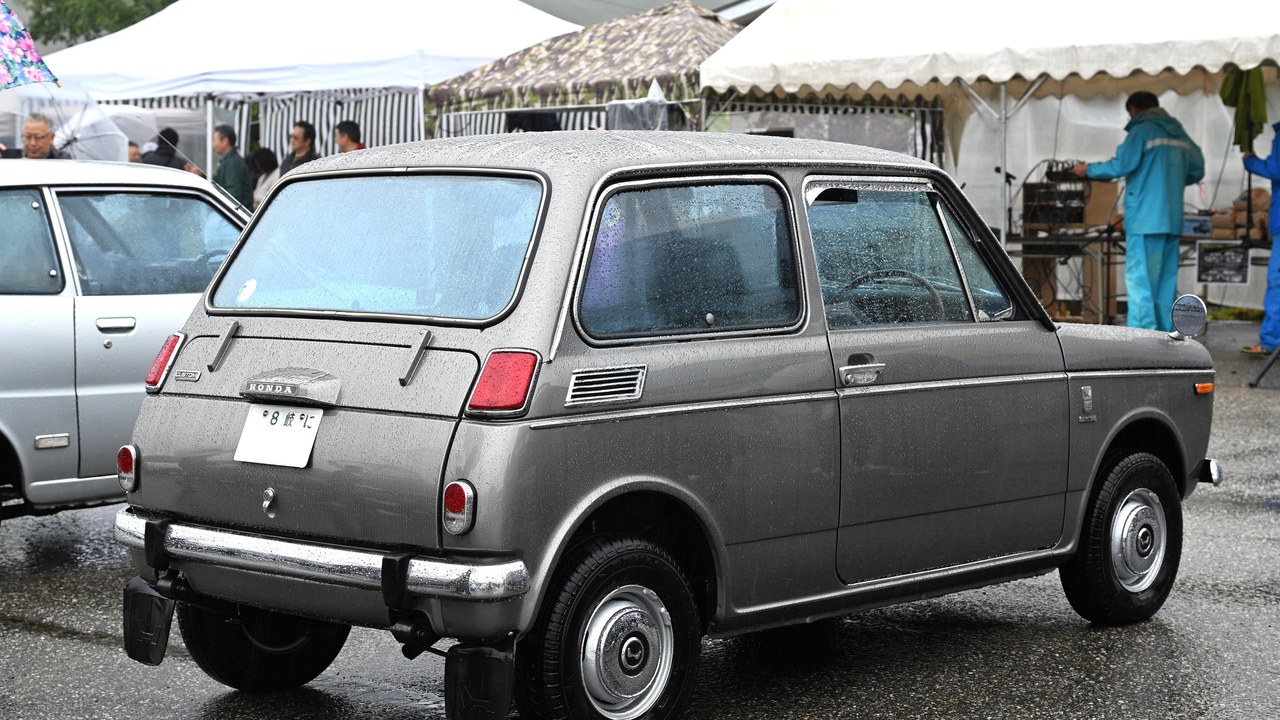
The N600 weighed around 550 kg with a 598 cc air-cooled twin and reached American showrooms as the 600 Sedan for 1970, as the Honda N600 entry describes. The name on the American model was simply the 600 Sedan.
Light weight and an air-cooled engine made it an unconventional entry for American buyers. The model introduced a Japanese small-car approach to a market that favored far bigger cars, and it helped set the stage for what followed.
AI, explained every day: Get The Deep View →
We may earn a commission if you sign up.
More from Morning Overview
- Seven of Earth’s nine planetary boundaries are breached, and all seven are worsening
- The NSA says three phone features should be off whenever you aren’t using them
- Hurricane Hunter radar shows four warning signs that a tropical cyclone is about to strengthen, a University of Miami study found
- Tropical Storm Rachel is dumping up to 12 inches on four Mexican states on its way to major hurricane strength
