
Before emissions rules and downsizing, Detroit often settled competition with cubic inches. Engineers stretched displacement to chase horsepower and torque, and some of the resulting numbers still stand out today. Here are nine American cars whose engines show how big the ambitions got, from muscle-era V8s to a modern V10.
Stay ahead on AI: Join 600,000+ professionals who read The Deep View, the daily newsletter that keeps you up to date with artificial intelligence.
We may earn a commission if you sign up.
1. Dodge Viper: Ten Cylinders, 8.4 Liters
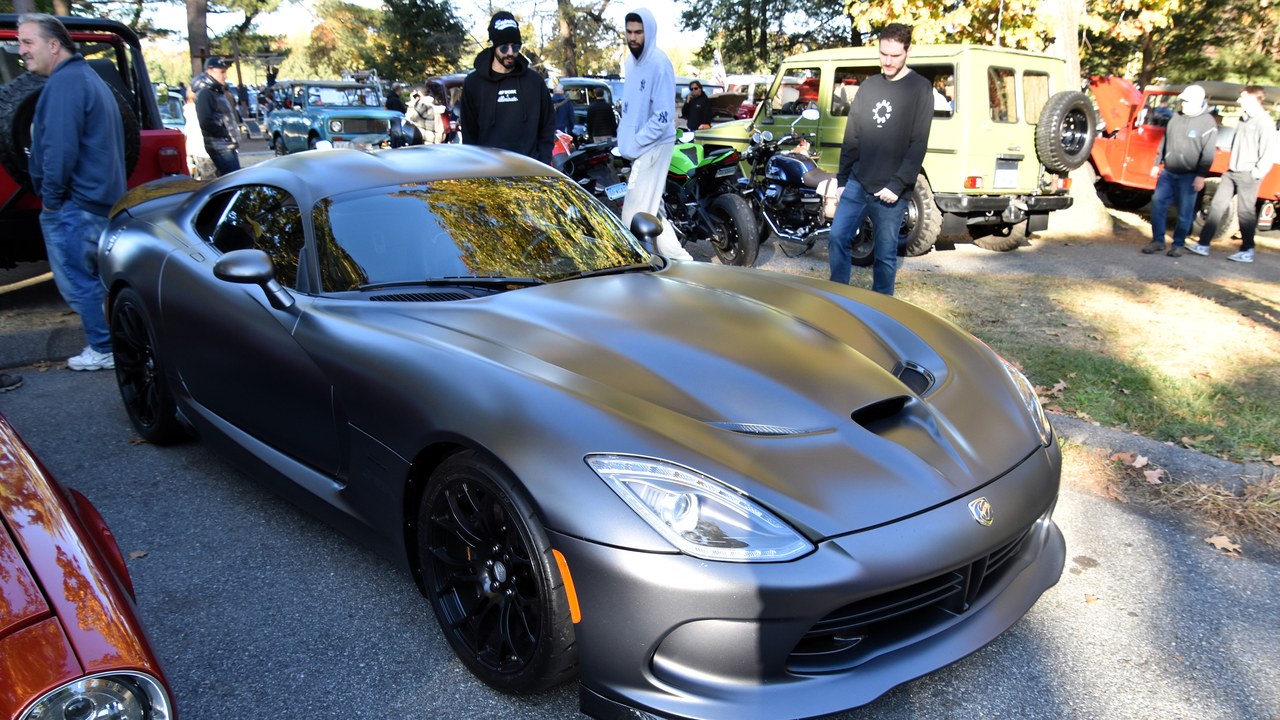
The 2013 SRT Viper carried an 8.4-liter all-aluminum V10 rated at 640 hp and 600 lb-ft of torque, while the Jalopnik introduction quotes 645 hp. Few modern production engines match that displacement.
The Viper keeps the big-engine tradition alive in an era of turbocharged fours. The small gap between the two horsepower figures reflects different rating sources, but both point to an engine of extraordinary size. The cylinder count adds to the unusual character, since V10 engines are rare in passenger cars of any era. A V10 is an unusual choice for an American road car, which keeps the Viper distinctive among the entries here.
2. 1970 Cadillac Eldorado: Half a Thousand Inches
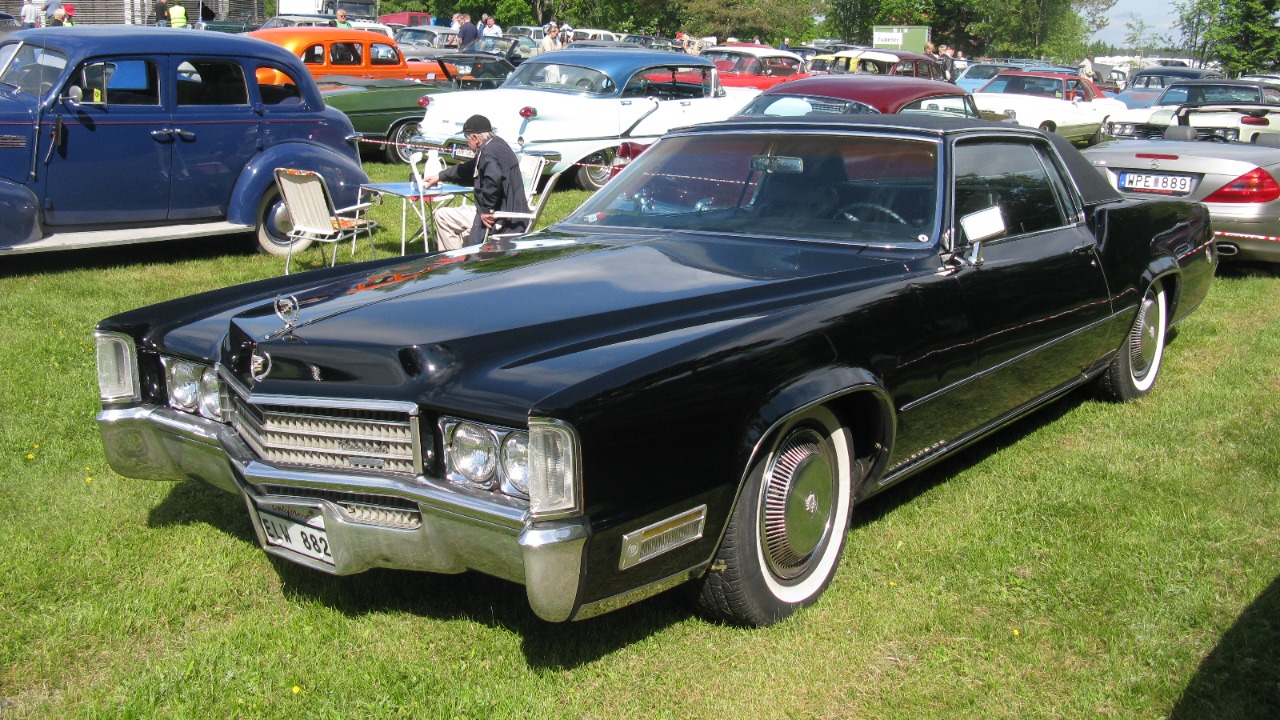
The 1970 Cadillac Eldorado introduced a 500-cubic-inch V8 that was factory rated at 400 hp, and the RM Sotheby’s lot description cites 575 lb-ft of torque.
That torque figure is large even by muscle-car standards, and it came in a personal luxury coupe rather than a stripped-down performance model. The Eldorado shows how displacement was a mark of prestige as well as speed. Among the pre-1980 cars here, it carries the largest displacement figure, ahead of the 462 and 455-cubic-inch engines. Pairing that much torque with a luxury coupe shows how closely displacement and status were linked at the time.
3. Lincoln Continental: Luxury Land Yacht
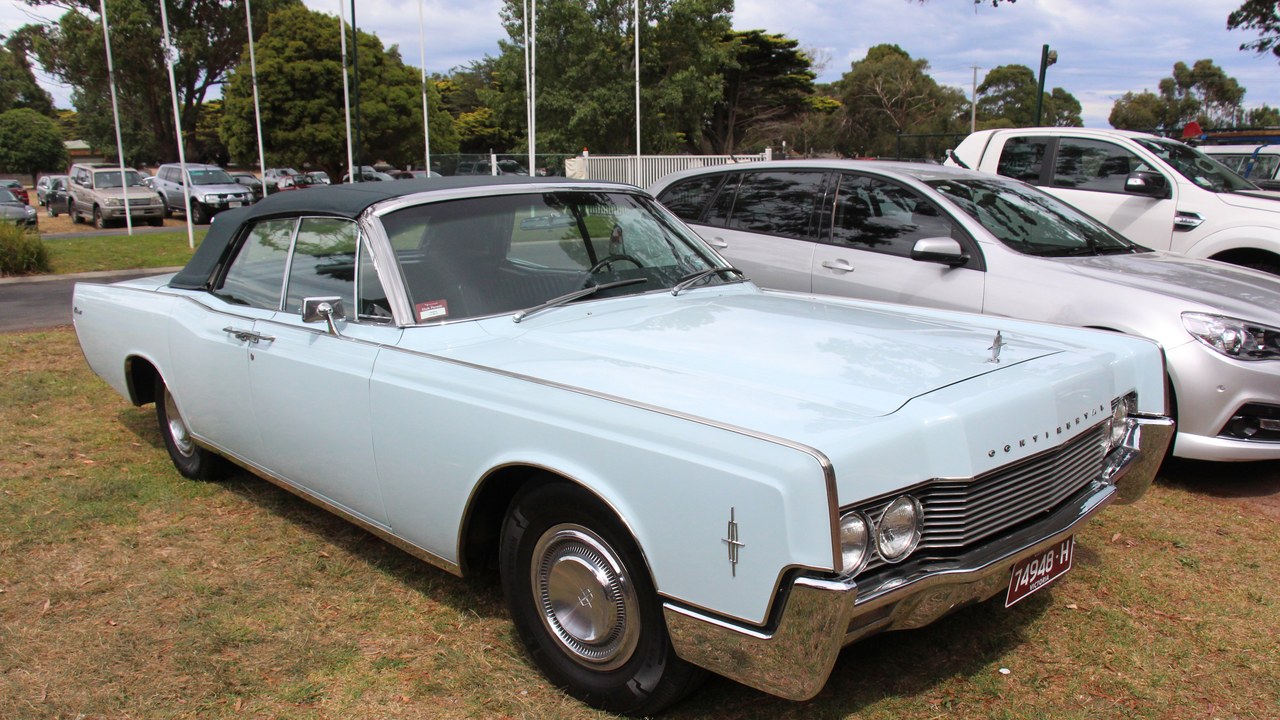
The Lincoln Continental’s 462-cubic-inch V8 was rated 340 hp and 485 lb-ft, according to the Hagerty auction listing for a 1966 example.
The engine gave a large four-door sedan effortless torque at low rpm. It illustrates that the largest engines of the period were not limited to performance cars but also powered the biggest luxury models. Rated horsepower of 340 is modest next to the Eldorado’s 400, yet the 485 lb-ft figure matches the Corvette L88’s torque rating. The listing comes from a 1966 car, which places the engine squarely in the first wave of the big-displacement race.
4. 1970 Chevrolet Chevelle SS 454 LS6: The Underrated Monster
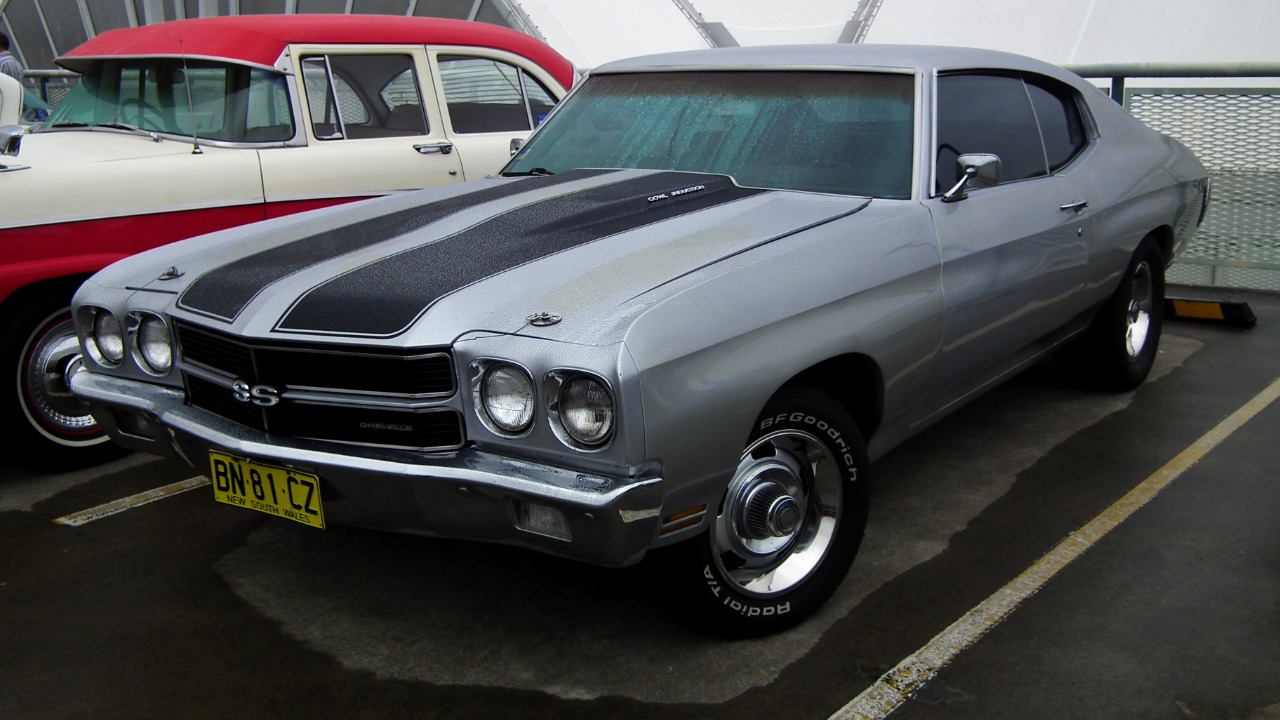
The 1970 Chevelle SS 454 LS6 used a 454-cubic-inch V8 rated 450 hp and 500 lb-ft, and the RM Sotheby’s lot page says Chevrolet underrated it. Chevrolet built 4,475 LS6 vehicles for 1970.
The production count keeps the LS6 relatively rare, while the underrated horsepower claim gives it lasting appeal among enthusiasts. Many consider the Chevelle among the peak expressions of muscle-car engineering. The 450 hp rating sits above the Eldorado’s 400 and the Hemi’s 425, making the Chevelle the most powerful rated entry among the vintage cars here. Production of 4,475 LS6 vehicles in 1970 means a relatively small number reached buyers compared with the wider Chevelle line.
5. Chevrolet Corvette 427 L88: Corvette’s Racing Heart
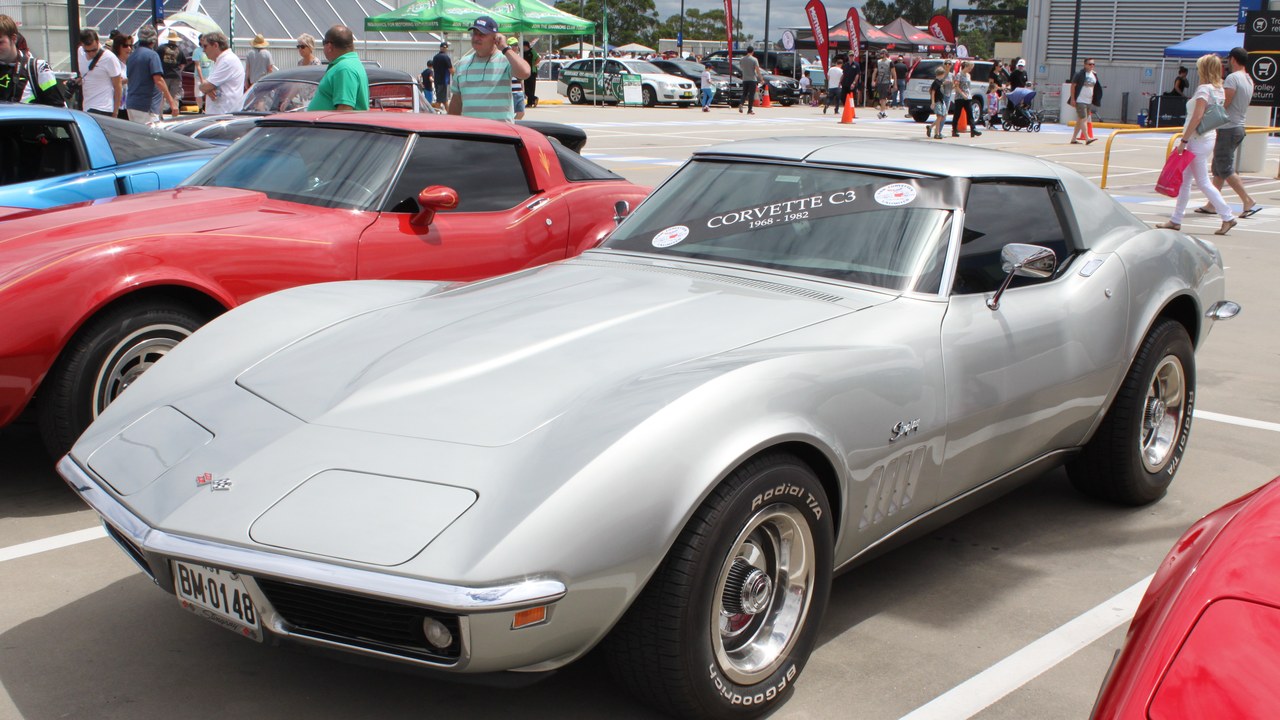
The 427-cubic-inch L88 offered in the Corvette from 1968 to 1969 was rated 430 hp at 4,600 rpm and 485 lb-ft at 4,000 rpm, per Wikipedia’s C3 Corvette article.
Those rpm figures show an engine built for sustained high-speed work rather than street manners. The L88 was a racing-oriented option, which helps explain why the Corvette it powered remains a collector benchmark. The 485 lb-ft rating matches the Lincoln’s, despite the smaller displacement in the Corvette, a sign of how differently the two engines were tuned. The L88 was offered only in 1968 and 1969, so its production window is short.
6. Dodge Charger Daytona (426 Hemi): Hemi Versus Magnum
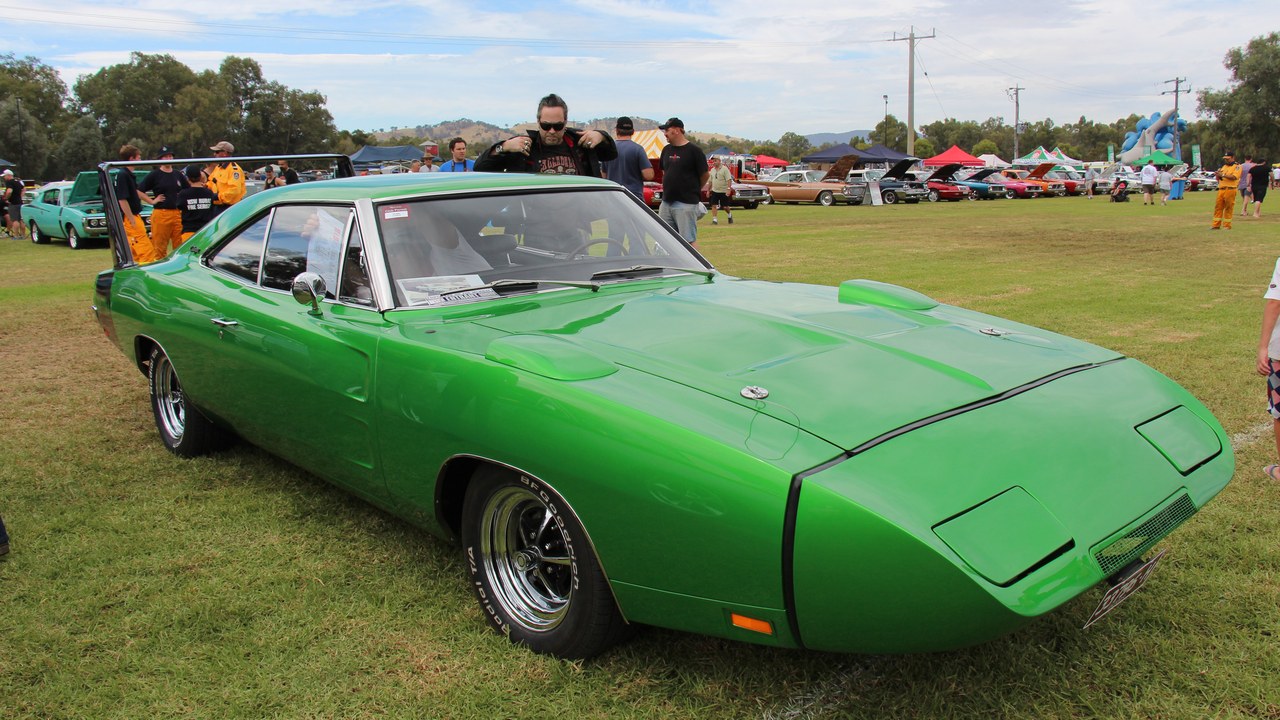
On the 1969 Dodge Charger Daytona, the standard 440 Magnum made 375 hp and 480 lb-ft, while the optional 426 Hemi made 425 hp and 490 lb-ft, Wikipedia’s Charger entry says.
Even the base engine was huge by modern standards, and the Hemi added a significant step up. The pairing explains why buyers paid extra for the optional engine on a car designed for speed. Fifty horsepower separated the two engines, yet the torque difference was only 10 lb-ft, which shows how the Hemi’s advantage showed up at higher engine speeds. The 1969 date places the car at the height of the era’s horsepower race, when manufacturers competed on engine options.
7. Buick GS 455 Stage 1: Torque by the Bucketful
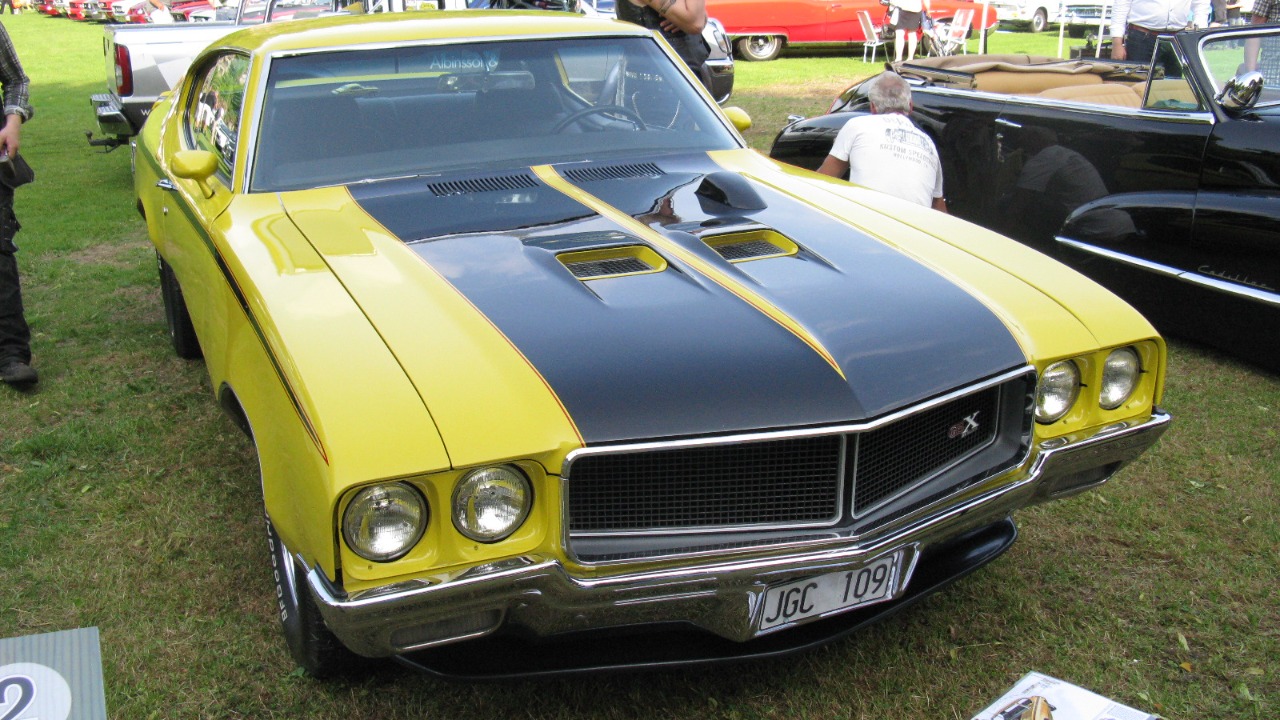
The Buick 455 Stage 1 V8 was rated 360 hp and 510 lb-ft, according to Wikipedia’s Buick V8 article, a torque figure that stands out against its horsepower rating.
Buick favored torque over peak horsepower, which produced a heavy, strong pull from low speeds. The Stage 1 package shows that the brand known for comfort could also compete in the muscle-car era. The 510 lb-ft is higher than the Chevelle LS6’s 500, even though the Buick gave up 90 horsepower in its rating. The Stage 1 label denotes a higher-output version of the 455, which is why it earns a place in a list about big engines.
8. Pontiac Firebird Trans Am SD-455: Super Duty Swan Song
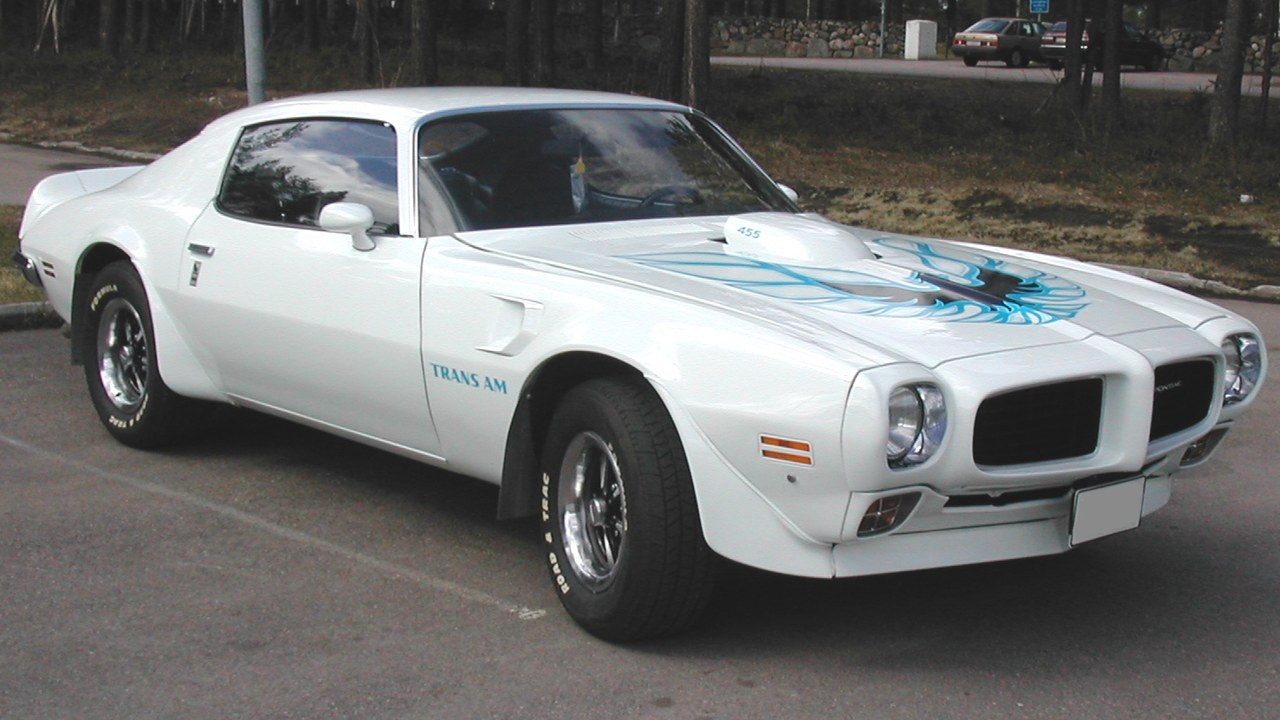
The Pontiac SD-455 was rated 290 hp net, and Wikipedia’s Pontiac V8 page says 295 were built for 1973, including 252 Trans Ams.
The net rating reflected newer measurement practices, so the number looks lower than gross figures from the 1960s. Production totals this small make the SD-455 one of the final rare muscle-era engines. Only 295 SD-455 engines were installed in 1973 cars, so the 252 Trans Ams account for most of that small total. The 290 hp rating is the lowest on the list, yet the 455 cubic inches put it among the largest engines here.
9. 1969 Dodge Super Bee 440 Six Pack: Six-Pack Rarity
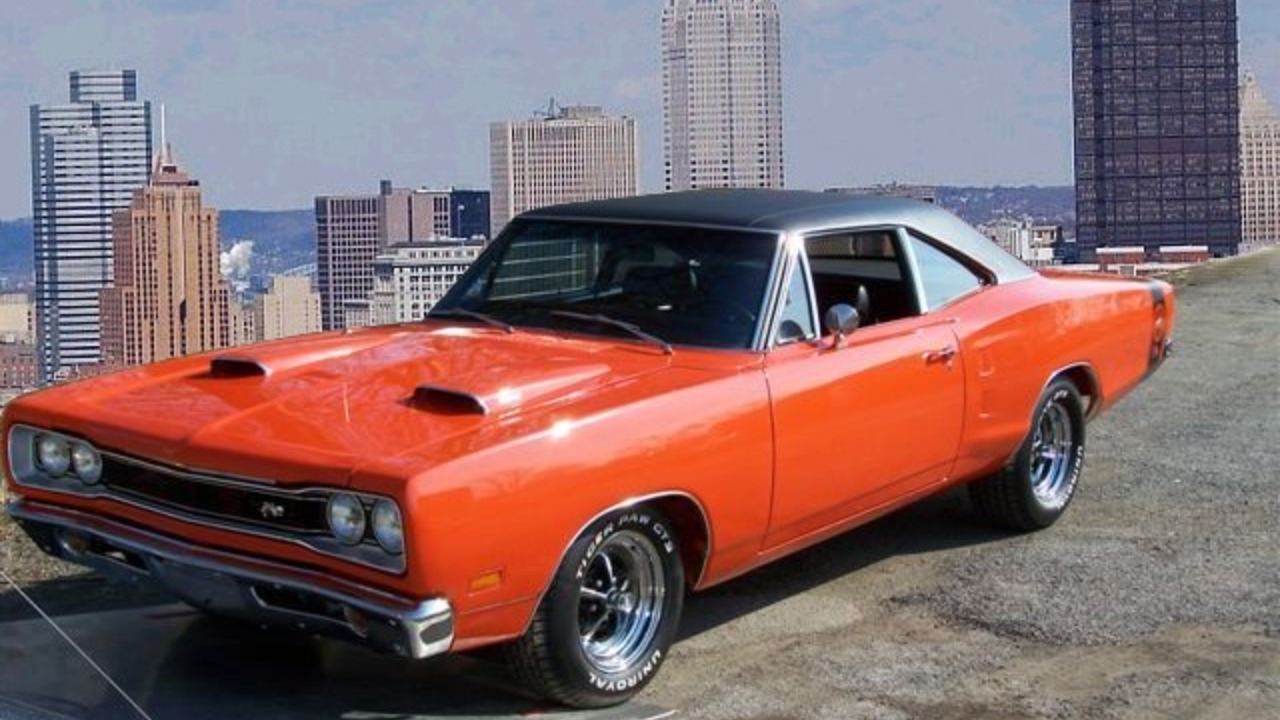
The 1969 Dodge Super Bee 440 Six Pack used three two-barrel carburetors, and the RM Sotheby’s catalog entry says only 420 were built for American dealers, 267 with a four-speed. One sold for $61,600.
The triple-carburetor setup gave the 440 its nickname and its appeal. The low build count and the specific four-speed variant explain why collectors pay a premium for the right configuration. The 267 four-speed cars account for nearly two-thirds of the 420 total, which makes the transmission a key part of the car’s collector value. The coupes were built with a specific carburetor setup, and sales prices like the $61,600 result show how that distinction is valued.
Stay ahead on AI: Subscribe to The Deep View →
We may earn a commission if you sign up.
More from Morning Overview
- Ford is recalling 223,472 F-150 pickups because the fuel tank can leak or detach
- Hybrids have 15% fewer problems than gas cars, while EVs and plug-in hybrids have about 80% more, Consumer Reports finds
- Regulators cleared the first U.S. small modular reactor, 4 months early
- Lake Powell sank to a record 3,517 feet, nearing the level that stops Glen Canyon Dam’s turbines
