
Hydroelectric output in the United States is concentrated in a handful of giant plants along the Columbia, Colorado and Niagara rivers, plus several pumped-storage stations that move water uphill to store power. Capacity ratings differ by source and by whether summer, nameplate or dependable figures are used. Here are eleven of the largest hydroelectric plants in America, led by Grand Coulee.
Help yourself and the planet: The Cool Down makes it easy to help yourself while helping the planet, with smart, simple changes to save more and waste less in your everyday life.
We may earn a commission if you sign up.
1. Grand Coulee Dam: The Biggest By Far
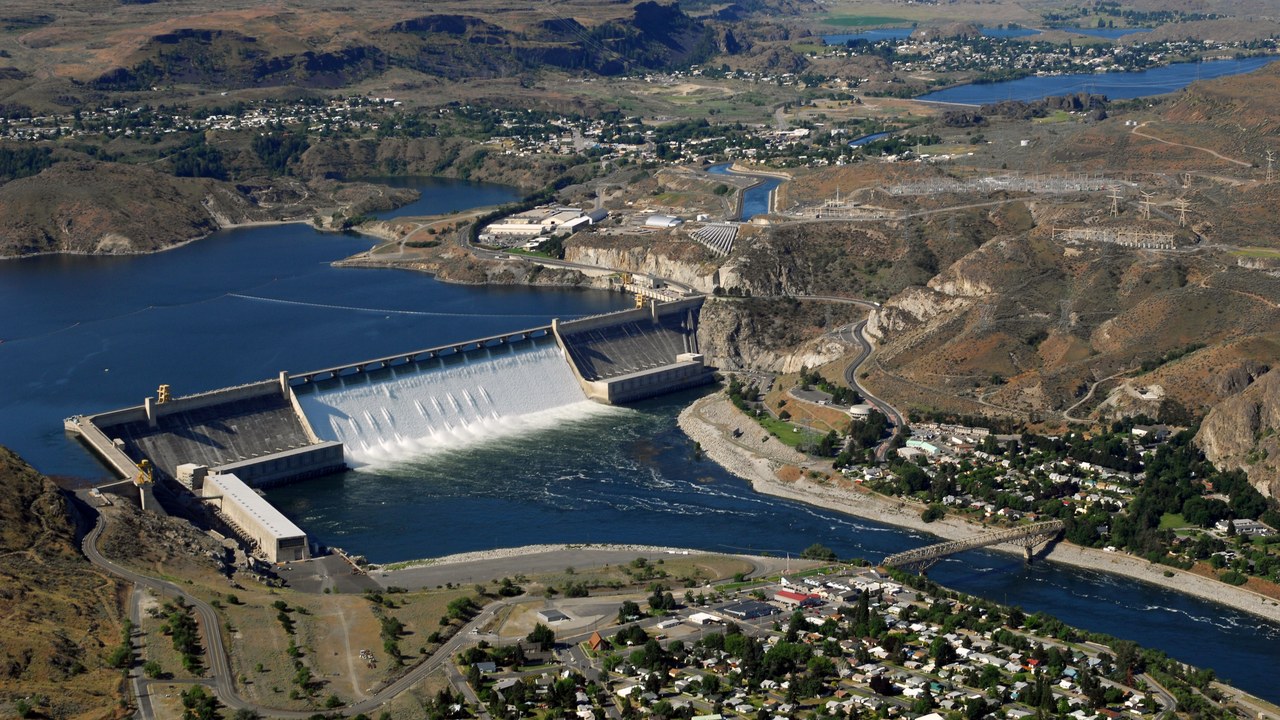
The U.S. Energy Information Administration lists a net summer capacity of 6.8 GW, about 6,800 megawatts, for Grand Coulee Dam on the Columbia River in Washington, the largest in the country, in its Today in Energy item.
That is more than double the capacity of the next plant on this page. Net summer capacity measures what a plant can deliver in peak heat, which can differ from the nameplate ratings used for some entries below. Every other entry on the page is sized against it.
2. Bath County Pumped Storage Station: Water Uphill In Virginia
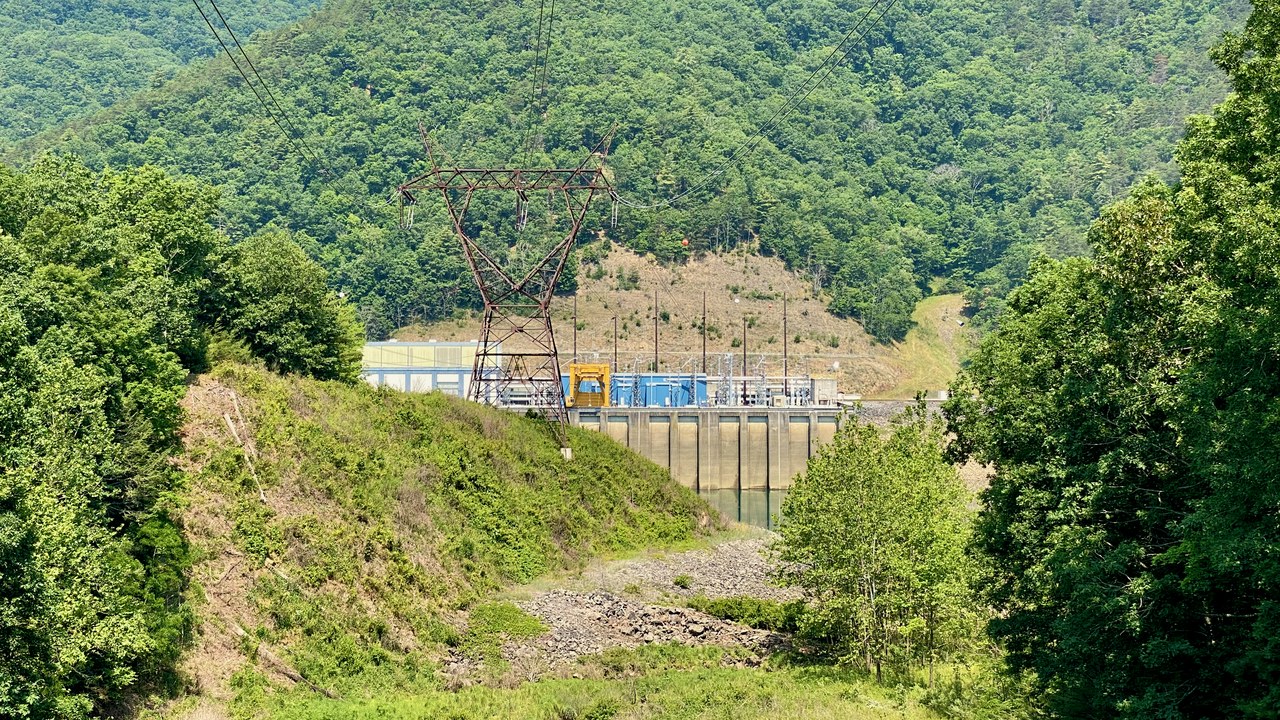
Dominion Energy states that its Bath County Pumped Storage Station in Virginia has a net generating capacity of 3,003 megawatts across six units, on its Bath County station page.
As a pumped-storage plant, the station moves water between reservoirs rather than relying on a river’s flow. It is the second-largest entry in this ranking and the first of several pumped-storage plants on the list. Pumped storage plants consume power to refill the upper reservoir, so their capacity figure describes output when water is released rather than energy produced from natural flow.
3. Robert Moses Niagara Power Plant: Two Plants, One Number
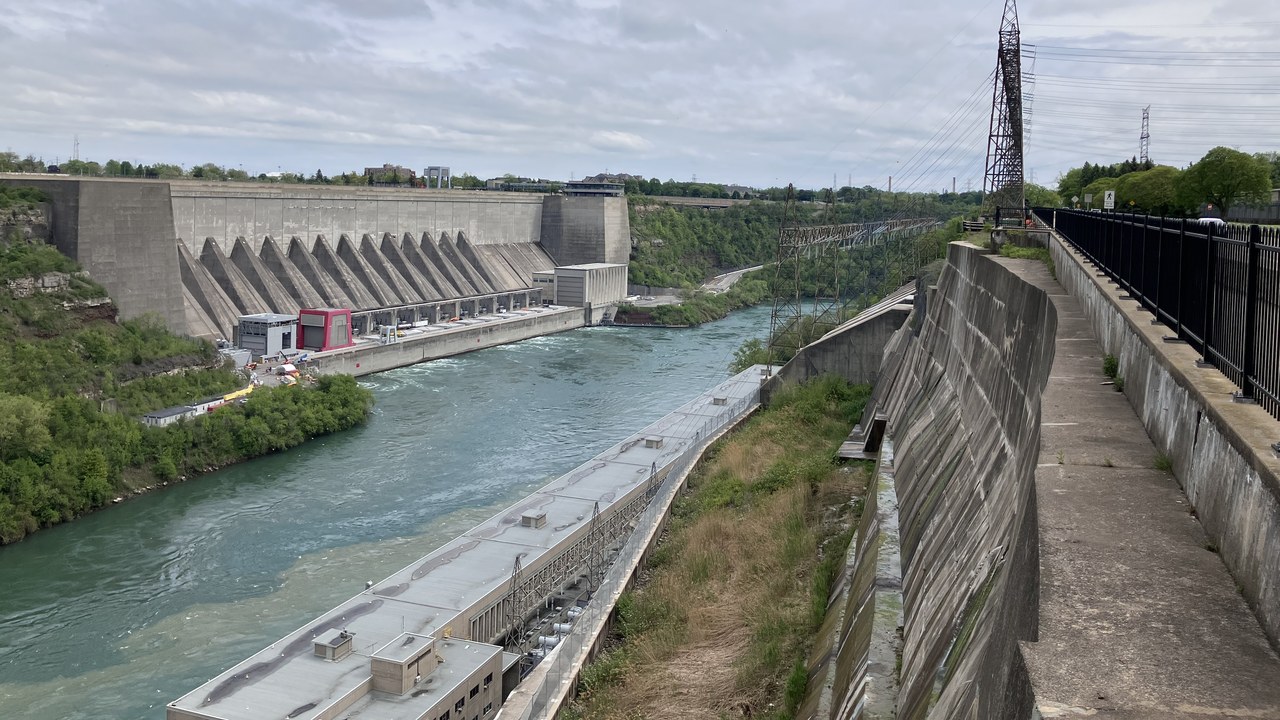
New York’s governor says NYPA’s Niagara project, which combines the Robert Moses and Lewiston plants, carries 2,675 megawatts of net dependable capability, in a Climate Week announcement.
The number covers two plants together, not the Robert Moses plant alone, so the entry measures a complex rather than a single powerhouse. The announcement concerns progress on modernization work at the project. Net dependable capability is a utility term for the output a plant can reliably supply, which can differ from a nameplate rating.
4. Chief Joseph Dam: The Corps’ Largest
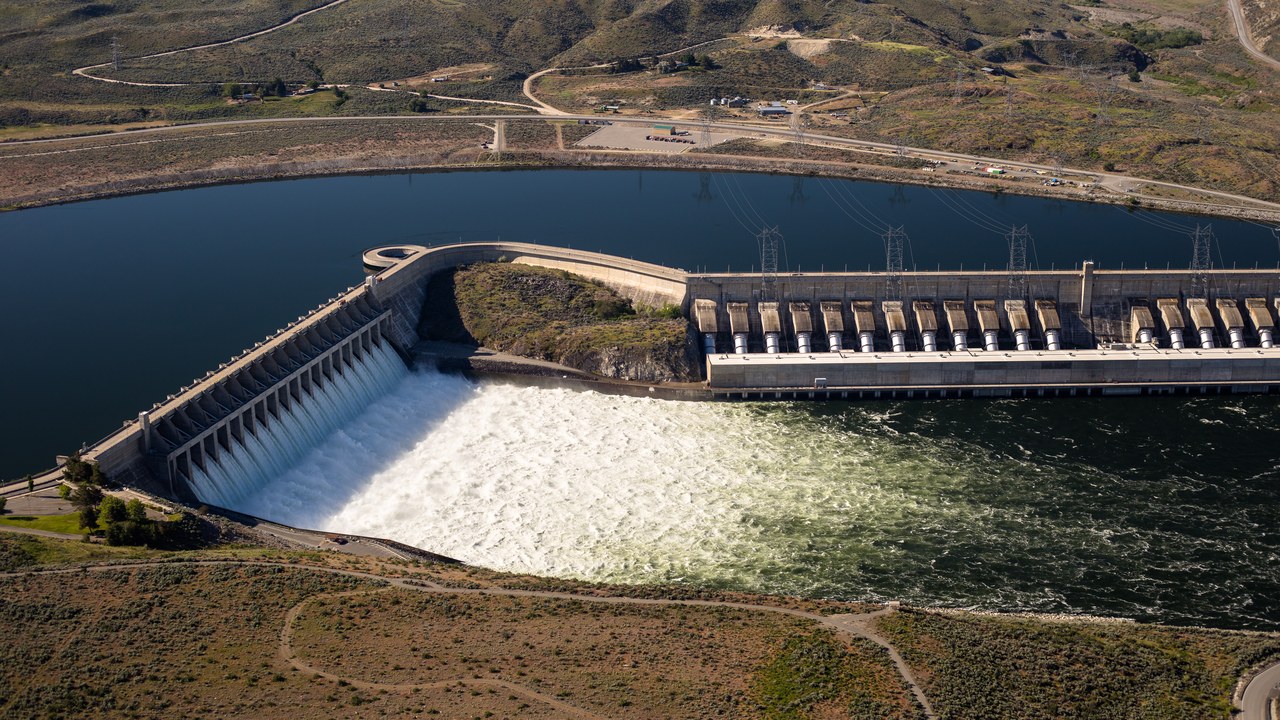
Renewable Energy World reports that Chief Joseph Dam on the Columbia River in Washington is rated at 2,457.3 megawatts, the largest Army Corps of Engineers hydro plant, in its exciter replacement article.
The report concerns a plan to seek exciter replacement at the plant, so the capacity figure appears in the context of equipment upkeep. The Army Corps designation is a ranking within that agency’s fleet, not a national one. Chief Joseph is on the same river as Grand Coulee, the plant that leads this ranking.
5. John Day Dam: A State-Line Giant
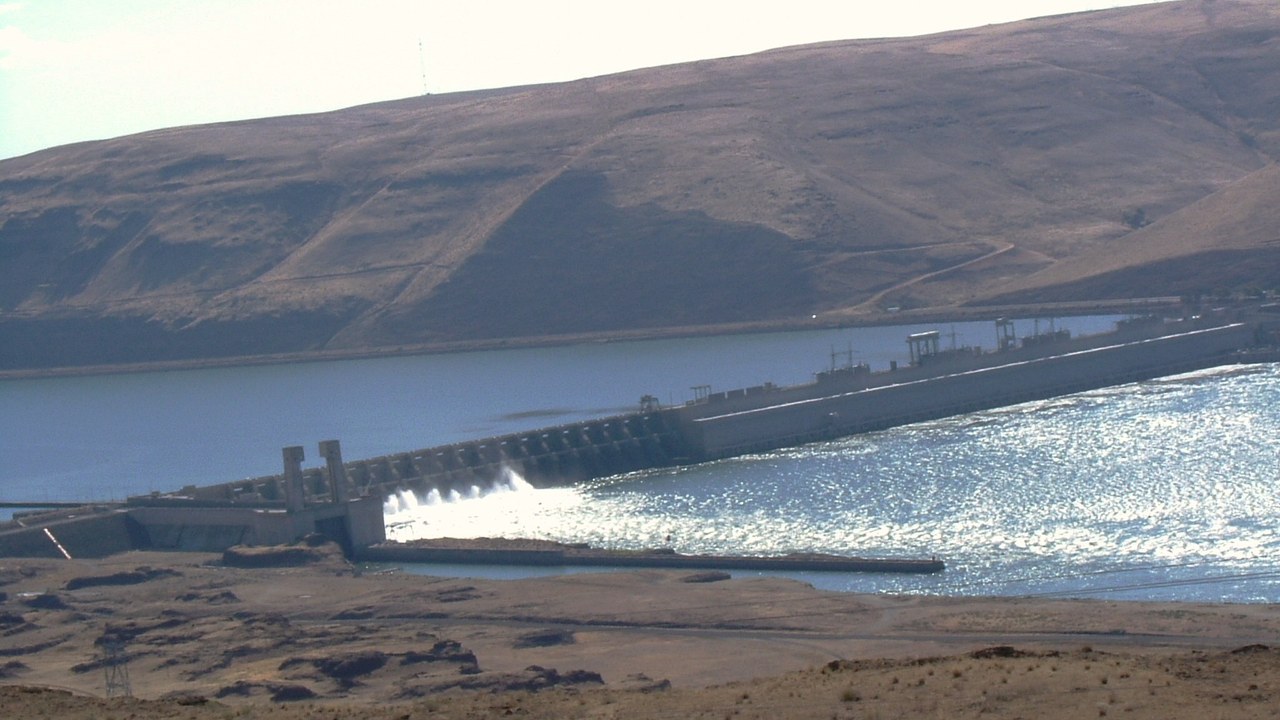
Renewable Energy World describes John Day as a 2,160-megawatt project on the Columbia River between Oregon and Washington, in an article on dam repairs.
The article ties the capacity figure to a federal plan to seek electrical equipment and dam repair, a reminder that large hydro plants need continuing investment. The dam sits on the state line between Oregon and Washington. Five of the eleven entries sit on the Columbia River, which shows how much of the capacity on this list is concentrated on one waterway.
6. Hoover Dam: Famous, But Sixth
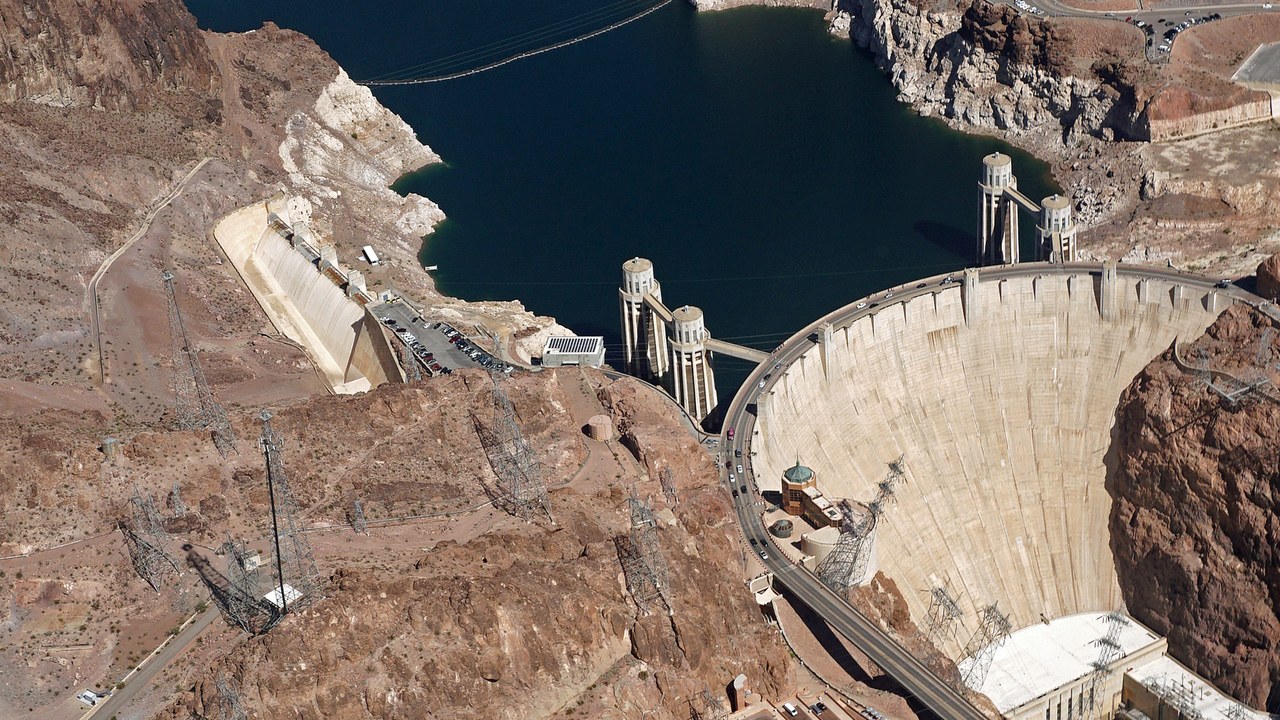
The Bureau of Reclamation puts the nameplate capacity of Hoover Dam, on the Nevada-Arizona line along the Colorado River, at about 2,080 megawatts, in its power facts page.
Hoover is probably the best-known dam on the list, yet its rated capacity places it sixth in this ranking, well behind Grand Coulee. The figure is a nameplate rating, which describes the generators rather than a year’s output. The Bureau of Reclamation page is a power FAQ, so the figure comes from the operating agency’s own materials.
7. The Dalles Dam: Twenty-Two Generators
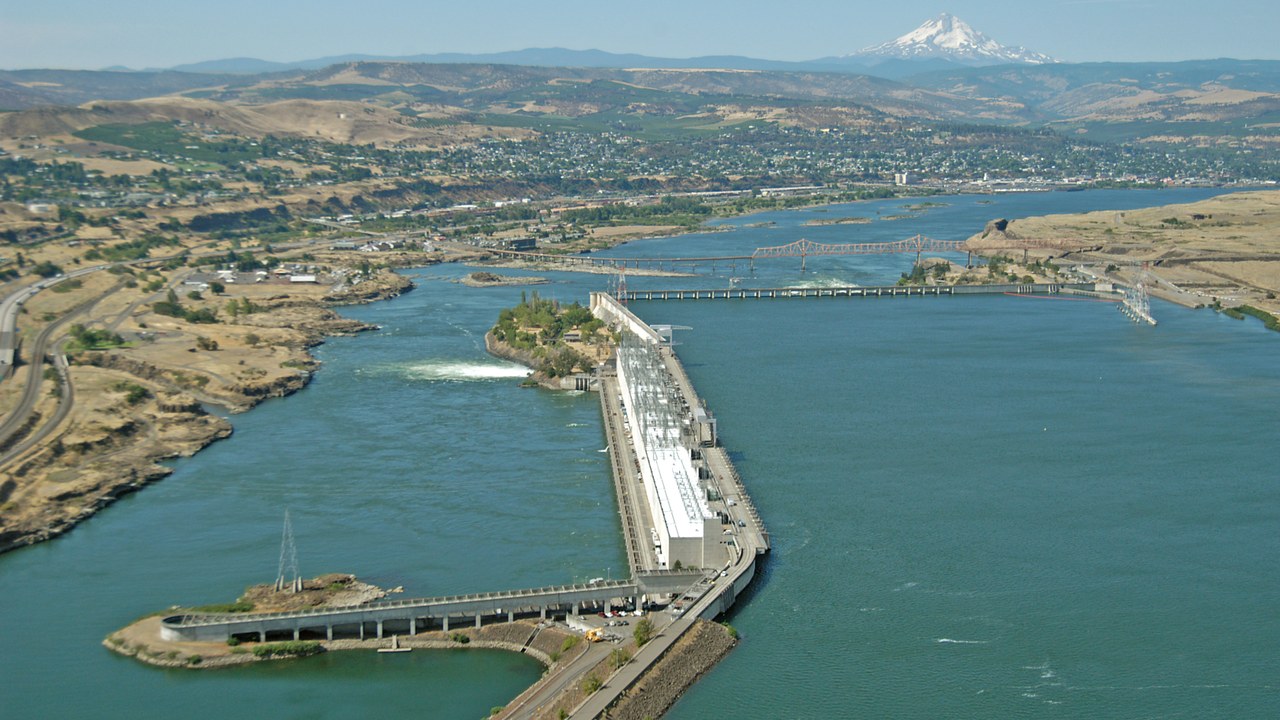
The Columbia Basin Research data site, in its DART hydro data page, lists The Dalles Dam’s 22 generators at 1,779.8 megawatts of nameplate capacity on the Columbia River.
Twenty-two generators is far more units than the six at Bath County or Castaic, which spreads the capacity across many machines. The source is a data page rather than a news story, so the number reads as a technical rating. The Dalles is the seventh-largest entry here, and the decline from the leader to this point is steep.
8. Raccoon Mountain Pumped-Storage Plant: A Plant Inside A Mountain
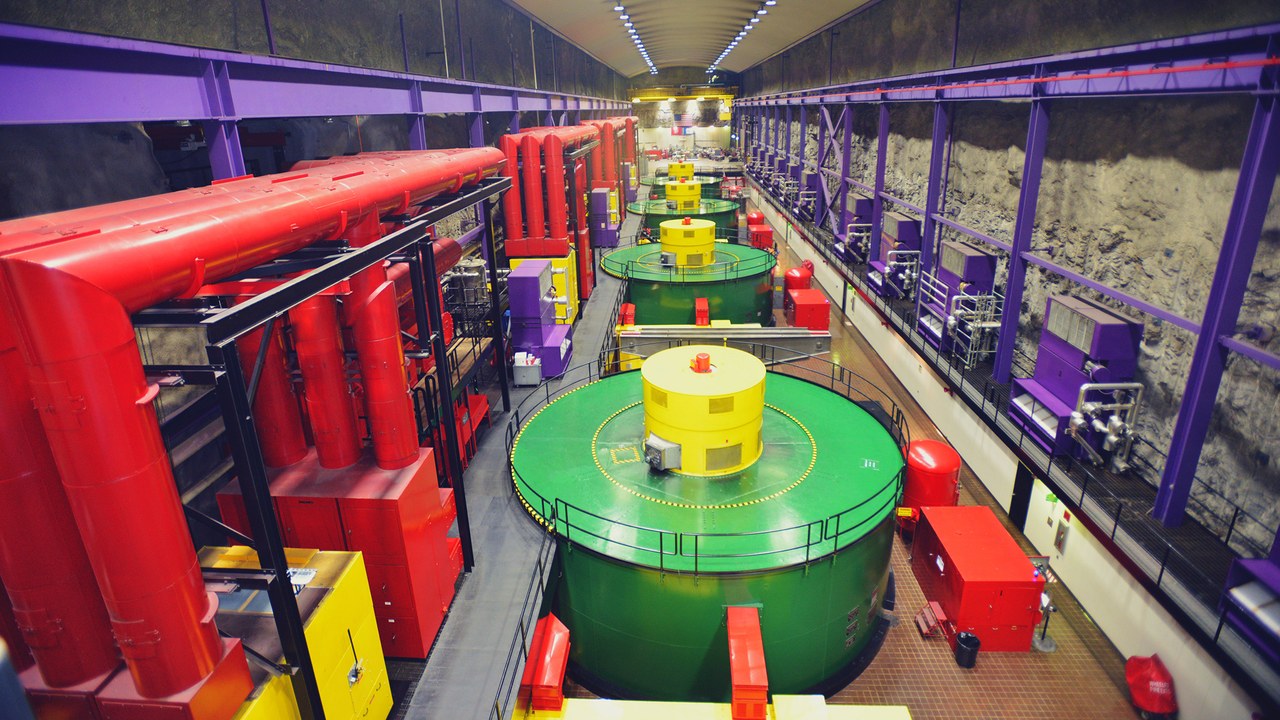
Energy Monitor describes TVA’s Raccoon Mountain plant near Chattanooga, Tennessee as a 1,616-megawatt pumped-storage project inside a hollowed-out mountain, in a power plant profile.
The mountain interior is what distinguishes it from the river dams around it in this ranking. Like the Bath County and Castaic entries, the plant stores energy by moving water rather than by damming a flowing river. The plant is operated by the Tennessee Valley Authority, a federal utility, and the source is an energy-industry profile rather than the operator’s own page.
9. Rocky Reach Dam: A County Utility’s Dam
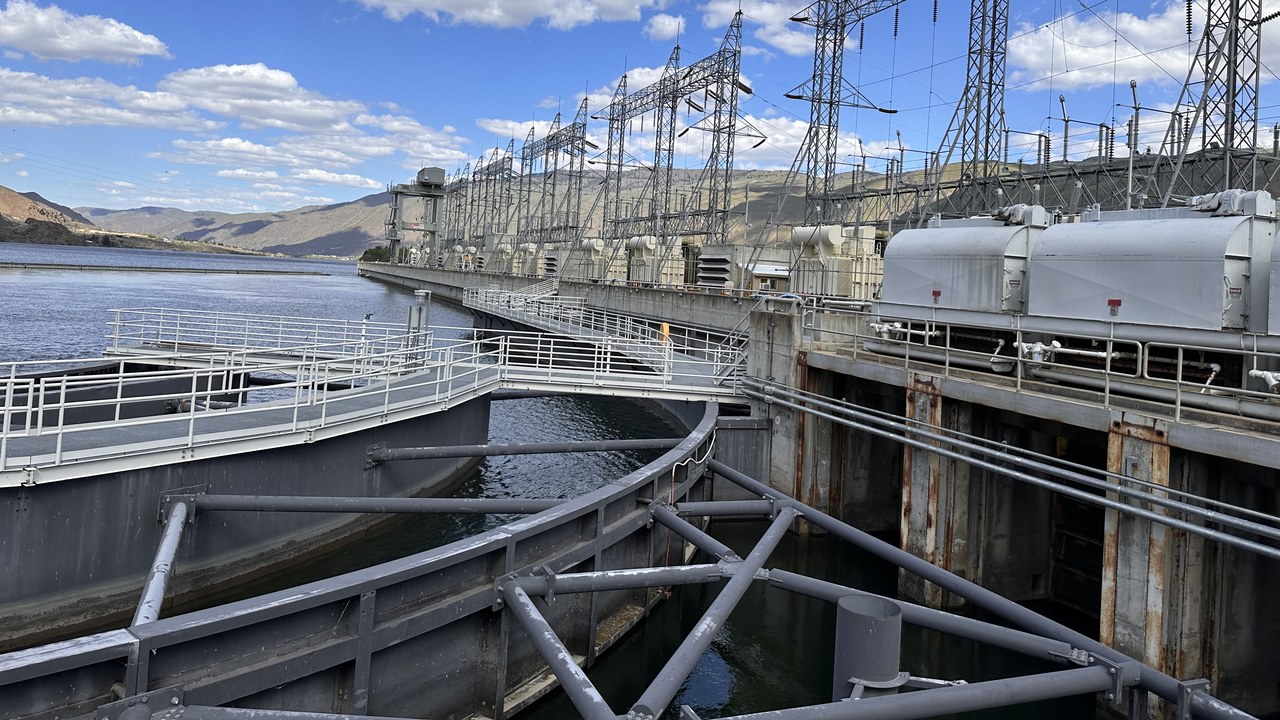
Chelan County PUD lists a generator nameplate capacity of 1,349 megawatts for Rocky Reach Dam on the Columbia River, on its Rocky Reach Dam page.
Ownership by a county public utility district is a reminder that large hydro is not only a federal business. The figure is labeled nameplate, a rating for the generators rather than a measure of output in any given year. The dam is the smallest Columbia River entry on this list and ranks ninth overall. The source is the owner’s own page.
10. Glen Canyon Dam: Second On The Colorado
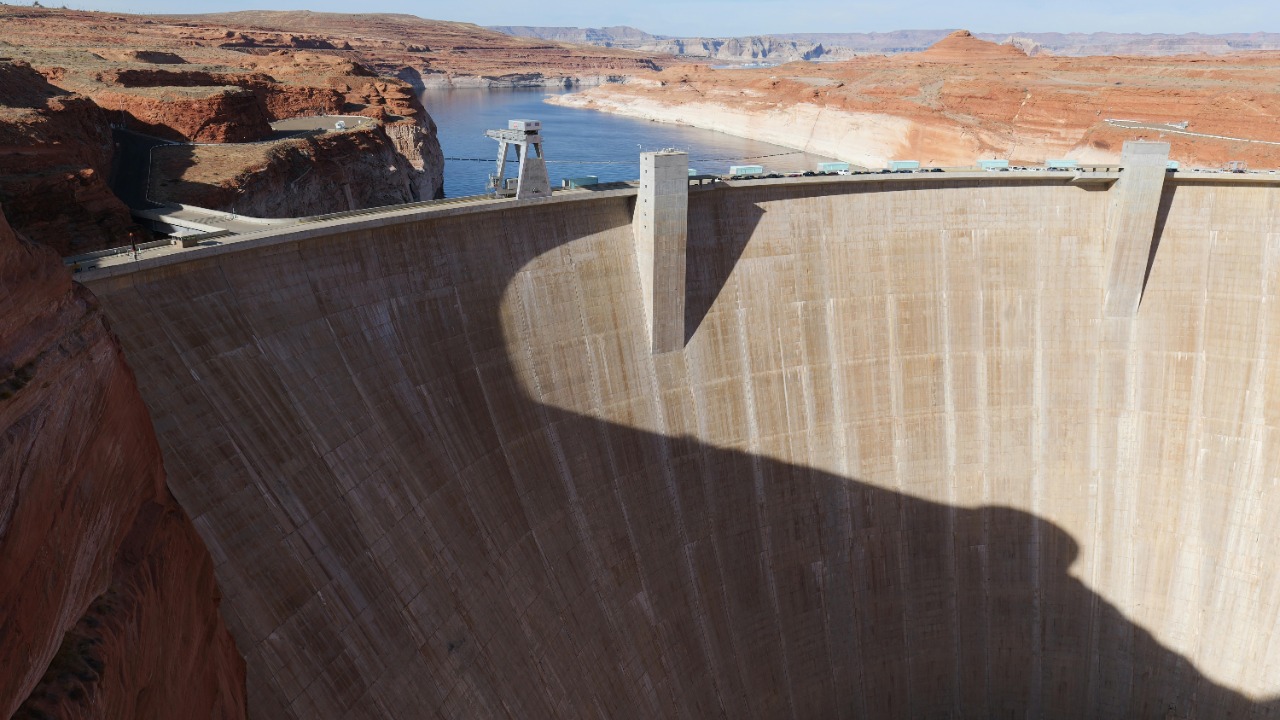
The Bureau of Reclamation lists a total capacity of 1,320 megawatts for Glen Canyon Dam on the Colorado River in Arizona, on its Glen Canyon Dam page.
Glen Canyon is the second Colorado River dam on this list, after Hoover Dam, and its total is lower. Both entries draw on pages from the Bureau of Reclamation, which keeps the ratings comparable in source if not in definition. It ranks tenth overall, a position that reflects how steeply capacity drops past the leaders.
11. Castaic Power Plant: Reversible Units Near Los Angeles
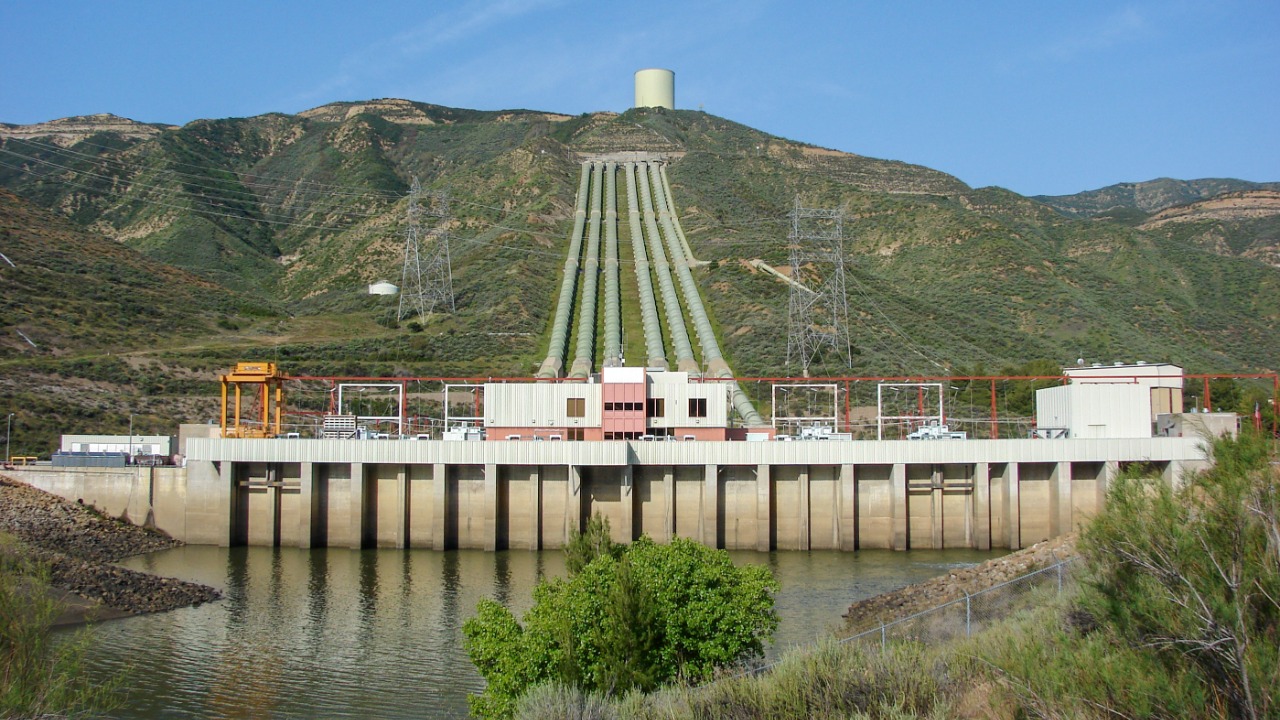
Wikipedia describes the Los Angeles County pumped-storage plant as six reversible 250-megawatt units plus a 55-megawatt auxiliary, rated 1,247 megawatts at full load, in its Castaic Power Plant article.
The listed unit capacities and the full-load rating are different numbers, and the plant closes the ranking at the lower end of the list. Reversible units can run as pumps or generators, which is the basis of pumped storage. The Wikipedia source is a general reference rather than the operator’s page, so the ratings carry that caveat.
Help yourself and the planet: Get The Cool Down →
We may earn a commission if you sign up.
More from Morning Overview
- NOAA now gives this winter a 75% chance of the strongest El Nino since 1950
- Doctors warn a silent liver disease now affects one in three American adults
- The FBI told the rest of ShinyHunters to surrender after a 24-year-old was arrested
- Two passengers died at an Ohio toll plaza, and the NTSB now wants the cash lanes shut
