
Ford spent more than a century building the everyday cars that families, farmers and fleets relied on across the country. Some were record-setting sales hits, others were engineering gambles, and a few carried hard lessons along the way. Here are twelve of the company’s cars, each earning its place in that story.
AI, explained every day: The Deep View is the go-to daily newsletter for 600,000+ founders, knowledge workers and professionals who want to stay up to date with artificial intelligence.
We may earn a commission if you sign up.
1. Ford Model A: Short Run, Big Numbers
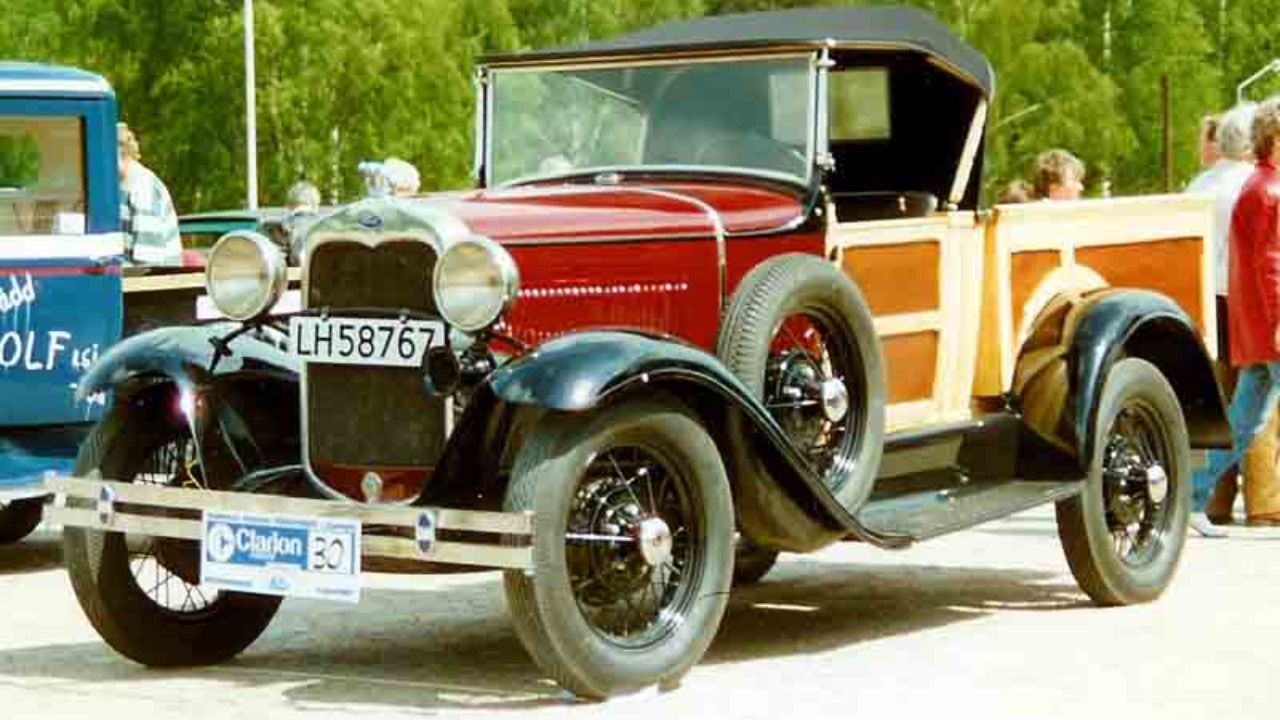
The Model A ran only 4 1/2 years after its 1927 launch, yet Wards Auto’s Ford list says 3.5 million were produced. That is a remarkable output for such a brief production window.
Ford had to replace an aging bestseller and did so with a thoroughly modern car. Its volume shows how quickly American households were embracing the automobile in the late 1920s. Its simple mechanical layout and wide availability made it a car that ordinary families could own, drive and repair without special skills during those years.
2. 1932 Ford: A Depression Era Engine
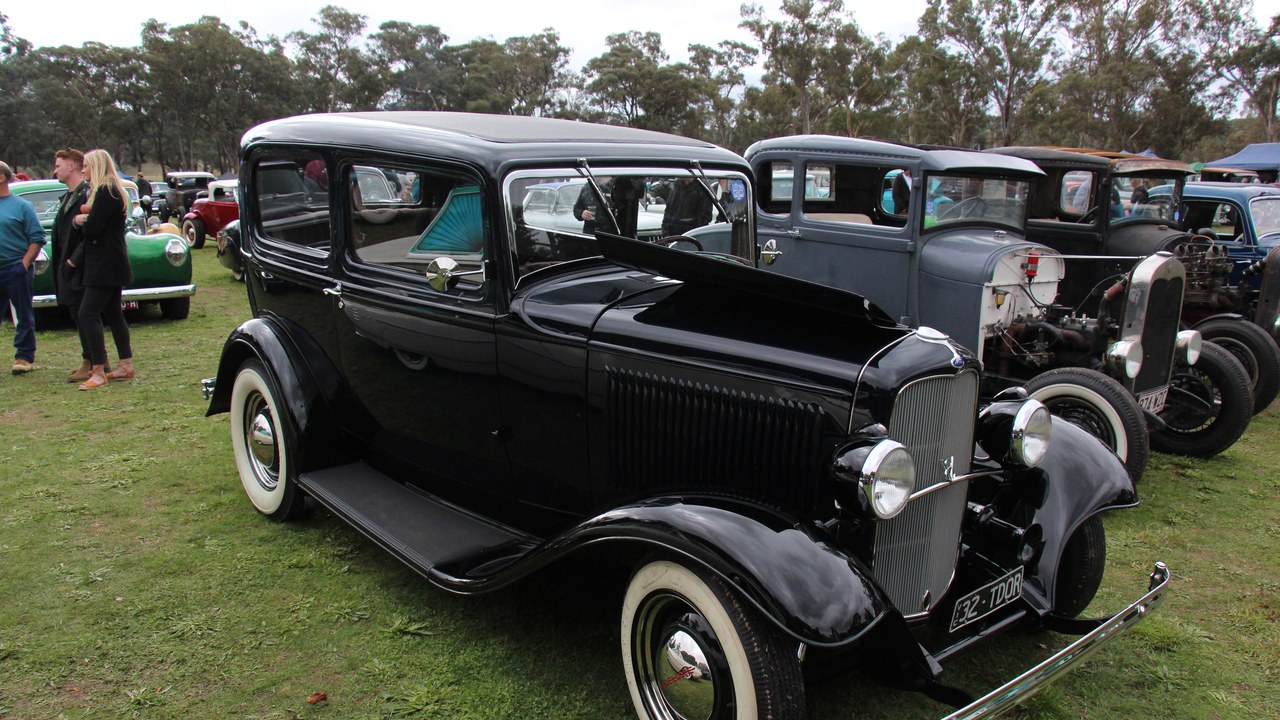
Ford’s V-8 arrived in March 1932 at the depth of the Depression, and the same Wards Auto feature adds that Clyde Barrow wrote Ford a fan letter about it. The engine reached buyers when money was scarce.
The letter came from a notorious criminal, which makes it an unusual testimonial rather than a recommendation. Still, it hints at how the car’s performance caught attention far beyond the showroom. The V-8 would go on to become a defining part of Ford’s identity for generations, and the 1932 model remains beloved by hot-rod builders and historians alike.
3. 1949 Ford: The First Postwar Redesign
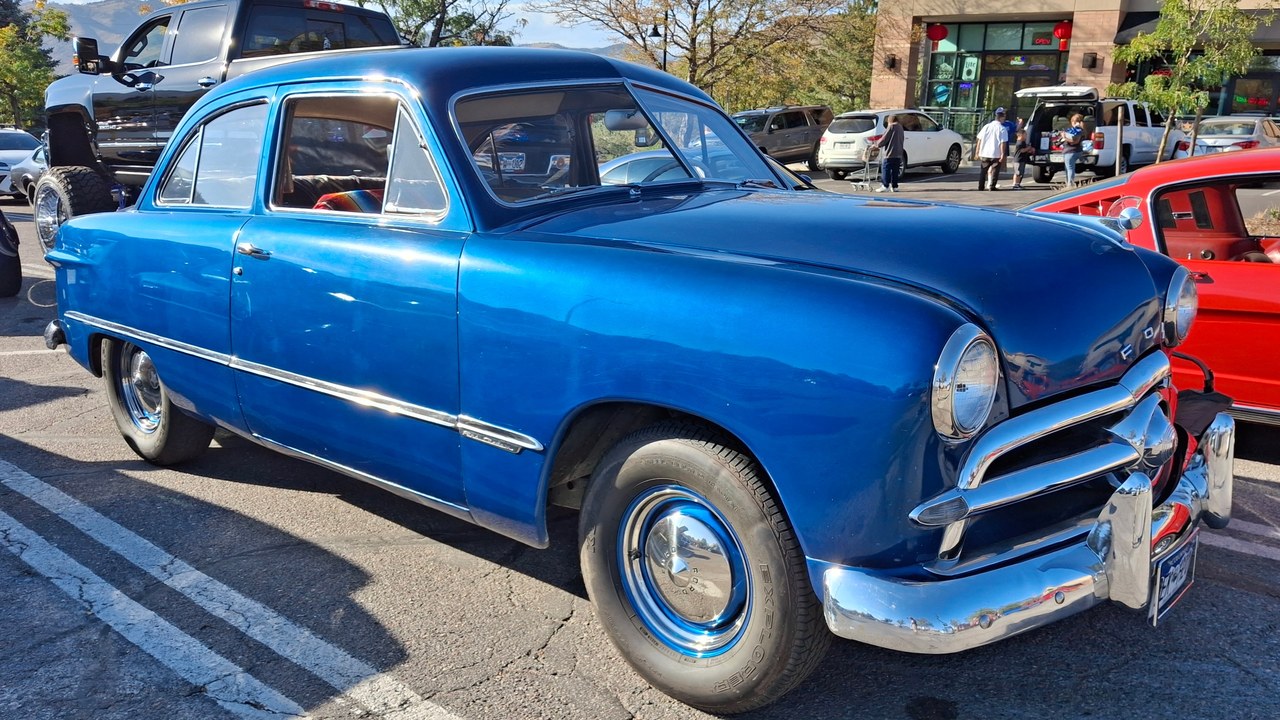
The 1949 Ford was the first all-new postwar Ford and the first since the Model A to top a million sales in a model year, according to Wards Auto’s greatest vehicles. It marked a fresh start after the war years.
Buyers had waited years for modern cars, and the new design answered that demand. The million-sale milestone confirmed that Ford could still compete head to head with its biggest rivals. It also set the tone for the booming postwar market, when new homes, new highways and new cars were all central to the American dream for millions of families.
4. Ford Fairlane: Outselling Chevrolet
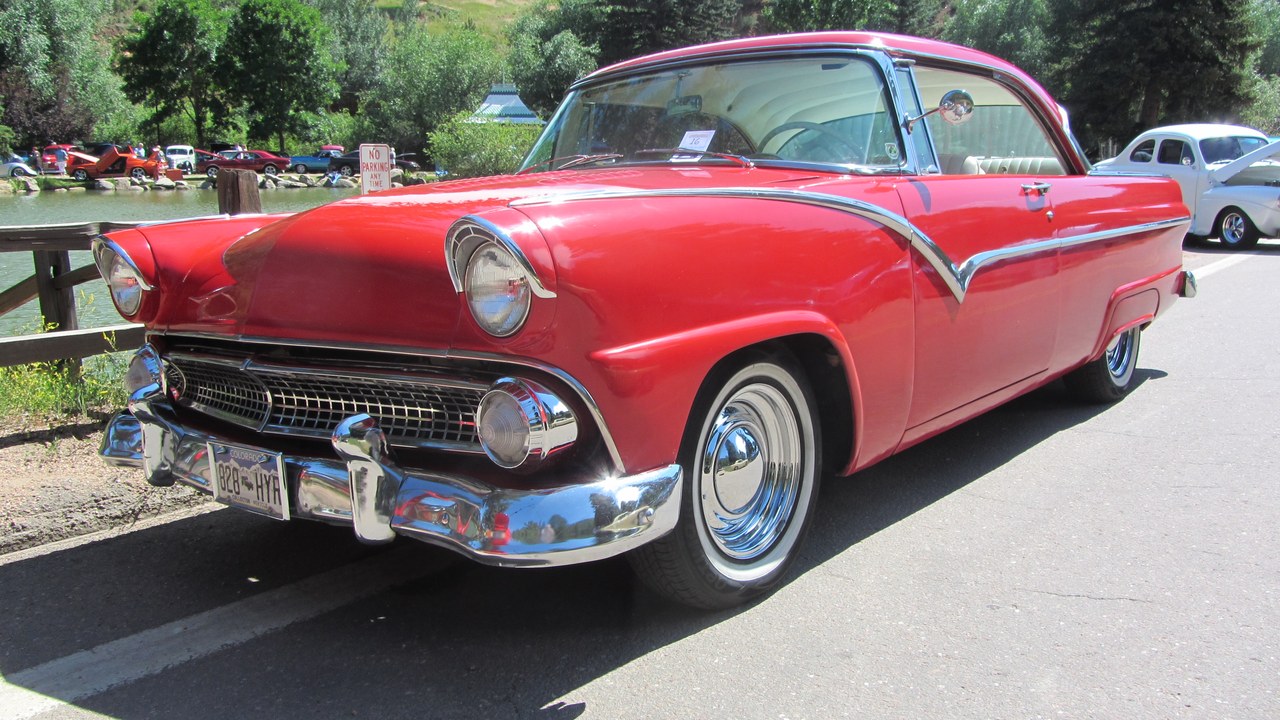
The Fairlane’s arrival helped Ford to its best sales year since 1923 in 1955, and in 1957 Ford outsold Chevrolet, according to Hagerty’s Fairlane page. Those results came during the peak of the tailfin era.
Beating Chevrolet was a big symbolic win in a sales war that had stretched across decades. The Fairlane name helped carry that momentum through the middle of the 1950s. The Fairlane also offered buyers a wide range of body styles and trim levels, which helped Ford appeal to many different households during a period of rising prosperity.
5. Ford Galaxie: Styling Prizes
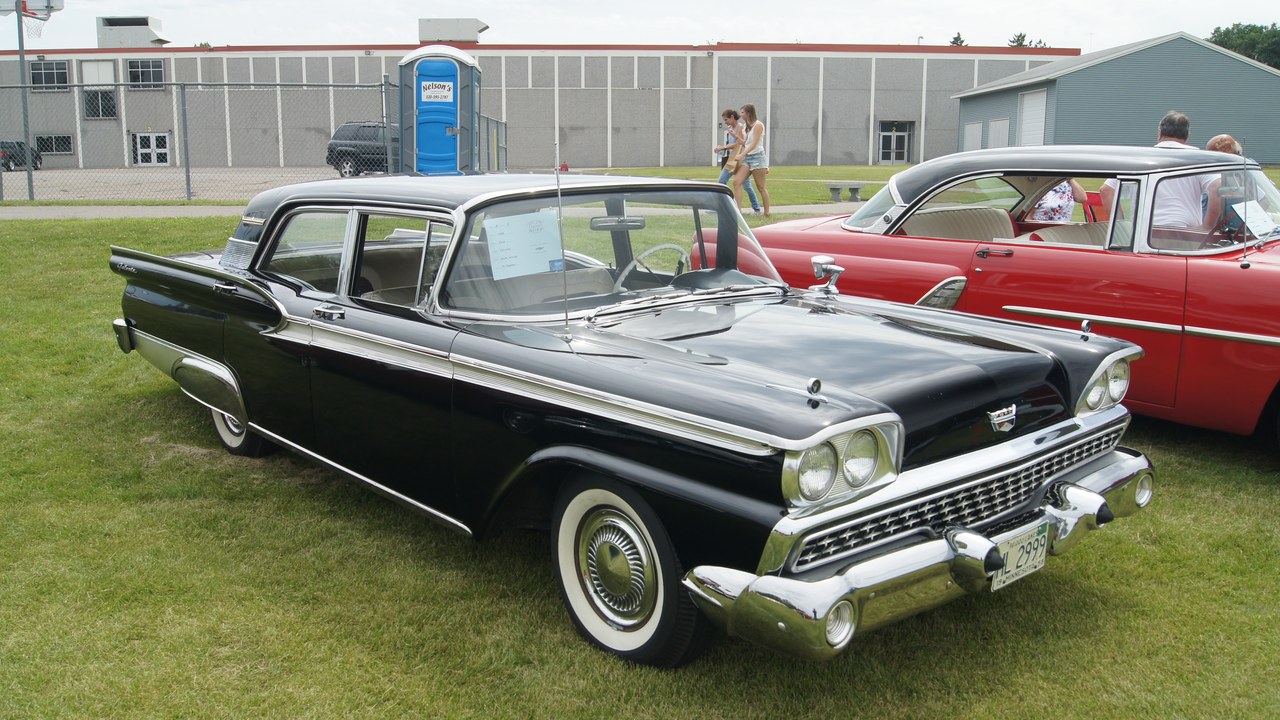
The 1959 Galaxie, based on the Fairlane 500, gathered accolades and prizes for its styling, says an Old Cars Weekly feature. It carried Ford’s full-size line into a new decade with confidence.
Design awards helped the car stand out in a crowded market. The Galaxie name would stay important in Ford’s lineup, representing the roomy family sedan that many Americans wanted. Cars of this period are often remembered for their chrome and flair, and the Galaxie remains a good example of how mainstream models could still feel stylish and special.
6. Ford Falcon: A Record Rookie Year
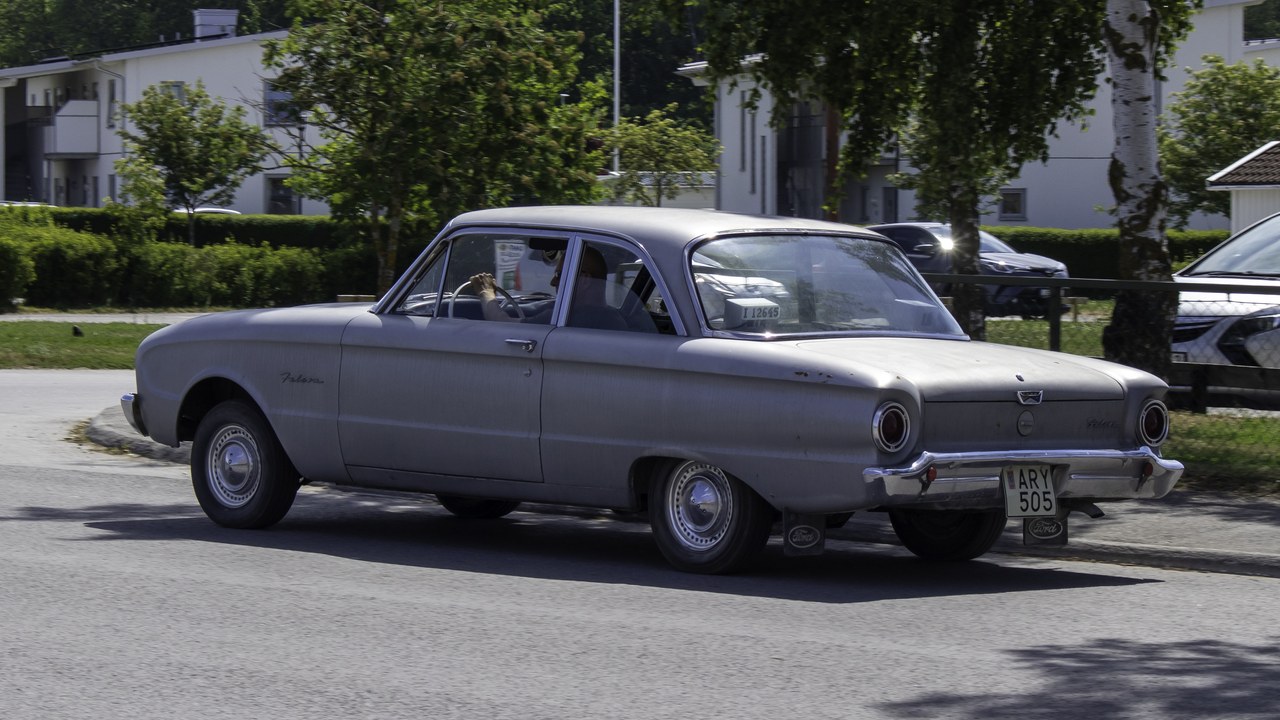
The Falcon set a record with 436,000 built in its first year, beating the Corvair and Valiant, according to the Wards Auto feature. It was Ford’s answer to growing interest in smaller cars.
Simplicity and economy were its selling points, and buyers responded in huge numbers. The record shows that a sensible compact could outsell flashier competitors. The Falcon also demonstrated that small, affordable cars could draw huge crowds, and rivals had to take the compact market seriously from then on.
7. Ford Pinto: A Recall Milestone
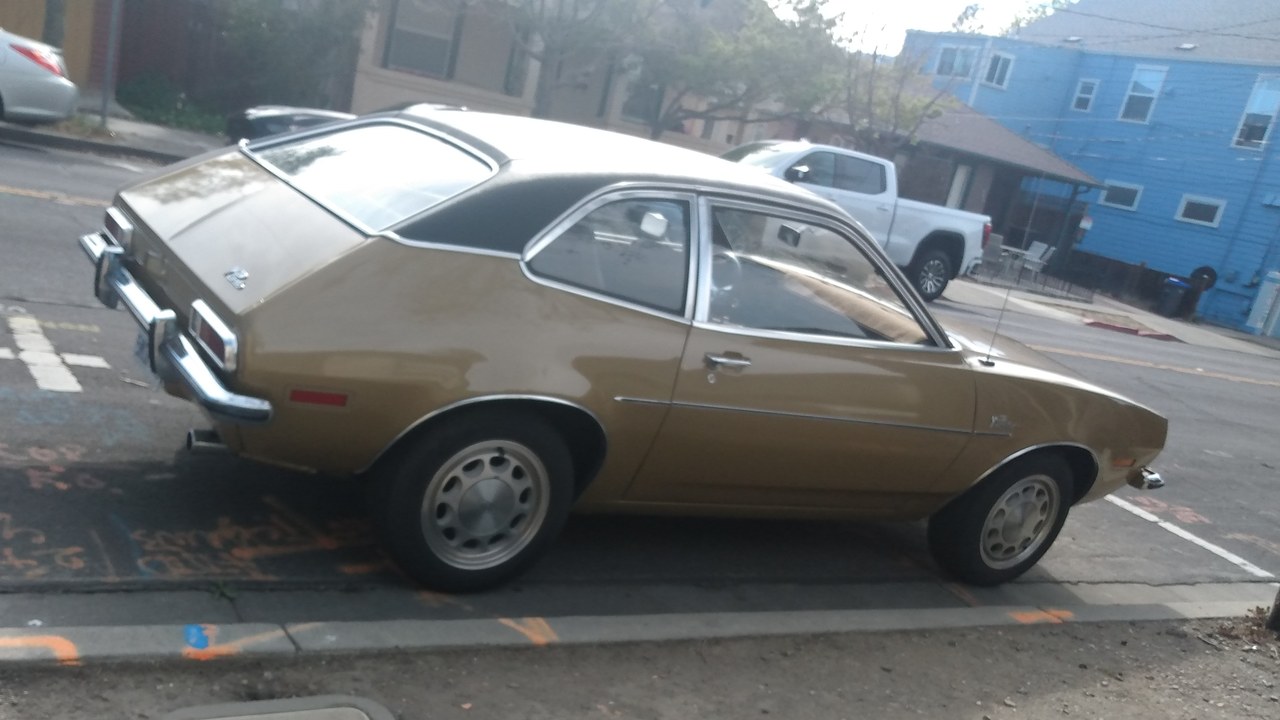
The Pinto’s 1978 recall of about 1.5 million Pintos and Bobcats was the largest at the time, as the Ford Pinto article records. It remains a landmark in the history of vehicle safety.
The car sold widely as an affordable small model, but the recall left a lasting mark on how automakers handle safety defects. It serves as a cautionary chapter in Ford’s long record. The episode is often cited in discussions of how automakers weigh safety decisions, and it influenced later attitudes toward corporate responsibility and recalls.
8. Ford Escort: Front-Drive Bestseller
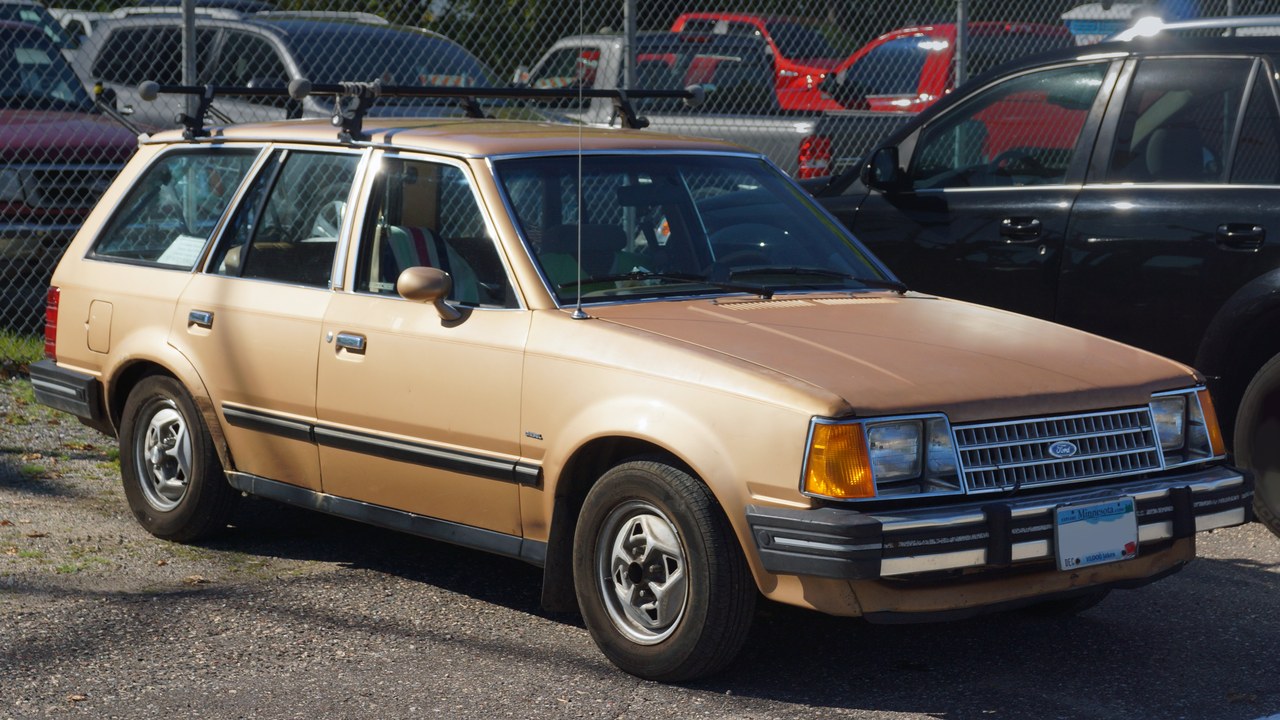
The Escort arrived for 1981 with front-wheel drive and became America’s best-selling car, according to Old Cars Weekly’s Ford history. It gave Ford a modern small car for a new decade.
Front-wheel drive had become the standard for compact cars by then, and the Escort brought it to mainstream buyers. Its sales leadership showed that thrifty drivers were still a huge market. Generations of commuters and students drove one as a first car, and the Escort became a familiar sight in driveways and parking lots across the country for many years.
9. Ford Taurus: A Profit Driver
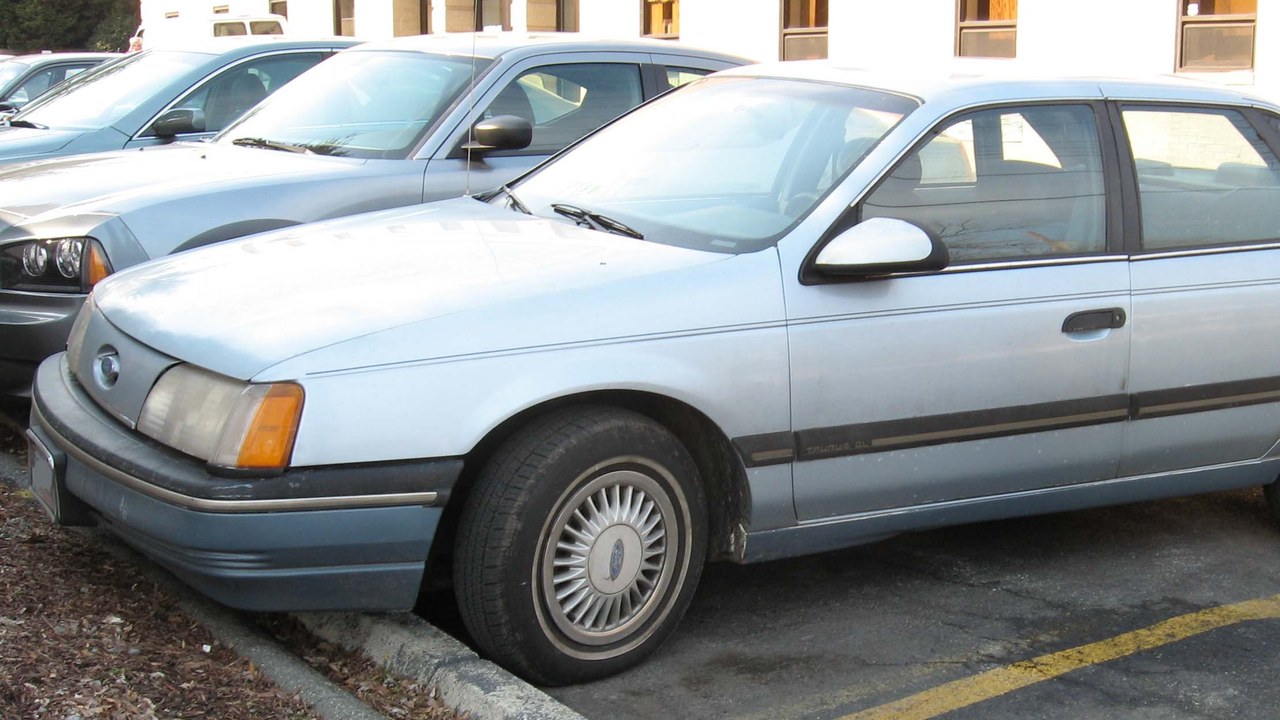
The Taurus led the pack in 1986 and helped Ford post $4.6 billion in 1987 net income, says an Old Cars Weekly article. A single sedan became tied to the company’s financial rebound.
The car showed that bold design and careful engineering could revive a family sedan. Its success changed how Detroit thought about aerodynamic styling for mainstream models. It remains a textbook example of how a single successful product can transform a company’s fortunes, and later versions of the sedan carried the nameplate for many years.
10. Ford Crown Victoria: A Long-Serving Sedan

An all-new Crown Victoria arrived in spring 1992 and was retired in 2011, according to Old Cars Weekly’s Ford timeline. That gave the big sedan roughly two decades of service in its final form.
The Crown Victoria’s long run came from durability and simplicity rather than novelty. Its rear-drive, body-on-frame design suited buyers who valued space and ruggedness. Its long production run gave the big sedan a familiar presence on American roads, and many drivers came to associate it with sturdy, dependable transportation.
11. Ford GT (2005): A Limited-Run Supercar
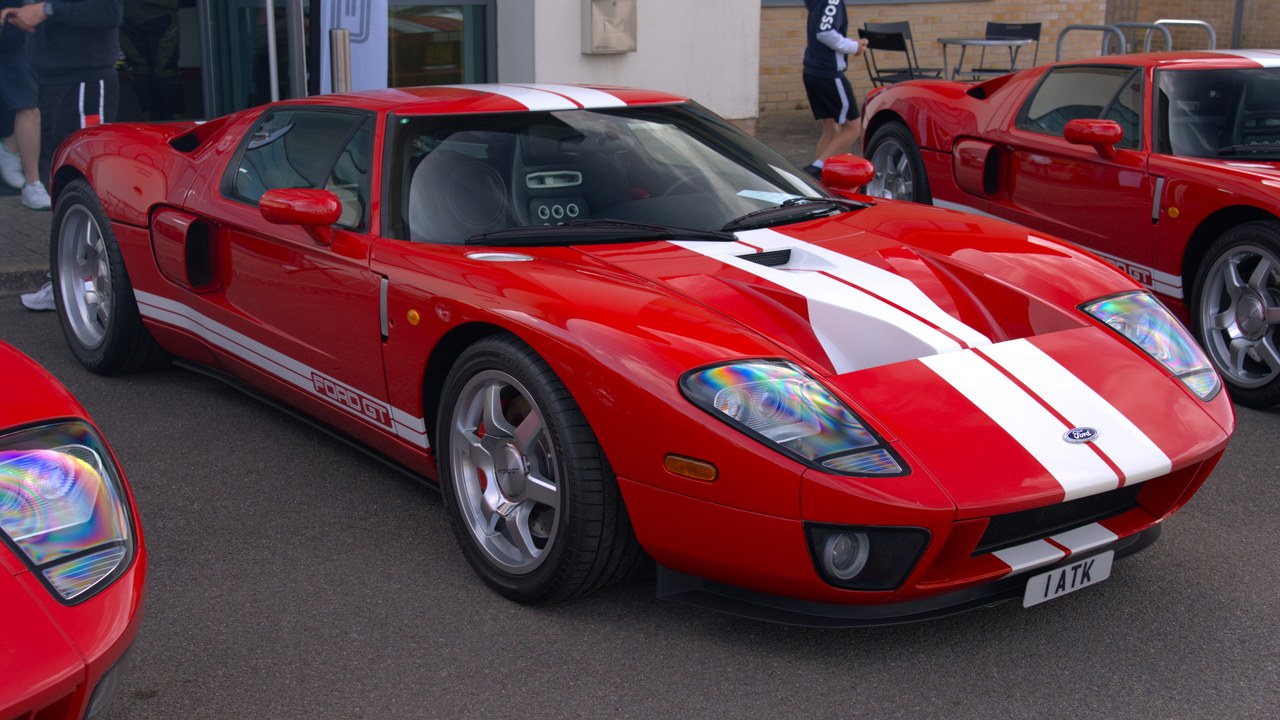
Only 4,038 of the 2005 Ford GT were built, with 550 hp and a $139,995 sticker, according to the Ford GT article. It was a rare, expensive halo car in a lineup of everyday vehicles.
The GT showed Ford could build a true supercar when it wanted to. Its small production run and high price made it an instant collectible rather than a mainstream seller. The small production figure and high price help explain why well-kept examples remain a frequent topic among serious collectors and supercar fans.
12. Ford GT (2017): A Le Mans Winner
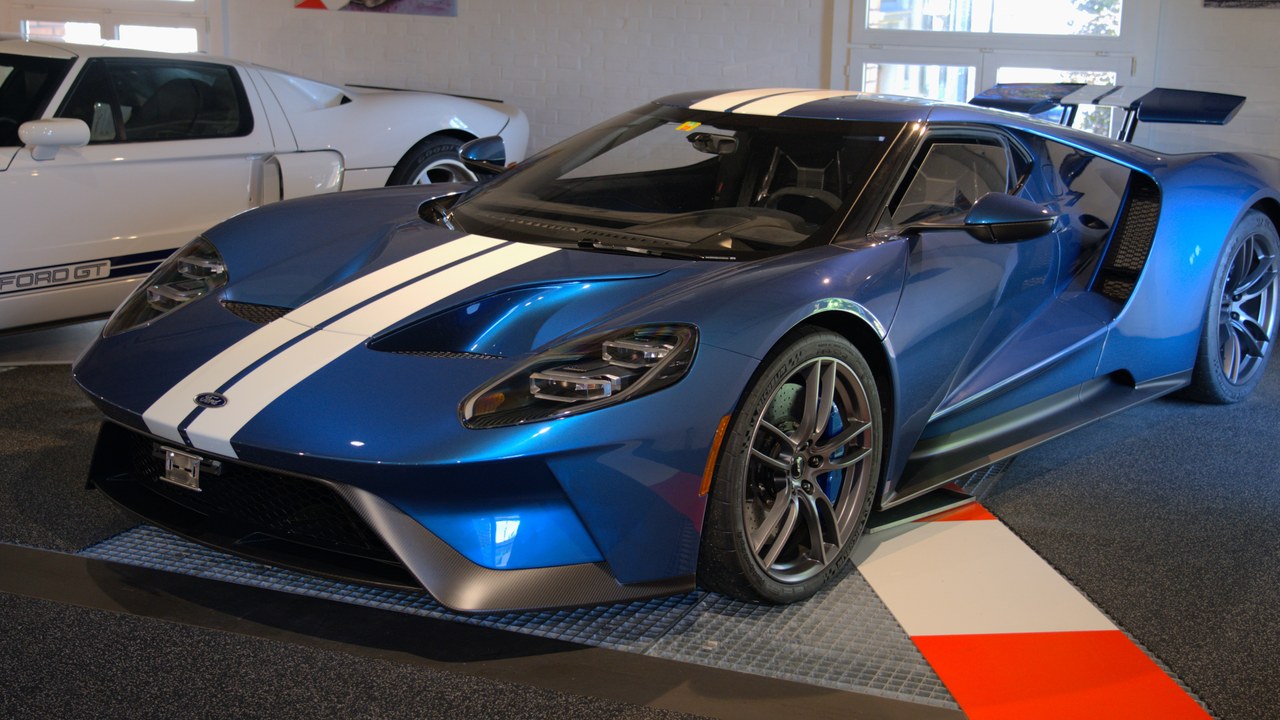
The 2017 Ford GT’s race version won the GTE-Pro class at the 2016 24 Hours of Le Mans, and the second-generation GT write-up adds that the road car reached 660 hp. The model tied road and racing success together.
Winning at Le Mans gave the car real racing credibility. The road version carried that story to a very small group of buyers who wanted a piece of it. Only a small number of buyers could take advantage of it, but the achievement gave Ford a powerful story that linked its showroom halo car to the racetrack.
AI, explained every day: Get The Deep View →
We may earn a commission if you sign up.
More from Morning Overview
- Doctors warn a silent liver disease now affects one in three American adults
- The FBI told the rest of ShinyHunters to surrender after a 24-year-old was arrested
- Two passengers died at an Ohio toll plaza, and the NTSB now wants the cash lanes shut
- Long use of a common prostate pill is tied to a higher chance of glaucoma
