
Sharks are a regular presence along American coastlines, from the Atlantic and Gulf to the Pacific, and a few species account for most of the recorded bites. Official attack files and state fisheries guidance show which ones matter most to swimmers, surfers and anglers. Here are twelve sharks that patrol US waters, drawn from how they appear in those records.
1. Great white shark: Apex Of The Attack Record
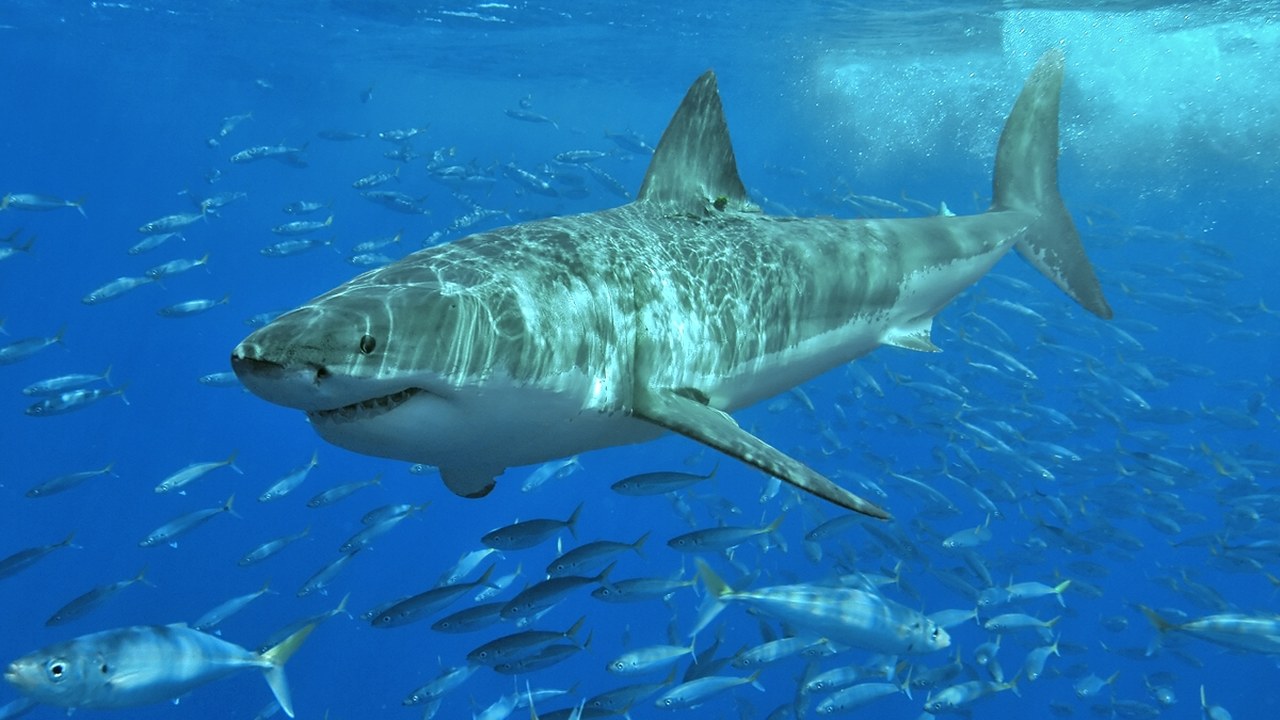
The International Shark Attack File ties the species to 351 confirmed unprovoked attacks, and 59 of those encounters were fatal. Both totals are the highest recorded for any species in the file, which is why the great white sits at the head of every list of dangerous sharks in American waters.
Those totals span decades of records, though, and they say little about how often a bite happens on any single beach. Most encounters involve a single bite followed by the animal swimming away, and the species remains a rare presence close to crowded swimming areas.
2. Tiger shark: Second On The Bite Ledger
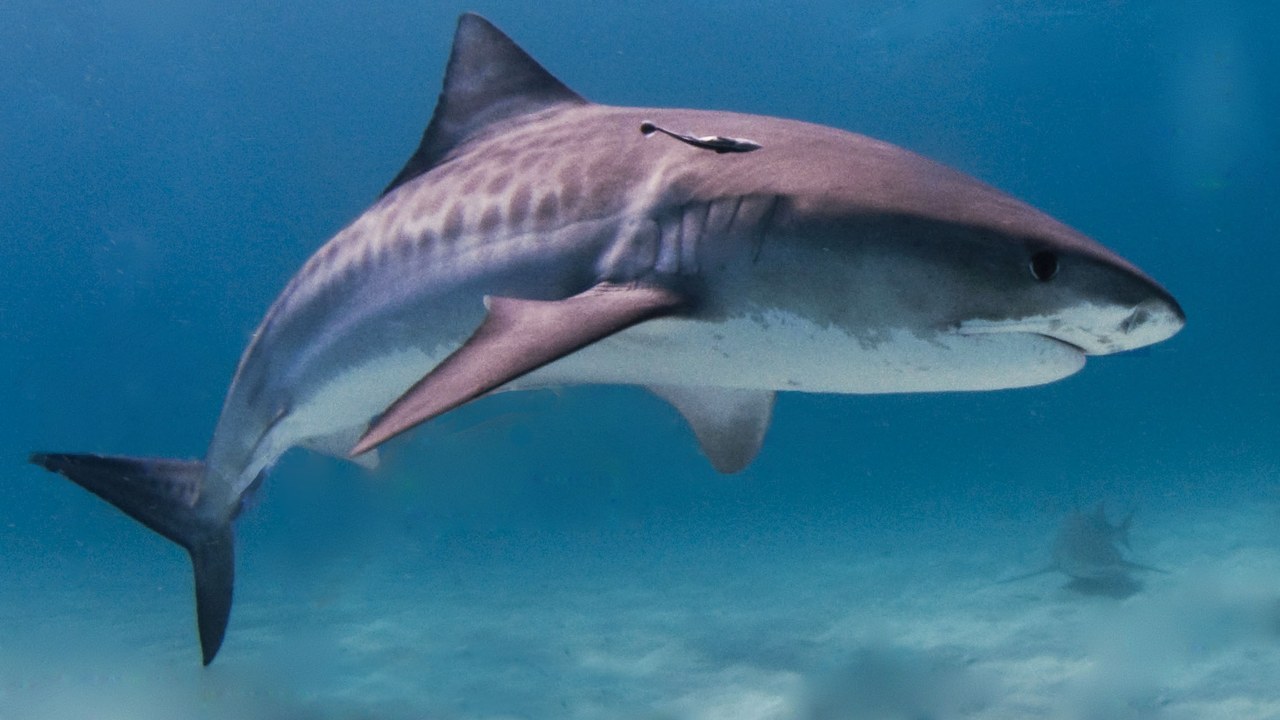
The shark attack file lists 142 unprovoked attacks for the tiger shark, 39 of them fatal. That places it among the three species ISAF calls the Big Three, alongside the white and the bull shark, a trio responsible for the bulk of serious incidents on record.
The species is a broad feeder that patrols warm coastal water, which helps explain how often it crosses paths with people. Swimmers and surfers in subtropical areas are the most likely to share water with one, especially around dawn, dusk and murky conditions.
3. Bull shark: Third Of The Big Three
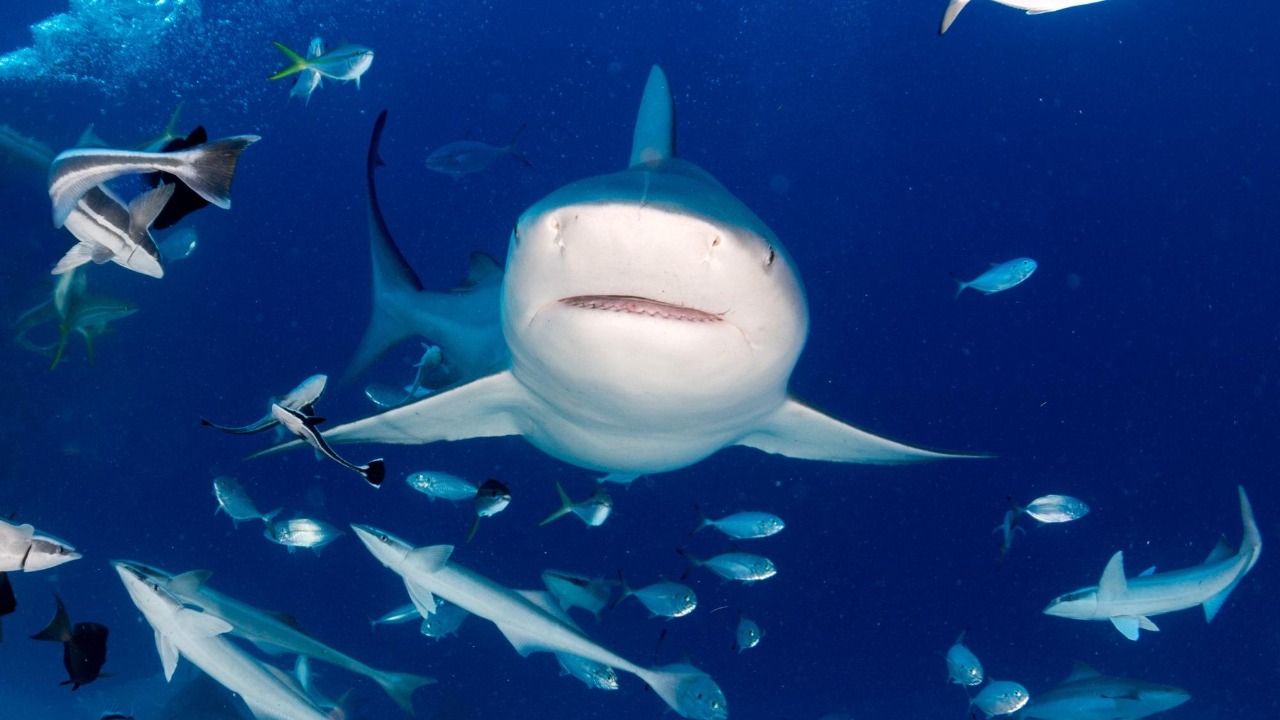
Completing the file’s Big Three, the bull shark has 119 unprovoked attacks on record, 26 of them fatal. Only the white and the tiger shark are credited with more, so the species ranks high even though it is a smaller animal than either of those two.
Its habit of working shallow, cloudy water close to shore is the practical concern for beachgoers. Poor visibility makes mistaken-identity bites more likely, so warnings about murky estuary mouths and river outflows apply to this species more than to most.
4. Sand tiger shark: Fearsome Looks, No Fatalities
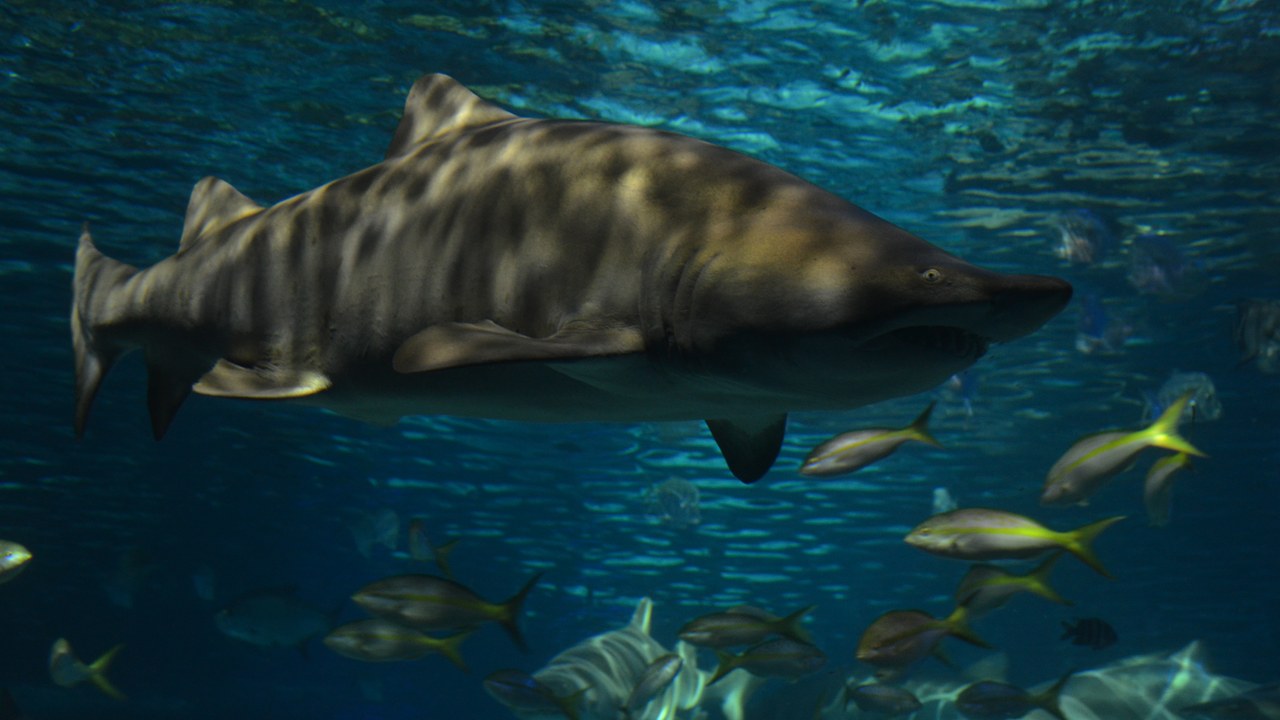
Despite a mouth full of protruding teeth, the sand tiger has 36 unprovoked attacks on file and none of them fatal. The numbers make it a useful corrective to the idea that a menacing appearance predicts a dangerous record.
The species is a slow swimmer that is frequently seen in aquariums for exactly that reason. Its record still is not a license for casual contact, since a large shark with those teeth can injure a person badly even when the file shows no deaths.
5. Blacktip shark: The Surfer’s Shark
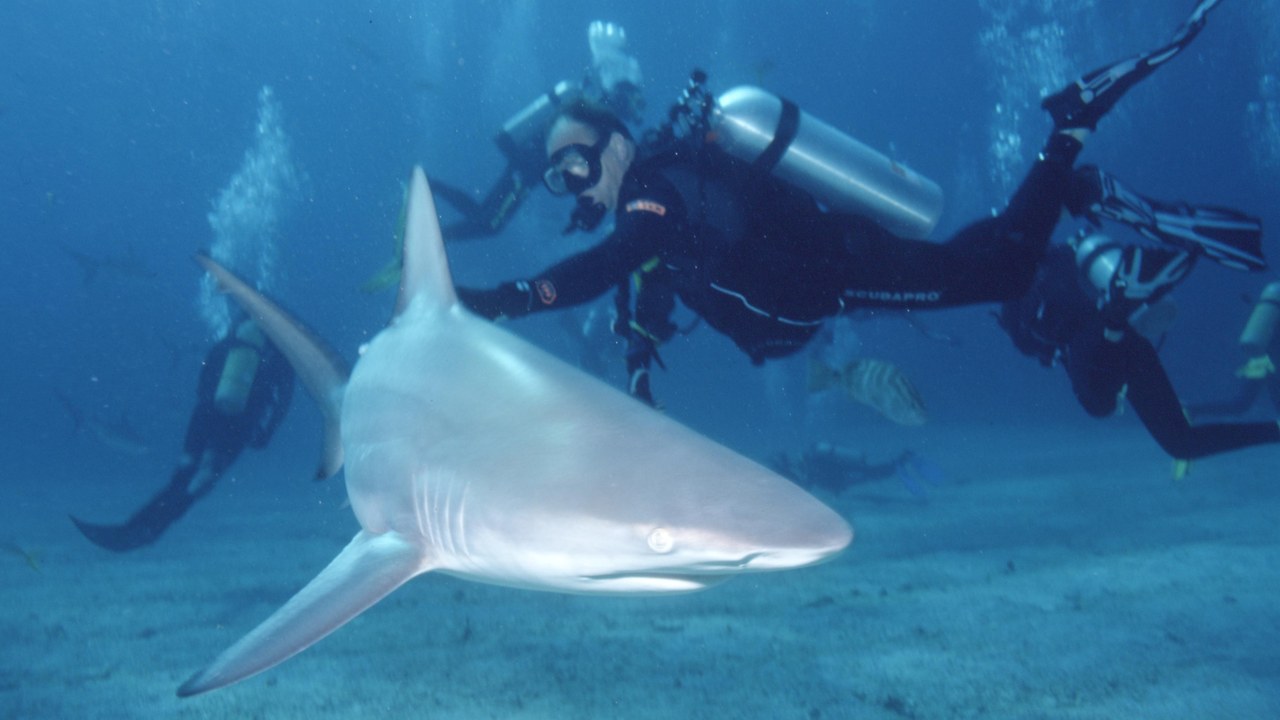
Florida Sea Grant names the blacktip as responsible for most attacks in Florida waters, and its description adds that it is often striking surfers. The species is common along the state’s beaches, and its bites tend to be quick and shallow rather than prolonged.
That pattern fits bites made in splashy, low-visibility surf, where a flash of movement can pass for a baitfish. Anyone paddling out near schools of mullet or other baitfish is likely to be sharing water with blacktips, so avoiding those schools is the sensible step.
6. Great hammerhead: Eighteen Feet Of Head
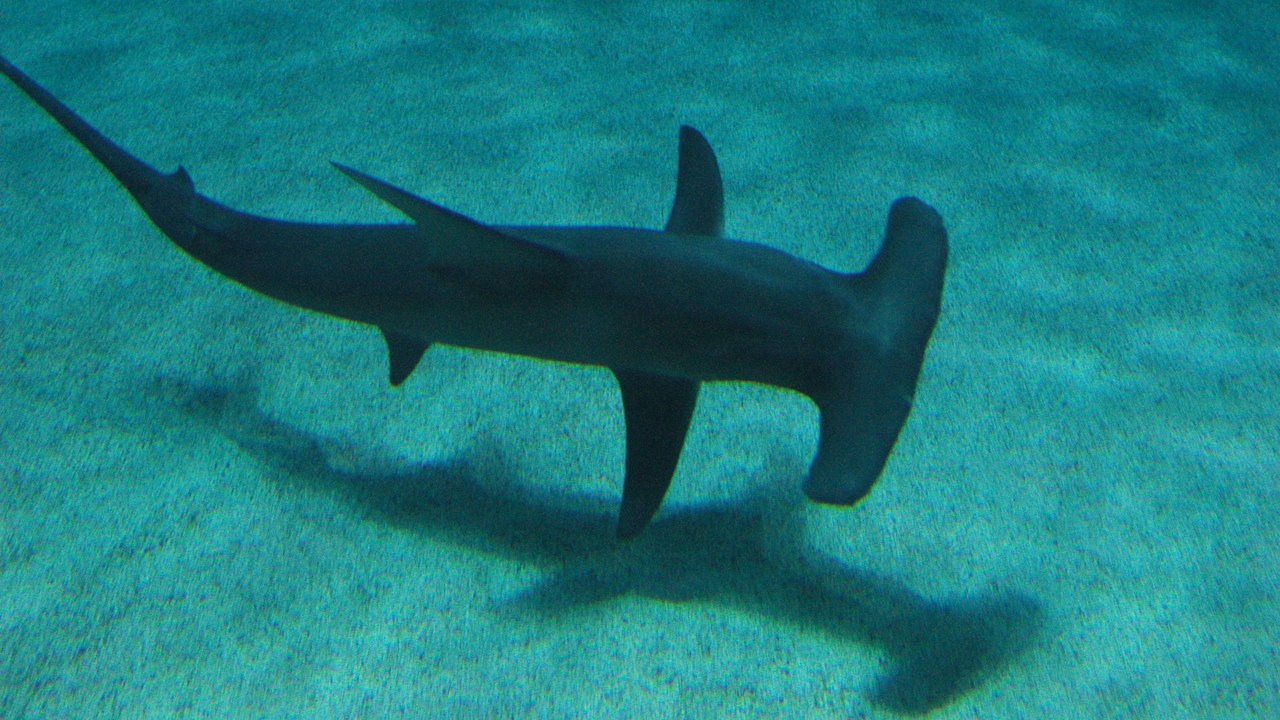
The great hammerhead grows to about 18 feet in length, according to Florida’s extension service, which also treats it as potentially dangerous to humans. Its wide, flattened head is unmistakable, and it is the biggest of the hammerhead family.
Its size is the main reason for the caution, since a shark of that scale can hurt a person badly with a single bite. Divers and anglers off Florida should treat any encounter with respect, and keep a safe distance rather than assuming that a calm animal is harmless.
7. Lemon shark: Protected Since 2009
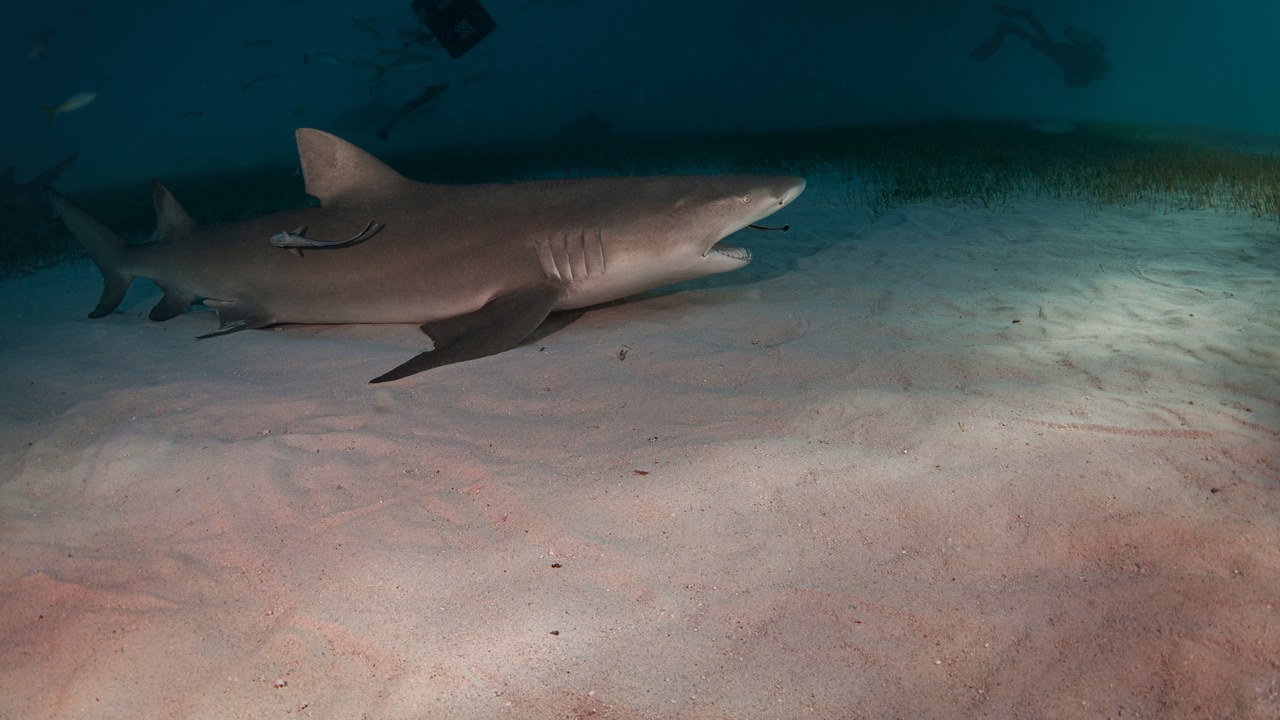
Reaching up to 11 feet, the lemon shark has been protected from harvest in Florida state waters since 2009. The yellow-brown coloring that gives it the name helps it blend into sandy shallows, where juveniles spend much of their early lives.
The protection means anglers who hook one in state waters must release it. The species is a frequent sight for snorkelers and divers on shallow reefs and flats, where it generally ignores people, but it is still a big predator that deserves distance.
8. Nurse shark: Docile Until Provoked
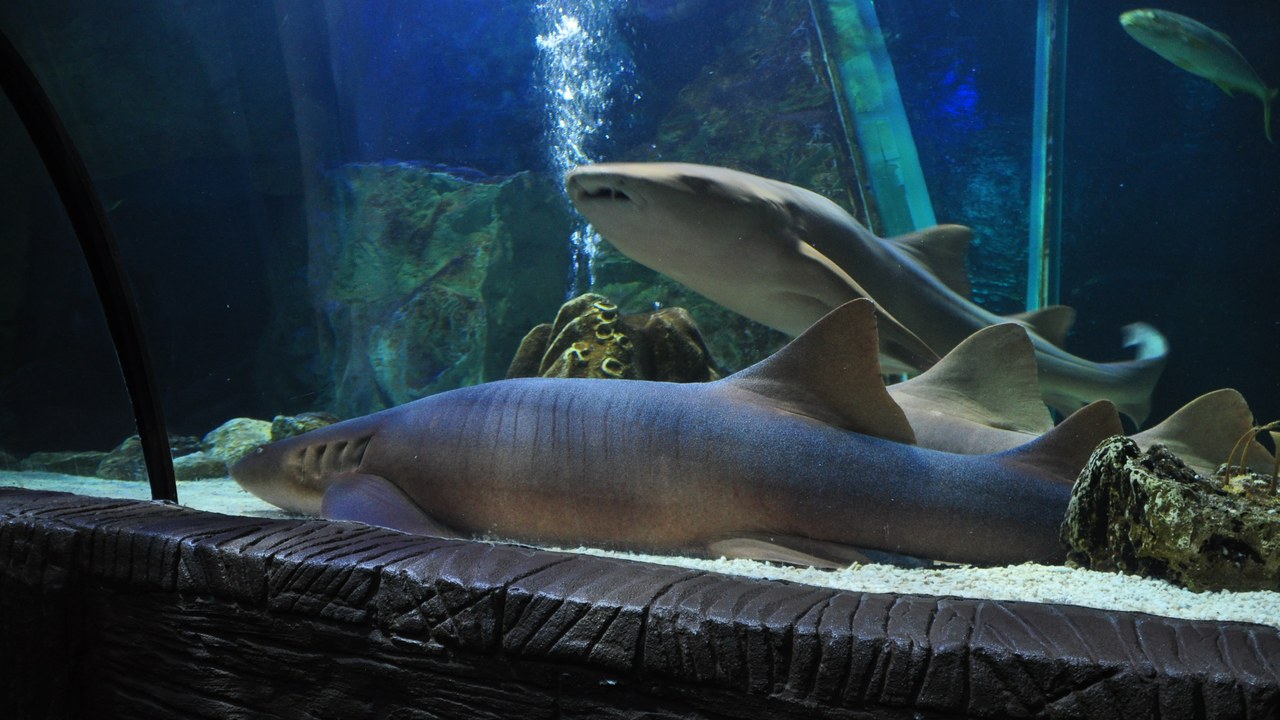
Growing to 14 feet, the nurse shark is the species the extension service says can be dangerous to humans if aggravated. It is a bottom-dweller that often rests motionless under ledges and in shallow sand, which makes it easy to approach and easy to provoke.
Most injuries come from people grabbing or crowding a sleeping animal, and the bite is a powerful, clamping one that is hard to shake loose. The practical lesson is to leave resting sharks alone, however sluggish they look.
9. Shortfin mako shark: Built For Speed
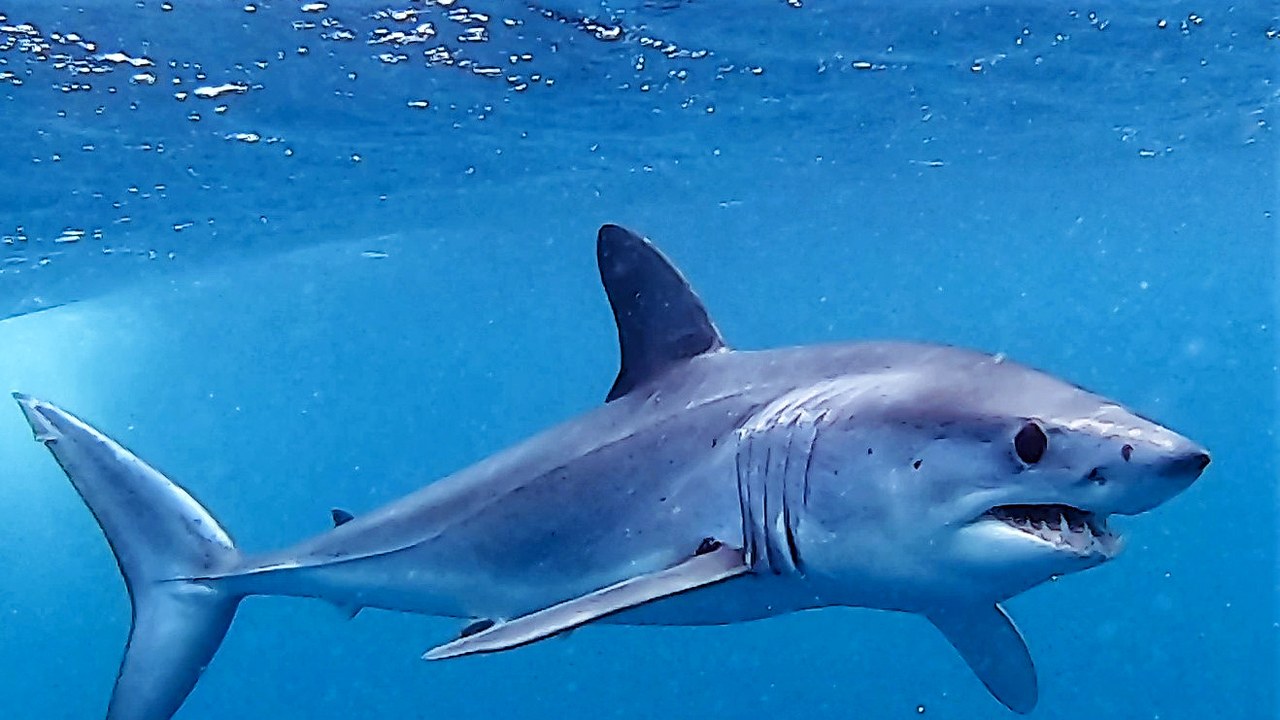
Anglers know the shortfin mako as notorious for their speed and as a species capable of reaching upwards of 1,000 pounds. Its range is wide, running from the Canadian Maritimes to Texas along the Atlantic and Gulf side, and from California to Washington on the Pacific.
That reach means the mako turns up well beyond the warm southern waters most people associate with sharks. Offshore anglers should expect hard, fast runs and acrobatic fights, and should handle any hooked animal with plenty of respect for its teeth and its strength.
10. Blue shark: Slender And Far-Ranging
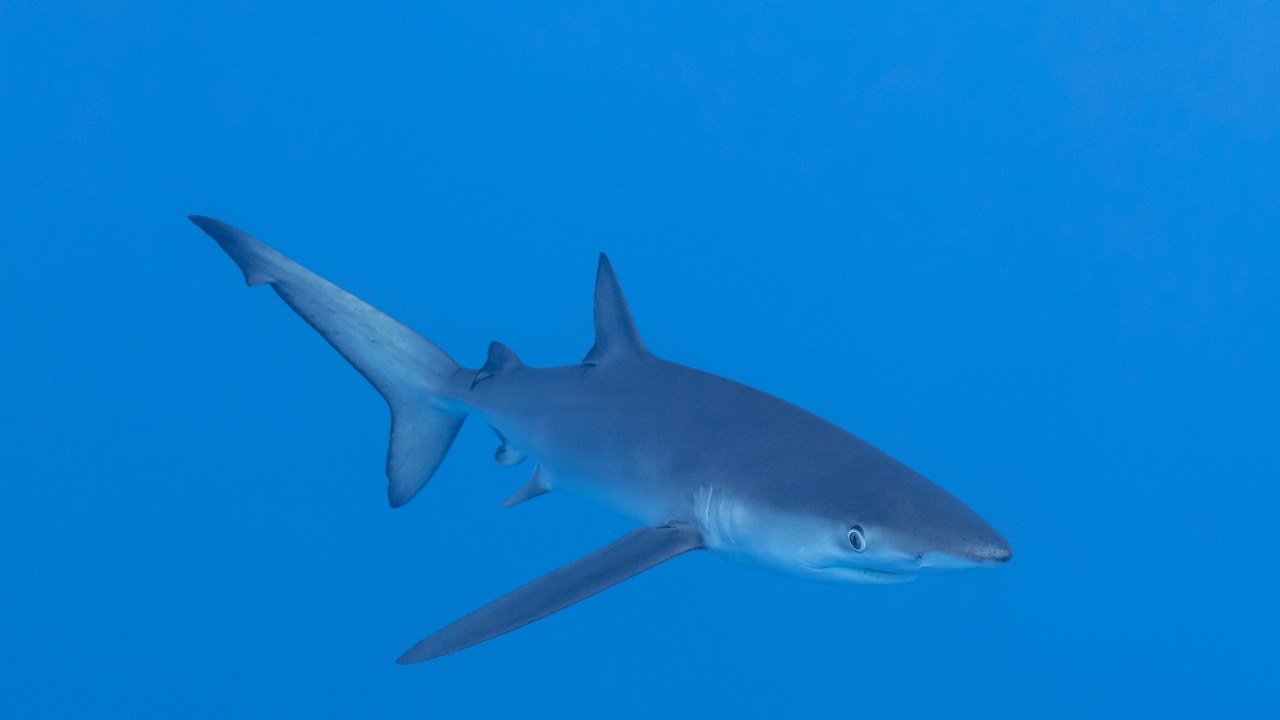
The blue shark can reach upwards of 9 feet, and its range stretches from the Canadian Maritimes to Texas and from California up to Southern Alaska. That is among the broadest spreads of any shark on this list, covering all three American coasts.
Because it favors open ocean, most people meet it only offshore, where slim bodies and long pectoral fins make it easy to recognize. For boaters and offshore anglers, it is likely the shark seen most often, and a reminder of how wide the patrol area is.
11. Thresher shark: Leaps When Hooked
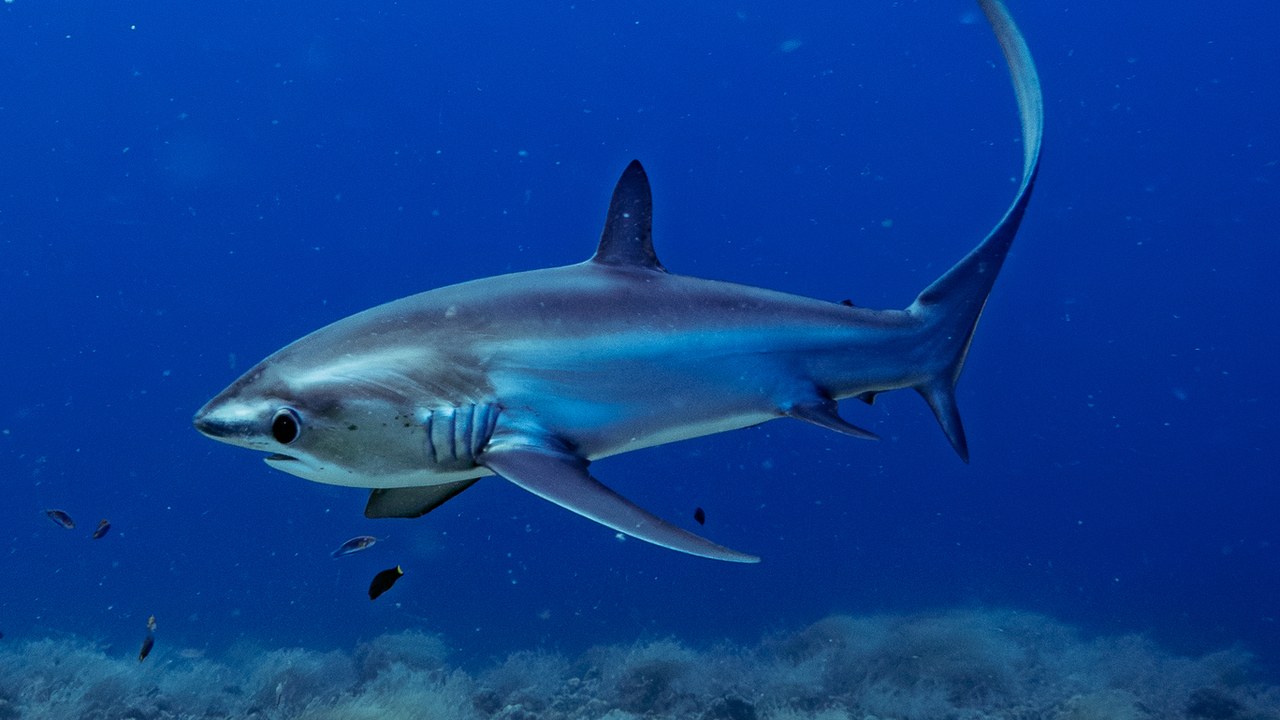
A thresher can weigh 500 pounds or more, and Field and Stream says it is often leaping ten feet in the air when hooked. The long, whip-like upper tail lobe is the species’ signature, and it is used to stun prey rather than to attack people.
That leaping behavior makes the thresher a dramatic catch and a hazard in a small boat, since a heavy animal can come down anywhere. Anglers targeting one should keep the deck clear and the crew back, and not be caught off guard by the tail.
12. Sandbar shark: Protected And Powerful
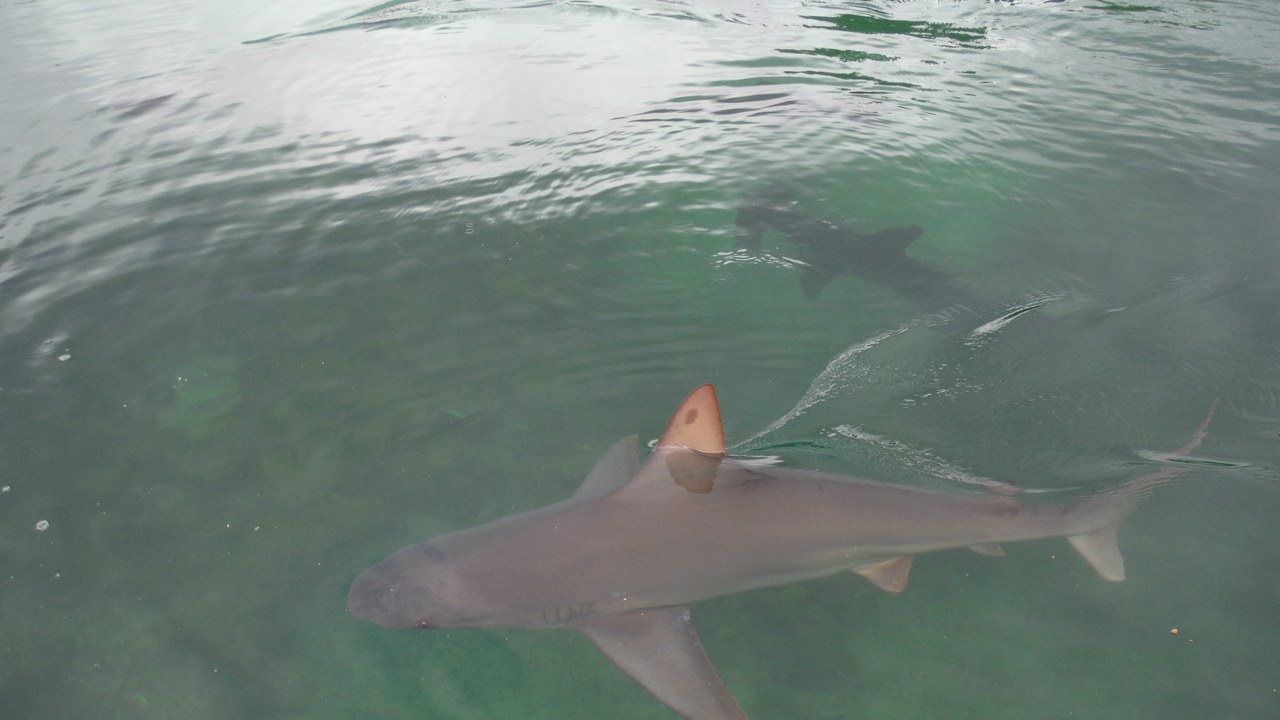
The sandbar shark can grow well over 100 pounds, and anglers say it fights hard on the line. It is also a protected species, found from the Canadian Maritimes to the Texas coast, so catching one calls for care and not for bragging rights.
Protection means rules on what may be kept, and in many cases an angler has to release the fish unharmed. Checking current regulations before a trip is the simplest way to avoid trouble, because a species that looks like an ordinary gray shark may be off-limits.
More from Morning Overview
- Lake Powell sank to a record 3,517 feet, nearing the level that stops Glen Canyon Dam’s turbines
- Seven of Earth’s nine planetary boundaries are breached, and all seven are worsening
- The NSA says three phone features should be off whenever you aren’t using them
- Hurricane Hunter radar shows four warning signs that a tropical cyclone is about to strengthen, a University of Miami study found
