
Fuel is the cost that never stops arriving, and it varies widely from one showroom to the next. EPA ratings turned into an annual dollar figure make the gap easy to see, from compact hybrids to three-row SUVs. Here are twelve popular cars and SUVs, with the fuel math attached to each.
Tech news worth reading: Get Techpresso, the daily email with the most interesting tech news and insights, read by 400,000+ professionals from Google, Apple and OpenAI.
We may earn a commission if you sign up.
1. Toyota Prius: The Benchmark
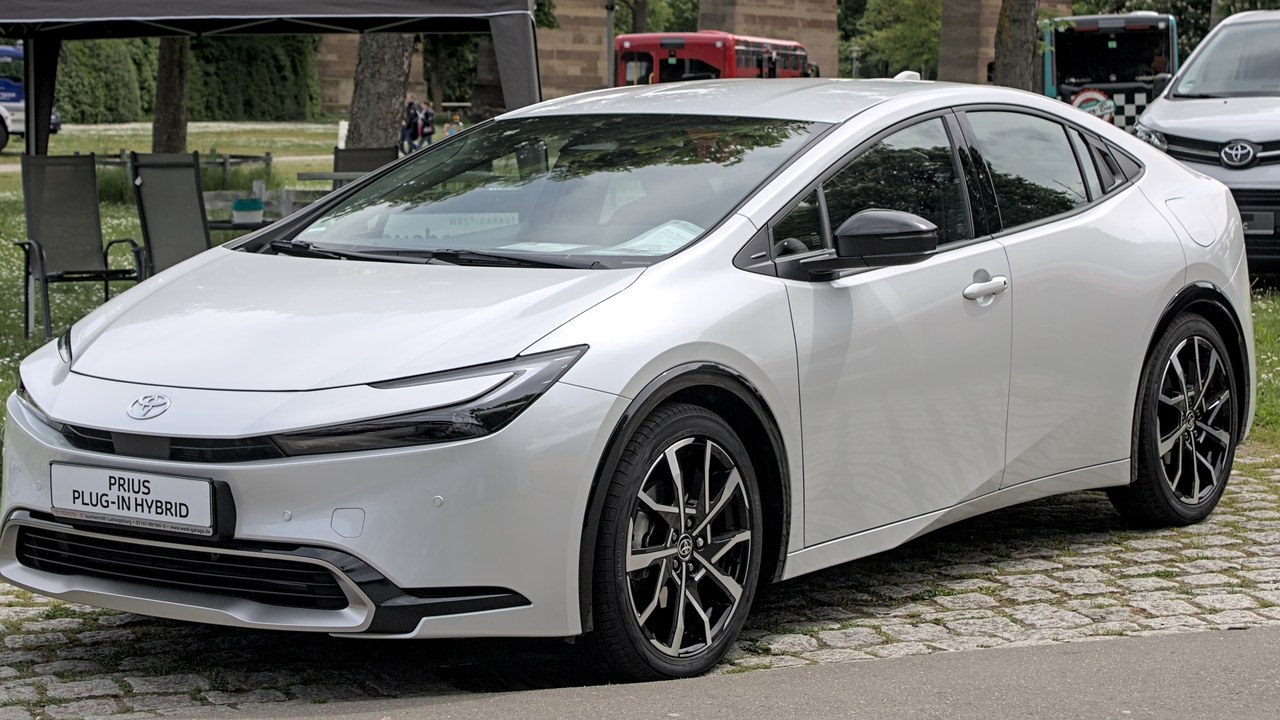
At 55 mpg combined, with 59 in the city and 50 on the highway, the Prius posts the lowest annual fuel bill in this group, about $1,200 a year according to MPG Buddy’s EPA-based figures.
Every other car in the group costs more to fuel, so the Prius sets the baseline for the comparison. Because its figure is the lowest of the twelve, it becomes the yardstick for the others, and the gap widens quickly as the list moves toward three-row SUVs.
2. Toyota Corolla Hybrid: Close Second
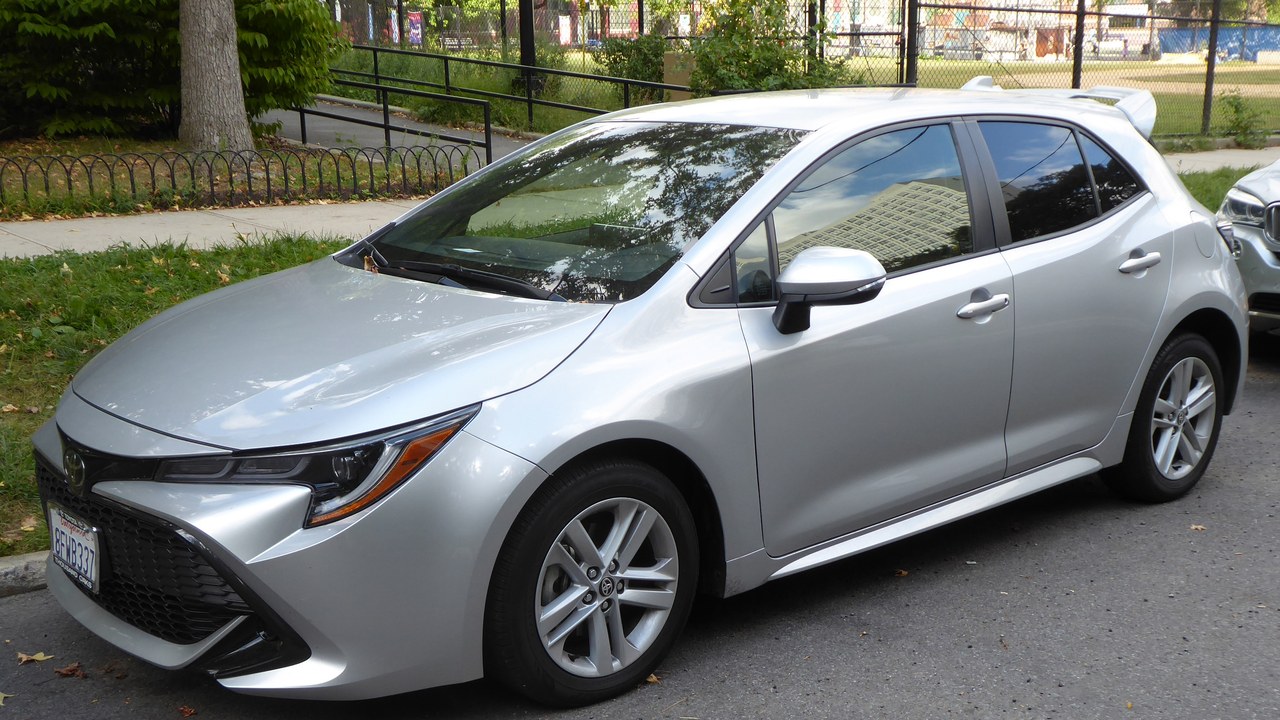
Rated 50 mpg combined, the Corolla Hybrid costs about $1,350 a year in fuel at the $4.47-a-gallon reference price used on MPG Buddy’s Corolla Hybrid page.
Fuel costs scale with the gas price, so a lower local price shrinks the bill and a higher one inflates it. At the reference price, the compact hybrid sits close behind the Prius, a useful choice for commuters who care more about the pump than the badge. Owners who mostly drive short city trips may do even better, because hybrids recover energy under braking.
3. Toyota Corolla Hatchback: Sensible Hatch
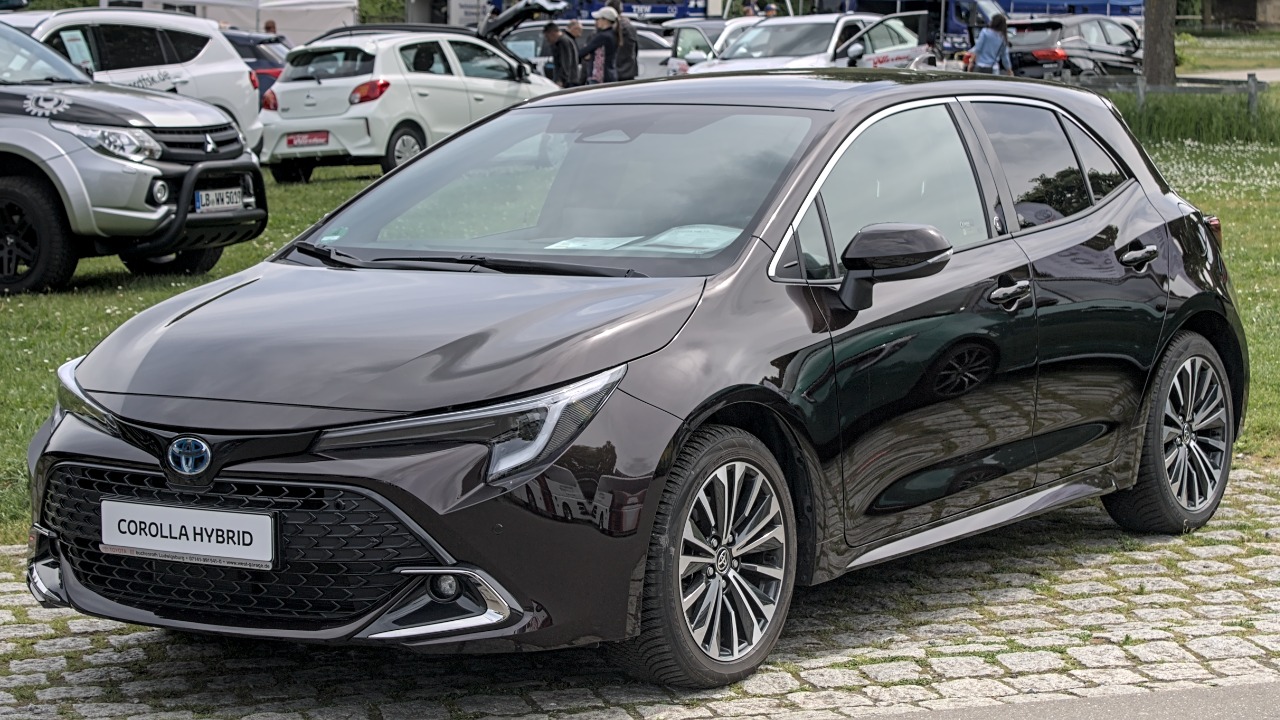
The Corolla Hatchback is rated 35 mpg combined, which works out to about $1,900 a year in fuel, based on MPG Buddy’s Corolla Hatchback data.
A 35 mpg rating is respectable for a conventional small car, and the roughly $1,900 annual bill reflects that. Buyers choosing between this hatchback and a hybrid sibling should compare the fuel savings against any difference in purchase price. Checking the window sticker for the exact configuration helps, since ratings differ between powertrains and trim levels.
4. Kia K5: Middle of the Pack

Rated 30 mpg combined, the Kia K5 costs about $2,250 a year in fuel, according to MPG Buddy’s K5 listing.
Midsize sedans have long been a family default, and this one’s fuel bill sits mid-list, higher than the compact hybrids but well below the three-row SUVs. A driver who covers many highway miles can use the combined rating as a starting point and adjust from there. Driving habits, local gas prices and annual mileage will push the actual figure above or below the estimate, which is best treated as a comparison tool.
5. Ford Escape (front-wheel drive): SUV Matching a Sedan

The front-wheel-drive Ford Escape is rated 30 mpg combined and costs about $2,250 a year in fuel at $4.47 a gallon, per MPG Buddy’s Escape page.
That matches the Kia K5’s bill despite the Escape being a compact SUV, a reminder that body style does not always dictate fuel cost. Buyers who skip all-wheel drive typically save fuel, and the listing here is the front-wheel-drive version. Actual spending will depend on local gas prices and how many miles a driver covers each year, since the estimate is built on a reference price.
6. Chevrolet Trax: Small Crossover, Small Gap
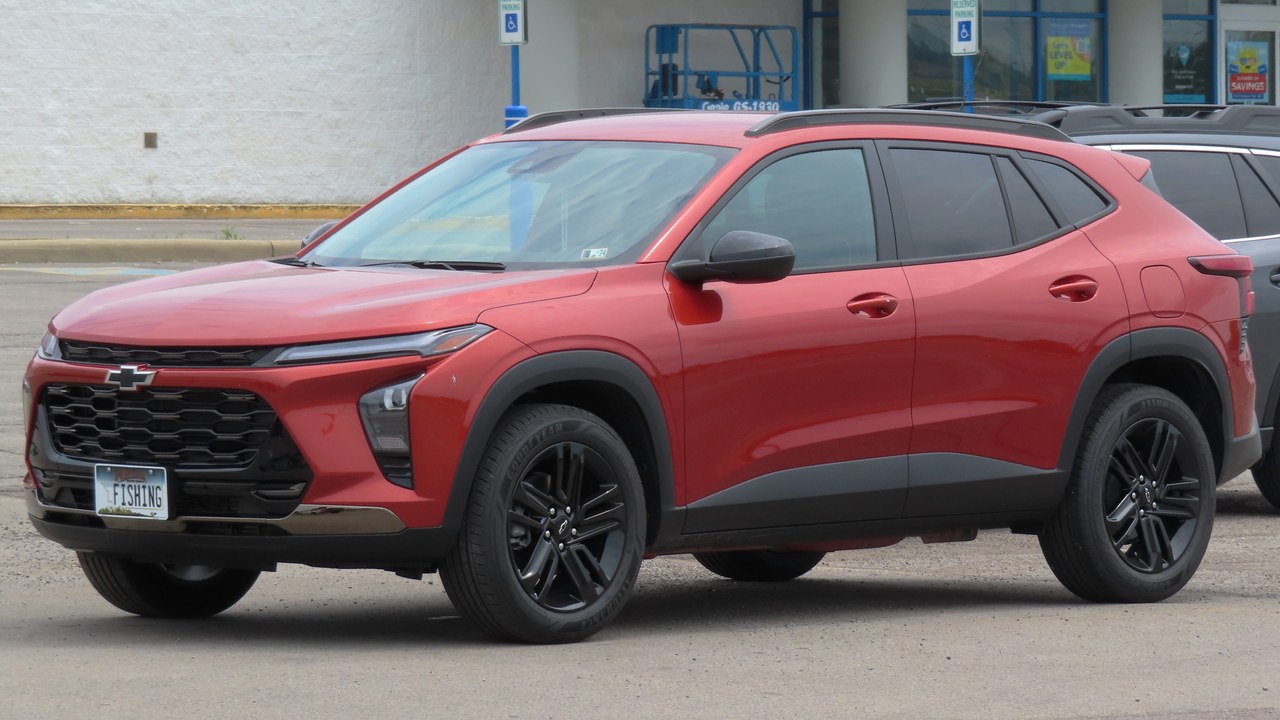
Rated 29 mpg combined, the Chevrolet Trax costs about $2,300 a year in fuel, based on MPG Buddy’s Trax page.
As a small crossover, the Trax lands just above the Escape and the K5 in annual fuel cost, a modest gap that most owners would barely notice. Shoppers comparing the three should let price, space and warranty decide, since the pump bills are nearly identical. Annual estimates like this assume typical mileage and a set gas price, so heavier drivers should scale the number up.
7. Volkswagen Golf GTI: Hot Hatch Tax
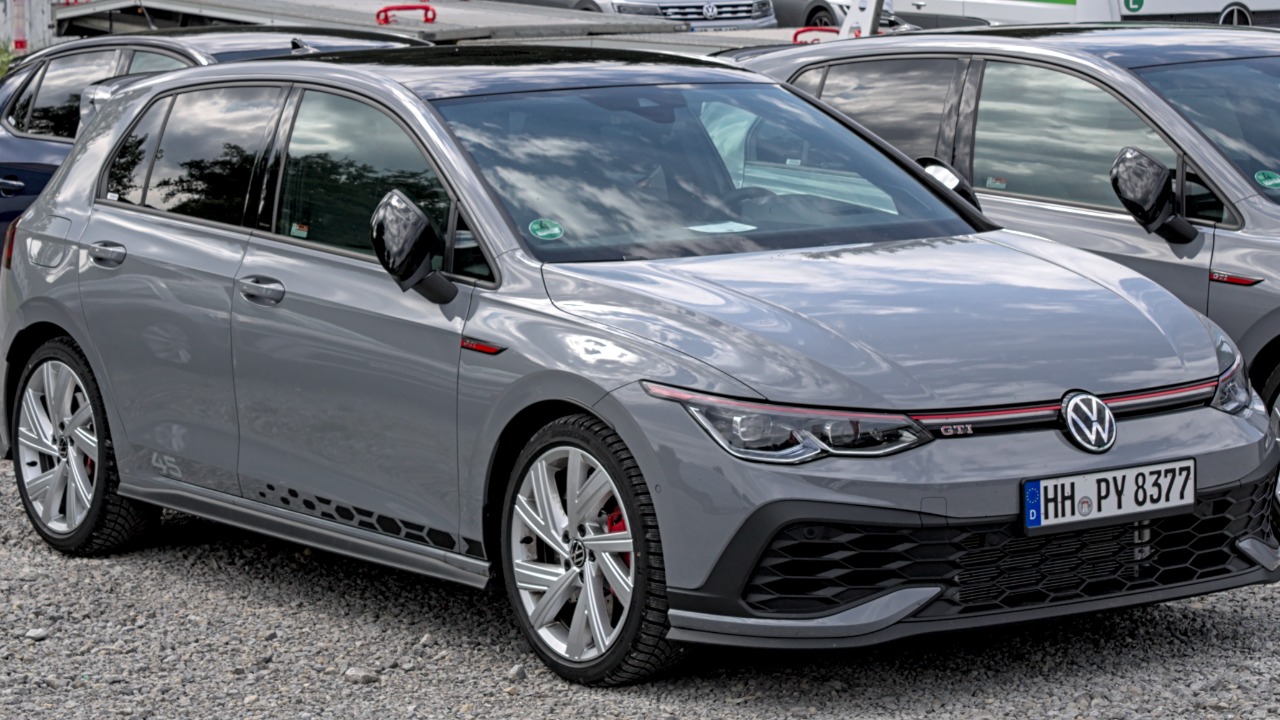
Rated 28 mpg combined, the Volkswagen Golf GTI costs about $2,400 a year in fuel, according to MPG Buddy’s Golf GTI page.
A performance-oriented hatchback often draws buyers who accept a bigger fuel bill in exchange for driving enjoyment, and this one costs more than the Trax. Even so, the figure remains well below that of the larger SUVs later on the list. Estimates assume a standard annual mileage and a reference gas price, so actual spending will vary with the driver.
8. Subaru Ascent: Three-Row Toll
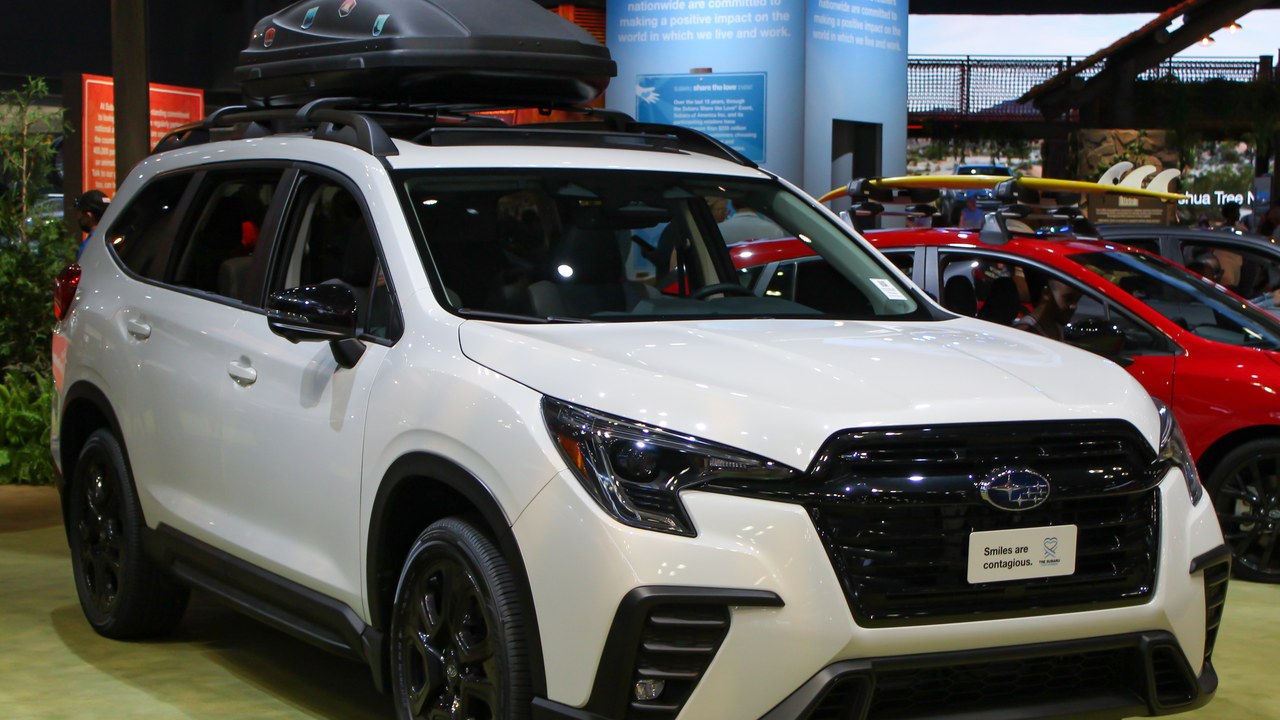
Rated 22 mpg combined, with 19 mpg in the city and 26 on the highway, the Subaru Ascent costs about $3,050 a year in fuel per MPG Buddy’s Ascent page.
This is where the list moves from compact economy to three-row SUV territory, and the bill jumps noticeably. Families who need the third row should weigh that annual cost, which recurs for as long as the vehicle is driven. A family that rarely fills every seat might ask whether a smaller vehicle would meet the same needs for less money at the pump.
9. Ford Ranger (4WD): Truck Thirst
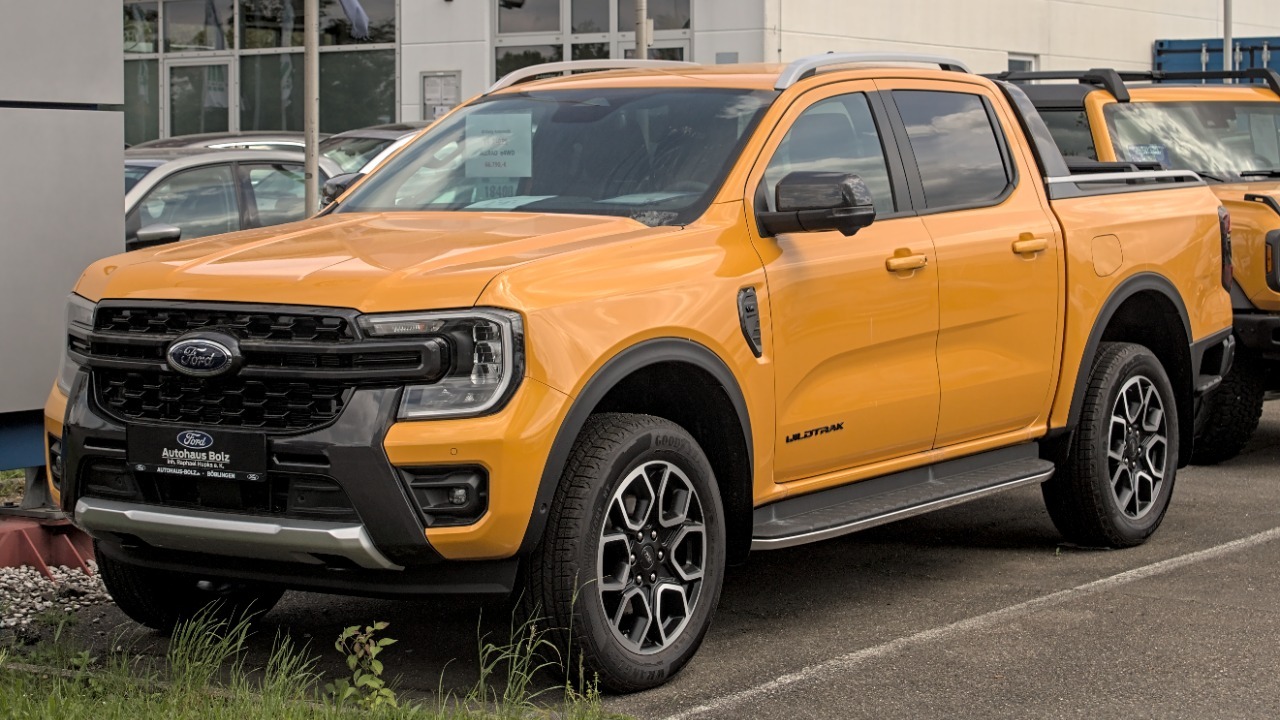
The four-wheel-drive Ford Ranger is rated 21 mpg combined, 19 in the city and 24 on the highway, which puts its fuel bill at about $3,200 a year, based on MPG Buddy’s Ranger listing.
Midsize pickups trade efficiency for towing and off-road ability, and the four-wheel-drive system adds to the cost. A buyer who rarely leaves pavement may find a two-wheel-drive version cheaper to run. Towing, hauling and off-road use would push consumption higher still, so heavy users should expect to spend more than the estimate.
10. Hyundai Palisade: Nearly Triple
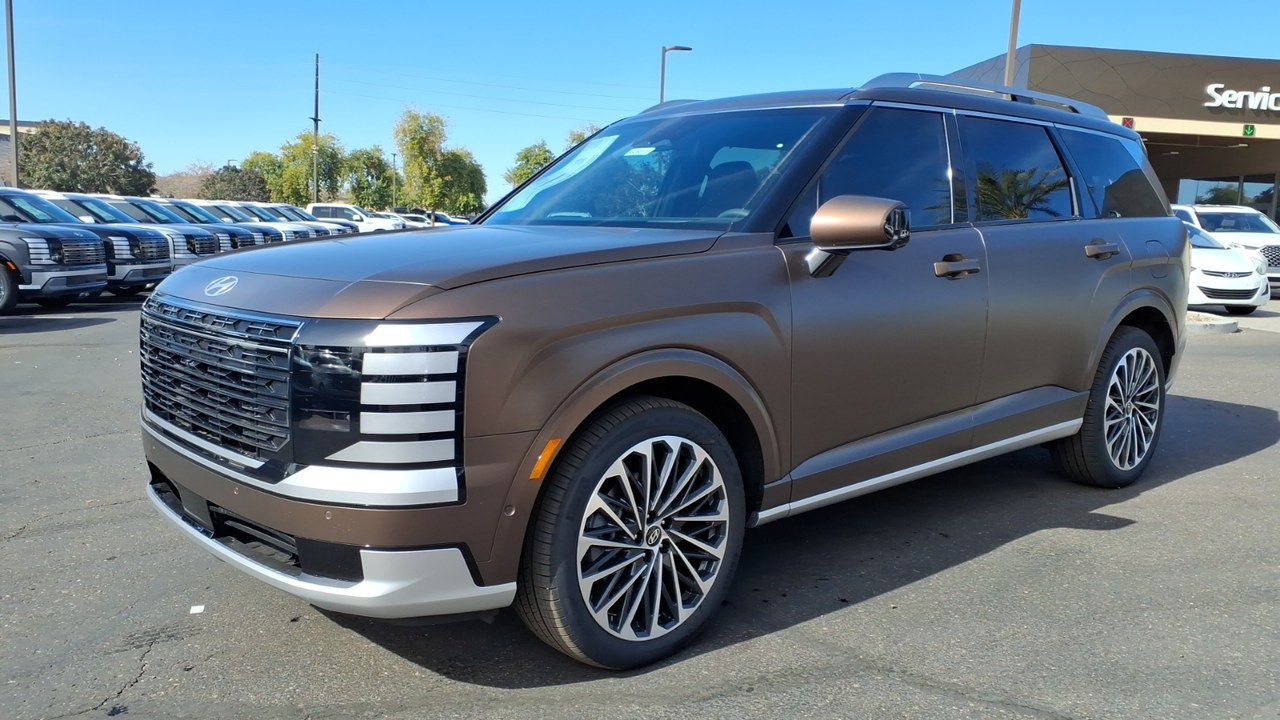
Rated 19 mpg combined, the Hyundai Palisade costs about $3,550 a year in fuel on MPG Buddy’s Palisade page, nearly three times the Prius bill.
The comparison is stark: the same distance driven costs several times as much in a large three-row SUV as in a hybrid hatchback. For a household that needs the space, the price is an accepted trade, but it deserves a line in the budget. Using the EPA combined rating as the basis for comparison keeps the analysis consistent across very different vehicles.
11. Kia Telluride: Dead Heat

The Kia Telluride matches the Palisade at 19 mpg combined and about $3,550 a year in fuel, per MPG Buddy’s Telluride page.
Two rival three-row SUVs landing on the same figure suggests the segment’s fuel economy is tightly bunched. Shoppers choosing between them are unlikely to be swayed by the pump and should decide on price, space and features. Because both vehicles share the same estimate, any difference in what an owner spends will come from driving style, local fuel prices and mileage rather than from the sticker rating. A short test drive of each is a better tiebreaker than the fuel bill.
12. Ford Maverick Hybrid: Pickup That Sips

EPA’s fueleconomy.gov lists the front-wheel-drive Ford Maverick Hybrid at 38 mpg, among the most efficient non-EV vehicles, in its best and worst fuel economy list.
Unlike the other entries, this one carries a mileage figure from the government rather than a dollar estimate, so its annual cost depends on local gas prices and miles driven. A compact pickup with that rating offers truck utility without the fuel bills attached to larger models. Looking up the exact configuration on the government site gives the full set of ratings for a specific model year.
Tech news worth reading: Get Techpresso →
We may earn a commission if you sign up.
More from Morning Overview
- Two passengers died at an Ohio toll plaza, and the NTSB now wants the cash lanes shut
- Long use of a common prostate pill is tied to a higher chance of glaucoma
- Ford is recalling 223,472 F-150 pickups because the fuel tank can leak or detach
- Hybrids have 15% fewer problems than gas cars, while EVs and plug-in hybrids have about 80% more, Consumer Reports finds
