
Subaru owners tend to be loyal, which makes the expensive exceptions worth knowing about. Some of the costliest problems come from one very large recall, while others surface in owner complaint records tied to a single model year. Here are eleven Subarus, from the newest three-row SUV to a long-gone coupe, with the specific issue attached to each.
AI, explained every day: The Deep View is the go-to daily newsletter for 600,000+ founders, knowledge workers and professionals who want to stay up to date with artificial intelligence.
We may earn a commission if you sign up.
1. Subaru Ascent: Wrong Number on the Label
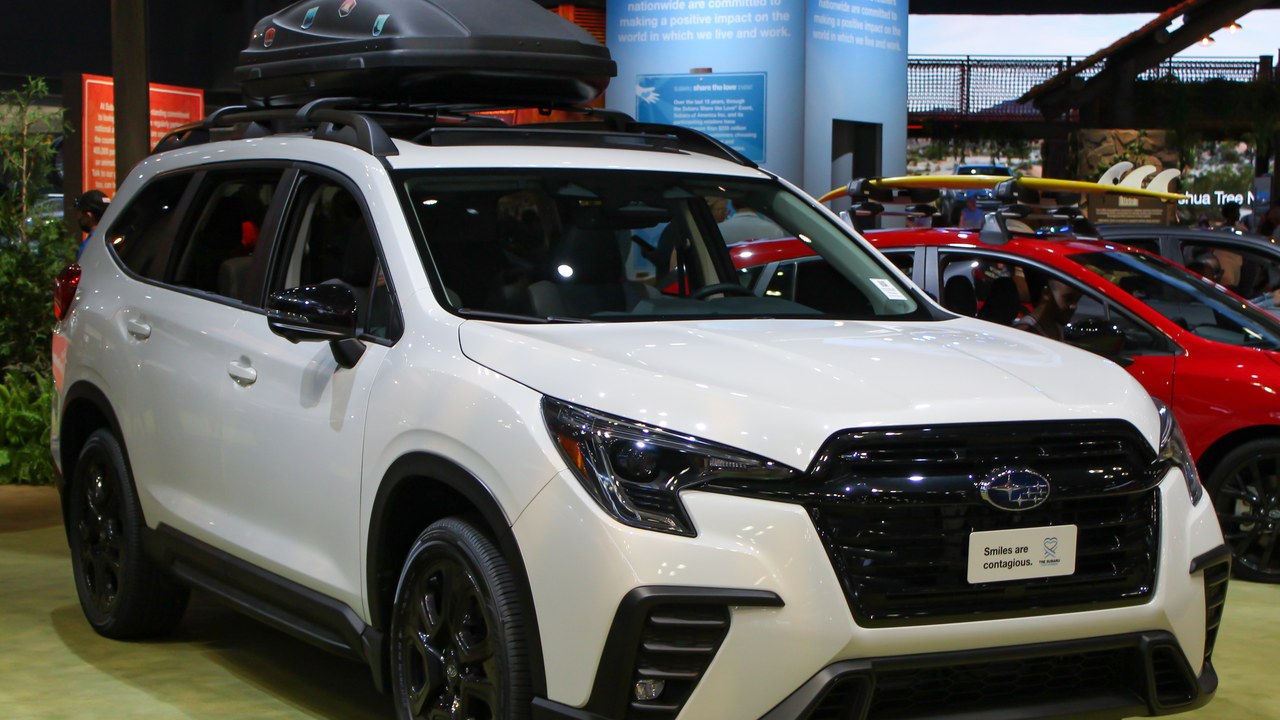
A label error produced the largest Subaru recall in this gallery: 384,407 Ascent three-row SUVs from the 2019 through 2026 model years were recalled in July 2026 over an incorrect rear axle weight rating on the certification label, per NHTSA recall report 26V436.
The paperwork problem has a practical edge, since owners who load a vehicle by the label could exceed its true limits. Ascent owners who haul passengers and cargo should verify their VIN and avoid relying on the printed rating.
2. Subaru Forester Hybrid: Hybrid Caught in the Same Net
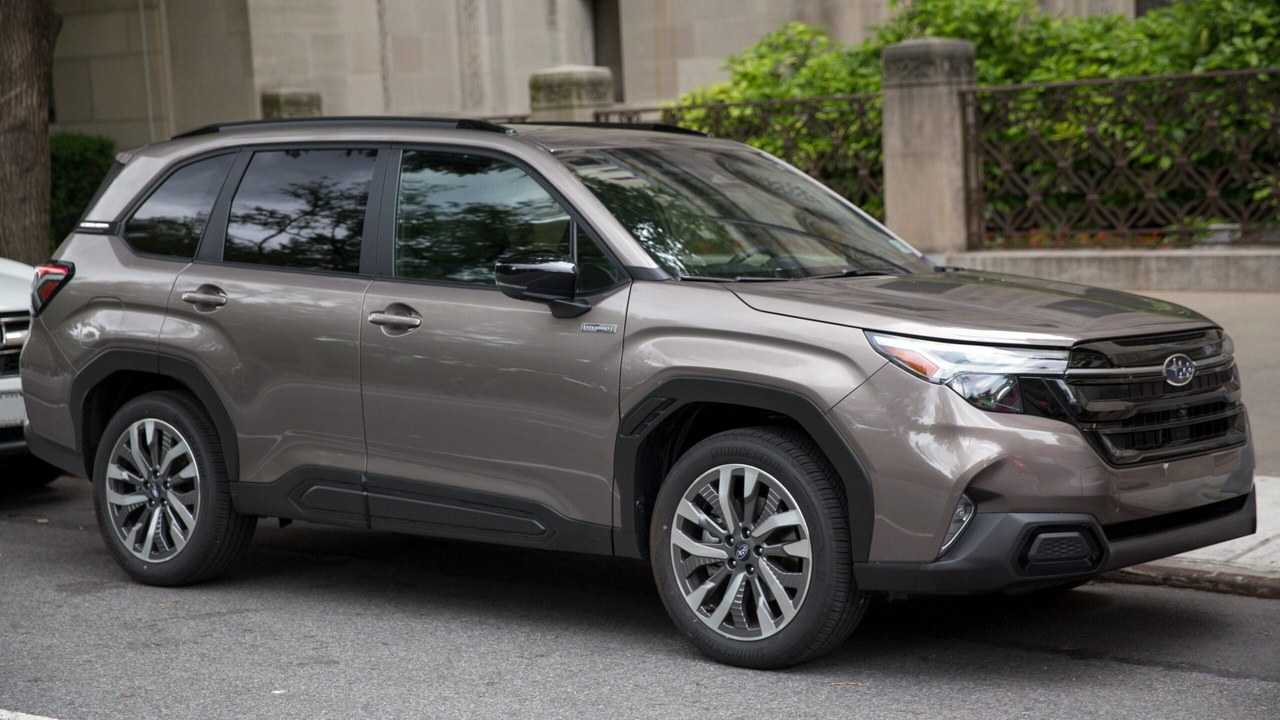
The same recall reached 77,504 of the 2025 and 2026 Forester Hybrids, and the NHTSA recall report warns that an incorrect rating may lead to overloading and raise crash risk.
Hybrid buyers often choose the model for efficiency rather than hauling, but families with roof boxes, bikes and full back seats can still approach the limits. Owners of these Foresters should confirm recall status, then avoid loading by the printed axle rating. The recall covers a labeling error rather than a mechanical fault, but the consequences of ignoring a weight limit can still be serious.
3. Subaru Forester: Burning Through Oil
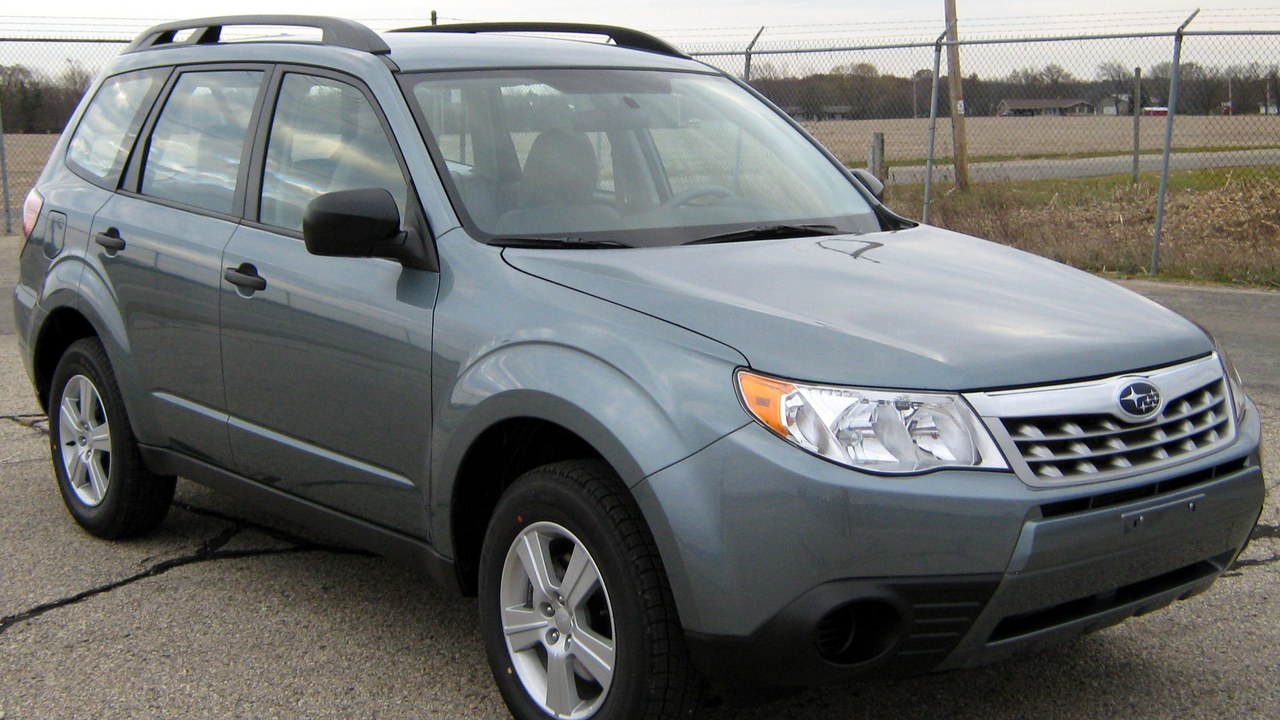
Owners of the 2011 Forester report excessive oil consumption that costs about $3,100 to fix, at an average of 48,000 miles, based on CarComplaints’ Forester records.
The relatively low mileage is the telling detail, since an engine consuming excessive oil before 50,000 miles can be a costly surprise. A used 2011 Forester warrants an oil-level check, a look at service records and a question about how often the previous owner added oil. Complaint databases reflect owner submissions rather than audited data, so the average is best used as a rough guide to the scale of the problem.
4. Subaru Outback: Complaint Leader
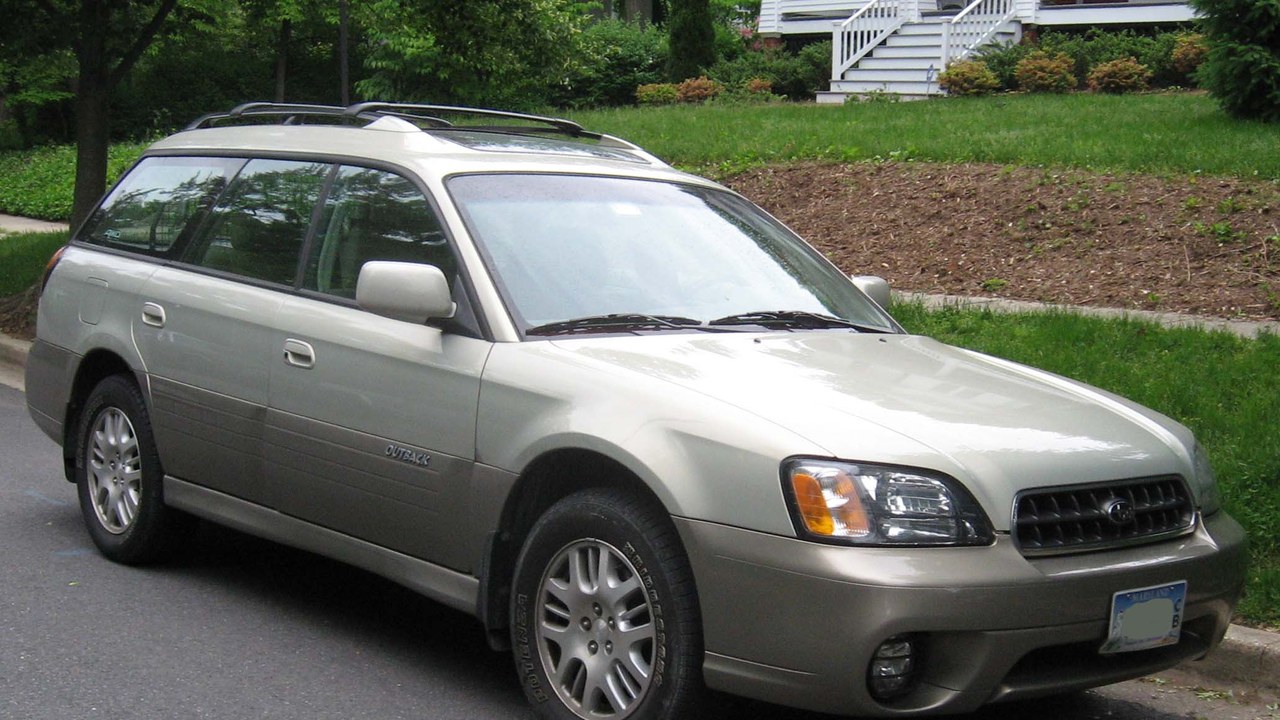
With 1,586 complaints, the Outback carries the most of any Subaru on CarComplaints’ Outback page, and the 2014 model stands out for oil consumption that averages $6,000 to fix at just 34,000 miles.
A $6,000 repair at that mileage is large for a vehicle that has barely begun its life. Shoppers considering a 2014 Outback should look for documented engine work and read the owner reports for that specific year before committing. A high complaint count partly reflects how many Outbacks are on the road, so the number is a signal to investigate, not a ranking of quality.
5. Subaru Impreza: Unwanted Speed
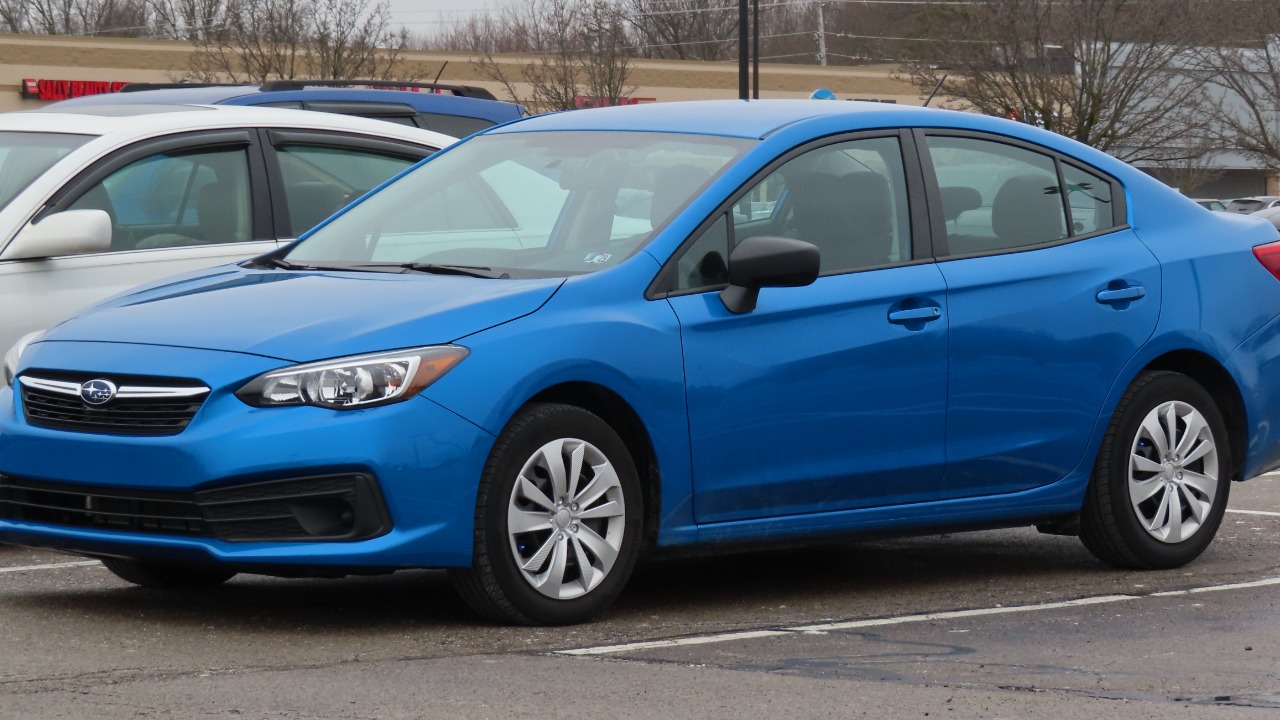
Complaints about sudden unintended acceleration in the 2012 Impreza average about $4,000 to fix at roughly 40,000 miles, according to CarComplaints’ Impreza listings.
Unintended acceleration is one of the more unsettling faults a driver can face, and the early mileage means affected cars were still fairly young when the trouble appeared. A buyer of a 2012 Impreza should ask about any engine or throttle repair history and test the car thoroughly. Owner reports are self-selected, so the figure describes the experience of those who complained, not every Impreza owner.
6. Subaru Crosstrek: Cracks Come Early
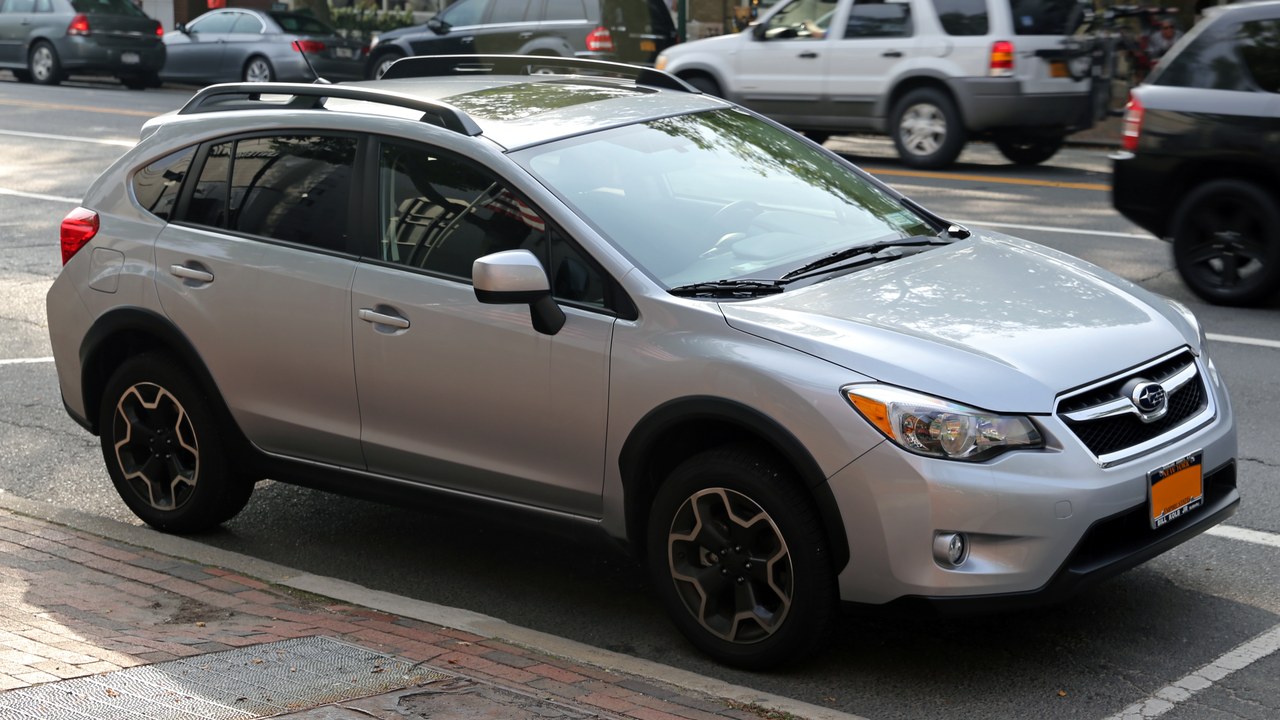
The 2019 Crosstrek’s top complaint is a cracked windshield, which averages $1,500 to fix at just 8,000 miles, per CarComplaints’ Crosstrek page.
Glass is a more modest expense than an engine or transmission repair, yet an owner with a nearly new car and a $1,500 bill may feel the sting more. Insurance coverage for glass varies by policy, so a buyer should check the terms before assuming a crack is covered. Checking for chips and small cracks before a long drive is a simple habit that can prevent a bigger repair.
7. Subaru WRX: Clutch Gives Out
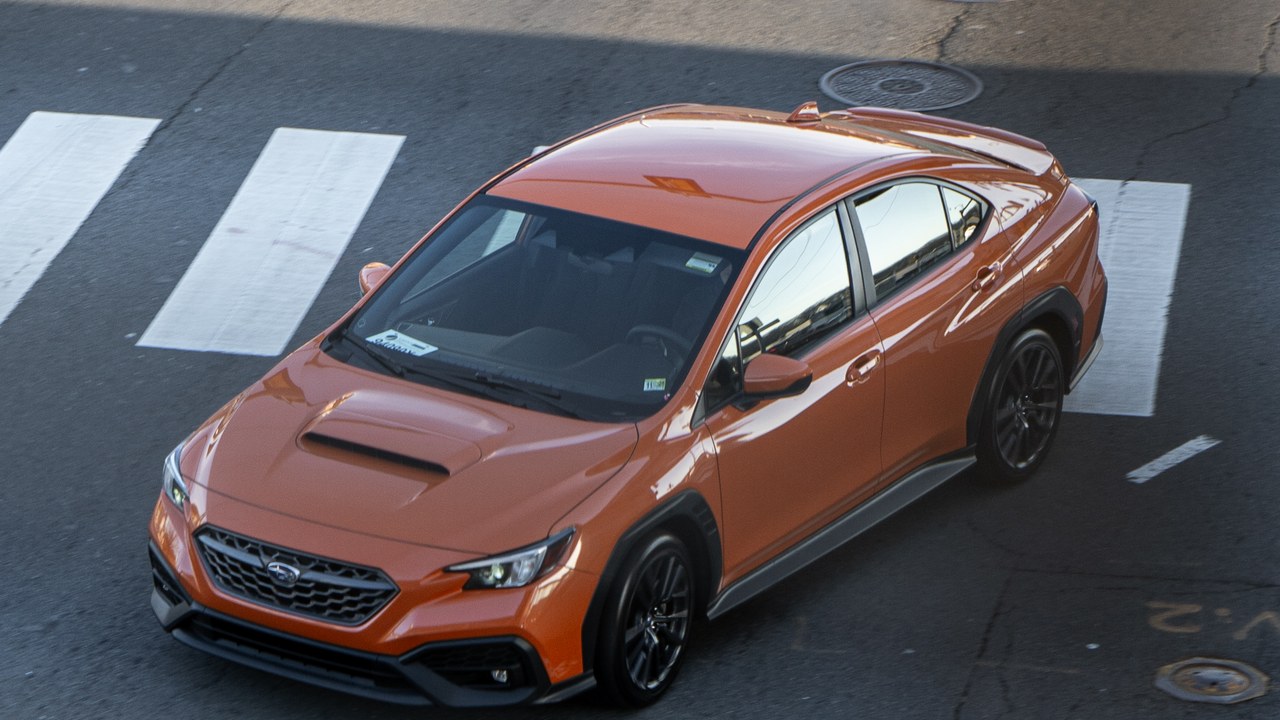
Clutch failure is the WRX’s worst problem on CarComplaints’ WRX page, where the 2017 model’s premature clutch failure averages $2,200 to fix at 23,000 miles.
The WRX is a performance car, and hard driving can punish a clutch, though the reports do not say how those cars were driven. Anyone buying a used WRX should ask about the previous owner’s driving style and pay attention to clutch engagement during a test drive. A clutch that fails early is an inconvenience on any car, but on a sporty model it can sideline a weekend driver for days.
8. Subaru BRZ: Valve Springs Snap
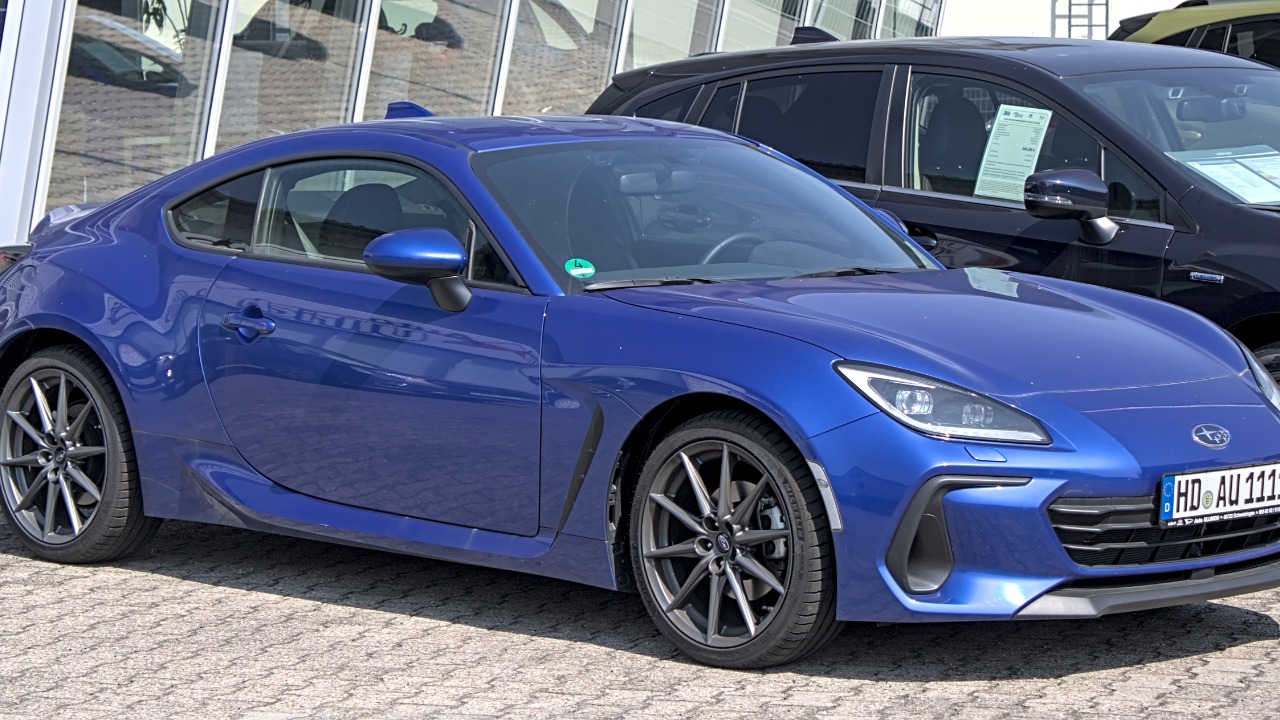
The 2013 BRZ’s engine failure from broken valve springs costs about $7,000 to fix, at an average of 68,000 miles, according to CarComplaints’ BRZ records.
A failed engine is the most severe outcome a coupe owner can face, and a repair at that price can take a large share of an older car’s value. Used BRZ shoppers should look for evidence of prior valve-spring work and a clean maintenance record. Complaint averages are only a guide, but an engine failure is severe enough that the risk deserves attention before purchase.
9. Subaru Tribeca: Vibration Trouble
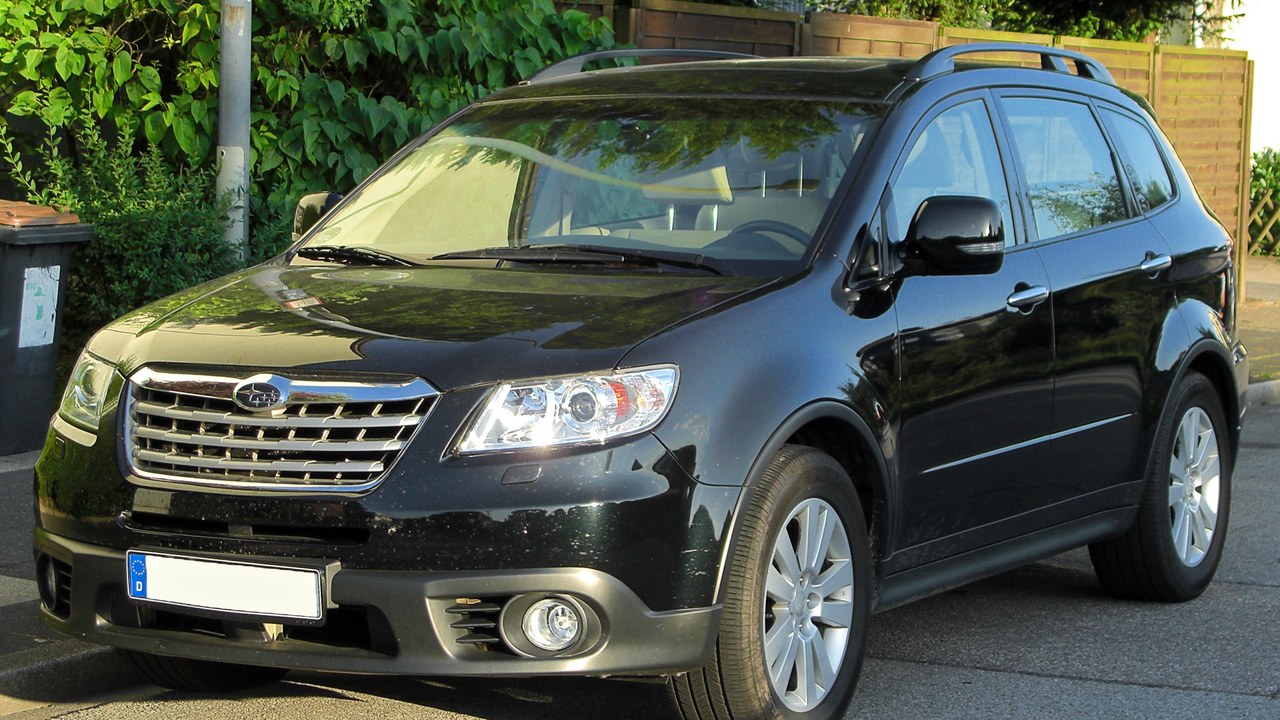
Shaking while driving is the 2009 Tribeca’s problem on CarComplaints’ Tribeca page, and the repair averages $6,200 at 93,000 miles.
Shaking can come from many sources, so the fault is hard to pin on one part without a proper diagnosis. A shopper eyeing a 2009 Tribeca should budget for an inspection and ask the seller whether the vibration has ever been traced to a cause. Vehicles of this age rarely come without wear items, so a pre-purchase inspection by an independent mechanic is inexpensive insurance against a large bill.
10. Subaru Baja: Small Sample, Sticky Pedal
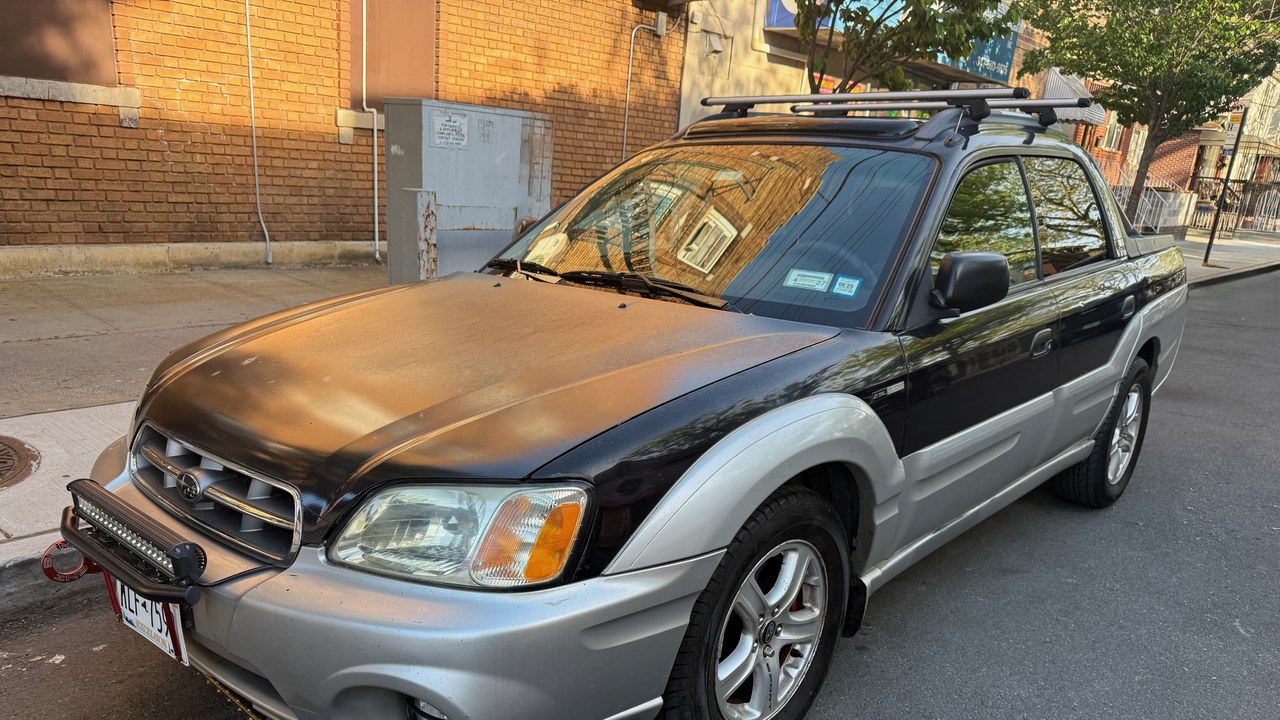
The 2005 Baja’s clutch pedal problem averages about $1,000 to fix at 90,000 miles on CarComplaints’ Baja page, though the sample is small, at 9 complaints.
The Baja is an unusual pickup-style Subaru, and a small complaint count means the figure is more anecdote than trend. Collectors and curious shoppers should treat the number as a hint to check the clutch pedal, not as proof of a widespread flaw. Checking the clutch pedal feel and any records of earlier clutch work is a quick way to judge a particular truck.
11. Subaru SVX: Old Coupe, Hot Gearbox
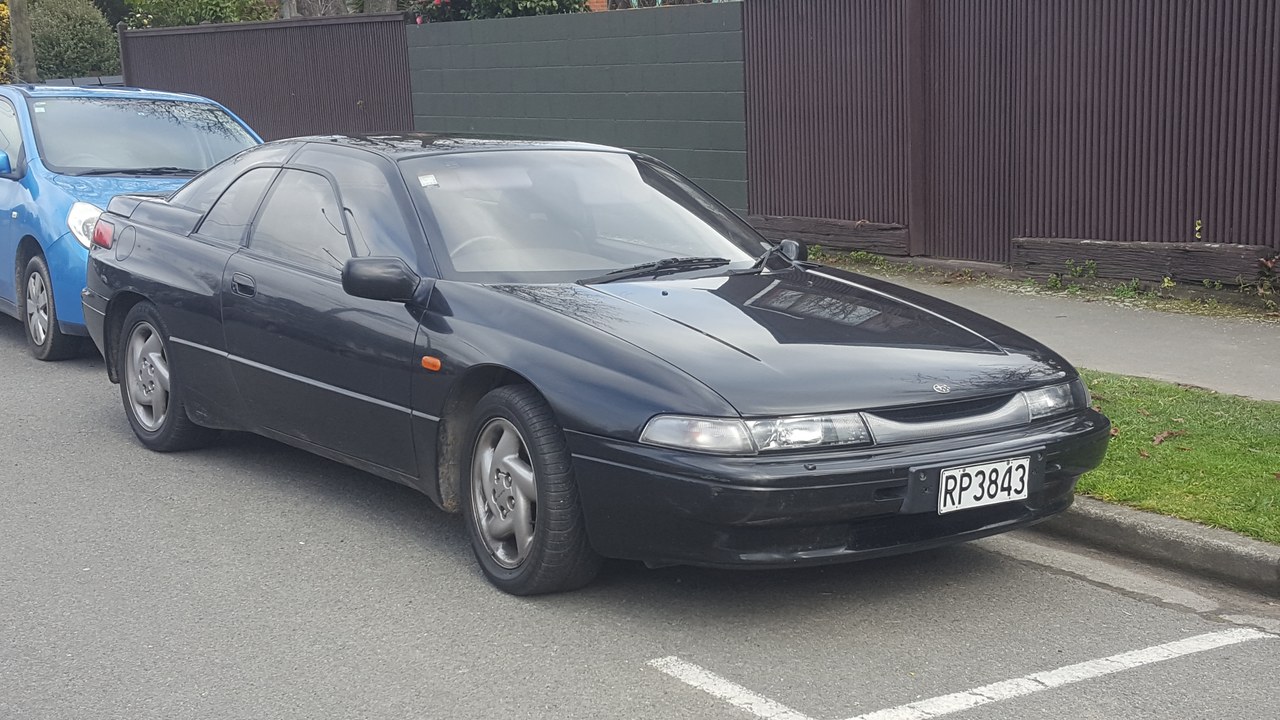
The 1992 SVX’s transmission overheating averages $4,500 to fix at 83,000 miles, but CarComplaints’ SVX listing logs just 2 complaints.
Two reports are too few to call a pattern, and the car’s age means most survivors have passed through many owners and repairs. Anyone eyeing an SVX should treat the figure as one data point and have an independent specialist examine the transmission. Parts availability for a car this old can also be a challenge, so a buyer should ask about sourcing before committing to a purchase, and compare any repair quote with the car’s market value.
AI, explained every day: Get The Deep View →
We may earn a commission if you sign up.
More from Morning Overview
- The FBI told the rest of ShinyHunters to surrender after a 24-year-old was arrested
- Two passengers died at an Ohio toll plaza, and the NTSB now wants the cash lanes shut
- Long use of a common prostate pill is tied to a higher chance of glaucoma
- Ford is recalling 223,472 F-150 pickups because the fuel tank can leak or detach
