
Wildlife Photographer of the Year 2026 drew a record 65,403 entries, and its winners range from huge mammals to garden birds and insects. The results were announced on 13 October 2026 by the Natural History Museum in London. Here are thirteen animals that appear in the winning images, each tied to the photographer and category that earned the prize.
Save more, waste less: The Cool Down’s newsletter sends smart, simple changes that help you and the planet in your everyday life.
We may earn a commission if you sign up.
1. African elephant: The Grand Title Winner
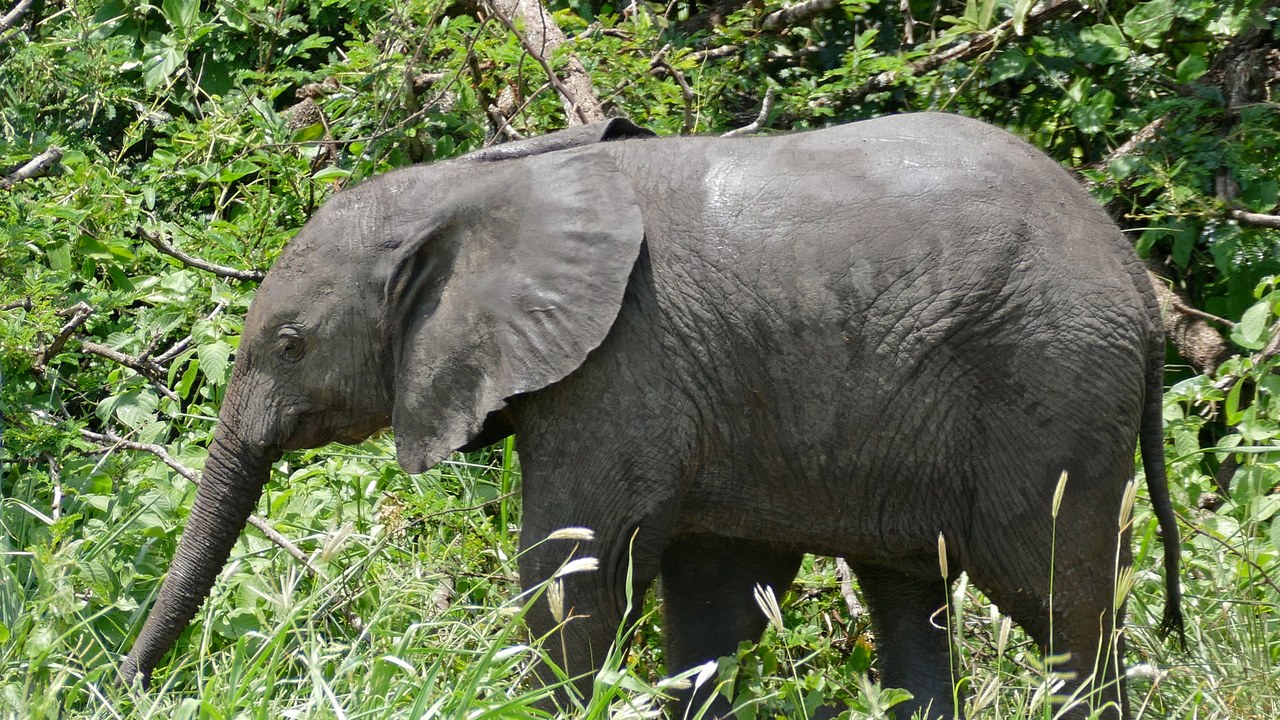
Federico Veronesi’s ‘The Aftermath‘, showing a female elephant carrying her dead calf in Namibia’s Huab River Valley, won the 2026 grand title from a record 65,403 entries. The African elephant at its center is the animal at the heart of the 2026 grand title.
The image shows how a single frame can turn a wildlife photograph into a statement about loss. Elephants are widely known for strong family bonds, and the picture invites viewers to think about that.
2. Dung beetle: The Young Winner
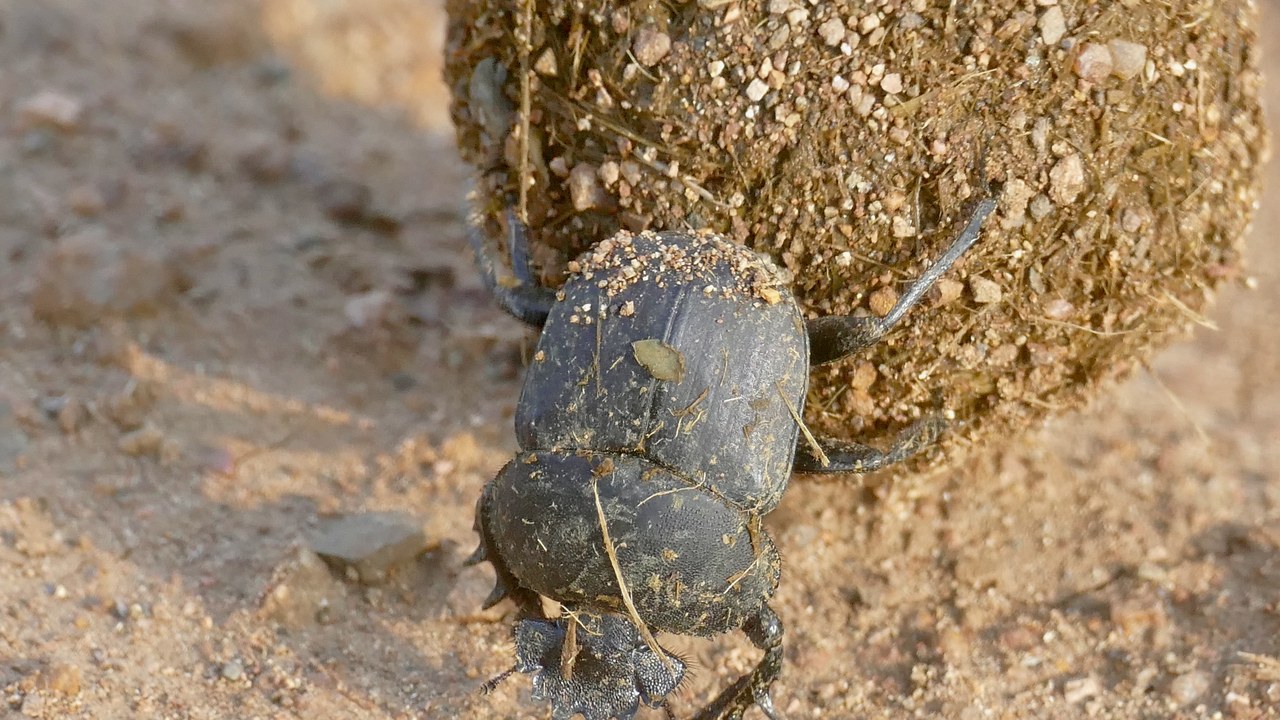
Oscar Whitfield’s ‘Labour of Love‘, a dung beetle rolling its ball of dung, made him Young Wildlife Photographer of the Year 2026. The small insect became the subject of the competition’s top youth honor.
The win shows that a humble insect can carry as much visual interest as a large mammal. Dung beetles are often overlooked, and the award brings attention to their busy, purposeful routine. Young photographers who enter the competition are judged in their own category, which this win tops for 2026.
3. Common octopus: Eye to Eye in the Kelp
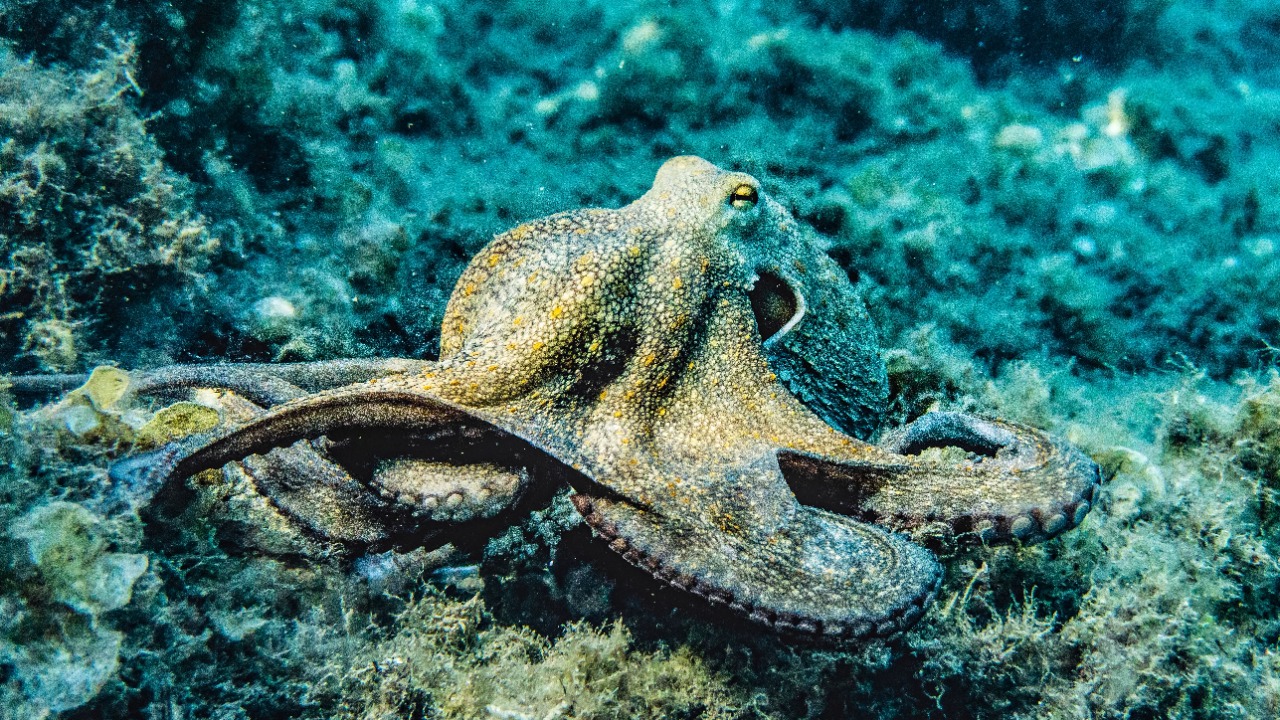
Aaron Sanders won Animal Portraits with ‘A Watchful Eye‘, a common octopus peering through kelp off Cornwall. The image shows the animal watching the camera from within the seaweed.
The picture is a reminder that British coastal waters hold remarkable wildlife. An octopus is a hard subject to portray, so a clear, direct gaze through the kelp stands out in the category. Cornwall’s kelp forests form the setting, and the octopus is the sole animal in the frame.
4. Plains zebra: Zebras at the Waterhole
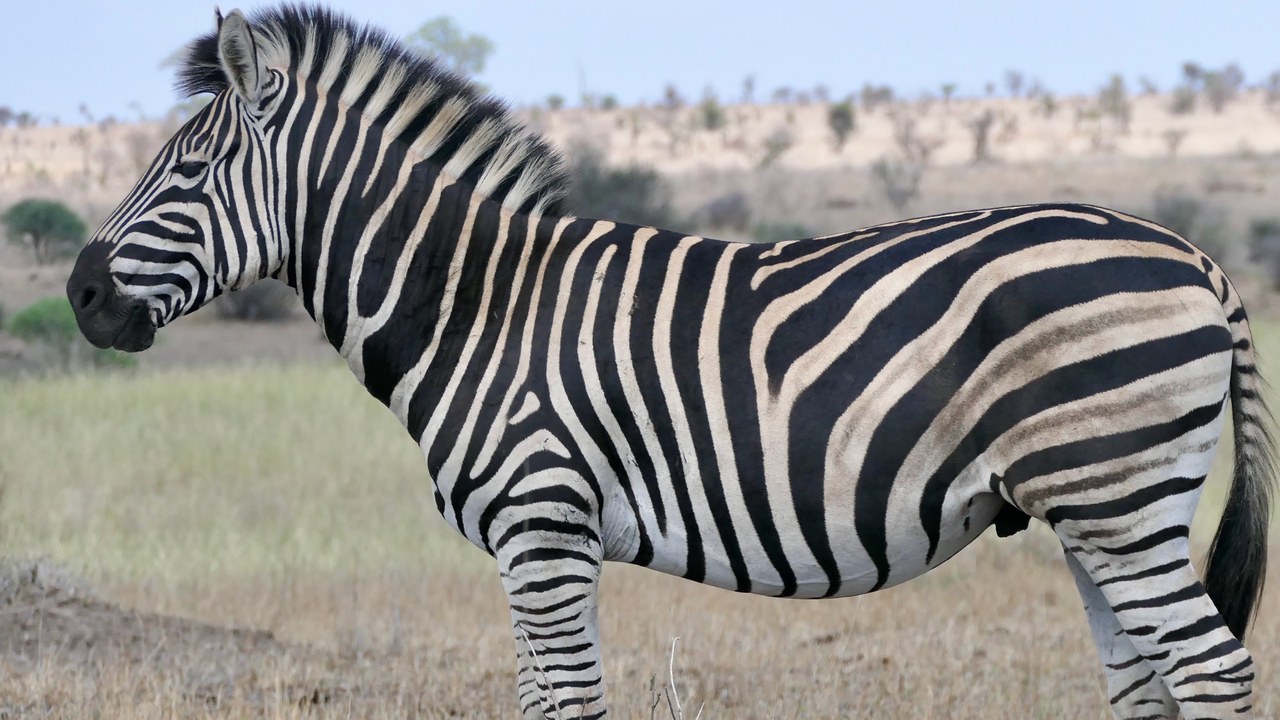
James Lewin’s Animals in their Environment winner shows a young bull elephant spraying zebras gathered at a waterhole in Kenya’s Chyulu Hills. The plains zebras share the frame with the elephant that has taken over the water.
The scene captures how animals share scarce resources and sometimes dispute them. For viewers, the zebras supply the context, showing how small they appear next to a bull elephant in a standoff. The Kenyan waterhole setting adds to the sense of a tense, shared space.
5. European goldfinch: Escape Artistry
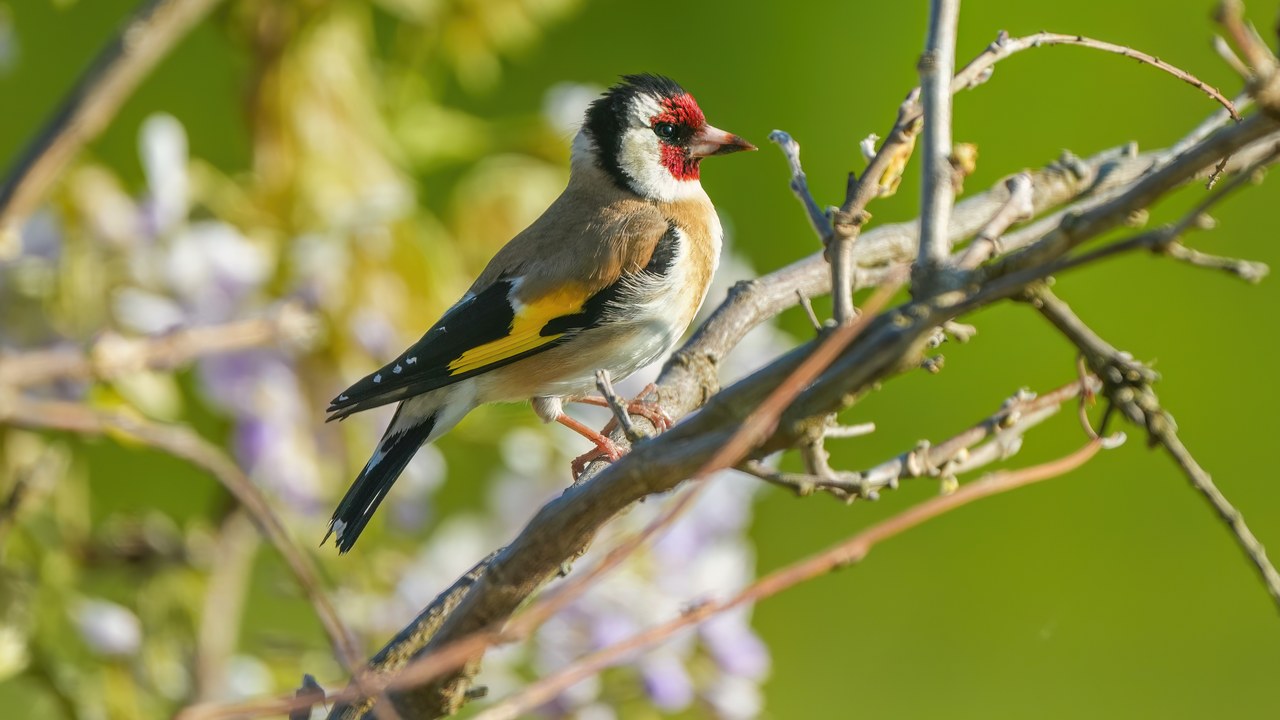
Michał Michalski’s Natural Artistry winner ‘Escape Artistry‘ blurs goldfinches and bramblings taking flight. The European goldfinch is one of the two small birds turned into streaks of motion in the winning image.
The photograph treats birds as a painter might treat color and movement. Slow-looking motion blur turns a common garden species into an abstract piece, which explains why it stood out in the category. Brambling and goldfinch share the frame, so the image also shows two species moving as one flock.
6. Cougar: A Warning Sign
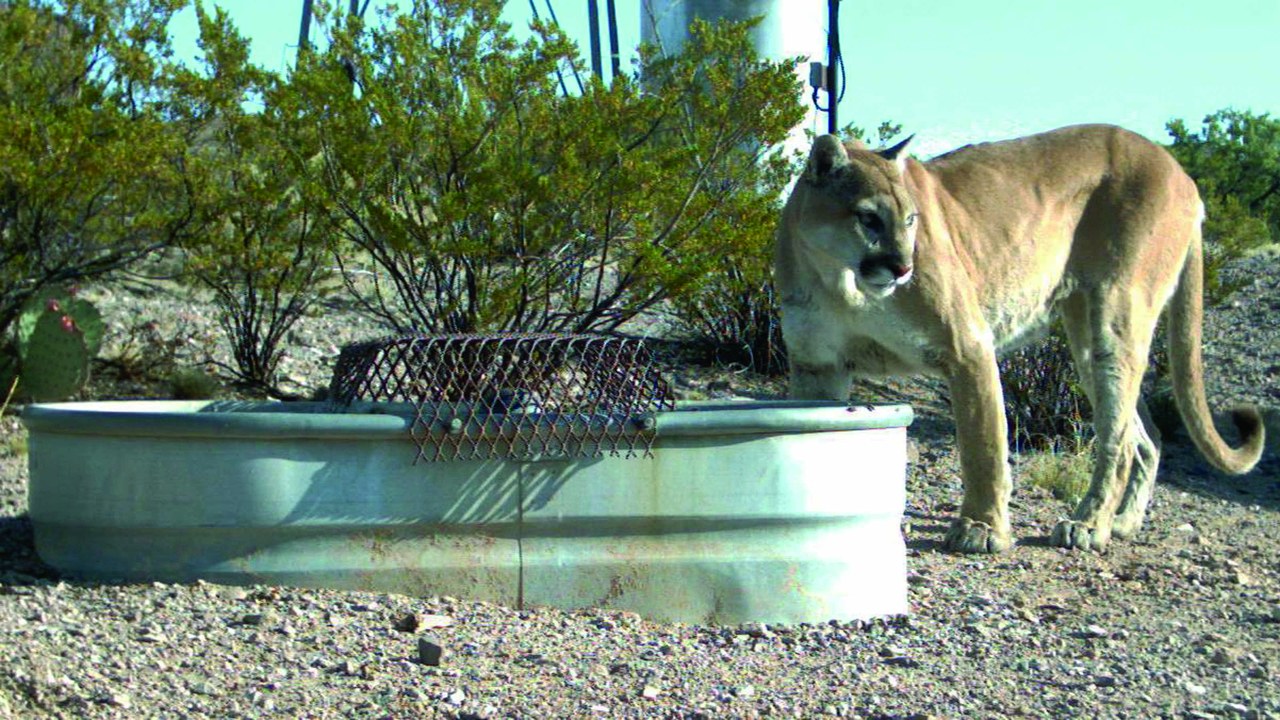
Francisco Negroni’s Photojournalism winner ‘Warning Sign‘ documents a dead puma displayed as a hunting trophy in Argentina’s Patagonia. The cougar, as the species is also known, is the subject of a picture about conflict between people and predators.
The image is a documentary record and a difficult one, intended to prompt discussion rather than admiration. Its place in the Photojournalism category shows the competition rewards storytelling as well as beauty.
7. Shoebill: Shoebills in the Swamp
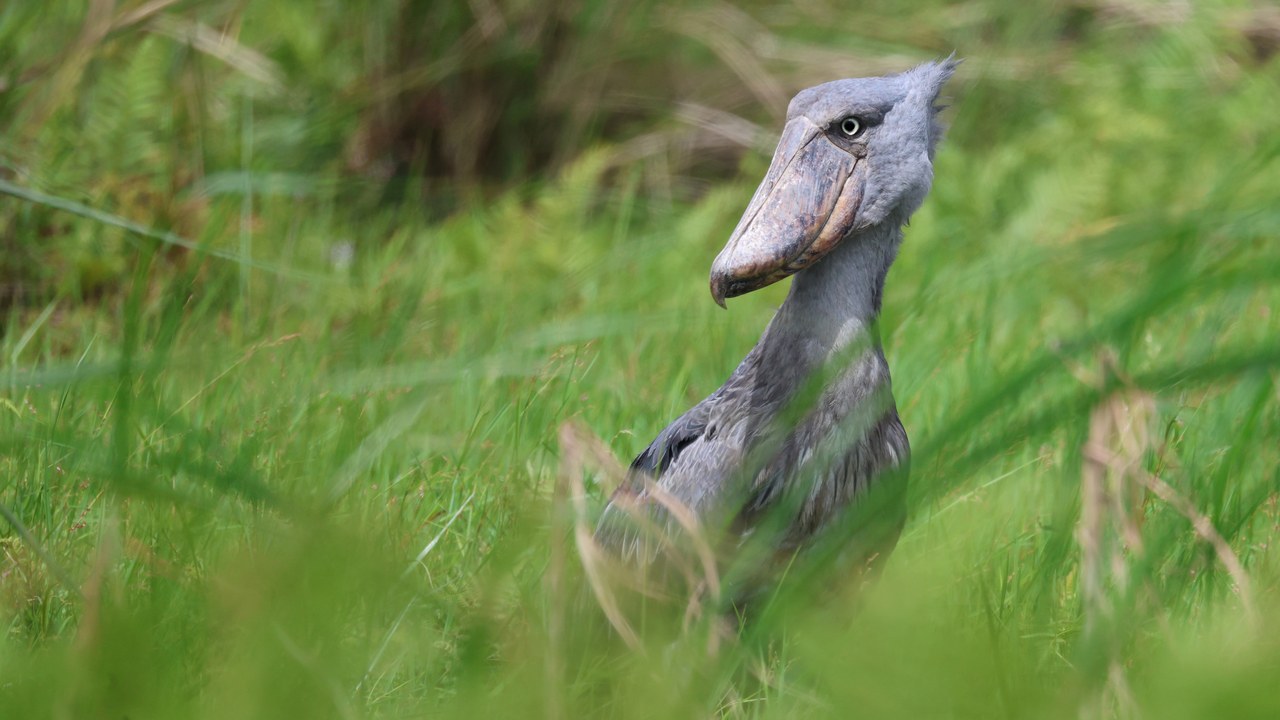
Isak Pretorius won Behaviour: Birds with ‘Scenes from the Swamp‘, two elusive shoebills in Uganda’s Mabamba Swamp. The tall, heavy-billed birds are rarely seen, which adds to the image’s appeal.
Shoebills are known for their stillness and their remote wetland homes. A photograph capturing two together reveals behavior, the kind of scene that few visitors to Uganda’s marshes ever witness. The category covers bird behavior, and this image fits it well, with the swamp itself shaping the picture.
8. California newt: The Protective Newt
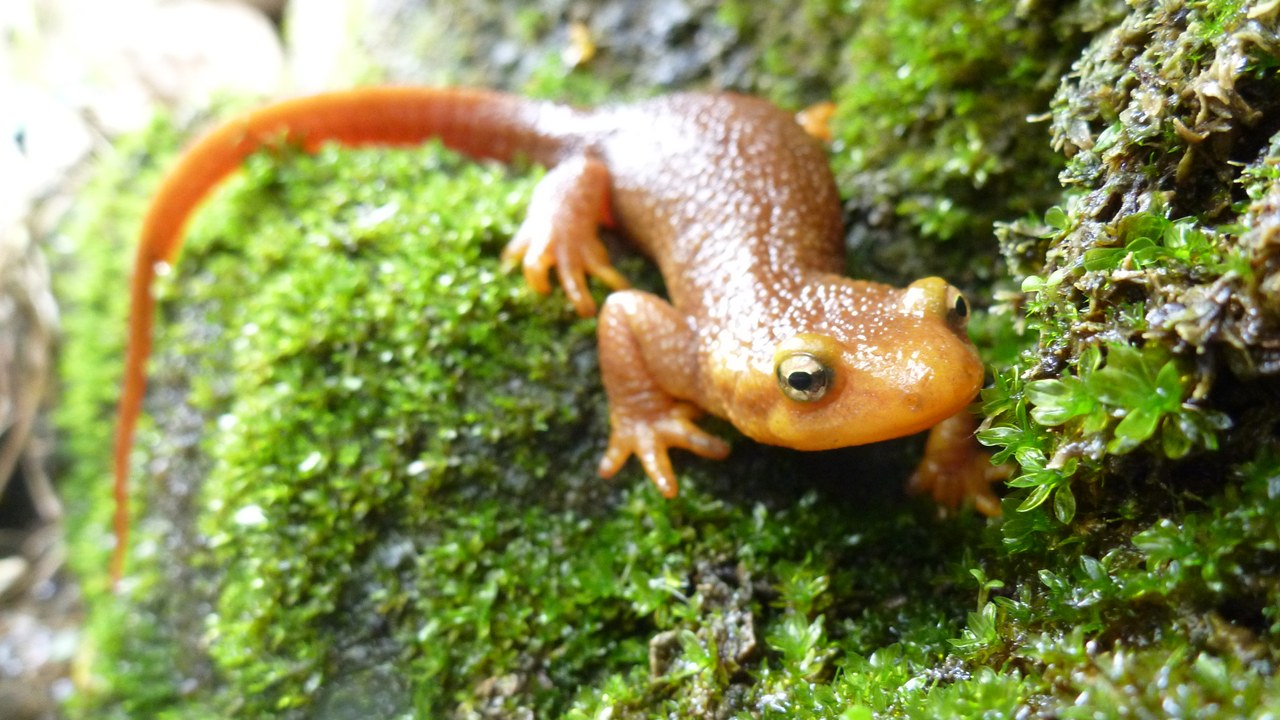
Anton Sorokin’s Behaviour: Amphibians and Reptiles winner ‘Protective Pose‘ shows a California newt laying its eggs while clasping vegetation. The image records a quiet moment in the amphibian’s breeding routine.
Photographs of egg-laying behavior give researchers and casual viewers a close view of something rarely witnessed. The pose of the newt, gripping a plant, is the detail that earned the win. Since the winner sits in the Amphibians and Reptiles behavior category, the picture is judged as much for what the animal is doing as for how it looks.
9. Whale shark: Night at the Platform
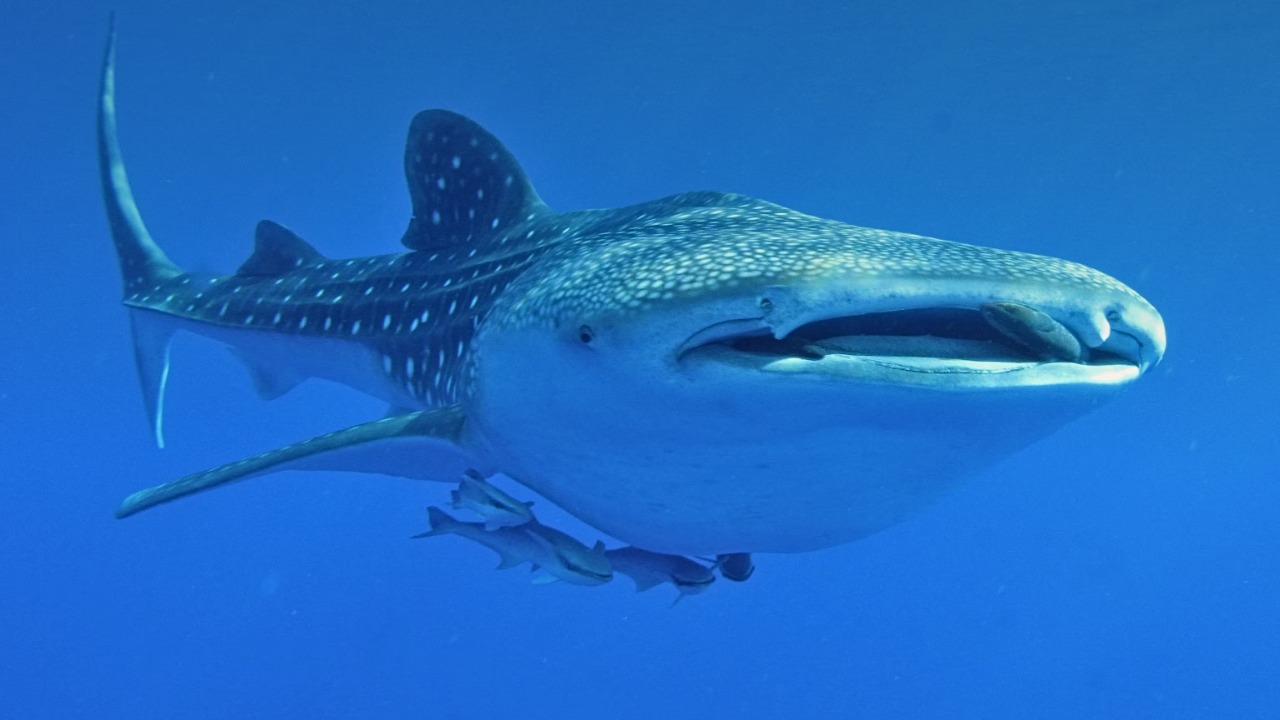
Alex Lindbloom’s Oceans: The Bigger Picture winner ‘Night-Time Catch‘ shows a whale shark investigating a fishing platform’s catch off Papua. The giant fish approaches the nets in the dark.
The picture links one of the ocean’s largest animals with human fishing activity. It shows how wildlife and industry meet at sea, a theme the Oceans category aims to explore. Papua provides the setting, and the whale shark’s investigation of the catch is the central behavior on view.
10. Coyote: Wily Coyotes of San Francisco
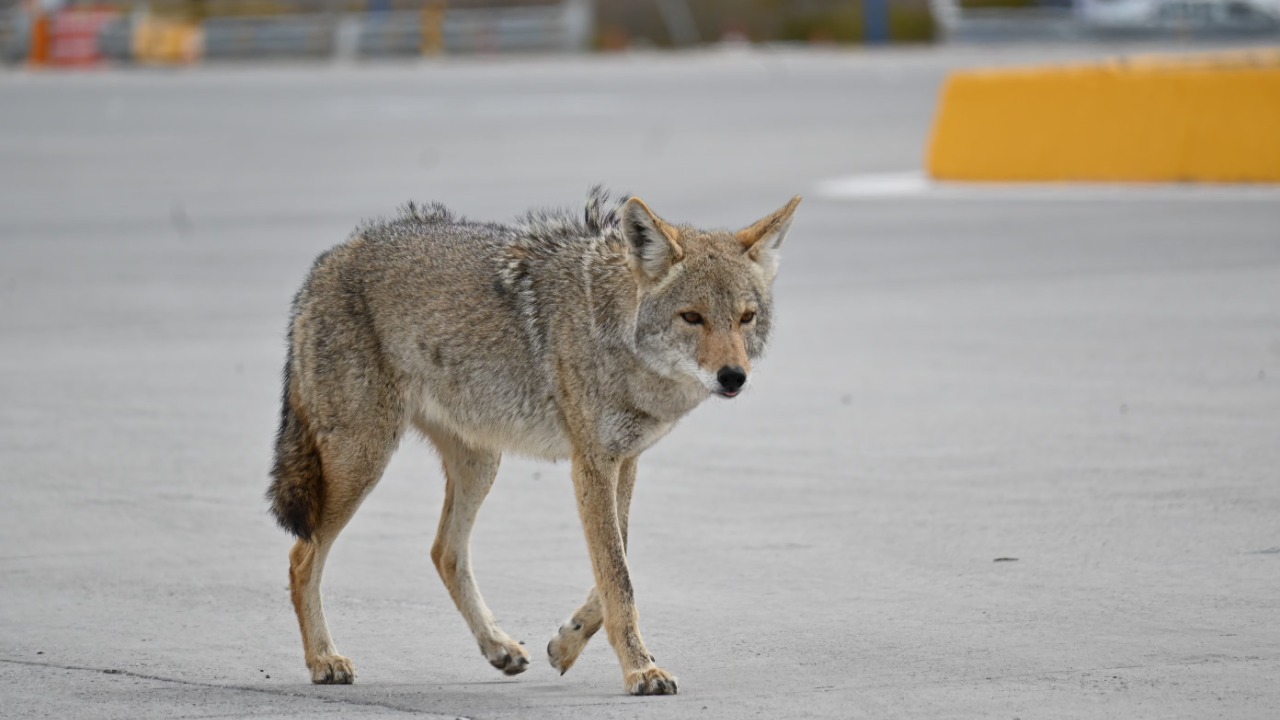
Loren Elliott’s Photojournalist Story Award, ‘Wily Coyotes of San Francisco‘, follows coyotes such as one padding along a trail in Bernal Heights Park. The story looks at wild canids living inside a major city.
Urban coyotes show how adaptable wild animals can be around people. The photo story gives city residents a look at neighbors that they may rarely spot as they pass by on a trail. The story format lets the photographer show several moments, not just one frame, across the coyotes’ lives in the city.
11. Asian water monitor: Supper in Bangkok
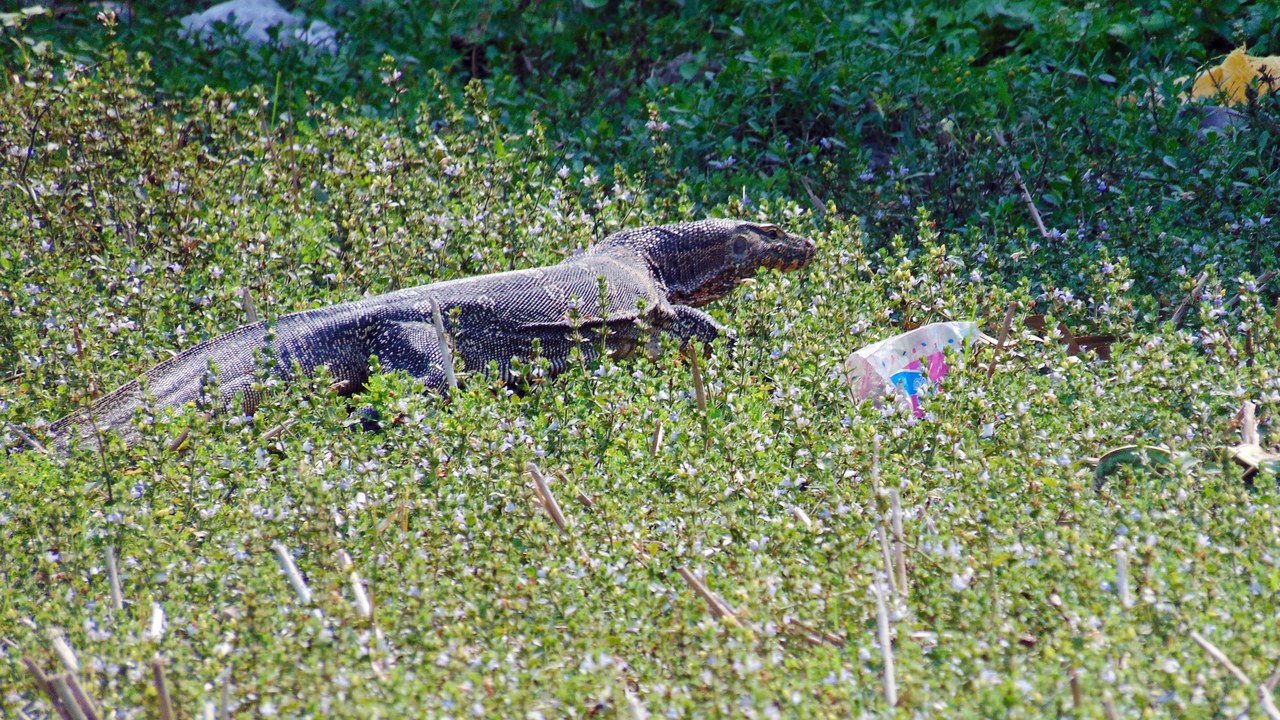
Seth Forestson’s Urban Wildlife winner shows a common water monitor carrying its fish supper in Bangkok’s Lumphini Park. The Asian water monitor is a large lizard, and the scene shows it as a confident city resident.
The image shows that big reptiles live in the middle of Bangkok. It is a reminder that wildlife can flourish in parks, and that green spaces inside a metropolis are important habitat. The monitor carrying a fish also hints at how well the animal finds food in the park.
12. Common carder bee: Hovering in Mid-Air
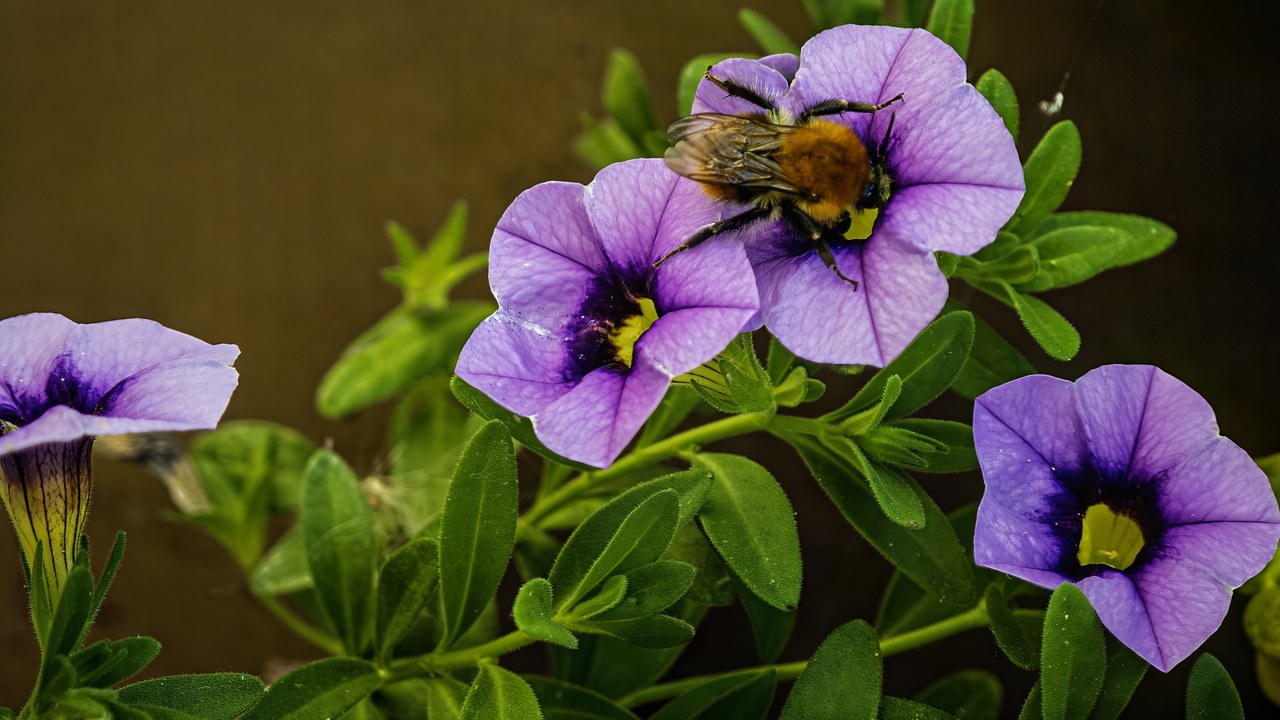
Amelie Davis won the 10 Years and Under category with a common carder bee suspended in mid-air. The photograph freezes the insect in flight, a notable result for the youngest age group.
A winning picture of a bee in flight shows that skill with a camera is not limited by age. The common carder bee is a familiar garden visitor, and the category is for entrants aged ten and under.
13. Common blackbird: Song in the Vineyard
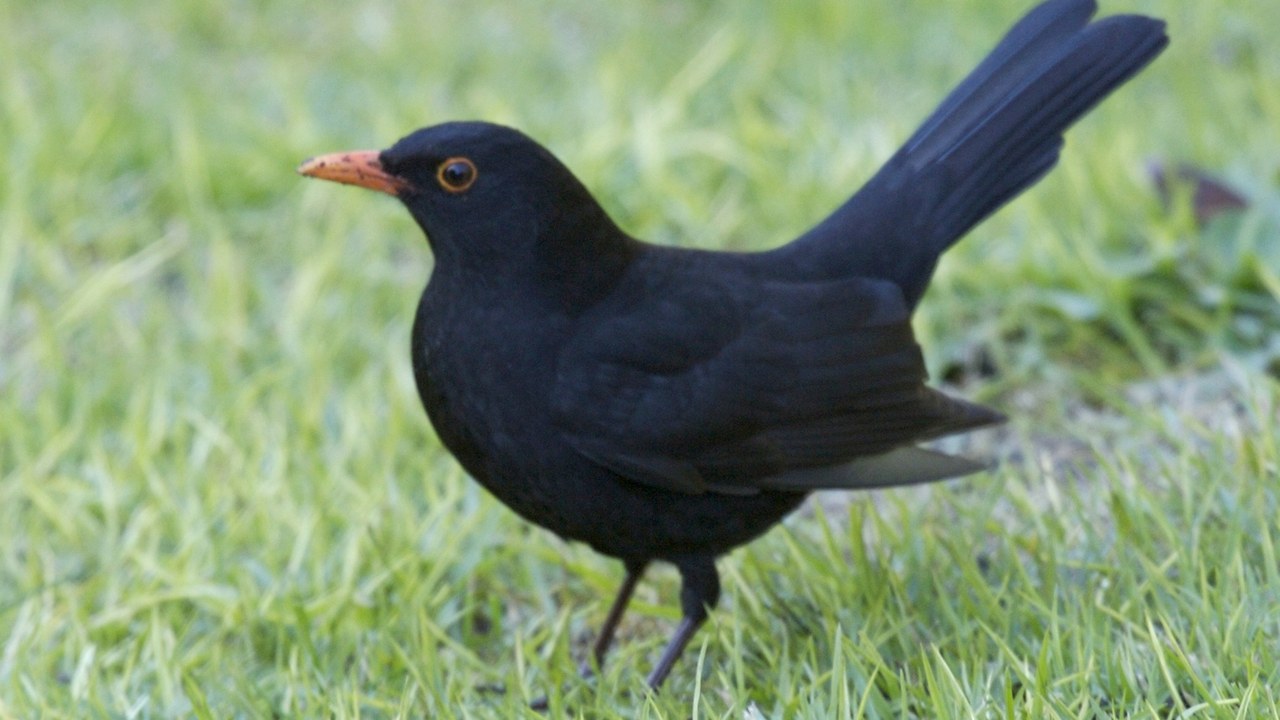
Konrad Gräeter won the 15–17 Years category with a male blackbird singing in a vineyard. The common blackbird appears mid-song in a working agricultural landscape.
The result shows how ordinary birds in ordinary places can make award-winning pictures. A singing blackbird is familiar to many people, and the vineyard setting gives it a distinctive backdrop. The category is for entrants aged 15 to 17, so the win recognizes a teenage photographer’s eye for a familiar bird.
Save more, waste less: Subscribe to The Cool Down →
We may earn a commission if you sign up.
More from Morning Overview
- Doctors warn a silent liver disease now affects one in three American adults
- The FBI told the rest of ShinyHunters to surrender after a 24-year-old was arrested
- Two passengers died at an Ohio toll plaza, and the NTSB now wants the cash lanes shut
- Long use of a common prostate pill is tied to a higher chance of glaucoma
