
Some of the animals that look gentlest in photographs are the ones that cause the most trouble in person. Size, speed, claws, teeth and territorial instincts turn several apparently placid species into real hazards. Here are twelve animals whose calm appearance hides a much rougher side, drawn from the reporting in the sources.
AI, explained every day: The Deep View is the go-to daily newsletter for 600,000+ founders, knowledge workers and professionals who want to stay up to date with artificial intelligence.
We may earn a commission if you sign up.
1. Hippopotamus: The River Heavyweight
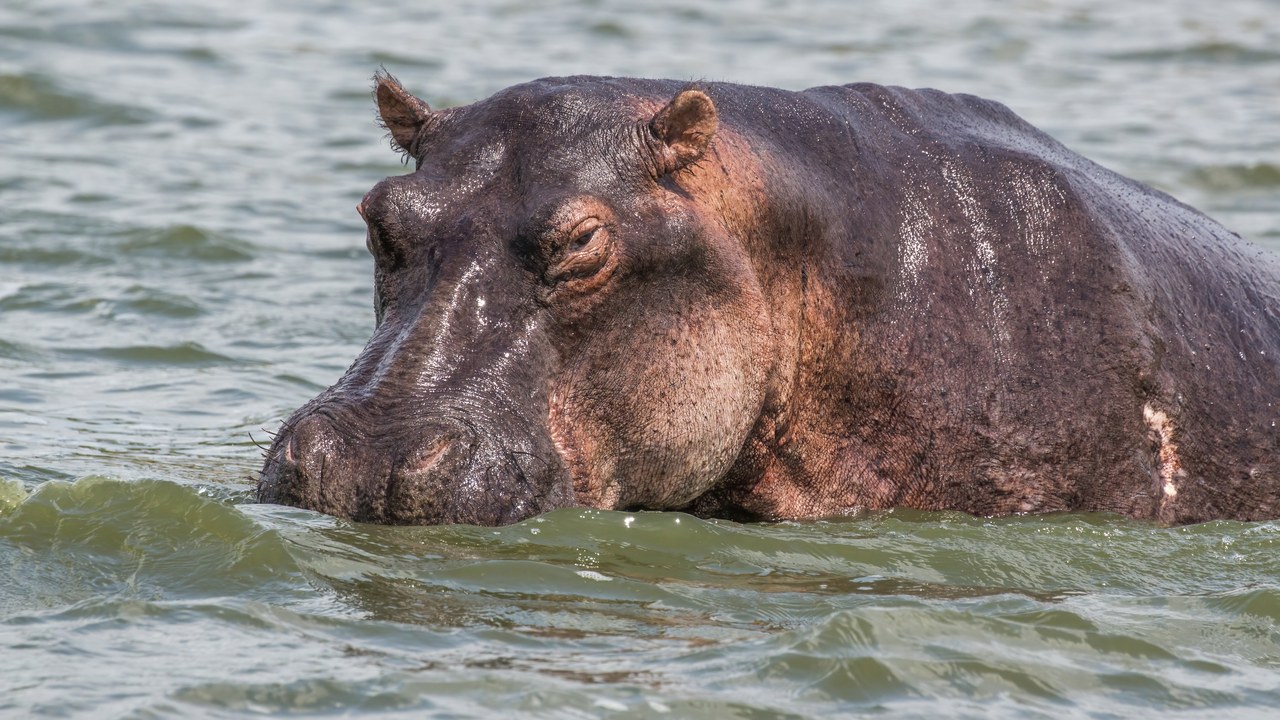
Hippos kill more people each year than lions, tigers or bears, according to a list of surprisingly violent animals from Mental Floss. The animals can grow to 10,000 pounds and reach 30 mph on land.
The speed figure matters most, since a person on foot cannot outrun a hippo that has decided to charge. The sleepy, round look of the animal is a poor guide to what it can do, especially near the water it calls home.
2. Moose: The Biggest Deer
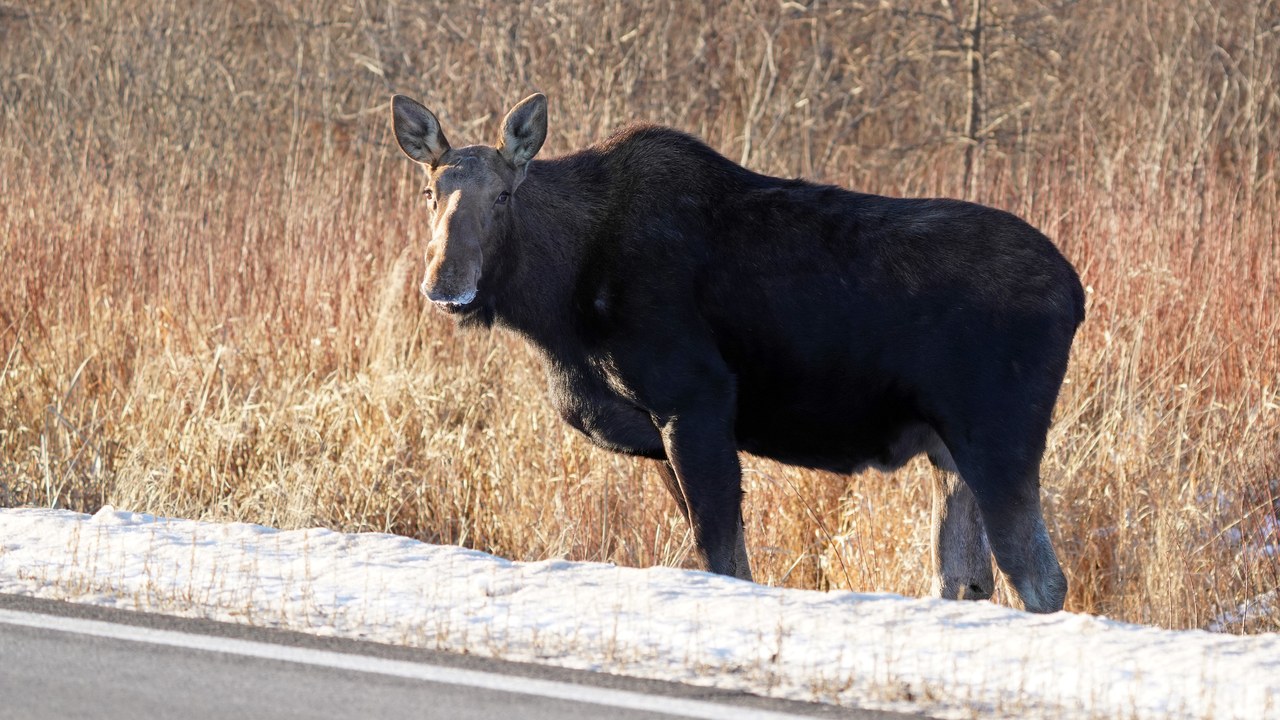
Adult bulls weigh close to 1,000 pounds, and a Yellowstone wildlife expert calls moose ‘probably the most aggressive’ animal in the park, in reporting on the most dangerous Yellowstone animals. The remark carries weight given the park’s long list of large wildlife.
The moose tends to look awkward and mild while grazing. Visitors who keep a wide distance avoid problems that come from an animal of that weight deciding to act on its irritation, which can happen with little warning.
3. American bison: Yellowstone’s Top Injurer
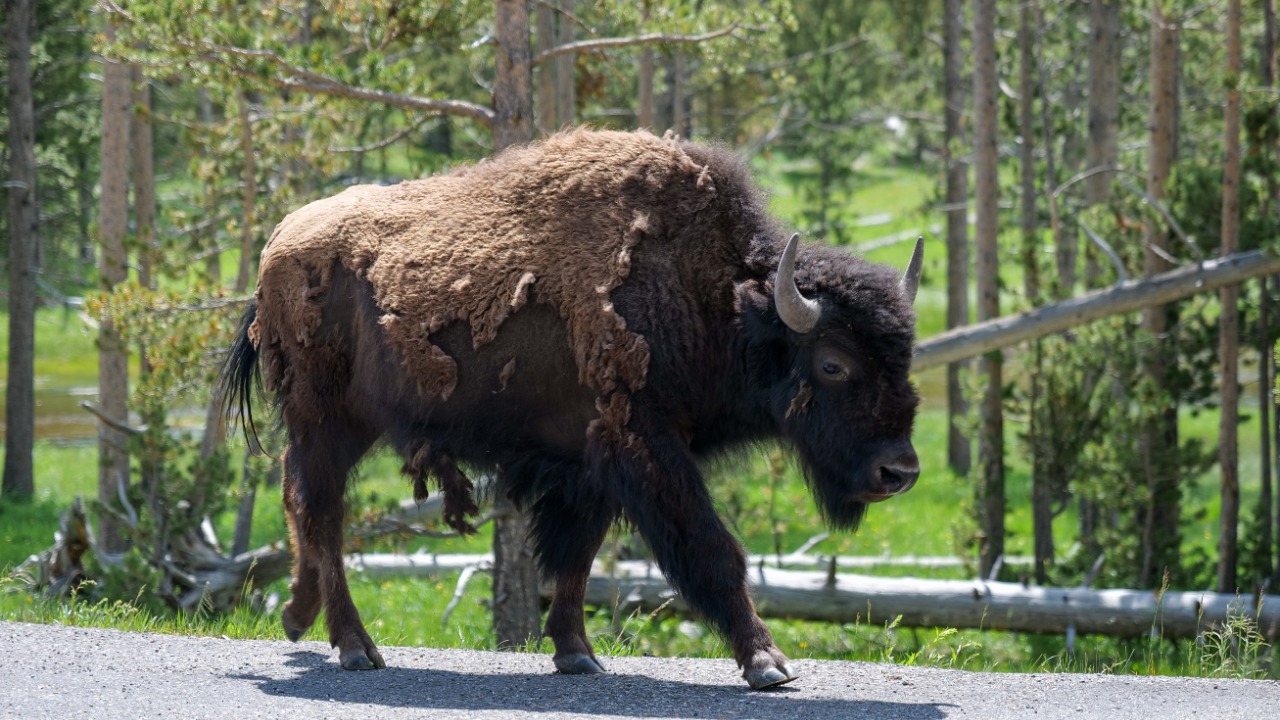
Yellowstone’s bison have injured more people than any other animal there: 25 people from 2000 to 2015, and they can hit 35 mph, according to a Newsweek report on the park. The figures come from reporting on the park’s most dangerous wildlife.
Bison often graze calmly near roads and boardwalks, which encourages visitors to approach for photos. The injury record shows that the calm look is not a reliable sign of safe behavior, and that distance is the best protection.
4. Elk: Rut-Season Trouble
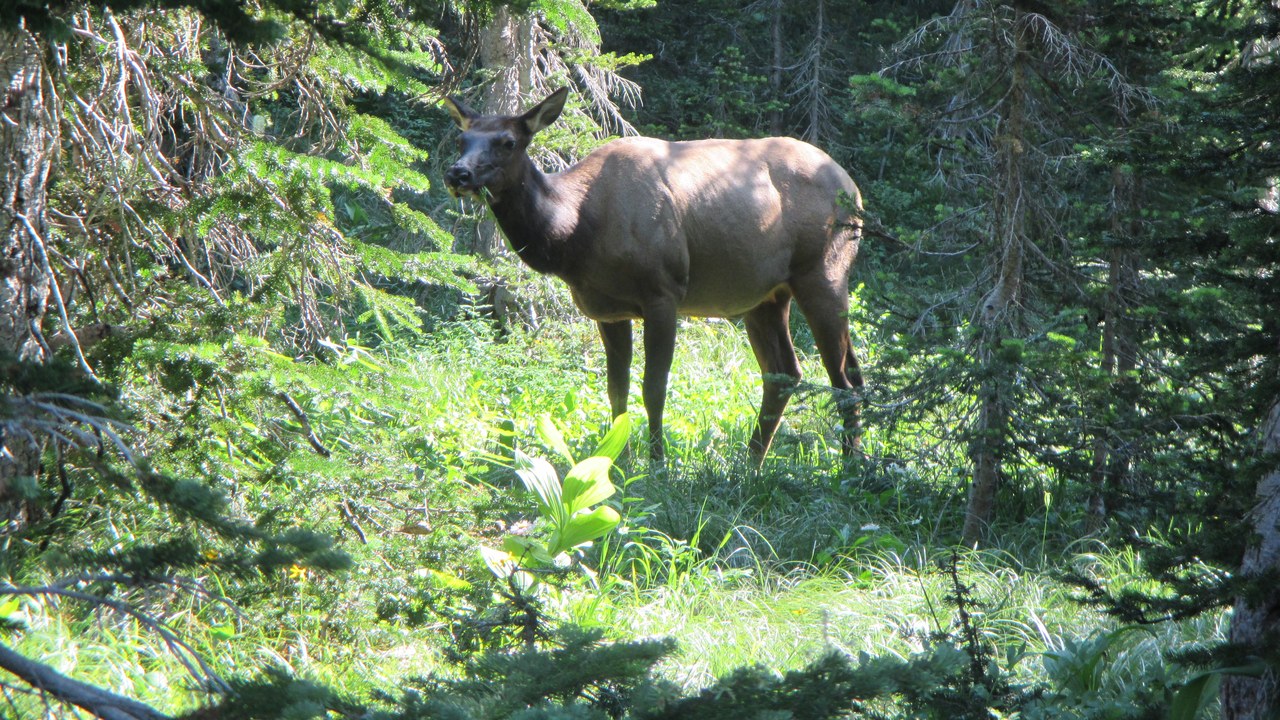
Bull elk can weigh 700 pounds and turn very aggressive during the September-October rut, when they crowd Mammoth Hot Springs, Newsweek reported. The seasonal behavior makes the fall a particularly sensitive time for anyone visiting the park.
Visitors who happen to be in the area in autumn can find large males close to buildings and walkways. Giving them extra space is the practical response to an animal driven by breeding season, and it protects both the people and the elk.
5. Southern cassowary: The Bird With Blades
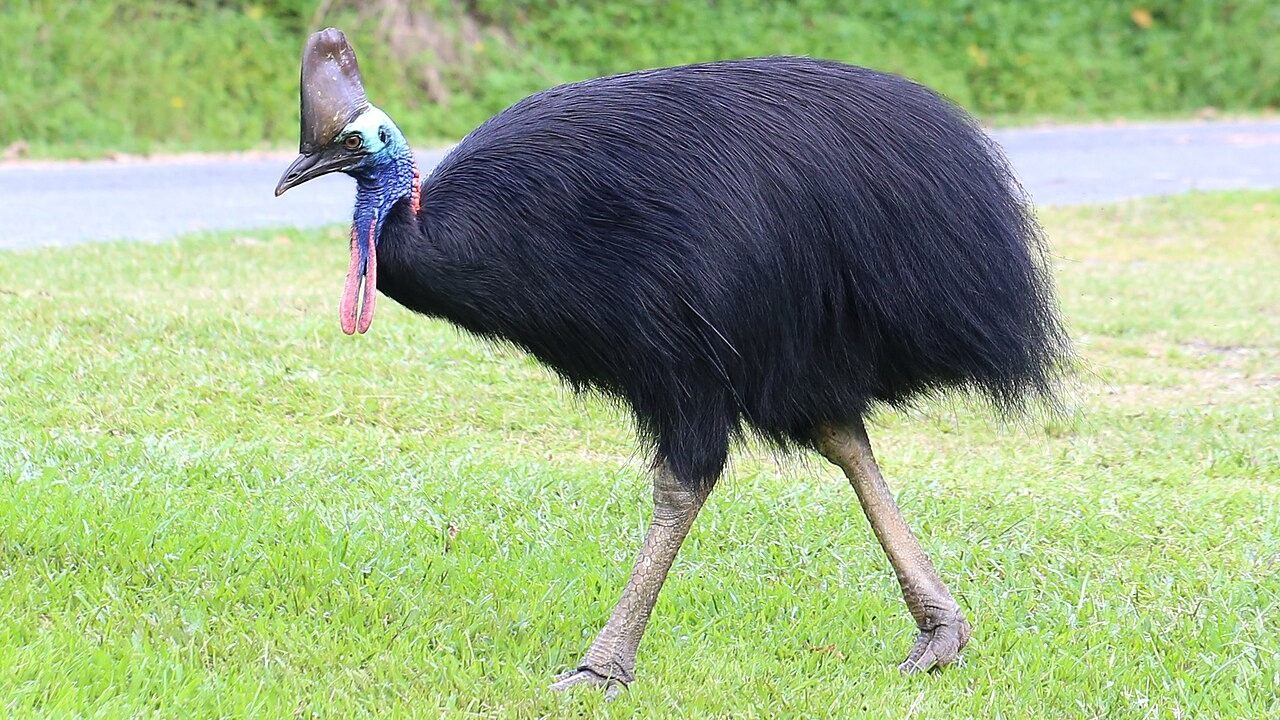
The southern cassowary stands up to 5.5 feet tall, can leap 7 feet off the ground and carries a 5-inch razor-sharp claw on each foot, per the National Zoo profile. The claws are the feature that gives this list its headline bird.
A large flightless bird may look harmless, but its feet are its weapons. The measurements make it clear why the cassowary has a reputation that matches the numbers rather than its odd, colorful appearance.
6. White-tailed deer: America’s Deadliest Animal
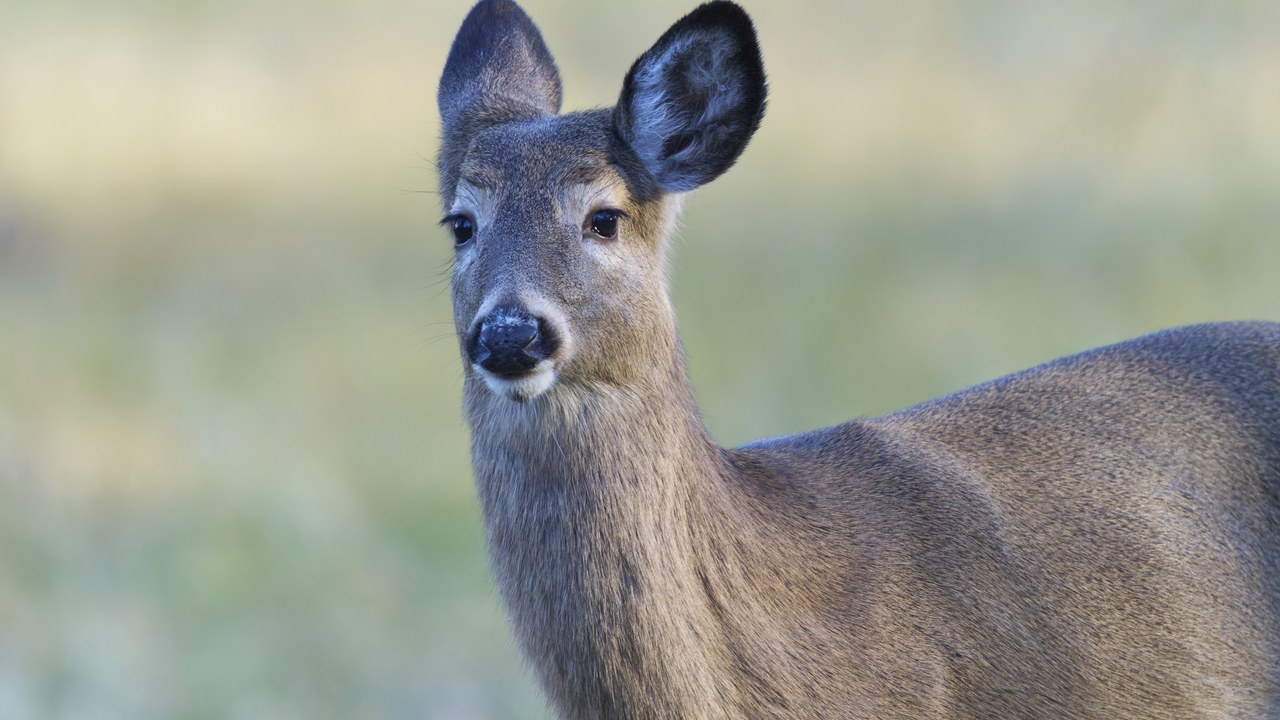
Deer have been ranked the deadliest animal in America, linked to an average of 120 human deaths a year, mostly through car collisions, a CBC story reported. The danger comes largely from the road rather than from attacks.
Few animals look gentler than a white-tailed deer. The figure shows that risk can come from a calm, graceful animal simply by being in the wrong place at the wrong time for a driver, especially when it steps onto a road.
7. Mute swan: The Territorial Swan
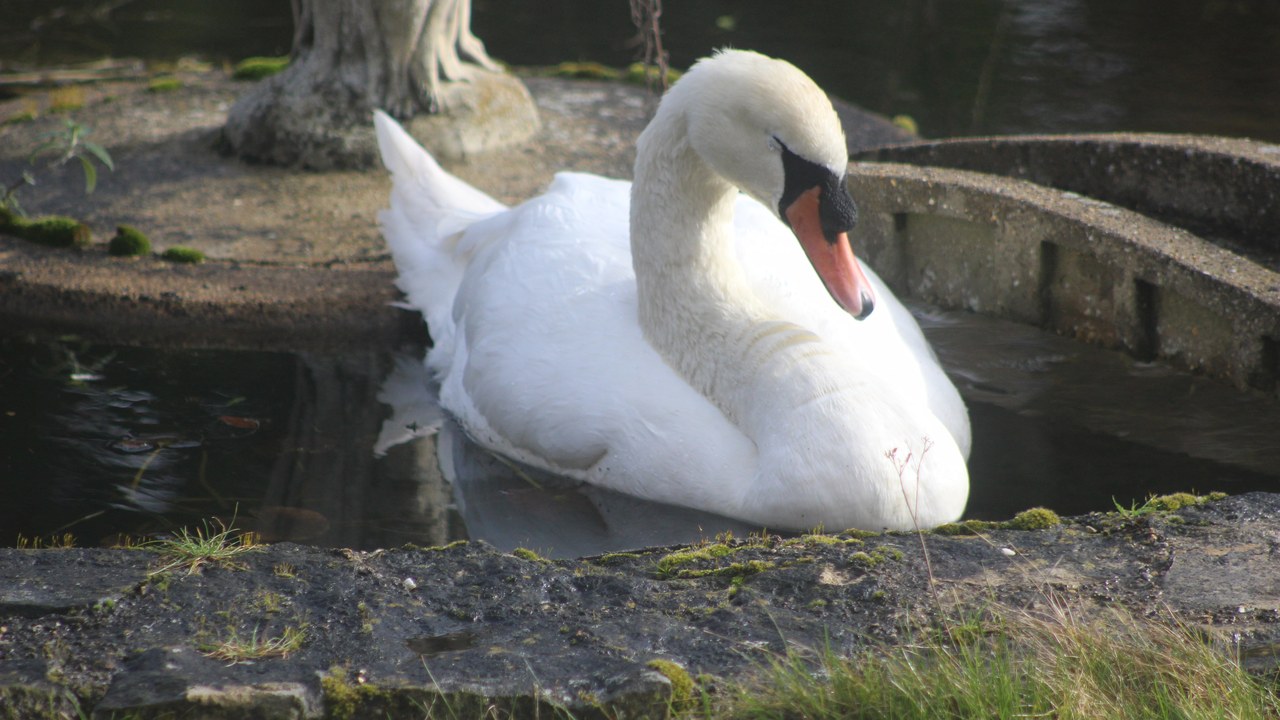
Nesting swans turn territorial, with wings spanning over 2 meters; in 2012 a Chicago man drowned after a swan capsized his kayak, as a CBC report recounts. The mute swan’s elegant look hides a protective streak during the breeding period.
Anyone paddling or walking near a nest is a potential target. The 2012 incident is a reminder that a bird often seen as a symbol of grace can be a genuine hazard on the water, particularly for small boats.
8. Beaver: Nature’s Lumberjack
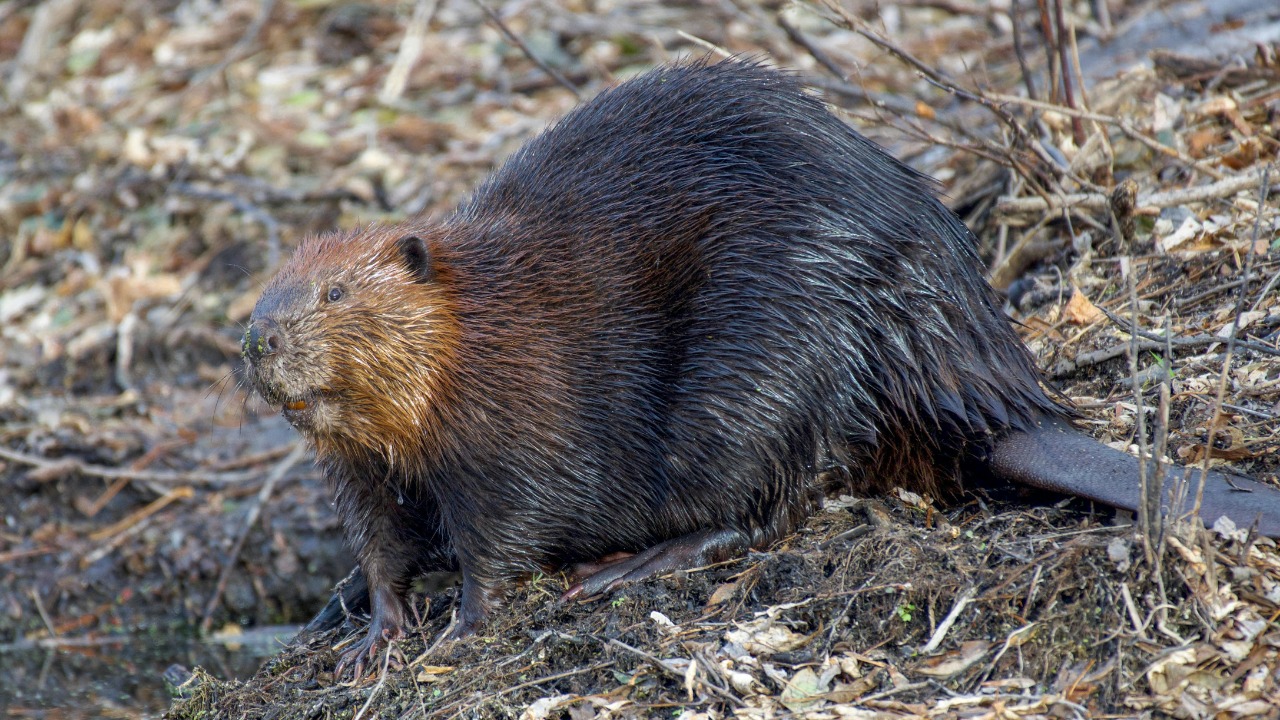
The world’s second-largest rodent defends its territory with ever-growing, ultra-sharp teeth; a man in Belarus died from beaver bite wounds, according to the CBC list. The beaver’s gnawing equipment is also a defensive weapon, and the animal is well armed for it.
The animal looks like a furry, industrious builder. The same teeth that fell trees can cause severe harm, which is why it is wise to keep a respectful distance and never try to handle a wild one.
9. Giant anteater: Ten-Centimeter Claws
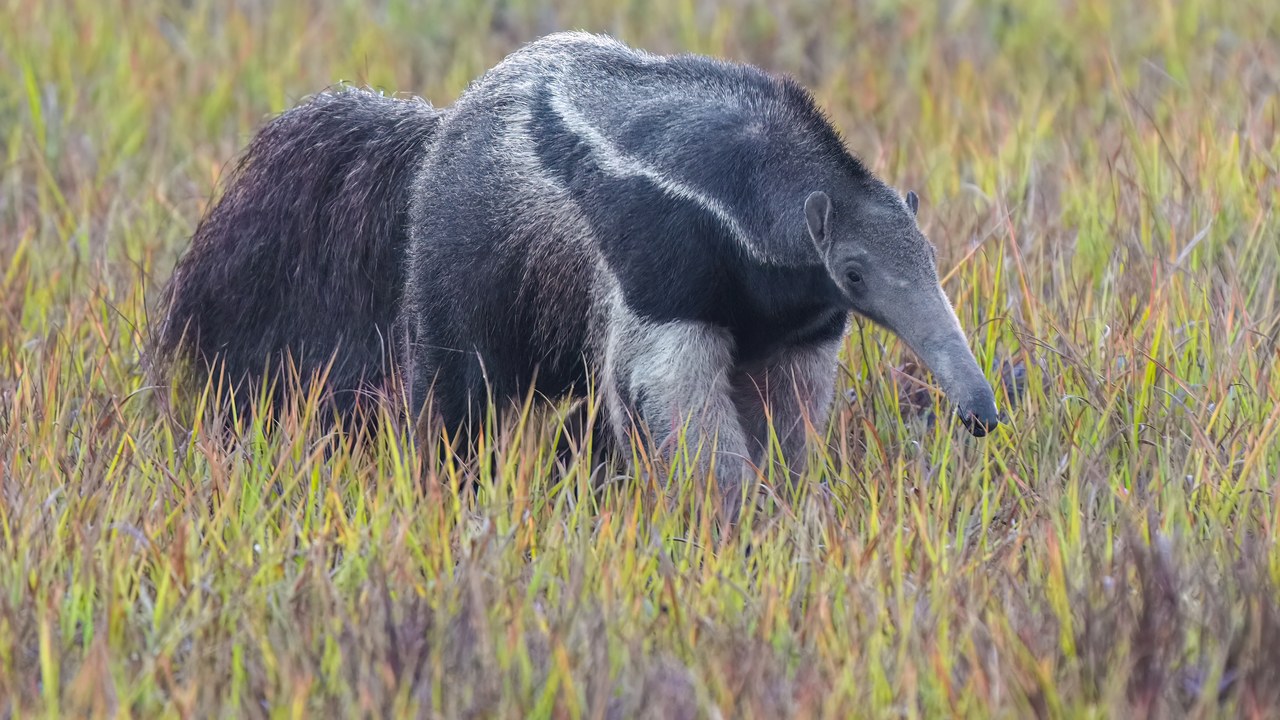
The giant anteater defends itself with 10-centimeter claws strong enough to ward off pumas and jaguars, as the CBC article notes. The long claws are the main protection for an animal that looks mild.
With its long snout and shaggy tail, the anteater looks docile and slow-moving. Those claws show why even large predators think twice about an attack, and why a human approaching one would be asking for trouble.
10. Koala: Sleepy but Not Harmless
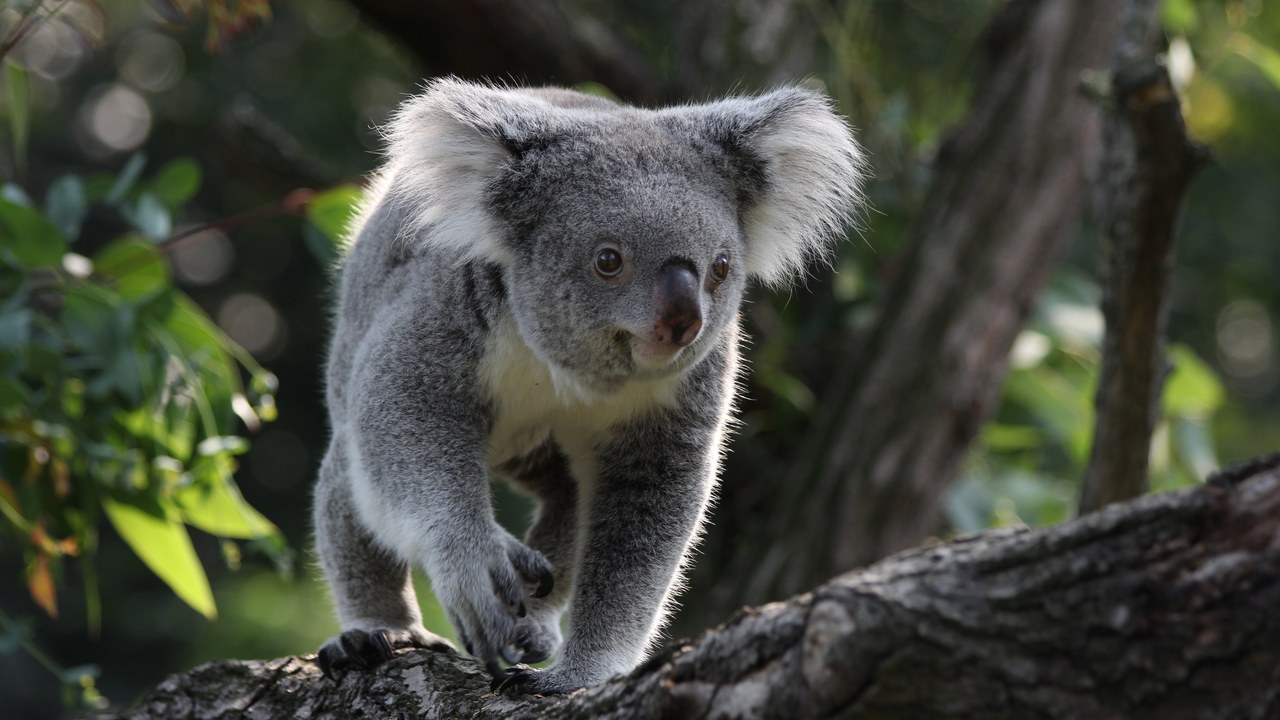
Usually asleep or eating up to 22 hours a day, koalas have attacked dogs and even humans, including a woman bitten in December 2014, per the Mental Floss feature. The koala’s cuddly look gives a misleading impression of a mellow animal.
The long hours of rest make the koala seem sleepy and harmless. The attacks show that a stressed koala can still bite, and that wild marsupials deserve to be left alone rather than handled for the sake of a photograph.
11. Slow loris: Venom in the Elbows
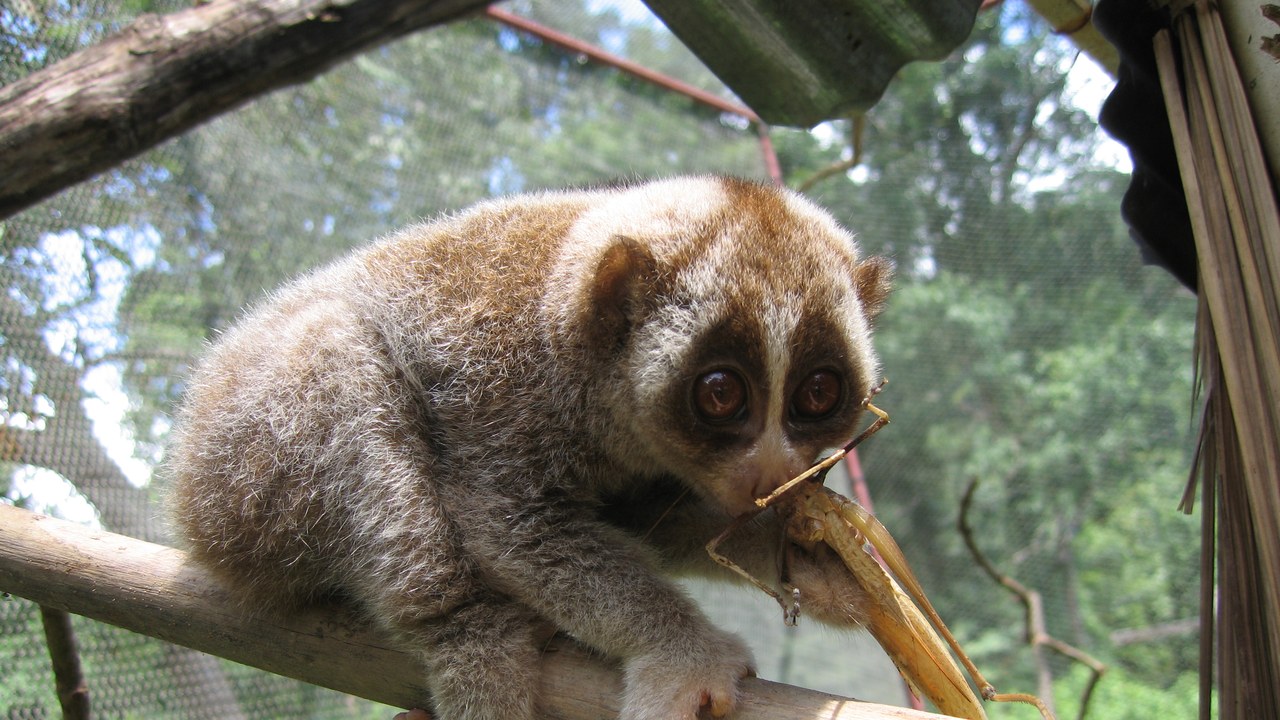
The slow loris has venomous elbow glands and can lick the toxin into its mouth; loris bites have sent people to hospital in anaphylactic shock, according to Mental Floss. The large-eyed primate is one of the few venomous mammals on any list.
Its wide eyes and slow movements make the loris a popular subject online. The venom detail is a strong argument against treating one as a photo prop, since the animal has a chemical defense that can seriously harm people.
12. Bottlenose dolphin: The Smiling Predator
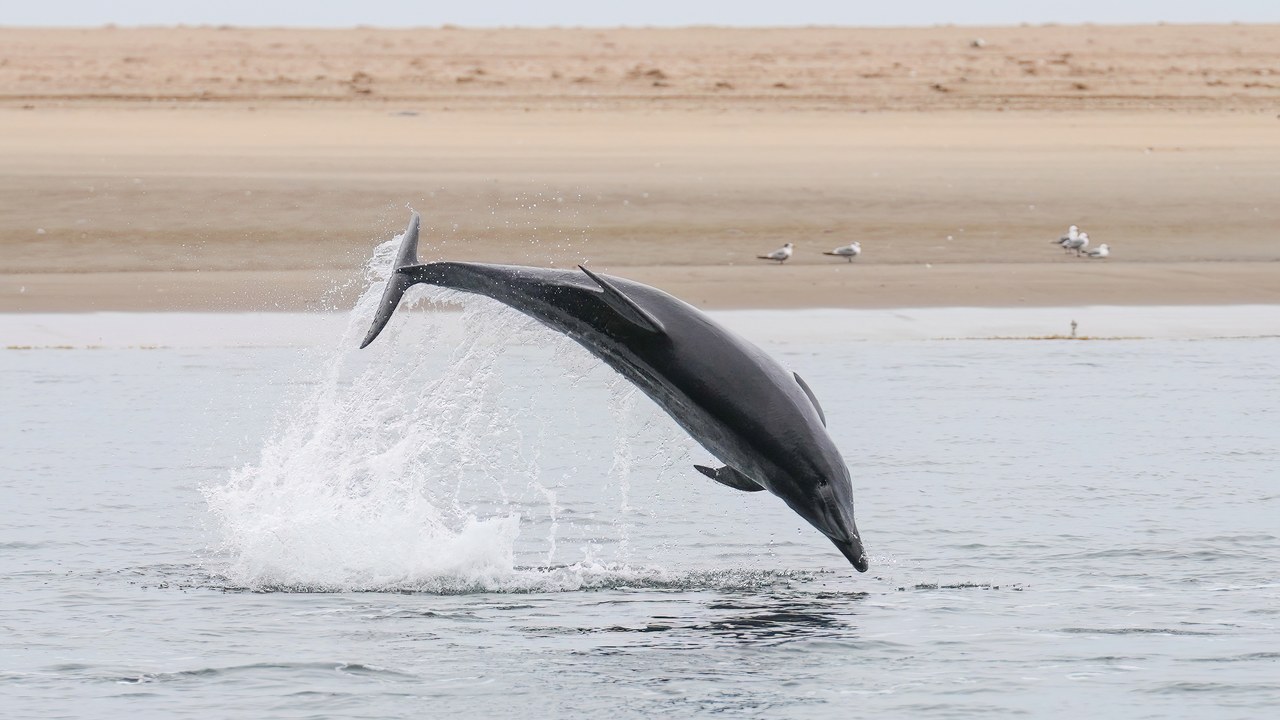
Since the 1990s researchers have found hundreds of porpoises and baby dolphins washed up dead, killed by male dolphins, as the Mental Floss list reports. The behavior is documented in reporting on animals with a deceptively friendly image.
The bottlenose dolphin’s fixed smile suggests friendliness. The finding is a reminder that wild animals follow their own social rules, regardless of the impression created by their faces, and that appearances say little about behavior.
AI, explained every day: Get The Deep View →
We may earn a commission if you sign up.
More from Morning Overview
- The FBI told the rest of ShinyHunters to surrender after a 24-year-old was arrested
- Two passengers died at an Ohio toll plaza, and the NTSB now wants the cash lanes shut
- Long use of a common prostate pill is tied to a higher chance of glaucoma
- Ford is recalling 223,472 F-150 pickups because the fuel tank can leak or detach
