
Automakers spent the last two decades replacing the transmission dipstick with a sealed case, a plug, and sometimes a scan tool, arguing that factory fluid should outlast the vehicle. The change cuts a maintenance step but also removes the easy visual check that once caught a slipping gearbox before it failed expensively. Here are eleven cars whose transmissions ask an owner to trust the seal instead of pulling a stick.
1. Ford F-150 of the 10-speed era: A Plug, Not A Tube
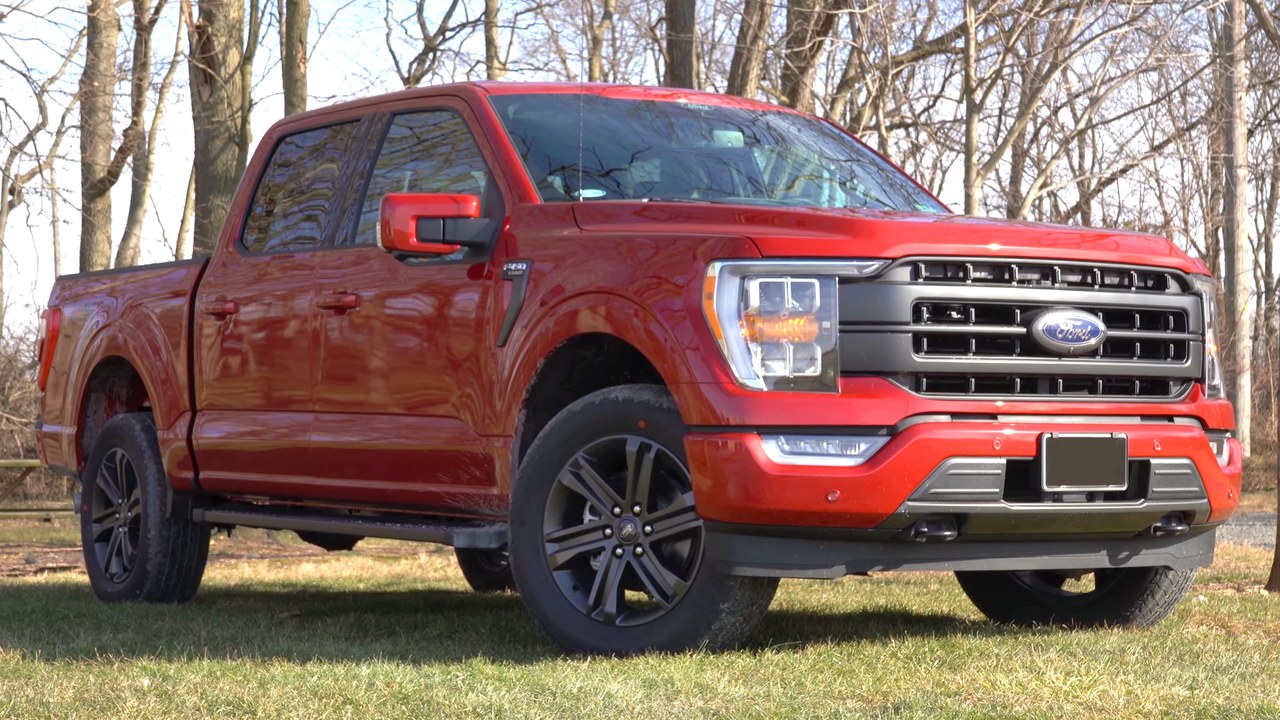
The 10-speed F-150’s transmission is the 10R80, a joint Ford-GM design that ditched the traditional dipstick tube in favor of a fill plug on the case itself. Checking the level means removing the plug at a specified temperature and letting excess fluid drain, not pulling a stick and reading a mark.
Ford maintains the unit is filled for extended service, but the procedure still requires a lift and a thermometer, not a glance under the hood. Owners who want peace of mind typically rely on a dealer or an independent shop with the scan-tool procedure rather than checking it themselves.
2. Chevrolet Silverado with the 8L90: Sealed Eight-Speed, Check Plug Only
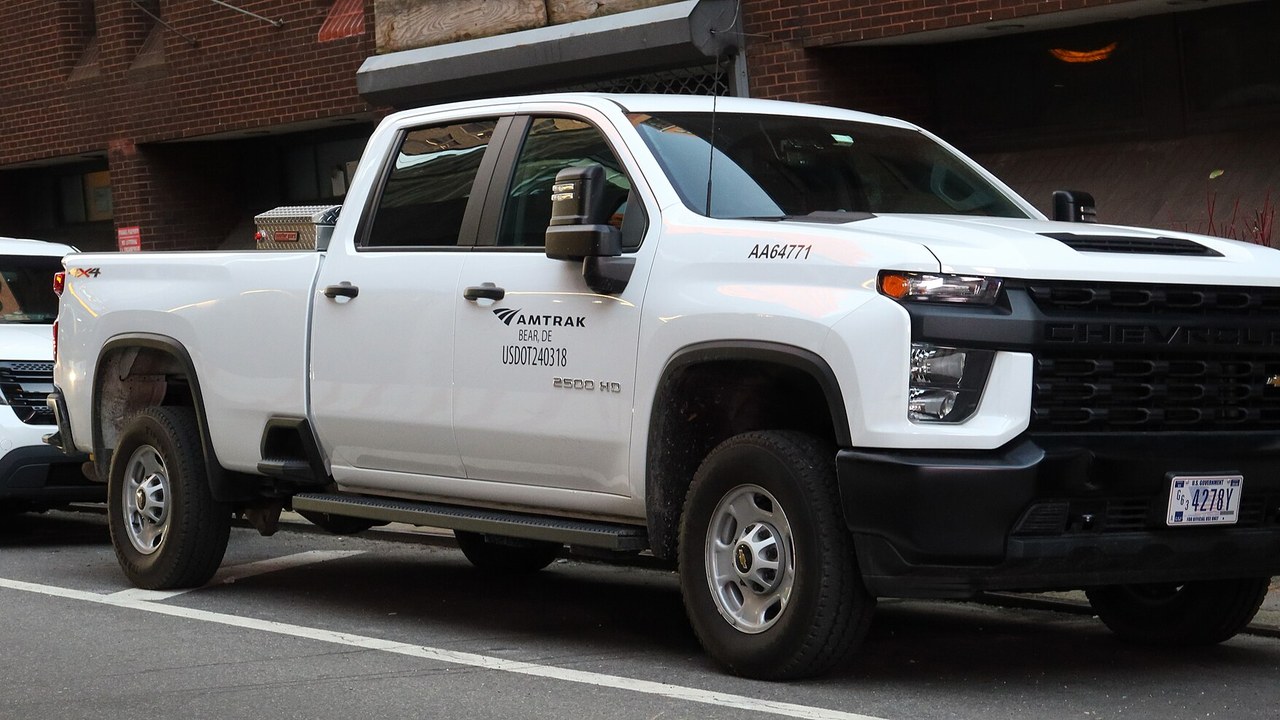
The Silverado’s 8L90 gearbox is General Motors’ heavy-duty eight-speed automatic, built as a sealed unit with a check plug on the side of the case rather than a dipstick under the hood. GM classifies the fluid as a lifetime fill under normal use, so there is no scheduled interval printed in the owner’s manual.
That does not mean the fluid never needs attention. Trucks used for towing or heavy hauling run the transmission hotter, and many independent shops recommend a fluid and filter service around 100,000 miles regardless of what the factory schedule implies, checked through the plug with the truck level and at operating temperature.
3. BMW 3 Series with the ZF 8HP: BMW Called It Lifetime Fluid
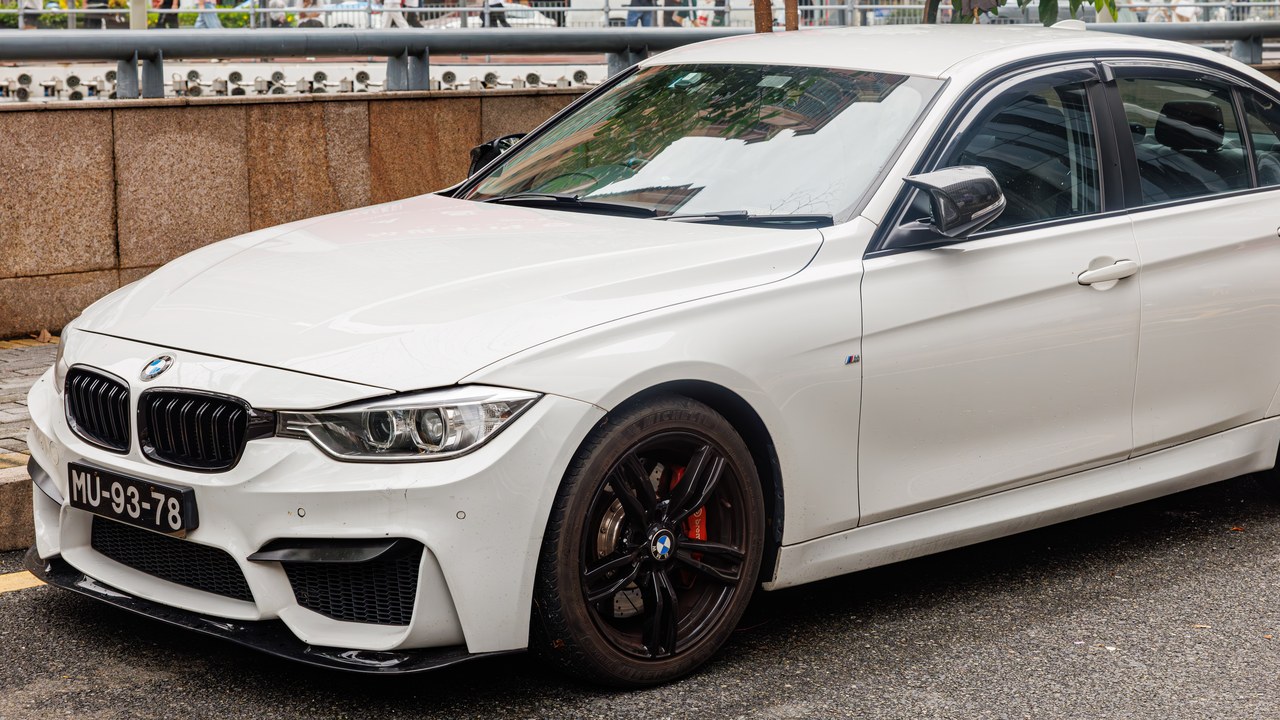
BMW’s ZF 8HP eight-speed arrived on the 3 Series with no dipstick at all, a deliberate choice by ZF and BMW to label the fluid a lifetime fill and delete the traditional check point. Service is done through a fill plug and a temperature-controlled overflow procedure at a shop, not a stick pulled from under the hood.
Independent transmission specialists widely dispute the lifetime label, pointing out that the fluid still breaks down with heat and mileage. Many recommend a service around 60,000 to 80,000 miles even though BMW’s own maintenance schedule does not call for one.
4. Chrysler 300 with the ZF 8HP: Same ZF Box, Rear-Drive Chrysler
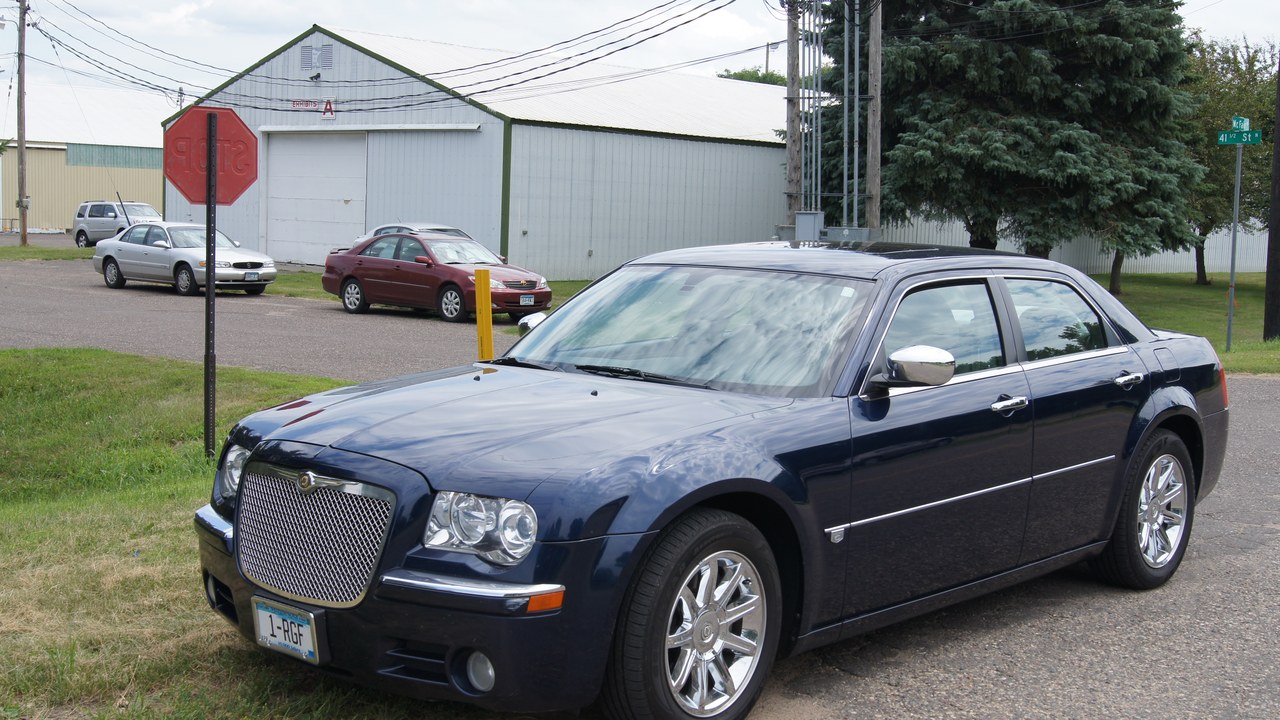
Chrysler put the same ZF 8HP eight-speed found in BMWs into the rear-drive 300, and it carries the identical sealed design: a fill plug, no dipstick, and a factory fluid rated for extended service. The transmission shares its architecture with Jeep and Ram products that use the same ZF-sourced unit.
Because the 300 is often driven with a trailer or a heavier load than a European sedan, some technicians treat the ZF box more conservatively than BMW does, suggesting a fluid change well before the fluid would be expected to fail outright.
5. Jeep Grand Cherokee with the 8HP: Checked With A Scan Tool
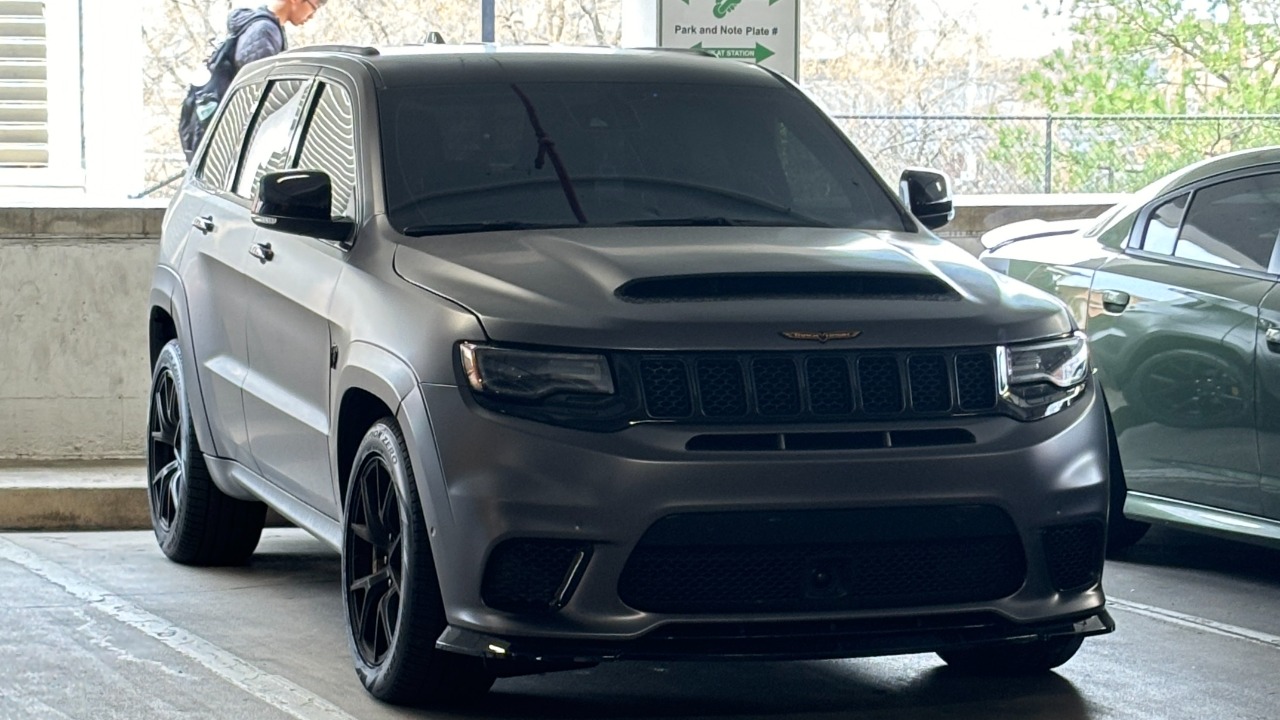
The Grand Cherokee’s eight-speed automatic is another ZF 8HP application, sealed for life according to Jeep’s own service literature and checked with a scan tool reading transmission temperature rather than a dipstick. The fill point is a plug accessed from underneath the vehicle.
Off-road and towing use both push the fluid harder than city driving, which is why some Jeep owners have a shop verify the level and condition on a schedule of their own choosing rather than wait for a warning light.
6. Volkswagen Golf with the DSG: A Fill Plug And A Service Interval

Volkswagen’s dual-clutch DSG transmission in the Golf uses a fill plug and a specified service interval instead of a dipstick, since the dual-clutch design has no traditional pan to check by hand. The company publishes a mileage-based fluid and filter change in its maintenance schedule.
That scheduled interval is one reason the DSG is considered less risky long-term than a true lifetime-fill automatic: Volkswagen does not claim the fluid lasts forever, it simply moved the check point from a stick to a shop visit.
7. Audi A4 with the S tronic: Audi’s Dual-Clutch, Same Sealed Logic

Audi’s S tronic gearbox in the A4 is built on the same dual-clutch approach as Volkswagen’s DSG, sharing the sealed case, the fill plug, and the absence of a dipstick. The two brands source closely related hardware from the same corporate parent.
Audi’s published service interval mirrors Volkswagen’s, though owners who use the A4 for spirited driving or track days sometimes shorten the interval on their own, since heat cycling ages dual-clutch fluid faster than gentle daily commuting does.
8. Mercedes-Benz E-Class with the 9G-Tronic: A Level Check At Temperature
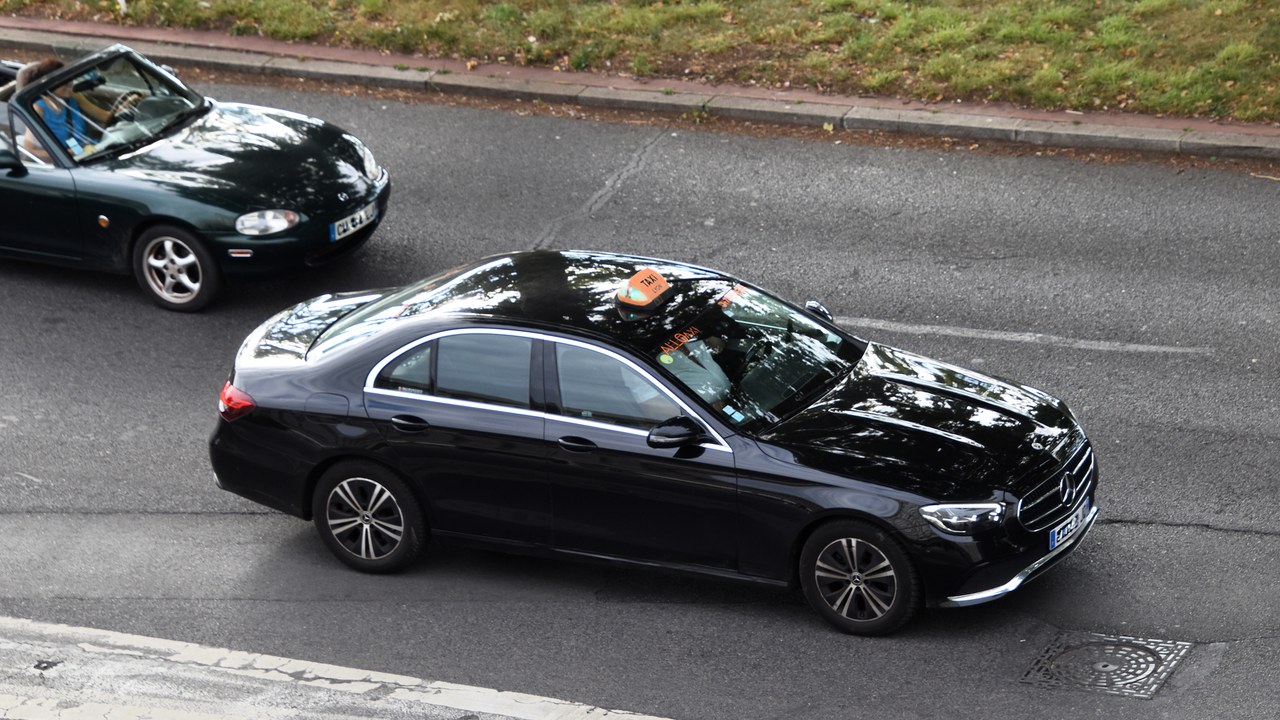
Mercedes-Benz’s 9G-Tronic nine-speed replaces the dipstick with a level-check procedure performed while the fluid sits at a specific operating temperature, verified through a plug rather than a stick. The nine-speed design was the first of its kind in a mainstream passenger sedan when it launched.
Because the check depends on precise temperature, it is not something most owners can do reliably in a driveway, which pushes E-Class maintenance toward the dealer or a specialist shop equipped with the right tools.
9. Honda Accord with the 10-speed: Honda’s Own Ten-Speed, Checked At A Plug

Honda engineered its own 10-speed automatic for the Accord rather than buying one from ZF or Aisin, and it follows the same sealed philosophy: a check plug on the case, no dipstick tube, and a fluid Honda rates for extended service under normal conditions.
Honda’s maintenance minder system tracks driving conditions and will call for a transmission service when its algorithm decides the fluid has degraded, effectively replacing a visual check with a computed one based on how the car has actually been driven.
10. Toyota Camry with the Direct Shift-8AT: Toyota’s Move To A Sealed Eight-Speed

Toyota’s Direct Shift-8AT in the Camry dropped the dipstick that older Toyota automatics still used, moving to a sealed case and a fill plug like most of its modern rivals. Toyota classifies the fluid as filled for life under the vehicle’s normal maintenance schedule.
Toyota’s reputation for reliability gives some owners confidence in that claim, but the transmission still depends on a technician pulling the plug and confirming the level is correct, a step that a dipstick used to let a driver do in a parking lot.
11. Nissan Rogue with the Xtronic CVT: A Sealed CVT That Still Wears

The Rogue’s Xtronic CVT has no dipstick and no traditional gear sets, but Nissan’s continuously variable design still relies on a belt and pulley system bathed in fluid that degrades with heat and mileage. The level is checked through a plug, not a stick.
Nissan’s CVTs have a documented history of premature failure, which makes the sealed, no-dipstick design more consequential than on a conventional automatic: an owner has less visibility into fluid condition on a transmission that has already shown itself failure-prone.
More from Morning Overview
