
Sticker price is only the opening bid on a car; insurance, fuel, repairs and depreciation decide what ownership actually costs. The models that win on that longer math tend to be high-volume, mechanically conservative and cheap to feed parts to. Here are twelve cars whose total cost of ownership stays low well past the showroom.
1. Toyota Corolla: The Volume Discount
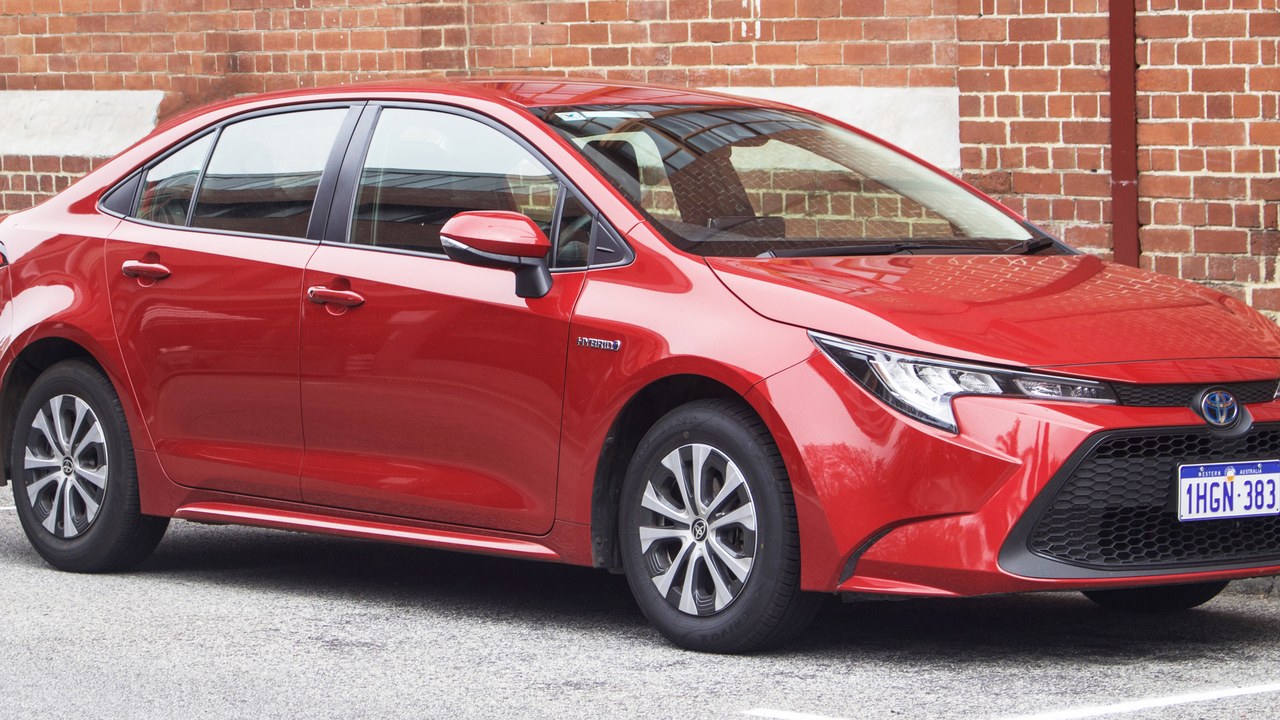
Scale is the Corolla’s first cost advantage. Toyota has sold more than 50 million since 1966, making the best-selling nameplate in automotive history the default job on almost every independent lift in the country. Parts are stocked everywhere, labor times are well understood, and a car this common rarely surprises an insurer, which is how a compact sedan ends up cheap to buy, insure and repair at once.
The trade-off is temperament: Corollas are tuned for durability rather than drama. The payoff arrives quietly, in repair bills that stay predictable long after flashier compacts have started costing real money.
2. Honda Civic: Resale That Refuses To Slide
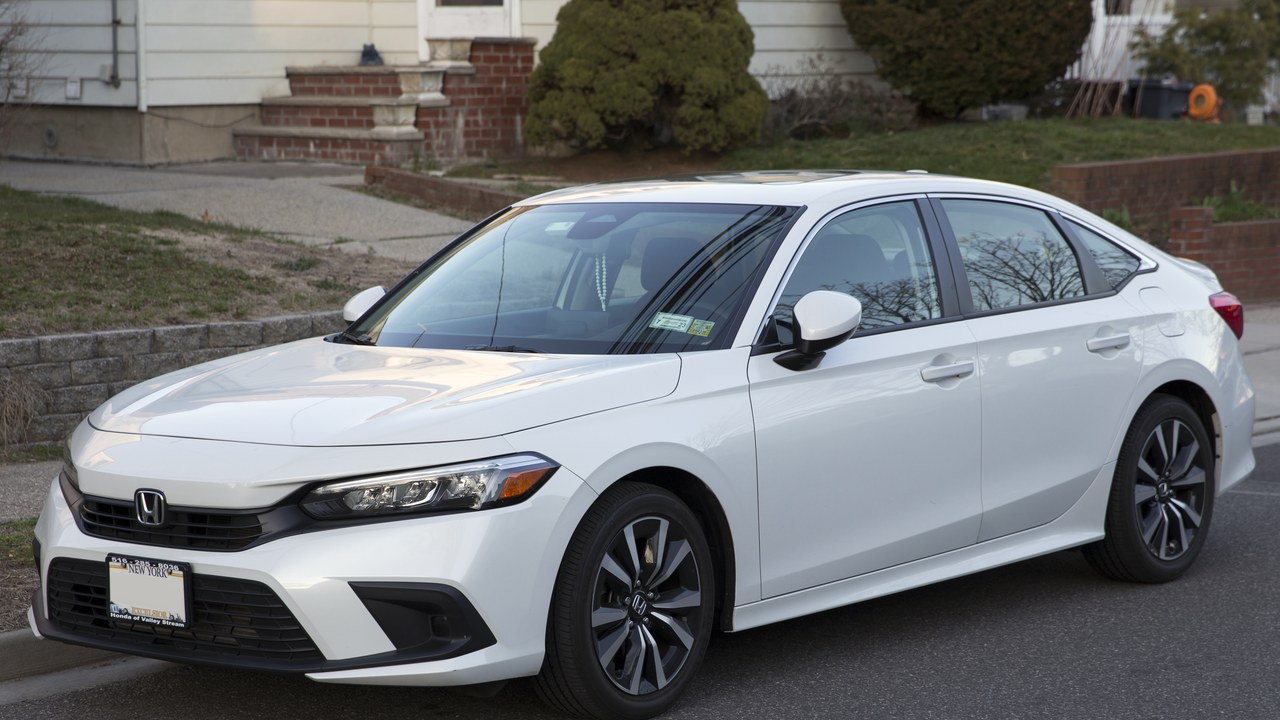
Depreciation does the quiet damage in most ownership budgets, and the Civic resists it. Honda has built the compact Honda nameplate continuously since 1972 and is now on its eleventh generation, a lineage that keeps demand for used examples steady and trade-in values firm. Maintenance follows the same pattern: conventional engines, widely stocked parts and service intervals that rarely produce a shock.
Worth noting is that the sportier Si and Type R variants sit outside that thrifty logic, carrying higher insurance and tire costs. The ordinary sedan and hatchback are where the low-running-cost case actually lives.
3. Toyota RAV4: The Crossover That Sips
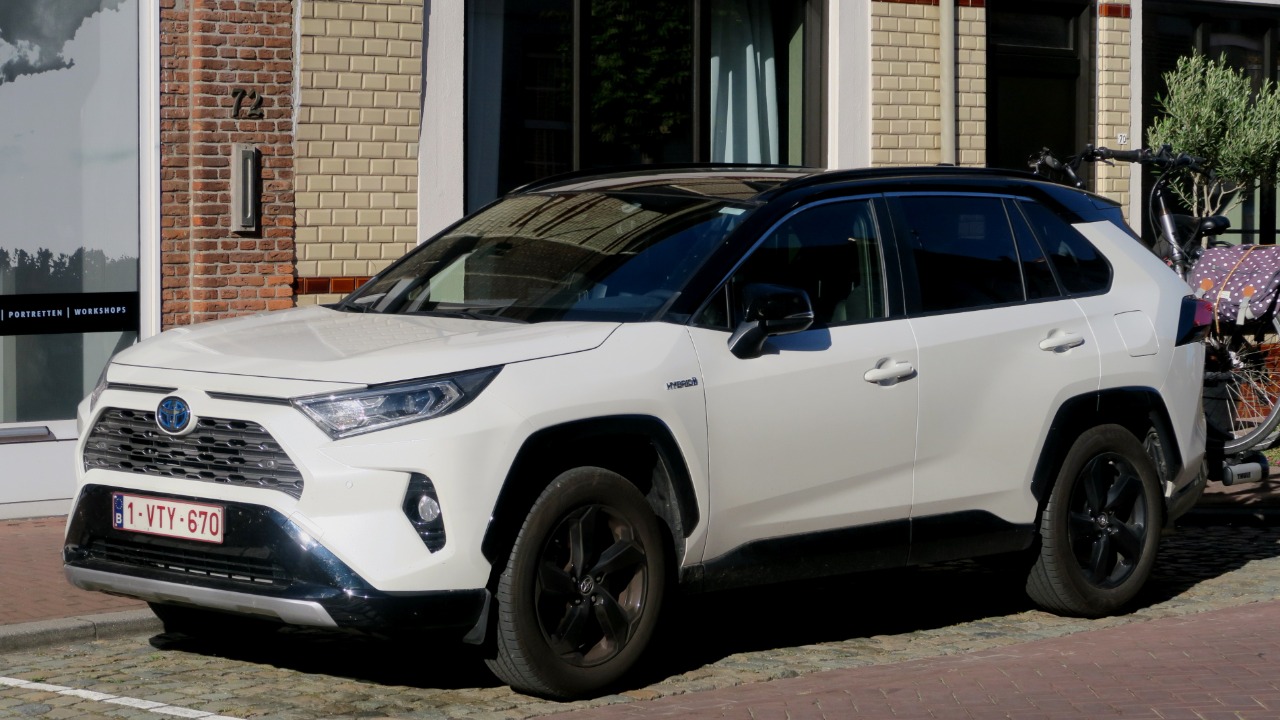
Crossovers usually cost more to run than the sedans they replaced, and the RAV4 is the standing exception. On sale since 1994 and now in its fifth generation, the compact Toyota crossover shares its mechanical playbook with the brand’s cheapest cars, and its hybrid version puts a fuel-efficient powertrain in a body style that normally punishes buyers at the pump.
Popularity cuts both ways here. Demand keeps resale strong but also keeps discounts scarce, so the savings show up over years of ownership rather than on the day of purchase.
4. Honda CR-V: Value Held In Reserve
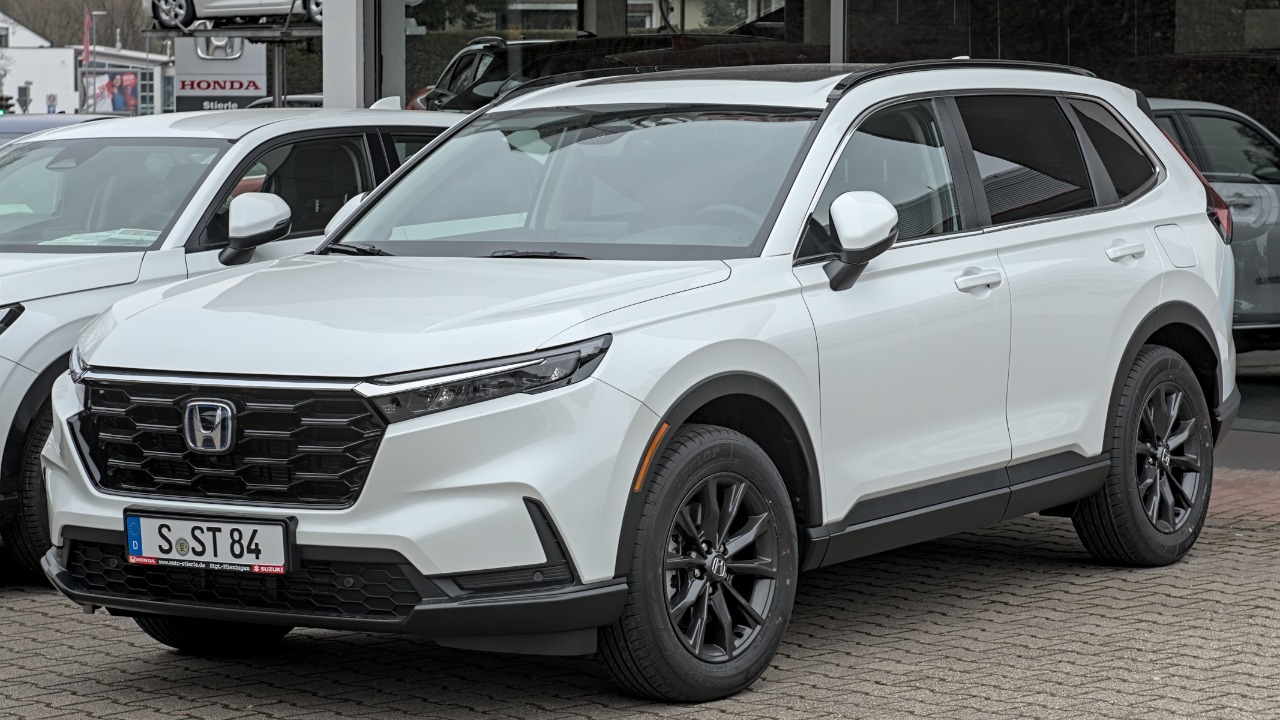
Resale strength is the CR-V’s real trick. Honda’s compact crossover has been in production since 1995 and now runs to a sixth generation, and the long-running Honda crossover has spent most of that time near the top of American sales charts. Cars that sell in those numbers hold value, and a high trade-in figure quietly erases the largest single line in any ownership calculation.
Running costs stay modest because the hardware is deliberately unexotic: conventional four-cylinder engines, no air suspension, and no complicated drivetrain demanding specialist attention.
5. Toyota Camry: Boring By Design
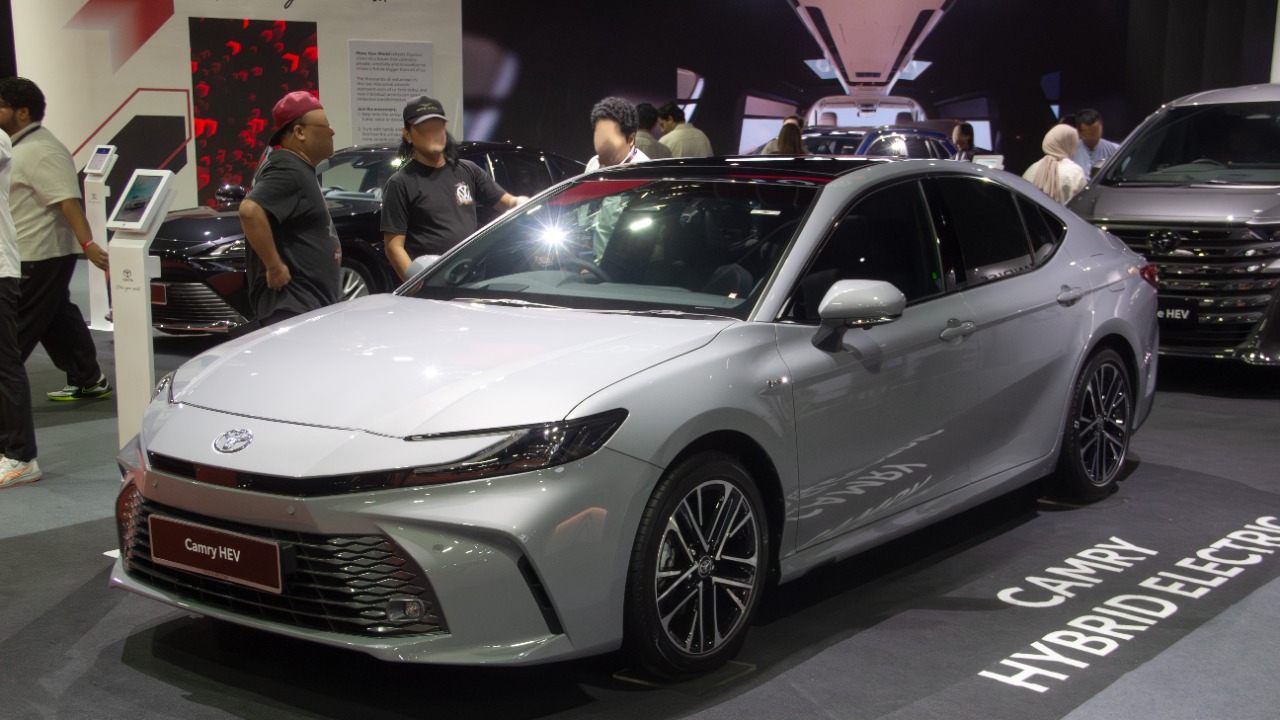
Few cars have been ordinary as profitably as the Camry. Built since 1982 and now in its ninth generation, the midsize Toyota sedan spent more than a decade as America’s best-selling car, which left the aftermarket saturated with parts and technicians who know it cold. Hybrid versions extend the advantage further by cutting fuel spending without adding maintenance complexity.
The reward for that conservatism is a long, unremarkable service life. Camry ownership tends to be described in terms of what has not gone wrong, which is precisely what a low cost-to-own figure measures.
6. Mazda3: Cheap Without Feeling Cheap
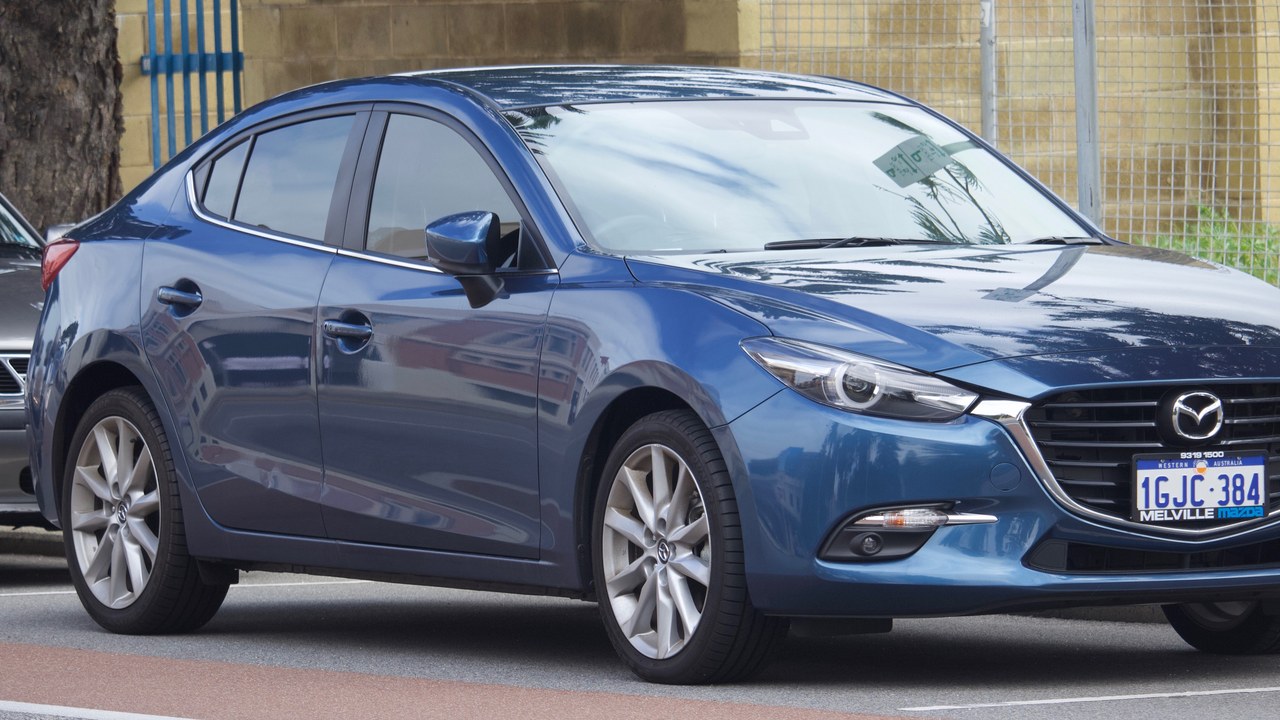
The Mazda3 makes an unusual argument: enjoyable to drive without the running costs that usually accompany it. Introduced in 2003 as the replacement for the Familia, the Mazda compact car is now in its fourth generation and sticks to naturally aspirated four-cylinder engines in most trims, a simpler and cheaper arrangement to maintain than the small turbocharged units many rivals adopted.
Its weaker point is dealer density, thinner than Toyota’s or Honda’s across much of the country. Service access outside metropolitan areas deserves a check before the savings are counted on.
7. Subaru Impreza: All-Wheel Drive On A Budget
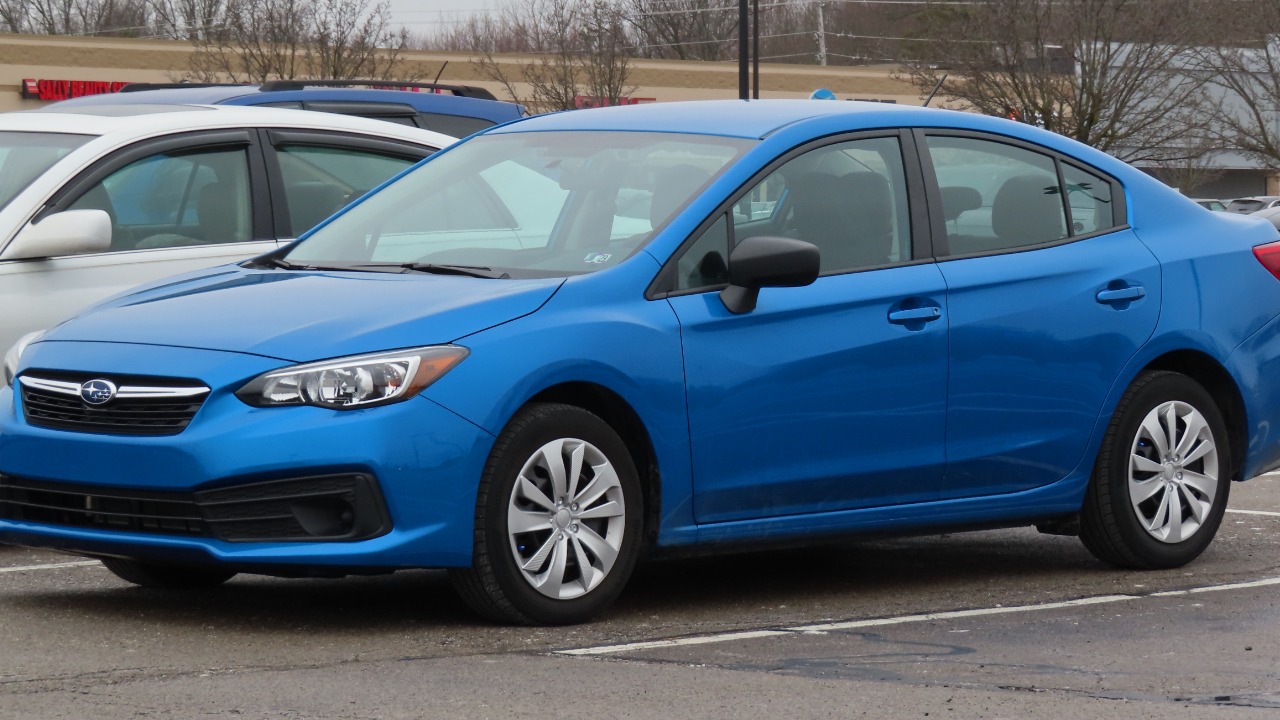
All-wheel drive normally arrives with a running-cost penalty, and the Impreza softens it. Subaru has fitted symmetrical all-wheel drive as standard since the model’s 1992 debut, so the Subaru compact hatchback delivers foul-weather traction without the option-package premium most brands attach to it. Six generations of shared architecture also mean parts and diagnostic knowledge are widely available.
The system still exacts something: four tires wear together and must be replaced as a set, and fuel economy lags front-wheel-drive rivals. In snow states, that trade is usually the cheaper one.
8. Kia Forte: Warranty Doing The Heavy Lifting
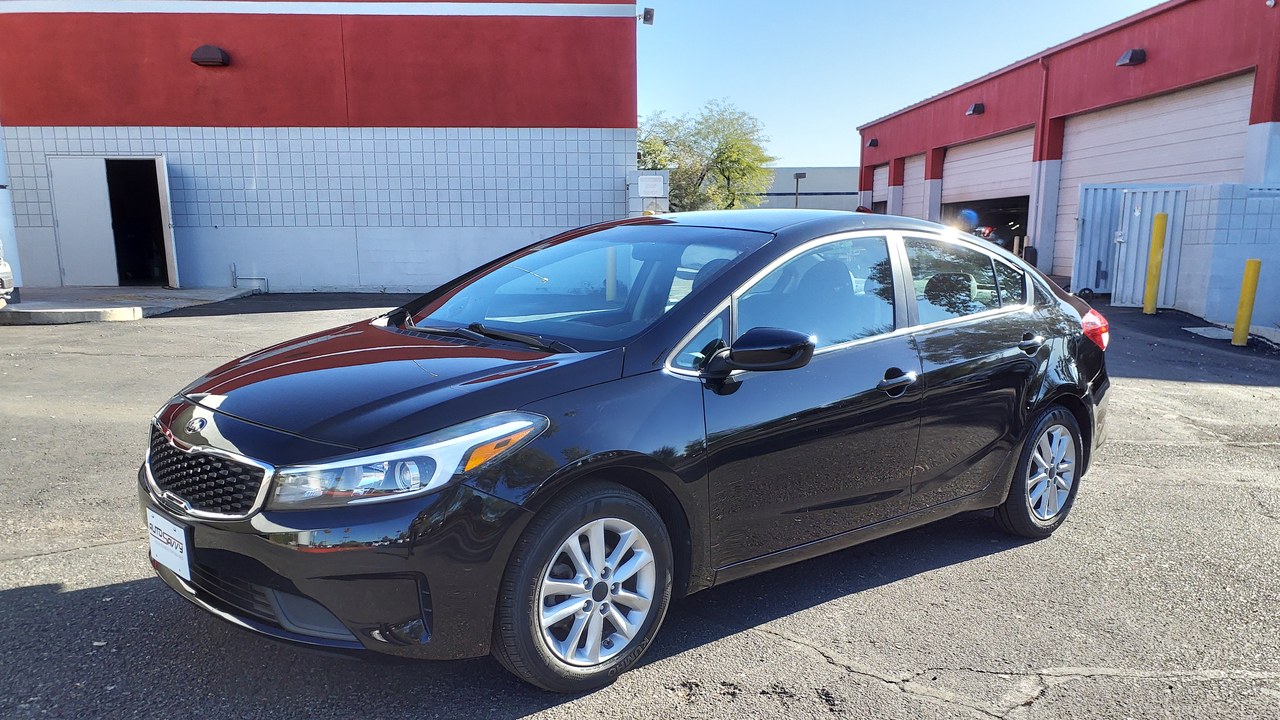
Warranty coverage carries much of the Forte’s case. Kia’s compact sedan launched in 2008 and arrived in the United States backed by a ten-year, 100,000-mile powertrain policy that pushes the most expensive potential repairs off the ledger for most of a typical ownership period. The Kia compact sedan also undercut the segment on sticker price for most of its run.
The nameplate has since given way to the K4 in North America, so the bargain increasingly lives on used lots. That long powertrain coverage transfers to second owners only in shortened form, which is worth confirming before signing.
9. Hyundai Elantra: Small Bills All Around
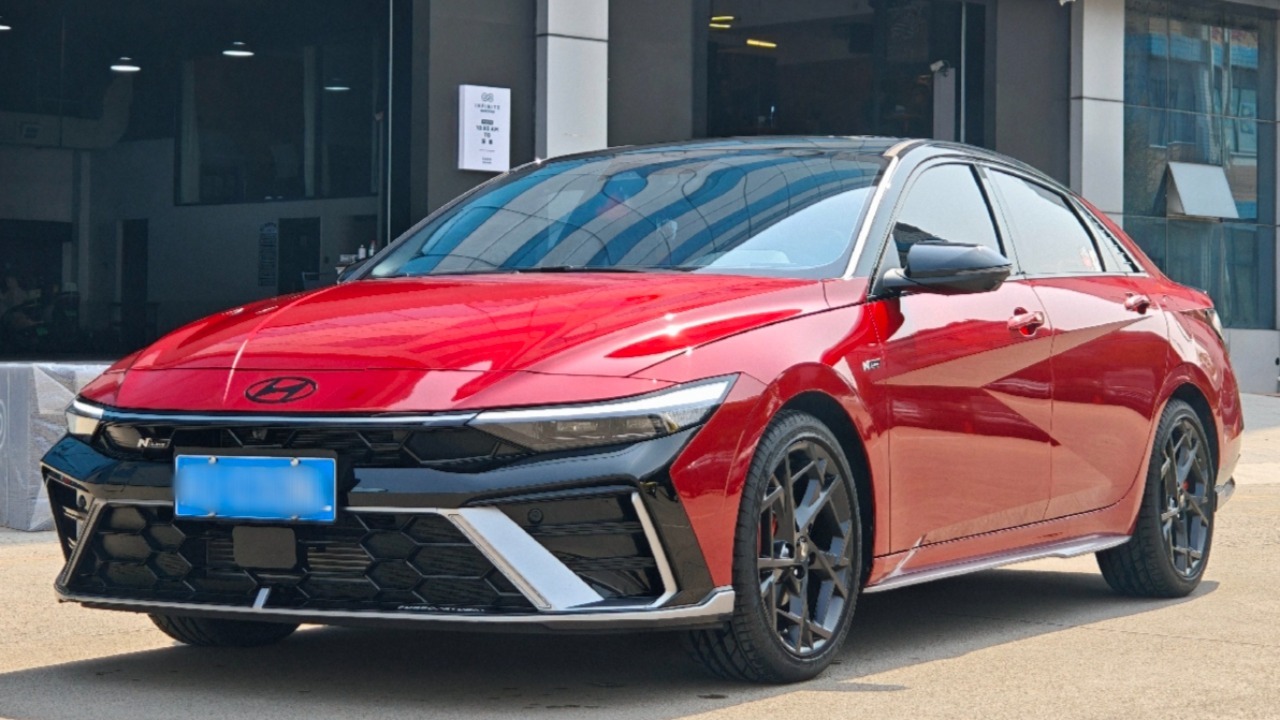
Insurance and fuel are where the Elantra saves. Hyundai’s compact sedan has been sold since 1990 and reached a seventh generation built around efficiency-focused four-cylinder and hybrid powertrains, and the Hyundai compact sedan sits in a low-risk insurance class shared by mainstream economy cars rather than anything performance-flavored. Major repairs fall under the same ten-year, 100,000-mile powertrain coverage Kia offers.
Depreciation is the softer spot. Korean compacts have narrowed the resale gap considerably but still tend to trail Toyota and Honda equivalents, which trims some of the advantage for anyone selling early.
10. Toyota Prius: Fuel Math That Compounds
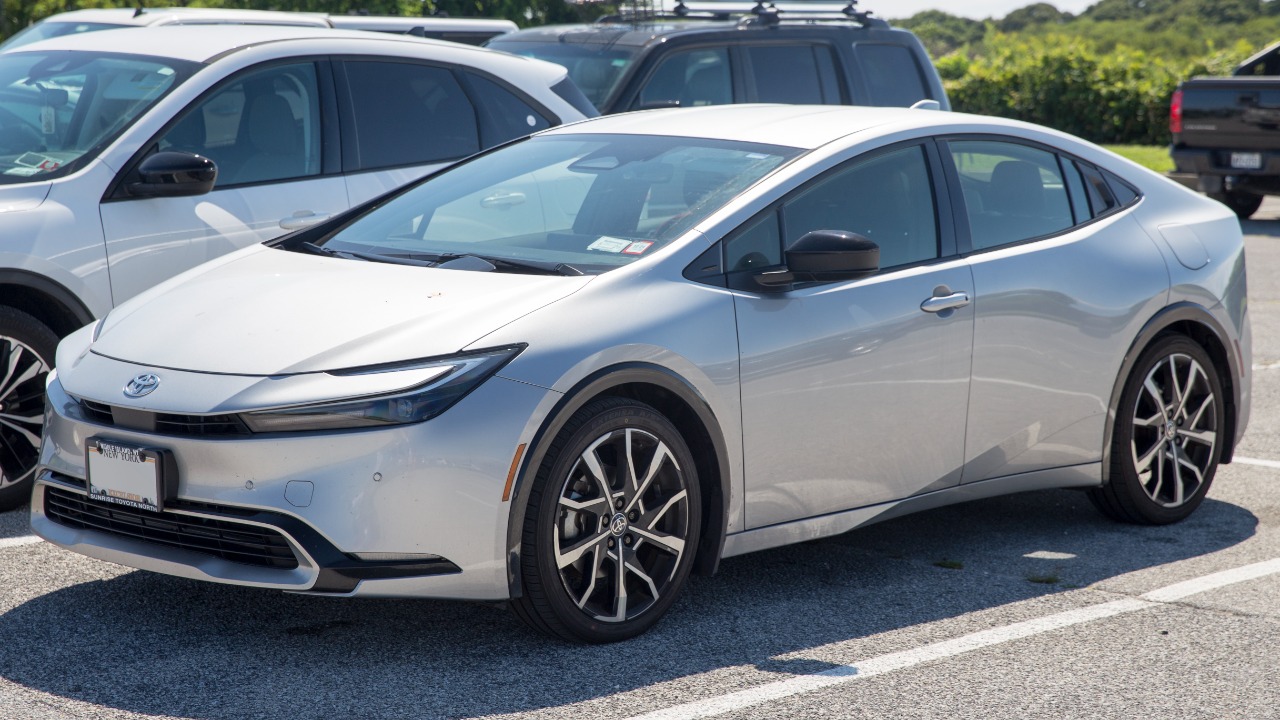
Fuel savings compound, and no car has compounded them longer than the Prius. Toyota launched it in Japan in 1997 and in the United States in 2000, and across five generations the original mass-market hybrid has posted among the highest fuel-economy figures in the mainstream market. Regenerative braking also stretches brake-pad life well beyond conventional intervals.
Battery replacement remains the recurring worry, though hybrid packs routinely outlast the assumptions attached to them and a used-parts market has matured around them. Set against two decades of saved fuel, the risk is smaller than it looks.
11. Honda Accord: The Long-Haul Midsize
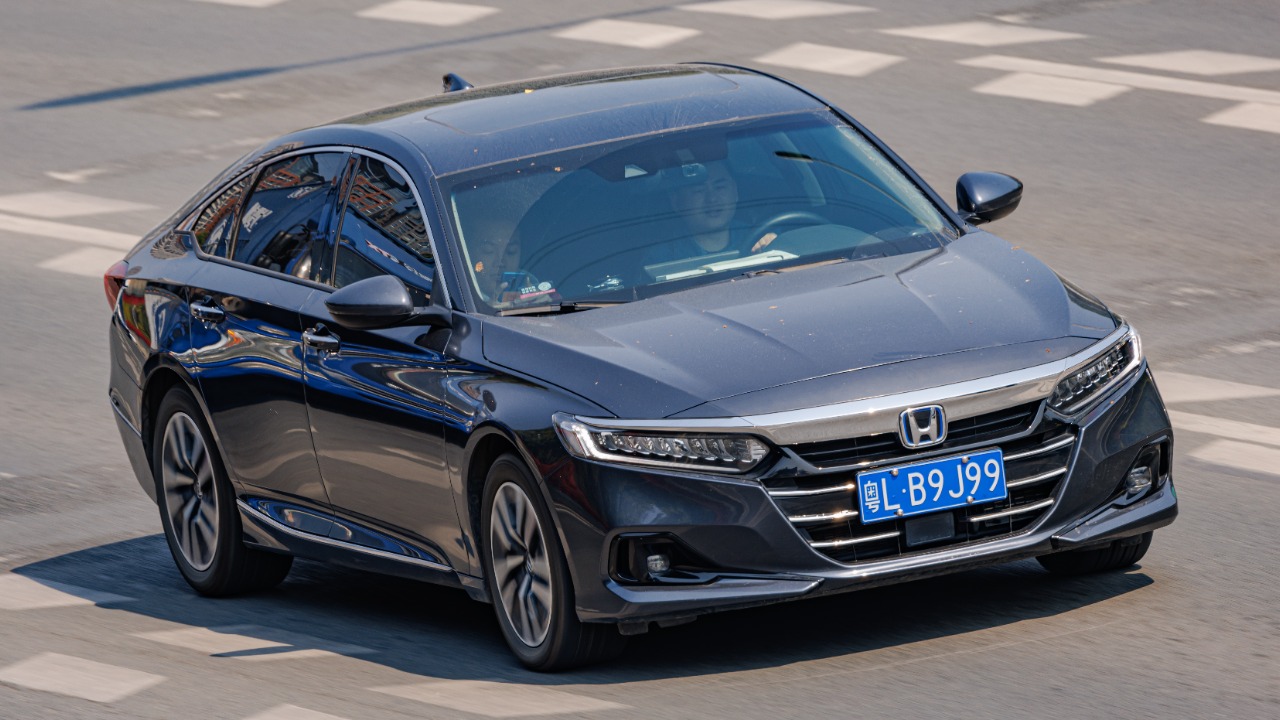
Midsize cars usually cost more to run than compacts, and the Accord narrows that gap. On sale since 1976 and now in an eleventh generation, the Honda midsize sedan is assembled in Ohio in volumes that keep parts plentiful and labor familiar, while its hybrid variants bring compact-car fuel consumption to a considerably larger cabin.
Resale has stayed firm across generations, which matters more than any single service bill. The result is midsize space without the depreciation curve that flattens most large sedans within three years.
12. Nissan Sentra: The Floor Of The Market
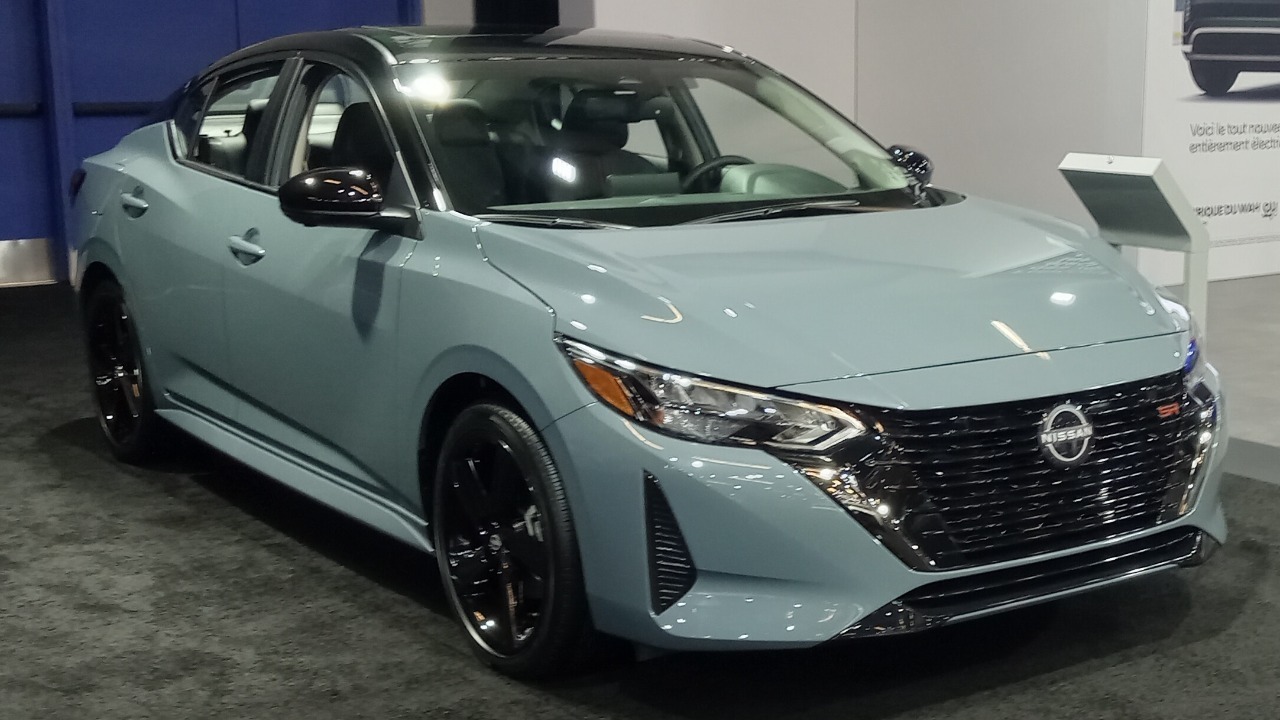
Sentra ownership starts from one of the lowest floors in the new-car market. Nissan has sold the nameplate since 1982 and now offers an eighth generation built around a single naturally aspirated four-cylinder engine and a continuously variable transmission, a deliberately narrow lineup that keeps the Nissan compact sedan cheap to build, cheap to buy and cheap to insure.
The transmission is the caveat. Nissan’s continuously variable units have drawn durability complaints across several model lines, so service records and remaining powertrain coverage deserve close attention on any used example.
More from Morning Overview
- The NSA is again telling phone owners to switch off one location setting
- A handful of car transmissions are so tough mechanics say they almost never fail
- A handful of SUVs keep hitting 300,000 miles, and they share one engine trait
- Supplements now rank as the fifth-leading cause of death from liver disease.
