
Gas-filled craft once carried a large share of American ambition into the sky, from naval patrol and experimental flying to commercial marketing. Their record mixes long-range achievement with heavy losses to storm and fire. Here are ten airships, blimps and one hangar that together tell that story.
1. Goodyear Blimp: From Wartime Airships to Advertising
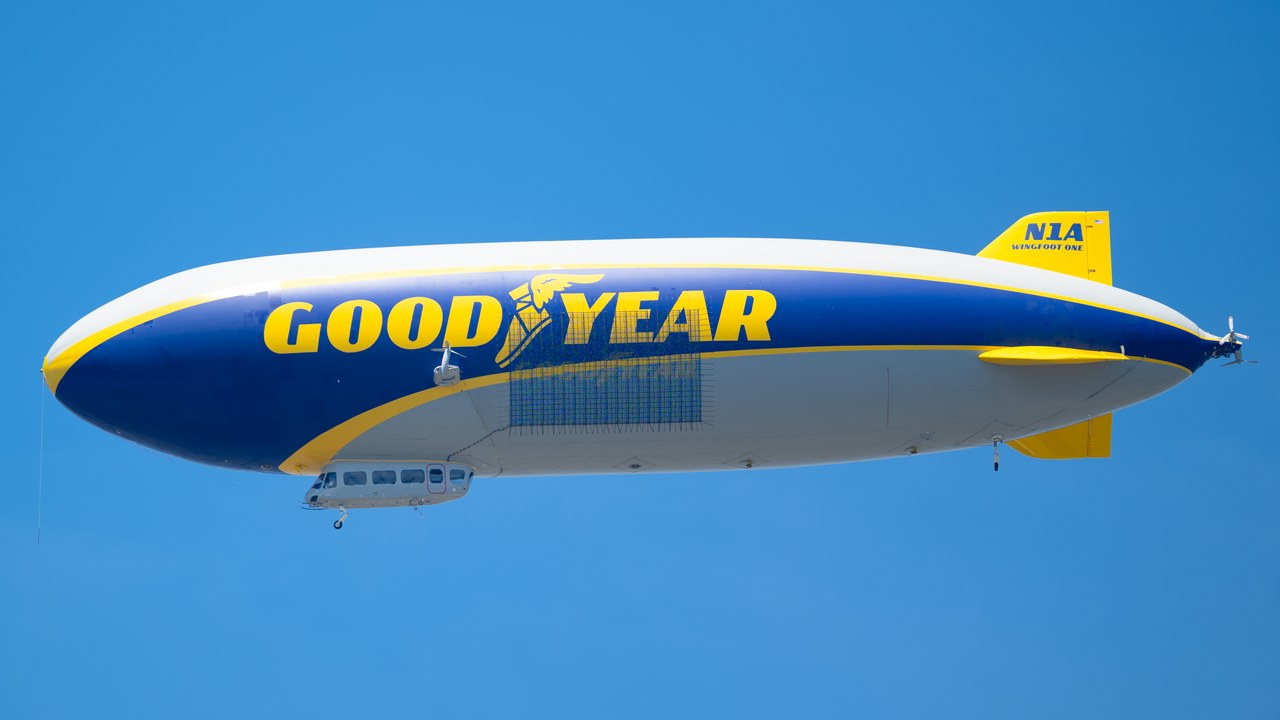
Goodyear’s corporate history says the company began building airships for the military during the First World War, and in 1925 it began producing blimps for its marketing efforts. Since that shift, more than 300 Goodyear blimps have adorned the skies around the world.
The 300-plus tally covers only Goodyear-built blimps, so it reflects one manufacturer’s output and not the whole industry. The sequence, from war work first and promotion second, shows how the same company redirected a single kind of craft toward advertising. The 1925 date is the point from which the 300-plus count runs.
2. USS Akron: Thunderstorm Off Jersey
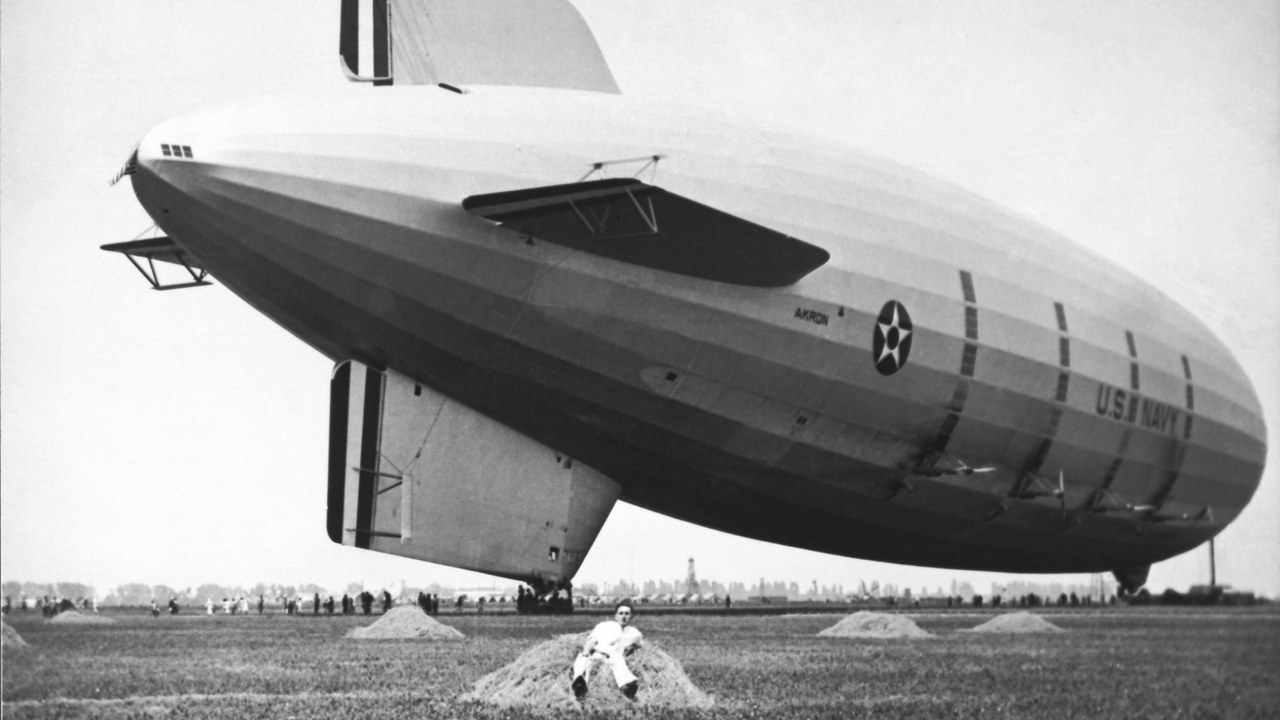
The helium-filled rigid airship was destroyed in a thunderstorm off the coast of New Jersey on the morning of 4 April 1933. Of the 76 crewmen and passengers aboard, the USS Akron’s loss killed 73.
Only three people survived. Wikipedia’s entry attributes the destruction to the thunderstorm and not to fire, which marks a different kind of failure from the hydrogen disaster that appears later on this list. The ratio of 73 deaths among 76 people aboard left only a handful alive, a toll reported plainly and tied to a single morning in April.
3. USS Macon: Less Than Two Years in Service
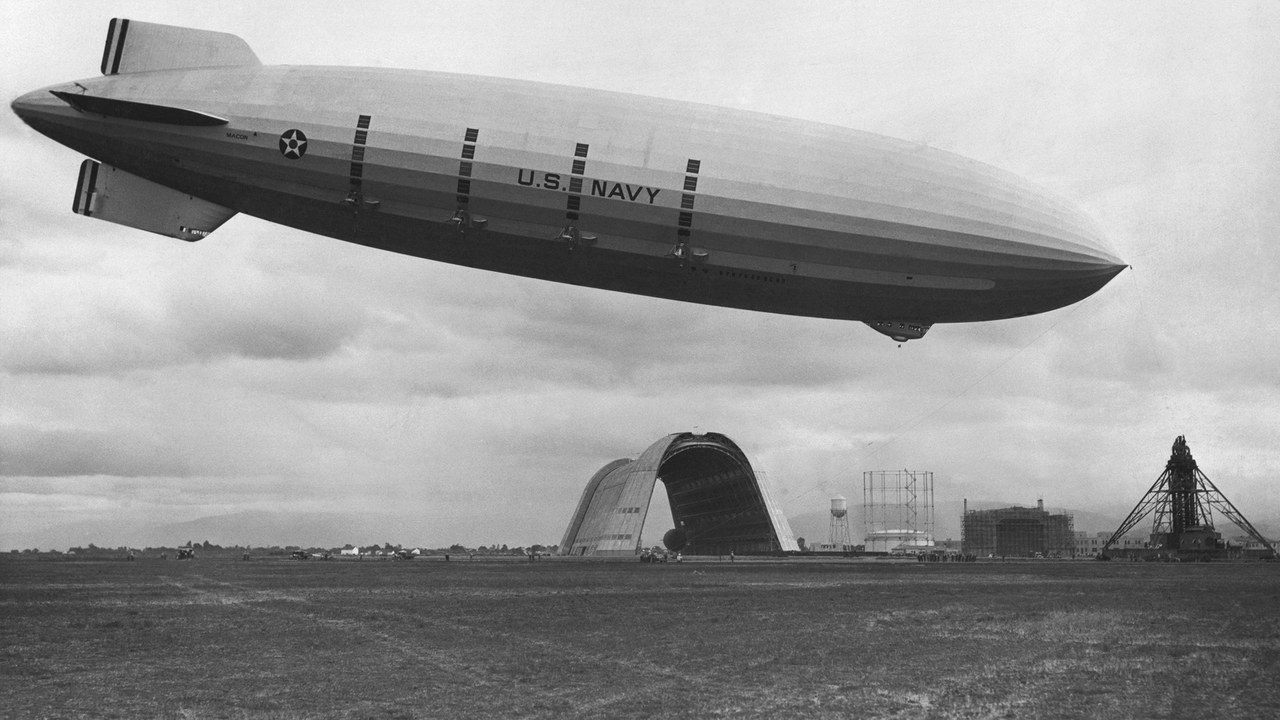
Akron’s sister ship, USS Macon, was in service for less than two years. A storm damaged her, and she was lost off California’s Big Sur coast in February 1935.
Most of the crew were rescued, a sharp contrast with the toll on her sister ship two years earlier. The airship was built to be housed in Hangar One, which closes this list and still stands at Moffett Field. Both ships were lost to weather, Akron off New Jersey and Macon off California, on opposite coasts.
4. USS Shenandoah: Squall Line Over Ohio
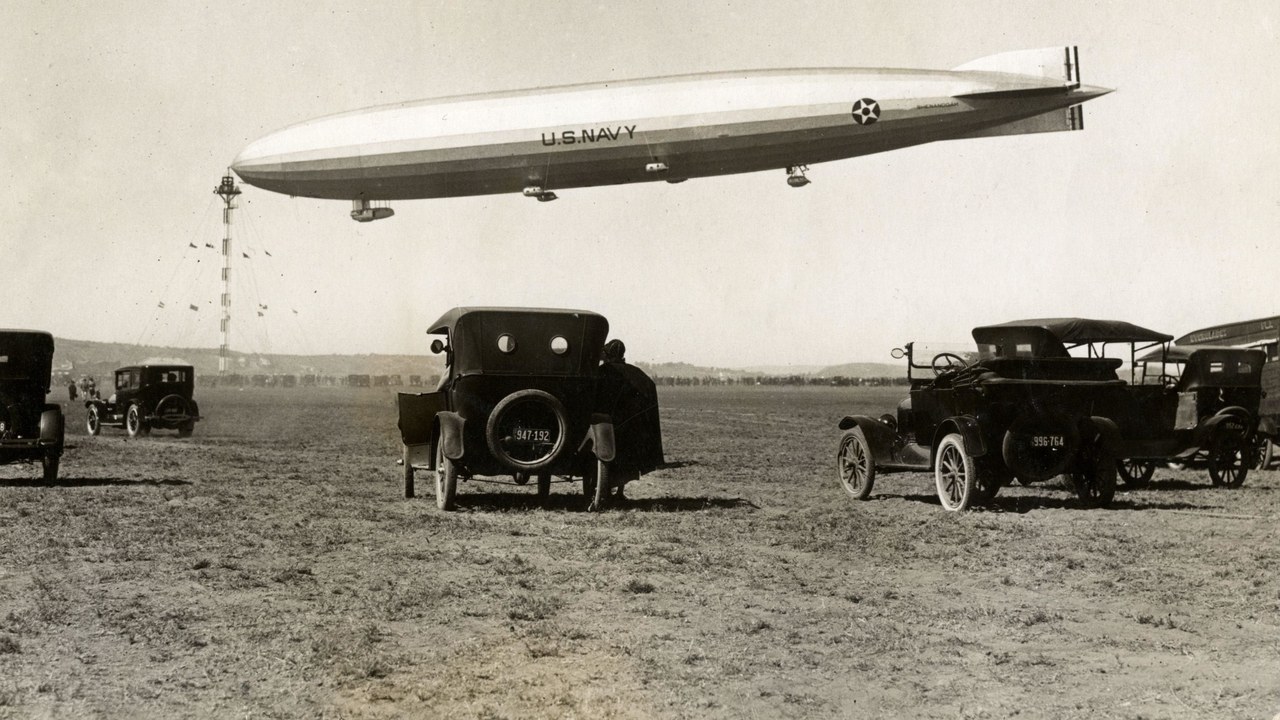
The airship was on her Shenandoah’s 57th flight when a squall line over Ohio destroyed her in September 1925.
Weather proved the cause again in the later losses of Akron and Macon, each tied to a storm in its own account. The Shenandoah’s loss came eight years before Akron’s, making it the earliest of the American naval rigid-airship losses covered here. Her service is counted in flights, and the 57th was the last. Ohio sits well inland, so this loss, unlike those off the coasts of New Jersey and California, came over land.
5. USS Los Angeles: German-Built Reparations Ship
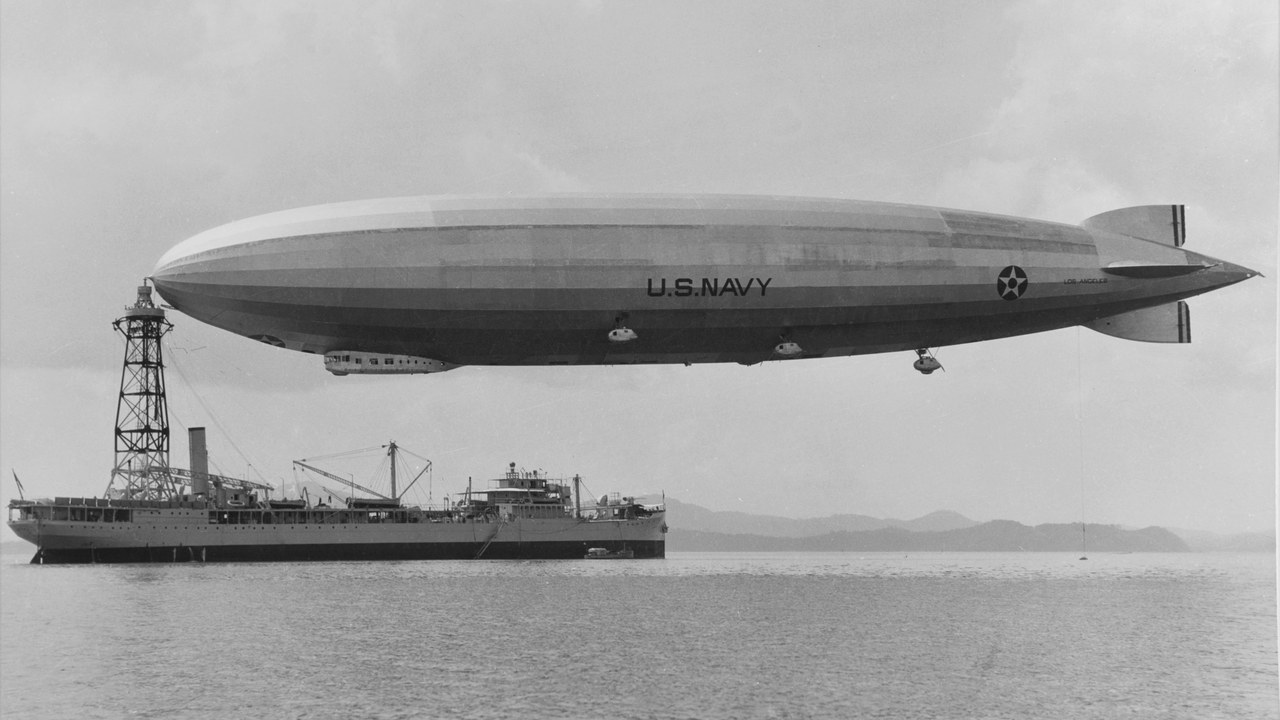
The rigid airship designated ZR-3 was built in 1923-24 by the Zeppelin company in Friedrichshafen, Germany, as war reparations. USS Los Angeles was delivered to the United States Navy in October 1924 and was decommissioned in 1932.
She was used mainly for experimental work, particularly the development of the American parasite fighter program. Unlike the Akron, Macon and Shenandoah, she ended her naval career through decommissioning and not through a storm. Her German construction ties American naval airship history to the postwar settlement, since the ship arrived as reparations. Her service ran from October 1924 to 1932, about eight years.
6. LZ 129 Hindenburg: Fourteen Months, Then Flames
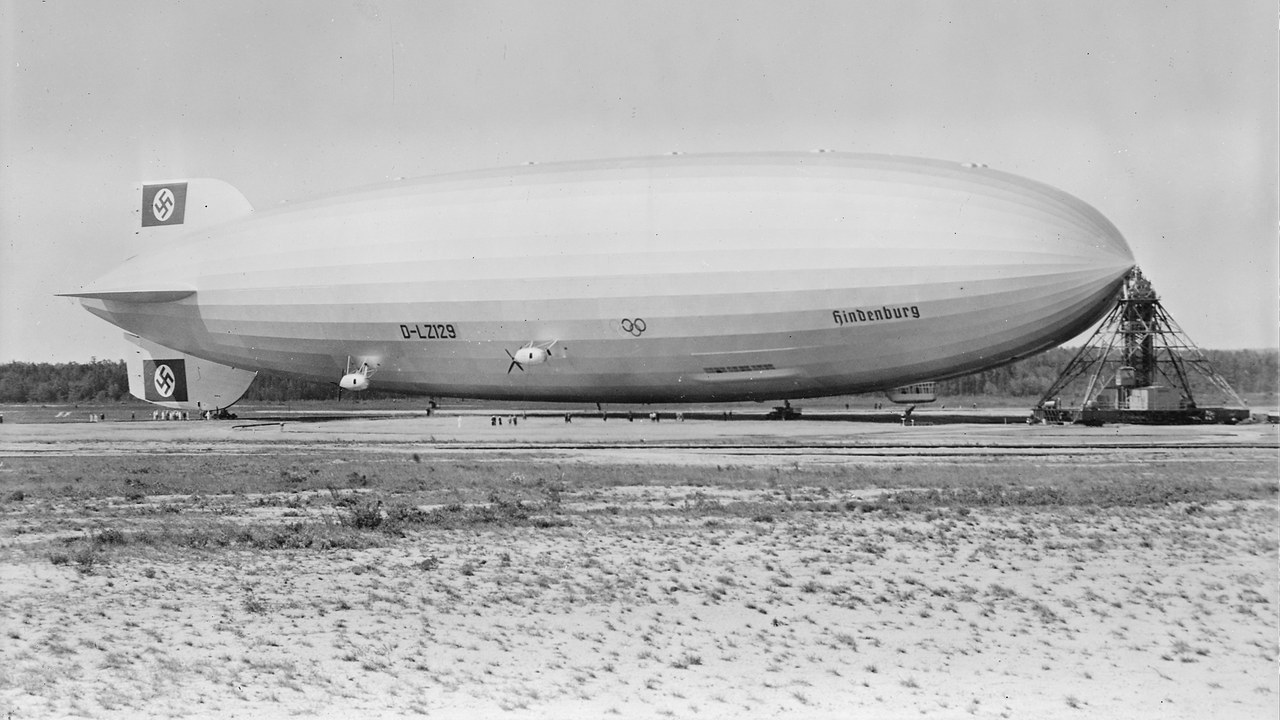
The ship first flew in March 1936 as a Nazi propaganda vessel. It burst into flames 14 months later, on May 6, 1937, while attempting to land at Lakehurst Naval Air Station in Manchester Township, New Jersey, ending the career of the LZ 129 Hindenburg.
The hydrogen-filled ship had spent that stretch in transatlantic service. Its fate at a New Jersey naval air station contrasts with the helium-filled Akron, whose loss came over open water four years earlier. The fire came at the moment of landing, the final phase of the flight.
7. LZ 127 Graf Zeppelin: Around the World

The ship made the first airship circumnavigation of the world, and also the first nonstop crossing of the Pacific Ocean by air. Its range was enhanced by its use of Blau gas as a fuel.
The fuel choice mattered because it extended how far the ship could fly between stops. Both records stand as achievements rather than disasters, setting this German ship apart from the American-service losses elsewhere on the list. The first-circumnavigation record rests on a single airship, and the Pacific crossing is credited to that same ship, so two separate firsts belong to one craft.
8. Zeppelin NT: A Modern Rigid Design

Federal design criteria describe the LZ N07 as having a rigid structure, 290,330 cubic feet of displacement and accommodations for twelve passengers and two crewmembers, according to FAA design criteria published in the Federal Register.
A capacity of twelve passengers is modest, and these criteria show that rigid-structure airships were still being evaluated under federal criteria rather than surviving only in museums and history books. The displacement figure describes the volume of the craft, and twelve passengers plus two crewmembers give a total complement of fourteen people. The specifications come from a federal government document.
9. K-class blimp: The One Fight
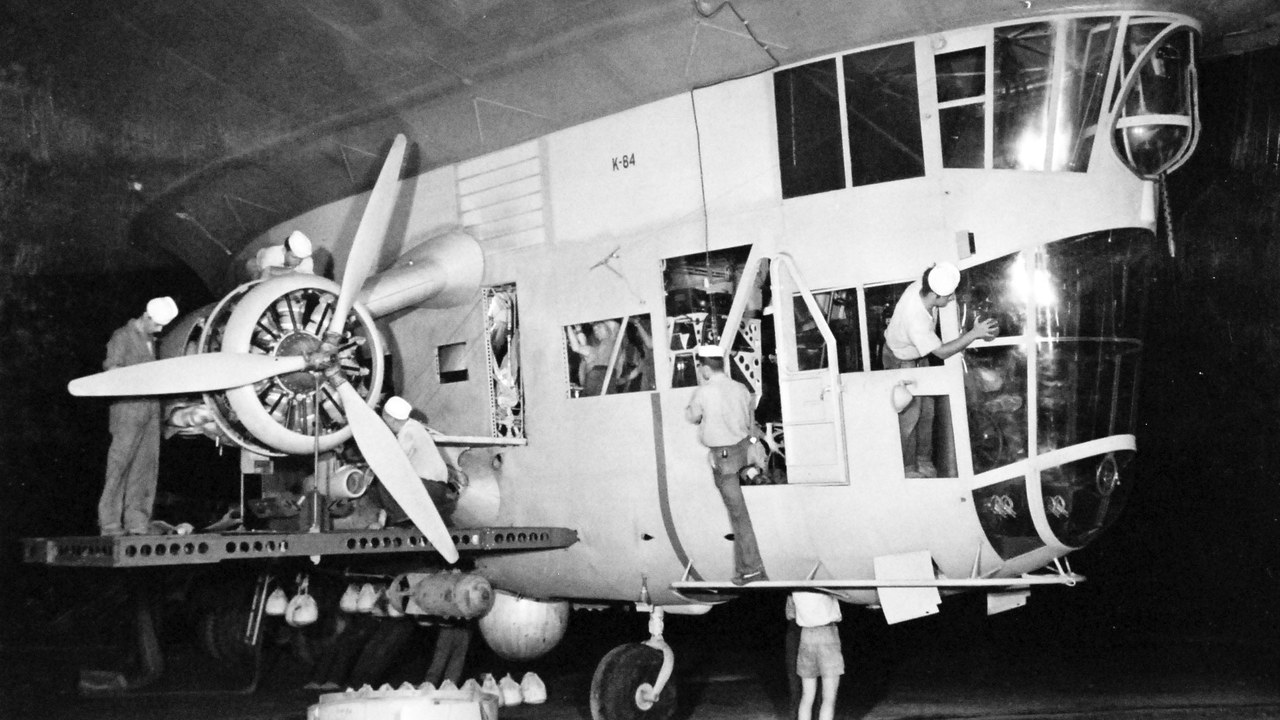
Navy K-ships escorted convoys for hours on end, yet on only one occasion did a K-class airship engage an enemy submarine. The crew of a German U-boat shot it down with a deck gun.
Convoy escort, not combat, defined the type’s work, according to the museum’s account. The single duel went against the blimp, which makes that engagement the exception for the class and not the rule. The detail about hours on end describes routine escort work, so the emphasis falls on endurance over shipping and not on combat success.
10. Hangar One at Moffett Field: The Hangar That Remains
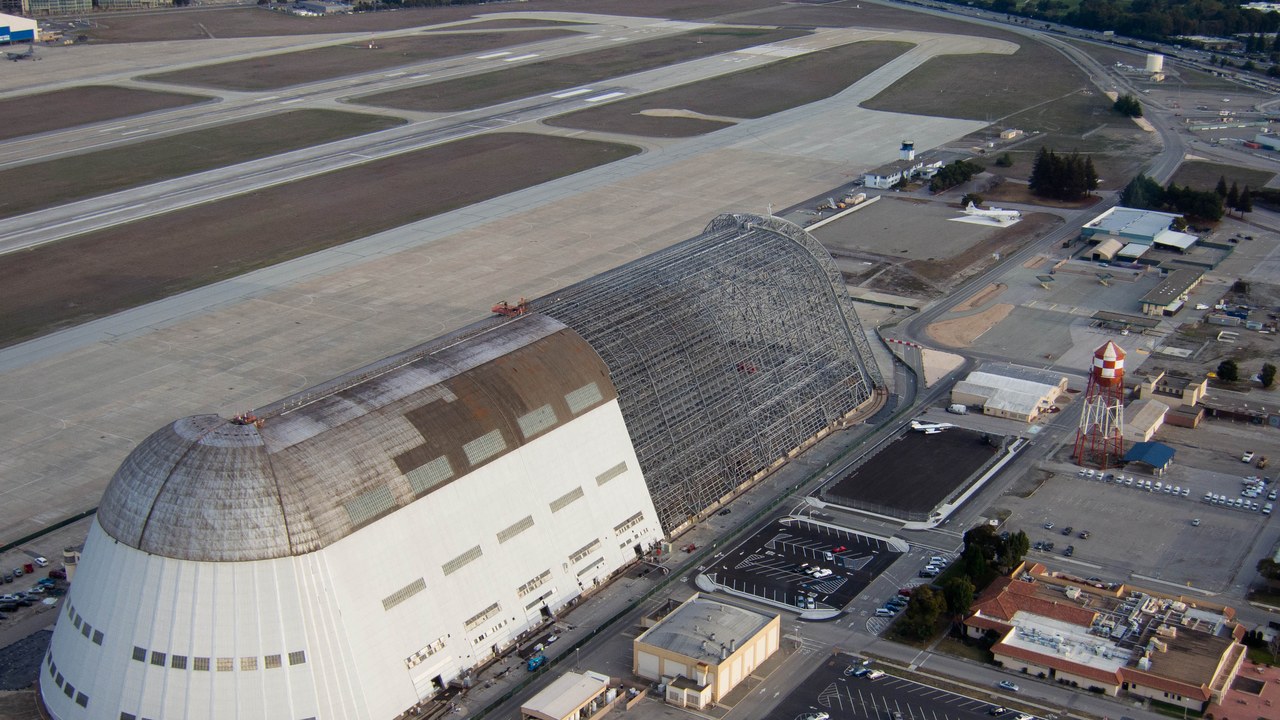
Hangar One at Moffett Field was originally constructed to house the USS Macon airship. The Moffett Field Museum describes the iconic hangar as a testament to the ingenuity of early aviation engineering.
The building still stands at Moffett Field. Because Macon was lost in February 1935, the hangar has outlasted the airship it was built to shelter, a physical reminder of the ship covered earlier in this gallery. Since the Macon was the ship the hangar was constructed for, its fate ties the building to the Big Sur loss described earlier, and the structure remains at the site where it was built.
More from Morning Overview
- Supplements now rank as the fifth-leading cause of death from liver disease.
- Herbal supplements are landing Americans in the hospital with liver damage, doctors warn
- General Motors is switching on cameras that record inside your vehicle by update
- A geomagnetic storm is forecast to hit Earth today, pushing the northern lights unusually far south
