
Holiday shopping brings a surge of fake messages that borrow the names of trusted companies. Security researchers at Check Point, NordVPN, Malwarebytes and McAfee have tracked which brands get copied most often in 2025. This list walks through sixteen of them, from tech giants and delivery carriers to big-box retailers.
Read next on Morning Overview: A Utah county approved a massive nuclear and data center project without residents’ input
1. Microsoft: The Most Copied Login
Check Point’s Q4 2025 report found Microsoft was the most imitated brand in Q4 2025 phishing, accounting for 22% of brand-phishing attacks. Fake Microsoft login pages were the single most imitated lure in the quarter.
Because the share belongs to one quarter of Check Point’s data, it describes a ranking rather than a permanent order. Still, a sign-in page that looks like Microsoft’s is a ready-made way to harvest passwords for email and work accounts.
2. Amazon: Holiday Sales Bait
Amazon climbed to third place in Check Point’s Q4 2025 ranking, at 9% of brand phishing, and the report ties the rise to Black Friday and holiday sales. A separate Nord Security count of August to October 2025 put the growth in fake Amazon sites at 232%.
The two figures measure different things, a share of phishing versus growth in fake sites, so they should not be added together. Both point to the same peak-season pattern, when shoppers expect order and delivery messages.
3. PayPal: Alerts That Drain Accounts
Fake PayPal alerts made the top ten in Check Point’s Q4 2025 ranking at 2% of brand phishing, according to the Check Point ranking. The messages are aimed at emptying linked accounts.
A 2% share looks small beside Microsoft’s 22%, yet it still places PayPal among the ten most copied brands in the quarter. Any alert that pushes toward a login link is better checked by opening the app directly.
4. DHL: Parcel Notices Gone Wrong
DHL notices were imitated in 1% of brand phishing in Q4 2025 in Check Point’s ranking. NordVPN separately logged fake DHL sites up 206% during August to October 2025.
The percentages are not comparable, because one is a share of phishing and the other is growth in fake sites. What they share is the lure, a delivery problem that feels urgent when many parcels are in transit.
5. eBay: A 525% Jump
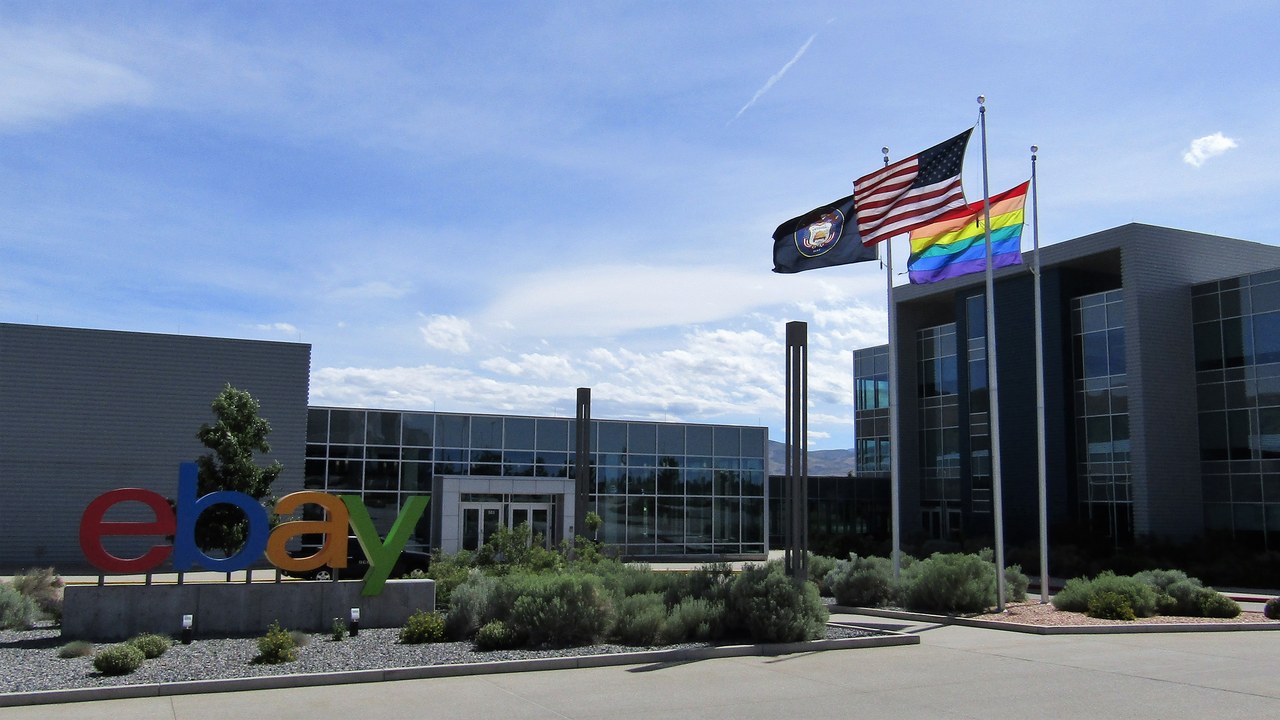
eBay spoofing attempts went up 525% in NordVPN’s tracking of August to October 2025, according to its Research Lab analysis. The figure is a percentage change in spoofing attempts, not a count of victims.
A large percentage can come from a modest starting base, so the number shows momentum more than total volume. It still marks eBay as a marketplace that scammers copied heavily as the holiday season approached.
6. United States Postal Service: Fake Delivery Texts
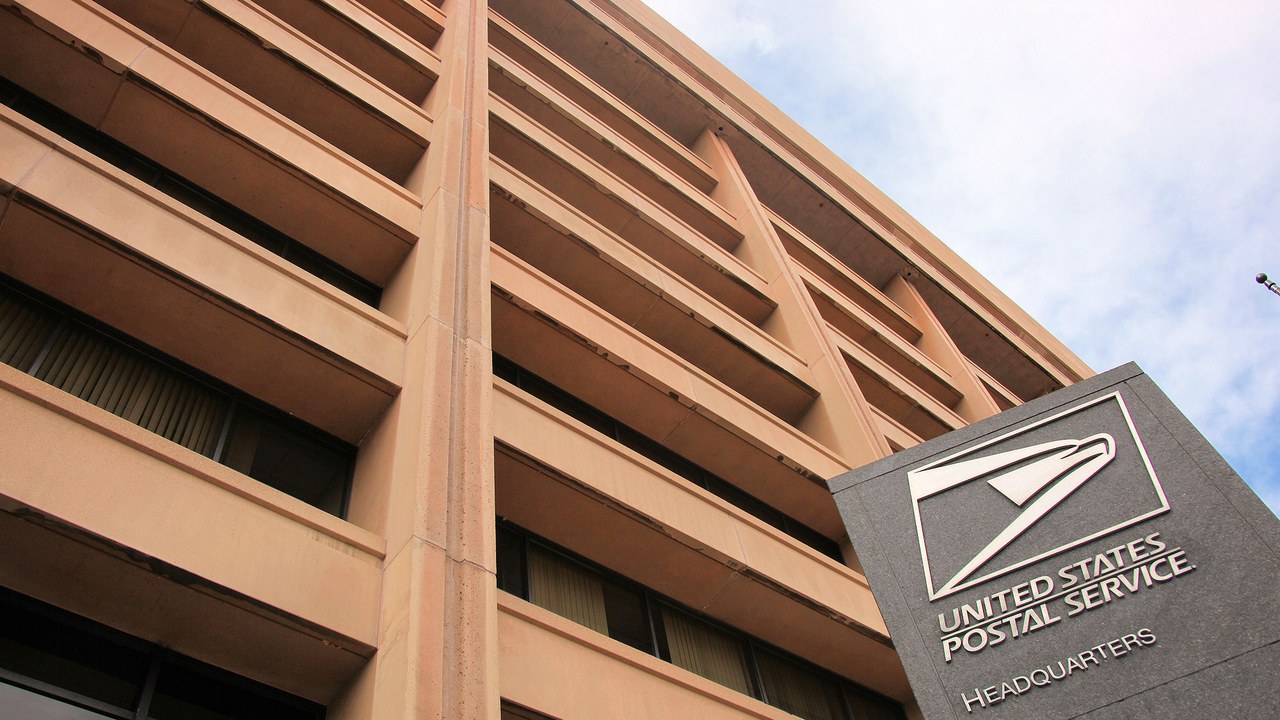
Impersonations of the Postal Service rose 850% in NordVPN’s data for August to October 2025, which the NordVPN report links to fake delivery texts. The change is a percentage over that window, not a count of messages sent.
The rise is measured over one window in 2025 and says nothing about losses. Texts claiming a package is stuck are a familiar format, which explains why a postal name works so well as bait.
7. UPS: Tracking Links With Strings
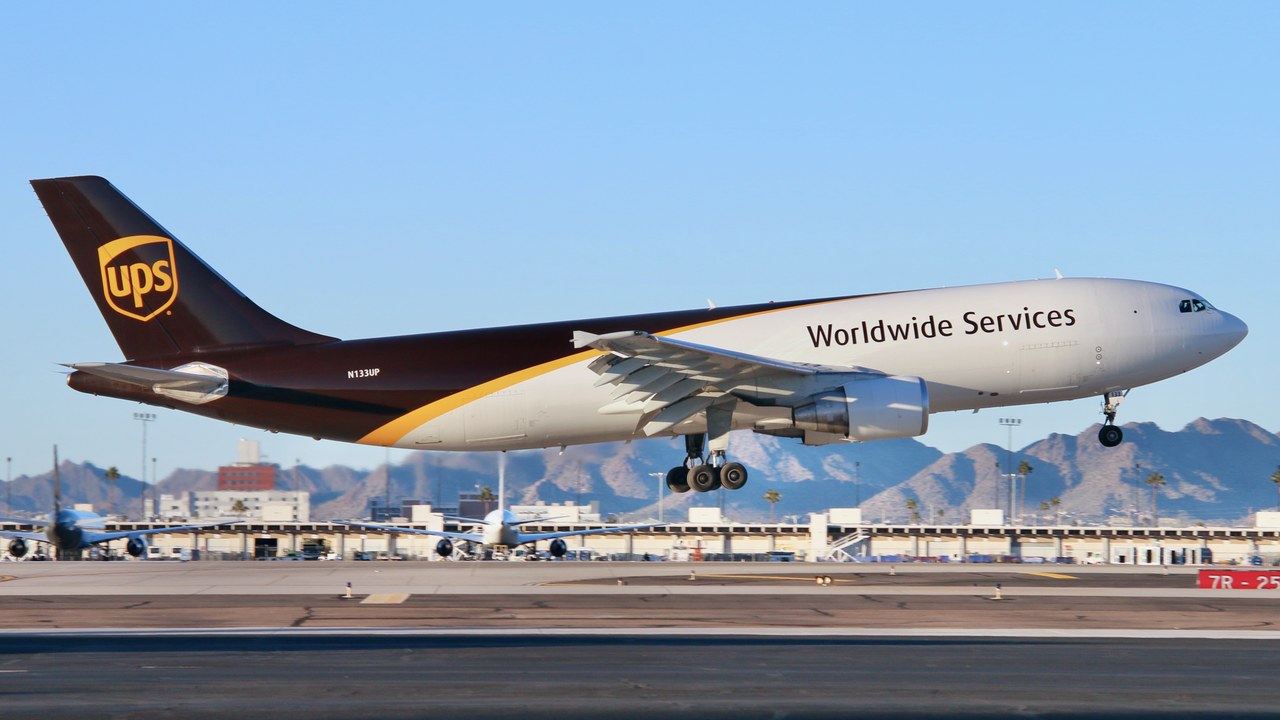
Scam texts send victims to fake tracking sites carrying UPS branding, Axios reports, and some of the tracking links hide malware. UPS appears alongside USPS and FedEx among the carriers copied this way.
The Axios piece describes a method rather than a measured share, so no ranking is claimed here. The practical risk is that a tracking page asks for details or a download that a real carrier would not.
8. FedEx: Texts That Cost Millions
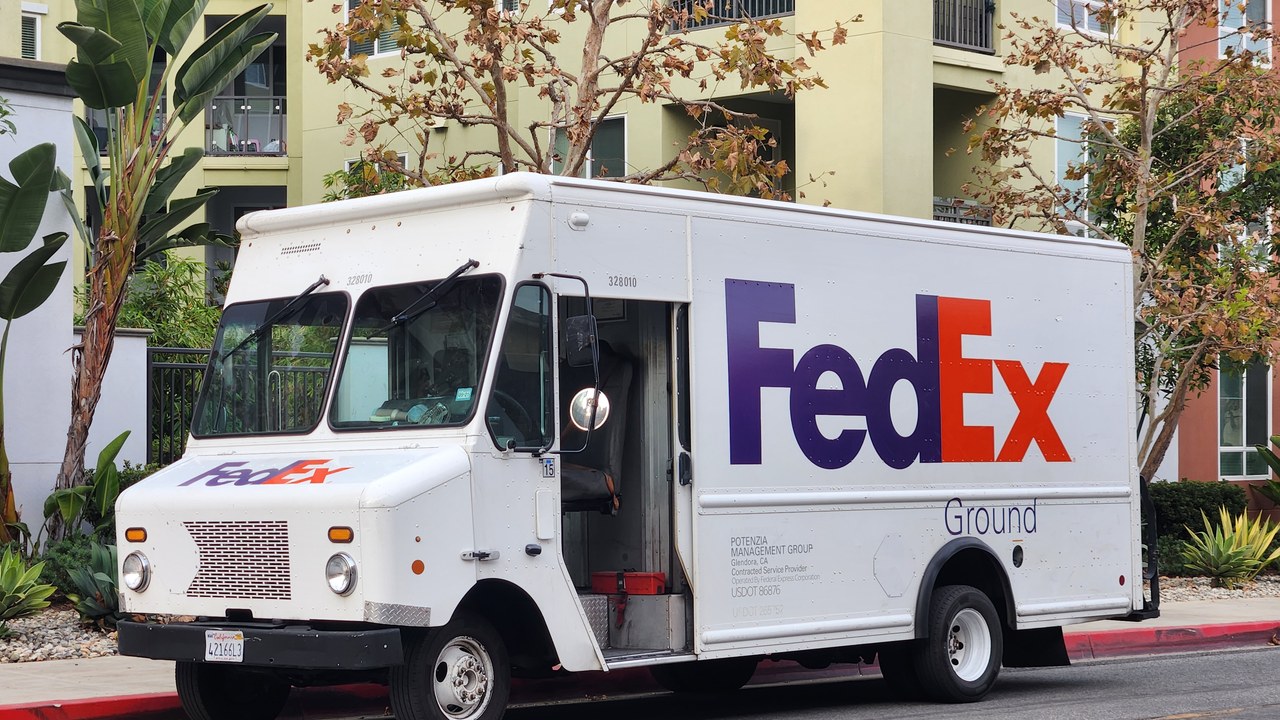
FedEx-branded fake tracking pages are used to harvest personal details, according to Axios says. The FTC counted $470 million lost to text scams in 2024, with delivery scams the biggest culprit.
The $470 million covers all text-based scams in 2024, not only FedEx lookalikes. It does show how costly the delivery-notice format has become, and why a carrier’s name keeps turning up in these messages.
9. Apple: A Trusted Name Turned Bait
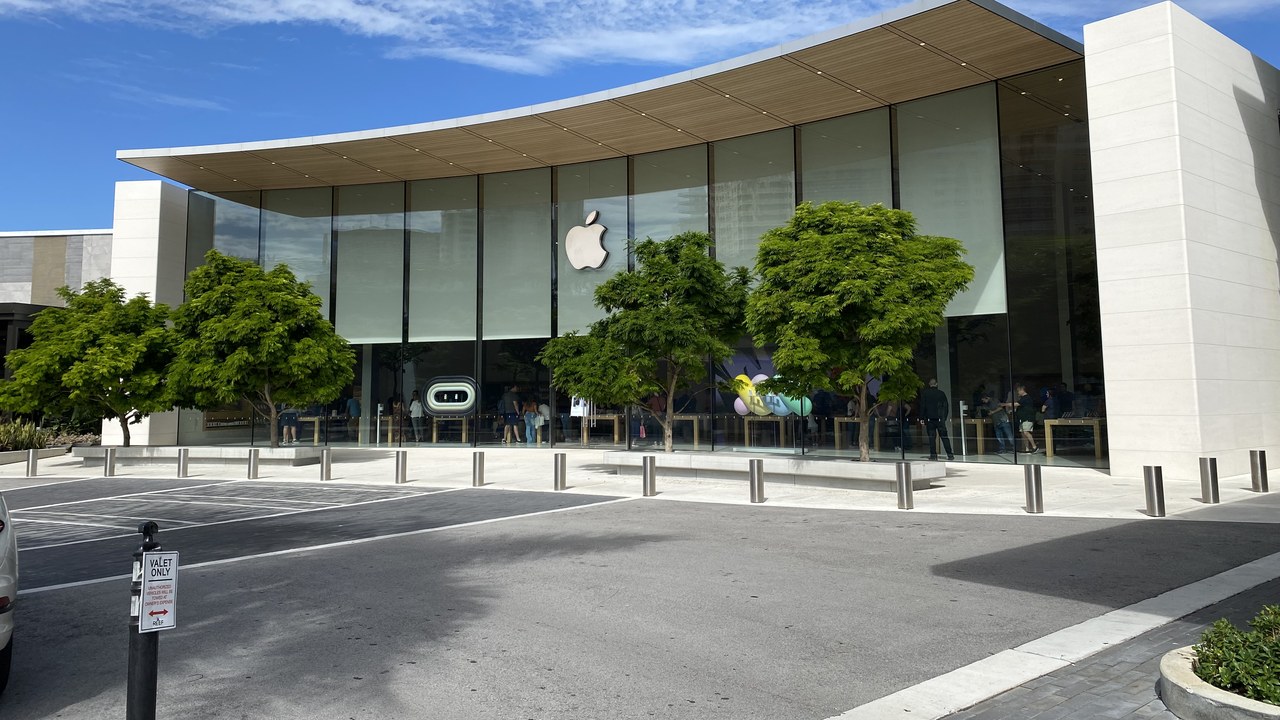
A November 2025 McAfee holiday threat roundup listed Apple alongside Amazon, Microsoft, Walmart and Costco among the trusted brands scammers impersonate most often during the shopping season. The roundup groups Apple with the household names whose logos make a fake message look routine at a glance.
Because the company sits on that list with the biggest retailers, an unexpected message wearing its branding deserves the same suspicion as a surprise delivery notice. Checking an account directly through the device or the official website, rather than through a link in an email or text, sidesteps the trick.
10. Walmart: The Candy Mega-Pack
A Black Friday 2025 malvertising campaign used more than 100 fake survey-reward domains, Malwarebytes reports. One lure offered a Walmart holiday candy mega-pack that ends in a shipping-fee card grab.
The prize is the bait, and the small shipping charge is the point of the scheme. The campaign described covers one season, and Walmart is one of several retailers named in the same operation.
11. The Home Depot: Tool Bundles With a Catch
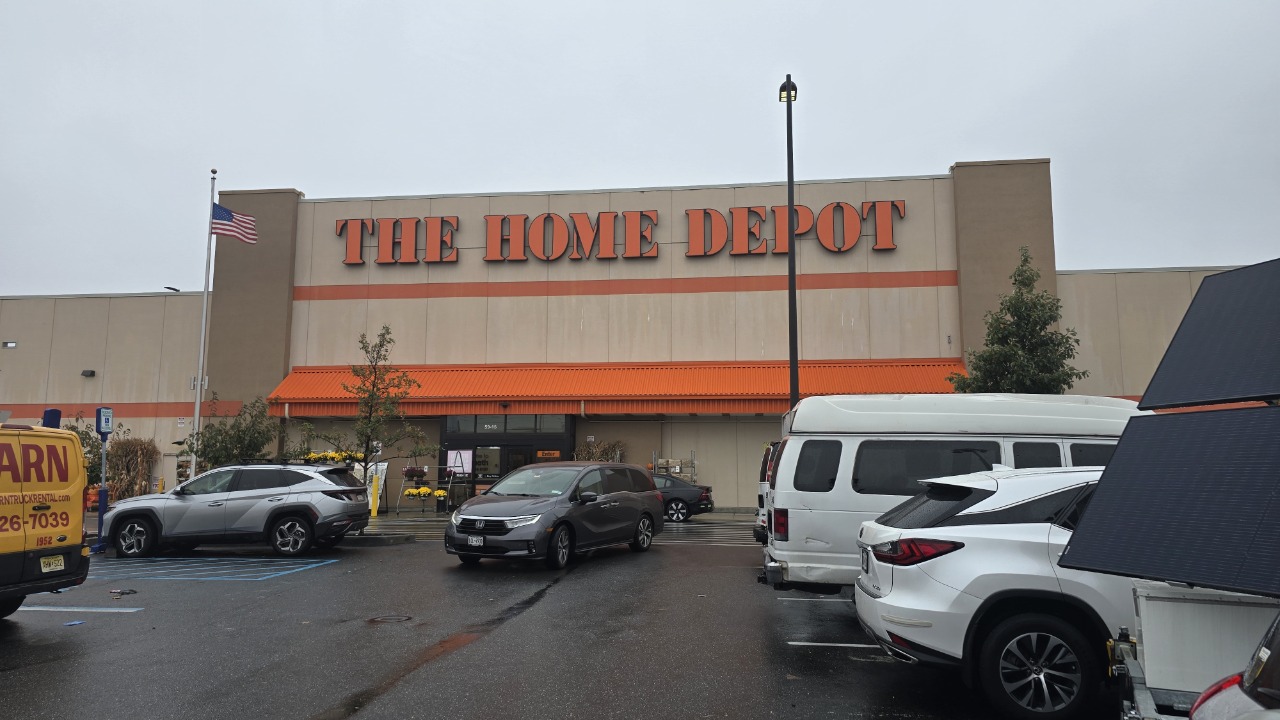
The same 2025 campaign offered fake Home Depot tool bundles, asking about $6.99 to $11.94 in shipping, according to Malwarebytes research. The checkout form captured full card details.
A low fee makes the request feel harmless, but handing over card numbers is the real cost. Retailers do not usually ask for card data to ship a free prize, which is the clearest warning sign.
12. Lowe’s: A Name on the List
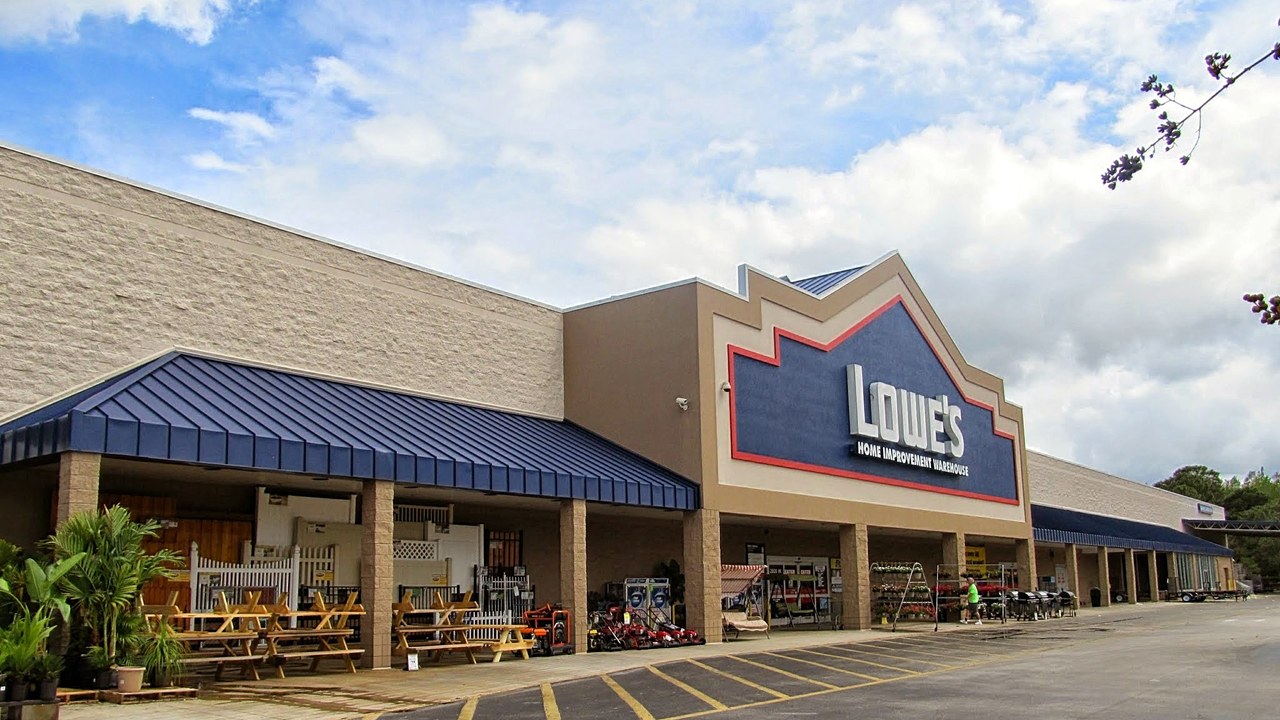
Lowe’s was named among the retailers impersonated in the November 2025 fake survey-reward campaign described by Malwarebytes. The source lists the brand without attaching a separate loss figure.
That limits what can be said, since the page names the retailer rather than quantifying its lures. The listing still shows that home-improvement chains were part of the same copycat scheme, not just the biggest online sellers.
13. Steam: Gamers in the Crosshairs
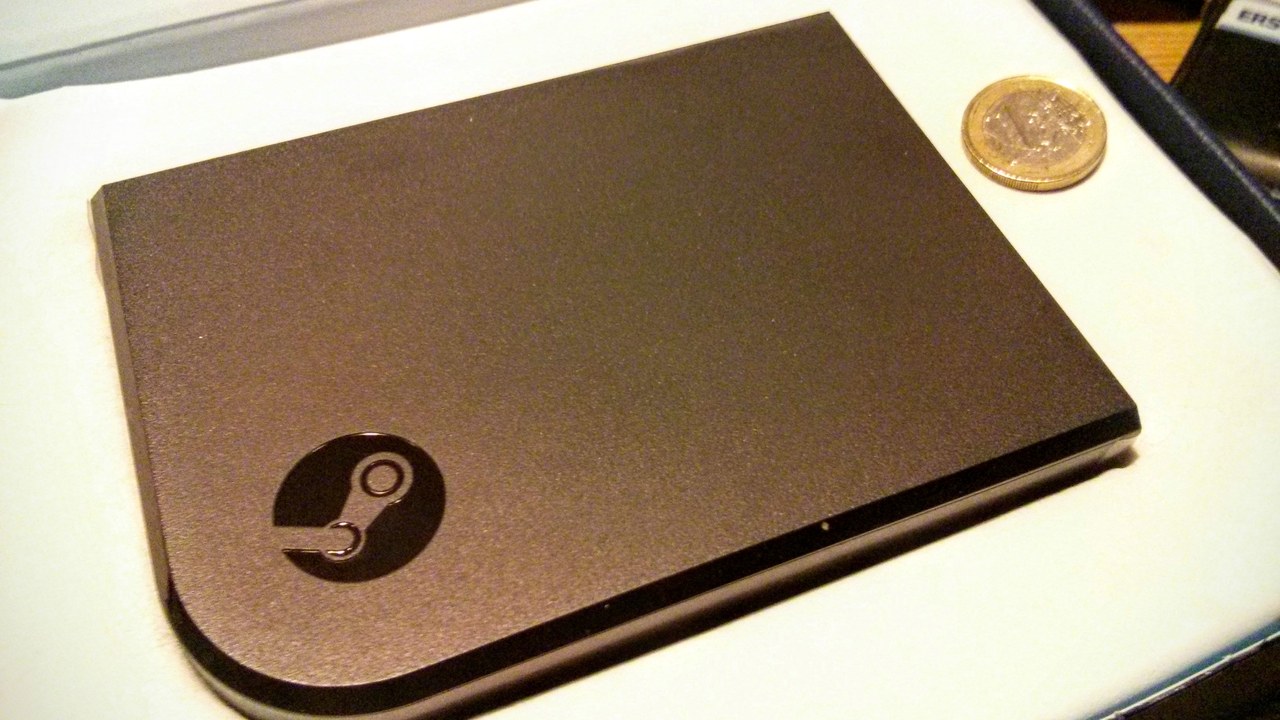
Steam ranked fifth among the most impersonated mainstream consumer brands in McAfee’s holiday 2025 research, per the McAfee Labs ranking. It is the one gaming platform on this list, which sets it apart from the retailers and carriers around it.
Accounts with stored payment methods and game libraries make a tempting target. The ranking reflects McAfee’s holiday 2025 analysis, so it describes that season rather than a lasting order.
14. Costco: Loyalty Reward Bait
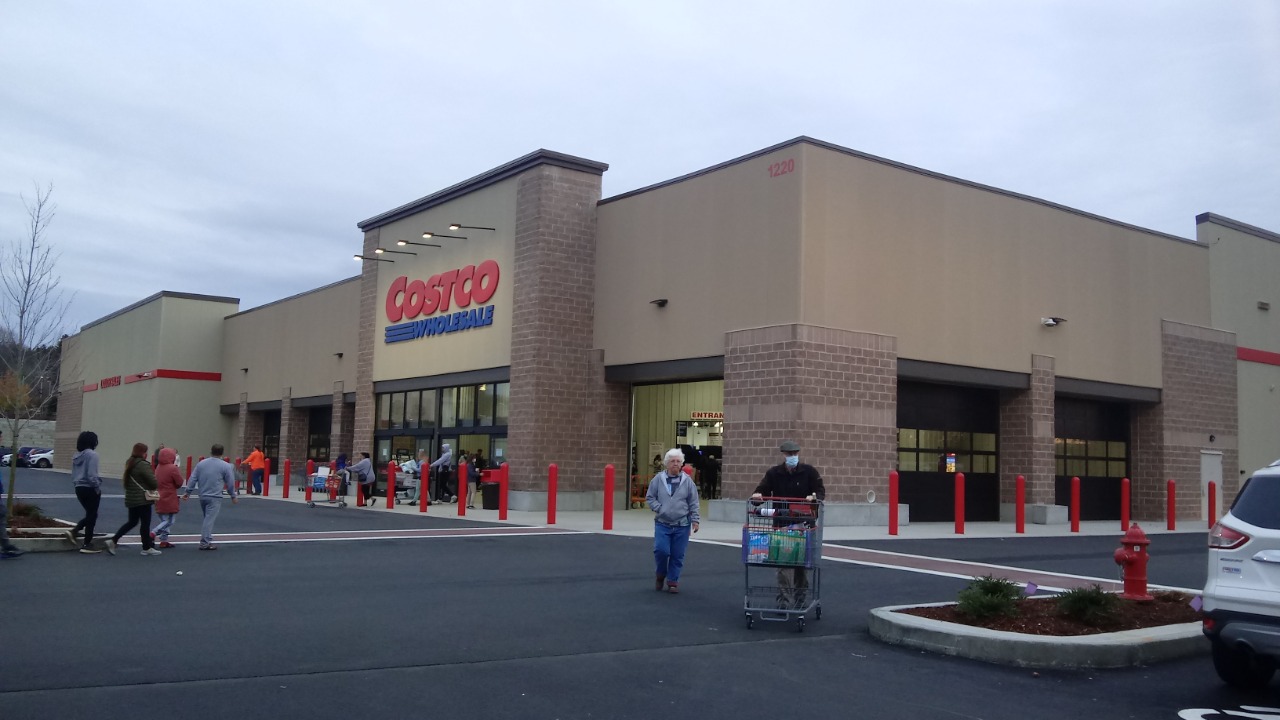
Costco loyalty-rewards package texts and gift-card emails surge as Black Friday nears, Market Realist wrote in 2021. The scams ask for sensitive information that retailers would never request.
The write-up is several years old, and the research row notes the pattern is long-running, so it shows a long-running pattern rather than a new campaign. Membership perks and gift cards remain convenient hooks because they sound like routine offers.
15. Best Buy: The Free TV Offer
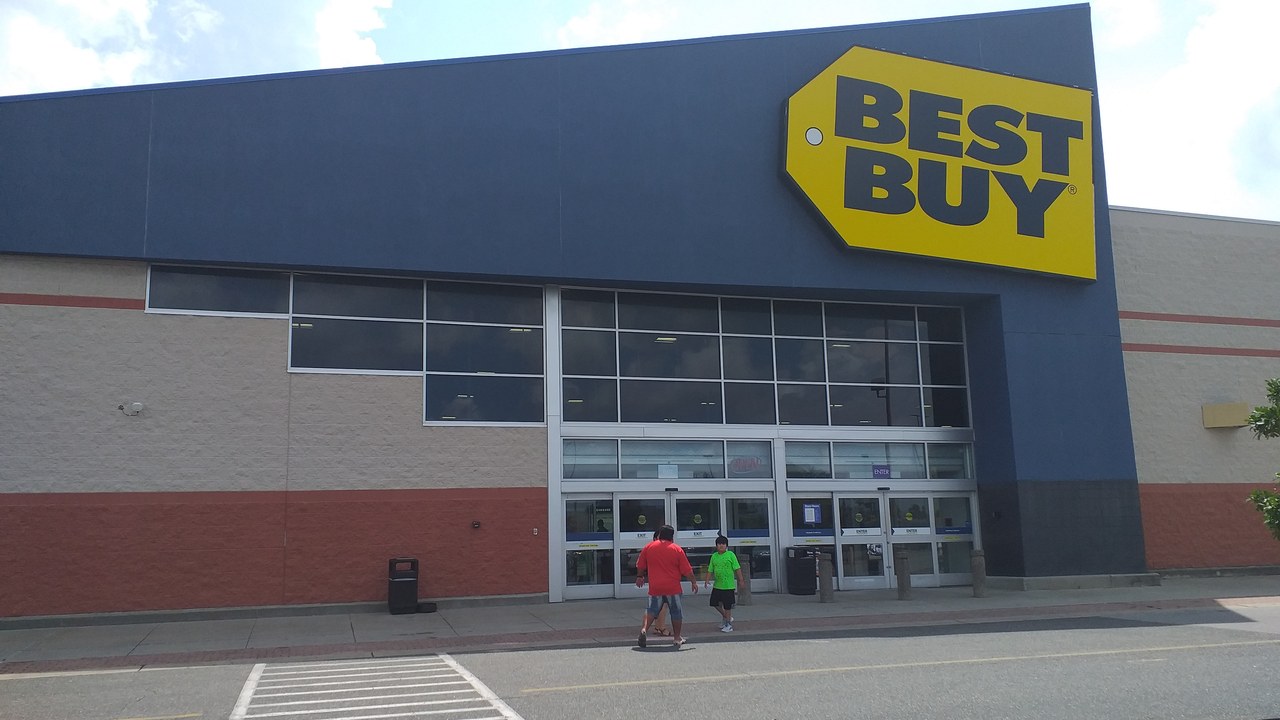
Phishing emails promised a free 65-inch Samsung TV through a fake Best Buy loyalty program, with a $5.95 shipping fee to capture card details, Bitdefender found in 2021. The same lure still recurs.
The campaign dates to 2021, so the figures are historical examples rather than current counts. An expensive item for a few dollars of shipping is the mismatch that gives the trick away.
16. Kohl’s: The $100 Survey
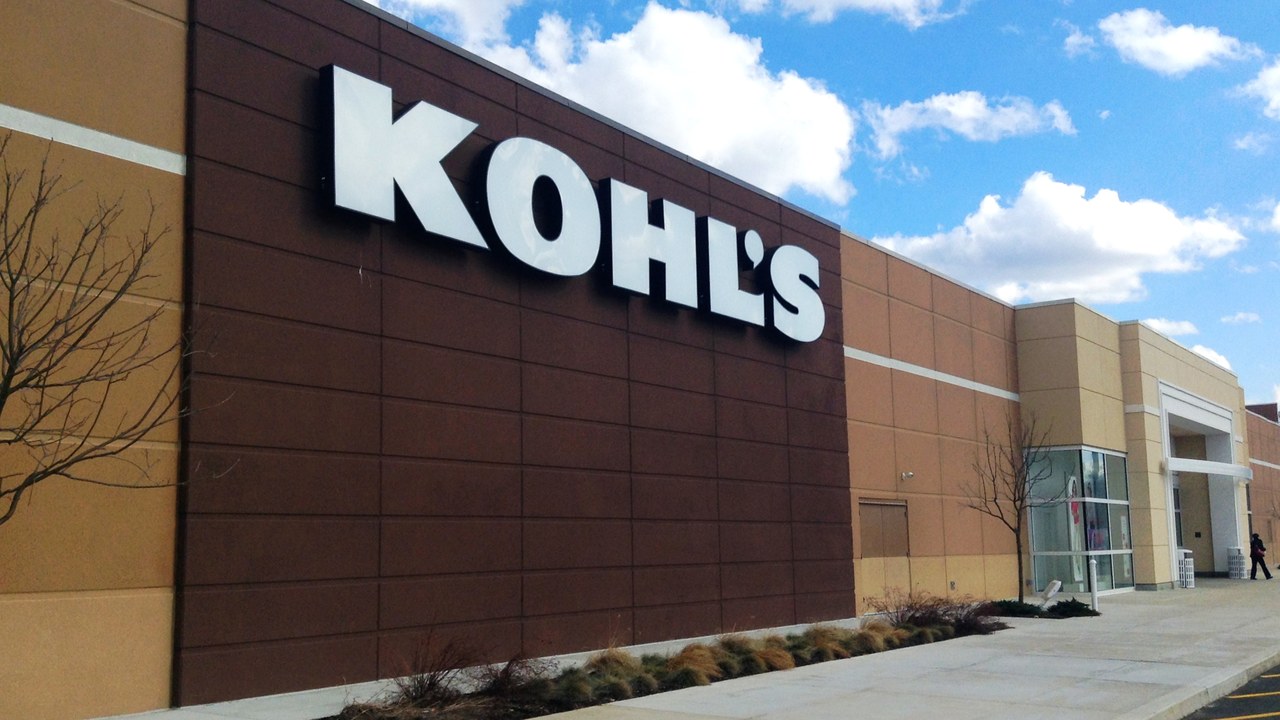
Emails offered a fake $100 Kohl’s reward for a short survey, then asked for name, address, phone and date of birth, Bitdefender’s analysis reported in its 2021 write-up. The lure still recurs.
The data requested goes well beyond what a survey prize would need, which makes it useful for identity fraud. The campaign is from 2021, and the same format appears again each holiday season.
More from Morning Overview
- Three shuttered U.S. nuclear plants are being restarted, including Three Mile Island
- Jeep’s new Recon sold just 19 units in 45 days, the fewest of any model on CarEdge’s worst-sellers list
- New York picked its finalists to build a big new nuclear plant upstate
- Washington is forcing coal plants from Colorado to Washington state to keep running
