
Freight still moves across the Great Lakes on some of the largest vessels ever built for inland water. They range from compact modern haulers to steel giants longer than three football fields, and several have worked for decades. Here are twelve lake freighters that continue to haul cargo, with the figures that set each one apart.
Help yourself and the planet: The Cool Down makes it easy to help yourself while helping the planet, with smart, simple changes to save more and waste less in your everyday life.
We may earn a commission if you sign up.
1. MV Paul R. Tregurtha: Longest Ship on the Lakes
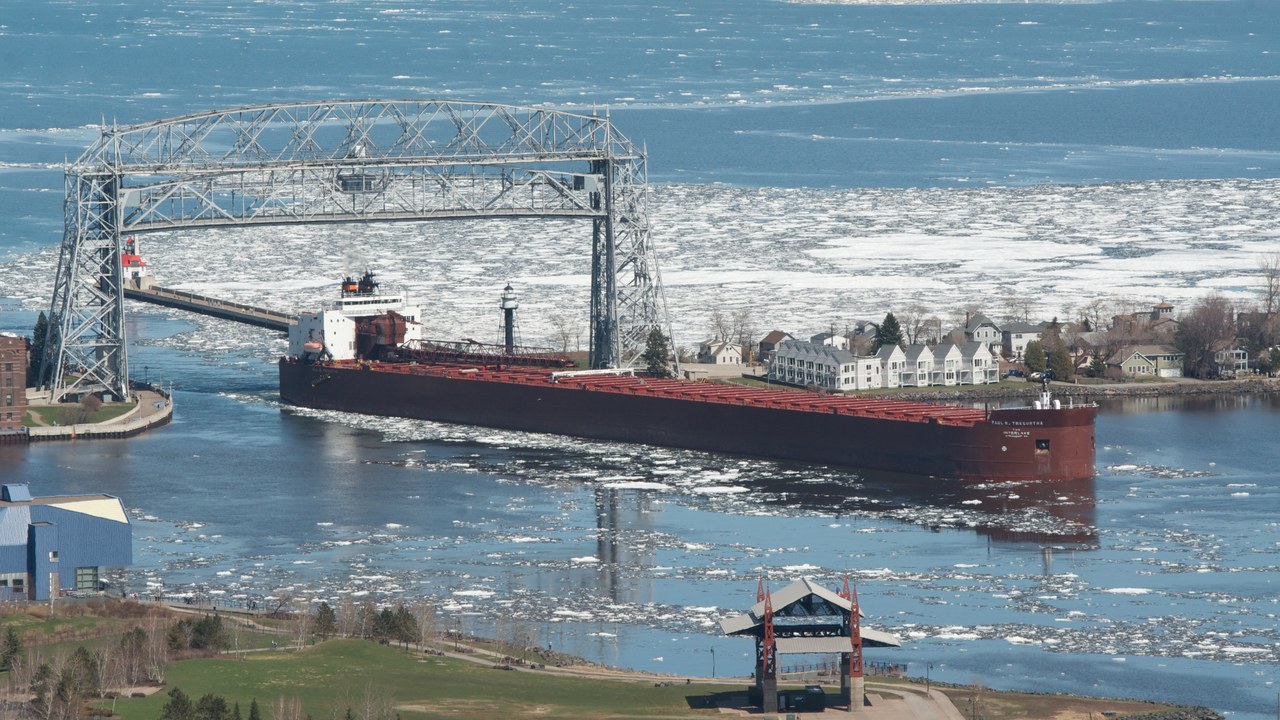
The worldatlas fleet roundup runs 1,013.5 feet from bow to stern, making it the single longest vessel on the Great Lakes, and it moves about 69,580 tons of coal on a typical trip.
That length matters at every lock and harbor, where a hull this long leaves little margin for error. Cargo capacity on this scale explains why a handful of such vessels carry a large share of lake bulk freight, with each trip standing in for thousands of truckloads. Its owner operates it as a flagship of the fleet, and enthusiasts routinely photograph its passages.
2. MV Burns Harbor: Biggest Load in the Fleet
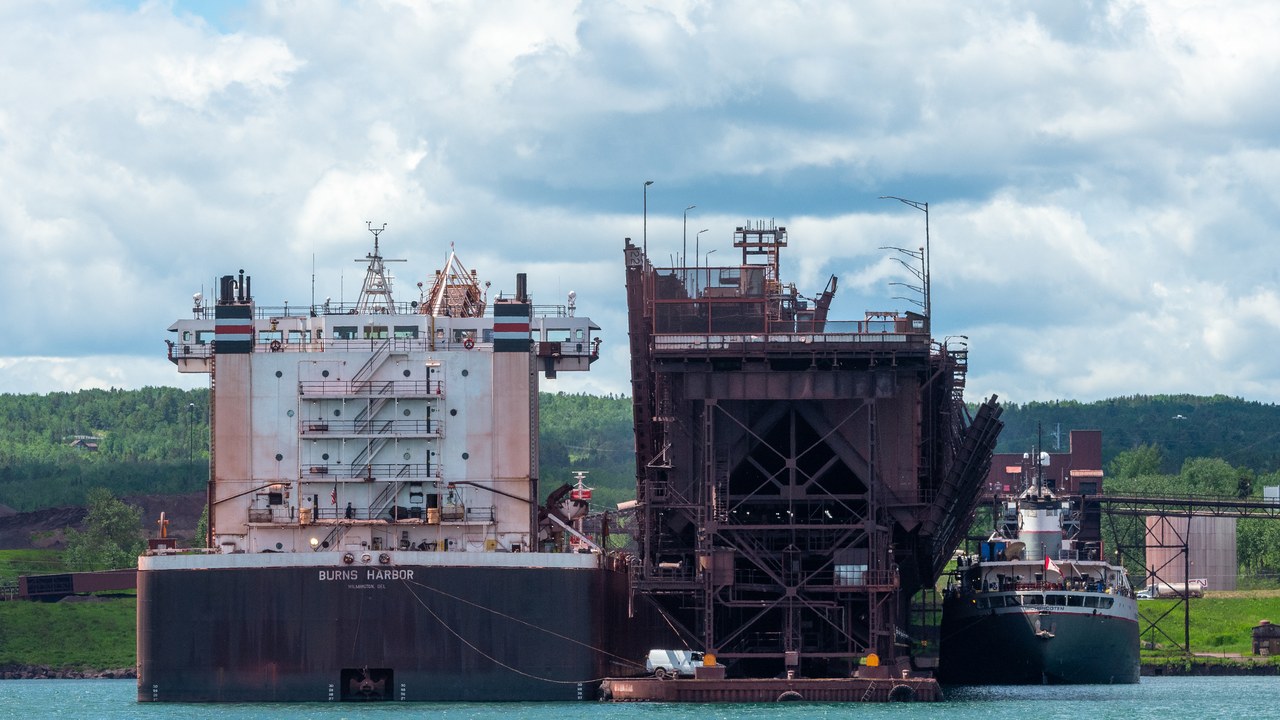
At 1,000 feet, the Burns Harbor carries about 71,120 tons per trip, according to a ranking of the largest lakers, the largest single load of any hull in the active fleet.
The figure edges out the longer Tregurtha, a reminder that capacity depends on hull depth and beam as well as length. Steel mills along the lakes rely on loads of that size to keep furnaces fed through the long shipping season. Shipping schedules around the vessel reflect how important each full trip is to the operators involved.
3. MV Edwin H. Gott: Veteran of 1979
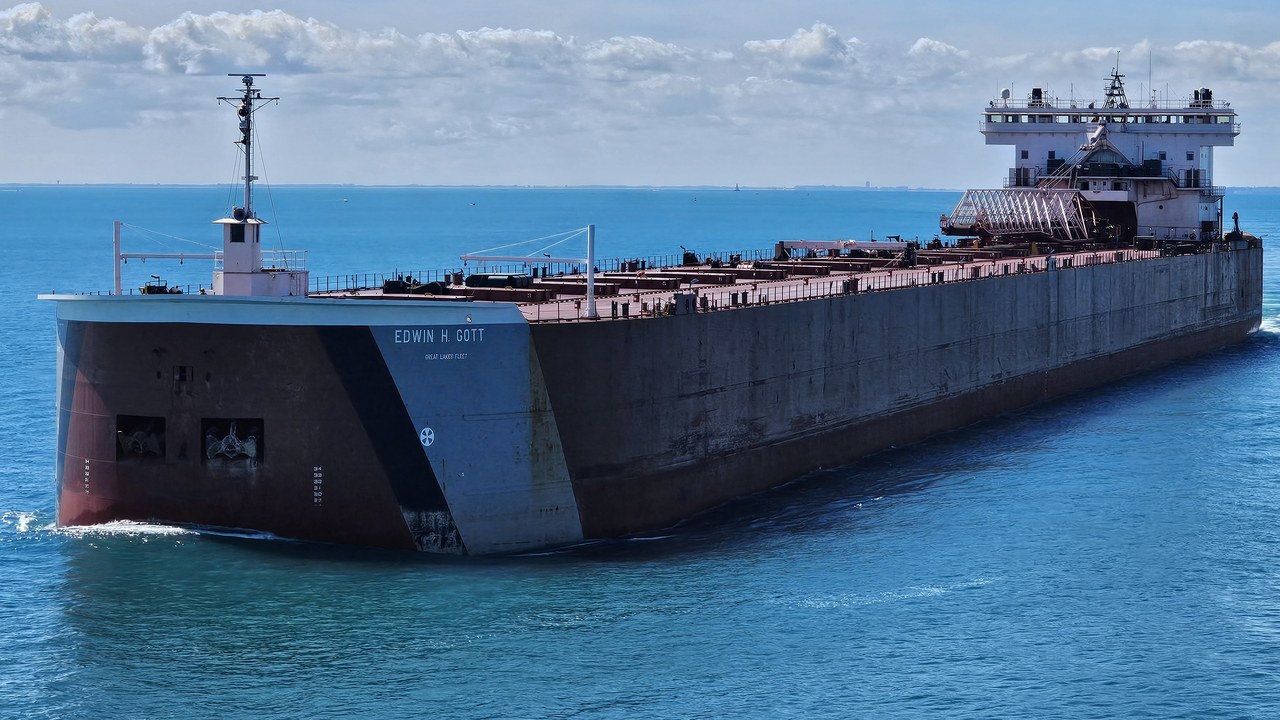
In service since 1979, the 1,004-foot Edwin H. Gott hauls about 69,664 tons of iron ore pellets on each trip, per the worldatlas list of active giants.
Iron ore pellets are the cargo that built the thousand-footer class, and the Gott still works that trade more than four decades after launch. Its steady cycle of loading and unloading shows how long a well-built lake hull can stay productive. Pellets are dense, so a hull this size reaches its weight limit long before its space runs out.
4. MV Stewart J. Cort: The First Thousand-Footer
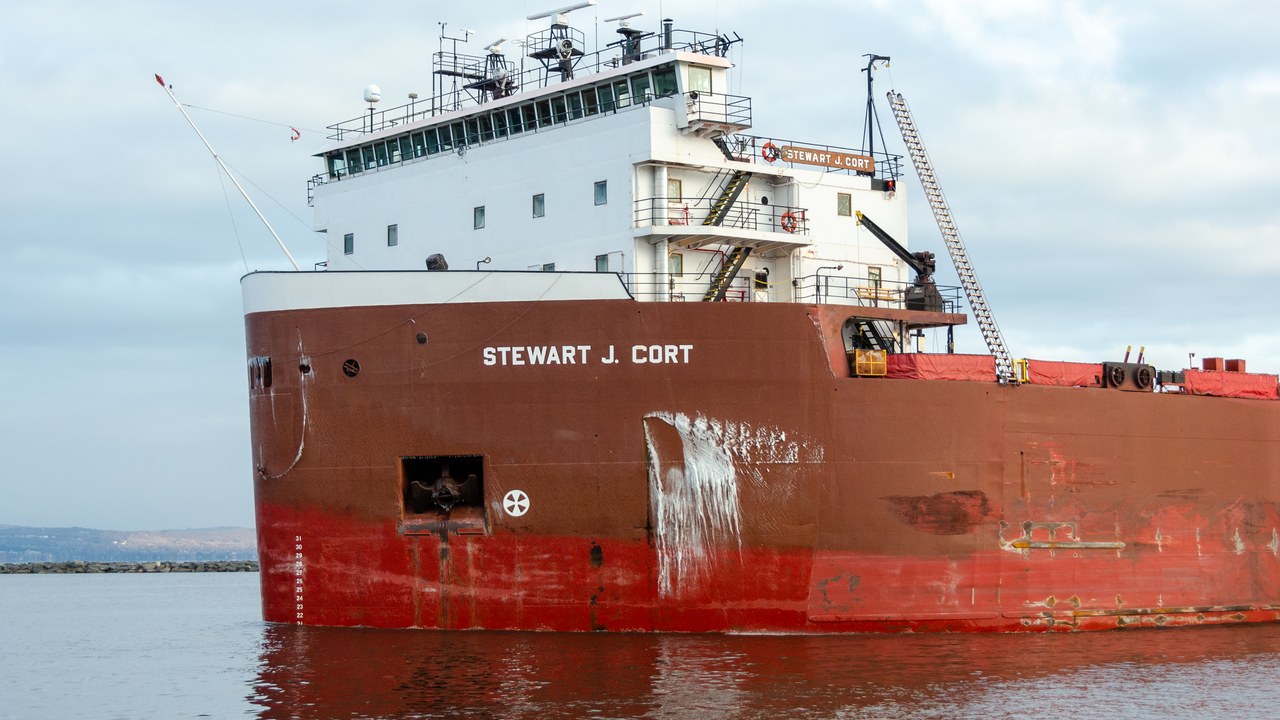
Entering service in 1972, the Stewart J. Cort was the first 1,000-footer on the lakes, and it carries about 64,690 tons, according to the worldatlas rundown of big lakers.
Every longer and heavier ship that followed built on the template the Cort proved. Its capacity is the smallest of the thousand-foot group here, yet its place in lake history is the largest, since it showed that vessels of this size could navigate the system. Lake historians often cite the ship when tracing how the fleet shifted toward fewer, larger hulls.
5. MV Mark W. Barker: Newest American Laker
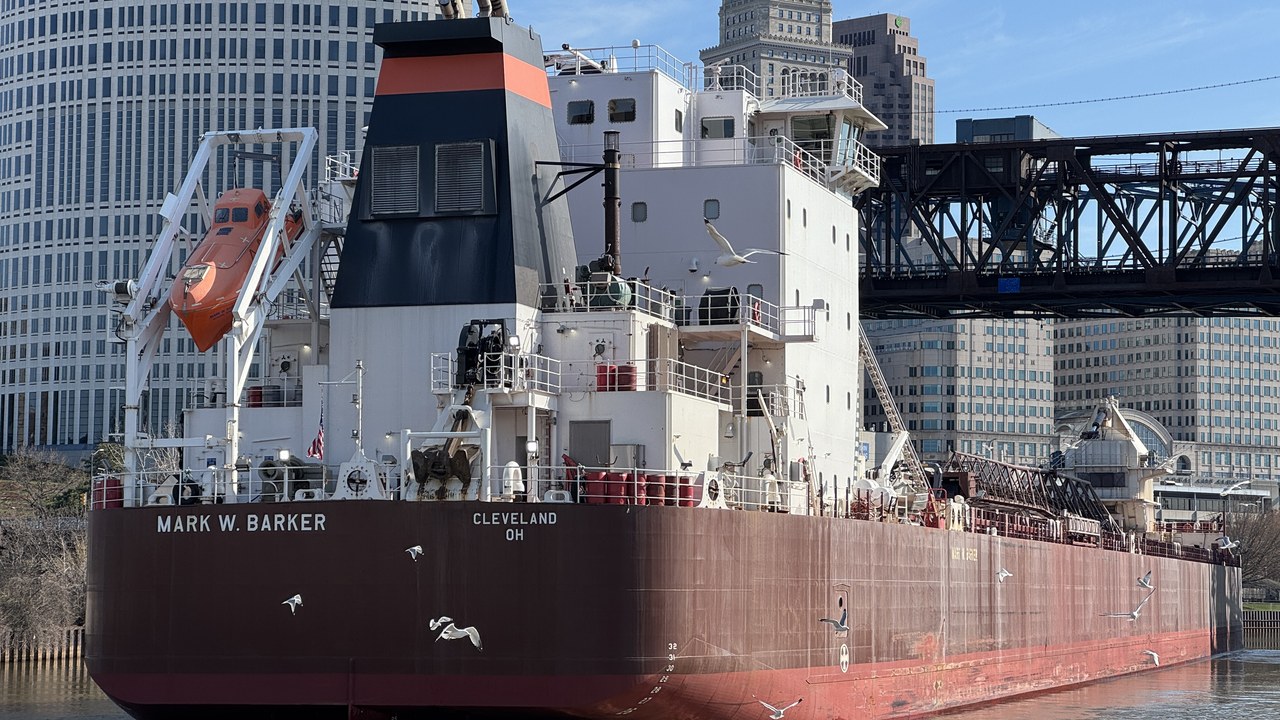
Delivered in 2022, the Mark W. Barker measures 639.0 feet and rates 26,000 gross tons, based on the Interlake fleet table from its owner.
The hull is far shorter than the thousand-footers, a size that lets it reach ports and rivers where the giants cannot turn. As the newest American-built laker, it also shows that new tonnage is still being added to a fleet many assume is entirely vintage. Operators gain flexibility from a design that suits shorter hauls and smaller docks across the system.
6. MV Lee A. Tregurtha: Wartime Hull, Still Working
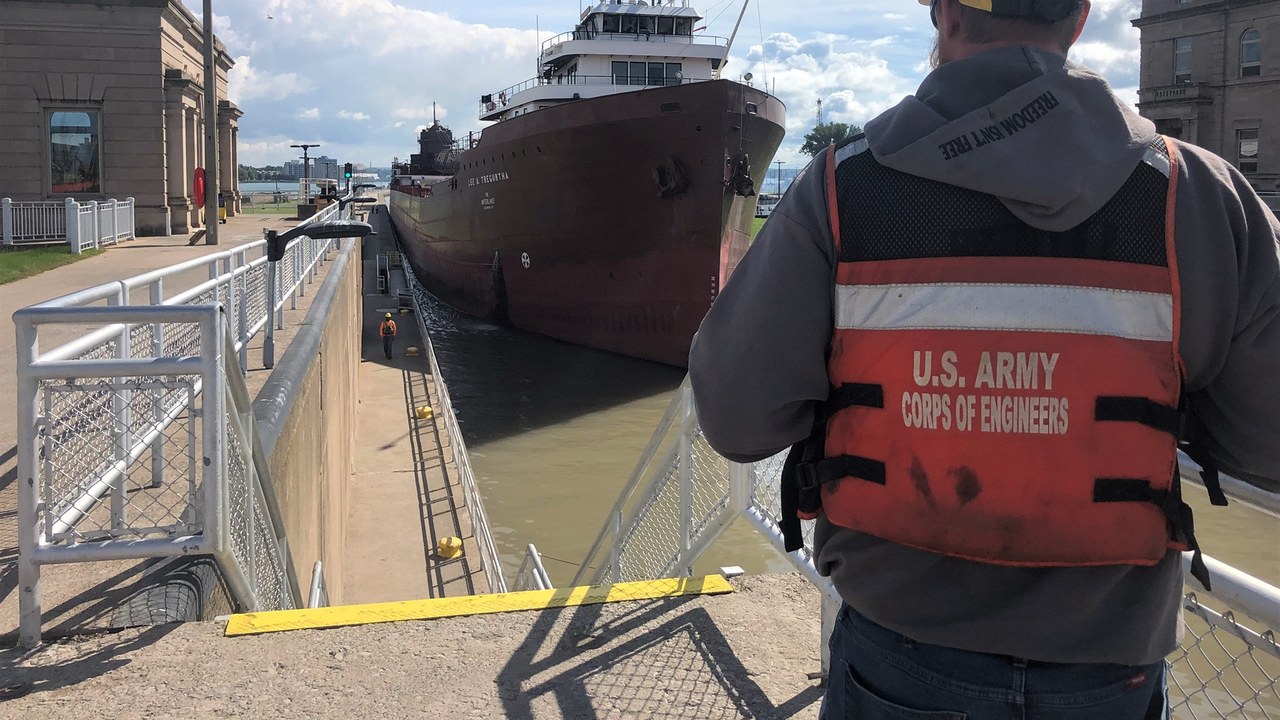
Built in 1942 and still working, the 826.0-foot Lee A. Tregurtha rates 29,360 gross tons in the Interlake Steamship fleet listing published by its operator.
A working life that began during World War II makes it one of the oldest names on this roster. Longevity of that kind reflects the freshwater advantage, since lake hulls avoid the salt corrosion that retires ocean-going ships far sooner. Maintenance and refits keep such hulls in service well beyond the lifespans typical of seagoing cargo ships.
7. MV Kaye E. Barker: Korean War Era Steamer
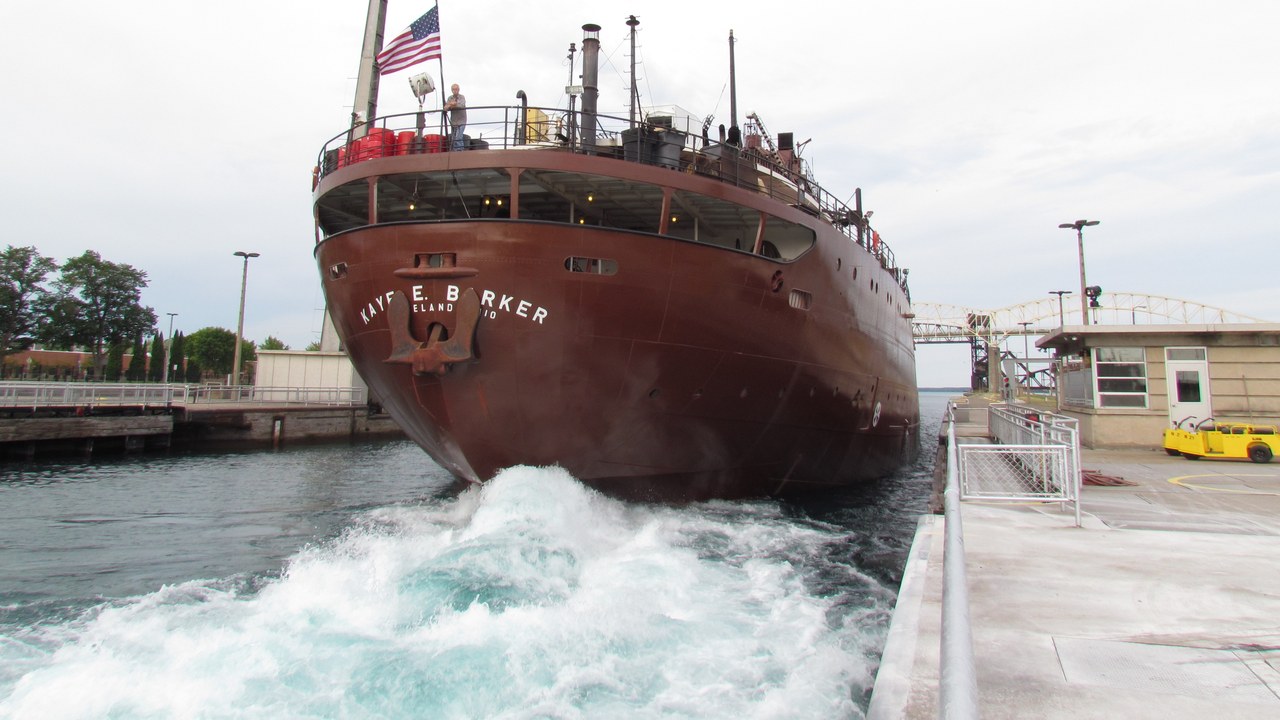
The 767.0-foot Kaye E. Barker dates to 1952 and rates 25,900 gross tons, according to the Interlake fleet table kept by Interlake.
Seventy years of hauling cargo puts it among the longest-serving freighters still in regular use. Its size is typical of the older generation, built to fit the locks and channels that existed before the thousand-footers arrived. Watchers of the fleet treat it as a living example of postwar lake shipbuilding, still earning revenue each season.
8. MV Herbert C. Jackson: Midcentury Workhorse
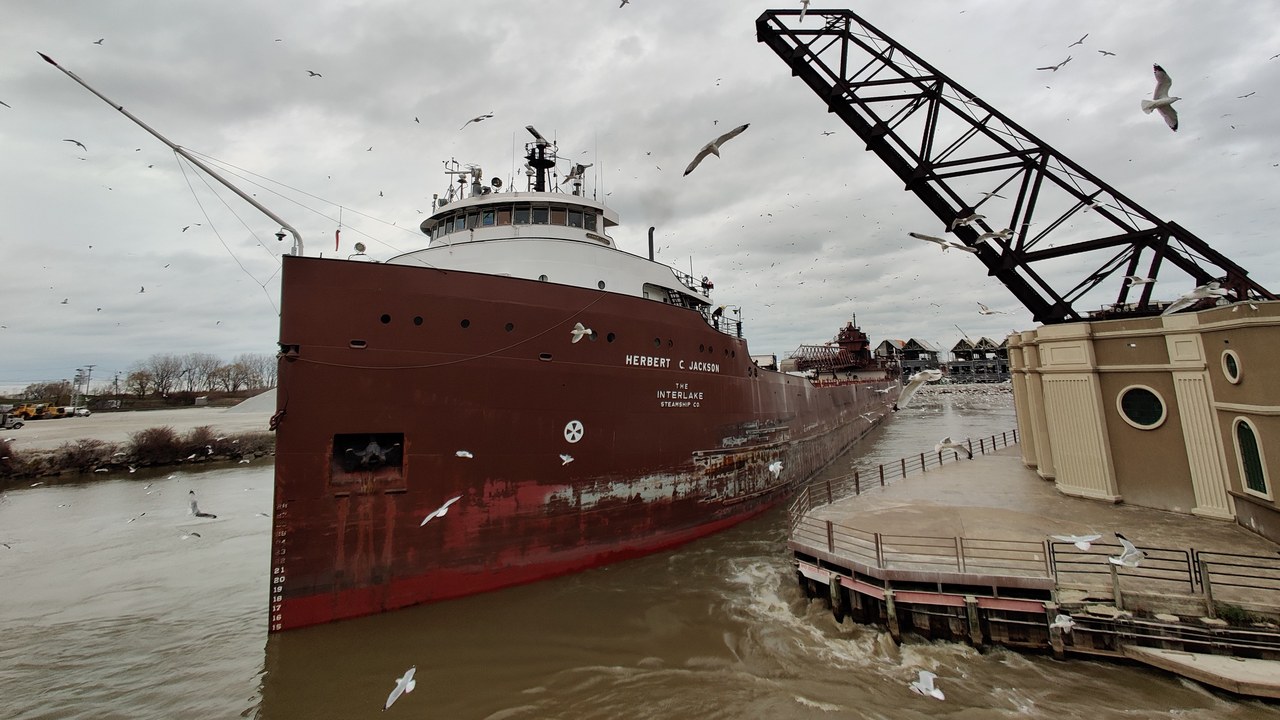
The 690.0-foot Herbert C. Jackson, built in 1959, rates 24,800 gross tons in its owner’s own Interlake fleet table.
Its dimensions place it in the middle of the lake fleet, large enough for bulk loads yet small enough for tighter harbors. The 1959 build date shows that a ship from the 1950s can still earn its keep on the same routes today. Fleet tables like this one help shippers match each vessel to the right cargo, port and season.
9. MV Edgar B. Speer: Eighty-Thousand-Ton Capacity
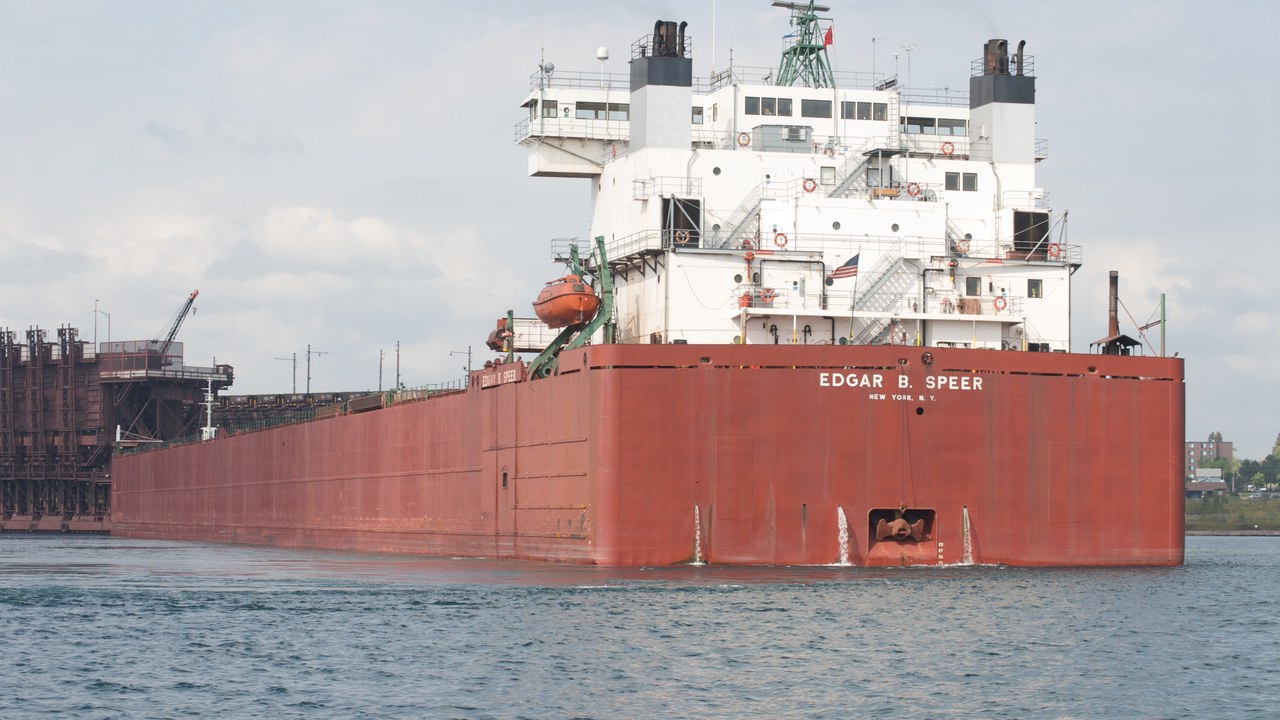
The 1,004-foot Edgar B. Speer is listed at 80,900 tons of cargo capacity in the Wikipedia table of lake freighters of the thousand-foot class.
That listing figure is a design capacity, and actual trip loads run lower because of draft limits in channels and harbors. Even so, the Speer ranks among the biggest carriers on the lakes, sharing its length and listed capacity with a sister ship. The number is best read as a ceiling for ideal conditions, useful mainly for comparing hulls within the same class.
10. MV Walter J. McCarthy Jr.: Listed at 80,120 Tons
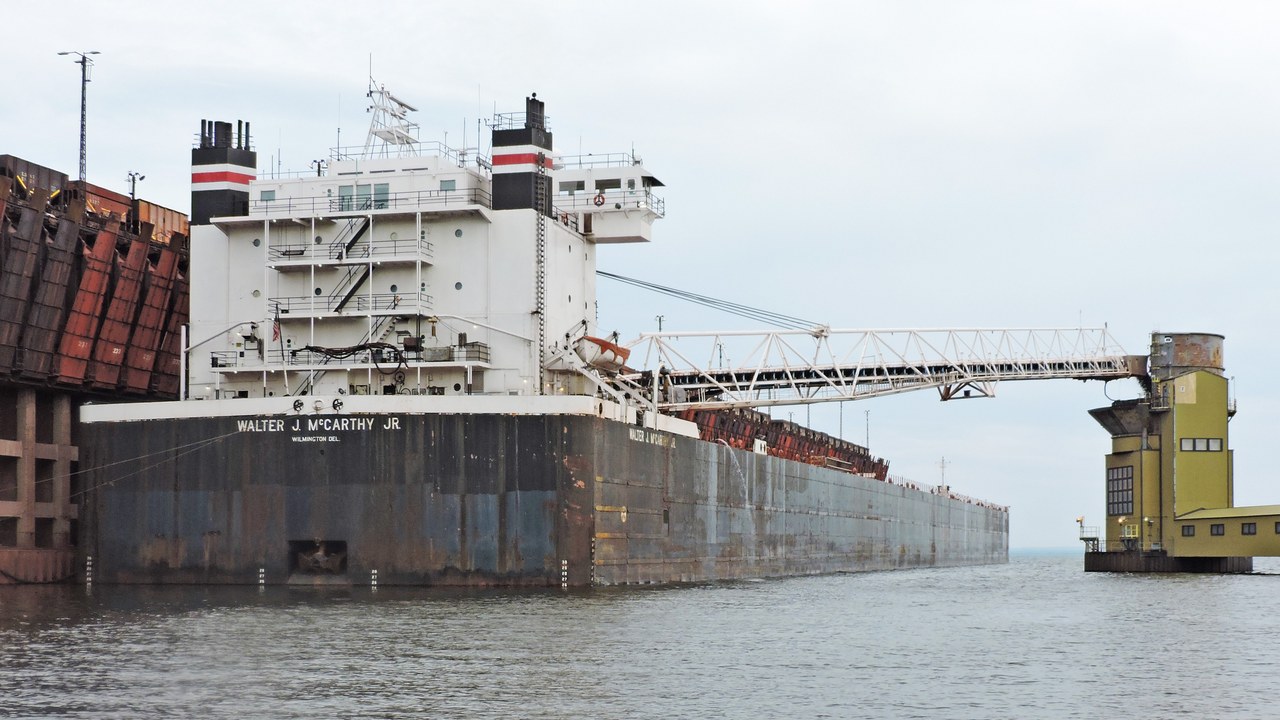
The 1,000-foot Walter J. McCarthy Jr. is listed at 80,120 tons of cargo capacity in the Wikipedia lake freighter article covering the lakes.
Like other entries in the thousand-foot class, the figure marks what the hull can carry at maximum draft rather than a routine load. The ship is a modern member of the group, built to haul ore and coal between the western lake ports and the mills. Comparing such listings across hulls shows how closely the thousand-foot vessels cluster in size and carrying power.
11. MV American Spirit: A Twin to the Speer
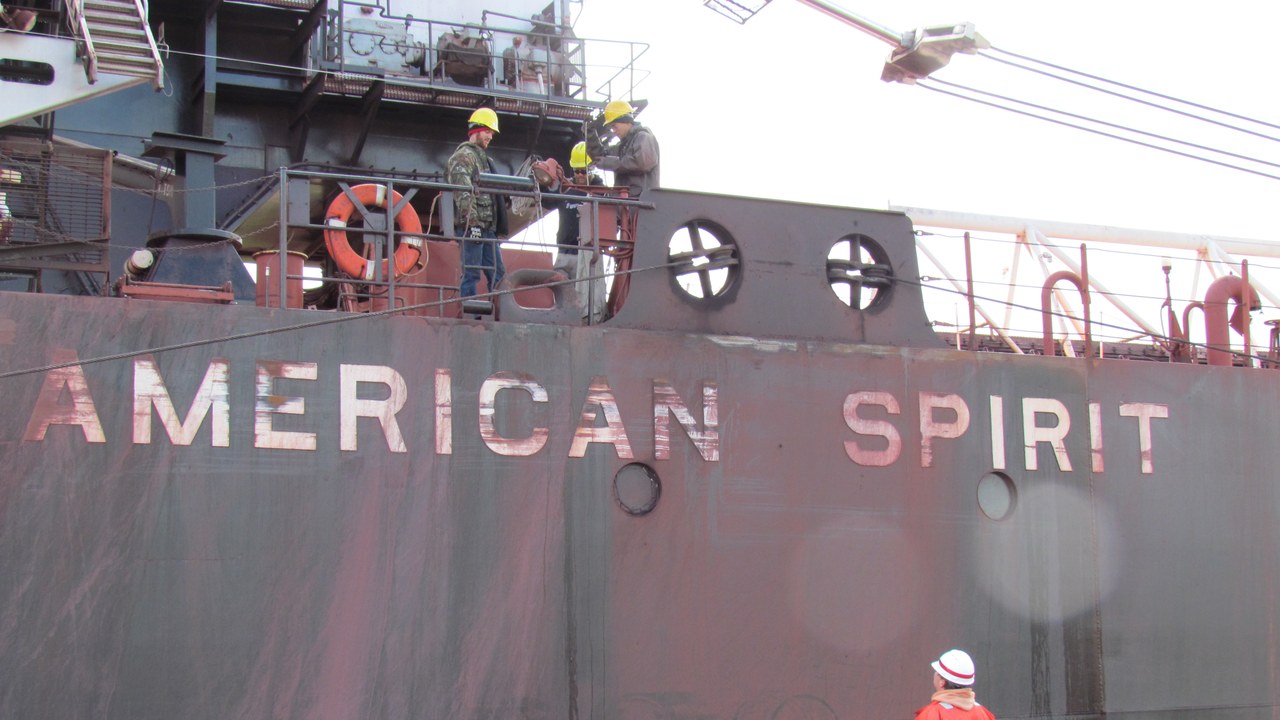
The 1,004-foot American Spirit is listed at 80,900 tons of cargo capacity, identical to the Speer in the Wikipedia table of the largest vessels.
Identical length and capacity figures point to the same basic design, a template that lake shipping repeated at scale. Both ships illustrate how the thousand-foot class settled into a few standard sizes tuned to the locks at the Soo. Readers comparing the two should note the figures come from one summary table, not separate measurements of each ship.
12. MV James R. Barker: Thousand-Footer Pioneer
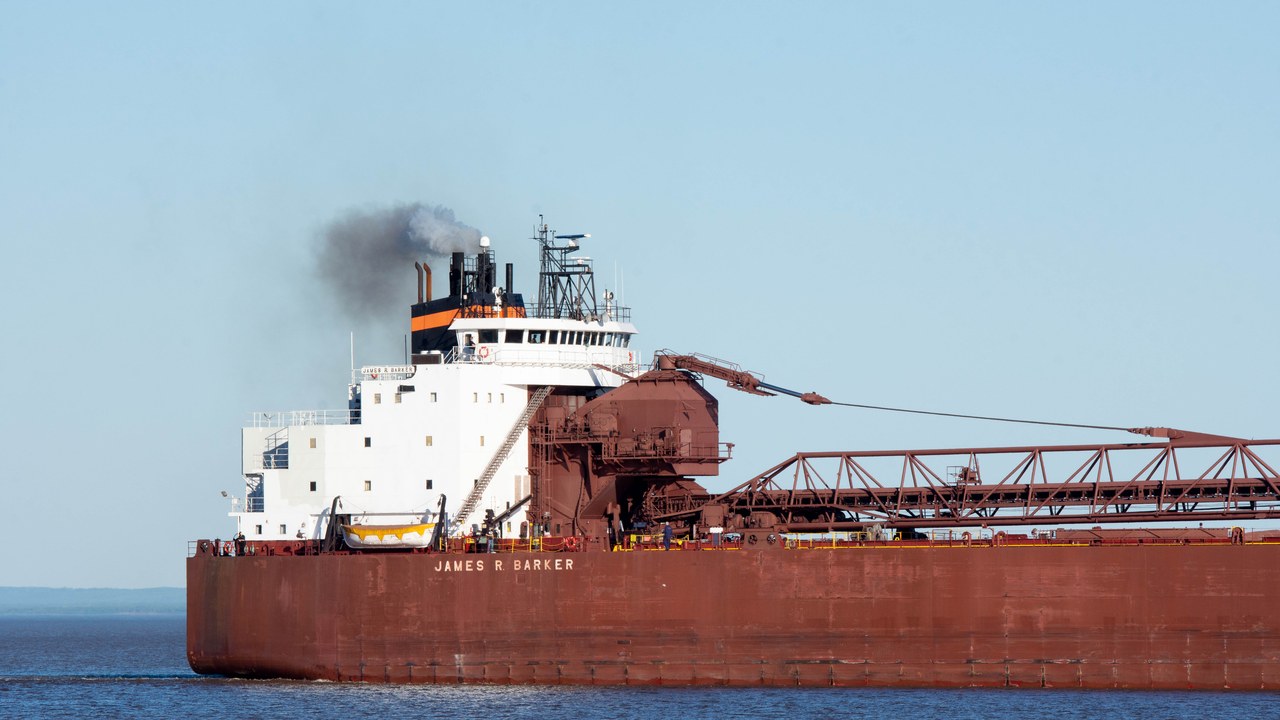
Launched in 1976, the James R. Barker was one of the first 1,000-foot hulls built for the lakes, as the Wikipedia article on lake freighters notes.
Its launch came only a few years after the Stewart J. Cort opened the class, and it helped establish the form that later giants followed. Nearly five decades on, it still stands for the shift toward fewer, far larger ships on the lakes. Its long career also illustrates why lake operators keep investing in refits rather than replacing proven steel.
Help yourself and the planet: Get The Cool Down →
We may earn a commission if you sign up.
More from Morning Overview
- Tropical Storm Rachel is dumping up to 12 inches on four Mexican states on its way to major hurricane strength
- The FTC says Lens.com doubled the price shoppers saw in Google ads
- Common allergy, bladder and sleep pills tied to sharply higher dementia odds
- NOAA now gives this winter a 75% chance of the strongest El Nino since 1950
