
Ships have been lost to ice, storms, collisions, fire and war, and the biggest losses changed how the world thinks about safety at sea. The vessels here range from ocean liners to a Great Lakes freighter, a river steamboat and a polar expedition ship. Here are eleven shipwrecks that made history, from the most famous liner of all to a Baltic ferry.
AI, explained every day: The Deep View is the go-to daily newsletter for 600,000+ founders, knowledge workers and professionals who want to stay up to date with artificial intelligence.
We may earn a commission if you sign up.
1. RMS Titanic: The Unsinkable Legend
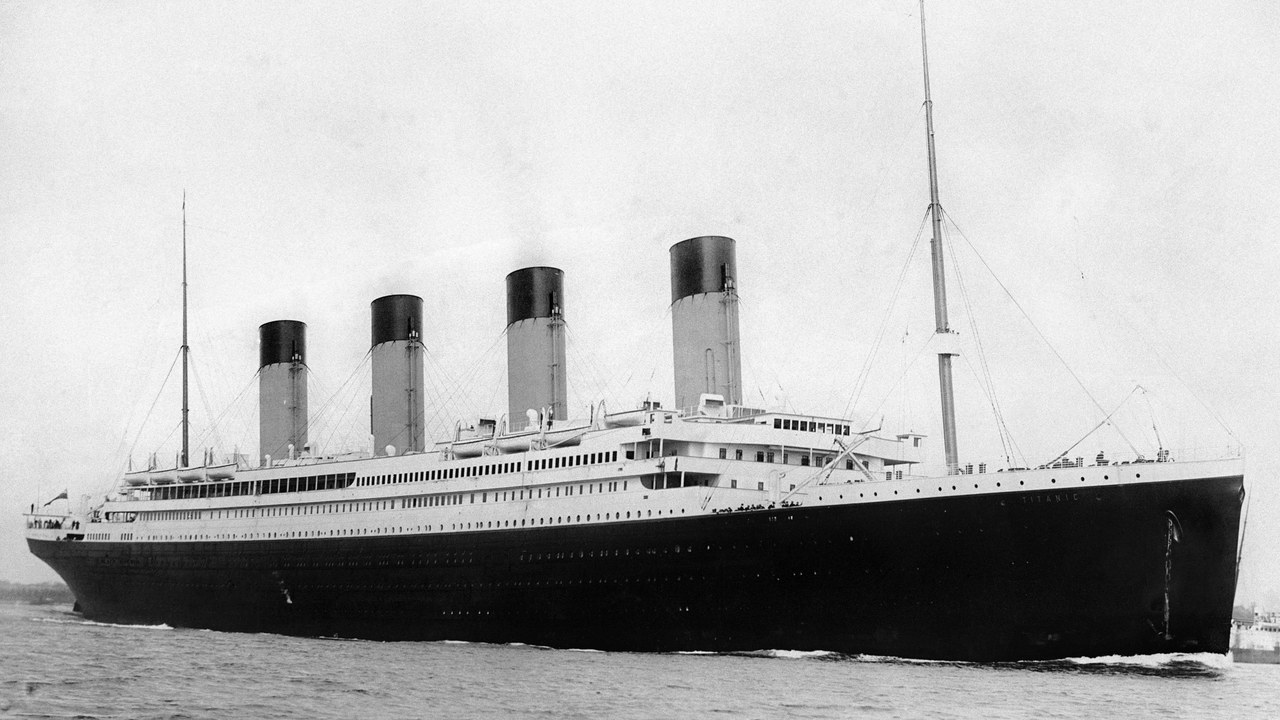
Titanic sank on April 15, 1912, killing more than 1,500 of the 2,240 aboard, and the wreck, found on Sept. 1, 1985, lies about 350 nautical miles off Newfoundland under an international protection agreement. NOAA’s account treats the site as a place of historic significance.
The protection agreement matters to anyone hoping to visit or salvage, since it governs how the site may be approached. More than a century on, the liner remains the standard against which every other maritime disaster is compared.
2. SS Edmund Fitzgerald: Storm on Superior
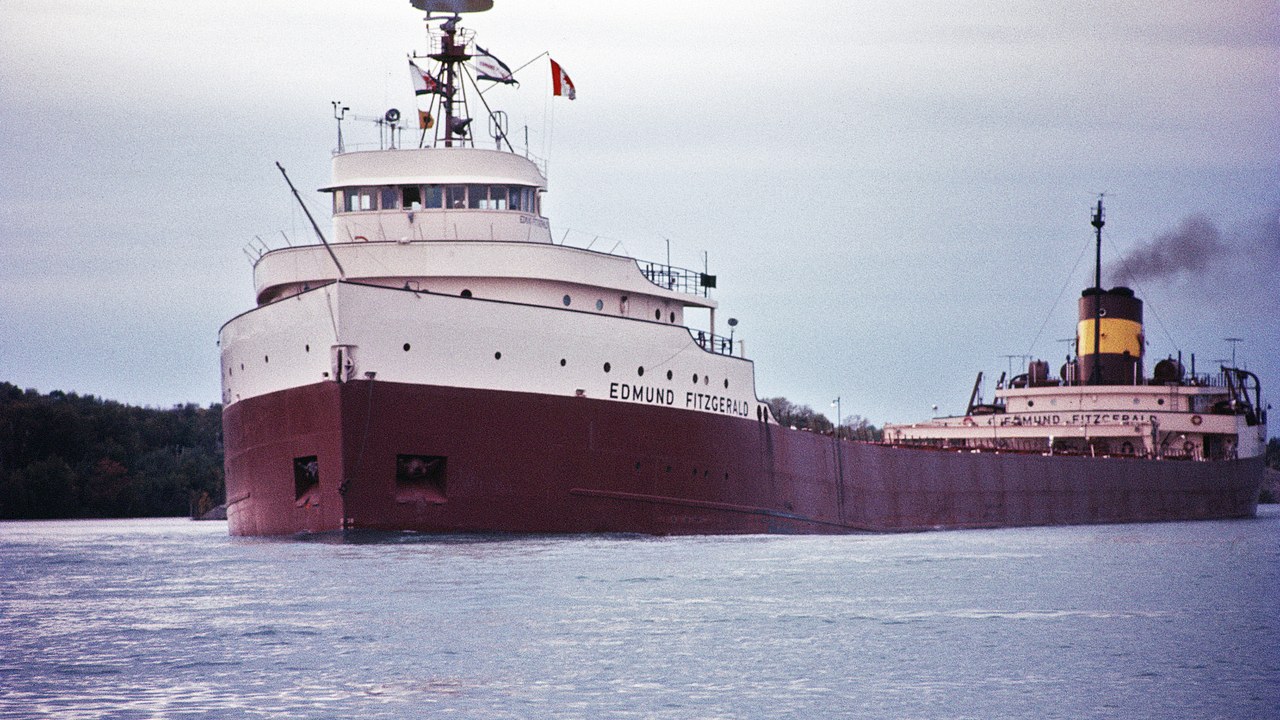
The Great Lakes freighter sank in a 1975 storm with its entire 29-member crew about 17 miles from Whitefish Point, Michigan; its bell was raised on July 4, 1995. The loss of everyone aboard gave the ship an enduring place in lake history.
Recovering the bell turned an abstract tragedy into a tangible memorial object. Visitors to the region still associate the ship with the unpredictable power of the lakes, which can behave like an ocean in a severe storm.
3. Endurance: Crushed by Antarctic Ice
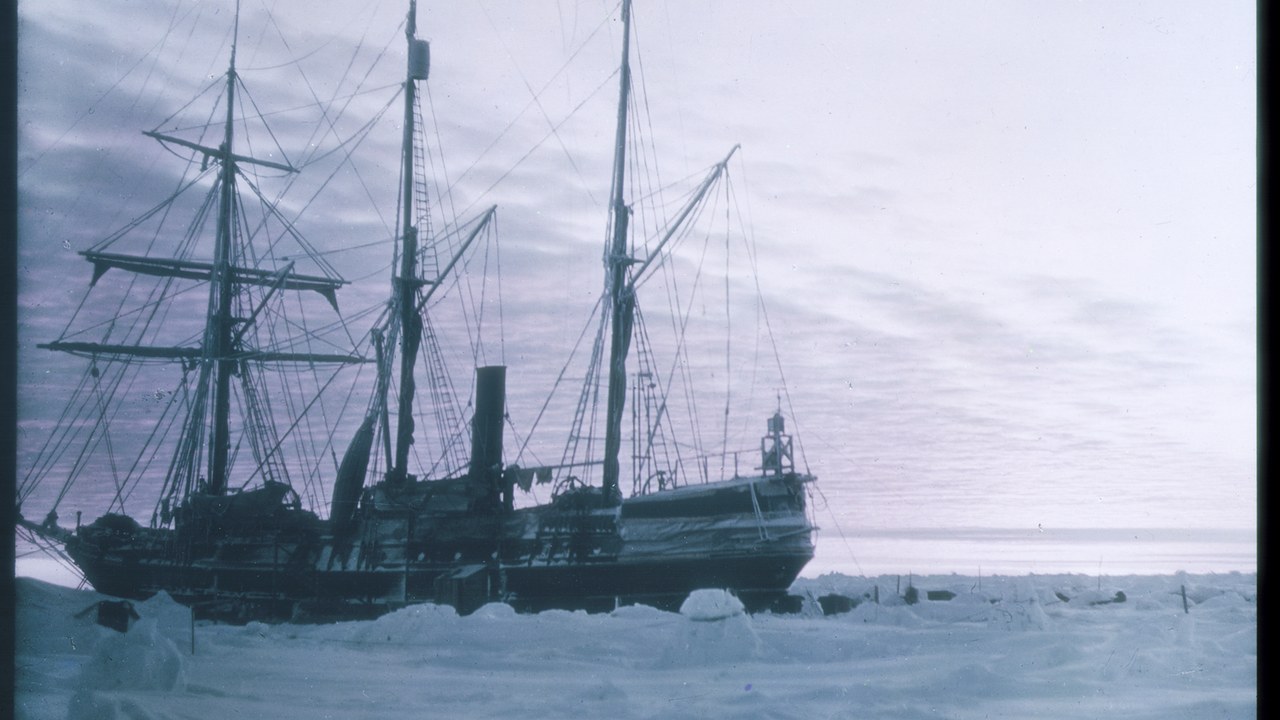
Shackleton’s ship was crushed by Antarctic ice in 1915 and finally found in 2022 at 3,008 meters in the Weddell Sea. The discovery ended a search that had lasted more than a century.
Unlike most entries here, the Endurance story is about survival rather than a death toll, since the loss of the vessel set off the famous expedition that followed. The deep, cold water of the Weddell Sea is the reason the wreck was so hard to locate.
4. RMS Lusitania: Torpedoed Off Ireland
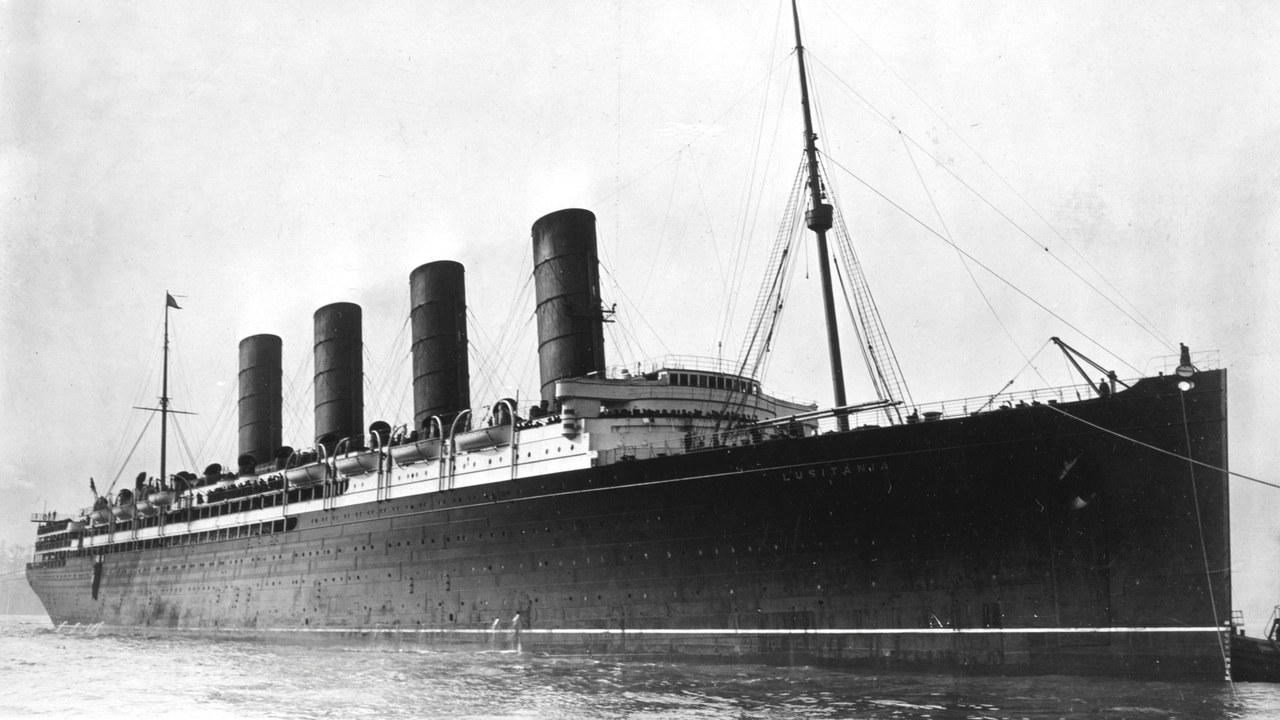
A German U-boat torpedoed the Cunard liner on May 7, 1915, drowning 1,198 people, including 128 Americans. The attack on a civilian passenger ship shocked public opinion on both sides of the Atlantic.
The American share of the toll is why the sinking is so often remembered in the United States. It shows how a single wartime incident at sea could shape diplomatic tension far beyond the ship’s own passenger list.
5. SS Andrea Doria: Collision in Fog
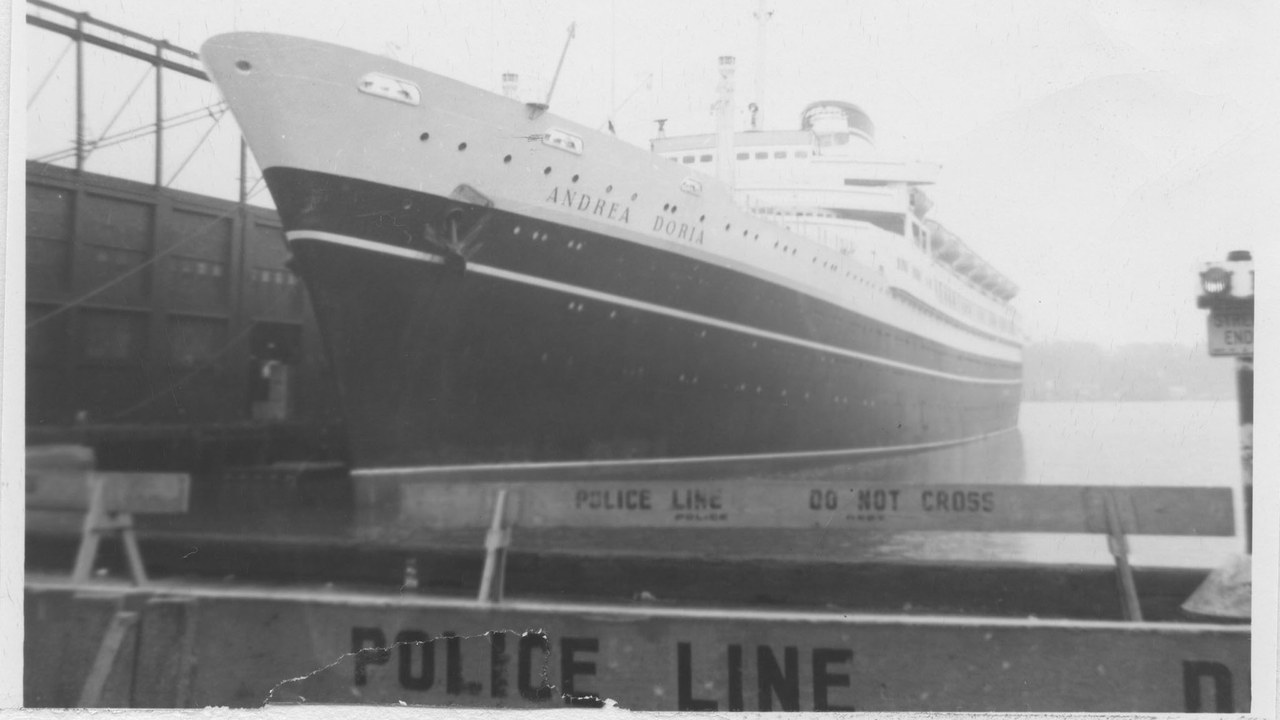
The Italian liner sank in 1956 after colliding with the Stockholm, killing 46 of the 1,706 aboard; the wreck lies about 240 feet down. The relatively low toll for a ship that large reflects a major rescue effort.
That depth is within reach of experienced technical divers, which has made the wreck a famous, if dangerous, dive destination. For readers weighing the ship against others, the Andrea Doria stands out as a disaster where most people survived.
6. Sultana: Steamboat Catastrophe
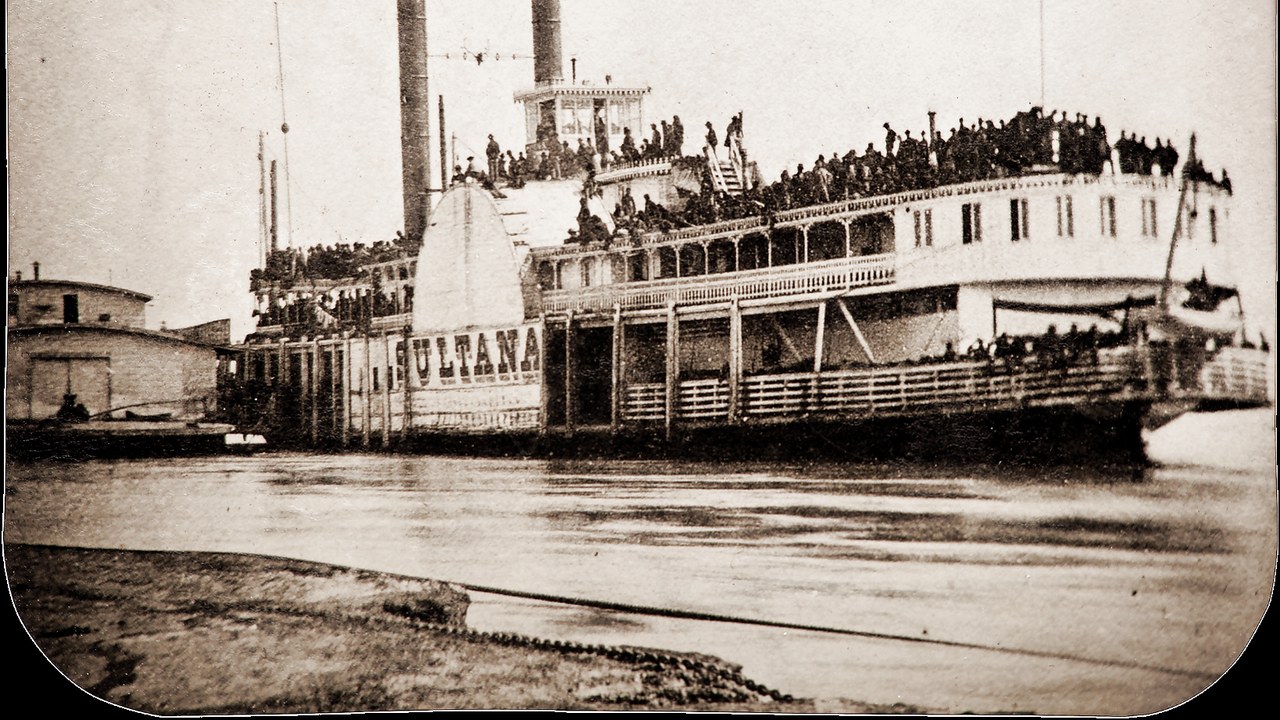
The Mississippi steamboat carried 2,137 people despite a capacity of 376 when it blew up in 1865, killing an estimated 1,200 to 1,800, the worst maritime disaster in United States history. The overloading was extreme by any standard.
Because the accident happened close to the end of the Civil War, it receives less attention than its toll deserves. Historians and river towns along the Mississippi keep the memory alive as a lesson in the cost of ignoring passenger limits.
7. SS Eastland: Capsized at the Dock
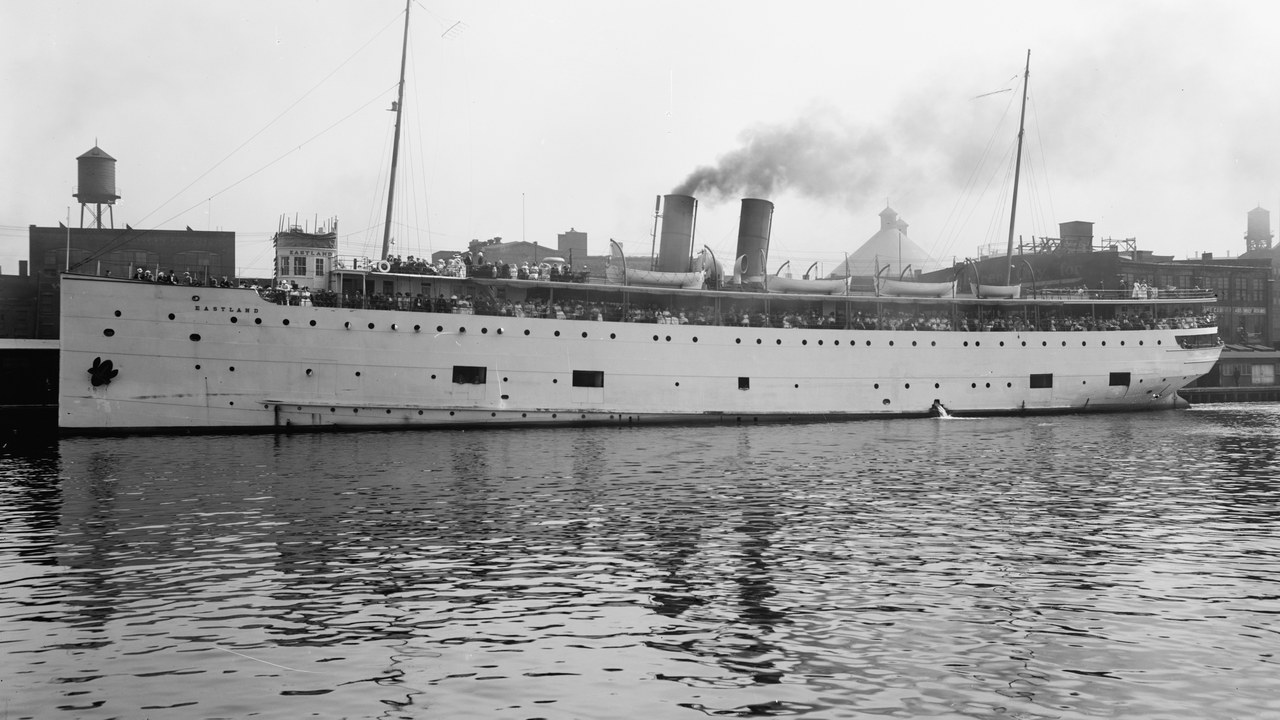
The Chicago tour ship rolled over on July 24, 1915, killing 844 passengers and crew, the largest loss of life from a single Great Lakes wreck. The disaster is remembered as one of the deadliest in the history of the region.
What stands out is how close to home it happened, since the rollover occurred in a busy city waterway rather than in open water. The Eastland remains a sobering reminder that large casualty counts do not always require a distant storm.
8. RMS Empress of Ireland: St. Lawrence Disaster
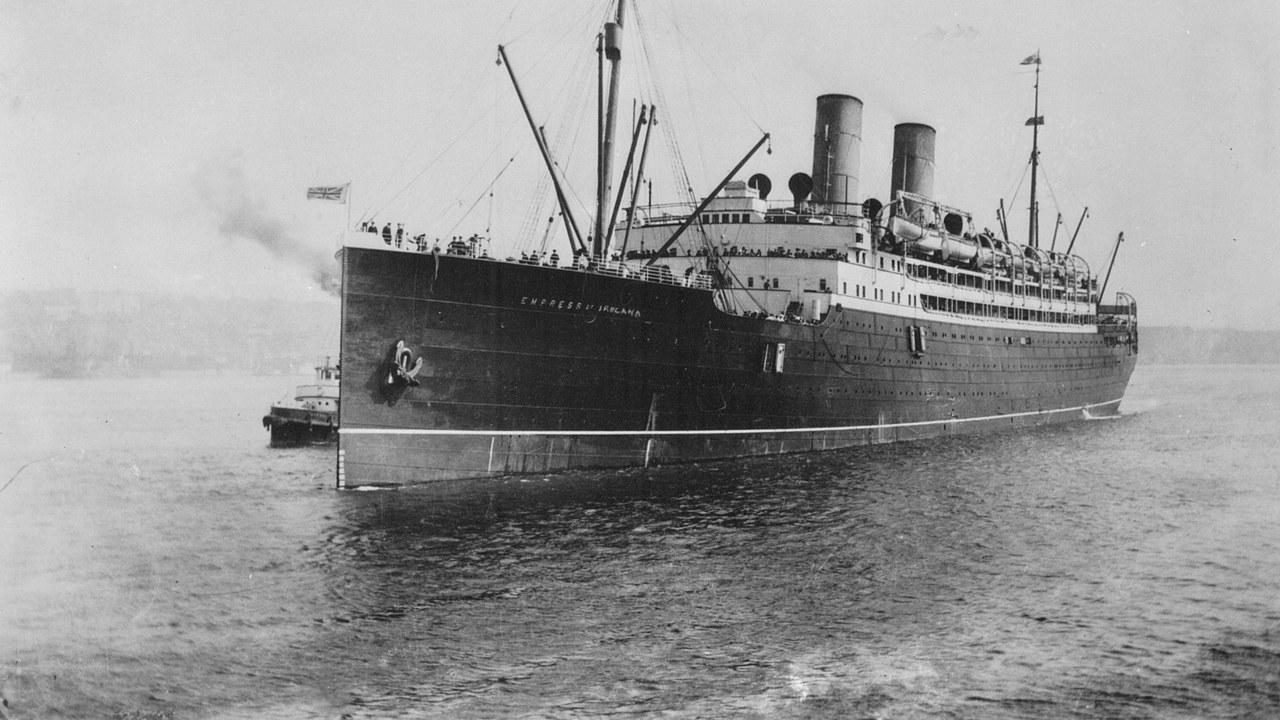
Struck by a Norwegian collier in dense fog on the St. Lawrence in 1914, the liner took more than 1,000 of the 1,477 people aboard. The scale of the toll shows how deadly a night-time or foggy collision can be on a crowded passenger ship.
The loss is often overshadowed by Titanic two years earlier and Lusitania the next year, though its toll was enormous. The river setting makes it distinctive, since most famous wrecks happened in open ocean rather than a busy shipping lane.
9. Vasa: The Warship That Barely Left Port
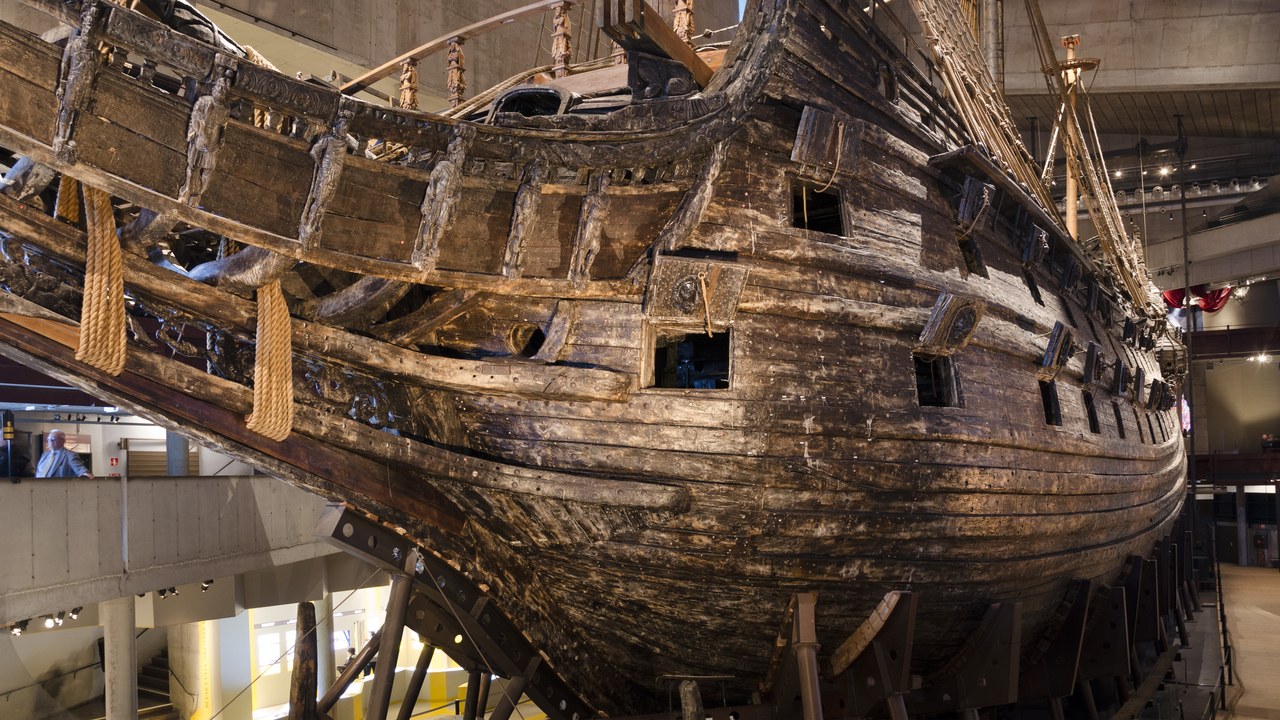
Launched in 1628 as one of the most powerful warships in the world and the pride of the Swedish Navy, the Vasa sank on its maiden voyage after traveling barely a mile. A gust of wind struck the ship, it rolled over and went down in Stockholm harbor in front of the city.
The wreck was rediscovered in the 1950s and raised, and the hull has been on display in Stockholm since 1990. More than a dozen people and thousands of artifacts have been recovered from it, making the Vasa one of the best-preserved ships of its century.
10. RMS Carpathia: Titanic’s Rescuer
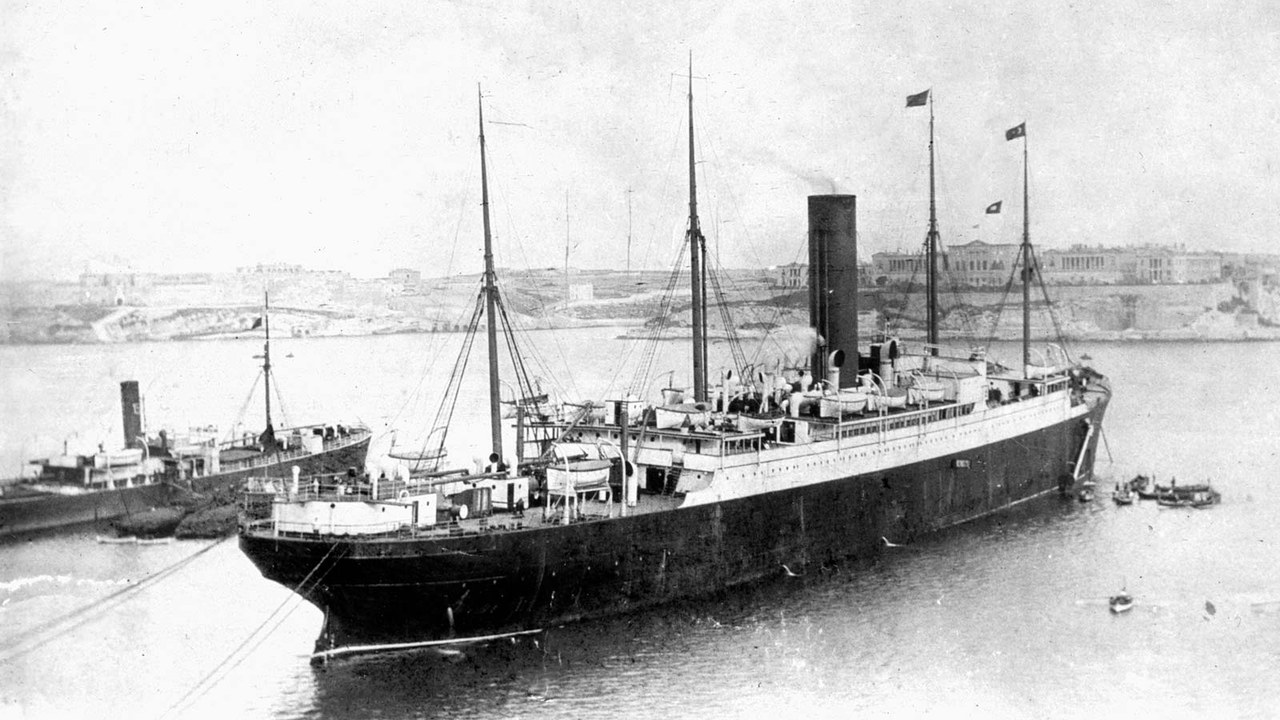
The liner that rescued Titanic’s survivors was torpedoed three times in 1917, and its upright wreck was found in 1999 at 600 feet. The ship’s role in 1912 is the reason its name is still known today.
Its fate adds a second chapter to the story of the rescue. The wreck’s upright position is notable among deep sites, giving divers and researchers a clearer look at a vessel with a well-documented historical role.
11. MS Estonia: Baltic Ferry Tragedy
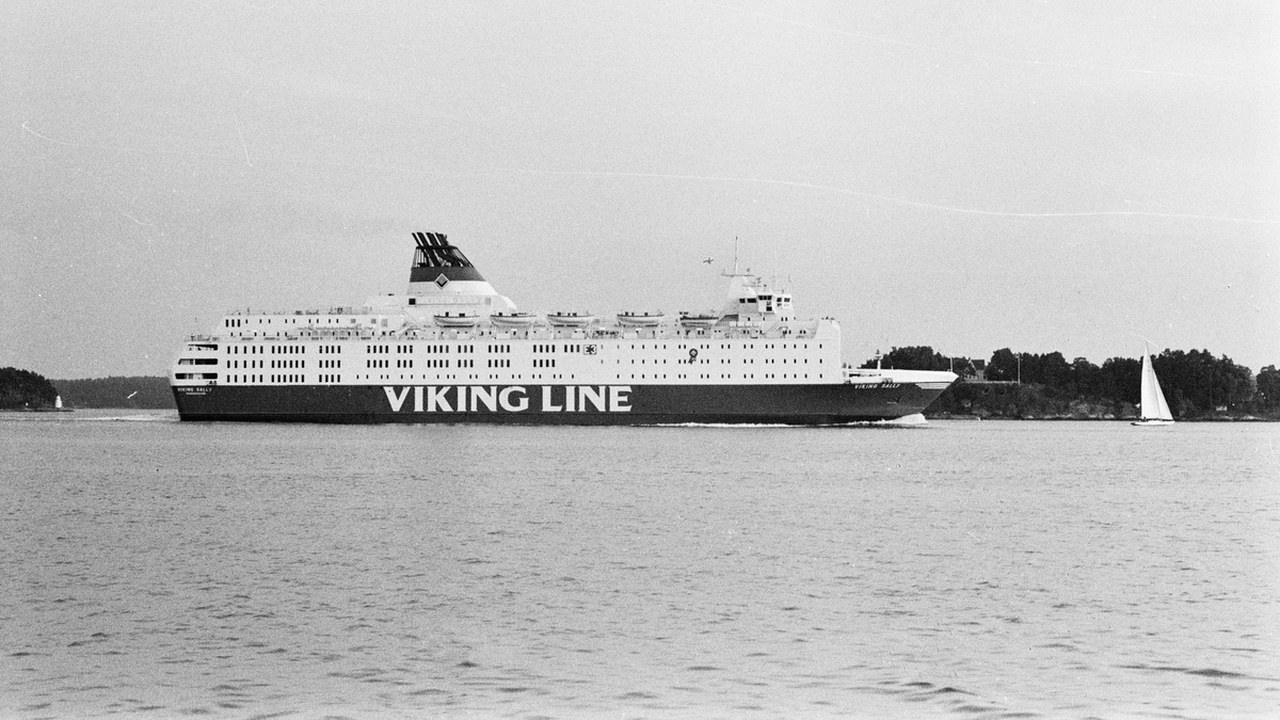
The cruise ferry sank in the Baltic between Tallinn and Stockholm on Sept. 28, 1994, killing 852. It is the most recent disaster on this list and one of the worst peacetime sinkings in European waters.
Because the loss happened so recently, it closes the list by showing that modern ships are not immune. The ferry route was an ordinary overnight crossing, which is why the event remains a point of reference for maritime safety discussions.
AI, explained every day: Get The Deep View →
We may earn a commission if you sign up.
More from Morning Overview
- Seven of Earth’s nine planetary boundaries are breached, and all seven are worsening
- The NSA says three phone features should be off whenever you aren’t using them
- Hurricane Hunter radar shows four warning signs that a tropical cyclone is about to strengthen, a University of Miami study found
- Tropical Storm Rachel is dumping up to 12 inches on four Mexican states on its way to major hurricane strength
