
Boating is a popular pastime, yet Coast Guard accident reports show the risk is far from evenly spread across vessel types. Some craft account for a large share of fatalities, while others look dangerous only when measured against how few are on the water. Here are twelve boat types ranked by the lives they claimed.
Stay ahead on AI: Join 600,000+ professionals who read The Deep View, the daily newsletter that keeps you up to date with artificial intelligence.
We may earn a commission if you sign up.
1. Open motorboat: Deadliest Type By Far
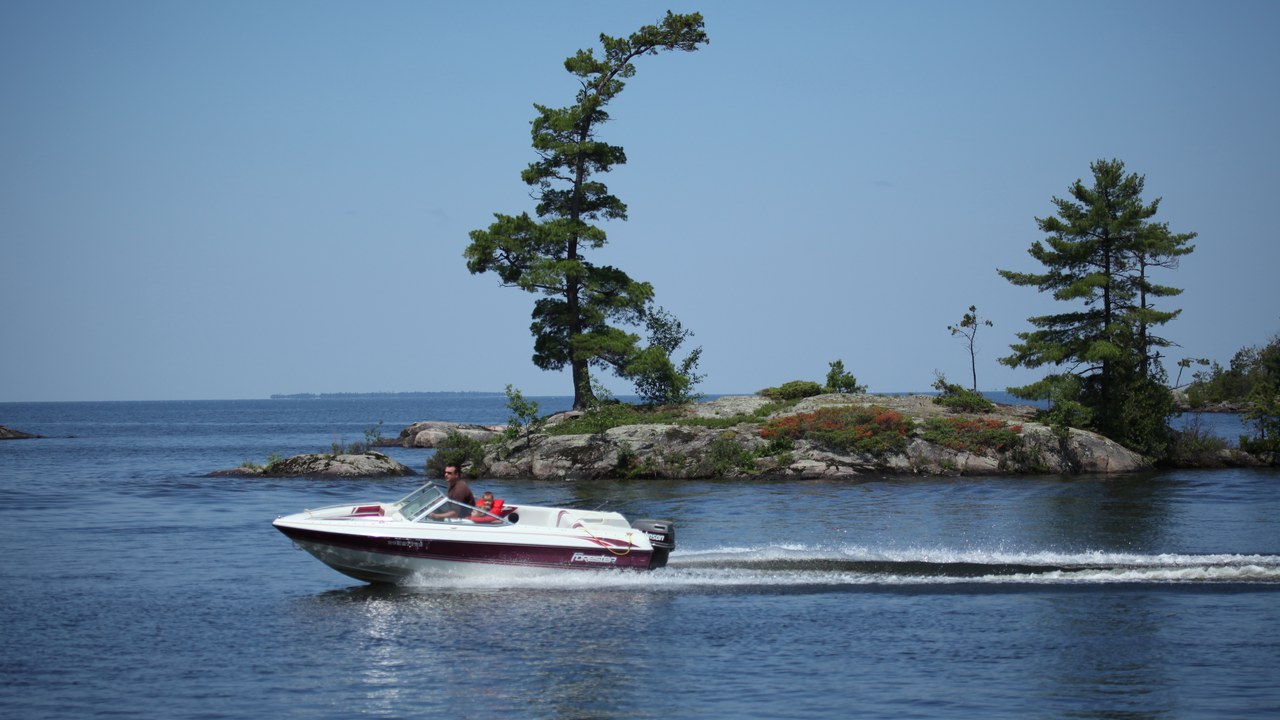
No category comes close, since the Coast Guard’s 2024 report ties open motorboats to 255 deaths and 1,091 injuries, out of 556 boating deaths nationwide that year.
These boats are numerous and easy to operate, which brings in many casual users. Life jackets and sober operators remain the most effective protection, because most fatal incidents involve drowning. Safety officials point out that many fatal boating victims were not wearing a life jacket, which makes the cheapest piece of gear the most important item on board.
2. Kayak: Paddlers Pay A Price
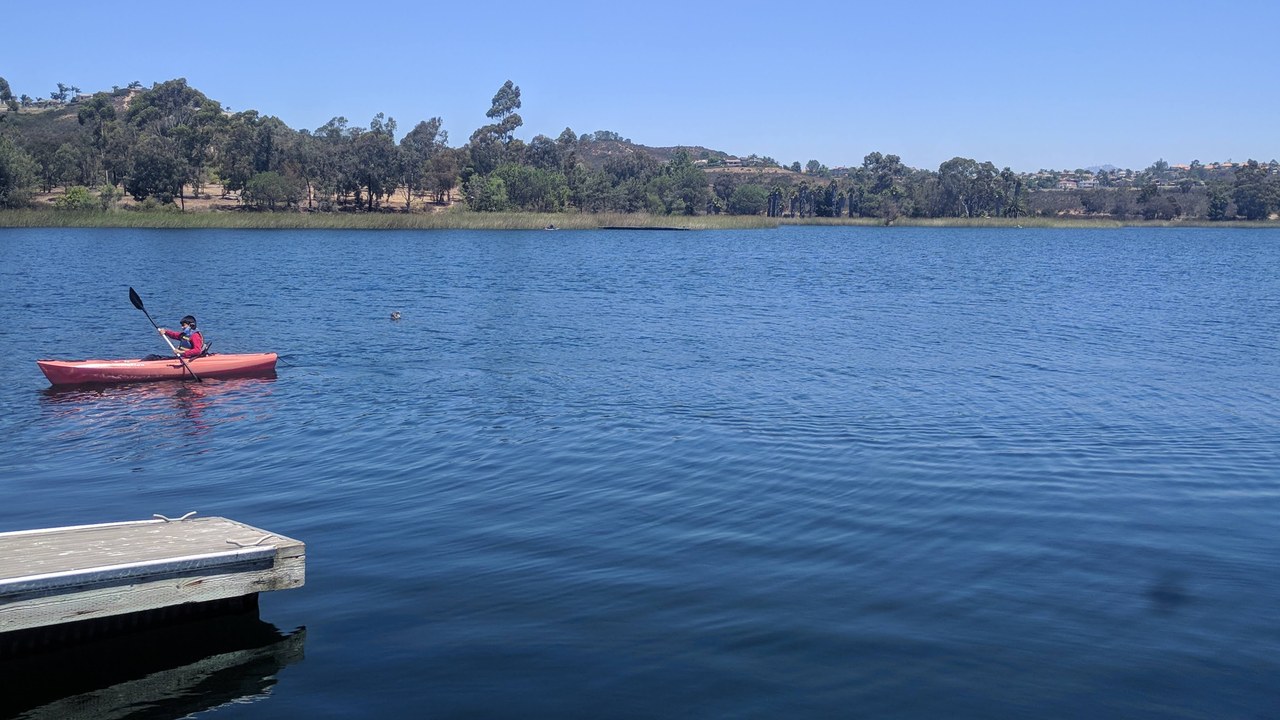
Quiet paddle craft rank second, with Coast Guard figures for 2023 showing kayaks accounted for 17 percent of all boating deaths where the vessel type was known.
Cold water, sudden weather and the lack of a life jacket on the paddler are common ingredients. Wearing a flotation device and checking conditions before launch lowers the risk considerably. Cold-water shock can disable even strong swimmers within minutes, so paddlers are advised to dress for the water temperature and not just the air, and to carry a way to call for help.
3. Personal watercraft: Jet Ski Injury Toll
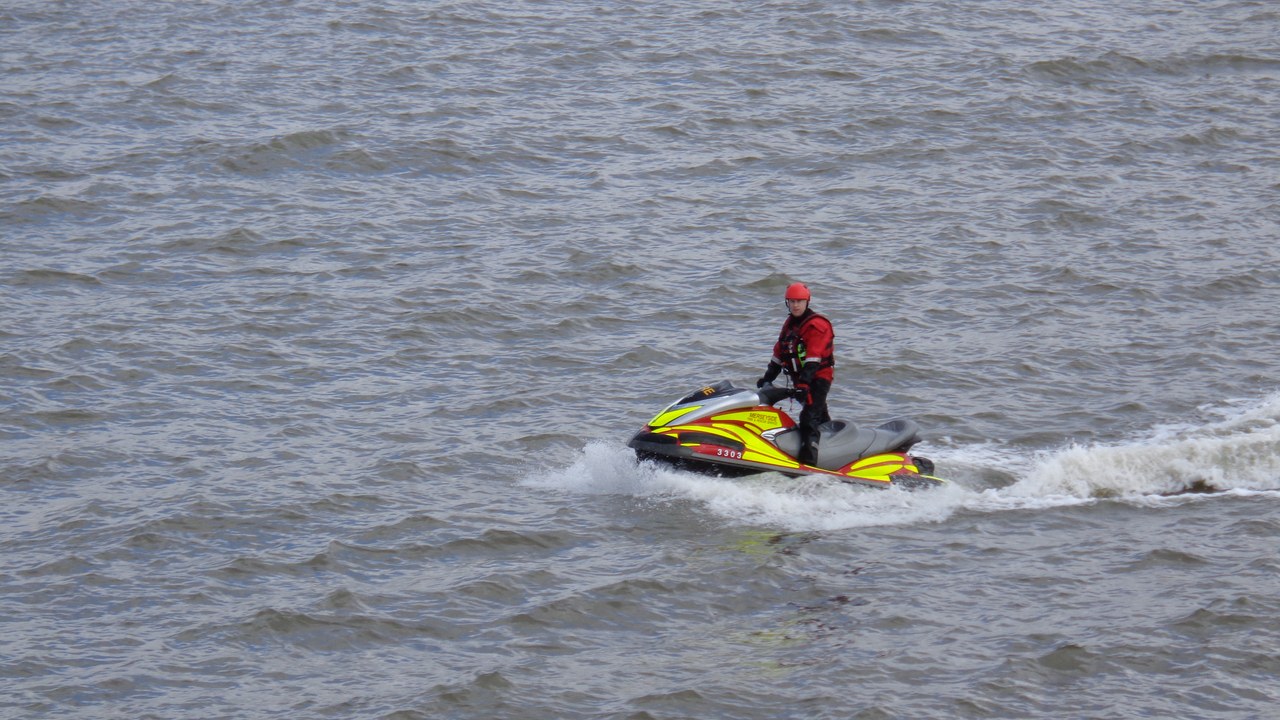
Fast and nimble, these craft are linked to fewer deaths than boats but many injuries, since the 2023 statistics list 47 deaths and 527 injuries for personal watercraft.
The injury count is high because riders can be thrown off at speed and collide with other craft. Operators usually need to learn the rules on a rental before venturing out alone. Operator training matters because these craft respond instantly to the throttle, and a few minutes of instruction on steering and stopping can prevent a serious collision with another rider.
4. Pontoon boat: Party Platform Statistics
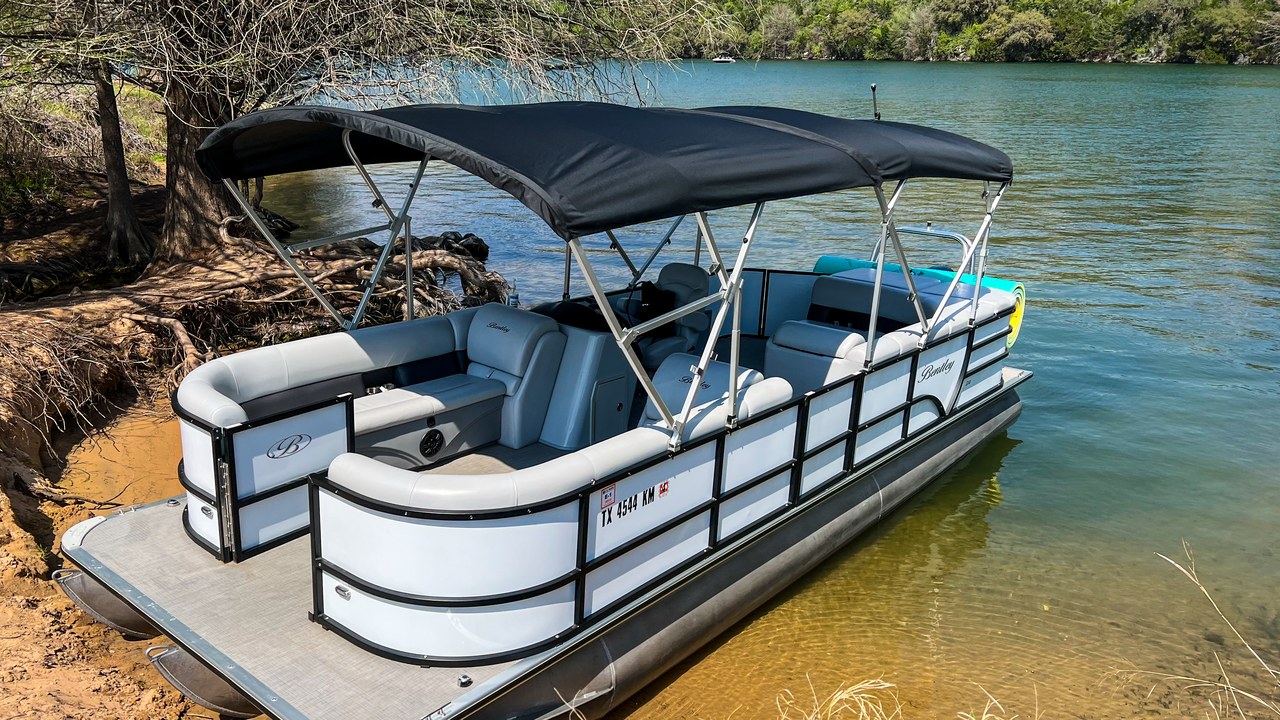
Pontoons are a staple of family lake outings, and the Coast Guard tables record 41 deaths and 140 injuries for the type in 2023.
Their size gives a sense of safety that can discourage life jacket use. Operators must also watch for falls from the deck and for riders who drink while aboard. Boating officials suggest assigning a sober designated skipper, just as drivers do on the road, since alcohol use is a leading contributing factor in fatal boating incidents of all kinds.
5. Standup paddleboard: Small Count, Big Toll
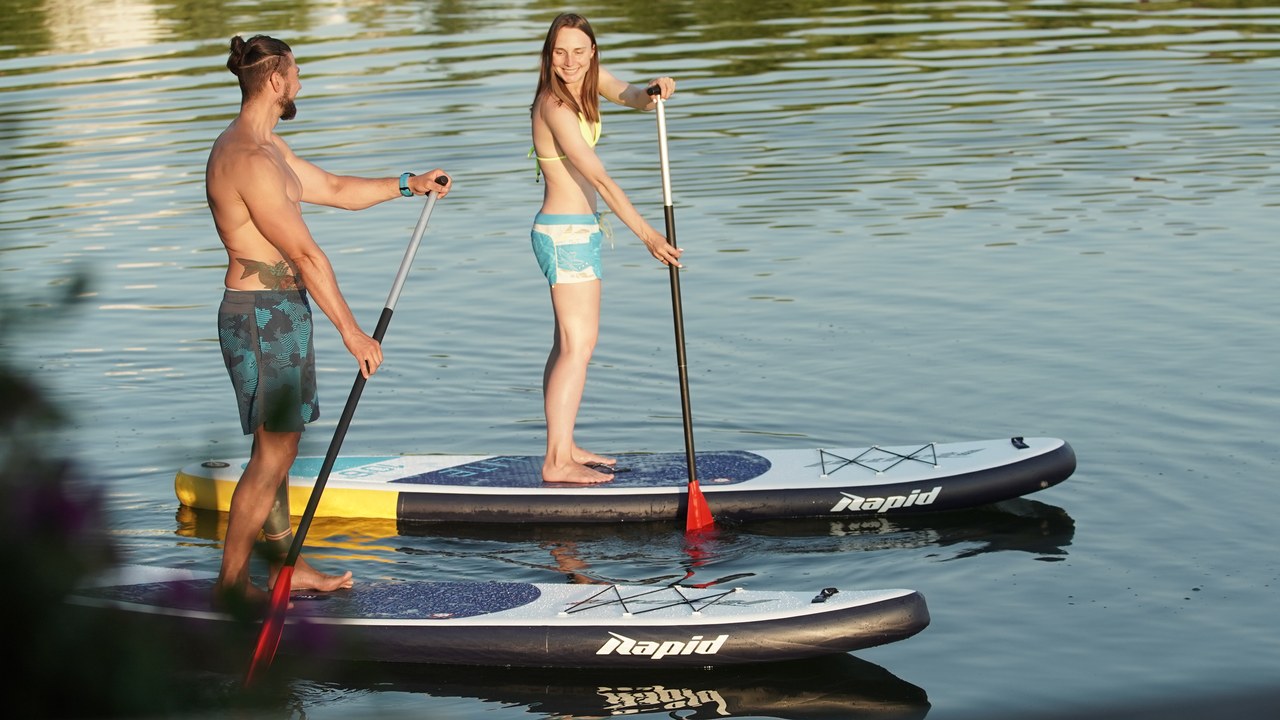
Paddleboards are a small slice of the fleet, but the 2024 report attributes 29 deaths to them from only 40 boards in reported incidents.
A ratio that stark shows how often these incidents turn fatal once something goes wrong. Leashes and life jackets matter most when conditions are cold, windy or far from shore. Because the fleet of these boards is small, one bad season can swing the ratio, so the statistics are best read as a warning about conditions and not as proof of an inherently deadly craft.
6. Canoe: Canoe Casualties
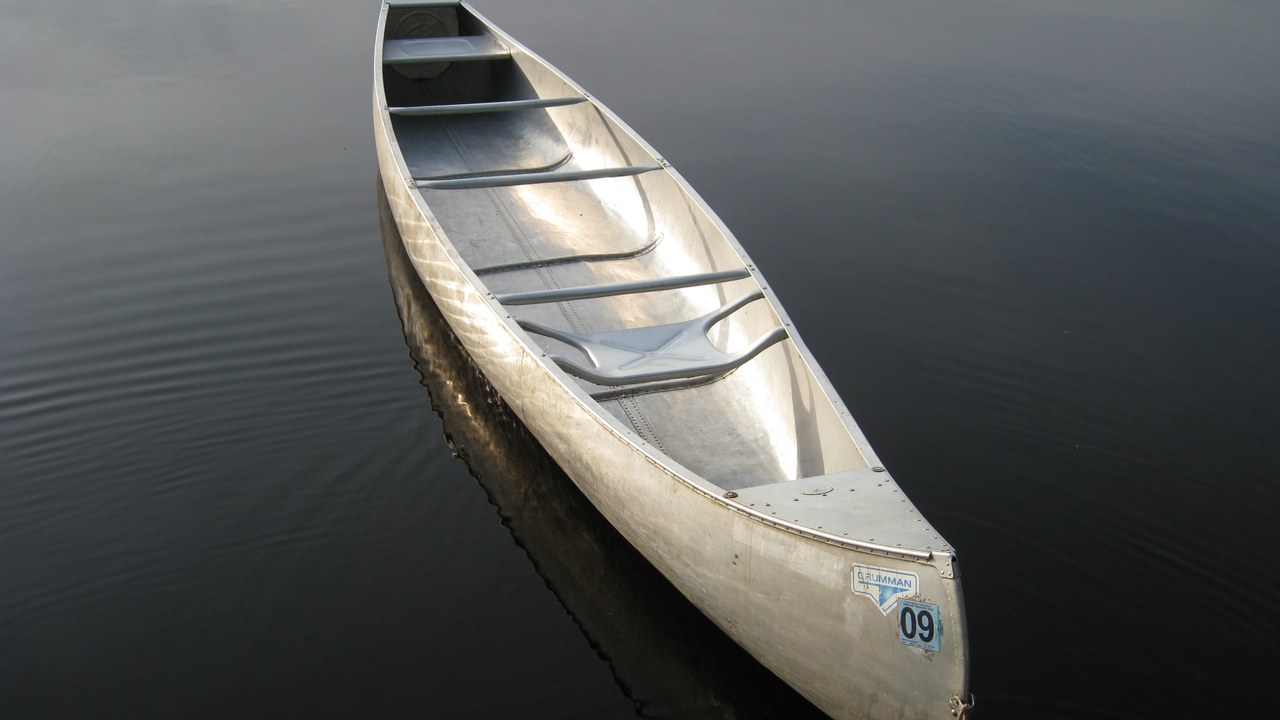
Few canoes appear in the incident tables, yet the same federal report links them to 25 deaths in 2024 from only 35 canoes in reported incidents.
Tipping over is the usual start of these cases, especially in cold water or fast current. Wearing a life jacket is the simplest step, and often the one that is skipped. Basic habits help, such as staying close to shore, keeping weight low and centered, and never standing up in a narrow boat when the water is moving quickly.
7. Cabin motorboat: Cabin Cruiser Casualties
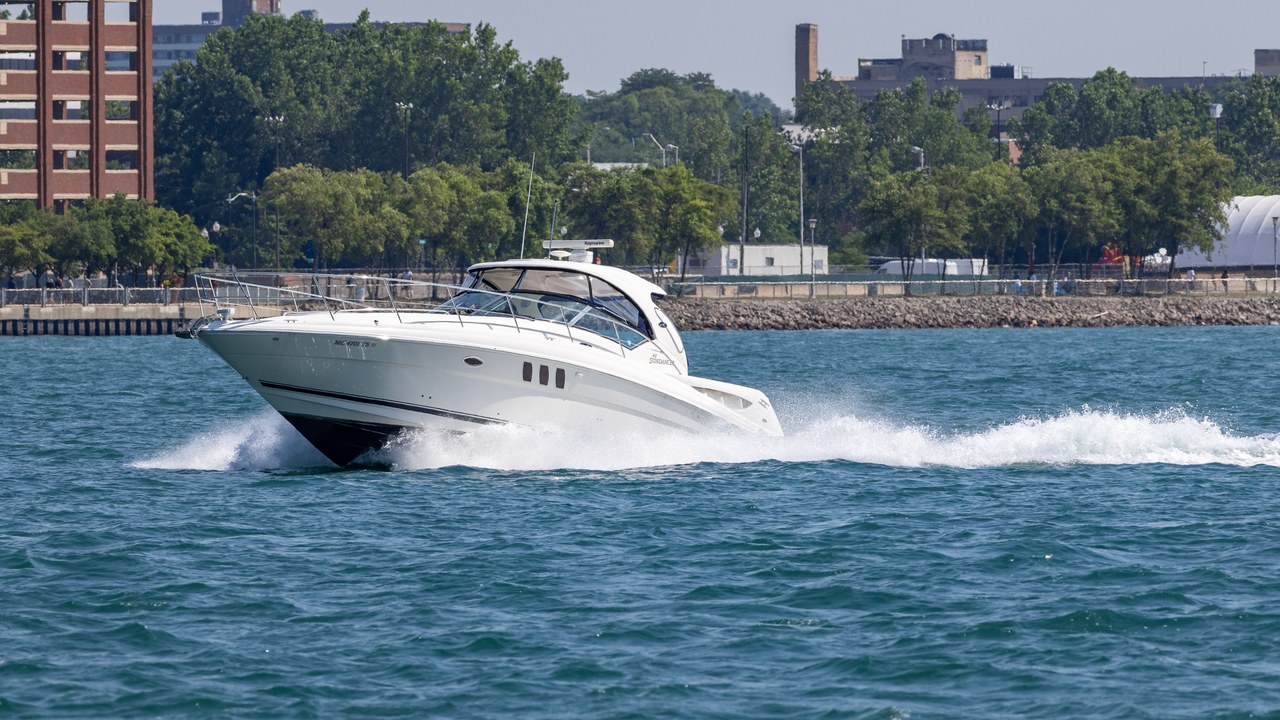
Larger cabin motorboats carry families on longer trips, and Coast Guard accident data shows they were involved in 20 deaths and 156 injuries in 2023.
Injuries outnumber deaths almost eight to one, which points to collisions, falls and onboard accidents rather than only drownings. Careful watch-keeping and clear communication aboard reduce those hazards. Because such boats stay out longer and travel farther, help can be farther away when something goes wrong, so a working radio and a float plan left with someone ashore are strong safeguards.
8. Inflatable boat: Lightweight Boats, Heavy Rate
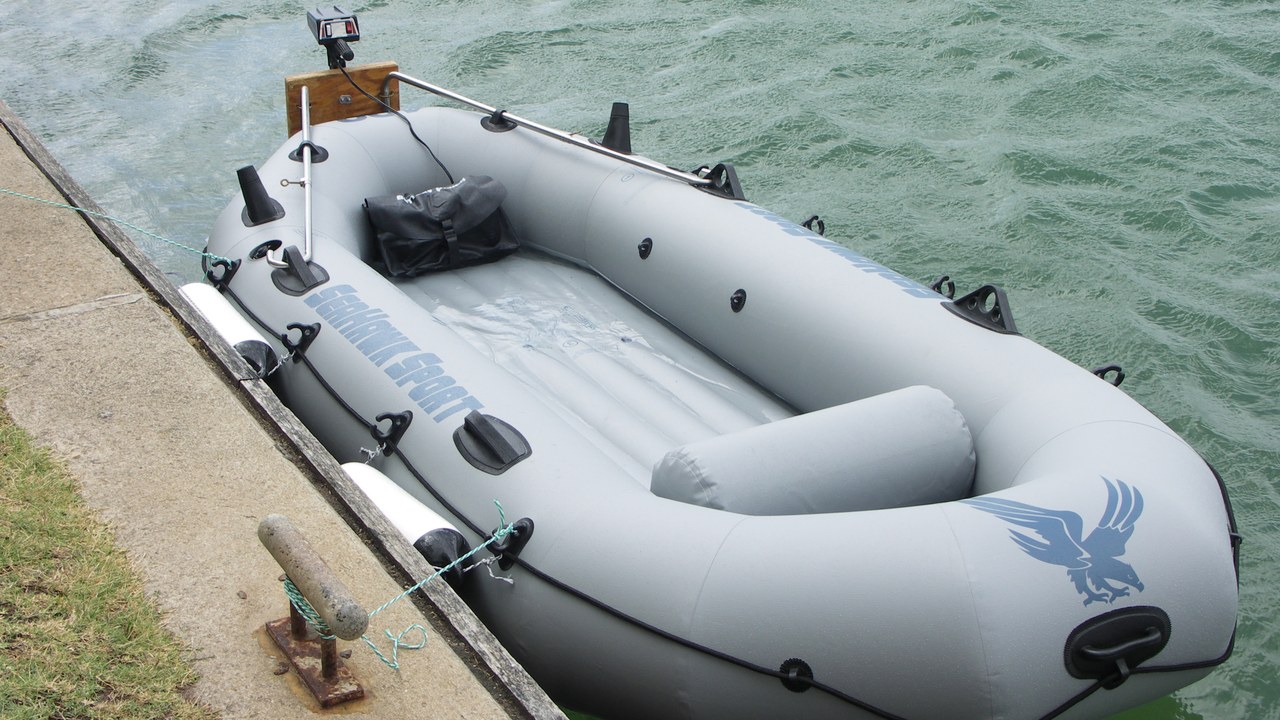
Inflatables are lightweight and cheap, but the Coast Guard’s 2024 count attributes 14 deaths to them from just 18 inflatables involved in reported incidents.
Many are used by people with little boating experience, often in rivers or surf. Easy transport can tempt owners to launch into water beyond what the craft can handle. Small incident counts make the death ratio look extreme, yet the lesson is practical: a lightweight boat offers little margin when wind picks up or an occupant falls into cold water.
9. Rowboat: Rowing Risks
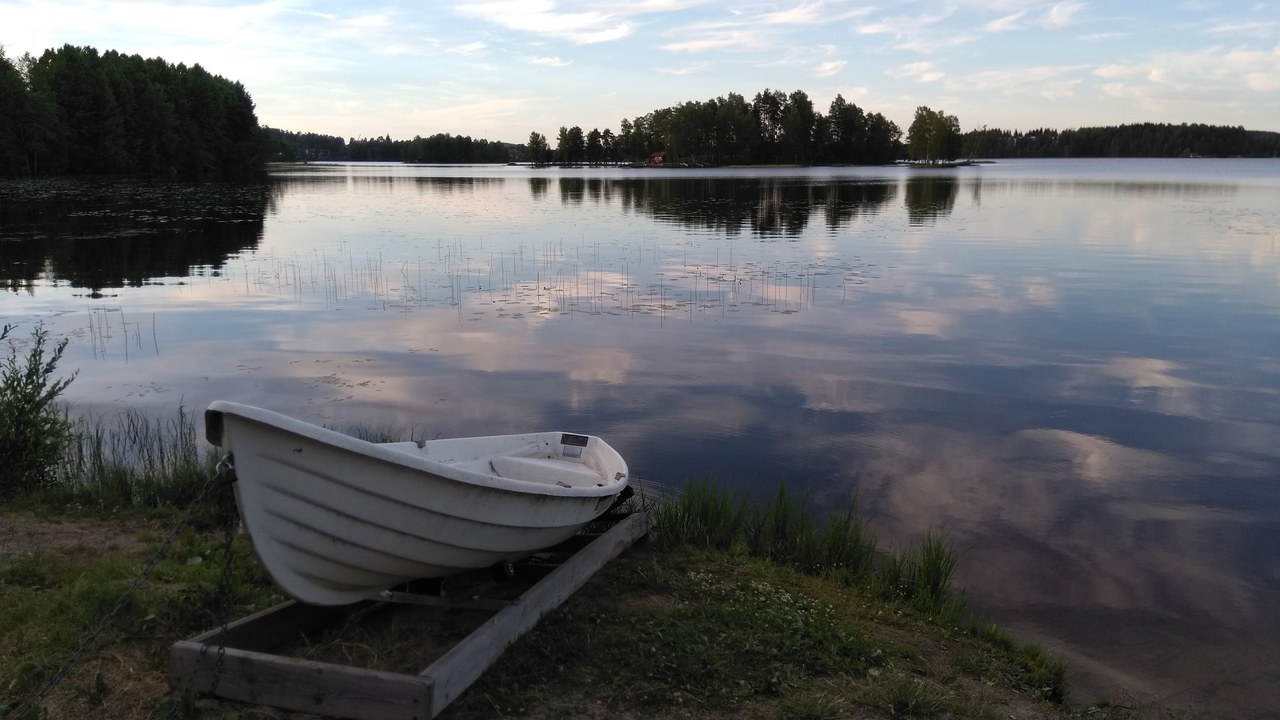
Quiet and traditional, rowboats look harmless, yet the 2023 incident table counts 11 deaths from 25 rowboats involved in reported incidents.
Small hulls can capsize under a shifting load or a rogue wave, and rowers are often far from help. Wearing a life jacket and telling someone the route offer inexpensive protection. Rowers sit with their backs to the direction of travel, which makes it harder to see hazards ahead, so a lookout or frequent glances over the shoulder is a common recommendation.
10. Auxiliary sailboat: Sailboats With Engines
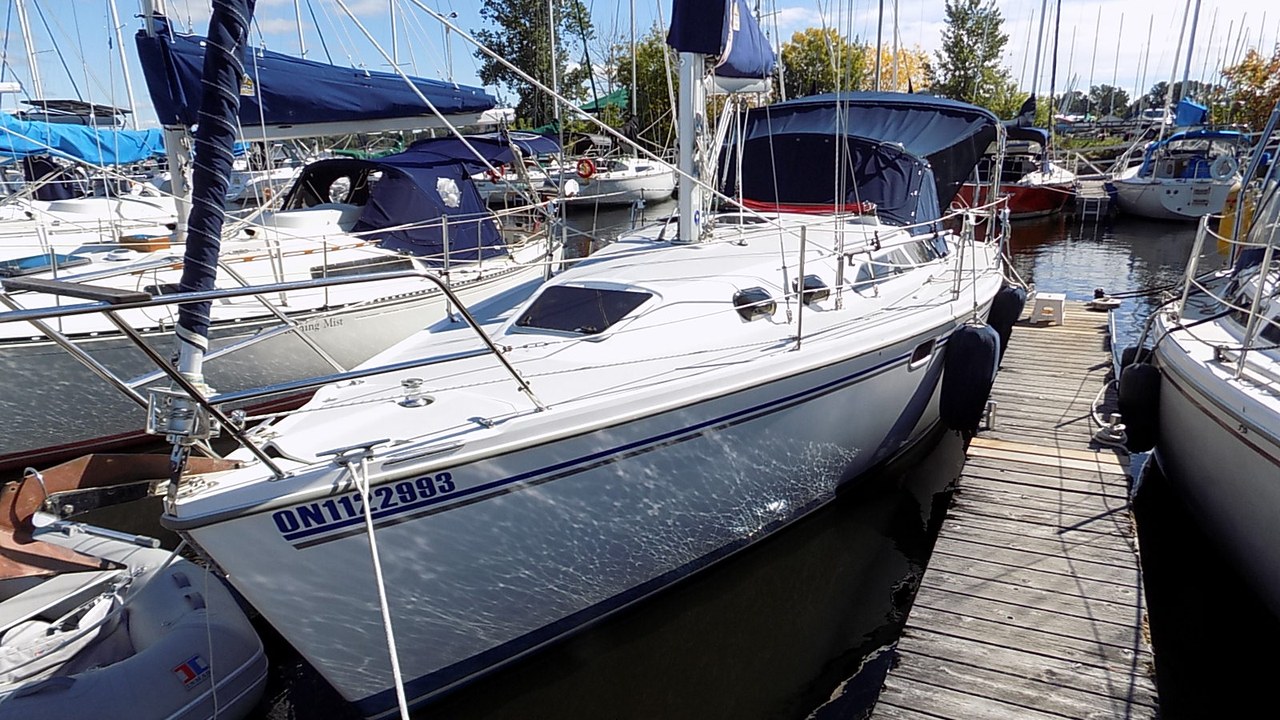
Cruising sailboats with auxiliary power are common on coastal waters, and the Coast Guard’s vessel table shows them involved in 9 deaths and 34 injuries in 2023.
Hundreds of such boats appear in incident reports, so the rate per vessel is modest. Weather, falls overboard and boom strikes are the recurring hazards for crew. Sailors can also reduce risk by wearing a harness and tether in rough weather, and by agreeing on a plan for recovering a crew member who goes into the water.
11. Airboat: Fan-Driven Flat Boats
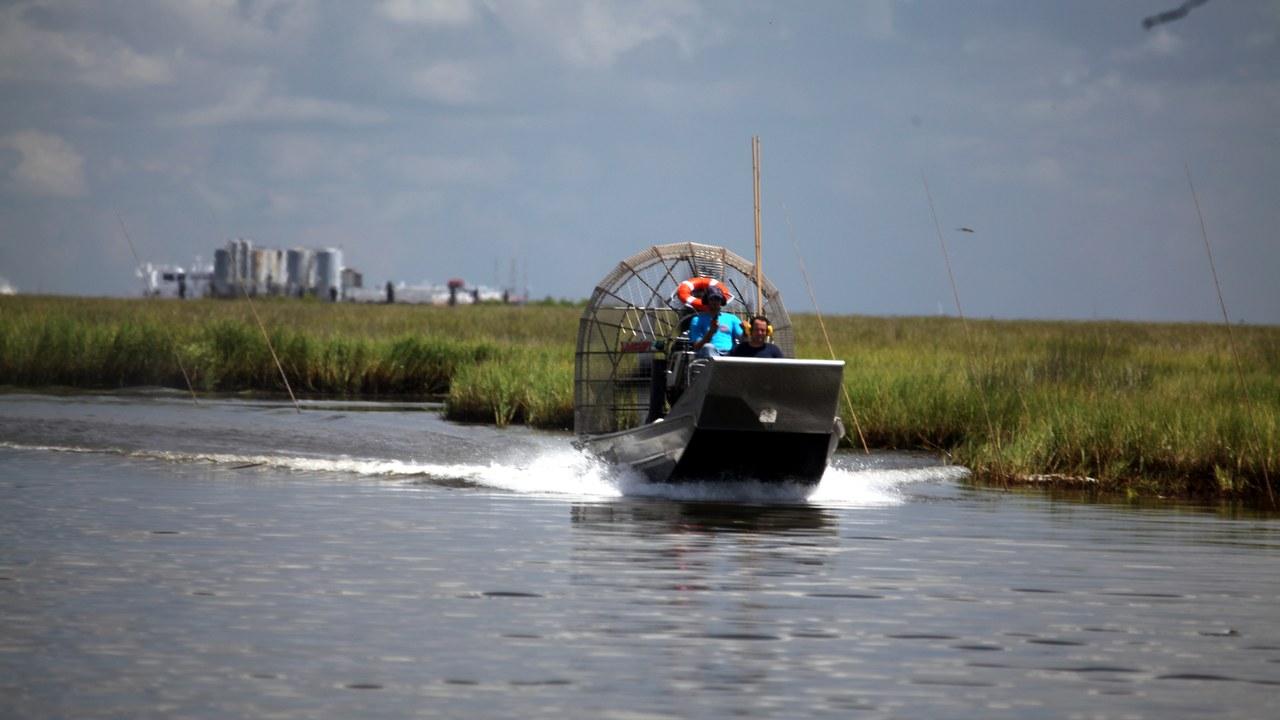
Airboats operate in shallow marshes and swamps, and the 2023 statistics record 3 deaths and 16 injuries among 27 involved vessels.
The exposed propeller cage and high speeds explain why injuries outnumber deaths. Hearing protection and training are usual advice for operators in the wetlands. Airboats are loud and fast, and passengers sit close to the engine, so operators are urged to keep speeds modest and to brief every rider on where to hold on.
12. Houseboat: Floating Homes, Fewer Deaths

Houseboats come last for fatalities, with federal accident tables recording a single death but 20 injuries among 69 houseboats in reported incidents in 2023.
Slow speeds and sturdy decks help, but the injury figure shows hazards remain, from falls to fires and carbon monoxide. Detectors and tidy railings are standard precautions. Because houseboats are often rented for holidays, many users are first-timers, so a walk-through of safety equipment at pickup is one of the most useful steps a rental company can offer.
Stay ahead on AI: Subscribe to The Deep View →
We may earn a commission if you sign up.
More from Morning Overview
