
For decades the Atlantic crossing was a contest of speed, size and prestige, and the Blue Riband was its most coveted prize. The liners that competed for it carried national pride as much as passengers, and their fates range from museum duty to the scrapyard. Here are twelve ships whose records, dimensions and afterlives define the era.
Stay ahead on AI: Join 600,000+ professionals who read The Deep View, the daily newsletter that keeps you up to date with artificial intelligence.
We may earn a commission if you sign up.
1. RMS Mauretania: Two Decades Of Speed
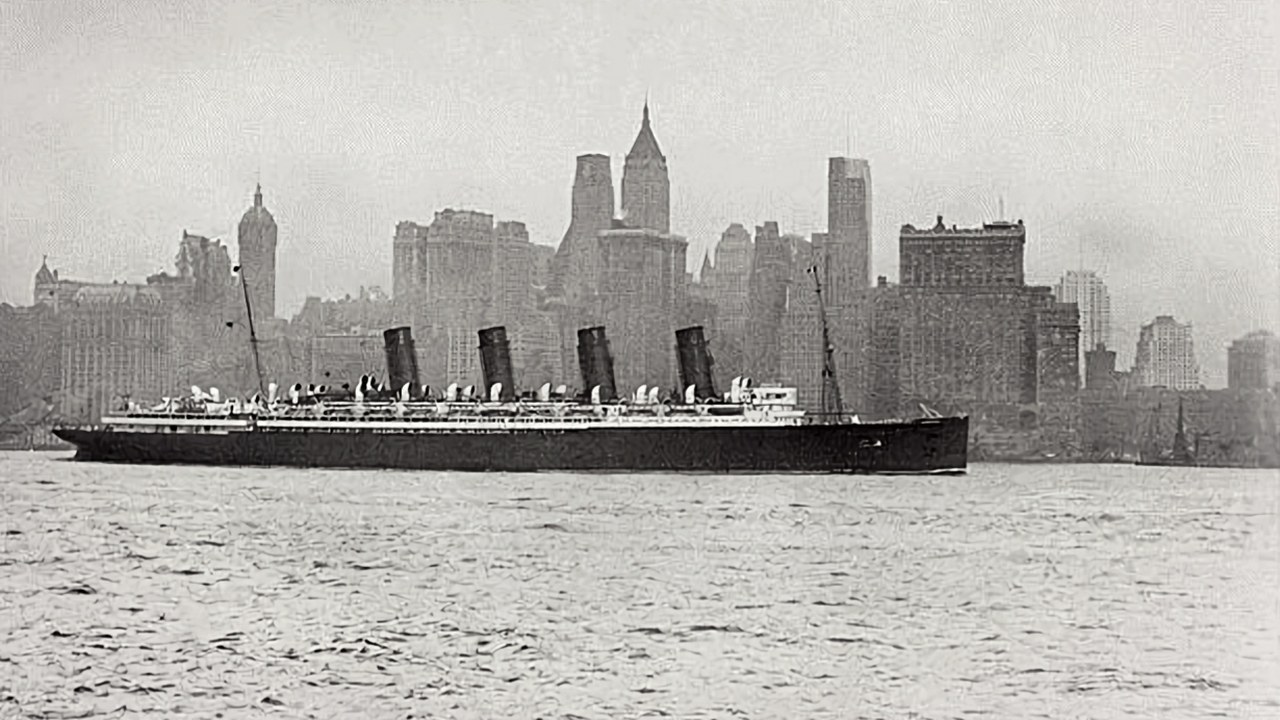
Cunard’s Mauretania won the Blue Riband in 1907 and held it until 1929, a reign of about two decades according to the Britannica account of liners. Few ships on the Atlantic kept a speed title for anything like that long.
The longevity speaks to how advanced her design was for its day. Rivals came and went while she kept the prize, which is why Mauretania remains the standard example of a record that outlasted its generation of competitors.
2. RMS Olympic: Largest Ship Of Her Day
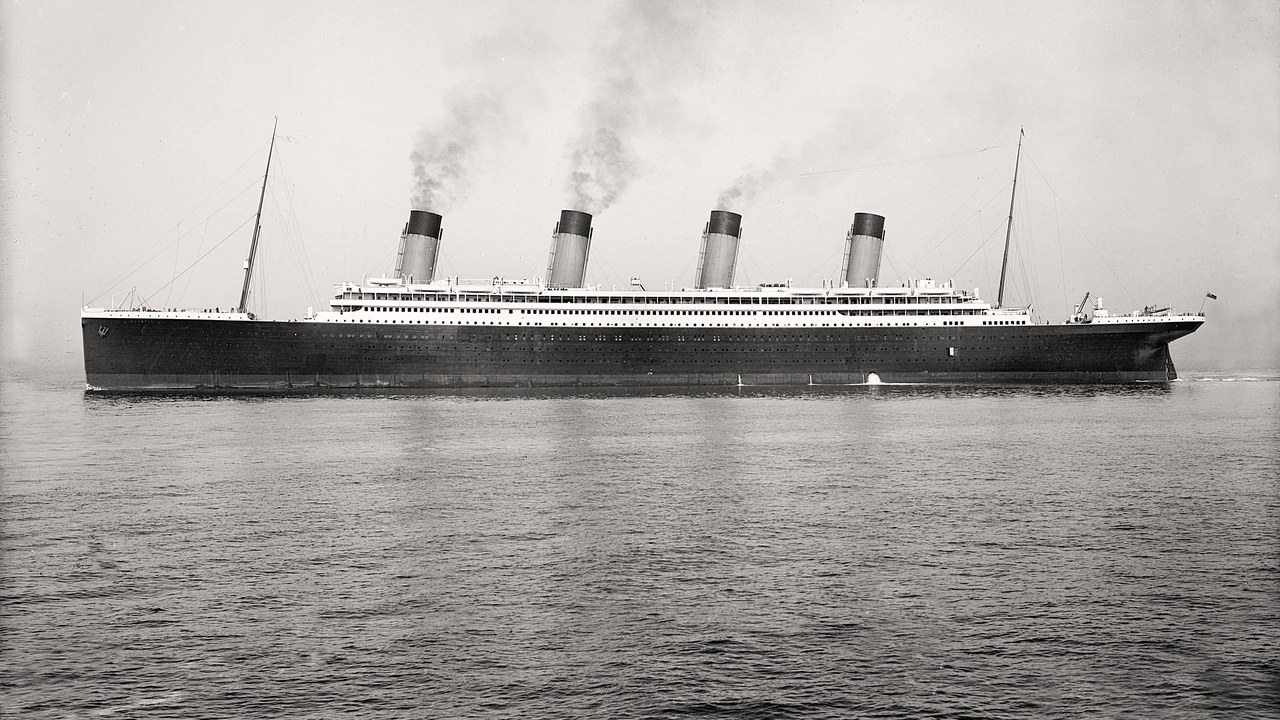
At 45,324 tons, the 1911 White Star liner Olympic was then the largest ship ever built, as the Britannica overview notes. Her scale set a new benchmark for what an Atlantic liner could be.
The title was a statement of ambition from White Star, which competed on size and comfort rather than outright speed. Olympic shows that the Atlantic contest had more than one axis, with bulk and luxury counting alongside records.
3. SS Normandie: Fast, Stylish, Doomed
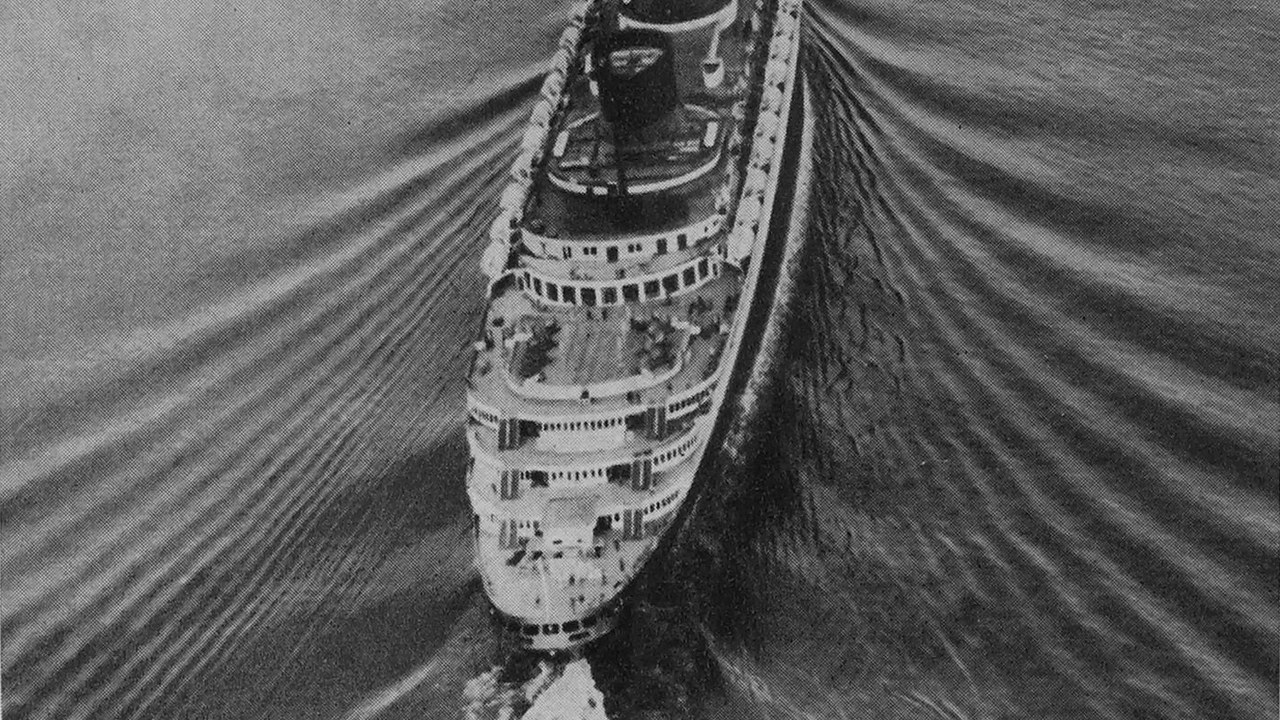
The French Line’s Normandie won the Blue Riband in 1937 with a 3-day, 22-hour, 7-minute crossing, then burned at her New York dock in 1942, as the Britannica passenger liner history records. Her speed and her fate are both part of the story.
She is remembered as an emblem of French design and ambition on the ocean. Her loss at the pier, rather than at sea, makes her one of the more poignant endings among the liners here.
4. RMS Queen Elizabeth: Biggest Passenger Ship Built
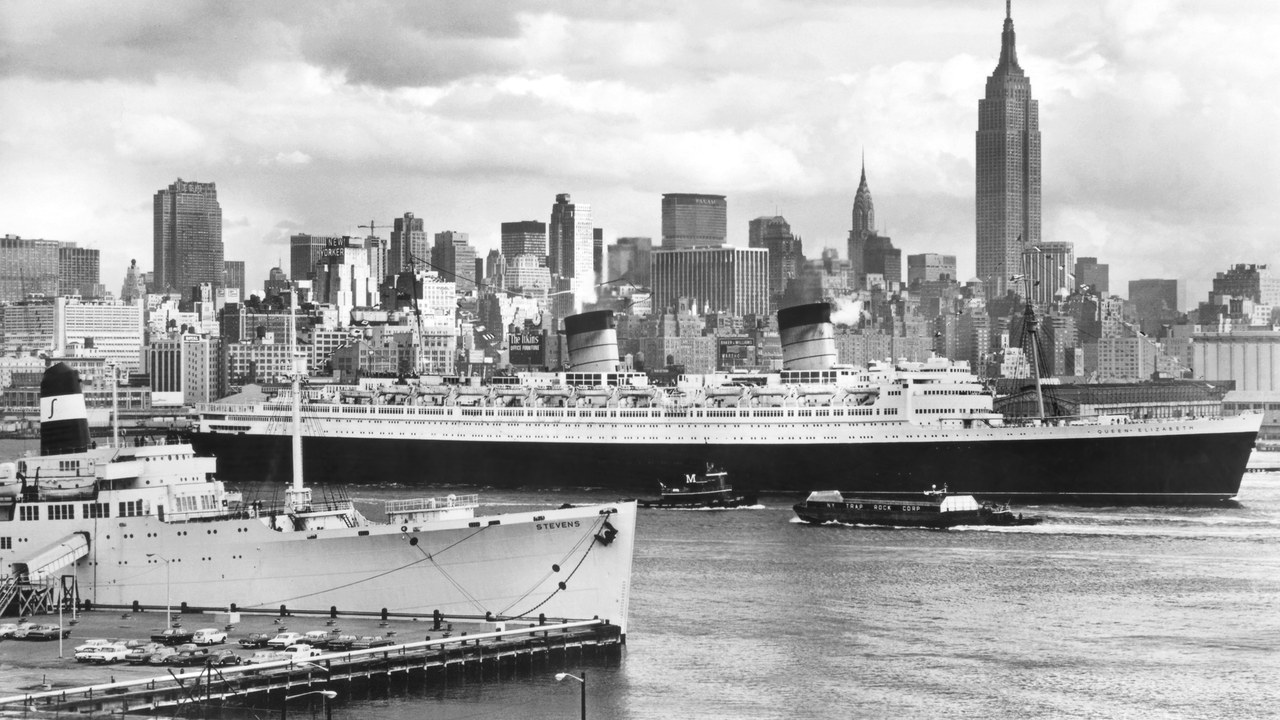
At 83,673 tons, Queen Elizabeth was the largest passenger ship ever built, launched in 1938 and in service until 1968, according to the Britannica entry on liners. Her long career spanned the peak and the decline of the liner trade.
Cunard’s flagship therefore carried the size record for a generation of travelers. She is a reminder that the biggest ships were not always the fastest, but that scale itself was a way to win Atlantic prestige.
5. RMS Queen Mary: Wartime Troopship Turned Museum
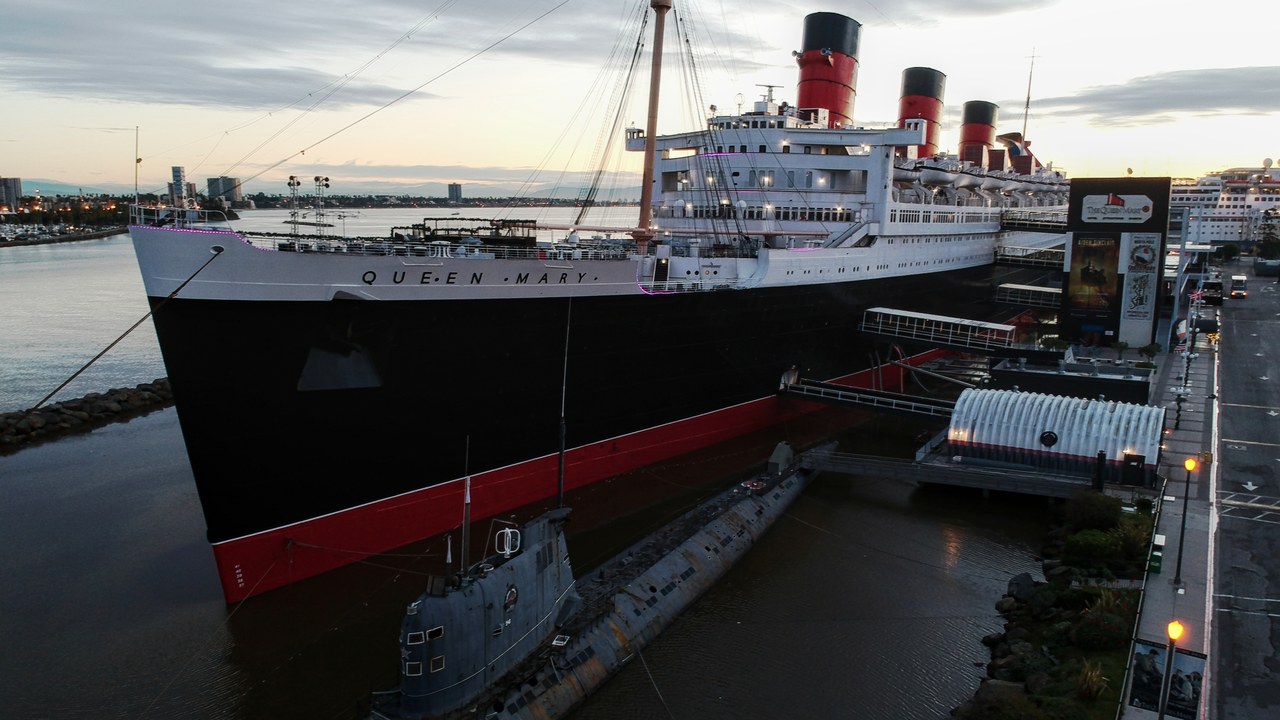
Queen Mary carried 810,000 military personnel in World War II and has hosted an estimated 50 million visitors in Long Beach, the Queen Mary history page states. Her story covers both wartime service and a long second life as an attraction.
That combination explains her lasting fame. She proved her value as a transport in the conflict, and her afterlife as a permanent exhibit lets the public step aboard a liner that once crossed the Atlantic.
6. SS United States: A Record Still Standing
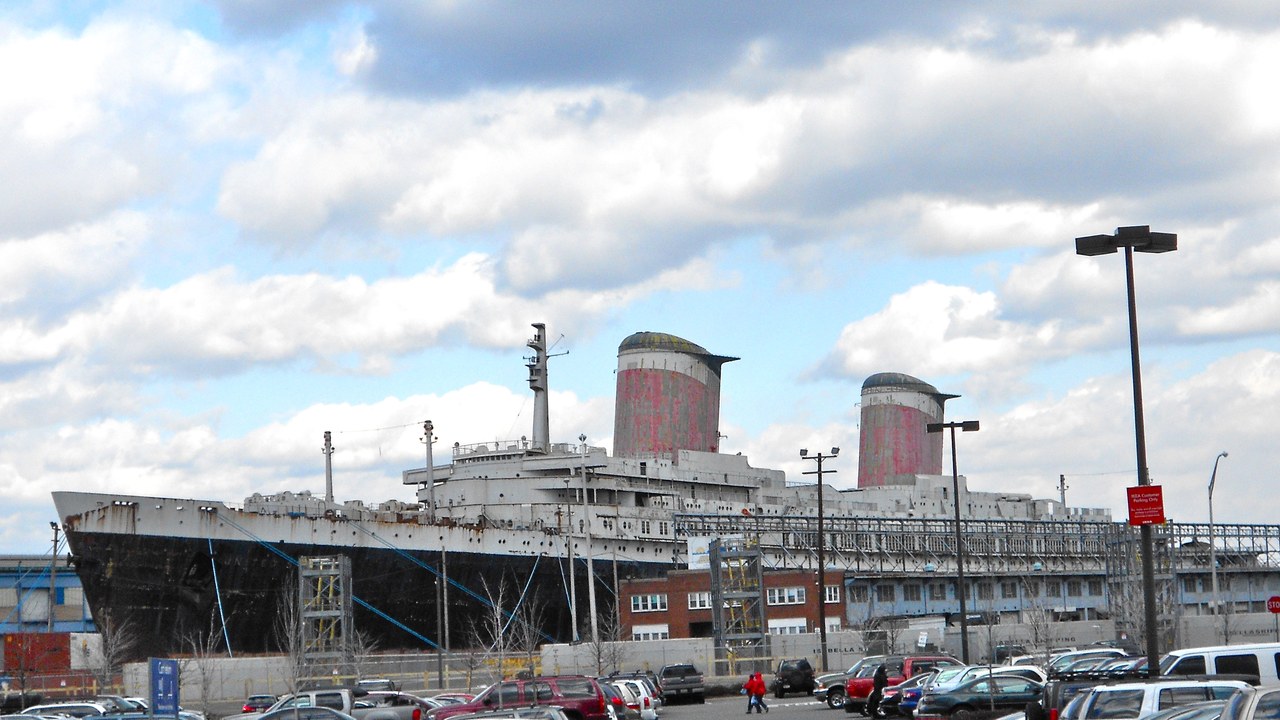
The SS United States set her 1952 eastbound record of 3 days 10 hours 40 minutes at 35.59 knots, and the Blue Riband record list says it remains unbroken by any passenger liner. It is the benchmark behind the headline’s crossing time.
The record has outlasted the commercial liner era itself, because the ships that might have challenged it were replaced by aircraft. For anyone asking how fast a passenger ship has ever crossed, the answer is still this one.
7. SS Bremen (1928): Shortest Reign On Record
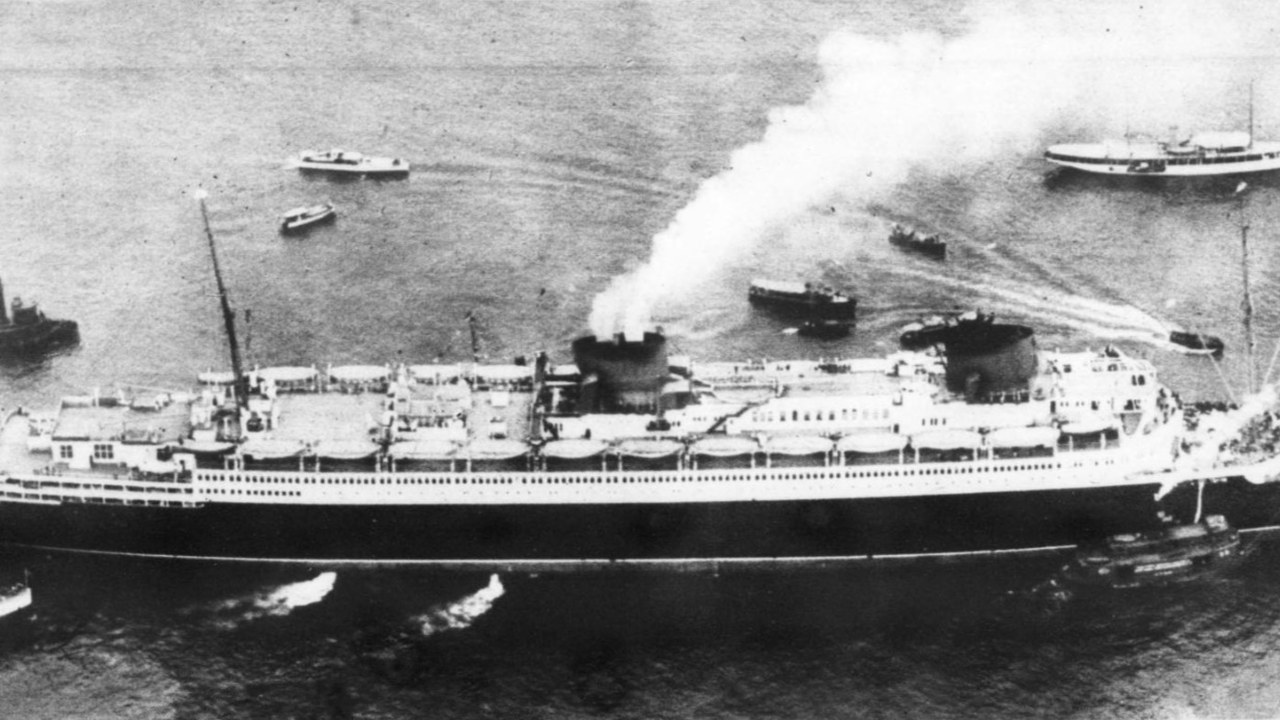
Germany’s Bremen took the 1933 Blue Riband at 27.92 knots but held it only about six weeks, the shortest reign on record, per the Blue Riband holders table. The speed was real, but the title slipped away quickly.
Her case shows how competitive the contest was in the 1930s, when national lines pushed hard to claim the ribbon. A brief tenure did not diminish the achievement, but it makes Bremen a notable footnote in the sequence of holders.
8. RMS Lusitania: Cunard’s Westbound Prize
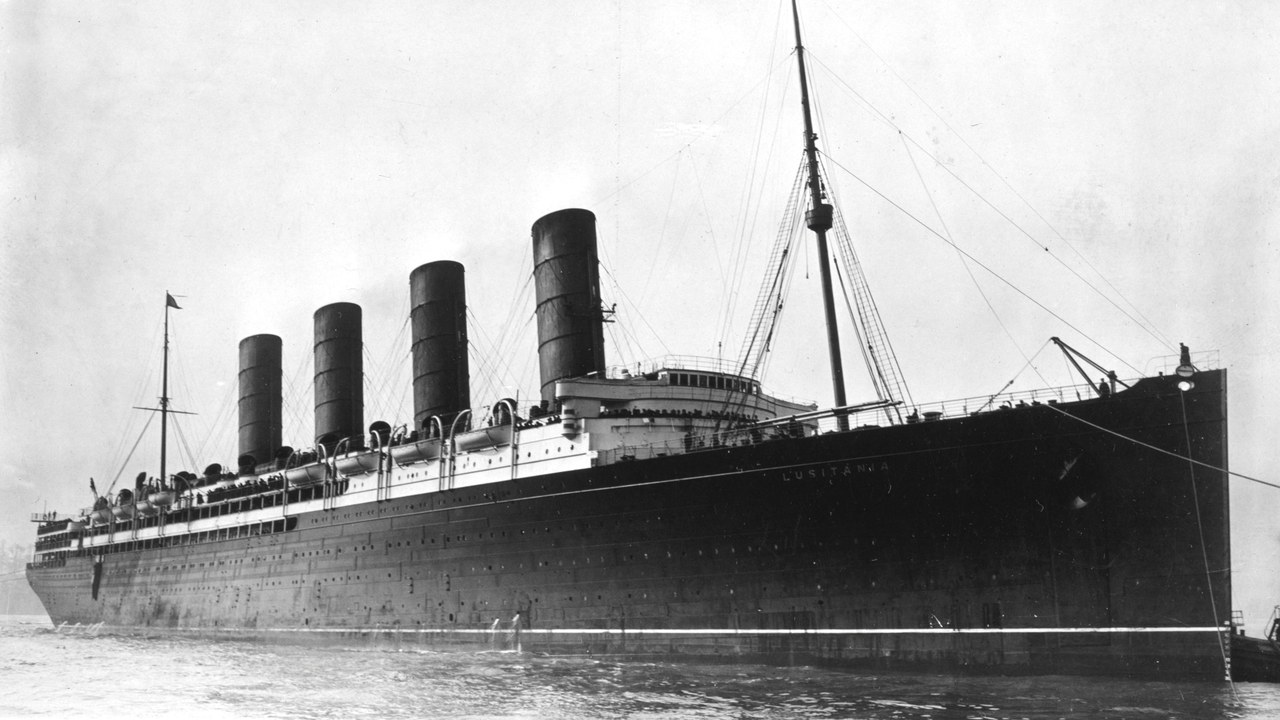
Cunard’s Lusitania took the Blue Riband in 1909 at 25.65 knots, crossing westbound in 4 days 16 hours 40 minutes, as the Blue Riband article documents. Her figures are slower than later record holders but marked a peak in their time.
Comparing her crossing with the later times on this list shows how much faster Atlantic liners became over a few decades. She stands as an early benchmark in that progression and a core part of Cunard’s reputation.
9. SS France (later SS Norway): From Liner To Cruise Ship
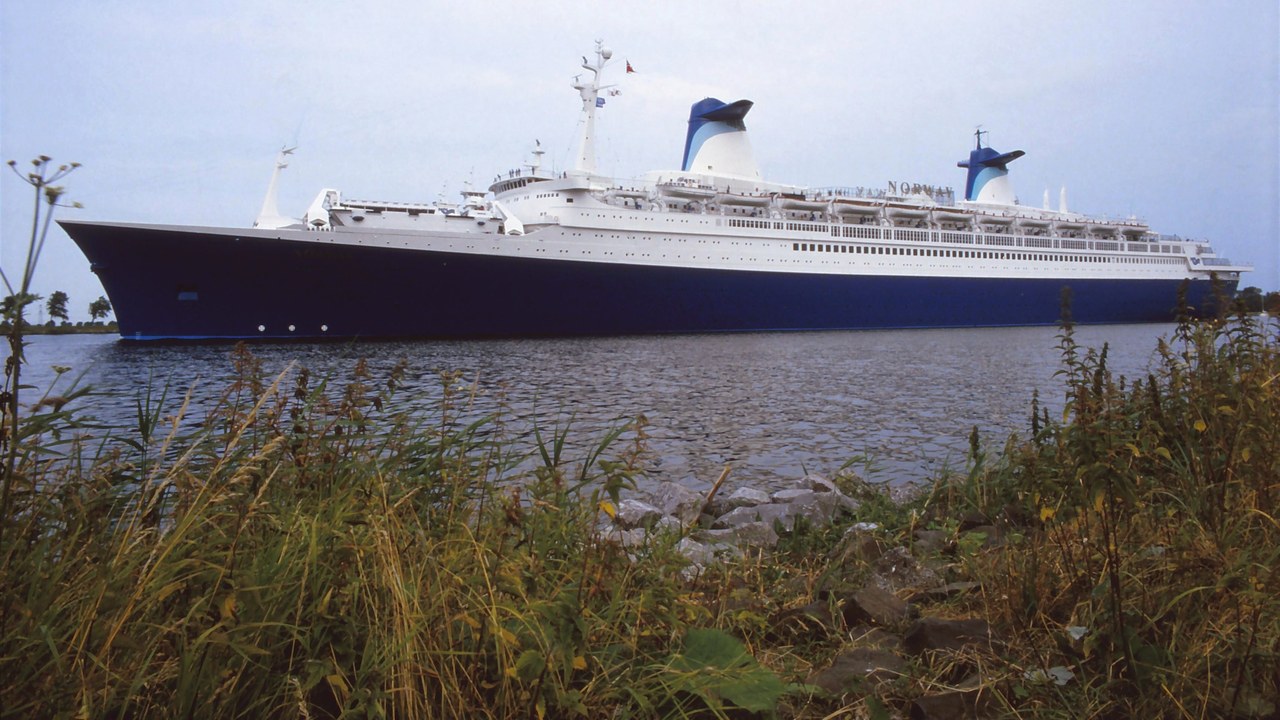
The 1960s French Line flagship SS France became the cruise ship Norway and was scrapped at Alang, India, with work completed in 2008, according to the list of ocean liners. Her later life diverges sharply from the liners kept as museums.
Her second career as a cruise vessel shows how some liners adapted when ocean crossings declined. The ending, however, is a reminder that survival as a preserved landmark was the exception rather than the rule.
10. RMS Queen Elizabeth 2: Dubai’s Floating Hotel
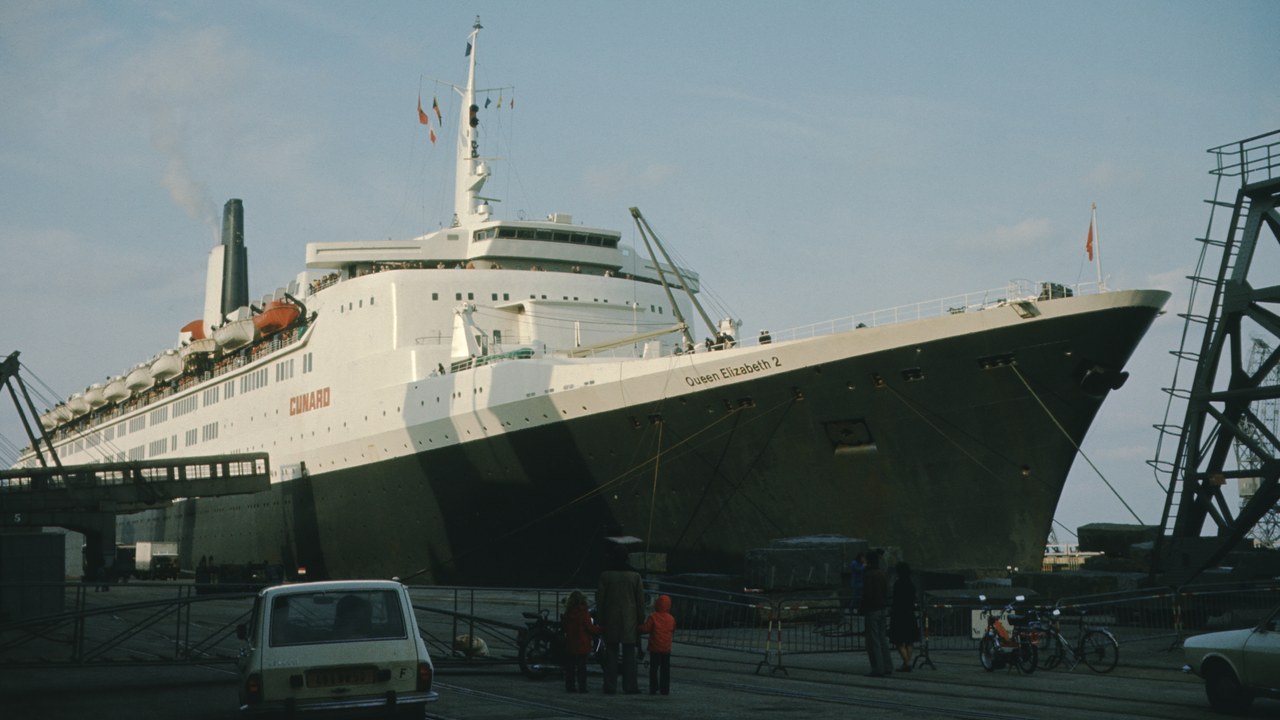
Cunard’s QE2 is preserved as a museum and hotel ship in Dubai, the list of ocean liners indicates. She is one of the liners from this list that remains afloat in a new role.
Preservation turns her from a working ship into a destination, so visitors can experience a late-era liner without a voyage. It is an example of how the industry’s older vessels found second lives beyond the Atlantic route.
11. RMS Queen Mary 2: The Liner Still Sailing
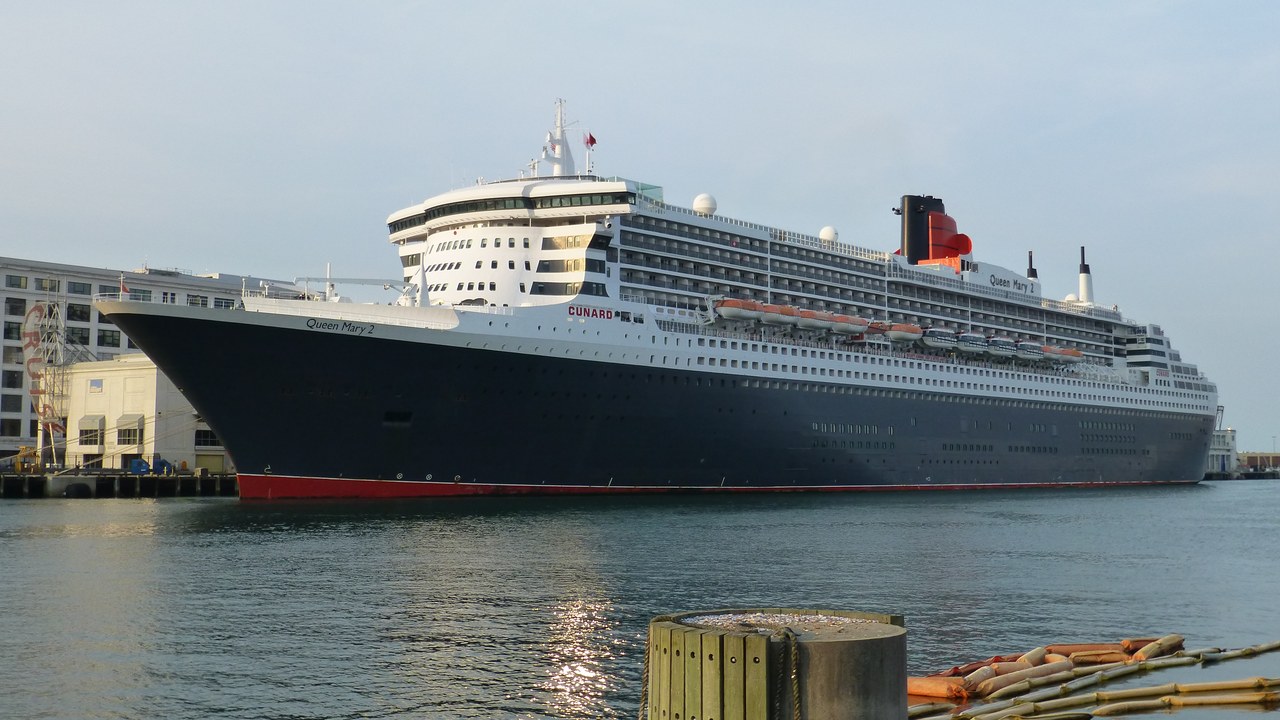
Cunard’s Queen Mary 2 is the one liner on this list still in service, the list of ocean liners shows. Every other ship here is retired, preserved or lost.
That status makes her the living link to the Atlantic tradition the others represent. For readers curious about the form today, she is the vessel carrying the transatlantic liner idea into the present. Her place at the end of the list also closes the story neatly, from the early record breakers to a ship that still sails today.
12. SS Rotterdam (1959): Rotterdam’s Hotel Ship
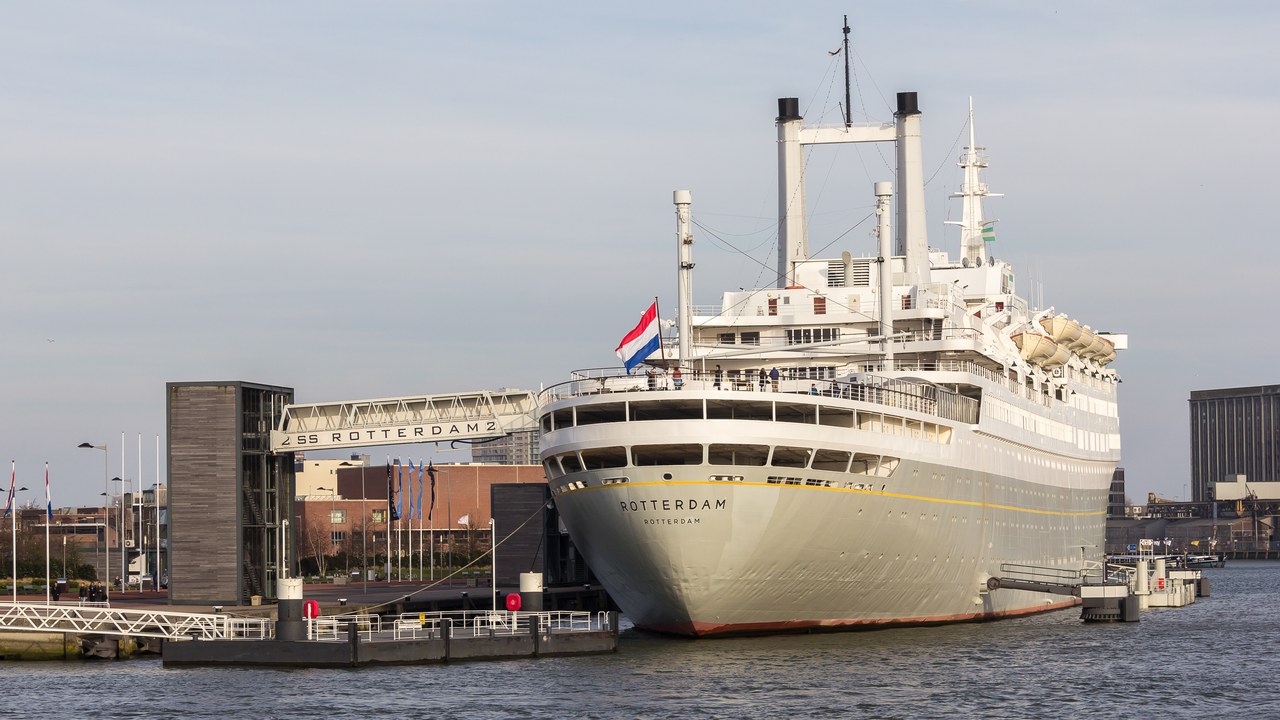
The Holland America flagship SS Rotterdam is preserved as a hotel ship in Rotterdam, according to the list of ocean liners. Her home port is also her resting place, which suits a ship named for it.
Like the other preserved liners, she now serves visitors instead of crossing oceans. Her survival gives the Dutch line a tangible monument and offers a rare chance to see a mid-century liner kept in good order.
Stay ahead on AI: Subscribe to The Deep View →
We may earn a commission if you sign up.
More from Morning Overview
