
The Porsche 911 has kept its rear-engine layout and unmistakable profile for six decades while changing almost everything underneath. Air cooling gave way to water cooling, turbochargers arrived, and limited editions became collectibles almost overnight. Here are thirteen versions that mark the key moments in that long history.
Save more, waste less: The Cool Down’s newsletter sends smart, simple changes that help you and the planet in your everyday life.
We may earn a commission if you sign up.
1. Porsche 911 (original, 1963): The Frankfurt Debut
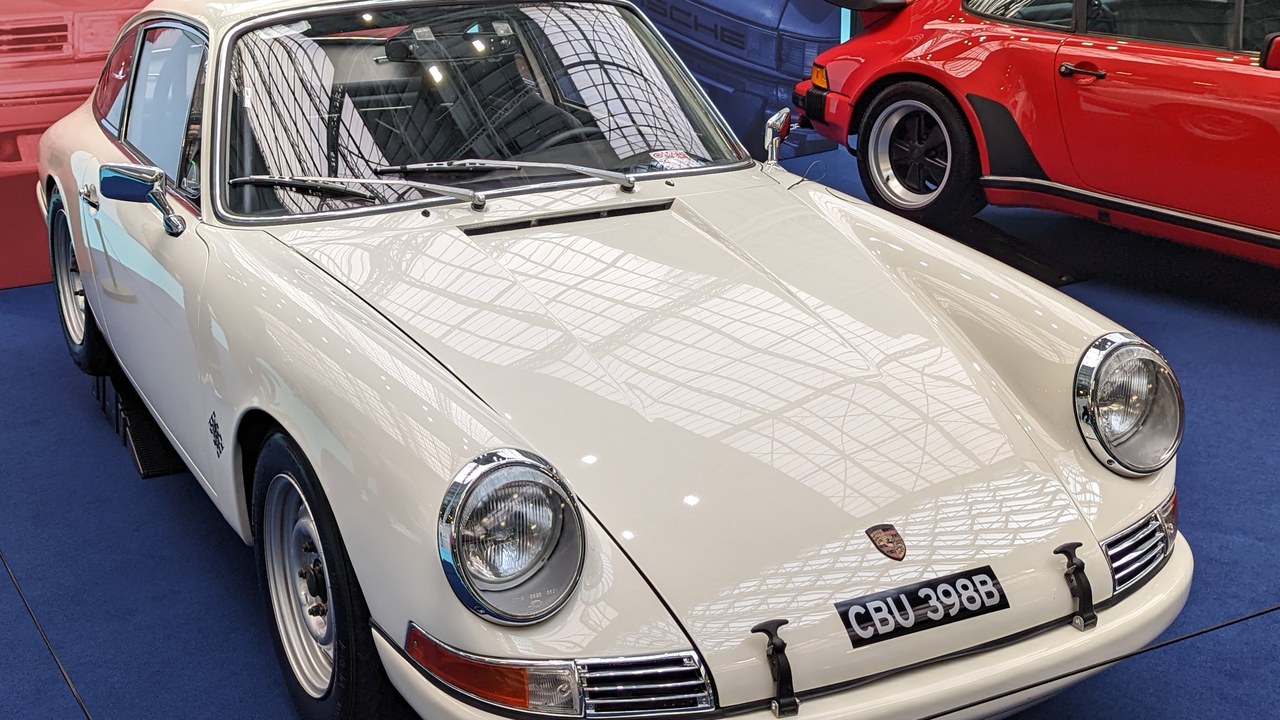
Porsche unveiled the car as the 901 on 12 September 1963 in Frankfurt, and its sixty-year press kit says it started with 130 PS from 2.0 litres and reached 210 km/h.
Those figures were modest by later standards, yet the shape and rear-mounted engine set a template the company never abandoned. The model would soon be known simply as the 911, a name that has endured ever since. Few sports cars have kept such a recognizable silhouette across so many generations, which helps explain the model’s lasting appeal to collectors and casual admirers alike.
2. Porsche 911 Carrera RS 2.7: Planned For Five Hundred
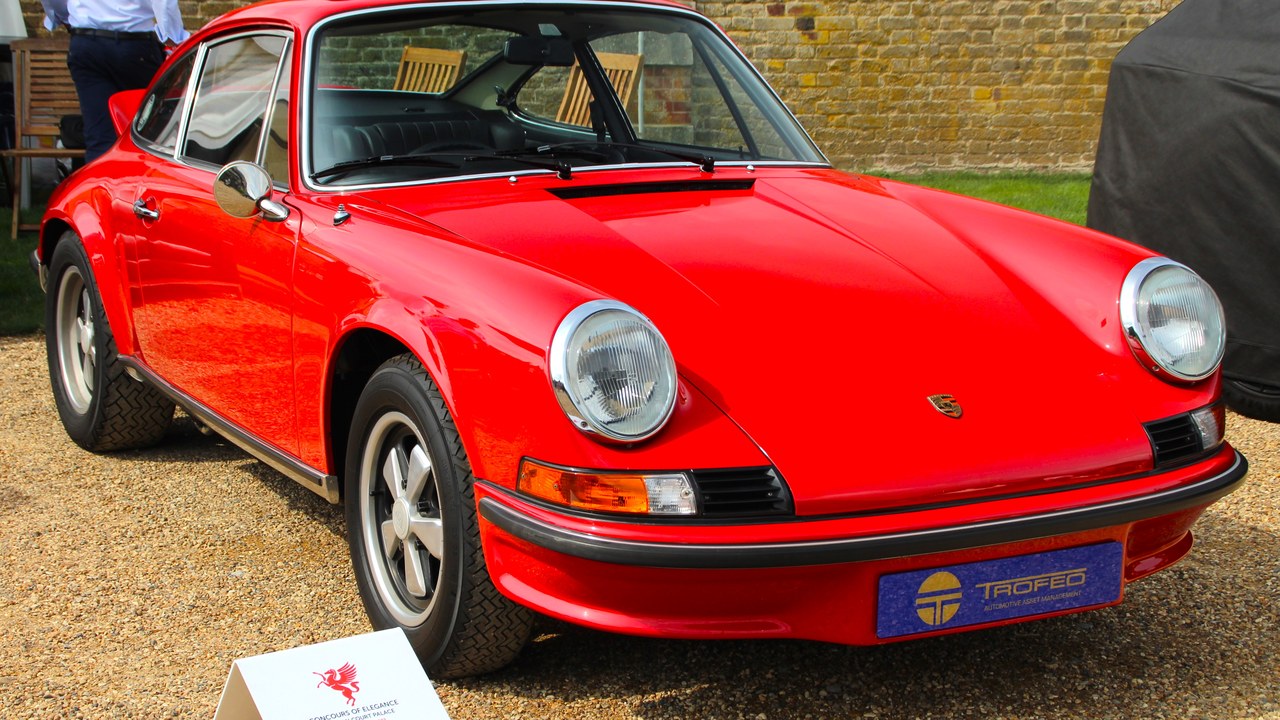
Porsche planned to build 500 Carrera RS 2.7 cars to meet homologation rules, but Porsche’s own newsroom account says a total of 1,580 were built after its October 5, 1972 Paris debut.
Demand far outran the plan, which turned a racing-rules requirement into a genuine sales success. The lightweight, fast road car has since become one of the most revered 911s ever produced. Collectors prize it today as a benchmark of the lightweight approach, and its story is often retold as proof that enthusiasts can outrun a manufacturer’s expectations.
3. Porsche 930 Turbo: Turbo Power Arrives
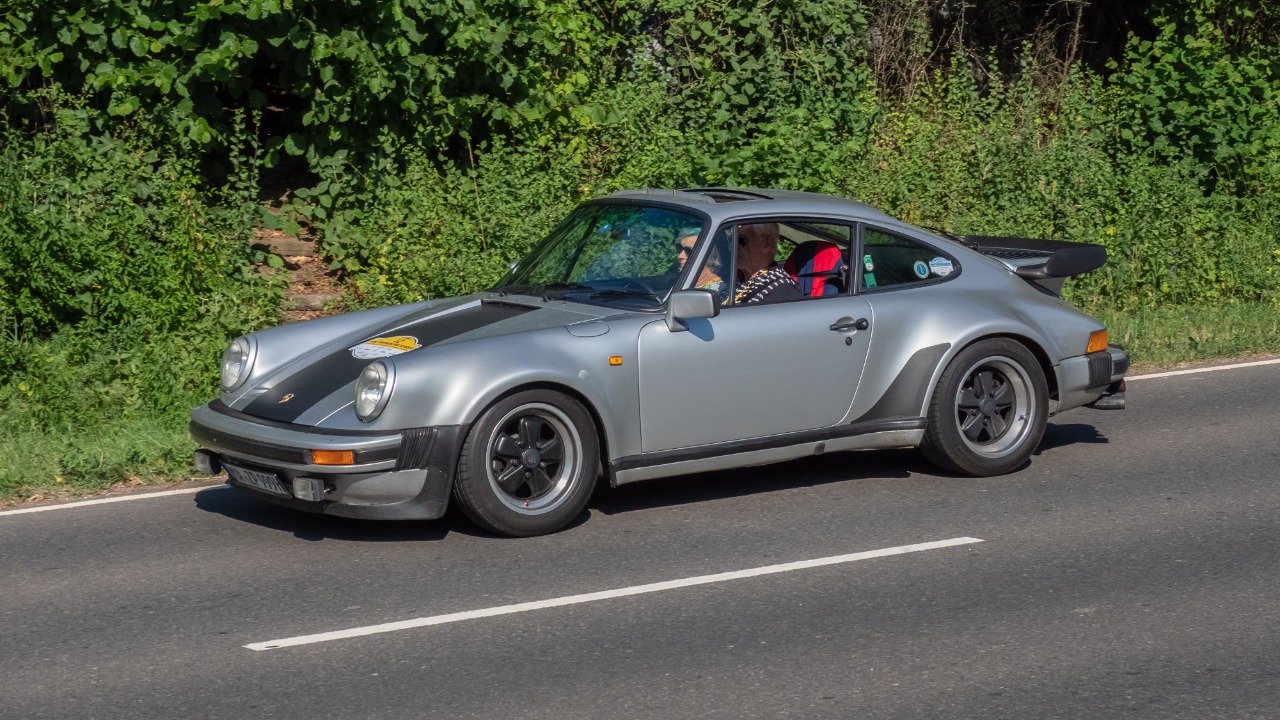
The 930 Turbo was the first Porsche with an exhaust turbocharger, and the Porsche anniversary press kit lists 260 PS, rising to 300 PS in 1977. Forced induction changed the car’s character dramatically.
Turbocharging gave the 911 a reputation for sudden, dramatic speed that few road cars of its day could match. It also began a tradition in which the Turbo sat at the top of each new generation. Owners and critics alike still talk about the model’s wild reputation, and it remains a powerful symbol of the era’s rapid pace of performance development.
4. Porsche 911 G-series: A Long-Running Generation
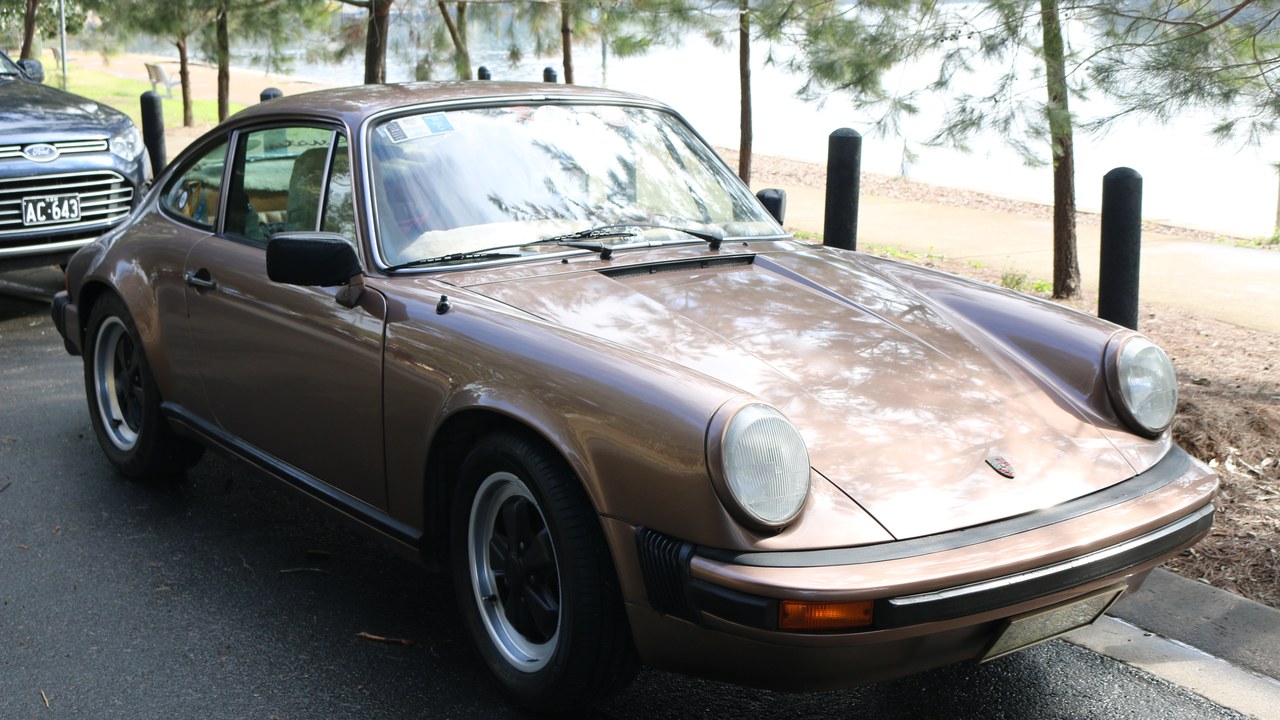
Debuting in 1973, the impact-bumper G-series ran 16 years before it was replaced in 1989, according to Top Gear’s generation guide. That makes it one of the longest-lived chapters in the 911 story.
The staying power shows how much faith Porsche placed in evolving the existing design rather than replacing it. For used-car shoppers, the long run means a wide range of variants from the same basic family. Each later generation has been measured against the standards set during those long years, and the era remains popular with buyers who like a classic look.
5. Porsche 964: Cleaner And All-Wheel Drive
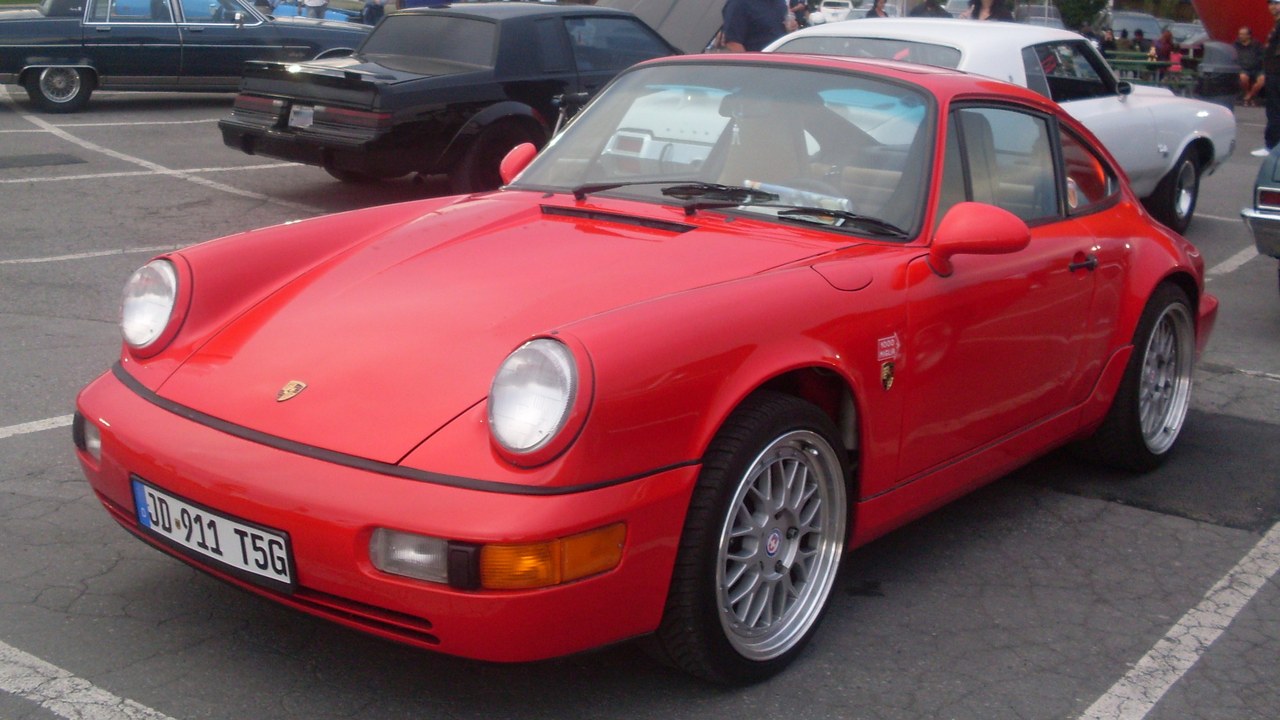
The 964 was the first series-production car with a metal catalytic converter, and the Porsche history press kit says it brought a 250-PS 3.6-litre engine plus the first all-wheel-drive 911, the Carrera 4.
Emissions technology and extra traction showed that the 911 could adapt to a changing world without losing its identity. Both features are now routine in performance cars. It was a technical leap that quietly prepared the model for the decades ahead, even though it looked much like the car it replaced from the outside.
6. Porsche 993: The Last Air-Cooled
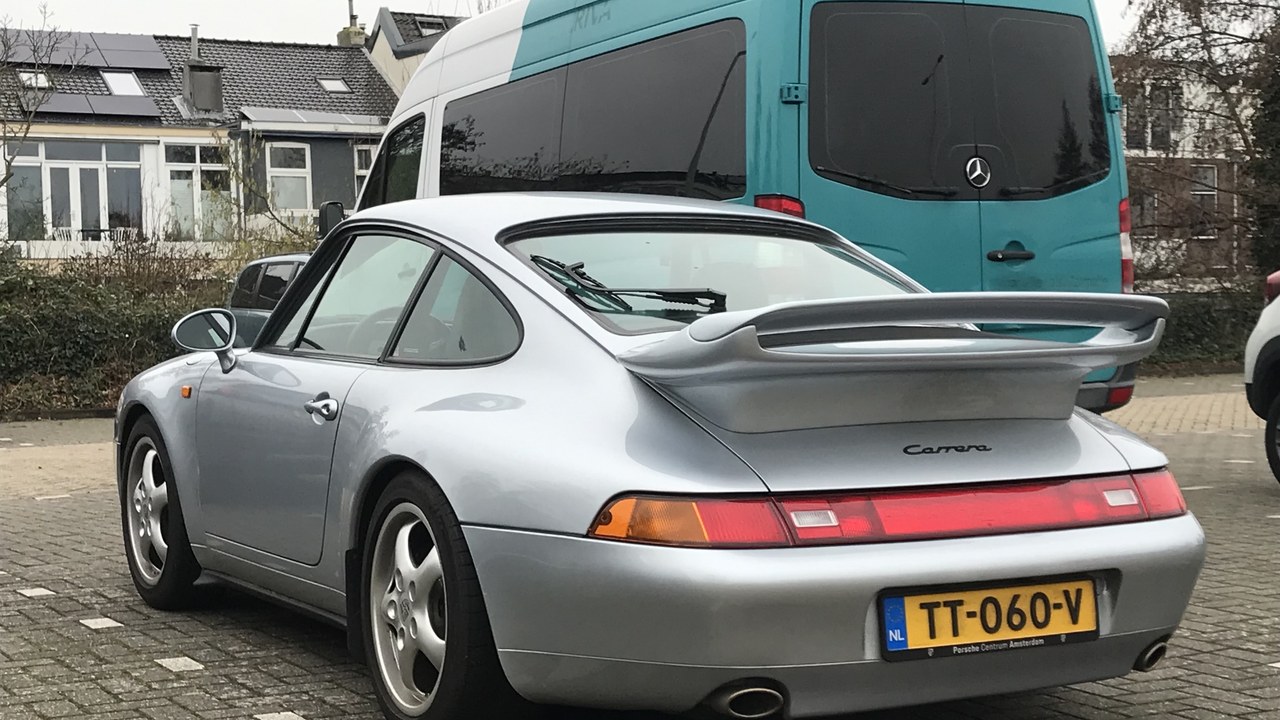
Porsche spent some 400 million Deutschmarks on the 993, and the Porsche anniversary kit notes it was the last 911 whose engines were air-cooled. That investment reflected how much the company had riding on the car.
Enthusiasts often treat the 993 as the end of an era, which has kept it in high regard among collectors. Later generations were faster and more refined, but they changed the sound and feel. Prices for good examples have drawn plenty of attention in recent years, and many fans regard the car as a high point of traditional sports car engineering.
7. Porsche 996: Water Cooling Arrives
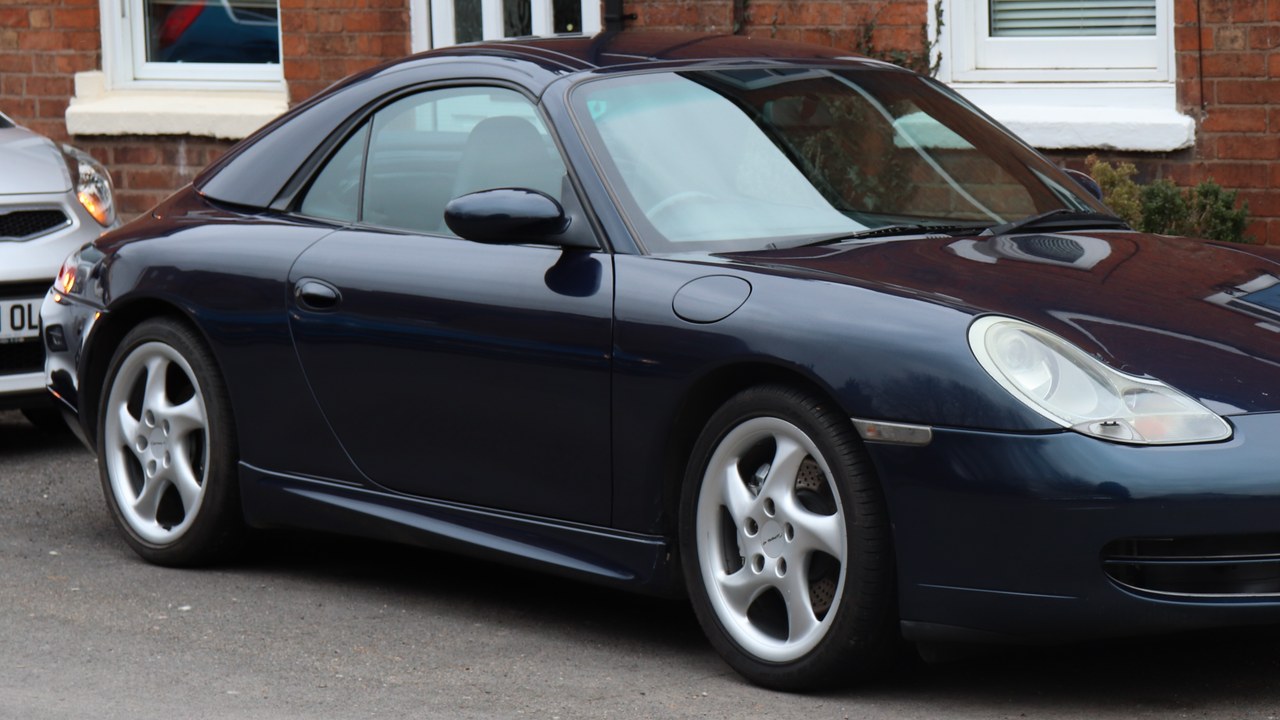
The water-cooled 996 arrived in 1998, and Top Gear’s 996 summary points out that its era saw the first-ever 911 GT3 launched. The switch ended decades of air-cooled tradition.
The change was controversial among purists, but it allowed stricter emissions rules and higher performance to coexist. The GT3 that appeared soon after became a mainstay for track-minded drivers. Even with the debate, the platform proved capable and popular, and it laid the groundwork for the high-performance versions that followed in later years.
8. Porsche 997: Twin-Clutch And A Monster

The 997.2 brought the PDK twin-clutch gearbox and a 611-bhp GT2 RS, according to Top Gear’s 997 entry. It combined a new transmission with one of the most powerful road 911s to that point.
PDK made quick, smooth shifts available without a clutch pedal, which broadened the car’s appeal. The GT2 RS gave enthusiasts a limited, high-performance flagship to dream about. Together, those changes show how the model kept finding fresh ways to be quicker without abandoning its character, and many owners still consider the car a favorite.
9. Porsche 991: Naturally Aspirated Farewell
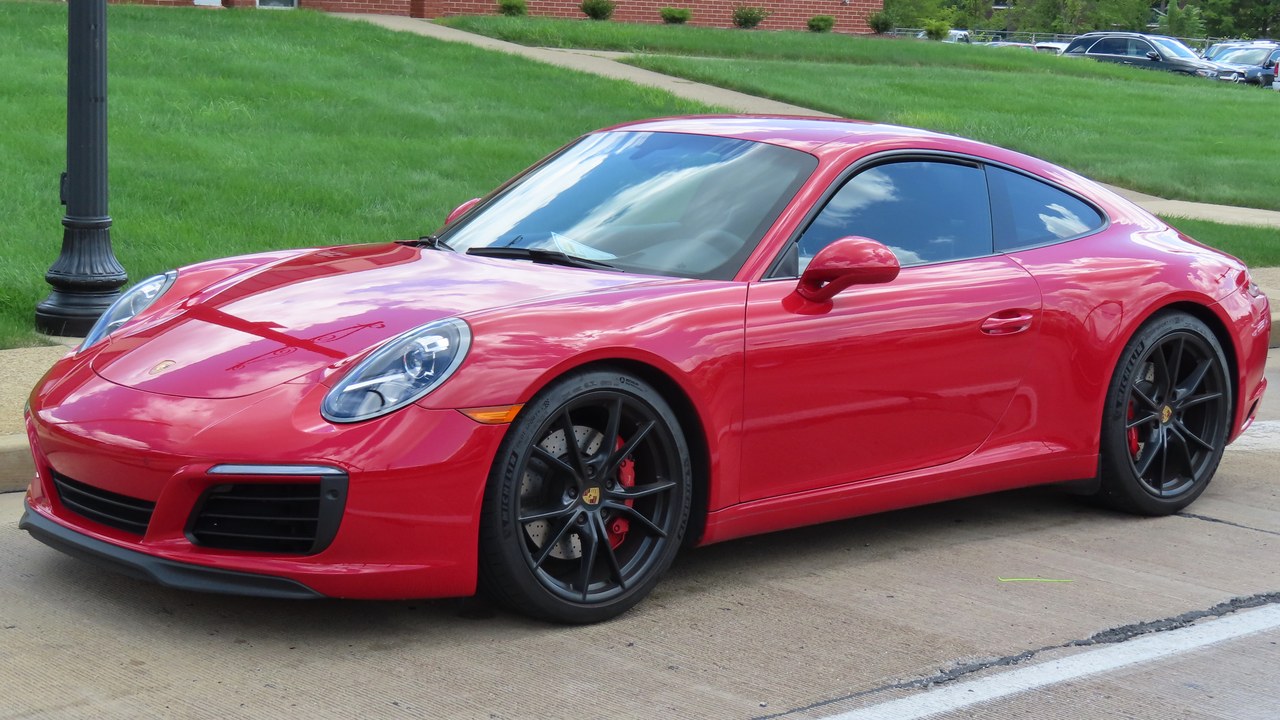
The 991 was the last 911 to offer naturally aspirated Carreras, and the 991.2 era produced the one millionth Porsche 911, says Top Gear’s 991 guide. A milestone in output arrived alongside a shift in engine design.
Turbocharged engines have since become standard across the Carrera range. The millionth car showed that the model had gone from a niche sports car to a global institution. Fans of the older cars may miss the engine sound, but the generation is often praised as a balanced, refined and highly capable daily driver for its time.
10. Porsche 992: A Fast Nurburgring Lap
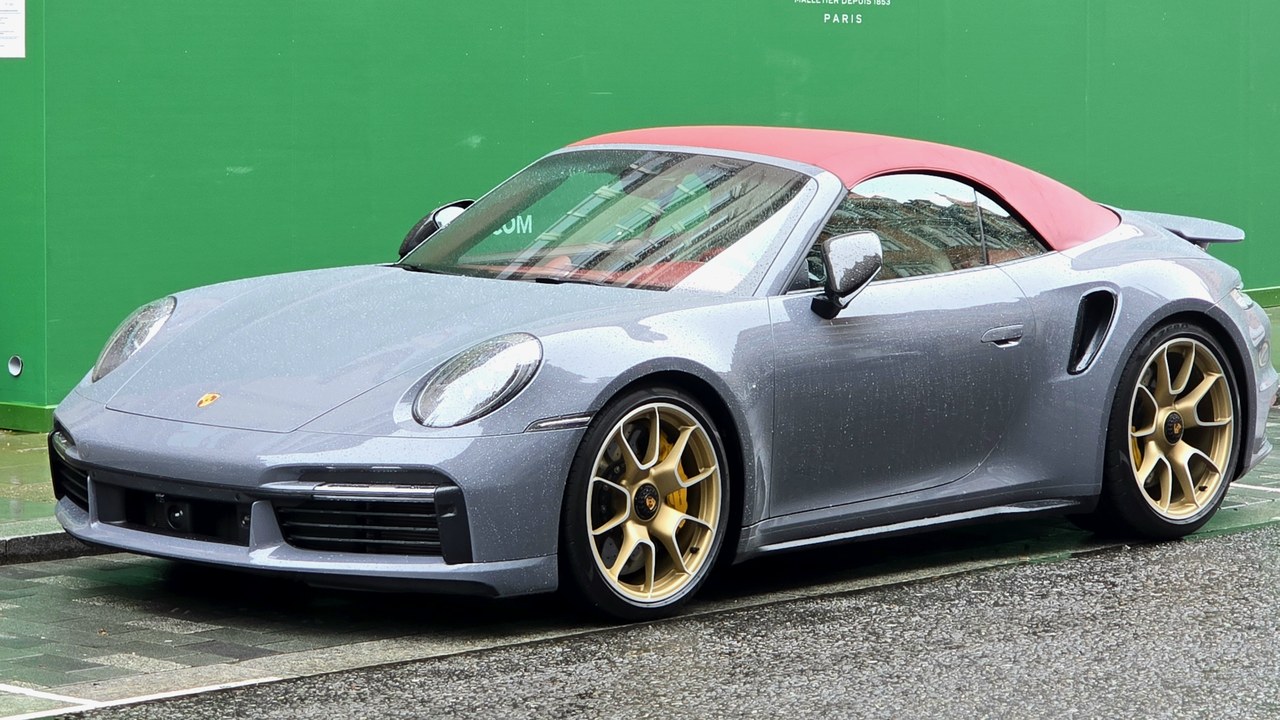
The 992 launched in Los Angeles on 27 November 2018, and the Wikipedia 992 article reports its 650-PS Turbo S lapped the Nurburgring in 7:17.3. Few road-legal cars have posted comparable times.
The lap shows how far the 911 has come from its 130-PS origins. Modern aids and engineering let drivers use performance that would have overwhelmed earlier generations. Speed on that scale was once reserved for exotic cars, and the result illustrates how steadily the 911 has pushed forward since the earliest days of production.
11. Porsche 911 GT3 (992): A Track-Focused Flagship
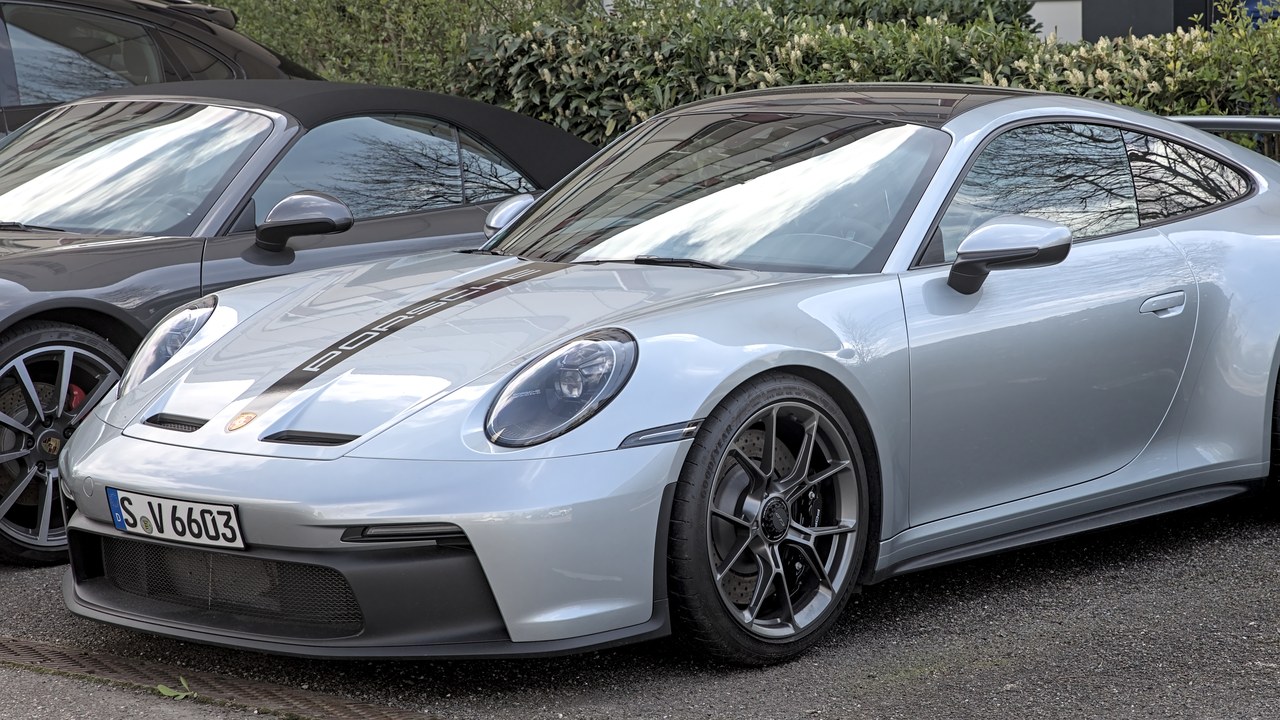
The 992 GT3 was introduced in February 2021 and makes over 510 PS, according to the 992 generation article. It continues a line of road-legal cars that borrow heavily from racing.
The GT3 line appeals to drivers who value precision over luxury. Its presence shows that the 911 can serve everyday commuters and committed track enthusiasts at the same time. Drivers who want a more focused experience than a regular Carrera often look to this version first, and its approach has inspired many imitators in the sports car world.
12. Porsche 911 Dakar: An Off-Road Experiment
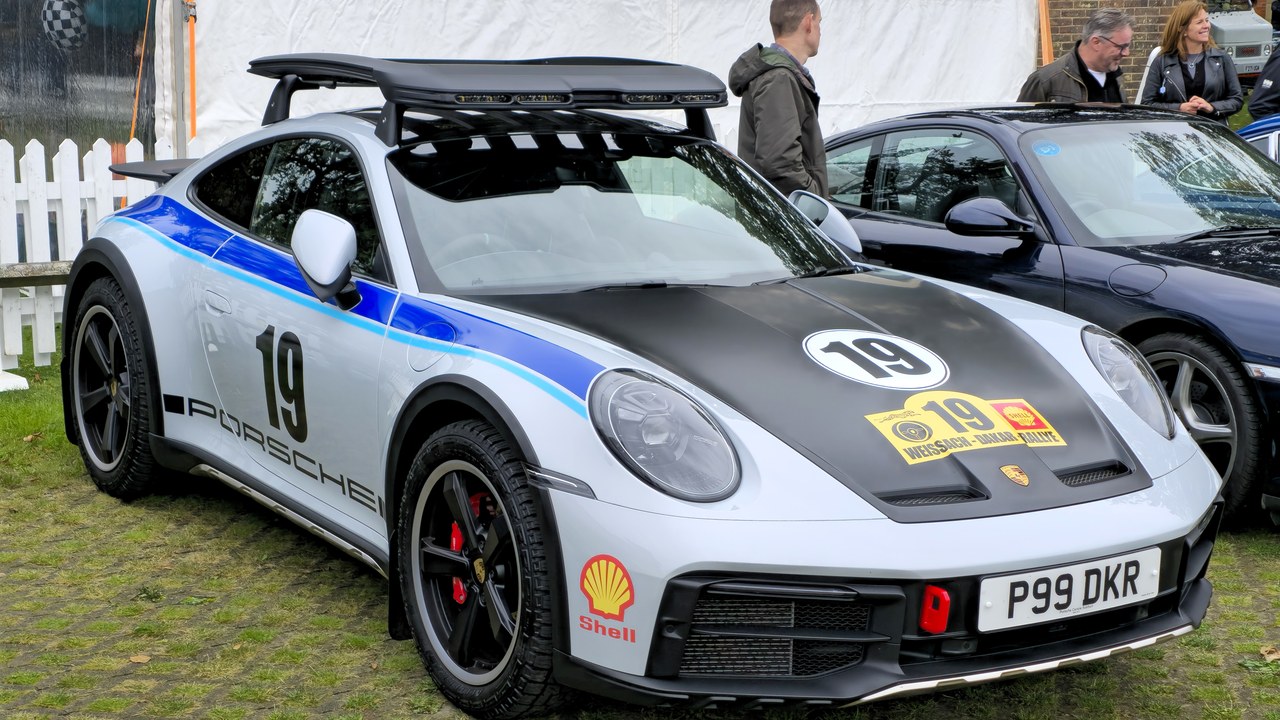
The 911 Dakar is an off-road version with 191 mm of ground clearance, limited to 2,500 units, as the 992 variants overview details. It adapts a sports car for gravel and sand.
Raising a rear-engine coupe for rough terrain is an unusual idea, and the small run underlines how special it is. The car shows the platform stretching into territory few expected. Whether many owners will actually leave the pavement is another matter, but the idea captures the playful side of a car that has always been more than a showpiece.
13. Porsche 911 S/T: An Anniversary Special
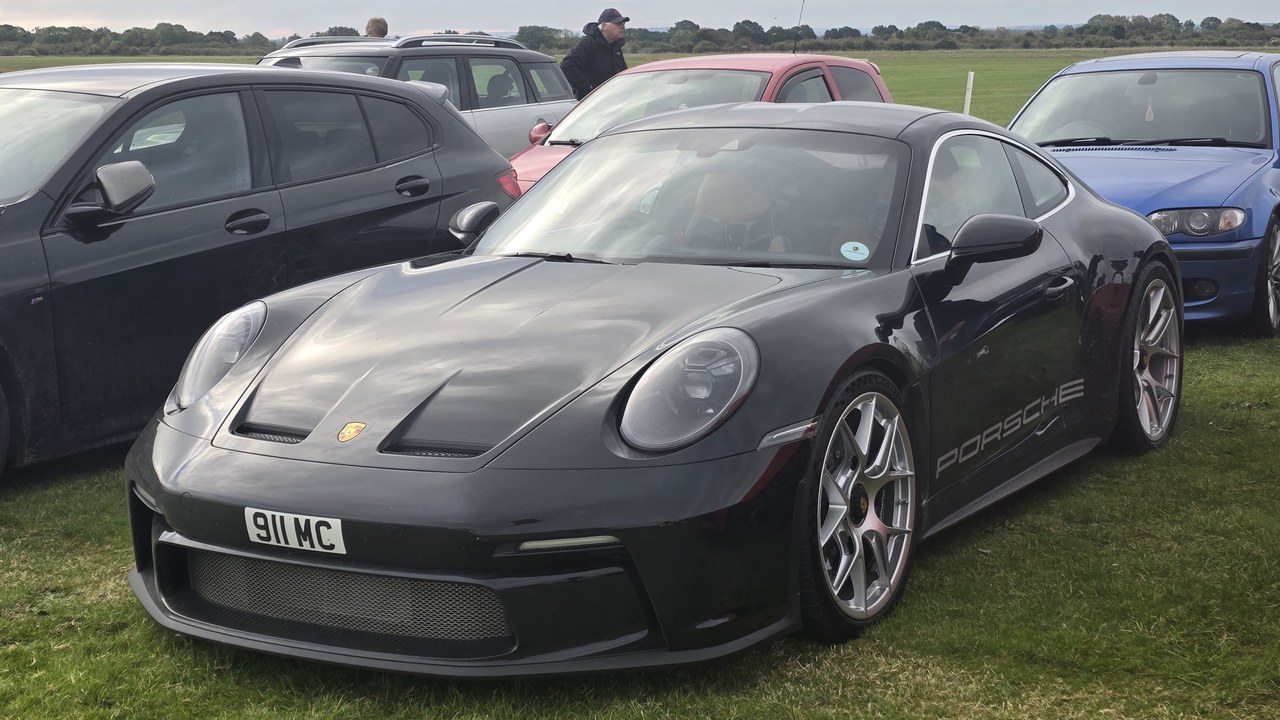
Built for the 911’s 60th anniversary, the S/T was limited to 1,963 cars, each with 525 PS and weighing 1,404 kg, according to the 992 model overview. The production number nods to the original launch year.
Limited runs like this one reward owners who value rarity and driving purity. The S/T also shows Porsche still celebrating its history rather than simply leaving it behind. It stands as a snapshot of the model at its most nostalgic, with a modern package wrapped around ideas that were first explored in the earliest years of the 911.
Save more, waste less: Subscribe to The Cool Down →
We may earn a commission if you sign up.
More from Morning Overview
- NOAA now gives this winter a 75% chance of the strongest El Nino since 1950
- Doctors warn a silent liver disease now affects one in three American adults
- The FBI told the rest of ShinyHunters to surrender after a 24-year-old was arrested
- Two passengers died at an Ohio toll plaza, and the NTSB now wants the cash lanes shut
