
Carroll Shelby’s name has been attached to everything from hand-built roadsters to compact Dodge hatchbacks and modern supercharged Mustangs. Each era reflects a different partner and a different idea of what performance should mean. Here are twelve Shelby cars that trace that story from the first Cobra to the latest GT500.
Save more, waste less: The Cool Down’s newsletter sends smart, simple changes that help you and the planet in your everyday life.
We may earn a commission if you sign up.
1. Shelby Cobra 289: Where It All Began
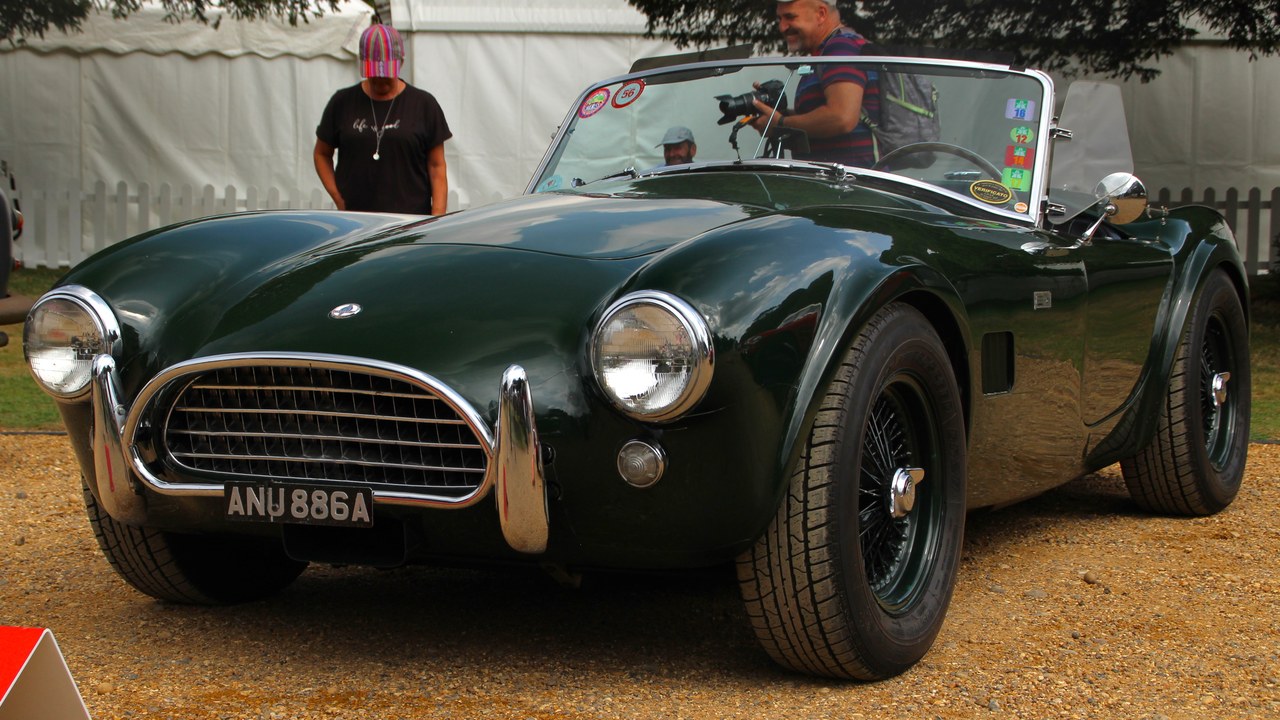
The first Cobra, CSX2000, was finished in January 1962, and 51 of the first 126 Mk1 cars received the 289 V8, as the Shelby Cobra article records.
The Cobra paired a lightweight British roadster, completed at AC Cars, with American V8 power, a formula that came to define Shelby’s approach. The 289 version is the starting point for every performance car that followed with his name on it, so it anchors the whole story.
2. Shelby Cobra 427: Big-Block Fury
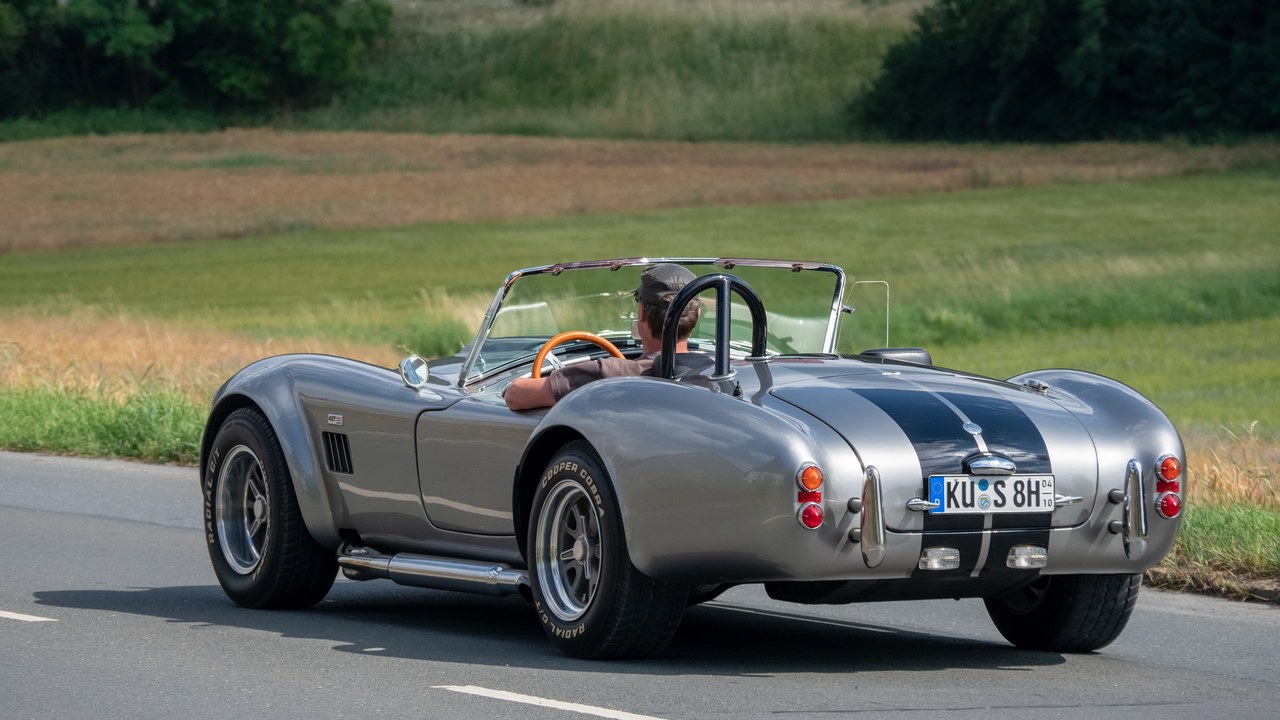
The 425-hp 427 Cobra hit 60 mph in 4.3 seconds and ran the quarter-mile in 12.2, according to The Mustang Source slideshow.
Those figures were extreme for a road car, and they explain much of the Cobra’s legend. The 427 turned a small roadster into a brutally fast machine, which is why original cars command such reverence among collectors and why replicas remain popular. For readers, the numbers show how much performance came from a single, simple idea.
3. Shelby Daytona Coupe: Record Breaker
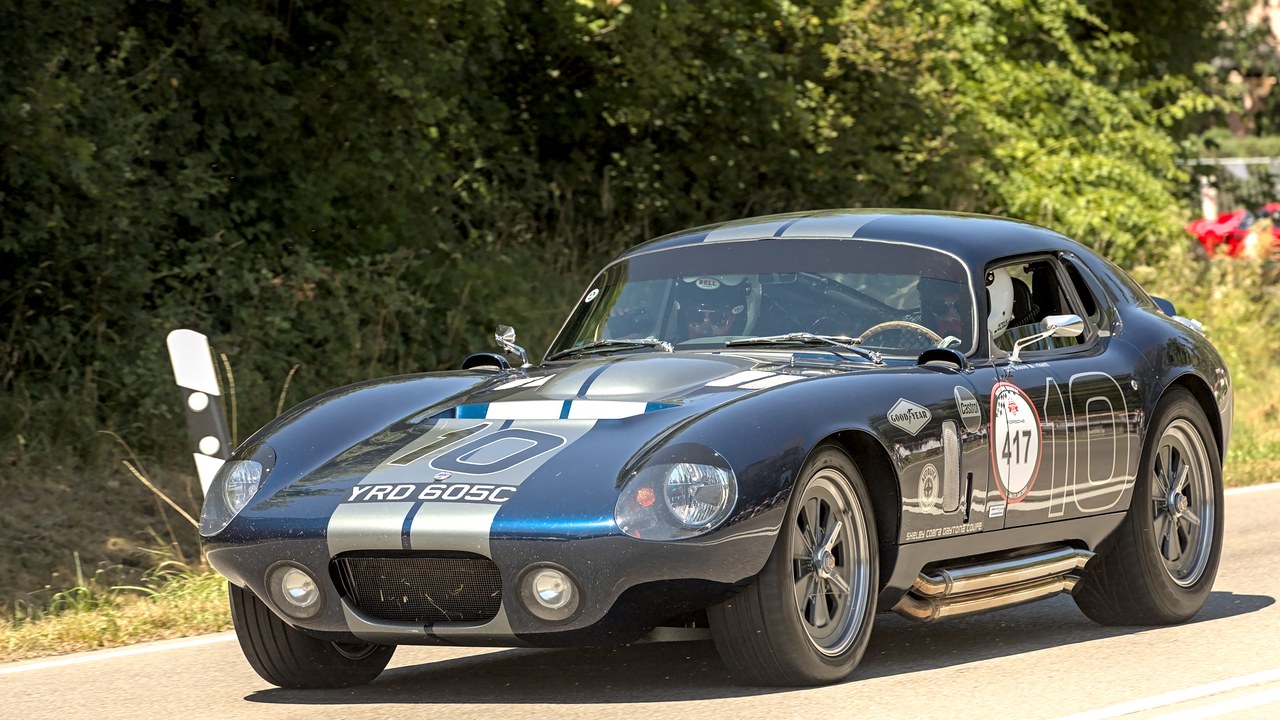
CSX2287 set 23 Bonneville land speed records in 1965 and is number one on the National Historic Vehicle Register, according to the Drivers Foundation registry.
The Daytona Coupe was a streamlined, closed-roof car based on the Cobra, shaped for high speed rather than comfort. Its place at the top of the national register makes it a landmark of American automotive history, not simply a fast car. Surviving examples are treated as artifacts as much as machines.
4. Shelby GT350 (1965-66): The Mustang Gets Serious
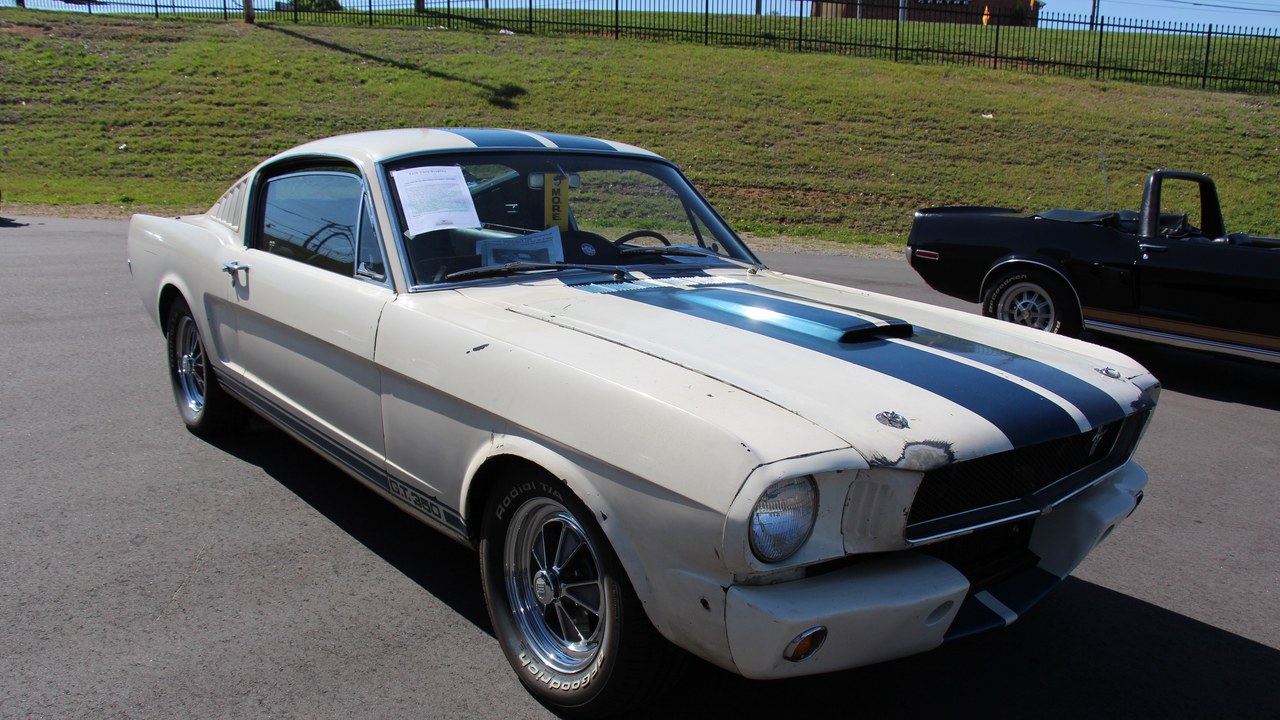
Shelby sold 562 GT350s for 1965, with a modified Hi-Po 289 rated at 306 hp, according to the Shelby Mustang article.
The GT350 transformed Ford’s Mustang from a sporty-looking coupe into a track-ready performance car. It launched the Shelby Mustang line that later GT500 models followed, and the low production count is a large part of why these cars are prized. Buyers of the era were getting something close to a road-legal racer, and that character still defines the badge.
5. Shelby GT500 (1967): Bigger Engine, Bigger Statement
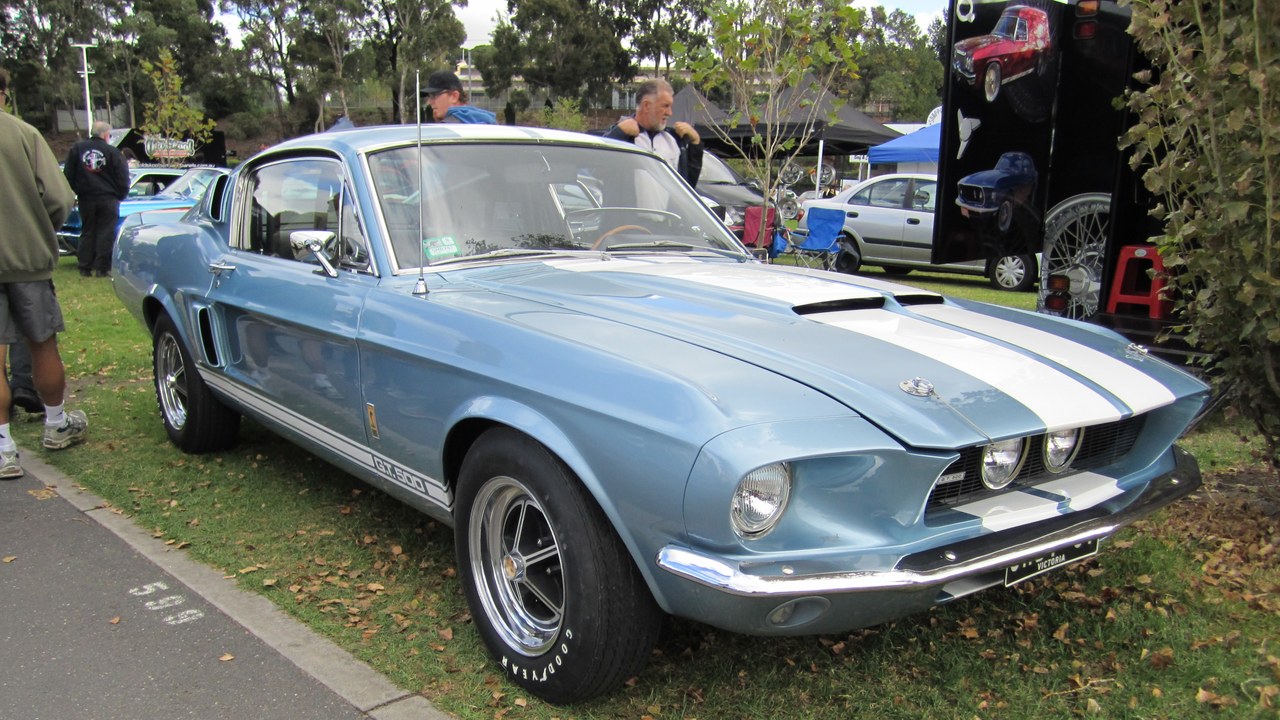
The 1967 GT500 added a 428 Interceptor V8 with twin Holley four-barrels rated at 355 hp, as the Shelby Mustang article explains.
The GT500 moved the Shelby Mustang toward grand-touring power rather than pure racing focus, with a large engine that suited long-distance driving. Buyers who wanted comfort with their speed found it here. It set the template for the GT500 name that would return decades later. The twin four-barrel carburetors are a signature detail for fans.
6. Shelby GT500KR (1968): King of the Road
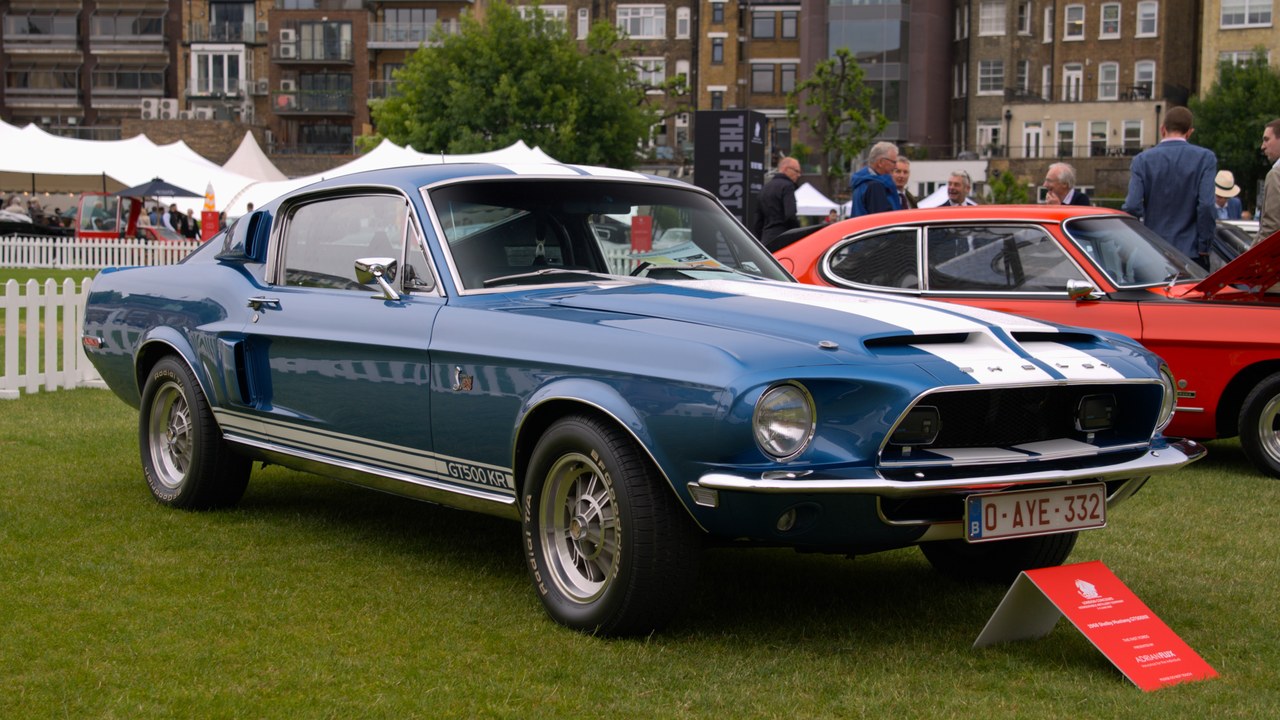
The GT500KR stood for “King of the Road,” and Ford installed its Cobra Jet 428 starting in April 1968, according to the Shelby Mustang article.
The nickname announced the car’s ambitions in just two letters, and the Cobra Jet engine brought a more potent Ford engine to Shelby buyers. Timing matters here, because early and later 1968 cars differ in the engine they received, which matters to anyone studying or buying one today.
7. Shelby GT500 (2010-2013): Climbing to 662 hp
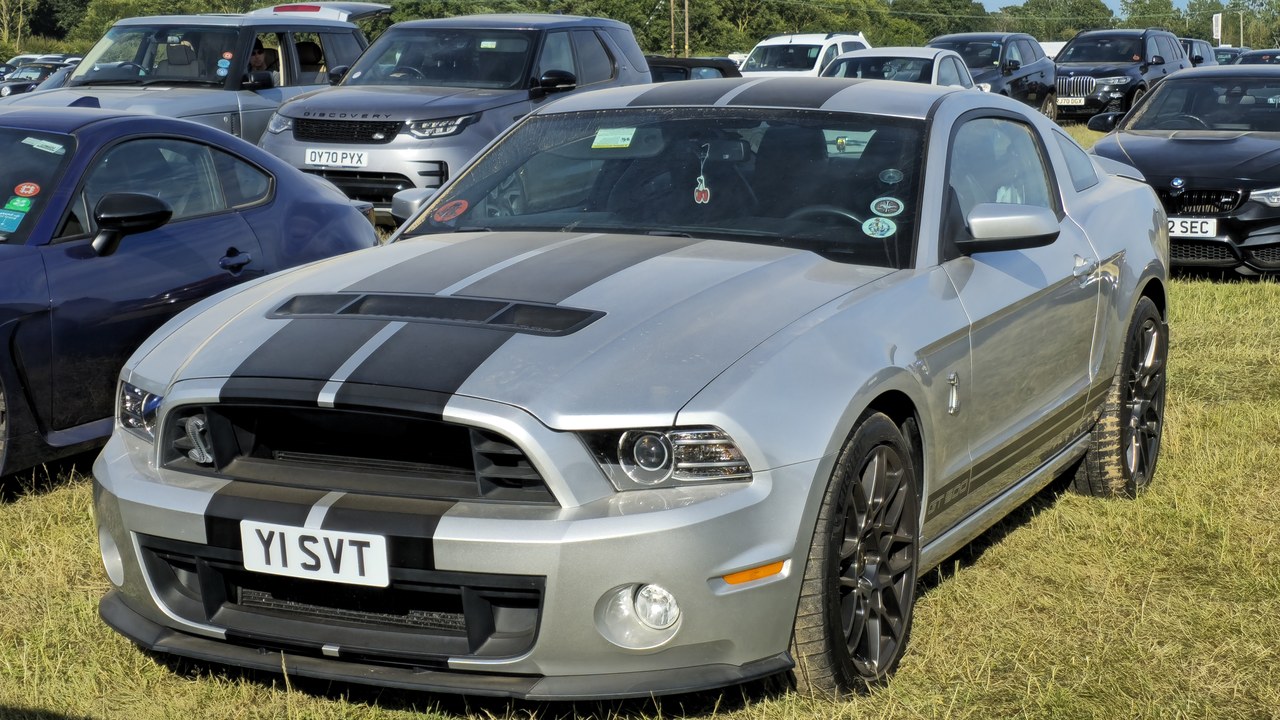
The 2010-2013 Shelby GT500 saw its output climb from 550 hp to 662 hp by the 2013 model year, according to The Mustang Source slideshow.
That jump came within a single generation, which shows how quickly Ford and Shelby kept raising the stakes in the modern muscle car fight. The same source notes that many enthusiasts consider this car the best ever to wear the Shelby name, a strong claim given the Cobras and classic Mustangs that came before it.
8. Dodge Shelby Charger (1983): Shelby Meets Dodge
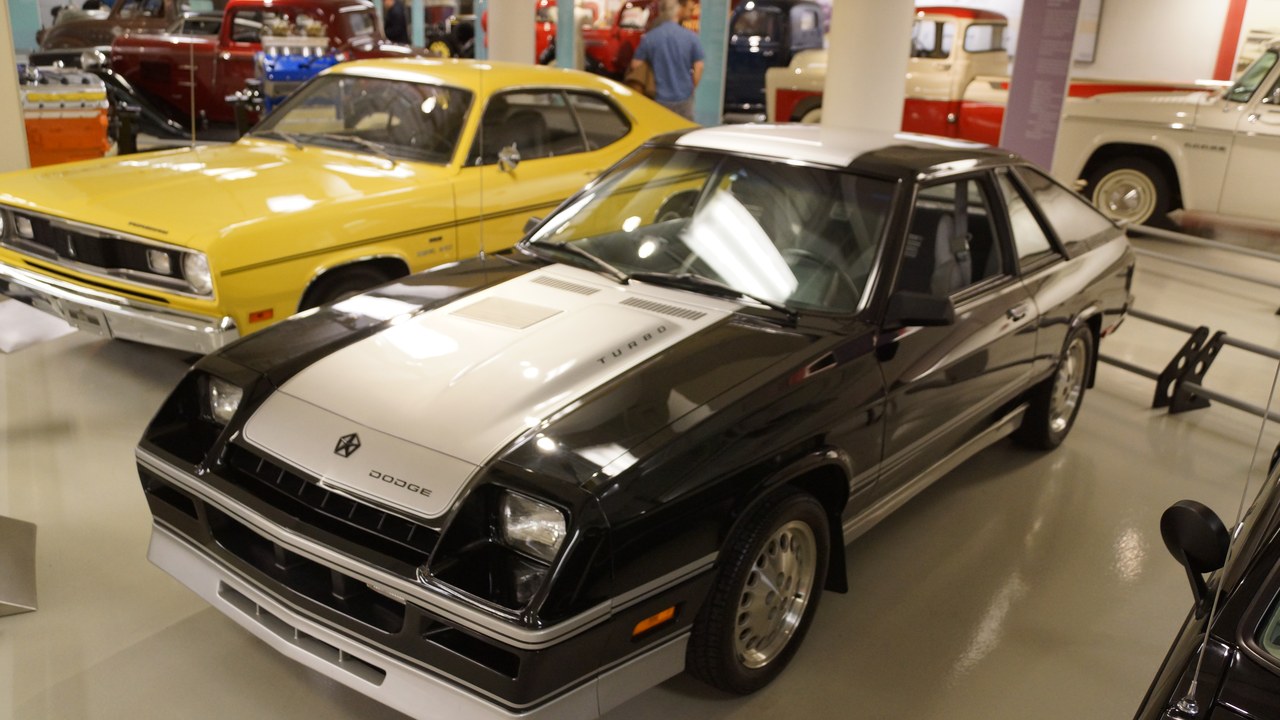
Shelby-modified Dodge Chargers were sold for the 1983 and 1984 model years, according to the Carroll Shelby biography.
After the Ford years, Shelby turned to Chrysler and applied his performance recipe to small, affordable cars. The Charger shows a more modest, economical side of the Shelby name and marks the start of a distinct chapter in his career. The cars are an affordable entry point for fans of the name.
9. Shelby GLH-S Omni (1986): Goes Like Hell
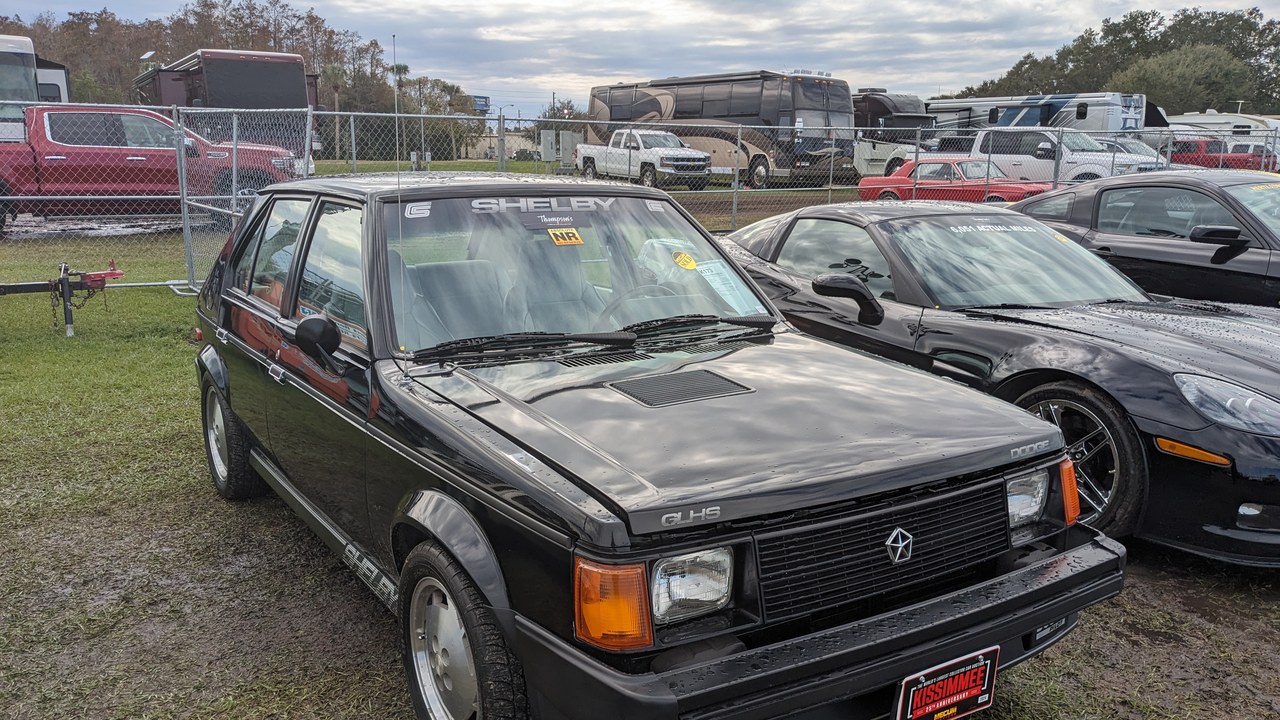
GLH stood for “Goes Like Hell,” and the final 500 cars were sold as 175-hp GLH-S models, according to The Mustang Source slideshow.
The Omni GLH took an ordinary economy hatchback and gave it a performance attitude and a cheeky nickname. The final 500 cars are the ones collectors seek out, since the extra horsepower made the last run the most potent, and the badge on those cars means something specific to enthusiasts.
10. Shelby Series 1 (1999): Clean-Sheet Sports Car
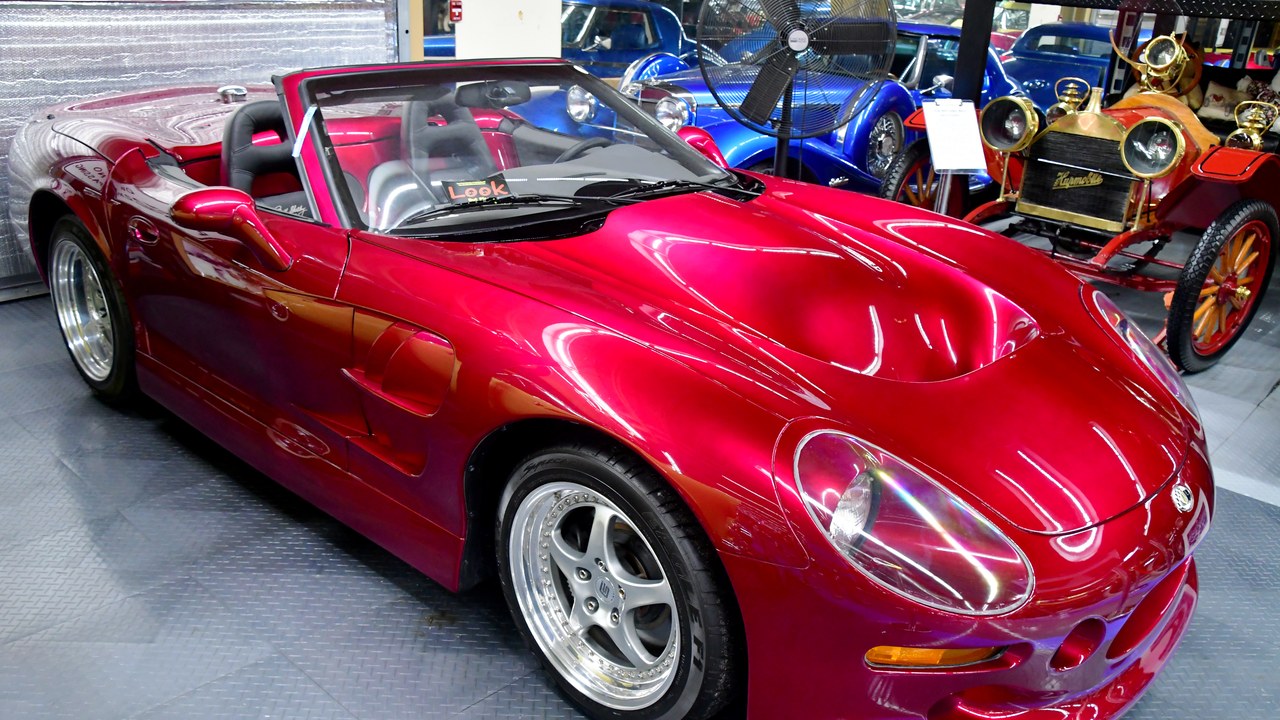
The Shelby Series 1 was revealed at the 1997 Los Angeles Auto Show, used Oldsmobile’s 4.0-liter Aurora V8, and 249 were built as 1999 models, according to the Carroll Shelby biography.
The Series 1 was a clean-sheet sports car rather than a modified existing model. The small build count and unusual engine choice make it a curiosity among Shelby products, and an example of the company trying something new, and one of the clearest signs of how varied the Shelby catalog became.
11. Shelby GT500 (2007): Ford Comes Back
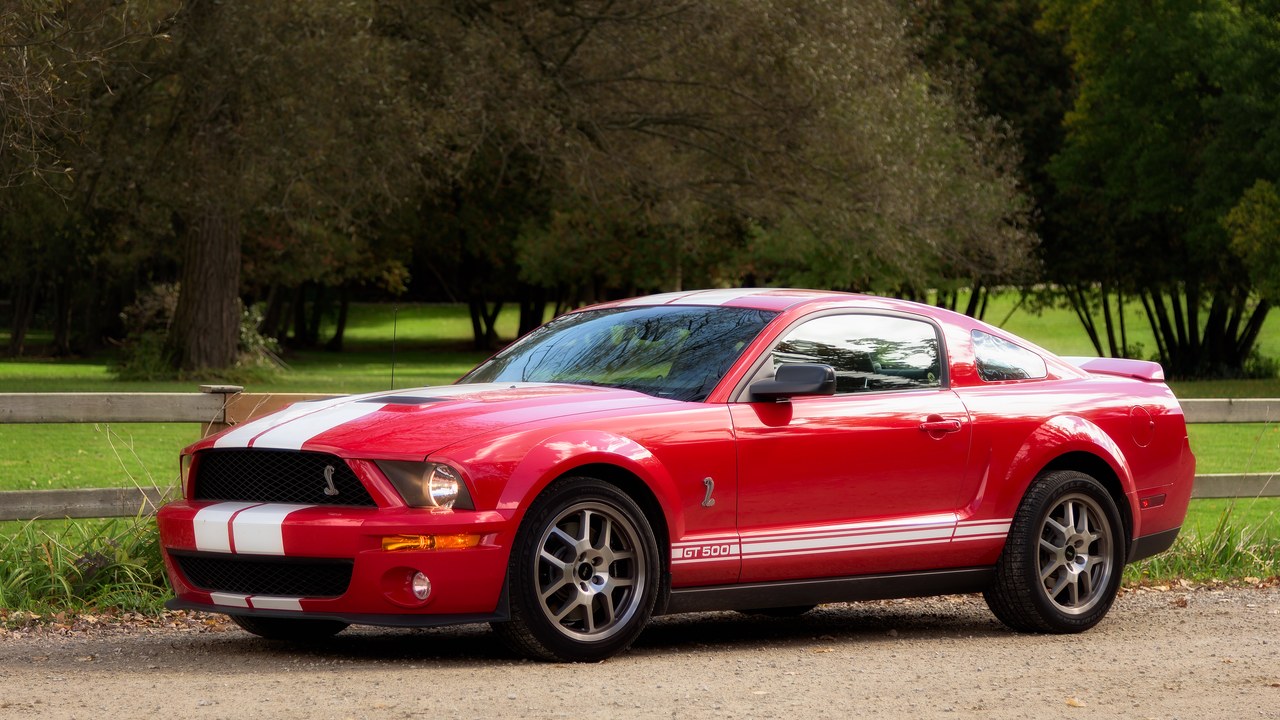
Ford’s first official Shelby Mustang collaboration since 1971 had a supercharged 5.4-liter V8 rated at 500 hp and started at $40,930 for the 2007 GT500, according to the Carroll Shelby biography.
The return of the GT500 name revived the Shelby Mustang for a new generation after years away. A supercharged V8 and a modest base price made it an accessible performance car, and it set the stage for the more powerful versions that followed.
12. Shelby GT500 (2020): 760 Horsepower
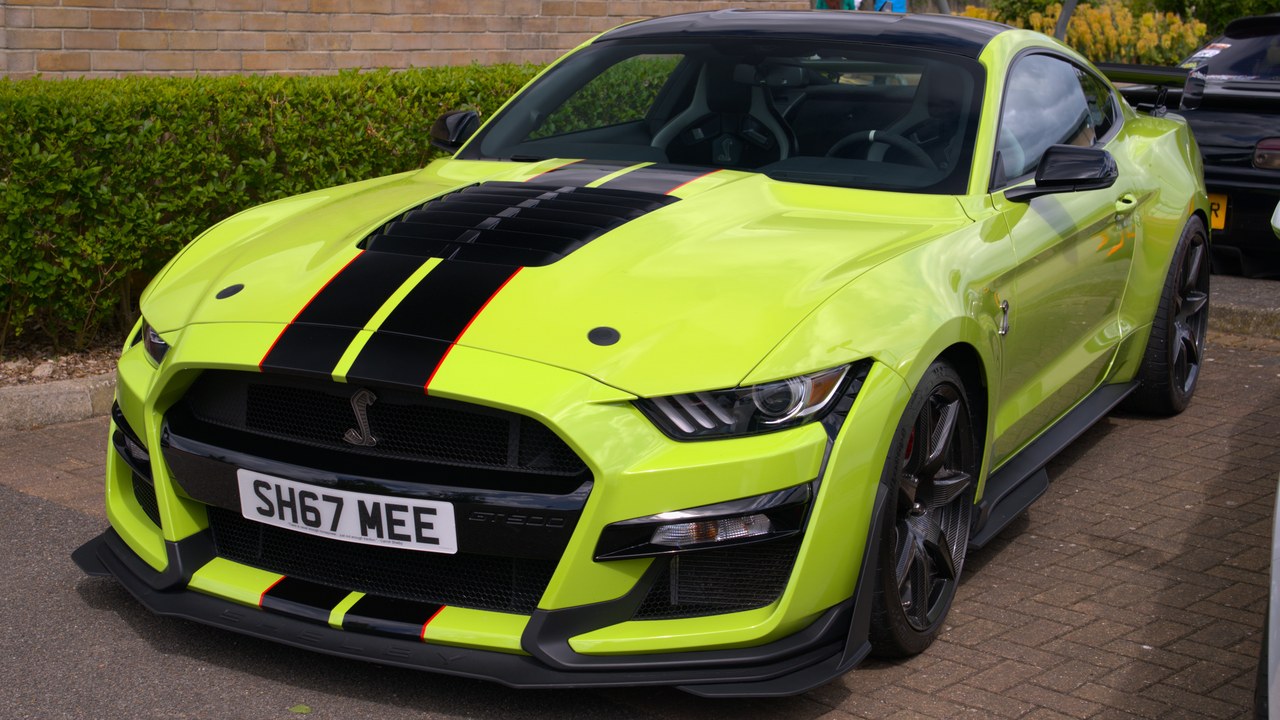
The 2020 GT500 made 760 hp from a 5.2-liter supercharged V8 and started at $73,995, as Ford announced in a KUTV report.
The 2020 car is the modern high point of the story, offering far more power than any earlier Shelby road car. Its output underlines how far the name had traveled from the lightweight roadsters of the early 1960s. It gives readers a clear sense of how performance expectations changed across the decades.
Save more, waste less: Subscribe to The Cool Down →
We may earn a commission if you sign up.
More from Morning Overview
- NOAA now gives this winter a 75% chance of the strongest El Nino since 1950
- Doctors warn a silent liver disease now affects one in three American adults
- The FBI told the rest of ShinyHunters to surrender after a 24-year-old was arrested
- Two passengers died at an Ohio toll plaza, and the NTSB now wants the cash lanes shut
