
Automakers rarely keep a single nameplate alive for decades, let alone half a century, without redesigning it beyond recognition. Yet a handful of models have done exactly that, carrying the same name through changing tastes, fuel crises, and shifting factories while staying in continuous production. Here are eleven nameplates that have outlasted nearly every rival on the road.
1. Chevrolet Suburban: America’s Longest-Running Nameplate
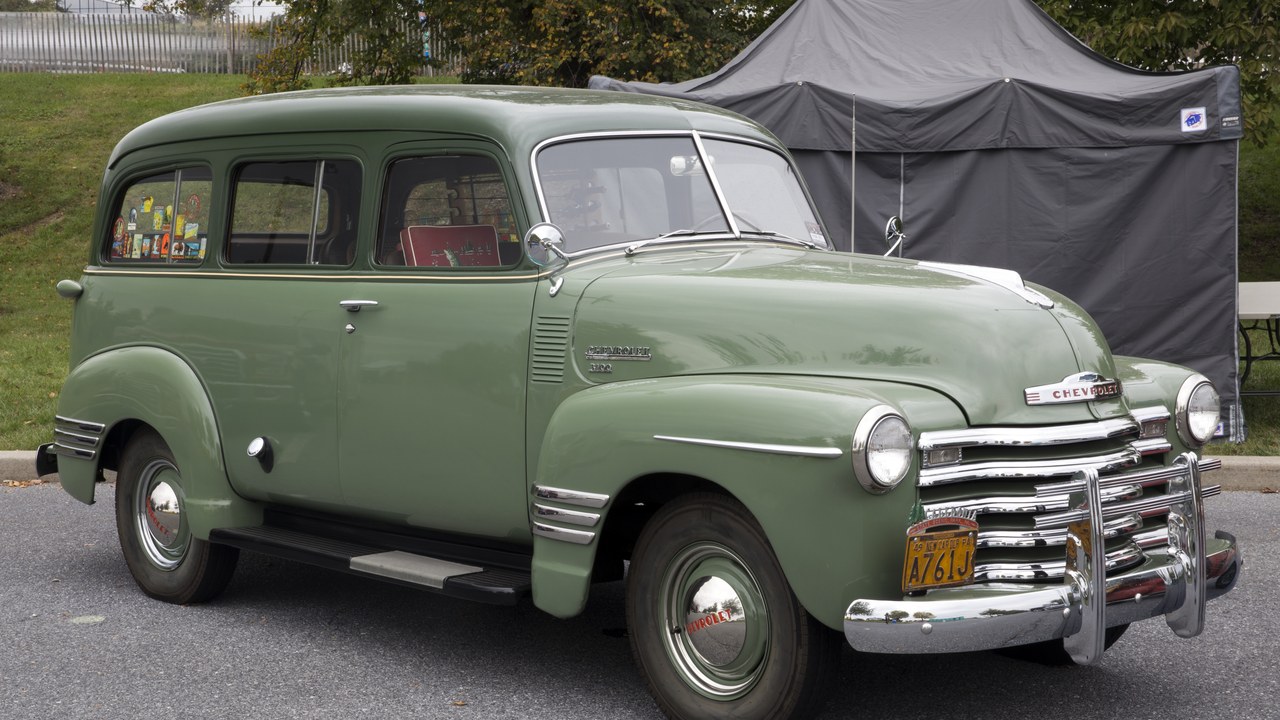
The Chevrolet Suburban holds the distinction of being the oldest continuously produced nameplate sold in the United States, according to its production history. General Motors has kept the full-size SUV in showrooms through multiple redesigns, body styles, and drivetrain overhauls without ever retiring the name.
That longevity reflects steady demand from large families, fleets, and towing customers who value cargo room over novelty. Few competitors have matched a run this consistent, and GM has shown no sign of replacing the Suburban badge with something new.
2. Toyota Corolla: Six Decades Of Best-Sellers
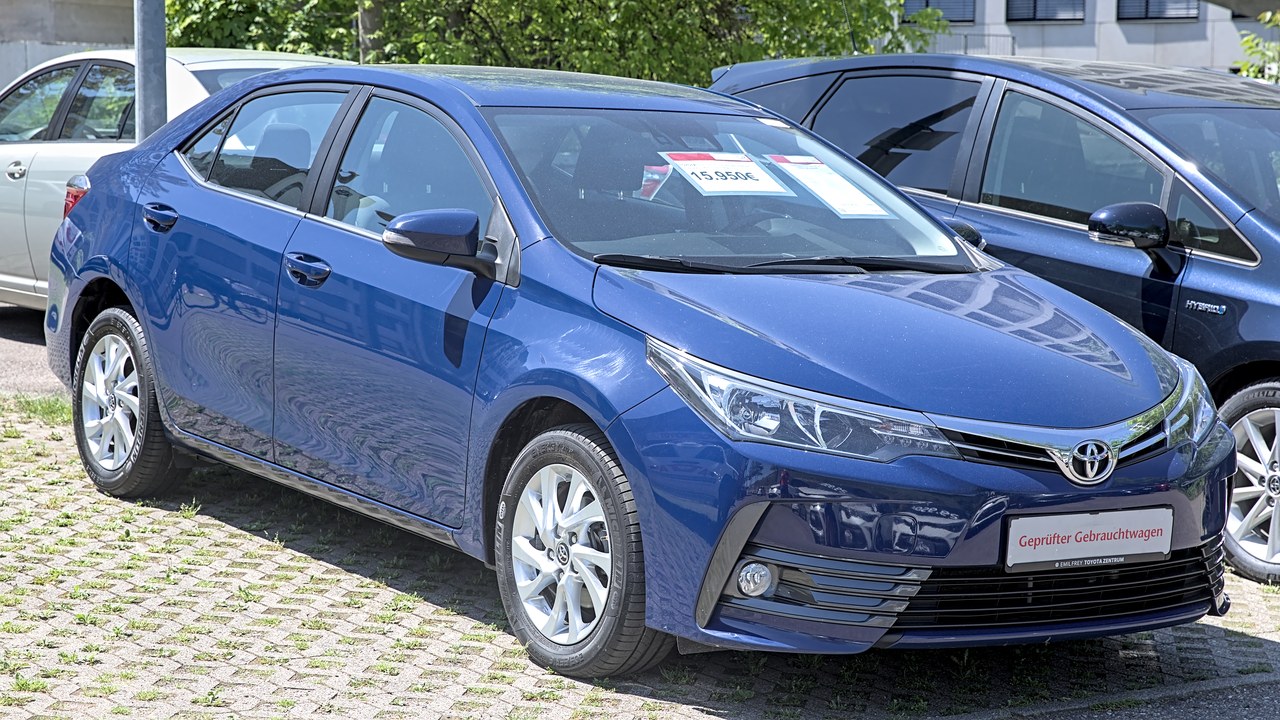
The Toyota Corolla has spent six decades as the best-selling nameplate in automotive history, a milestone detailed in its production record. Toyota redesigned the compact sedan repeatedly, adapting it to hybrid powertrains and shifting fuel economy rules, yet it never left the lineup.
That endurance stems from Toyota’s reputation for reliability and low-cost ownership, which kept the Corolla in favor across generations of buyers on tight budgets. Few nameplates anywhere have combined that sales volume with such an uninterrupted production run.
3. Ford F-Series: A Truck Line Since The 1940s

Ford’s F-Series pickup has run continuously since the late 1940s, one of the longest unbroken truck lineages on record according to its model history. The line moved through numerous body redesigns, engine swaps, and trim expansions while keeping the same core name.
Ford leaned on that continuity to build brand loyalty among work-truck buyers who returned generation after generation. The F-Series eventually became the best-selling vehicle in the United States for decades running, a status tied directly to that unbroken nameplate.
4. Volkswagen Golf: A Hatchback For Half A Century
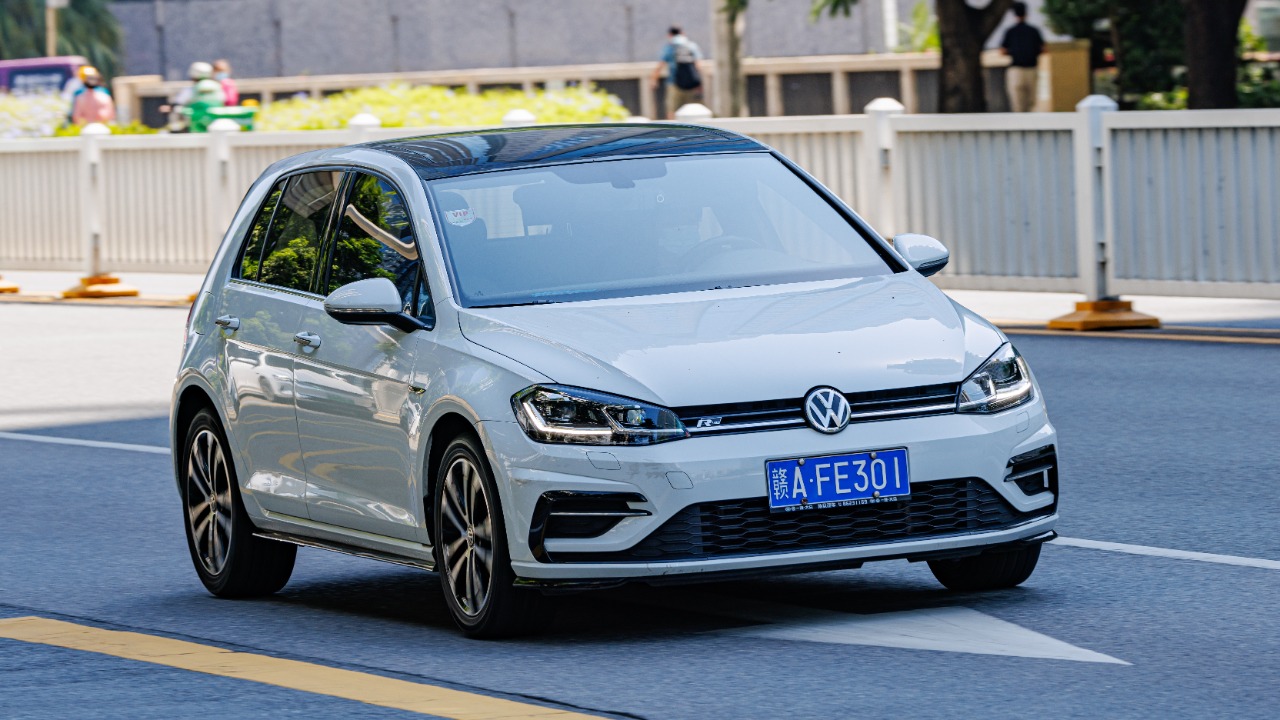
The Volkswagen Golf has been in production for roughly half a century, evolving through several generations while its model lineage stayed intact. Volkswagen used the compact hatchback as its global volume seller, adapting it to diesel, gasoline, and electric powertrains over the decades.
That flexibility let the Golf survive shifting emissions rules and changing hatchback demand in markets where SUVs eventually dominated. Few European nameplates have matched its combination of sales volume and sustained production.
5. Porsche 911: A Rear-Engine Icon Since The 1960s
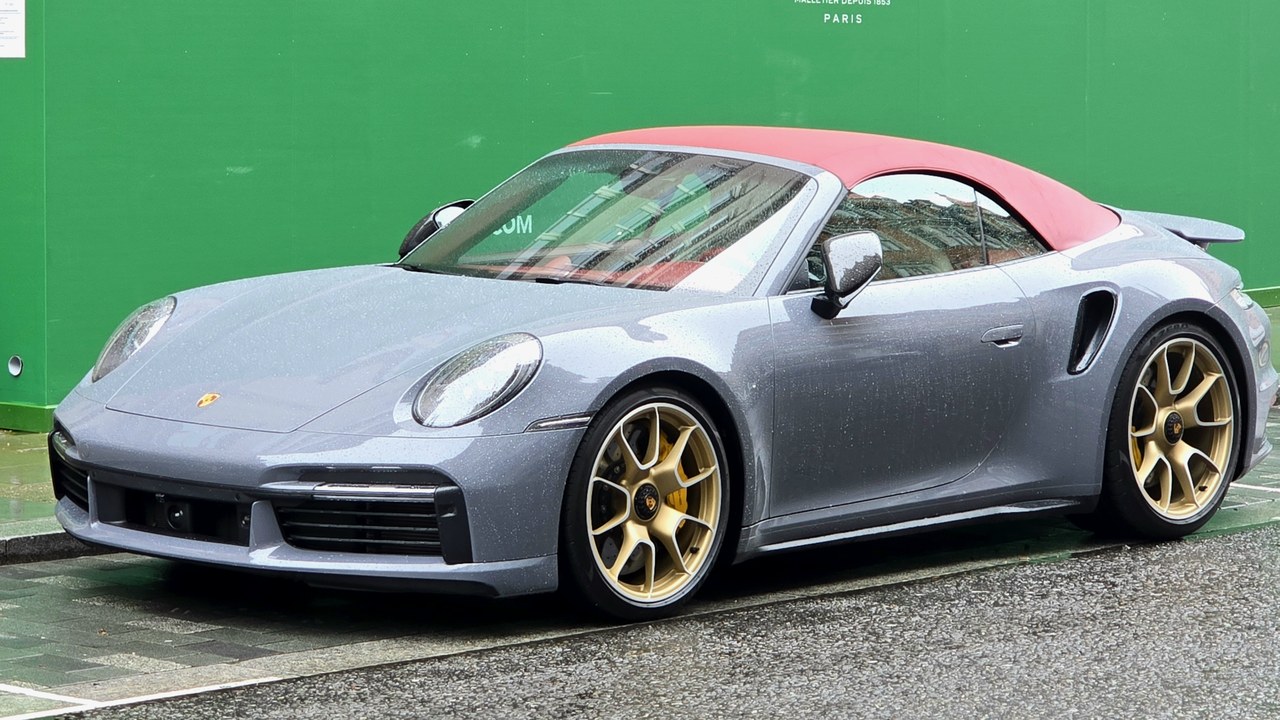
Porsche has built the 911 continuously since the 1960s, refining its trademark rear-engine layout across generations rather than replacing the model, according to its development history. Engineers modernized the chassis, engines, and electronics while preserving the silhouette that made the car recognizable.
That consistency turned the 911 into a benchmark sports car that collectors and enthusiasts track by generation rather than by name change. Porsche has resisted retiring the badge even as its lineup expanded into SUVs and electric models.
6. Chevrolet Corvette: America’s Sports Car, Eight Generations Deep
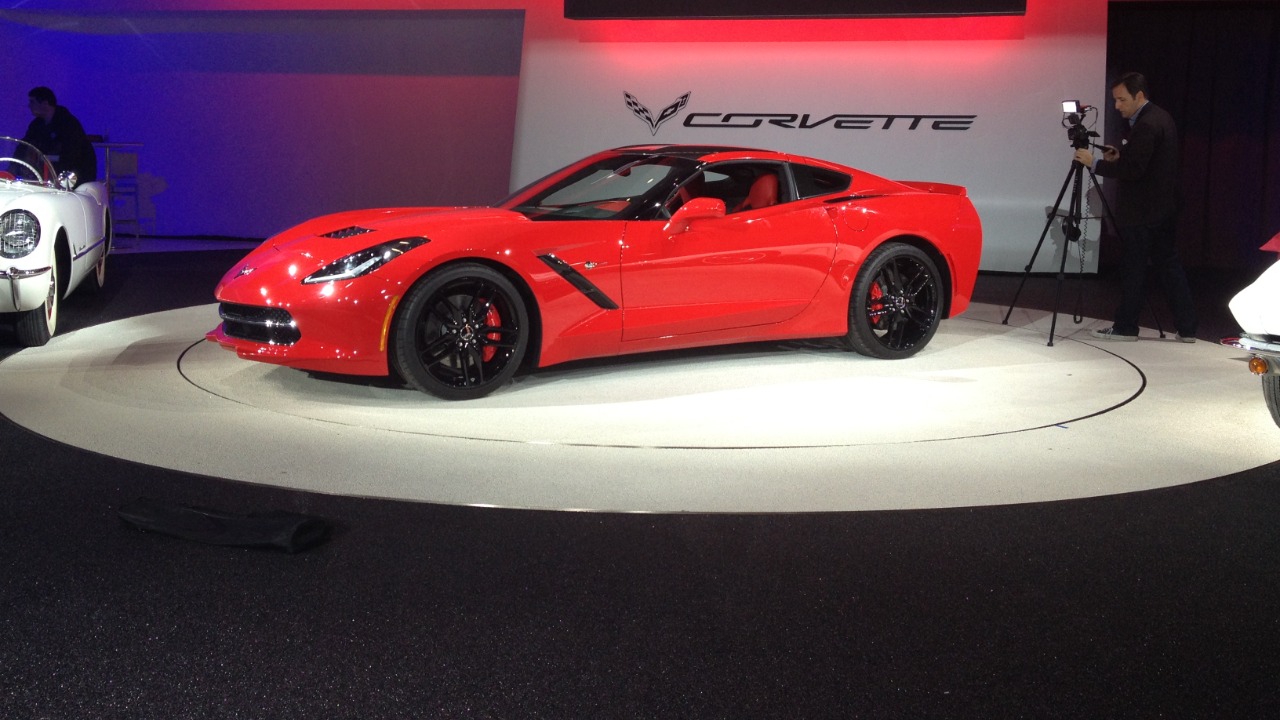
The Chevrolet Corvette has been built across eight generations without ever losing its name, a run detailed in its generational history. General Motors repeatedly overhauled its engine, chassis, and body while marketing it as America’s homegrown sports car.
That branding helped the Corvette survive fuel crises and shifting performance-car tastes that ended many rival nameplates. Each new generation drew comparisons back to earlier Corvettes, reinforcing a lineage collectors still track closely.
7. Ford Mustang: The Pony Car That Never Left

The Ford Mustang has stayed in continuous production since its debut, never dropping out of Ford’s lineup even as the pony-car segment it helped create largely disappeared, per its model history. Ford redesigned the car repeatedly while keeping its core sporty-coupe identity.
Rivals such as the Plymouth Barracuda and AMC Javelin came and went, but the Mustang persisted through changing ownership tastes and emissions rules. That unbroken run has made it one of the most recognized nameplates in American automotive history.
8. Honda Civic: A Compact That Anchored Honda
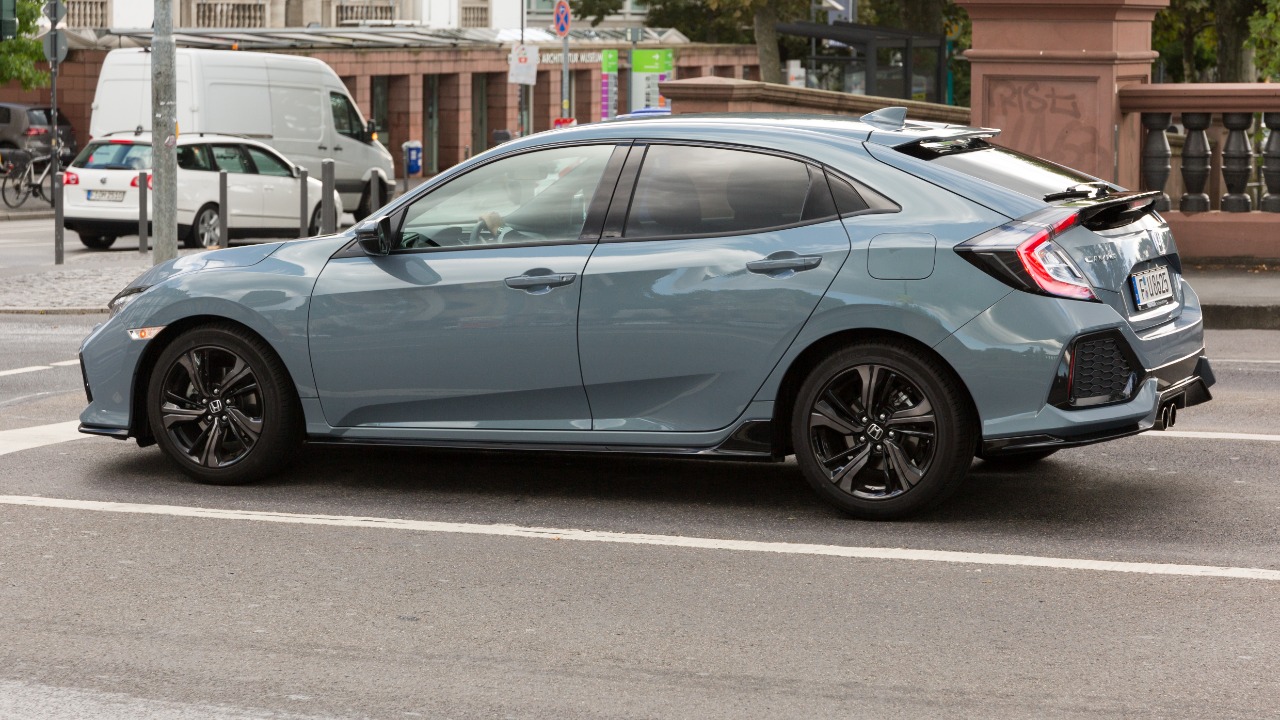
The Honda Civic has anchored Honda’s lineup for 50 years, growing from a subcompact into a larger compact sedan while keeping its original name, according to its production record. Honda used the Civic to establish its reputation for efficient, reliable engineering in the United States.
That reputation carried the nameplate through fuel crises, changing size classes, and the rise of compact SUVs that displaced many rival sedans. The Civic remained a steady seller even as competitors around it were discontinued or renamed.
9. Toyota Land Cruiser: An Off-Roader Since 1951
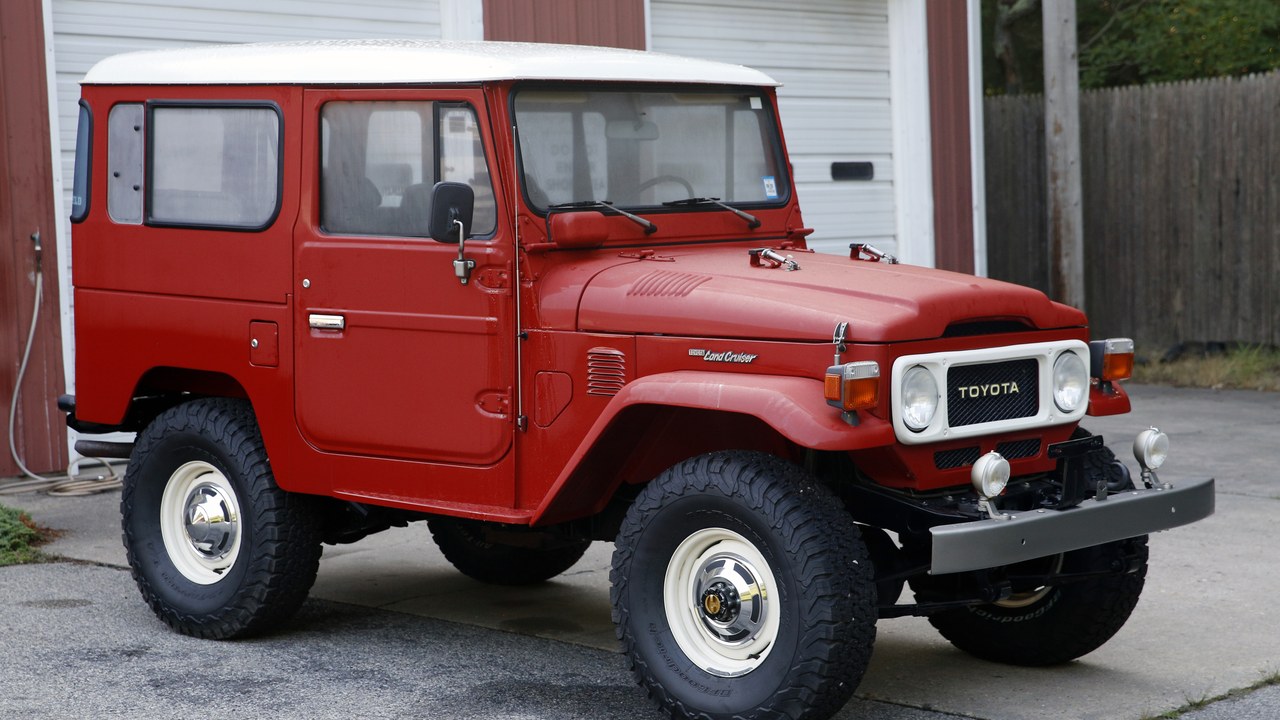
Toyota has produced the Land Cruiser continuously since 1951, making it one of the longest-running nameplates in the company’s history, according to its production timeline. The rugged SUV built a reputation for off-road durability in markets far from Toyota’s home base in Japan.
That durability reputation let the Land Cruiser thrive in remote regions where reliability mattered more than styling trends. Toyota kept the name through numerous body redesigns rather than replacing it with a new model line.
10. Toyota Camry: America’s Perennial Best-Selling Sedan
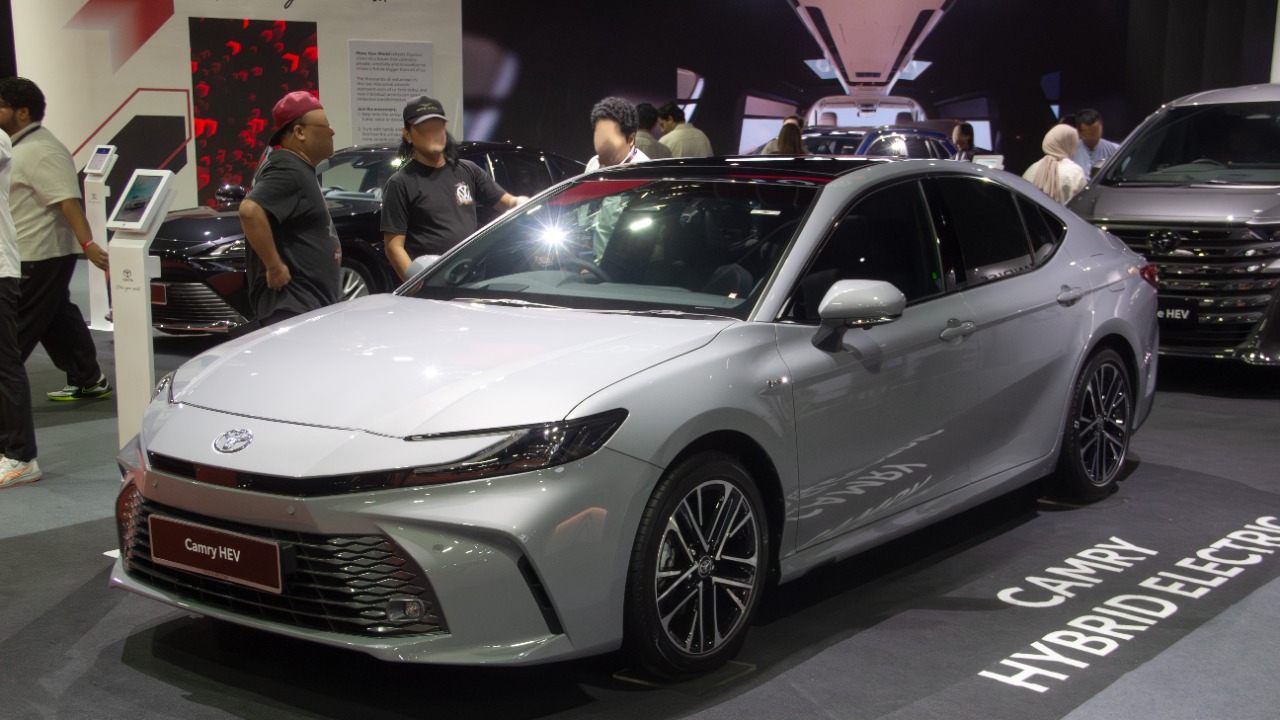
The Toyota Camry has held its position as one of the best-selling sedans in the United States for years running, a record tracked in its sales history. Toyota redesigned the midsize sedan repeatedly to keep pace with changing safety, efficiency, and technology expectations.
That consistency helped the Camry outlast many rival sedans that were discontinued as SUVs took over the market. Toyota’s willingness to keep updating the car under the same name has been central to its staying power.
11. Mercedes-Benz S-Class: A Flagship Lineage Across Generations
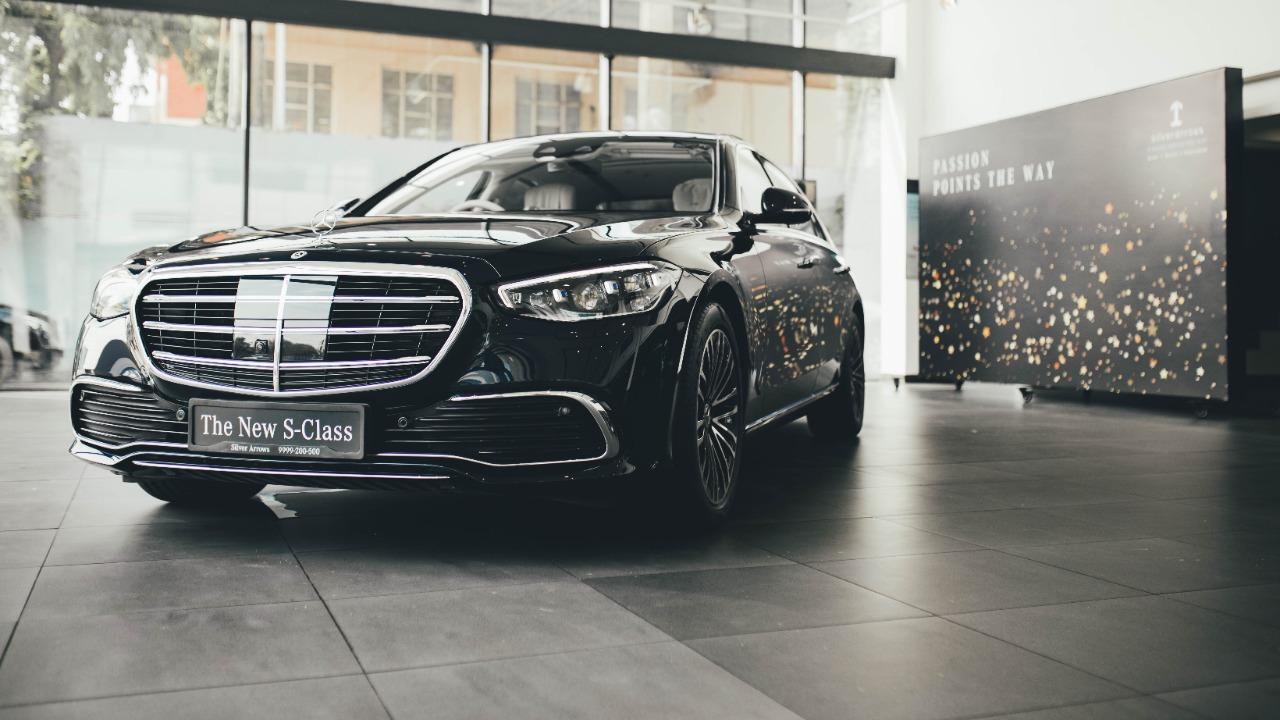
The Mercedes-Benz S-Class traces a flagship lineage back across multiple generations, with each redesign building on the reputation established by its predecessor models. Mercedes-Benz used the S-Class to introduce new safety and luxury technology before rolling features down to cheaper models.
That role as a technology showcase kept the S-Class relevant even as luxury-sedan demand softened in some markets. Its continuous run has made it the benchmark flagship that rival automakers measure their own large sedans against.
More from Morning Overview
