
Car companies rarely advertise how close to the edge they came, but history keeps pointing to single models that changed the trajectory. Some rescued sales, some rebuilt reputations, and a few simply bought time for a struggling brand. Here are eleven cars credited with pulling their makers back from the brink.
1. Dodge Aries (K-car): Chrysler’s Lifeline
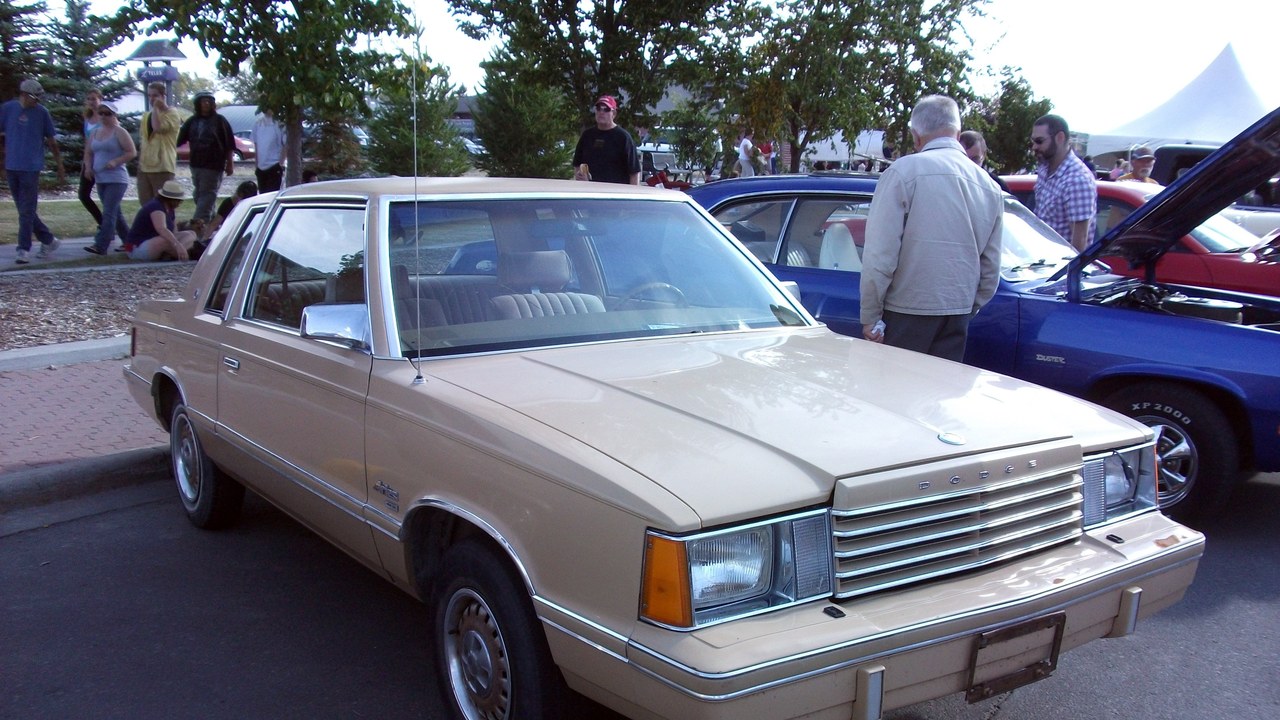
The 1981 K-cars, including the Dodge Aries, were a huge success that led to the minivan and kept Chrysler largely off life support after its $1.5 billion in government loan guarantees, according to Hagerty.
The reprieve had limits, since Hagerty notes it lasted only until the next inevitable crisis. Still, the plain, practical sedans bought the company time and spawned numerous variations. They also set up the model that would do even more for the fortunes of the struggling automaker, which arrived only a few years later.
2. Dodge Caravan / Plymouth Voyager (1984): The Van That Changed Everything
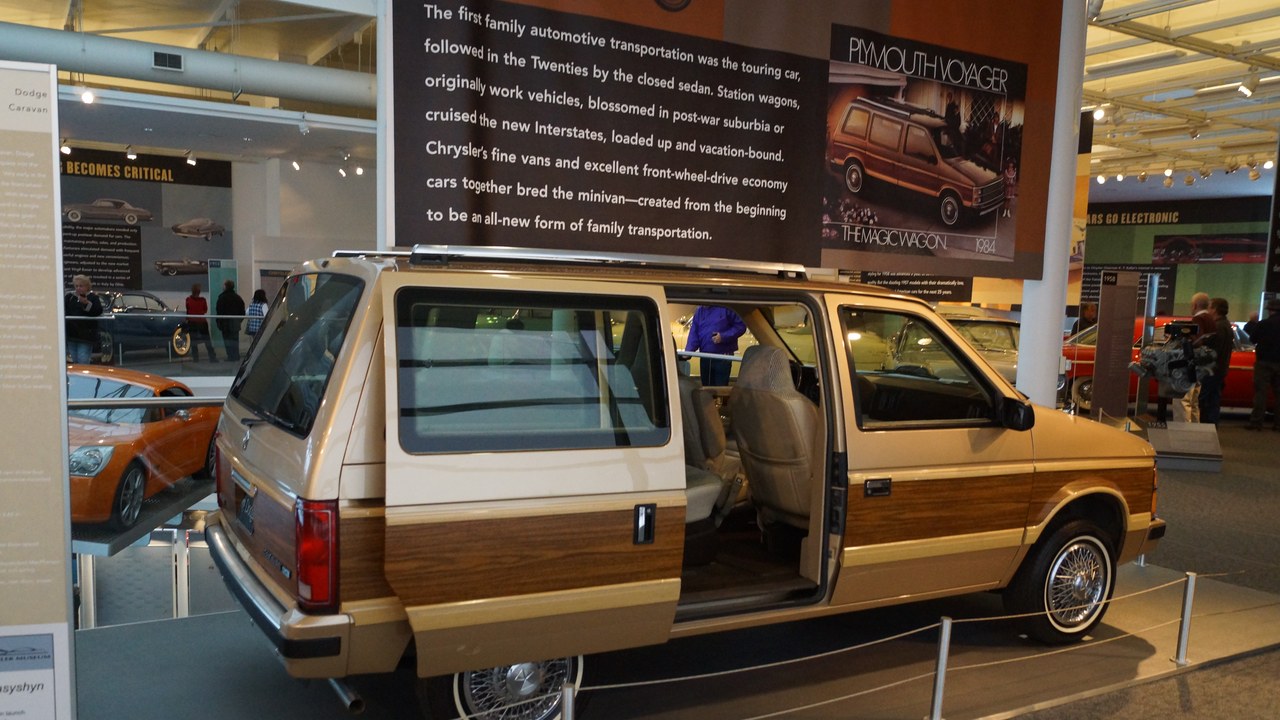
Hagerty calls the 1984 Plymouth Voyager and Dodge Caravan the unlikeliest halo cars of all time, the models that truly put Chrysler back on an upward trajectory. Chrysler sold 210,000 of them that first year.
The first Voyager rolled off the line on November 2, 1983, with Lee Iacocca at the wheel. A van is an unusual candidate for a rescue story, but the sales figure explains the label, and the article’s title says it changed the way America hauled its families and cargo.
3. Ford Taurus (1986): Ford’s Family Sedan
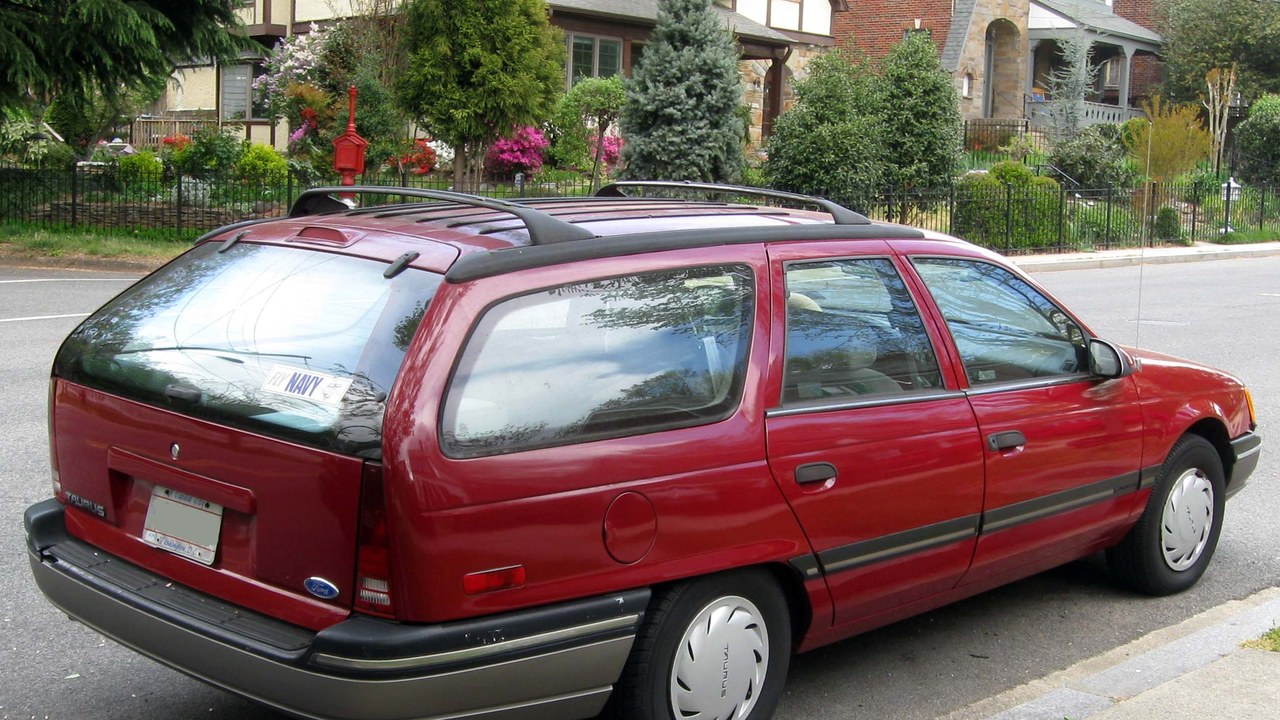
Introduced on December 26, 1985, the Taurus soon accounted for 25 percent of Ford’s North American sales, according to The Henry Ford museum. In 1987 it became the best-selling car in the United States.
That share of sales from a single new model shows how much Ford was riding on the design. A later NBC News headline called it Ford’s 80s savior when the car was being retired. The museum’s account credits designer Mimi Vandermolen, whose work on the car is the subject of its blog post.
4. Porsche Boxster: Porsche’s Roadster Rescue
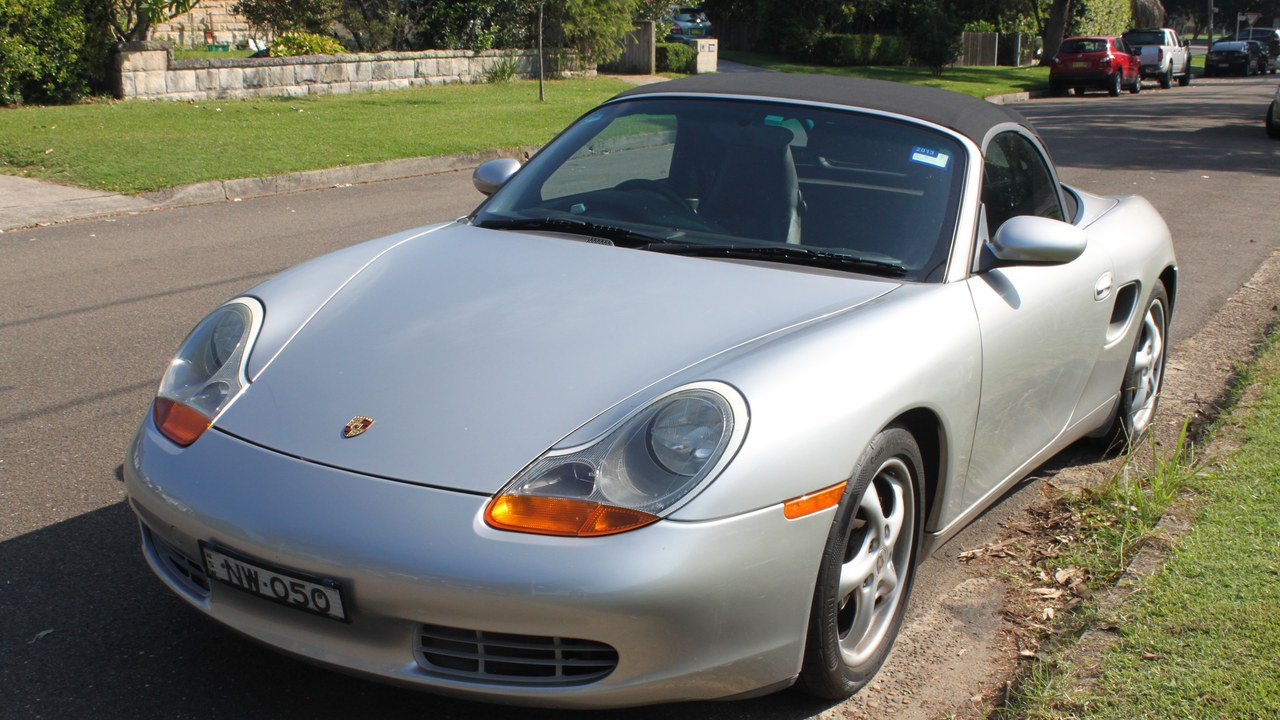
Porsche sold just 15,000 cars worldwide in 1992, its worst year ever. The Boxster arrived in 1996, and at the end of that year the company reported its first profit in four years, Hagerty says.
The roadster trounced expectations, reaching global sales of 146,874 by 2004. Porsche’s newsroom separately reports that losses added up to 240 million Deutschmarks by the end of 1992, which shows how deep the hole had become before the smaller, cheaper sports car arrived.
5. Porsche Cayenne: The SUV Porsche Needed
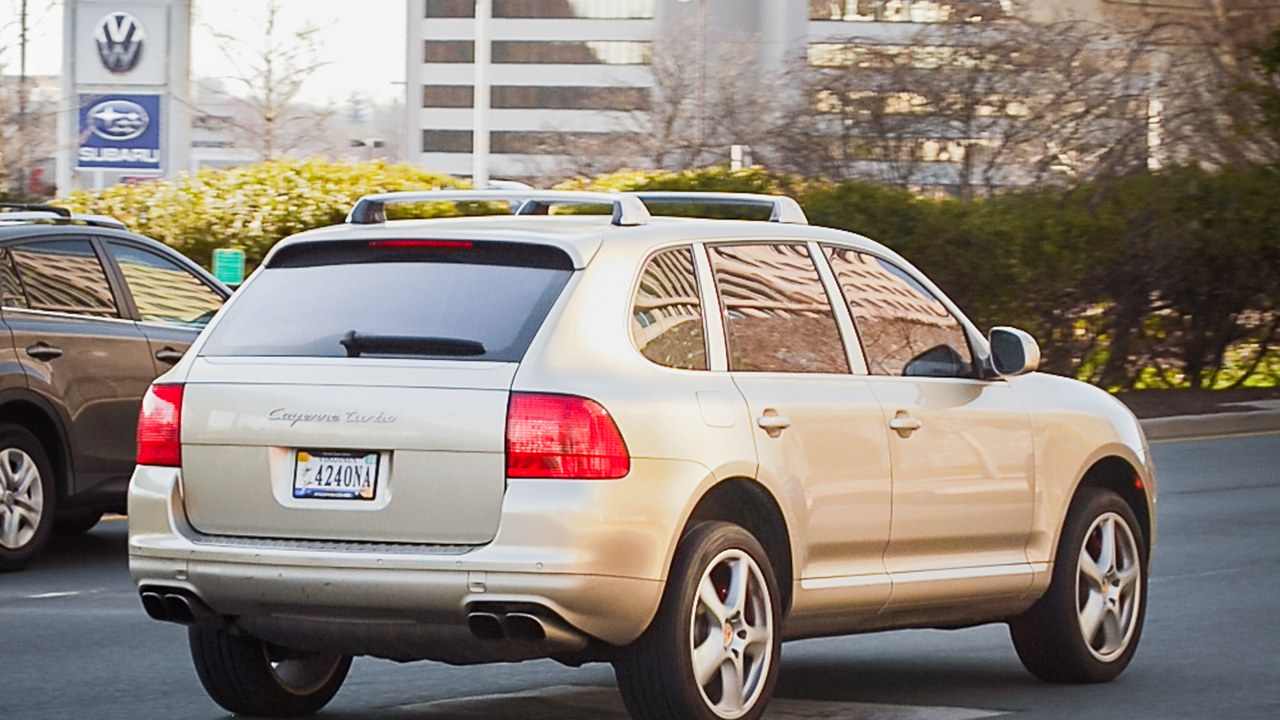
Porsche’s own newsroom says the Cayenne rescued Porsche from a crisis and that the company grew in size and profitability thanks to the SUV. The one-millionth Cayenne was built in December 2020 in Bratislava, Slovakia.
Two Porsches on one rescue list is unusual, but the sources credit different eras. The Boxster stopped the losses, and the Cayenne is credited with driving later growth. A carmaker’s own history is a self-assessment, so the wording reflects the company’s view of its past.
6. BMW 2002: Birth Of A Slogan
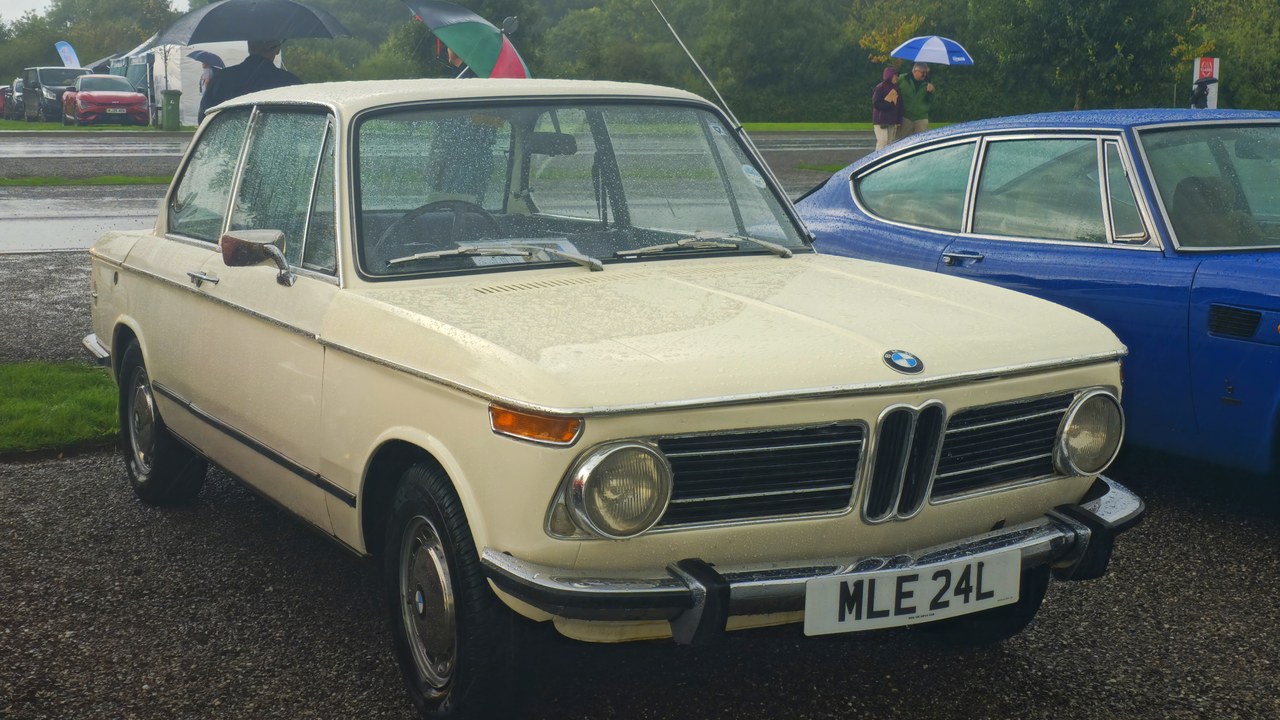
Hagerty credits the 1968 BMW 2002 with making BMW the darling of the enthusiast press overnight, and with giving birth to the Ultimate Driving Machine slogan.
This rescue was about identity as much as sales. The compact sedan gave the company a reputation among drivers that became its marketing message. The source offers no sales figures for the car, so the story rests on how it was received rather than on numbers, which is worth remembering when comparing it with the other entries.
7. Aston Martin DB7: Saved By Bond’s Brand
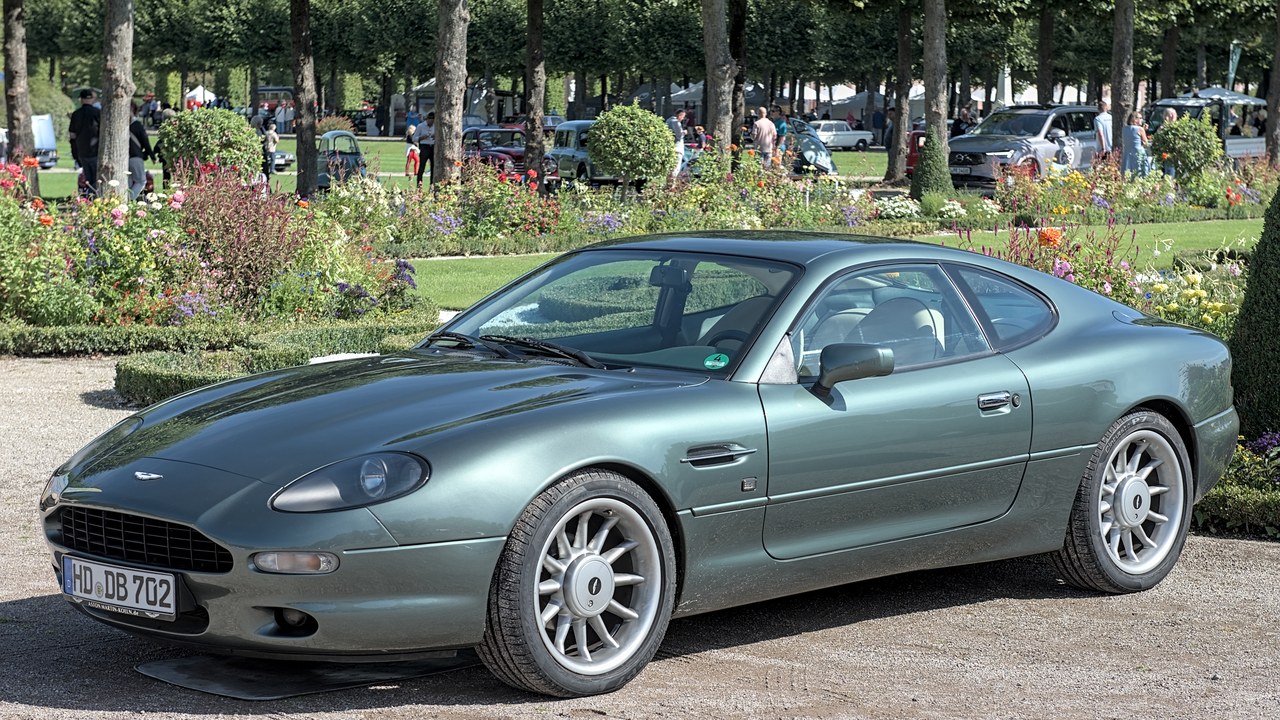
Hagerty says the DB7 was beautiful and exclusive and sold extremely well, saving the brand behind 007’s favorite car from extinction.
The wording is dramatic, and the article gives no unit counts here, but the claim is that the brand’s survival hung on a single model. The DB7 is an example of a small maker betting heavily on one car. Readers should note that the verdict is Hagerty’s characterization, not a figure taken from company financial statements.
8. Bentley Continental GT: Bentley’s Growth Engine
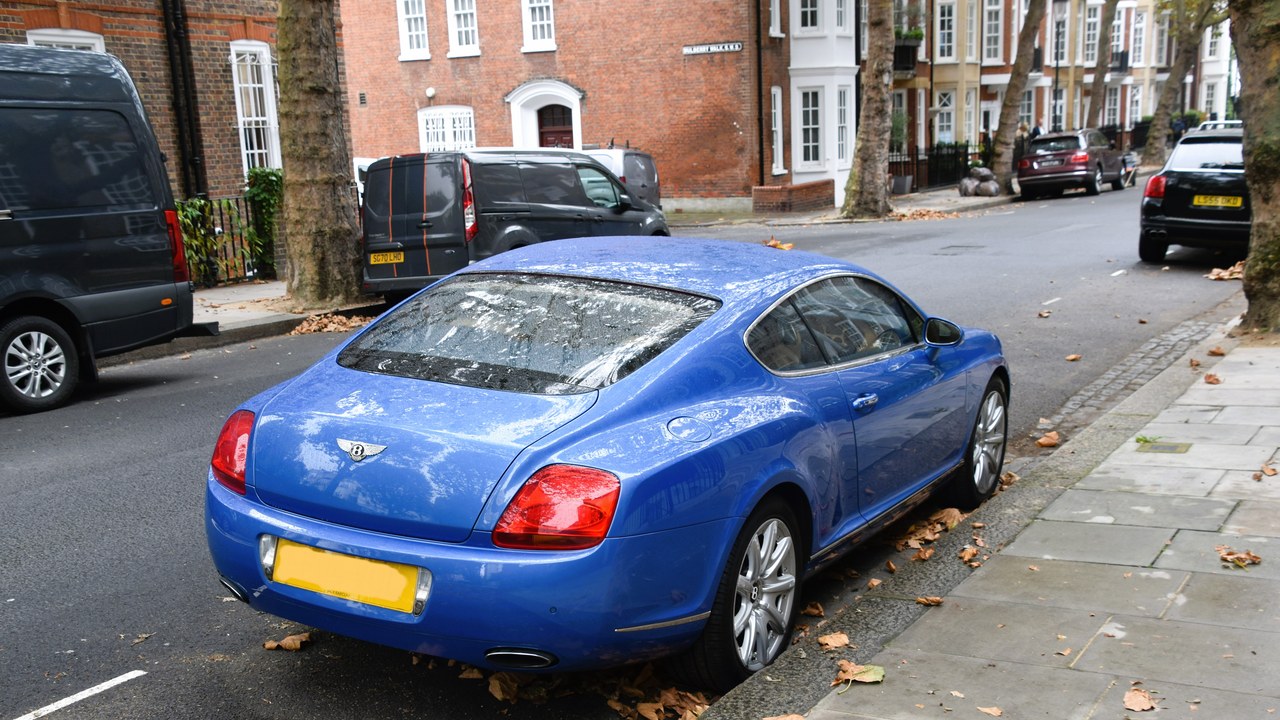
Top Gear says the Continental GT let Bentley’s production output increase many, many times over. The magazine includes the coupe on its list of cars that saved their companies from financial ruin.
The source offers no exact production numbers, so the scale of the growth is left to the magazine’s phrasing. Still, the case shows how a single new model can transform the capacity of a small luxury brand. The claim concerns output rather than profit, so it describes growth more than a balance sheet.
9. Lamborghini Gallardo: Lamborghini’s Entry Point
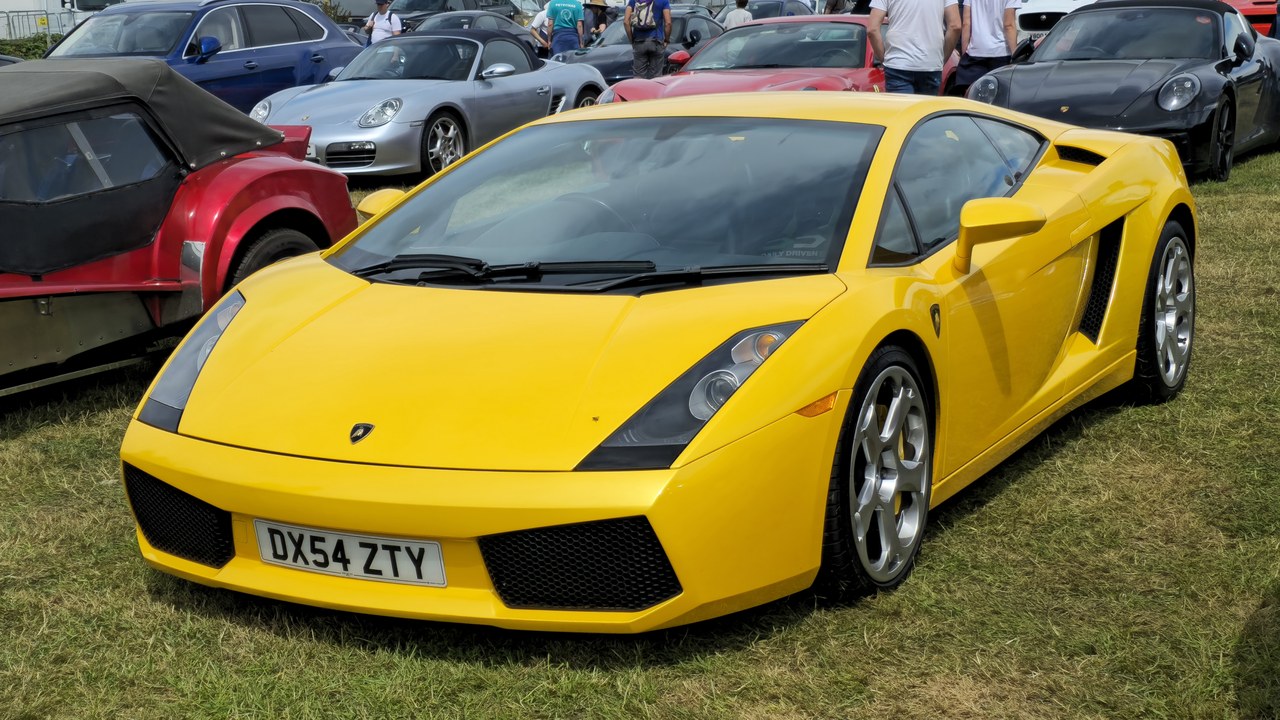
Top Gear credits the Gallardo with giving Lamborghini a more attainable entry-level model that set the company on the path it remains on today.
The point is about accessibility rather than raw excess. A usable, less extreme car opened a route for a maker better known for spectacle. The magazine offers no sales totals in the excerpt reviewed, so the claim rests on its assessment of the car’s long-term effect on the company rather than on published figures.
10. Ferrari F355: Ferrari’s Steady Climb
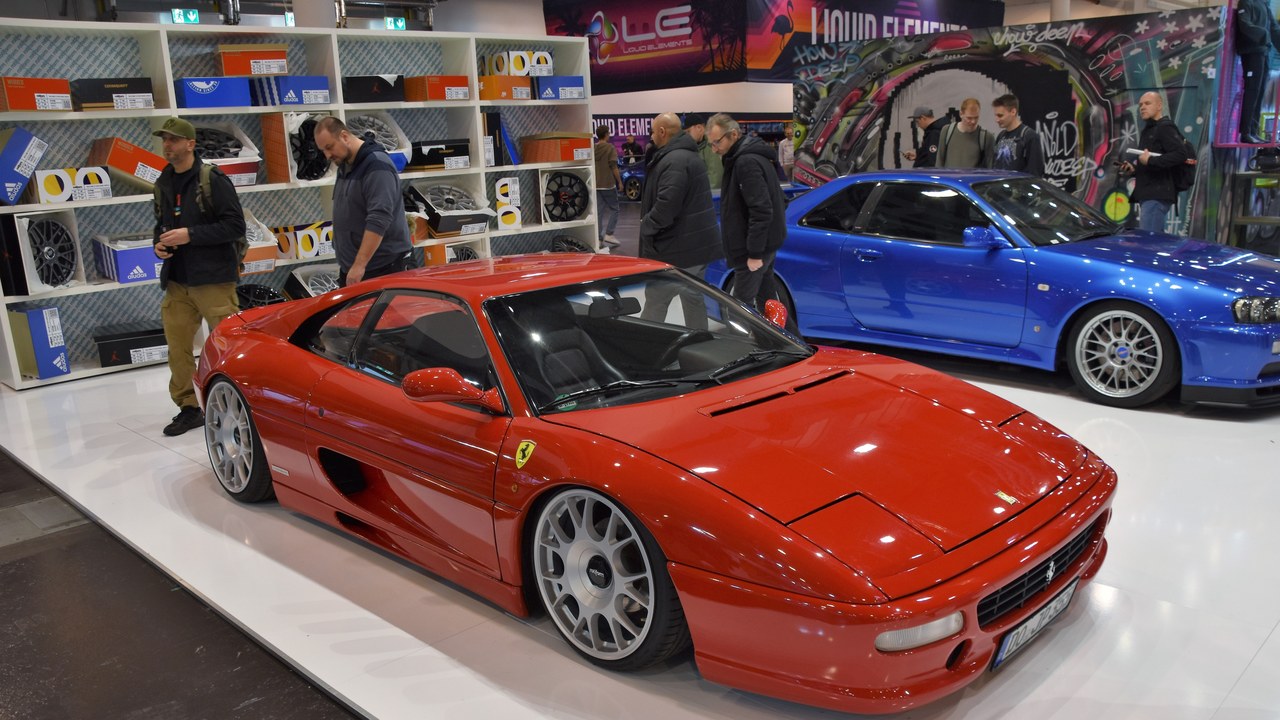
According to Top Gear, the F355 won immediate praise and set Ferrari on a trajectory it has not come down from since.
The magazine’s phrasing is about momentum more than a dramatic rescue. No sales numbers or financial details accompany the claim, so the F355’s place on the list rests on critical reception and the magazine’s judgment. Readers can treat it as the mildest entry here, an example of a well-received model that steadied a famous name.
11. Lotus Elise: Lotus Finds Its Footing
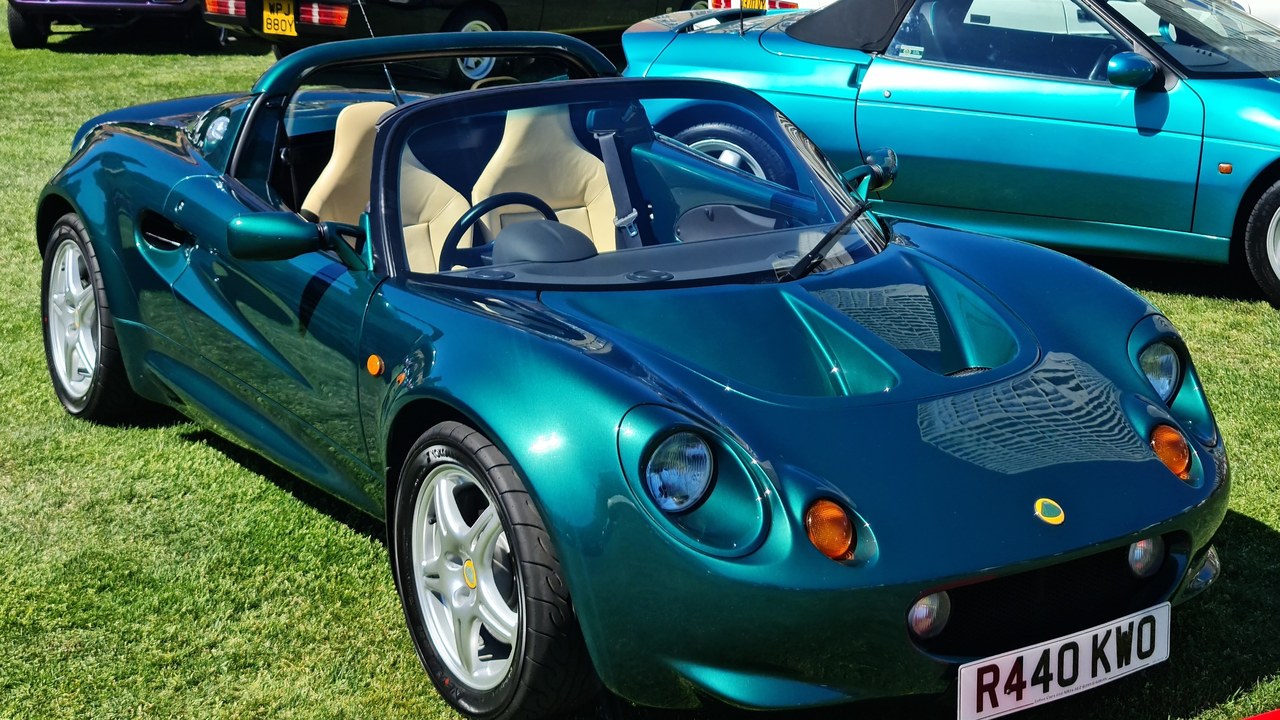
Top Gear says demand for the Elise outstripped modest supply, and its success carried Lotus into the new millennium.
The lightweight roadster gave the small British company a product buyers wanted more than it could build. The magazine does not supply production or sales figures in the excerpt, so the claim is qualitative. It still fits the pattern on this list, where one popular model buys a struggling maker years of survival.
More from Morning Overview
- General Motors is switching on cameras that record inside your vehicle by update
- A geomagnetic storm is forecast to hit Earth today, pushing the northern lights unusually far south
- A recalled pill hid a stimulant dose linked to heart attacks and death
- Four U.S. startups fired up their first small nuclear reactors, aiming to power AI data centers on-site
