
Car companies have raided the animal kingdom for decades, borrowing speed, ferocity or plain stubbornness to sell a shape built from steel and glass. Some names stuck for generations, while others faded after a single production run and later returned purely as a nostalgia play. Here are eleven cars named after animals, from a free-roaming horse to a venomous snake.
1. Ford Mustang: America’s Longest-Running Nameplate

Ford borrowed the name from the free-roaming horse of the American West, and the first-generation pony car reached showrooms in April 1964 to immediate demand, selling over a million units within its first two years alone.
That single nameplate has stayed in continuous production ever since, spanning six decades and multiple full redesigns, and it now stands as Ford’s longest-running model name, having outlasted nearly every muscle-car rival it once raced against on the street.
2. Dodge Viper: Built Around A Venomous Bite
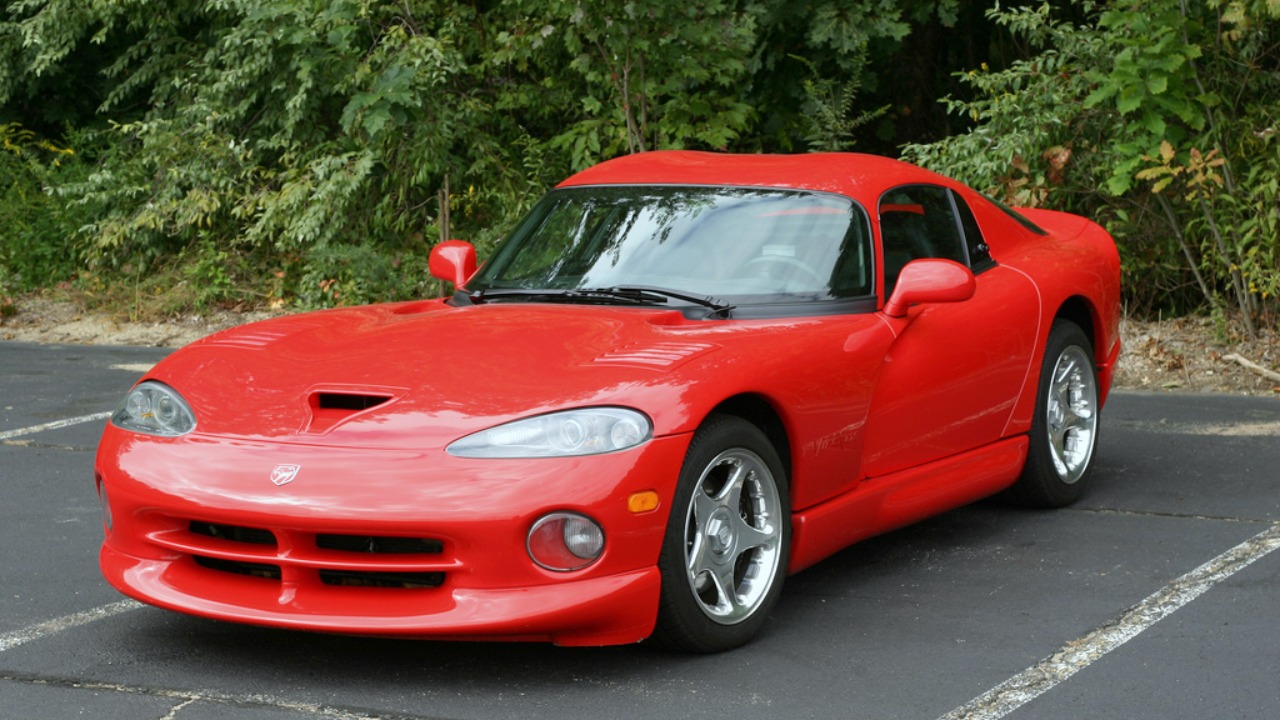
Dodge unveiled a concept version of the snake-named sports car in 1989 as a modern answer to the old Shelby Cobra, then moved it into production two years later at the New Mack Assembly Plant near Detroit.
Its name borrowed the aggression of a venomous serpent, matching a chassis built around a massive V10 engine that made the car notorious among enthusiasts for decades and famously difficult for inexperienced drivers to control.
3. Chevrolet Impala: A Nameplate That Kept Returning
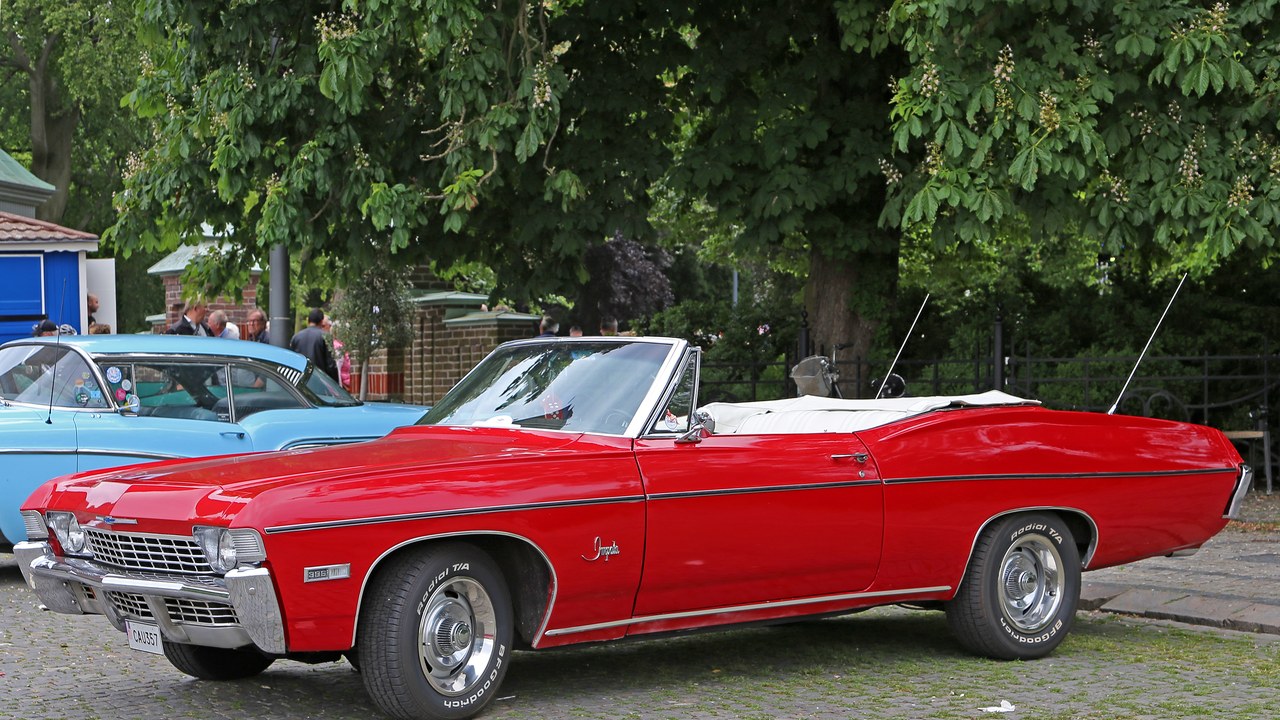
The impala, a fast African antelope, lent its name to a Chevrolet sedan built across three separate stretches spanning 1958 through 2020, each revival aimed at a different generation of American buyers.
Its 1961 SS package packed a 409 cubic inch V8 rated at 425 horsepower, giving the family car a genuine performance edge that matched the speed its namesake suggested and helped cement the model’s reputation among collectors today.
4. Shelby Cobra: A British Body, An American Bite
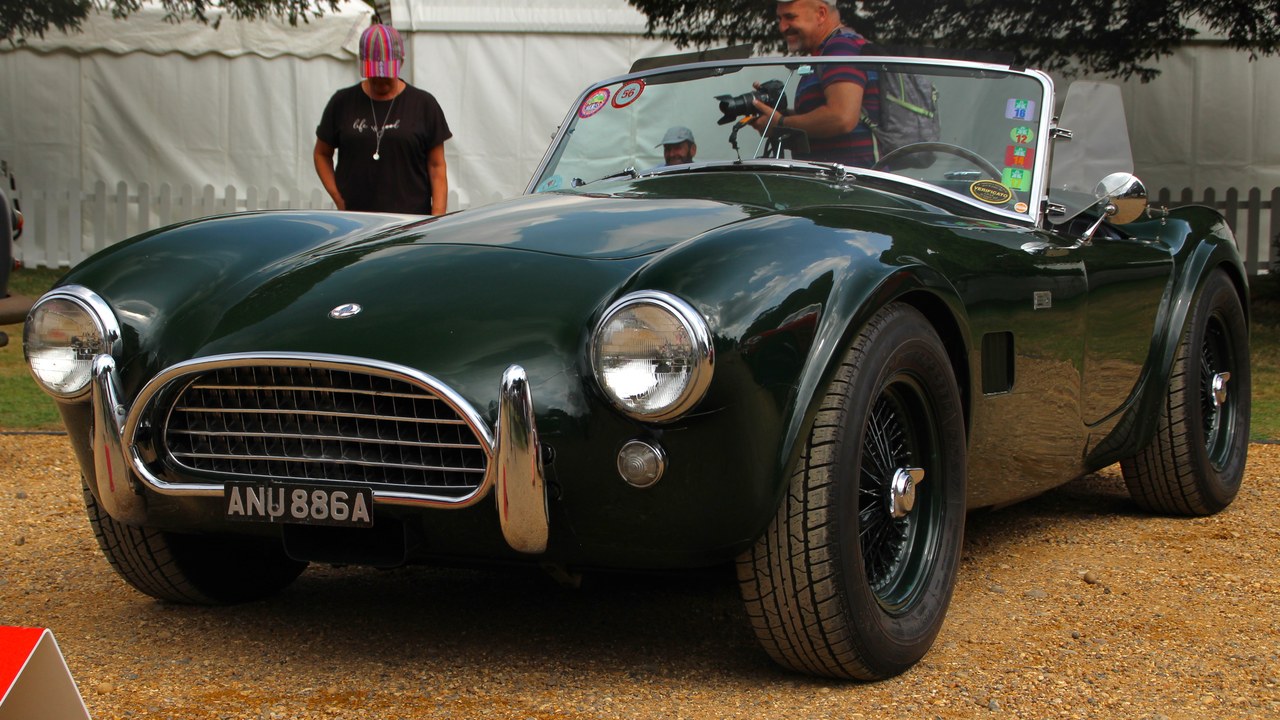
British manufacturer AC Cars built the lightweight body and chassis, then paired it with a Ford V8 to create the snake-named roadster sold stateside as the Shelby Cobra under racer Carroll Shelby’s direction.
Production ran only intermittently between 1962 and 1967, yet the car’s small numbers and outsized power turned it into one of the most copied and replicated designs in all of automotive history, inspiring kit cars for decades afterward.
5. Plymouth Road Runner: Licensed Straight From A Cartoon
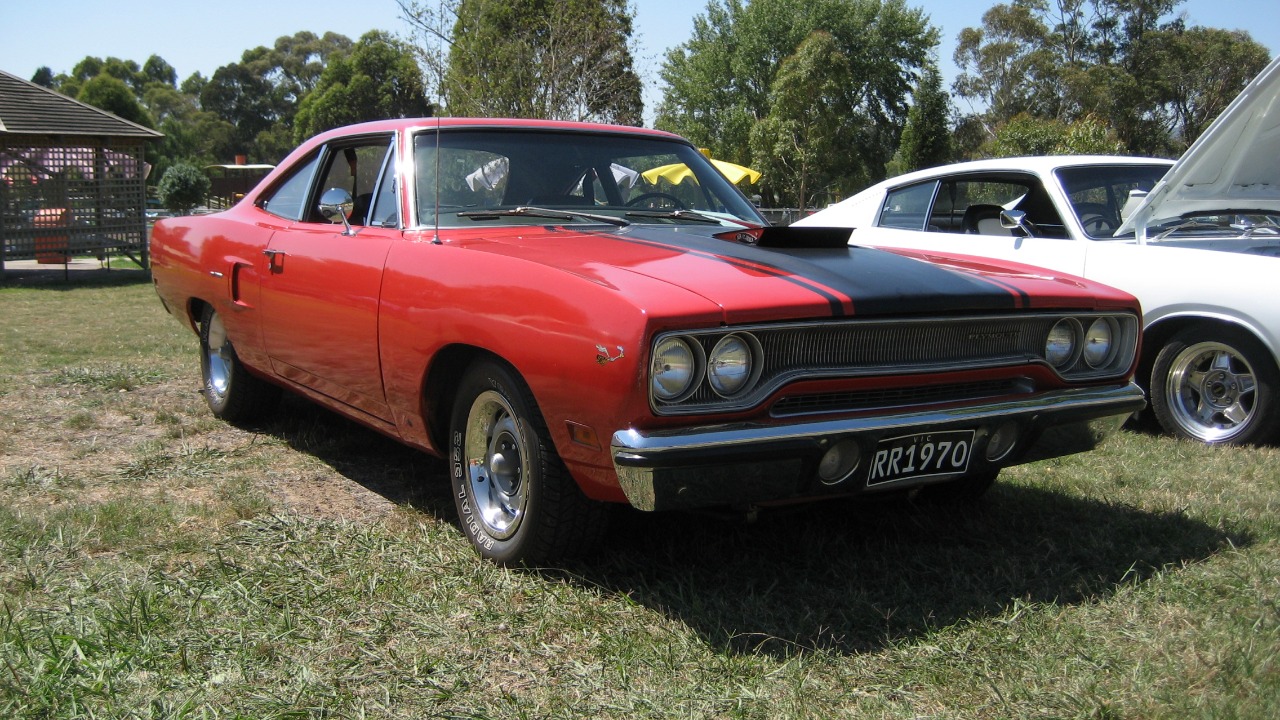
Chrysler introduced the model for the 1968 model year, licensing the Warner Bros. cartoon bird’s name and even its distinctive horn sound for a stripped-down muscle car aimed at budget-minded buyers.
Pairing a genuinely powerful engine with a spartan interior let Plymouth undercut pricier rivals on sticker price while still beating them at the stoplight, a formula that quickly sold far beyond the company’s own sales expectations for that first model year.
6. Plymouth Barracuda: First To Market, Second In Fame
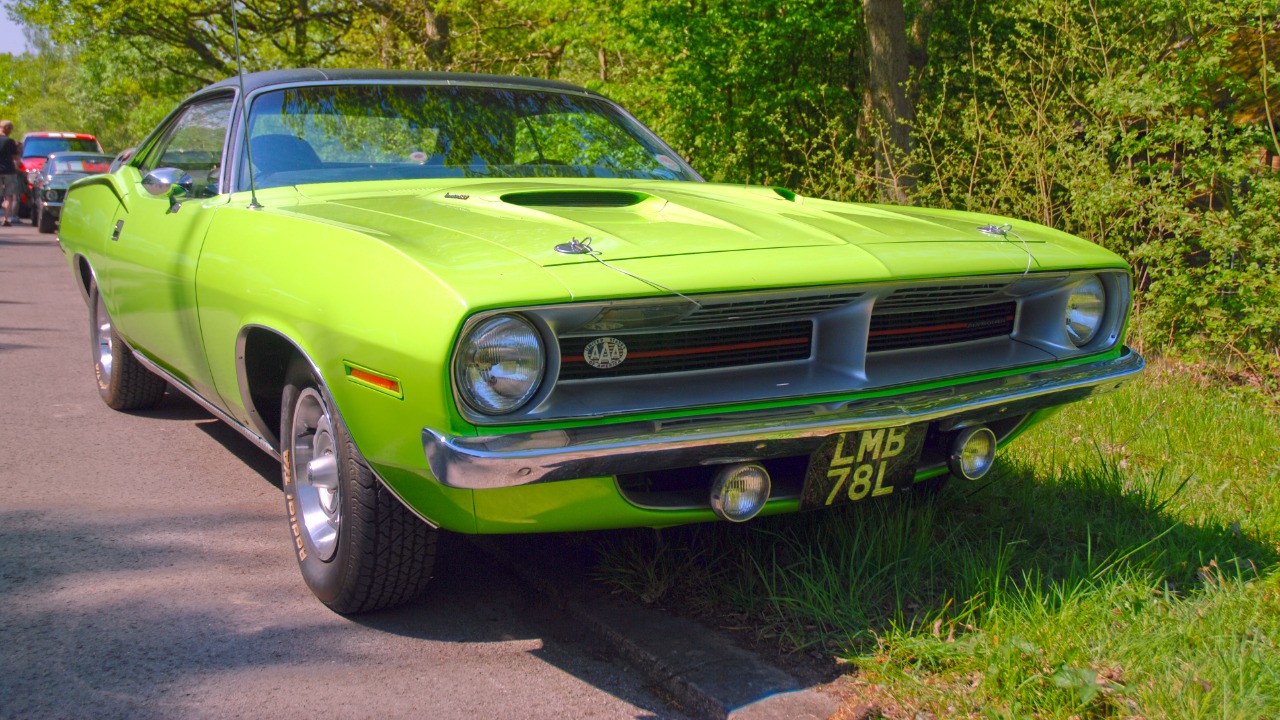
Two weeks before the Mustang reached dealers, Plymouth put the predatory fish’s name on a fastback built from the humble Valiant’s compact platform, launching the Barracuda on April 1, 1964.
That early start didn’t translate into equal fame, and the model spent years living quietly in the Mustang’s shadow despite arriving first, only gaining wider recognition once later, muscle-bound versions carried far bigger engines under a redesigned, more aggressive body shell.
7. Ford Falcon: The Compact Behind The Mustang
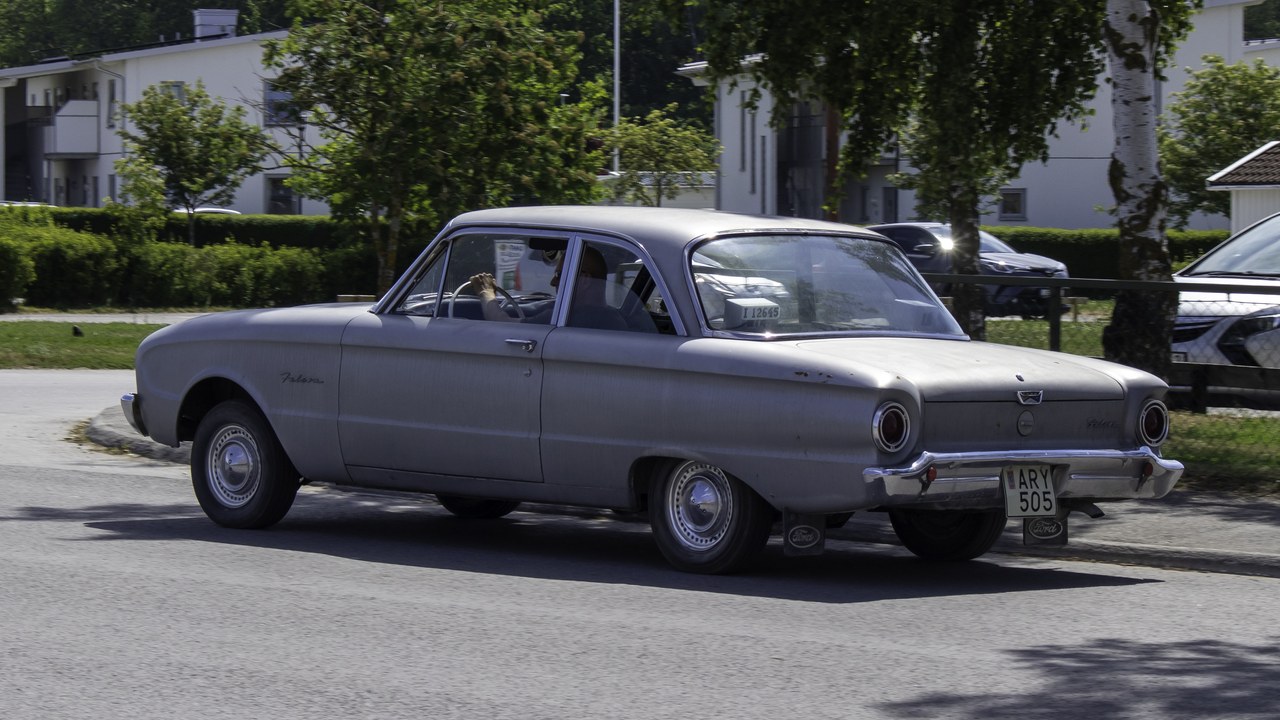
Ford scaled down its full-size Galaxie to build a compact named after the bird of prey, selling the North American Falcon from the 1960 through 1970 model years to cost-conscious households.
Its light weight and simple mechanicals later made it a popular engineering base for the earliest Mustangs, which borrowed heavily from the Falcon’s chassis, suspension and drivetrain components to keep development costs and production timelines firmly under control at Ford.
8. Ford Bronco: An Unbroken Horse, Revived Decades Later
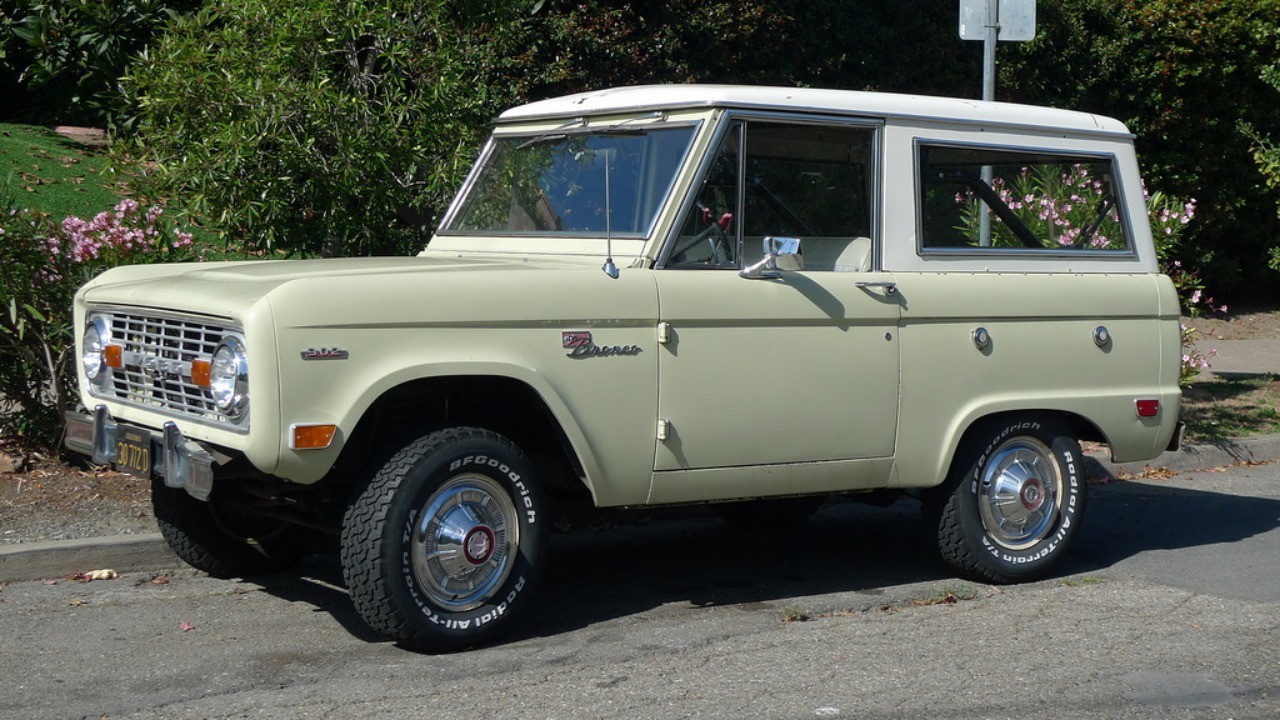
An unbroken wild horse supplied the name for Ford’s first SUV, the Bronco, which sold across five generations between 1966 and 1996 and built a loyal off-road following.
The nameplate then sat dormant for a full quarter century before Ford revived it for the 2021 model year, betting correctly that the old name still carried enough weight with buyers to compete hard against a crowded field of modern off-road SUVs.
9. Ford Puma: A Wild Cat Recycled For A Crossover
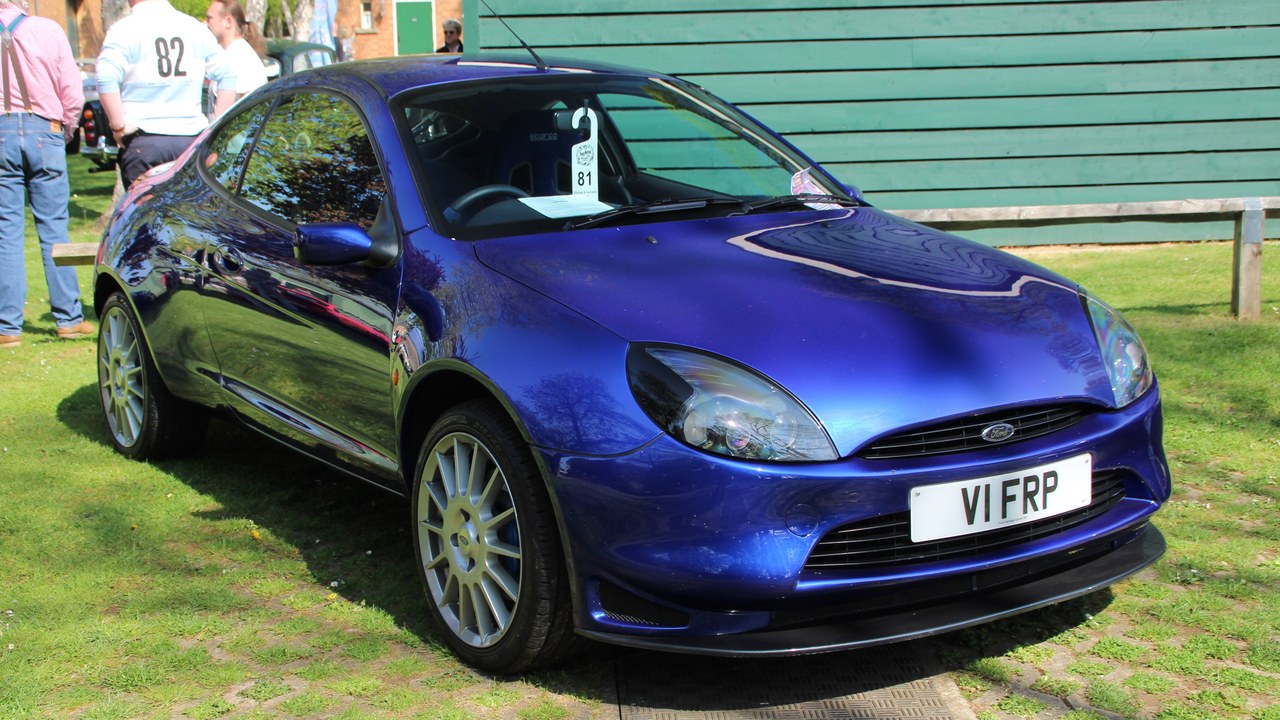
Europe got the wild cat’s namesake first, when Ford built the original Puma coupe from 1997 to 2002 on a shortened Fiesta platform aimed squarely at European buyers.
Ford later resurrected the name for an entirely different, modern crossover body style sold across Europe and well beyond, a common trick automakers use to sell a fresh new product on a name that shoppers already recognize, trust and associate with quality.
10. Volkswagen Beetle: A Nickname That Became Official
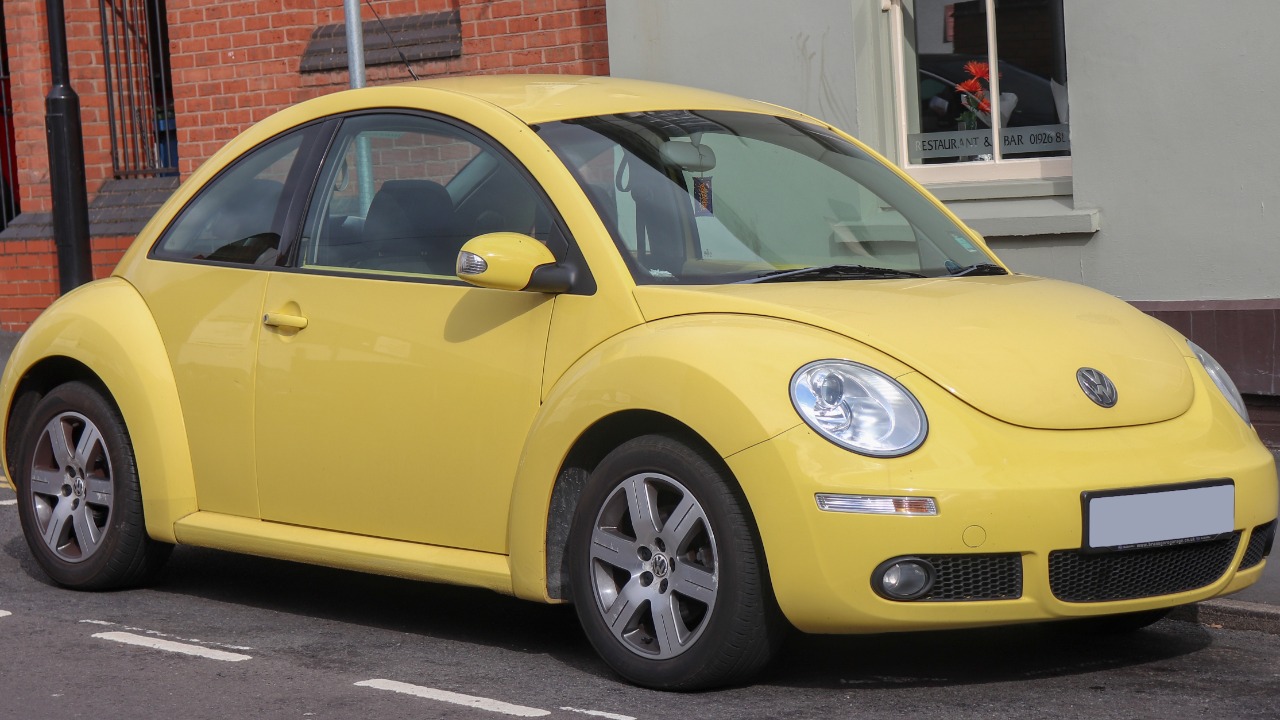
Its rounded, shell-like body earned the car its insect nickname long before Volkswagen ever made the name official, and the original Type 1 debuted in 1938 in prewar Germany.
Decades of nearly unchanged production followed across the globe, and the insect name eventually carried over to the retro-styled New Beetle that arrived in the United States in 1998, capitalizing squarely on nostalgia for the original rounded shape among longtime, loyal owners.
11. Mercury Cougar: A Mustang Stretched For Luxury Buyers
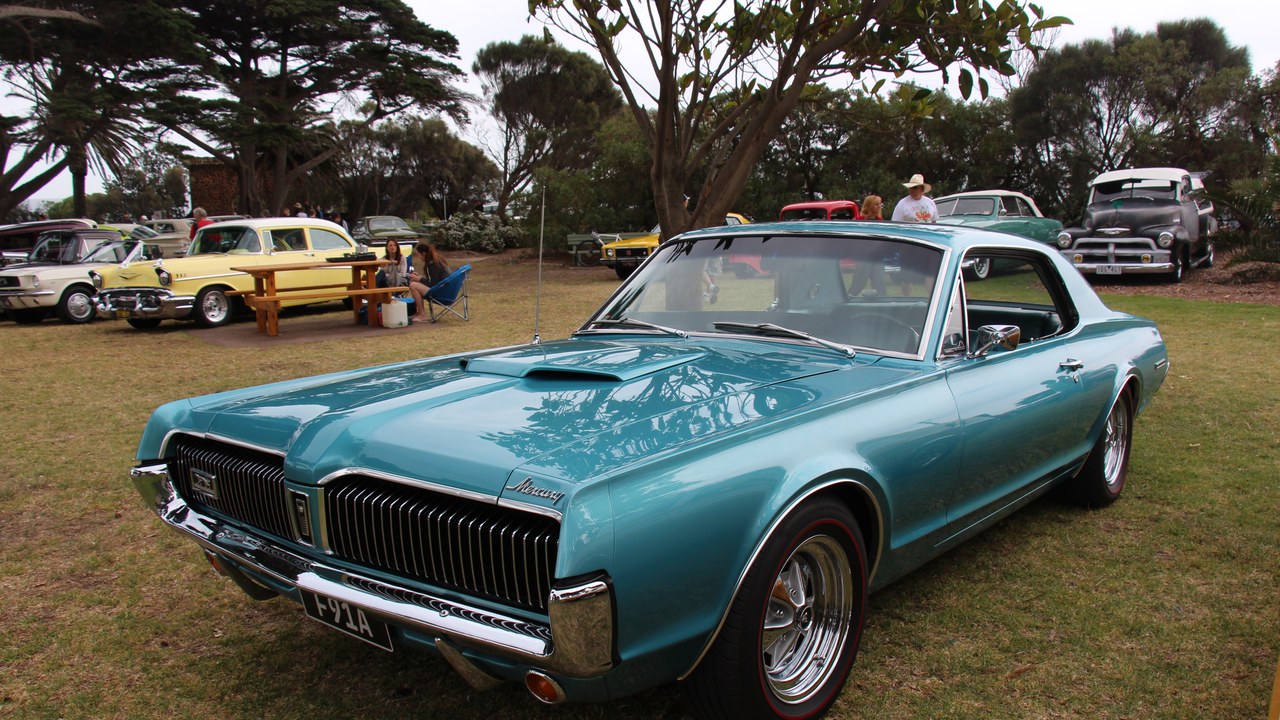
Introduced for the 1967 model year, Mercury’s big-cat-named Cougar stretched the Mustang’s wheelbase and added upscale trim to reach an entirely different kind of buyer.
The strategy let Mercury sell essentially the same mechanical formula as its Ford sibling to a slightly older set of shoppers who wanted more comfort and genuine luxury without stepping all the way up to a full-size car, or paying full-size money to get it.
More from Morning Overview
- Supplements now rank as the fifth-leading cause of death from liver disease.
- The NSA is again telling phone owners to switch off one location setting
- Four U.S. startups fired up their first small nuclear reactors, aiming to power AI data centers on-site
- 11 engines built to run well past 200,000 miles
