
Most vehicle sketches with an extra axle stay concept art, but a handful of engineers actually built the things and put them into service. Some chased outright speed, like a Formula One car and an Italian supercar, while others hauled cargo and troops across rough terrain for decades. Here are ten six-wheeled vehicles that moved past the drawing board and into real production.
1. Mercedes-AMG G 63 6×6: A Six-Wheeled Off-Road Supercar
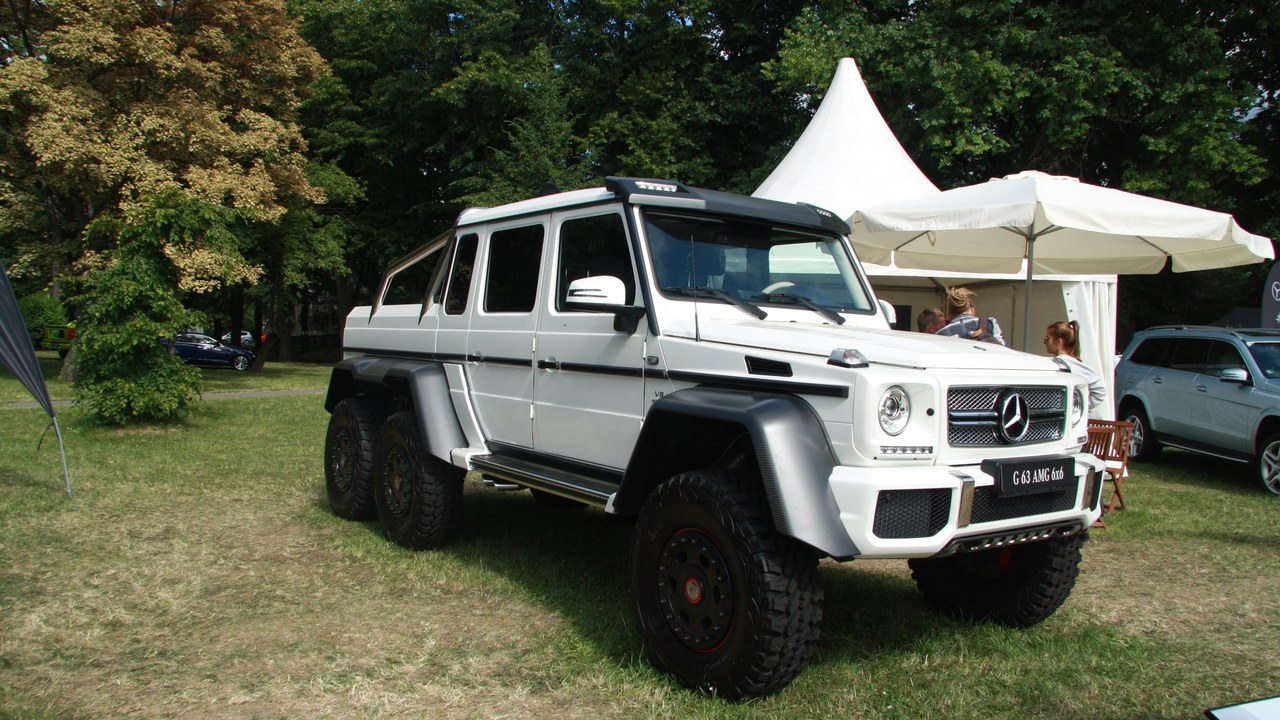
Magna Steyr in Graz, Austria, built just over 100 examples of the six-wheeled G-Class between 2013 and 2015, each one carrying a 536-horsepower twin-turbo V8, portal axles borrowed from military hardware, and a bed section where the extra rear axle usually sits on a pickup truck.
Buyers paid roughly half a million dollars for a vehicle built mainly to tackle dunes, rock crawls and open desert rather than city streets, and unlike the standard G-Class, Mercedes never offered a direct four-wheeled successor once the limited run sold out.
2. Covini C6W: An Italian Supercar With Four Front Wheels
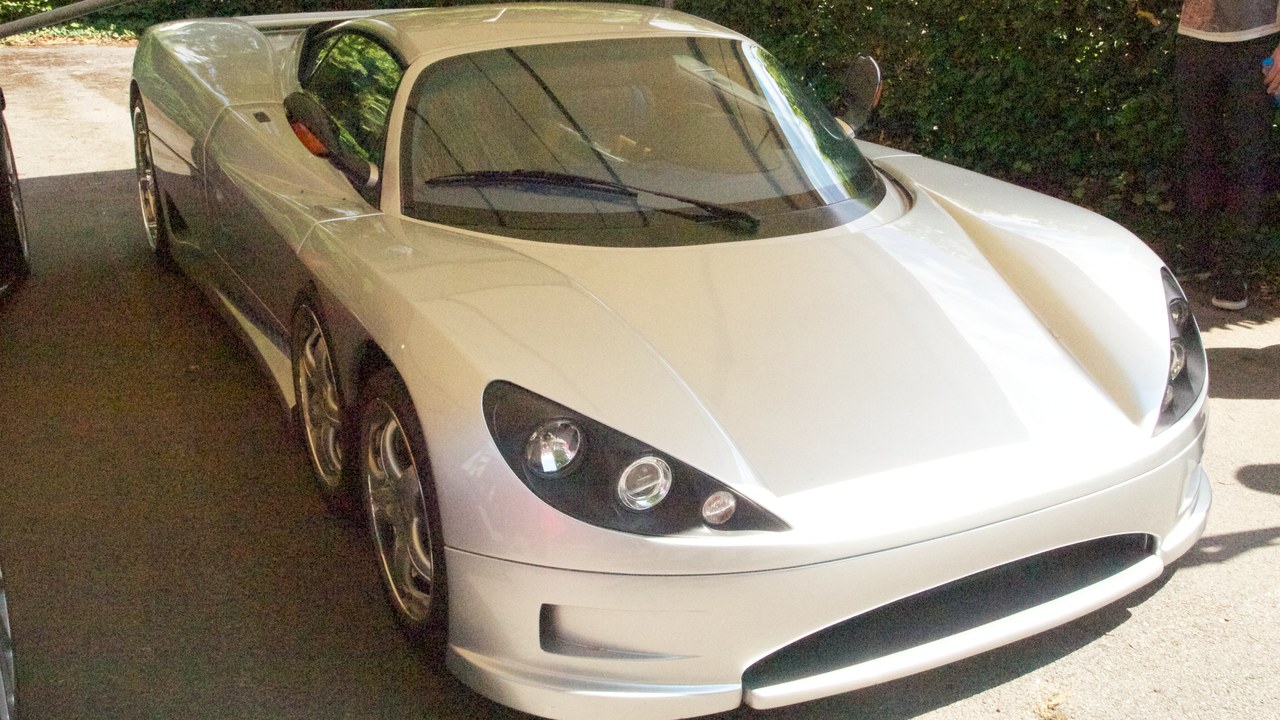
Engineer Ferruccio Covini built his Italian sports coupe around two pairs of front wheels, a layout he borrowed directly from the 1976 Tyrrell P34 Formula One car rather than from any road-going rival, and mounted all four front tires on a shared steering system so the car still turns like a conventional two-wheel design.
A small Italian workshop near Modena still hand-assembles the six-wheeled coupe to order, and the extra front axle is meant to improve braking and cornering grip rather than serve as a styling gimmick.
3. Tyrrell P34: The Only Six-Wheeled Formula One Winner
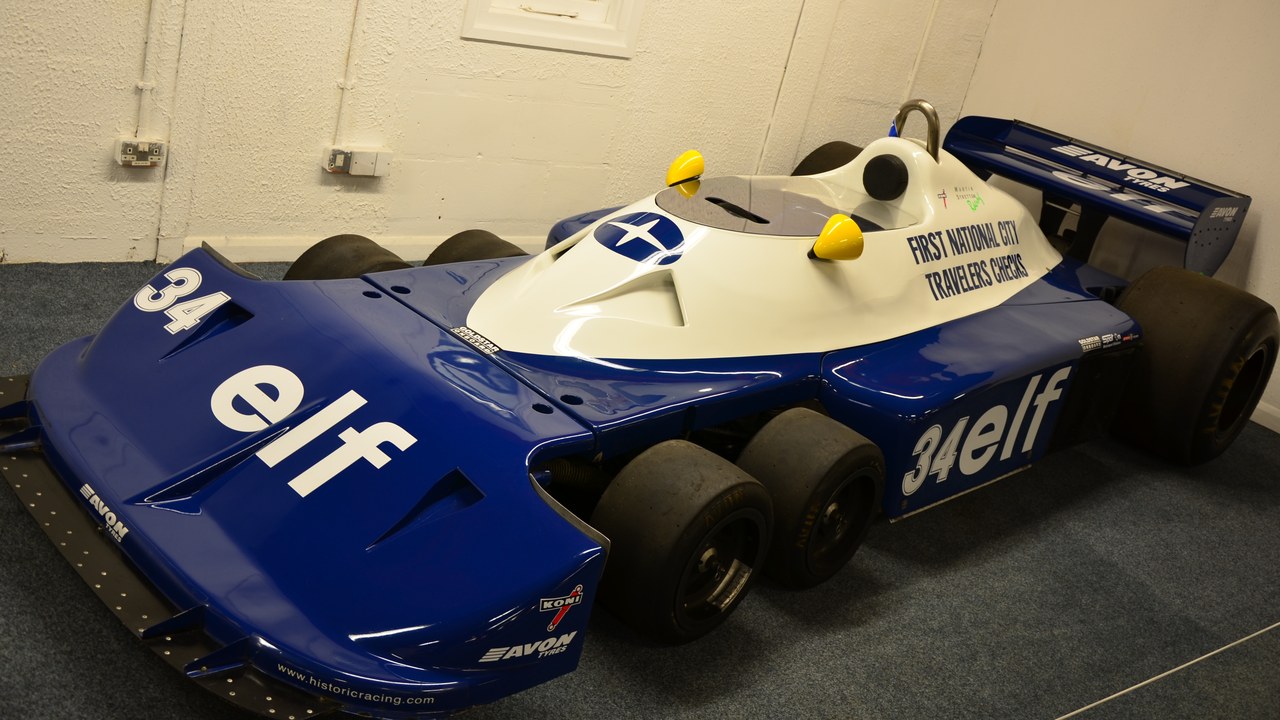
Jody Scheckter remains the only driver ever to win a Formula One race in a six-wheeled grand prix car, steering the Tyrrell P34 to victory at the 1976 Swedish Grand Prix, finishing the race ahead of his own teammate Patrick Depailler for a rare one-two finish.
Designer Derek Gardner shrank the front wheels to cut aerodynamic drag and used four of them for extra braking and cornering grip, but rival teams never adopted the idea and regulators eventually banned more than four wheels per car entirely.
4. Ural-4320: A Soviet Truck Still Rolling Off The Line
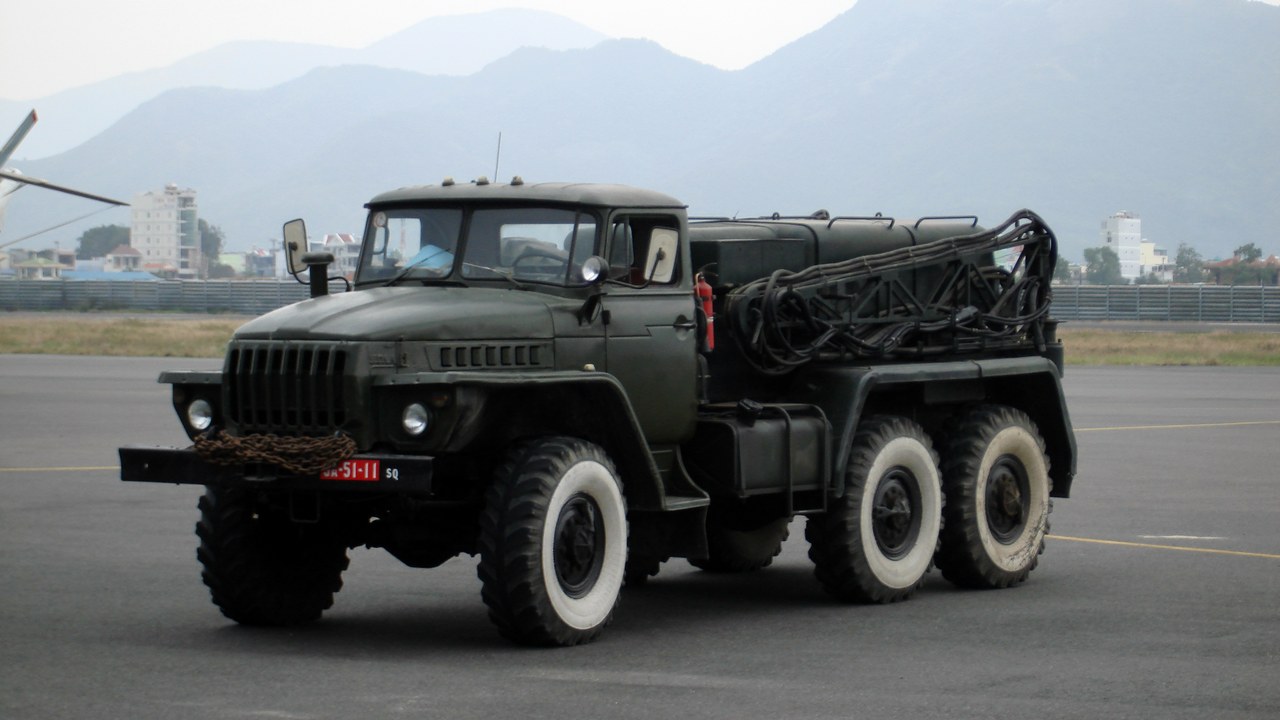
The Ural Automotive Plant in Miass has kept the general-purpose 6×6 truck in production for the Russian Army since the design entered service in the 1970s, moving troops, fuel and artillery over terrain that would strand a conventional two-axle truck.
Its central tire inflation system lets the driver adjust pressure at each wheel from inside the cab, a feature that keeps the truck mobile across mud, snow and sand where a fixed-pressure vehicle would simply sink, and variants of the chassis now serve dozens of militaries and civilian operators well outside Russia.
5. ZIL-131: A Military Truck Born From A Civilian Design
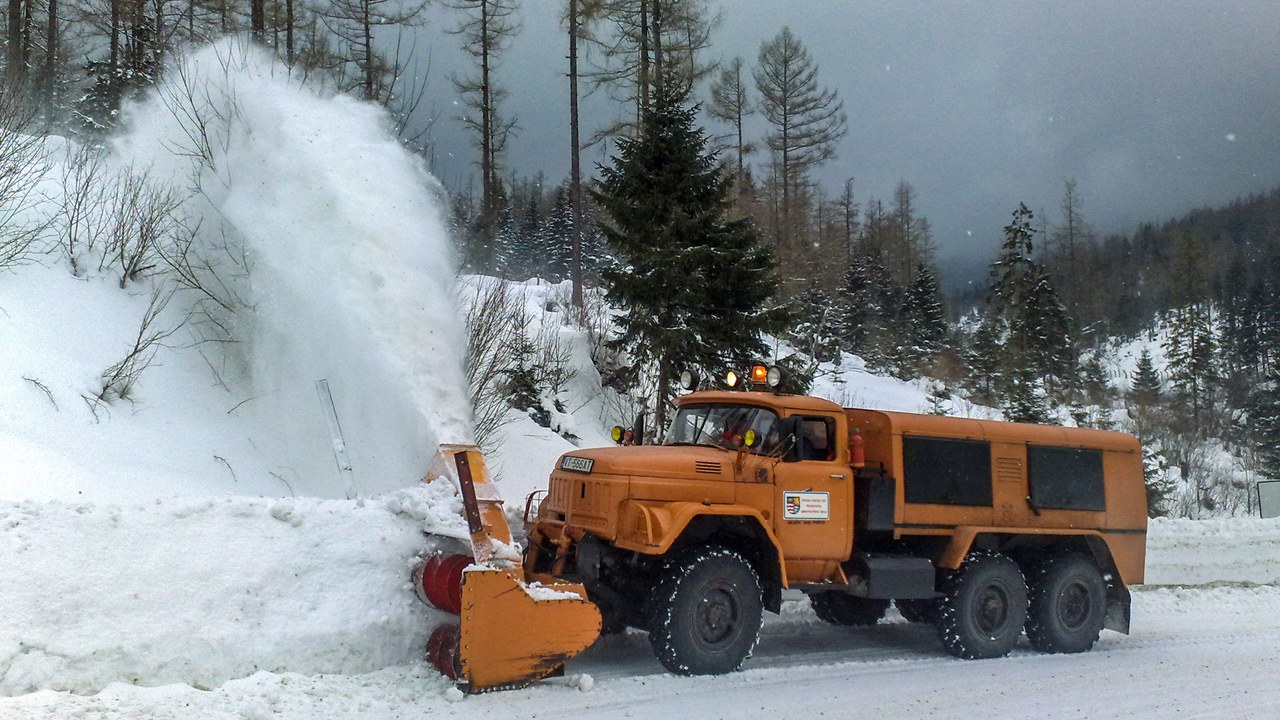
The Likhachev plant in Moscow introduced the 3.5-tonne army truck in 1966, sharing its engine, cab and many drivetrain parts with the civilian ZIL-130 to keep production and repair costs down across a huge vehicle fleet.
Soviet planners wanted a truck that mechanics already trained on civilian ZIL trucks could service without extra instruction, and the design stayed in production for decades, hauling troops, fuel and equipment for the Soviet and later Russian armed forces, plus export customers across Africa, Asia and the Middle East.
6. M939 series 5-ton 6×6 truck: The US Army’s Long-Serving Five-Ton Hauler
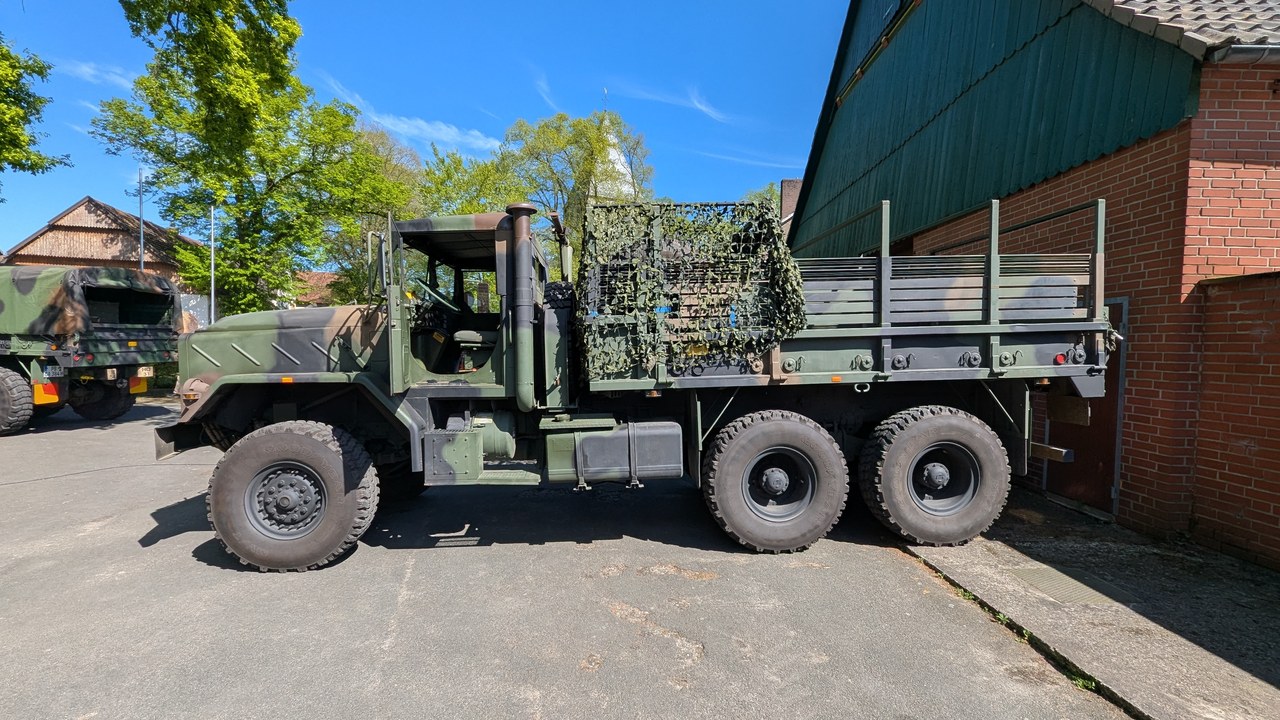
U.S. Army planners developed the 5-ton 6×6 truck in the late 1970s to replace the aging M39 and M809 series, and the resulting M939 family has hauled cargo, troops and fuel for the military ever since, from the deserts of the Gulf War to routine base logistics runs today.
An upgrade program in the 1980s added a turbocharged engine, central tire inflation and improved brakes, and variants of the truck still tow artillery pieces and carry supplies for reserve and National Guard units decades after the original design first reached the field.
7. Ural-375: The Truck Behind The Grad Rocket System
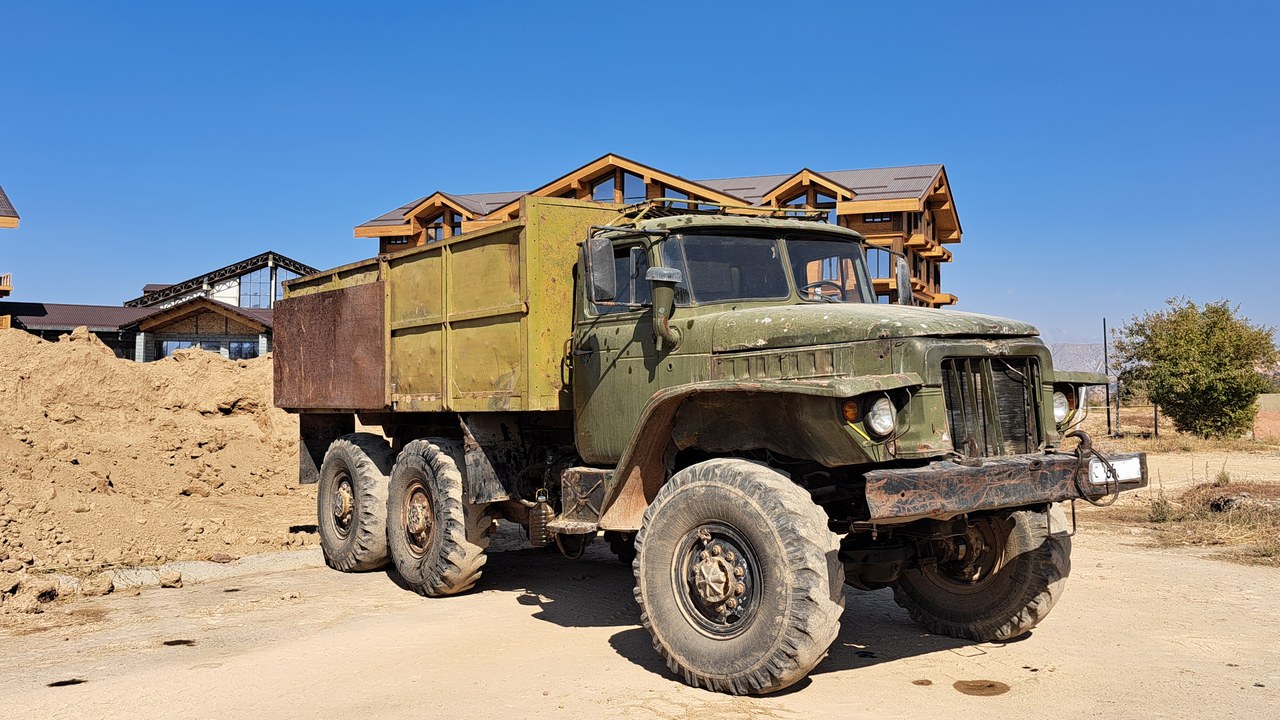
Factories built the Ural-375 6×6 truck from 1961 to 1993, and the Soviet Army adopted it as its standard cargo truck in 1979 while also mounting the BM-21 Grad multiple rocket launcher on its chassis.
A gasoline V8 rather than a diesel powered most examples, an unusual choice for a heavy military truck that traded fuel economy for easier cold-weather starting across Siberia and other harsh Soviet frontier regions, and thousands of surplus examples still work as civilian logging and oilfield trucks across the former Soviet Union.
8. M35 series 2½-ton 6×6 cargo truck: The Deuce-And-A-Half That Never Quit
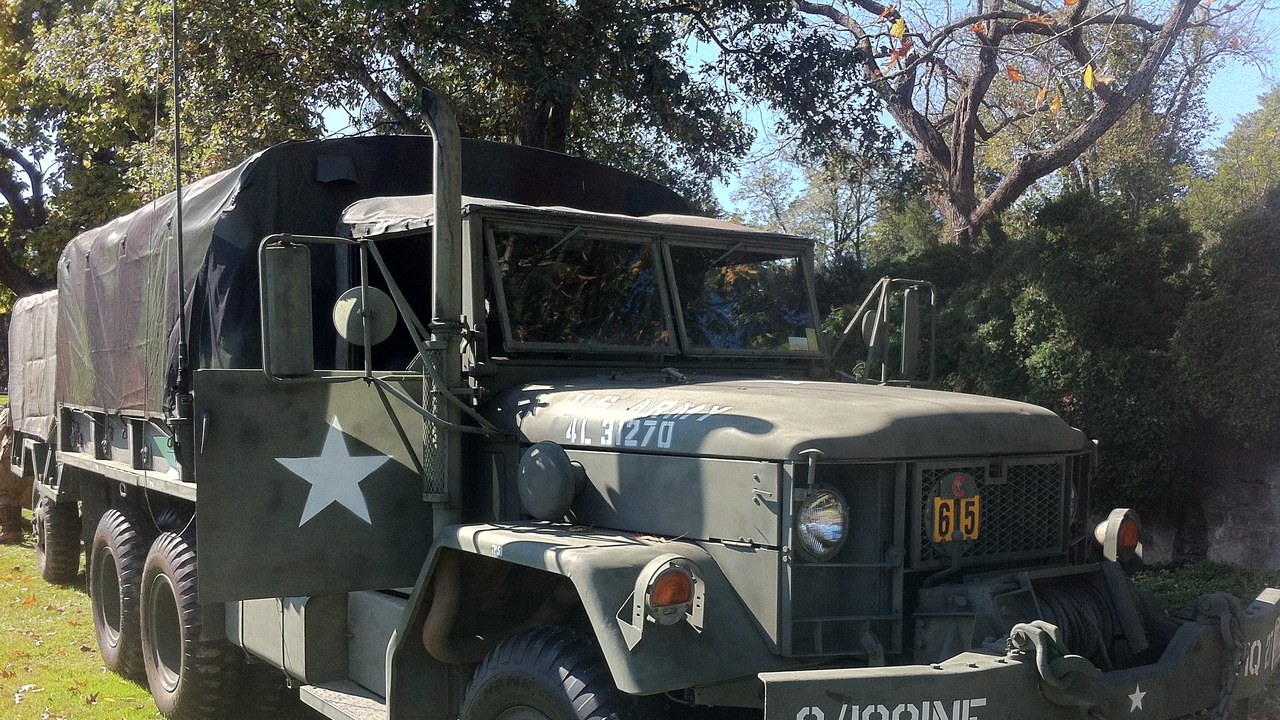
REO Motor Car Company designed the truck in 1949, and the resulting 2½-ton cargo truck earned the nickname deuce-and-a-half for its rated payload before going on to serve the U.S. Army and dozens of allied nations.
Production ran across several manufacturers for more than two decades, and surplus examples still turn up doing farm work, forestry hauling and overland expedition duty long after their original military contracts ended, and collectors today prize the trucks precisely because parts remain easy to find.
9. Steyr-Puch Pinzgauer: An Austrian All-Terrain Vehicle Built Both Ways
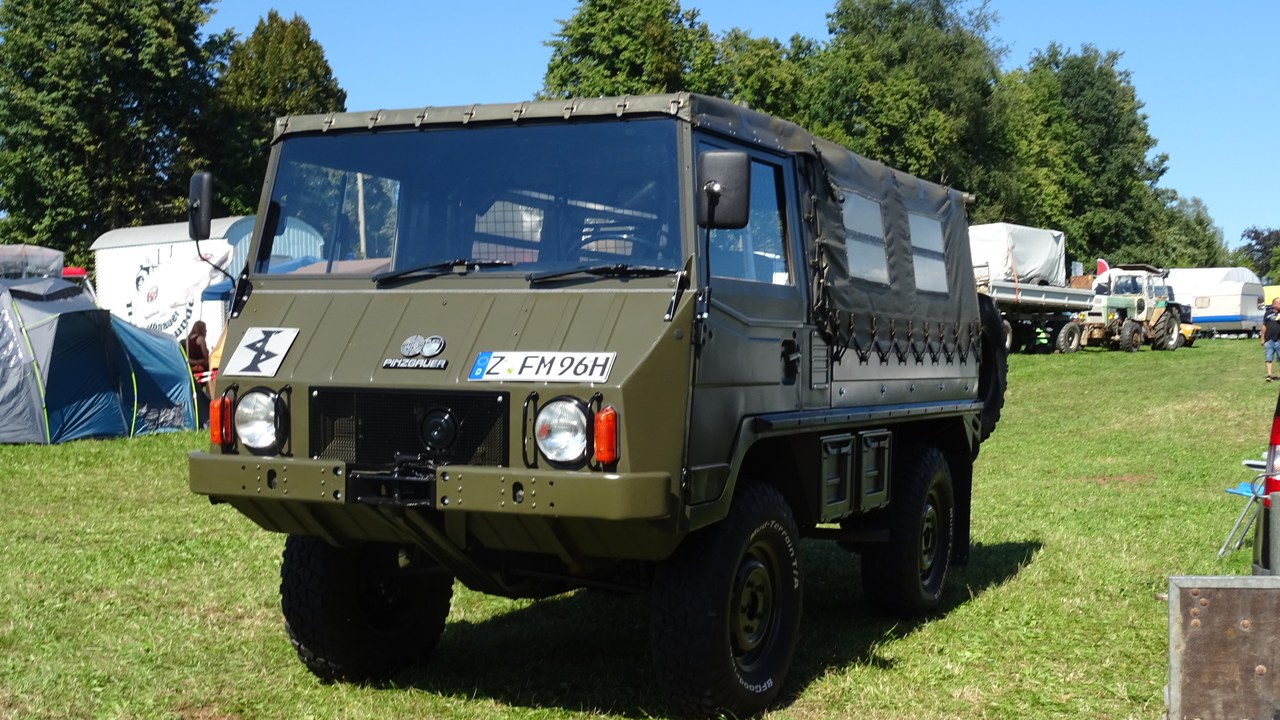
Steyr-Daimler-Puch of Graz, Austria, developed the high-mobility all-terrain vehicle in the late 1960s and offered it in both 4×4 and 6×6 configurations, giving buyers a longer-wheelbase option for carrying more troops or cargo over rough ground.
Portal axles and a central backbone chassis give the Pinzgauer unusually high ground clearance, and militaries including Switzerland, Austria and Britain bought the vehicle in large numbers, with the six-wheeled version in particular prized for its ability to carry heavier loads without losing off-road agility.
10. Alvis Stalwart: A British Truck That Could Also Swim
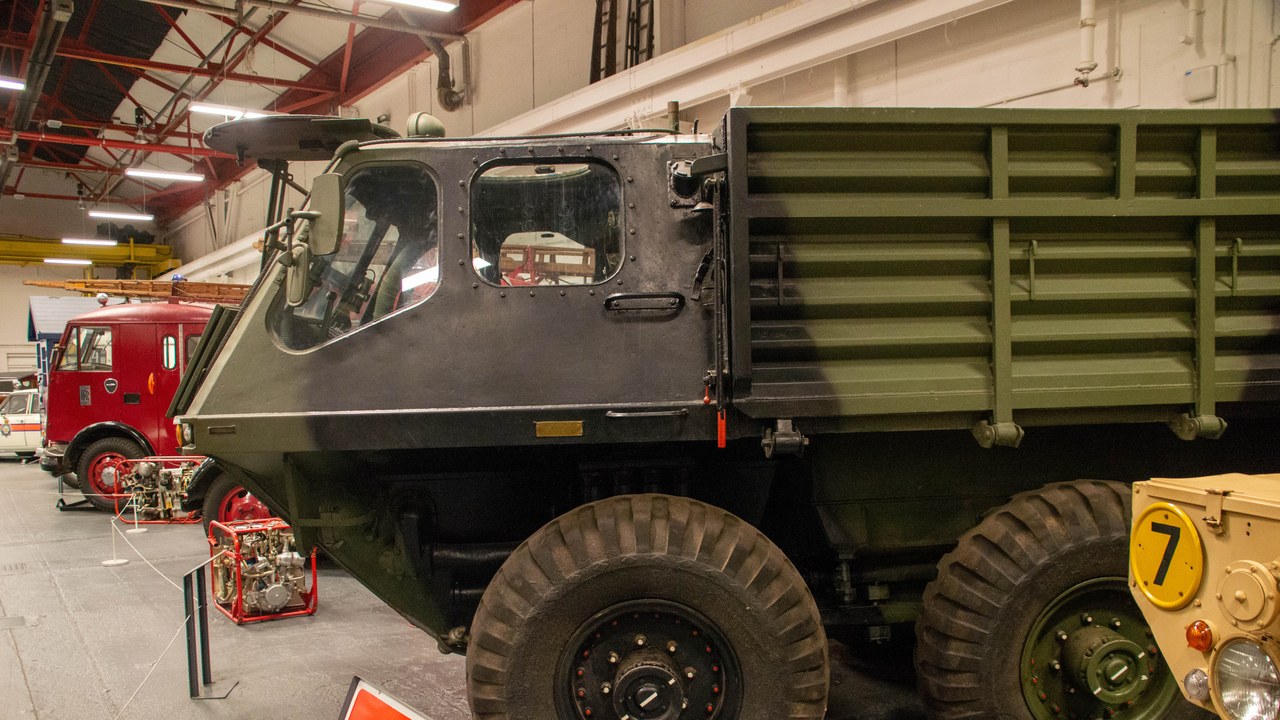
The British Army officially classified the amphibious 6×6 truck as the Truck, High Mobility Load Carrier, 5 Ton, and used it from 1963 to 1993 to move supplies across rivers and coastal terrain without needing a bridge or ferry.
Twin water jets propelled the fully loaded truck through water at several knots, a capability few other military cargo vehicles of its era could match, and the nickname Stalwart stuck long after the British Army retired the design in the early 1990s.
More from Morning Overview
- Consumer Reports names the 2026 models it expects to break down the most
- Supplements now rank as the fifth-leading cause of death from liver disease.
- The NSA is again telling phone owners to switch off one location setting
- Four U.S. startups fired up their first small nuclear reactors, aiming to power AI data centers on-site
