
The 24 Hours of Le Mans has crowned an outright winner nearly every year since 1923, and the roll call runs from pre-war British aristocrats to Japanese rotary engineering. Pit strategy, driver stamina and raw reliability have mattered as much as top speed across nine decades of racing at the Circuit de la Sarthe. Here are twelve cars that took the overall victory at the world’s oldest endurance race.
1. Bentley Speed Six: The Bentley Boys’ Back-to-Back Winner
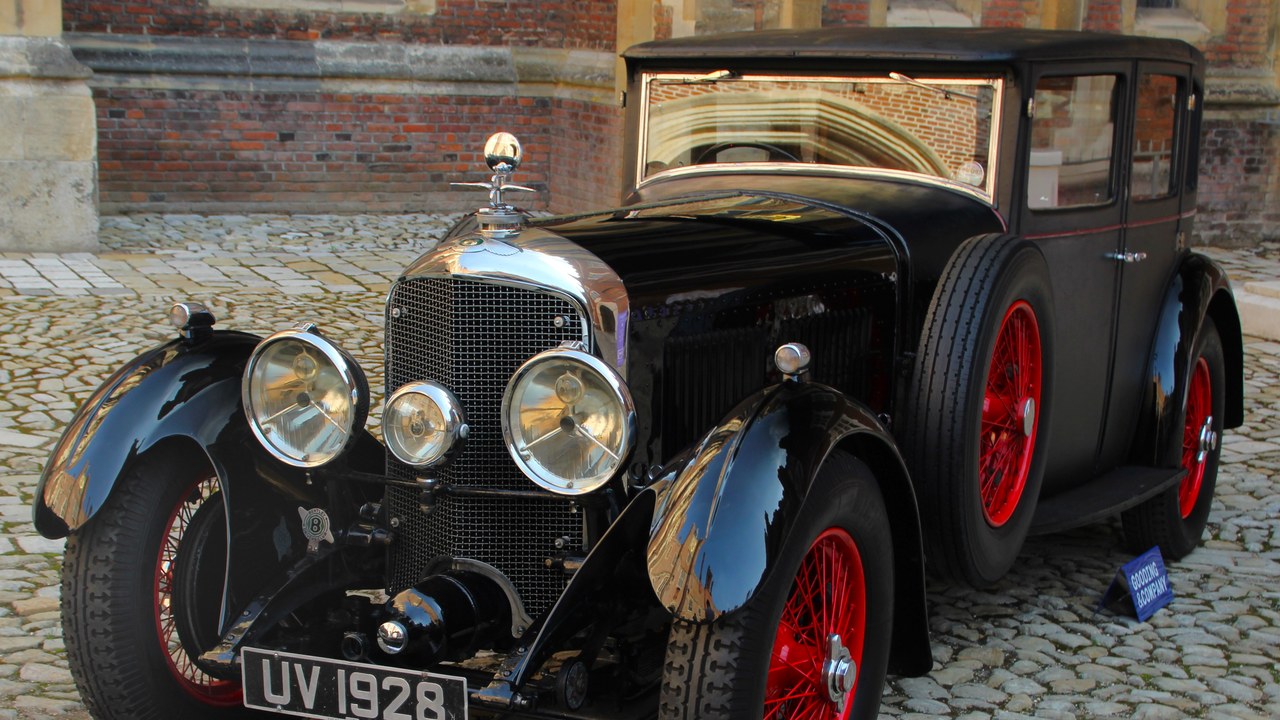
Wealthy amateur racers known as the Bentley Boys campaigned the Speed Six through the late 1920s, and drivers Tim Birkin, Glen Kidston and Woolf Barnato shared the wheel on its way to consecutive outright victories in 1929 and 1930.
Barnato never lost a Le Mans he entered across three separate starts, a record that still anchors Bentley’s early motorsport reputation. The Speed Six’s straight-six engine and heavy chassis were built for durability on rough roads rather than pure speed, and that endurance-first approach proved decisive against lighter, faster rivals over a full day of racing.
2. Alfa Romeo 8C: Four Straight Years of Italian Dominance
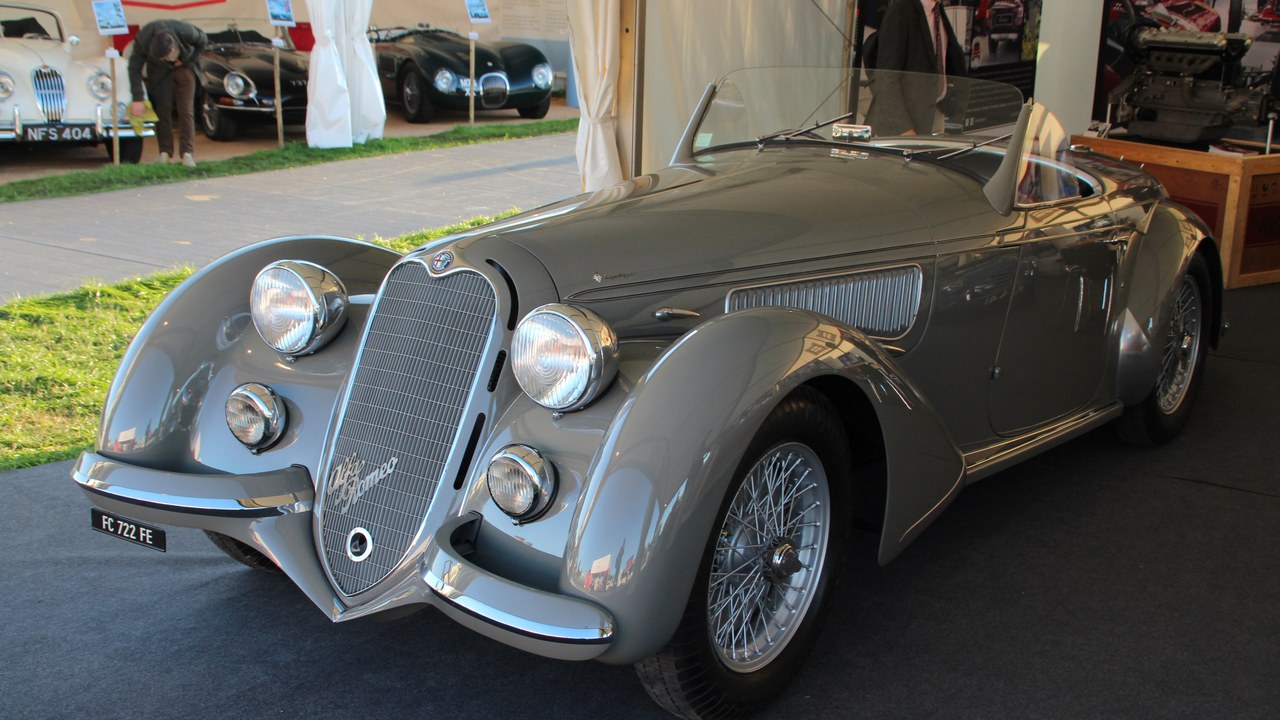
Between 1931 and 1934, the 8C 2300 tipo Le Mans took the overall win four years running, with drivers including Tazio Nuvolari and Raymond Sommer sharing the streak.
No other manufacturer matched that run of consecutive victories again until well after the Second World War reshaped the sport. The 8C’s straight-eight engine, developed under Vittorio Jano, also powered Alfa Romeo’s grand prix efforts of the same era, giving the marque a rare car that dominated both circuit racing and endurance events simultaneously.
3. Jaguar D-Type: Built for One Race Only
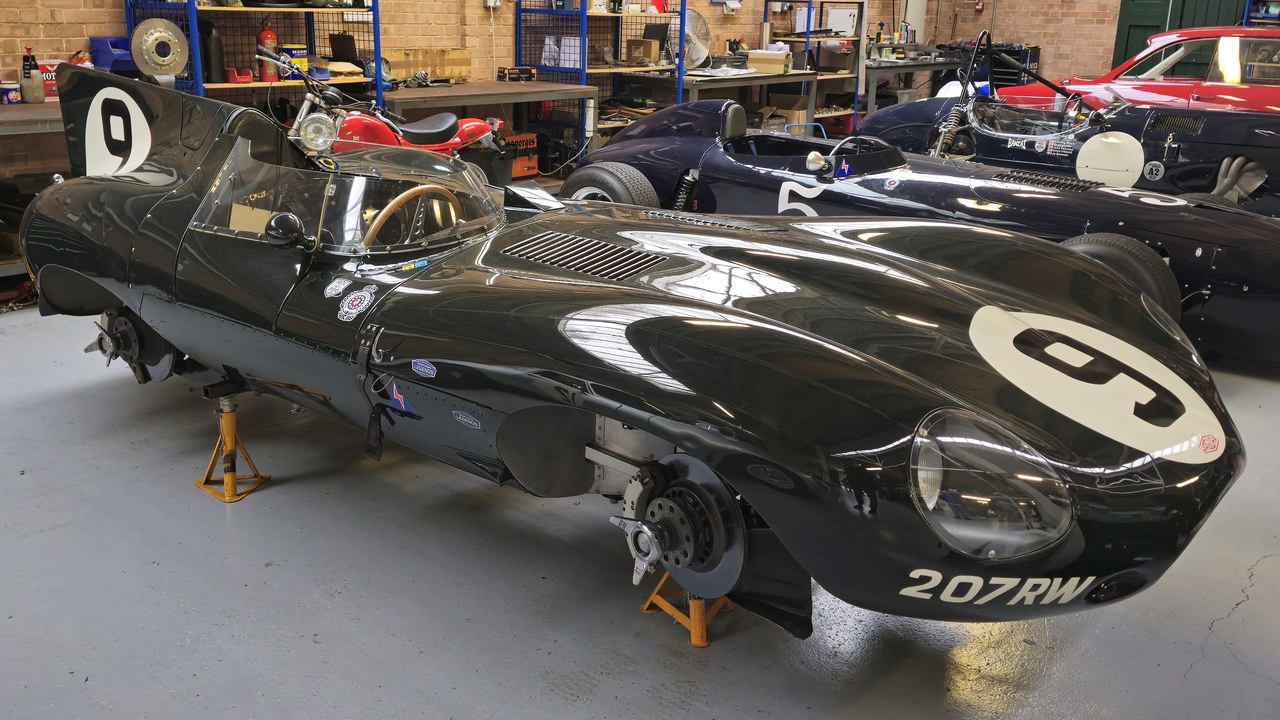
Jaguar engineers designed the D-Type around a single goal, and the car repaid that focus with multiple outright wins through the 1950s.
Its monocoque construction and aerodynamic tail were unusual for the era and influenced sports-car design long after the model stopped racing competitively. A stabilizing fin behind the driver’s headrest, borrowed from aircraft design, helped keep the low-slung body planted at the high speeds the long Mulsanne straight allowed, and that engineering approach later shaped the road-going E-Type.
4. Ferrari 250 Testa Rossa: Ferrari’s Red-Headed Sports-Car Champion
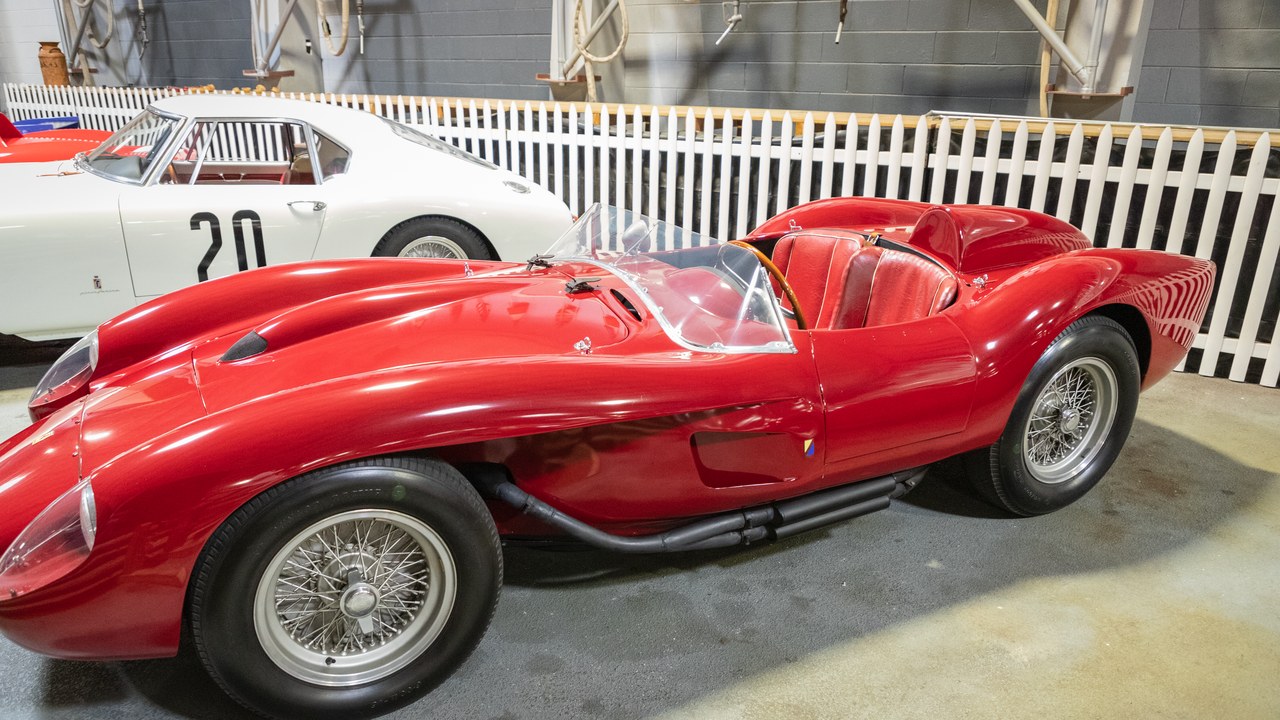
Named for its red-painted cam covers, the Testa Rossa won outright in 1958, 1960 and 1961, forming the backbone of Ferrari’s sports-car era.
Those three victories arrived during a stretch when Ferrari treated Le Mans as a proving ground for the road-car technology it sold to wealthy customers. The model’s distinctive pontoon-fendered body, designed for better brake cooling, became one of the most recognizable shapes in racing history and remains among the most valuable cars ever sold at auction today.
5. Ford GT40: The American Answer to Ferrari
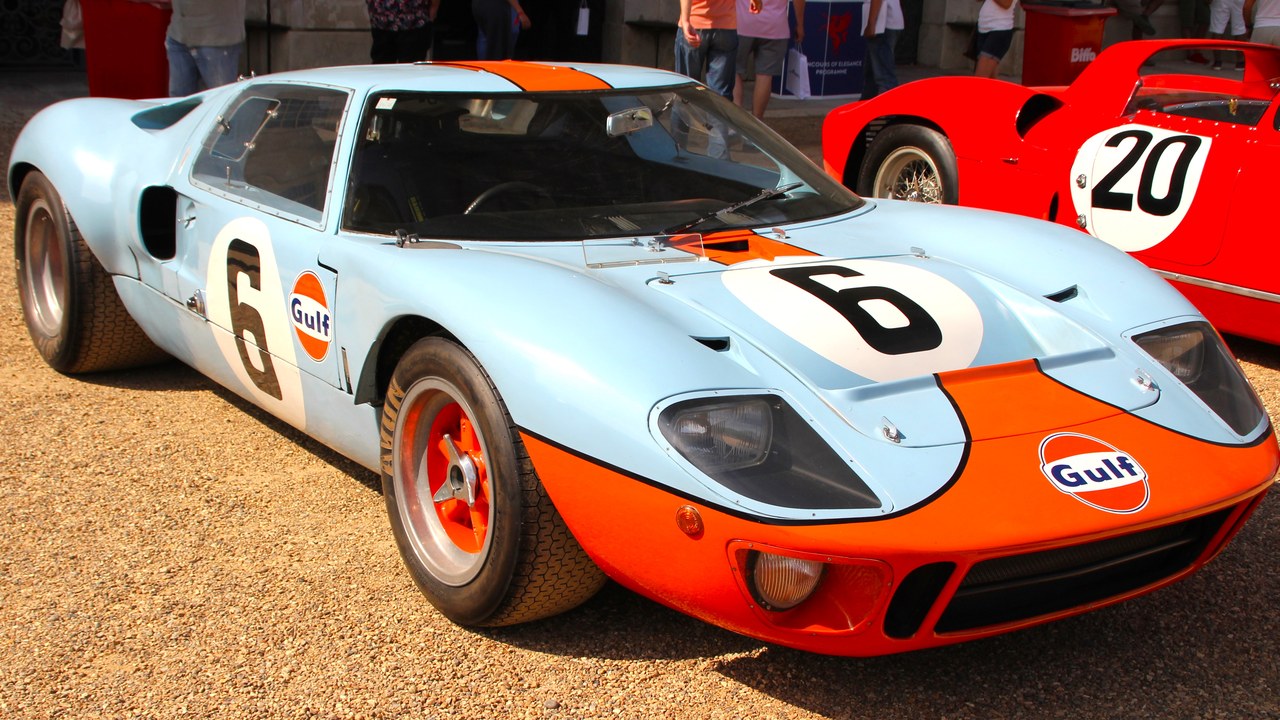
Ford built the GT40 specifically to beat Ferrari at its own race, and the program delivered three straight outright wins from 1966 through 1968 across Mk II, Mk IV and Mk I entries.
The rivalry behind that effort later became the subject of a major Hollywood film decades after the checkered flag fell on the 1966 race. Ford launched the program after a failed attempt to buy Ferrari outright, and the resulting factory-backed effort poured far more money into endurance racing than any American manufacturer had previously committed.
6. Porsche 917: Porsche’s First Outright Le Mans Win
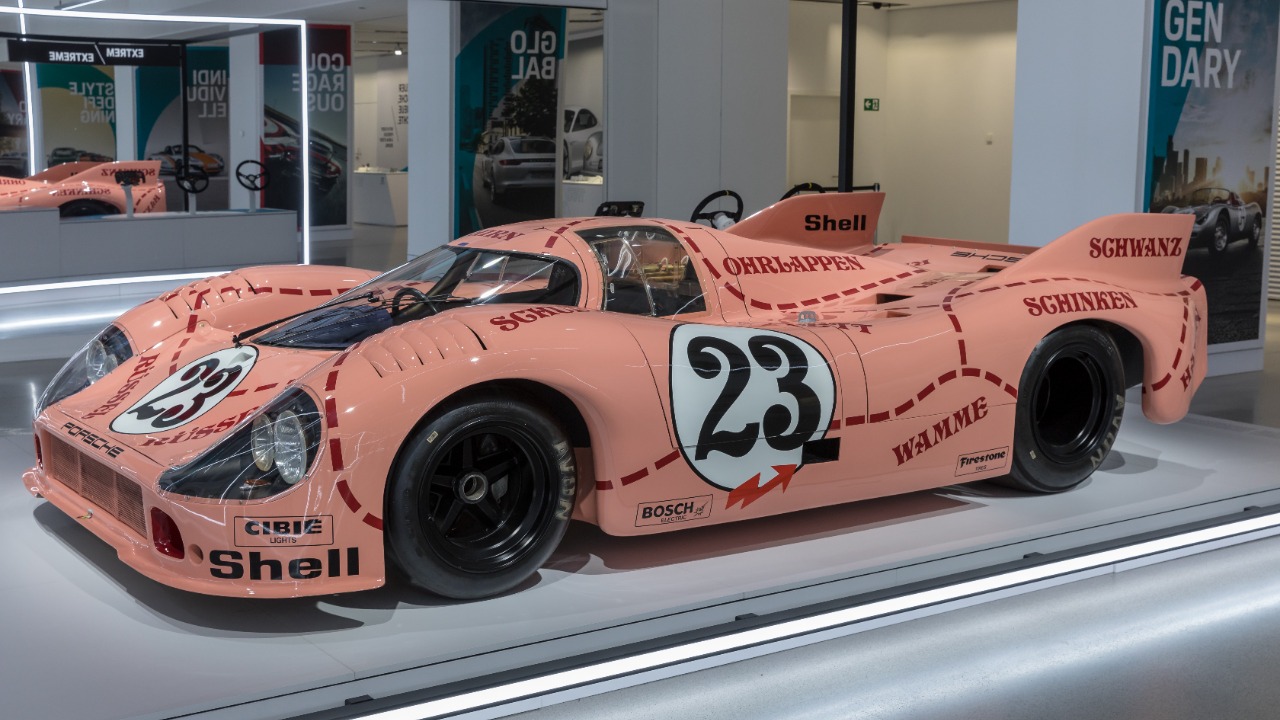
Porsche had chased an overall Le Mans victory for years before the 917 finally delivered one in 1970, then repeated the win the following season.
That pair of victories launched Porsche’s long association with the race, one the brand still leans on in its marketing today. Early versions of the 917 were notoriously unstable at high speed until engineers reworked the tail section, and the car’s flat-twelve engine gave it a power advantage that rival teams struggled to match for several seasons.
7. Matra-Simca MS670: A Lap Ahead of Its Own Sister Car
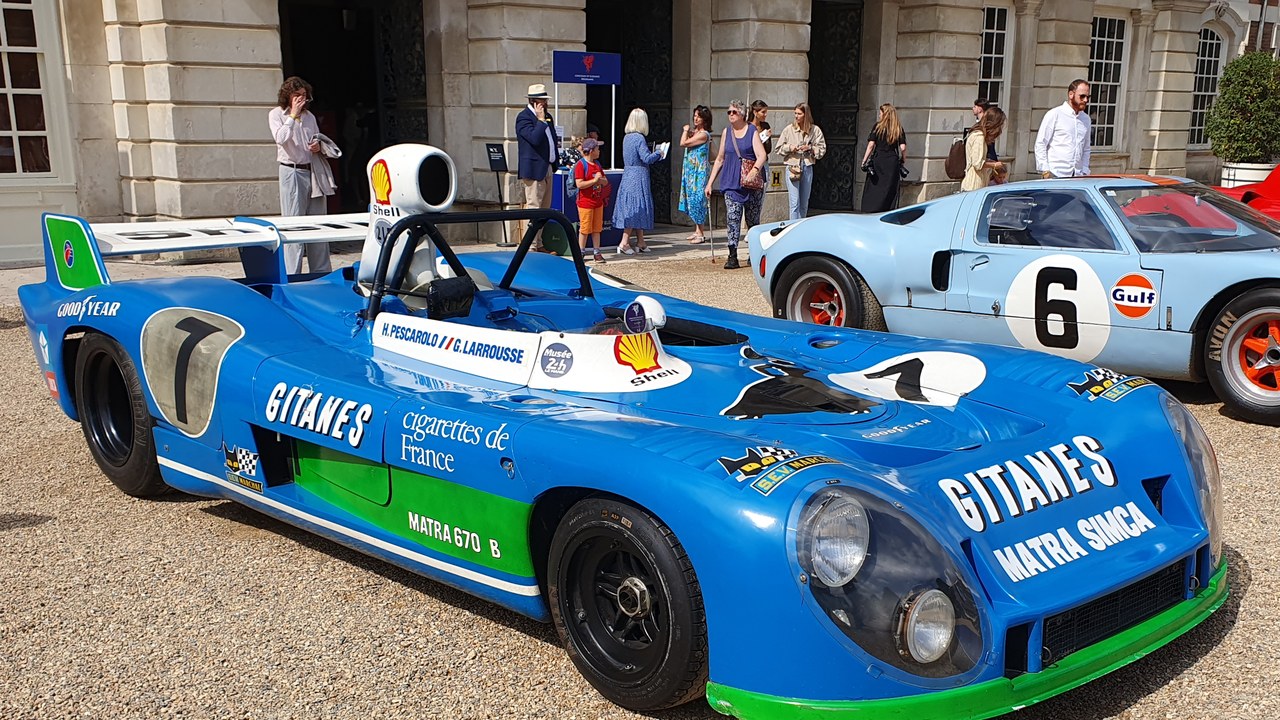
At the 1972 race, Henri Pescarolo and Graham Hill piloted the MS670 to victory, finishing a full lap clear of the identical car driven by Francois Cevert and Howden Ganley.
Hill’s win that day made him one of the few drivers ever to claim the Triple Crown of motorsport’s biggest races, alongside the Indianapolis 500 and the Formula One world championship. The French manufacturer’s V12 program went on to win Le Mans three years running, cementing Matra’s brief but dominant era in endurance racing before it exited the sport.
8. Porsche 956: Joest Racing’s Breakthrough Machine
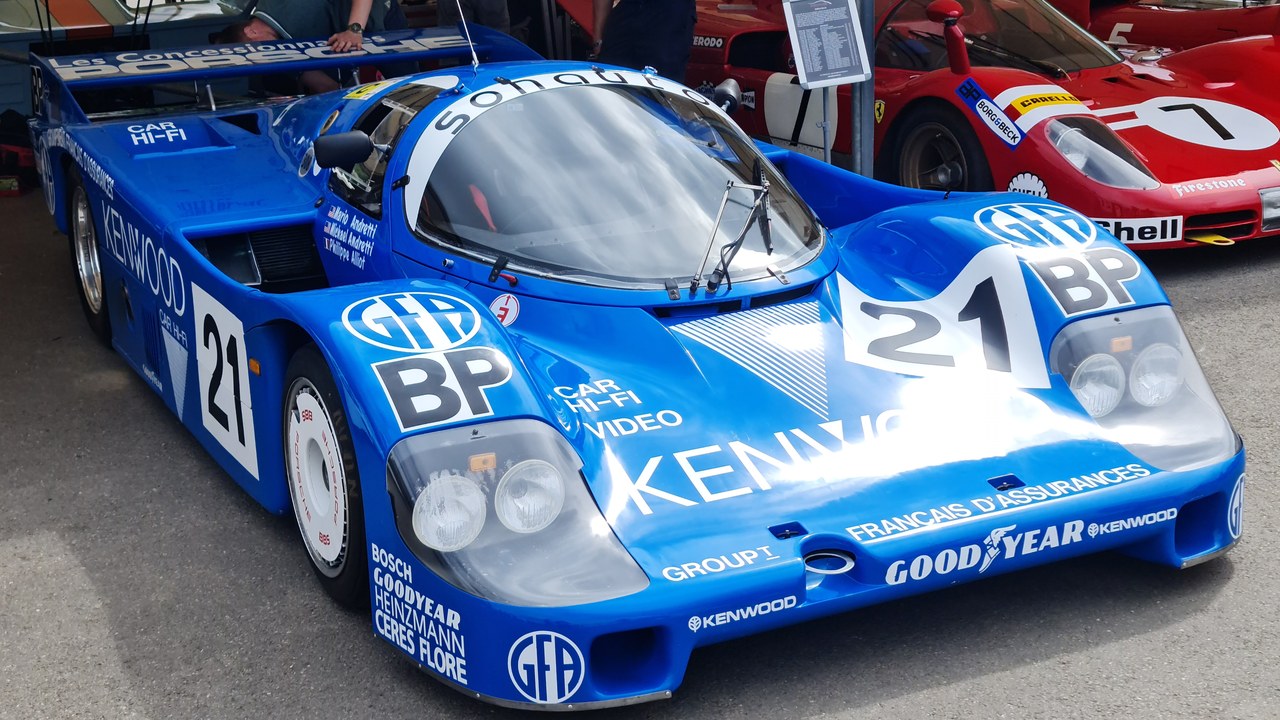
A privately entered 956, chassis number 117 and driven by Klaus Ludwig and Henri Pescarolo, gave Joest Racing its first Le Mans win in 1984.
That same chassis went on to become one of the most successful individual race cars in the event’s history, later returning to competition decades after its original victory. The 956 introduced ground-effect aerodynamics to Group C racing, generating downforce through its underbody shape rather than relying purely on wings, a technique that rewrote how prototype racers were engineered.
9. Porsche 962: The Backbone of a Six-Year Streak
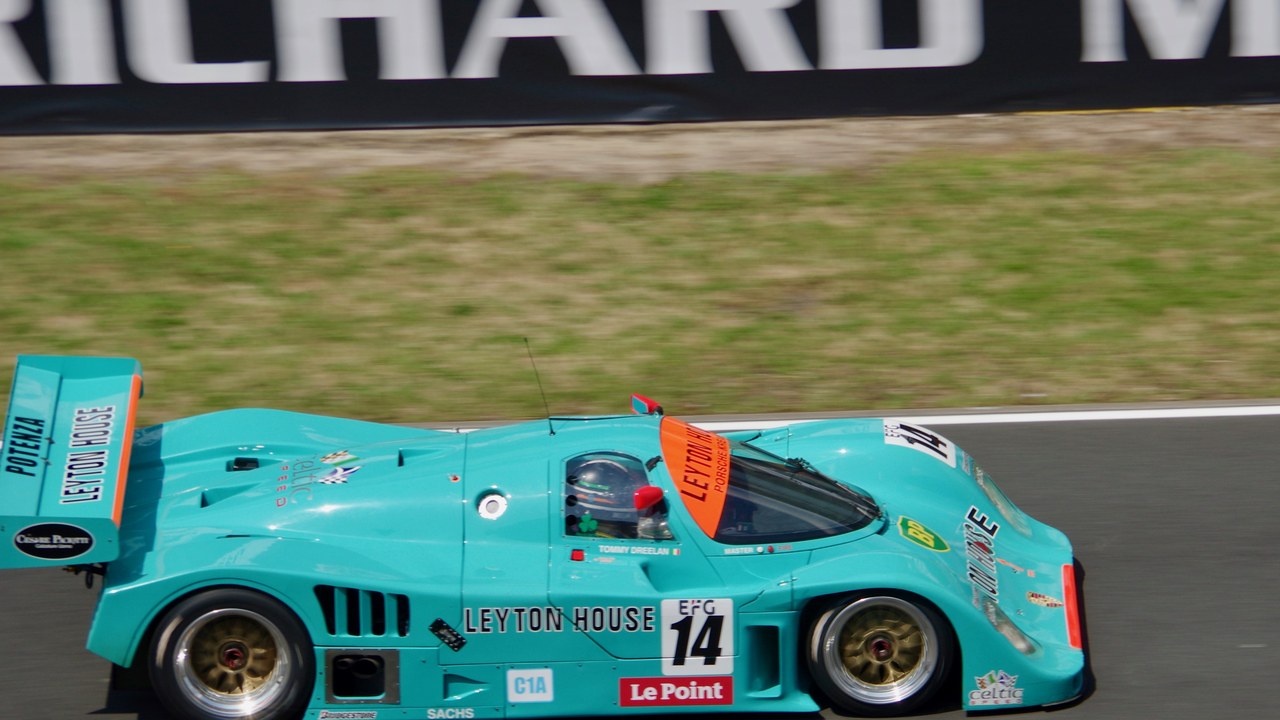
Alongside its predecessor the 956, the 962 helped Porsche string together six consecutive outright victories between 1982 and 1987.
No manufacturer has matched that unbroken run since, making it the longest winning streak by outright wins in the race’s history. Customer teams around the world bought 962 chassis to compete in their own national championships, and the model’s longevity in privateer hands meant variants of it remained competitive at Le Mans for the better part of a decade.
10. Jaguar XJR-9: The Car That Ended Porsche’s Streak
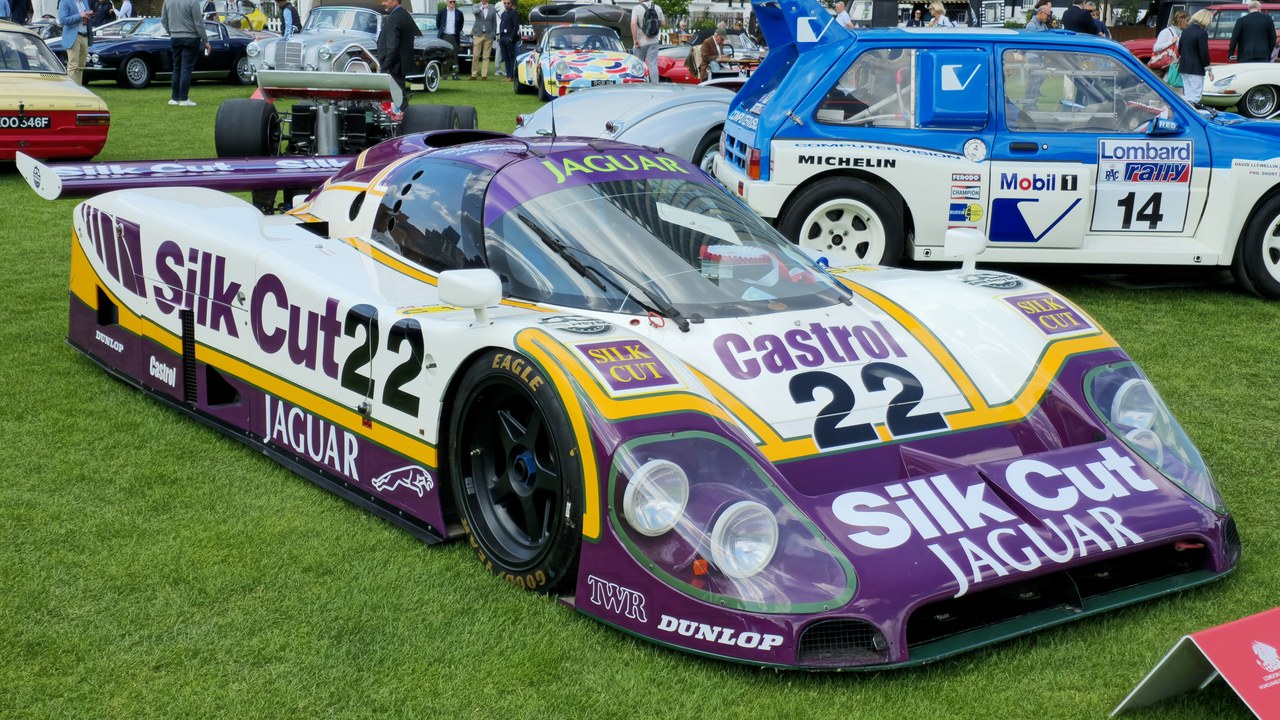
Jaguar’s factory prototype program finally broke Porsche’s grip on the race when the XJR-9 won outright in 1988.
The victory marked Jaguar’s first Le Mans win since the D-Type era more than three decades earlier, and it came under the direction of team boss Tom Walkinshaw. Powered by a naturally aspirated V12 rather than the turbocharged engines favored by Porsche’s works cars, the XJR-9 leaned on fuel efficiency and reliability to outlast faster but thirstier competitors.
11. Mazda 787B: The Rotary Engine’s Only Overall Win
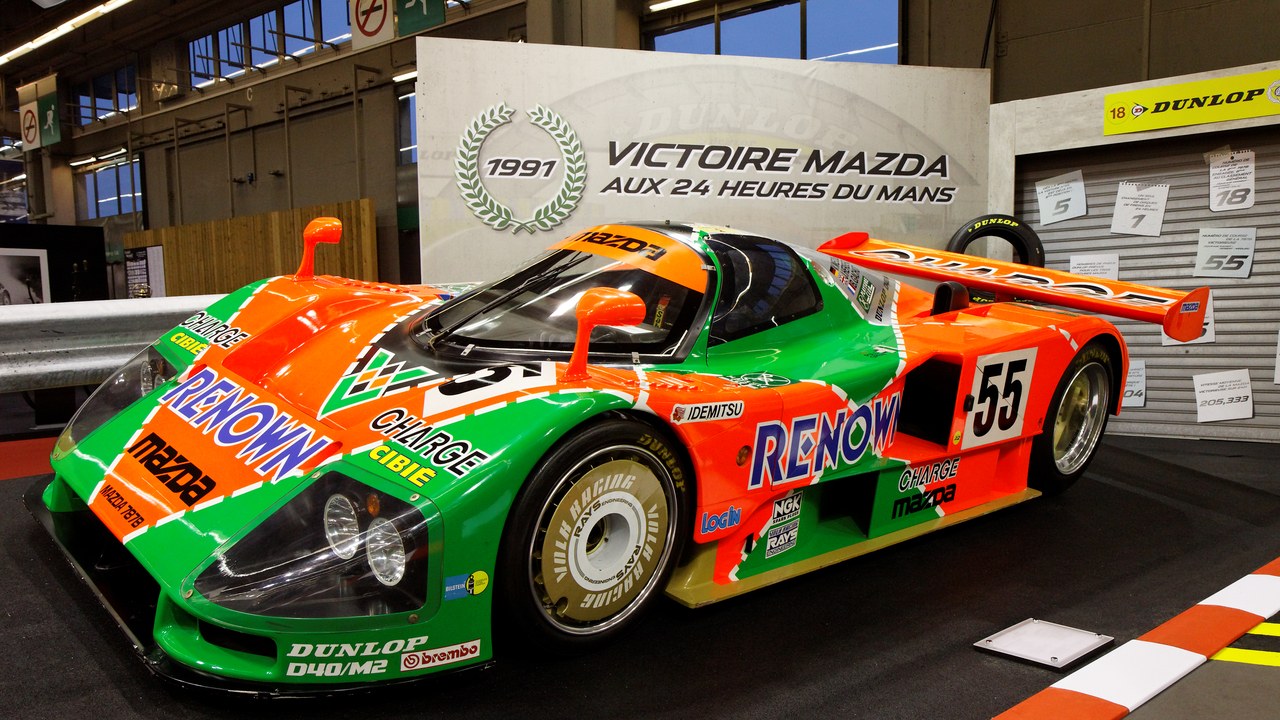
Powered by a four-rotor engine instead of a conventional piston setup, the 787B took the 1991 overall victory, making Mazda the first Japanese manufacturer to win outright.
No Japanese manufacturer has repeated that feat since, and rotary-powered cars were effectively banned from the top category soon after Mazda’s win. The engine’s distinctive high-pitched wail became instantly recognizable trackside, and the car’s victory is still celebrated by Mazda as the defining moment of its motorsport history more than three decades later.
12. Bentley Speed 8: Seventy-Three Years in the Making
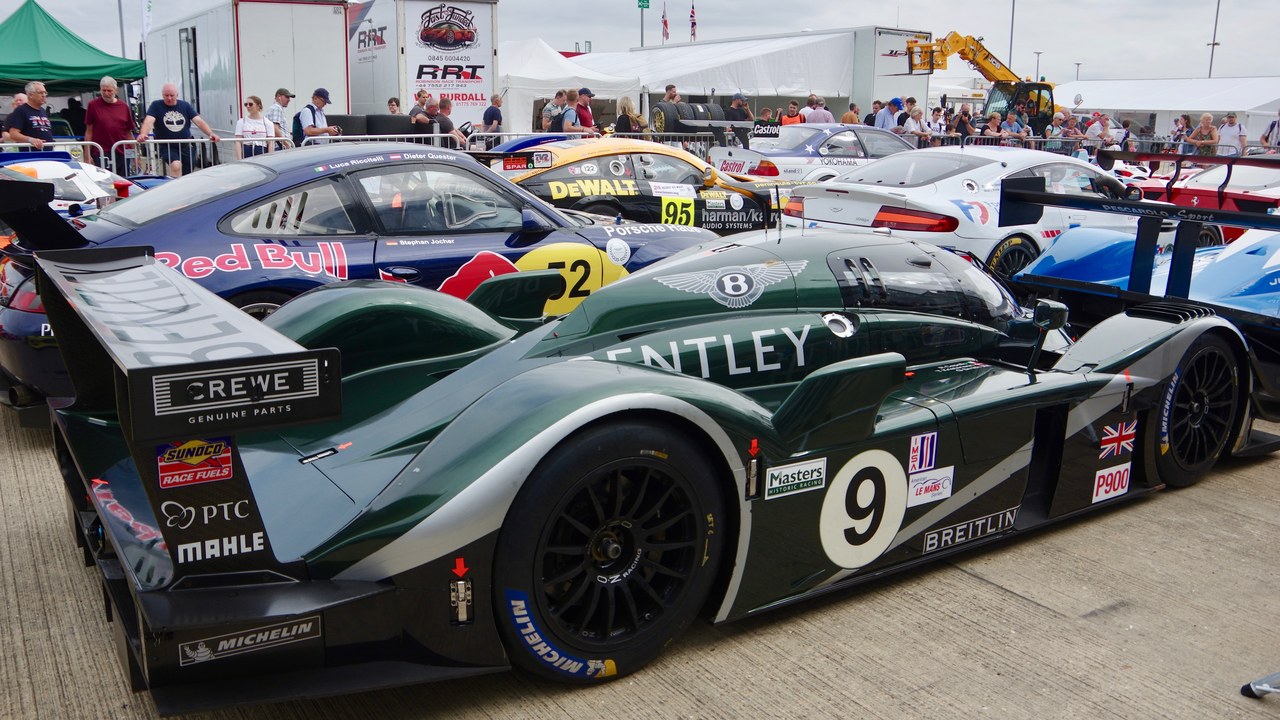
Bentley returned to prototype racing after decades away, and the Speed 8 delivered an outright win in 2003, exactly seventy-three years after the marque’s previous victory.
The gap between those two wins remains the longest stretch between overall victories for any manufacturer at the race. Bentley built the program under parent company Volkswagen Group, which supplied engineering resources far beyond what the small British marque could have funded alone, and the win doubled as a marketing showcase for the newly revived brand.
More from Morning Overview
