
Ultra-class haul trucks are the largest wheeled vehicles ever built, engineered to move hundreds of tons of rock in a single pass through open-pit copper, coal and iron mines. Manufacturers from Belarus to Germany to the United States have spent decades competing for bigger payloads, tougher tires and smarter drivetrains. Here are eight haul trucks that changed how the industry moves a mountain.
1. BelAZ 75710: The Heaviest Payload On Earth
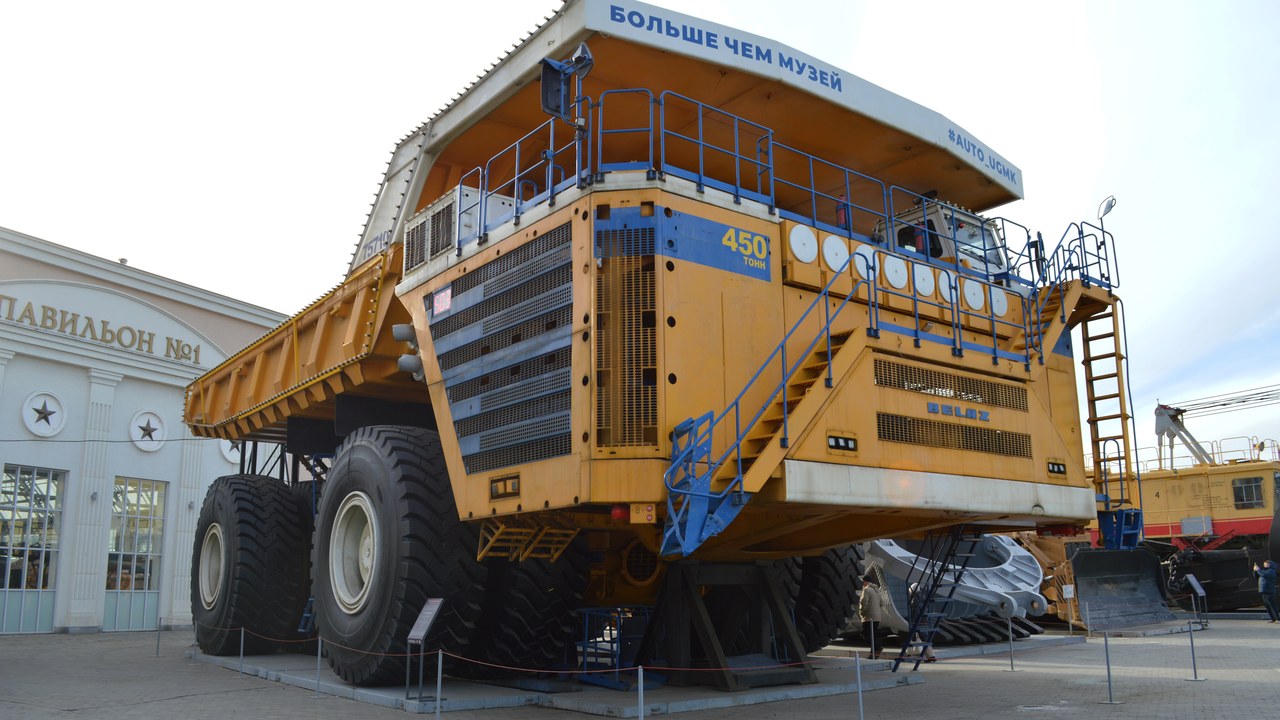
The BelAZ 75710 currently carries the largest payload rating of any production haul truck, moving up to 450 metric tons of ore or waste rock in a single load, according to the manufacturer specifications. Belarusian engineers split that enormous weight across eight tires and two diesel engines instead of relying on a single oversized driveline the way most rivals do.
The layout lets the truck keep working through the extreme cold of the mines it was originally built to serve, where one mechanical failure can strand a fully loaded vehicle for days and cost a site far more in downtime than the machine itself is worth.
2. Caterpillar 797: Mechanical Drive’s Biggest Machine
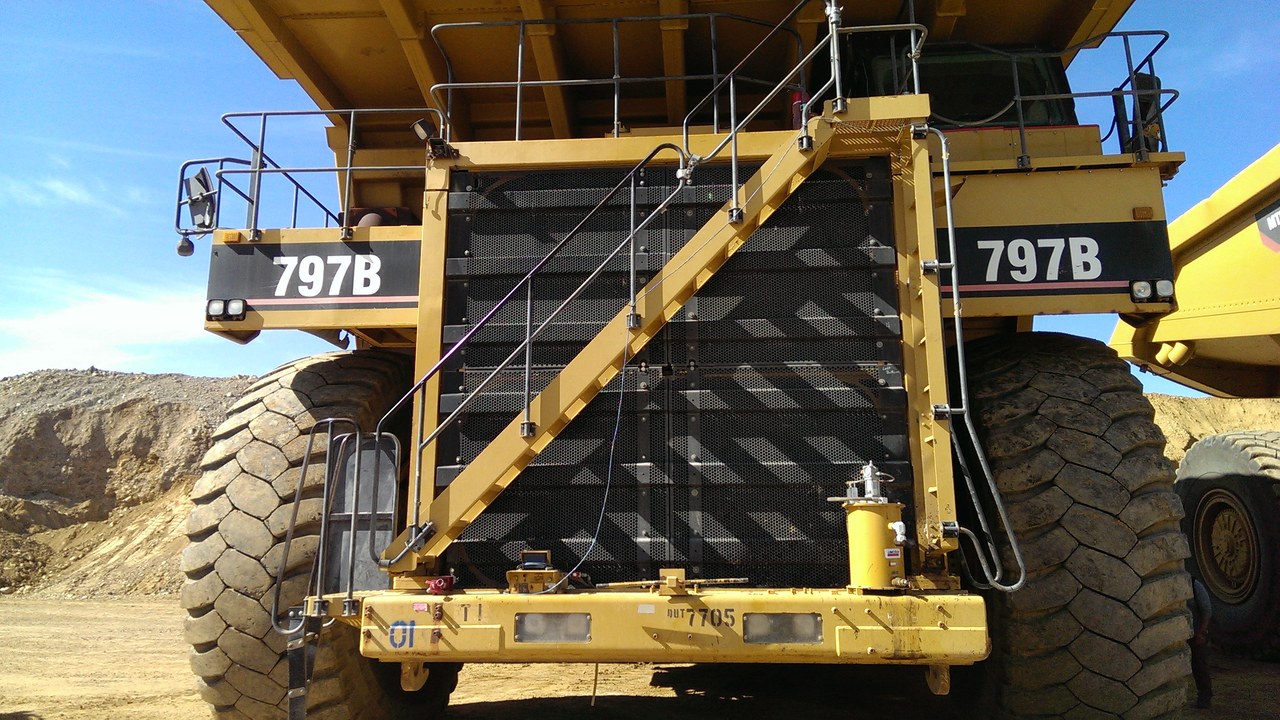
Caterpillar’s 797 line offers a payload capacity of up to 400 short tons in its current configuration, the highest of any mechanical-drive haul truck built anywhere, according to the vehicle’s published specifications. A mechanical drivetrain routes power through a torque converter and gearbox rather than the electric motors many rival trucks rely on.
That choice trades some of the smoothness of an electric drive for a simpler chain of parts that crews at remote pits can repair without flying in specialized electrical technicians every time something breaks down underground or out on a haul road.
3. Terex 33-19 “Titan”: One Truck, A Quarter Century Record
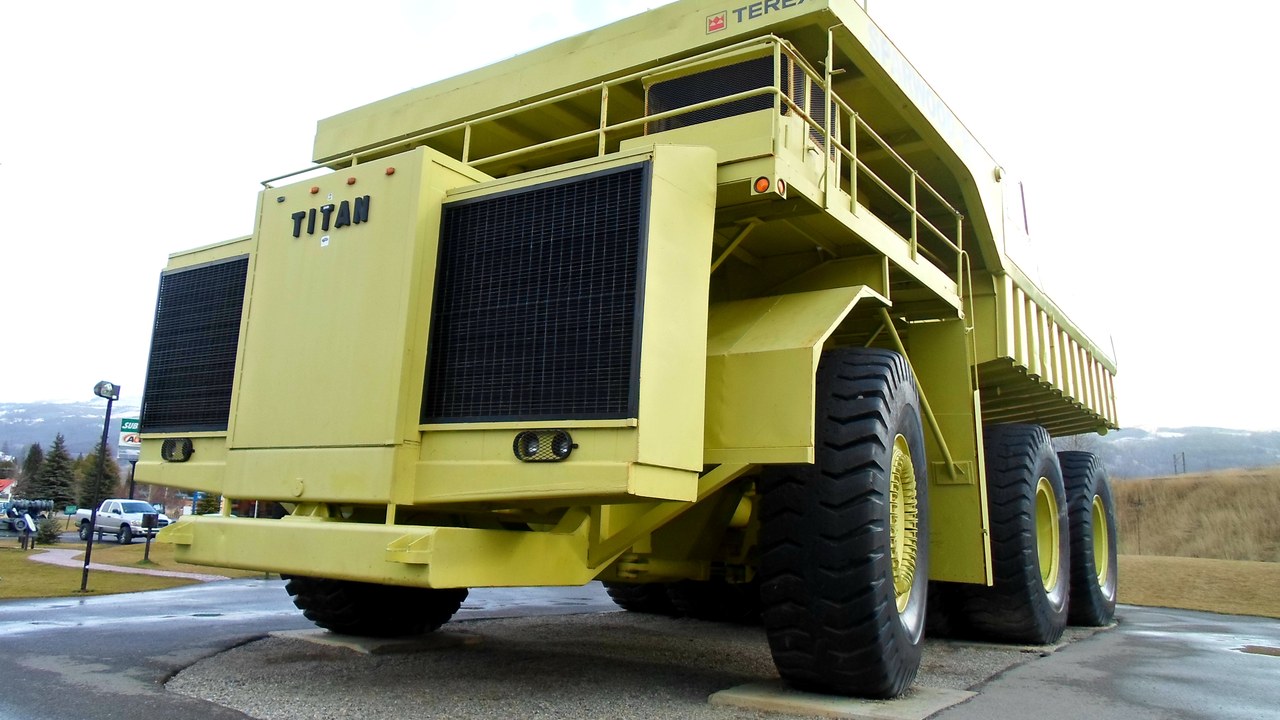
Only a single Terex 33-19 Titan was ever built, arriving at a Kennecott copper mine in 1973, yet it remained the largest and highest-capacity haul truck on the planet for a quarter century, per the machine’s production history. No second unit followed because the economics never justified building another.
The one-off eventually proved too large and too costly to operate profitably at most pits, and it now sits on permanent public display in British Columbia rather than hauling rock for a living mine, a retired giant that tourists can walk right up to and photograph.
4. Komatsu 930E: The Best-Selling Ultra-Class Truck
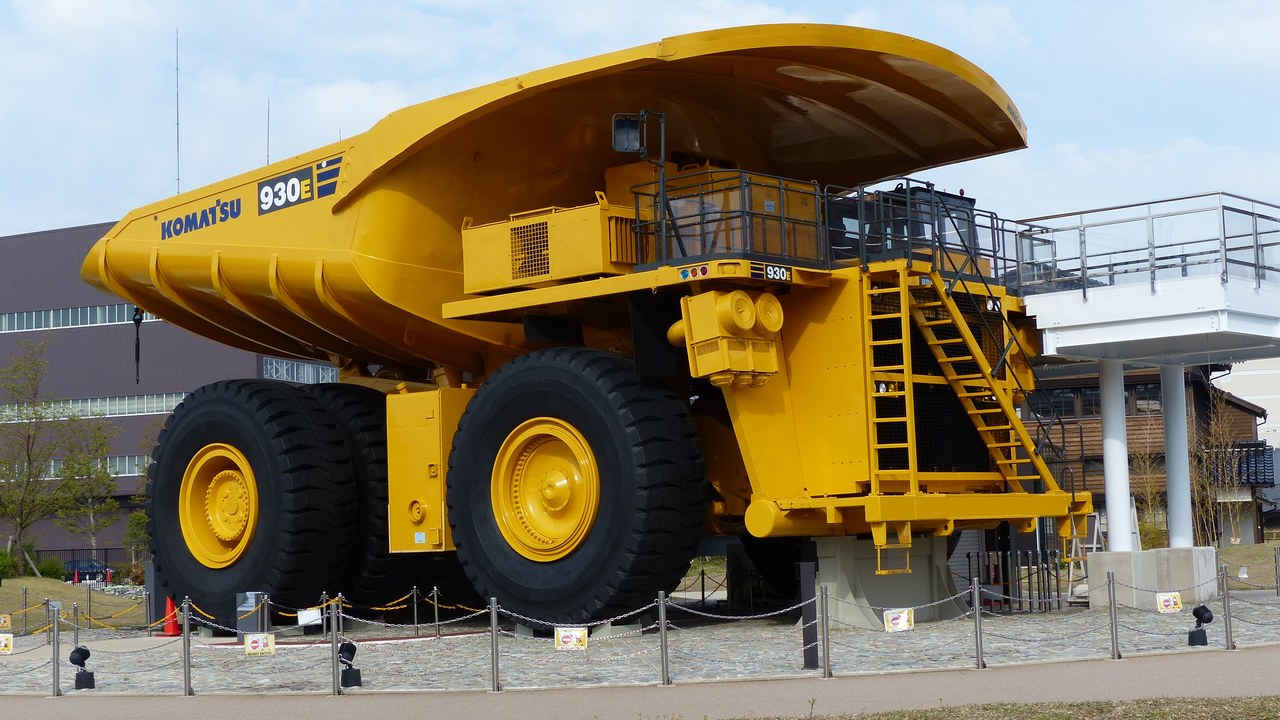
More than 1,900 units of the Komatsu 930E had sold worldwide as of 2016, making it the best-selling ultra-class haul truck ever produced, according to the manufacturer’s sales figures. It also broke new ground mechanically as the first haul truck built around two AC electric traction motors instead of the older DC motor arrangement.
AC drive systems need less maintenance and hold up better under the heat and dust of continuous mine duty, a reliability edge that helped push the model onto so many different mining fleets around the world.
5. Liebherr T 282 series: A German Challenger’s Brief Reign
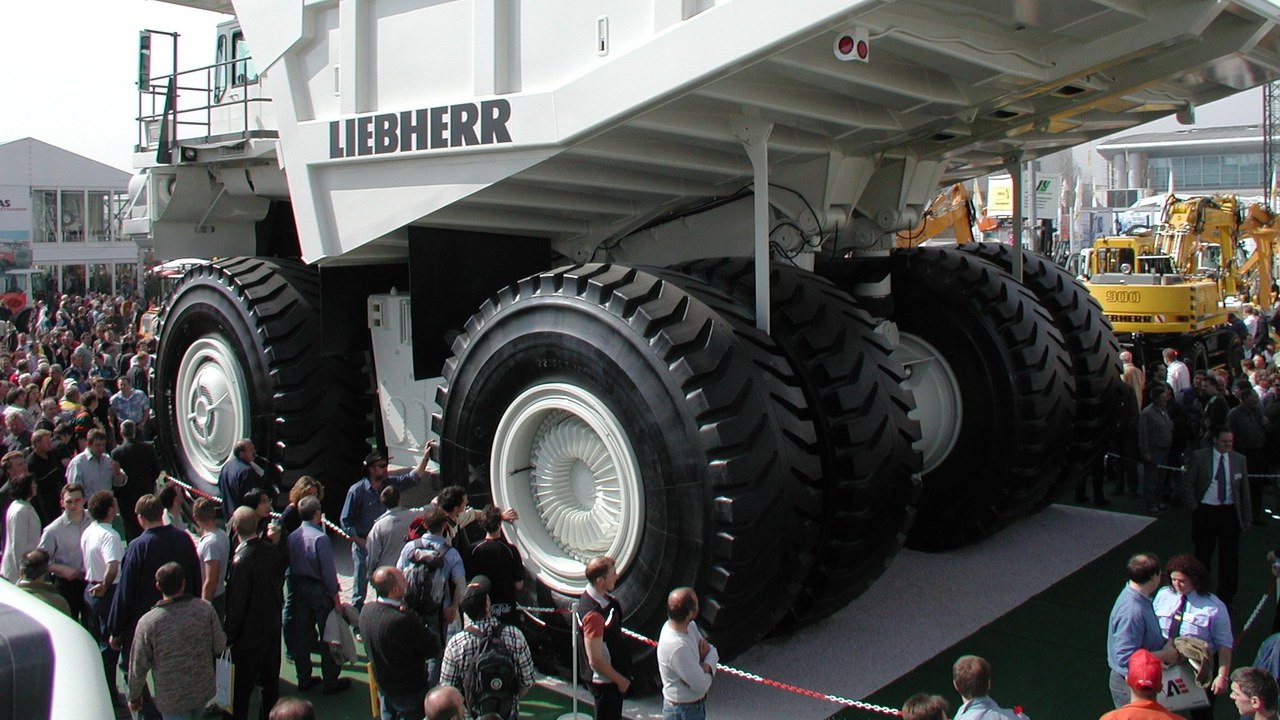
When Liebherr introduced the T 282 B in 2004, the truck carried the largest haul-truck payload capacity in the world and held that title unmatched for more than four years, per the series’ model history. The German manufacturer built the line specifically to challenge the American and Belarusian makers that had long dominated the ultra-class segment.
Rivals eventually matched and then passed its numbers, but the T 282 series stayed in production and kept finding buyers among mines that valued its European engineering and parts network over a bigger rated payload.
6. BelAZ 75600: Built For Every Climate On Earth
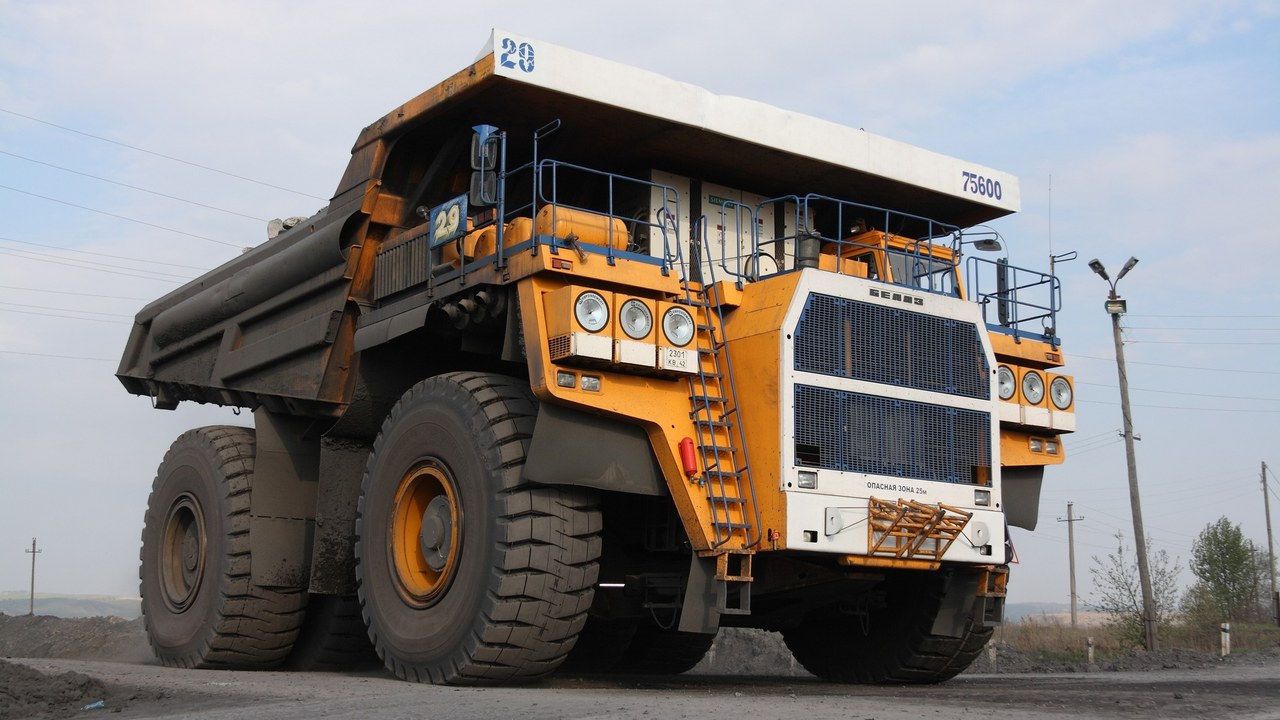
Built to operate across a wide range of climates at open-pit mines worldwide, the BelAZ 75600 carries a maximum payload of 320 tonnes per load, according to the truck’s technical listing. Belarusian designers positioned it a tier below their own record-setting 75710 while still keeping it firmly inside the ultra-class payload bracket.
That middle-tier sizing makes it a common sight at mid-sized mines that need serious hauling power but have no use for the largest and most expensive machines on the market today, since a smaller fleet is often easier to staff, fuel and keep running.
7. Caterpillar 789: The Workhorse, Not The Record Holder
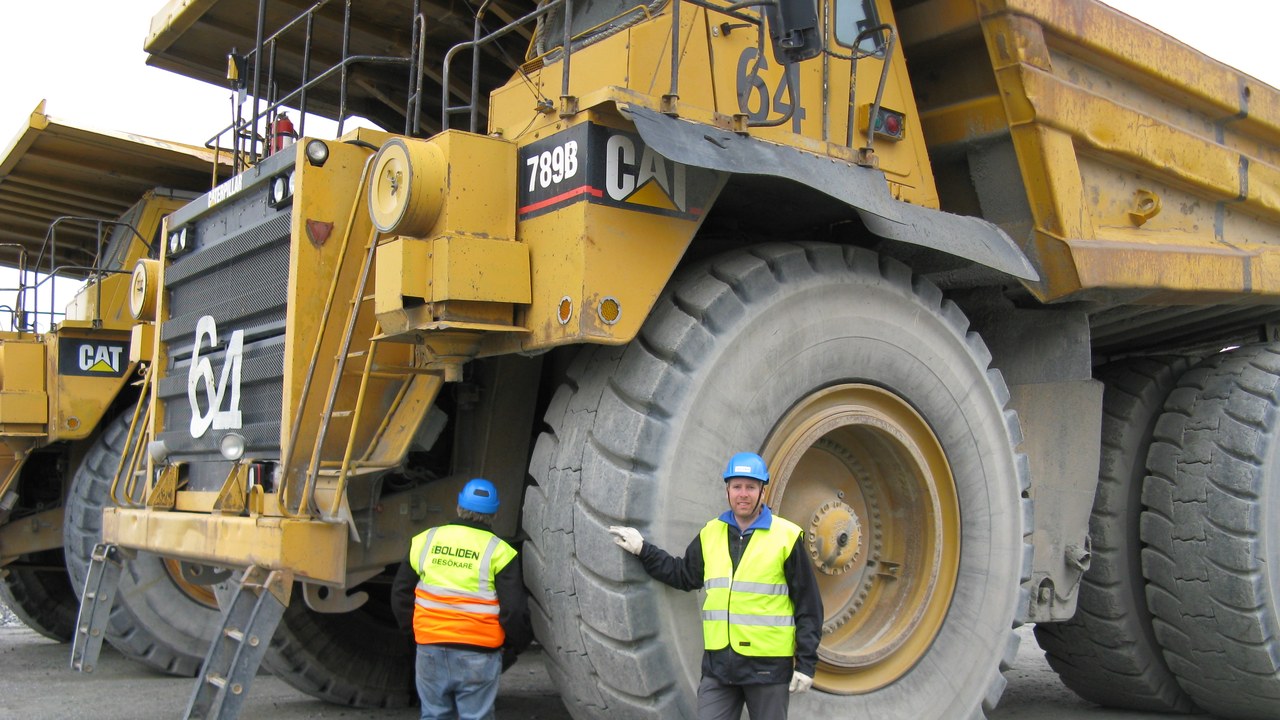
Smaller and far more common than its record-setting sibling, the Caterpillar 789 has stayed in Caterpillar’s lineup since the mid-1980s as a mechanical-drive mining hauler, according to the dump truck’s production record. Its payload sits well below the 797’s figures, but it has been deployed far more widely across working pits over the decades.
Mines often favor a proven mid-sized hauler like this one over the largest machines available, since a smaller truck can still access tighter haul roads and older pit layouts that a giant chassis simply cannot navigate on a daily production run.
8. Unit Rig Lectra Haul: An AC-Drive Pioneer, Then Absorbed
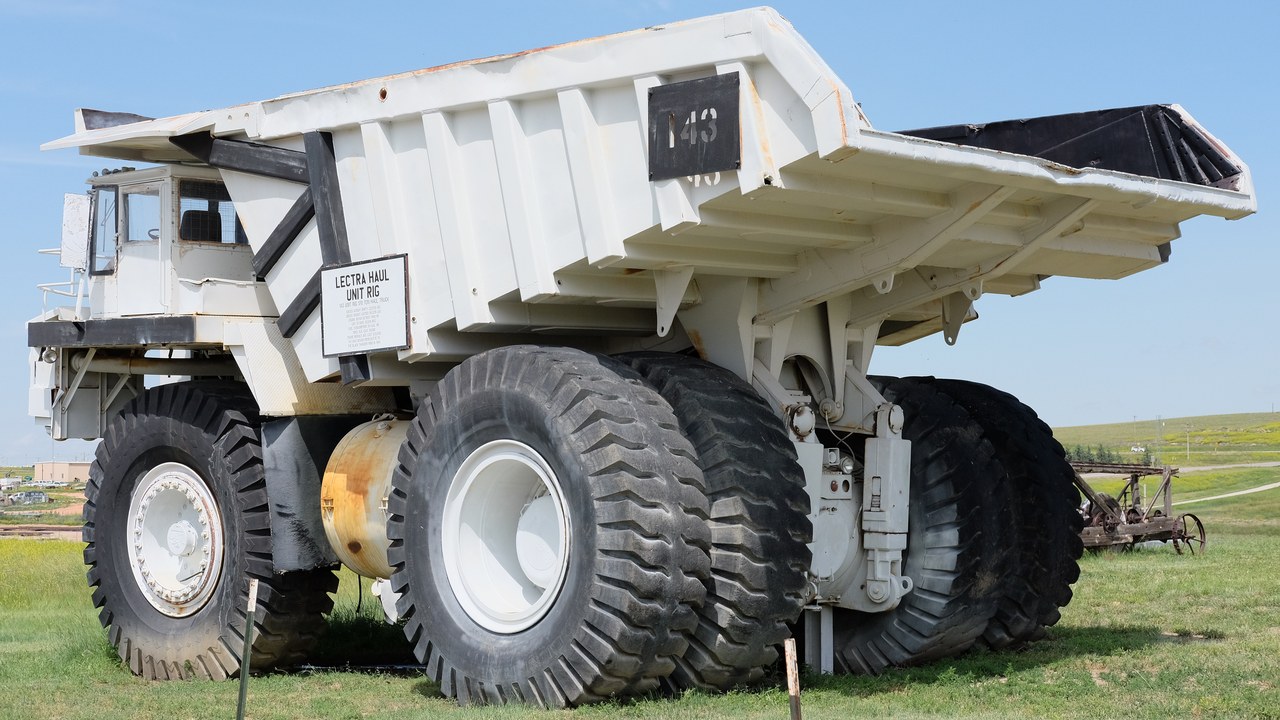
Decades before BelAZ or Caterpillar dominated the ultra-class market, Unit Rig sold its haulers under the Lectra Haul name and launched the industry’s first AC-drive ultra-class trucks, according to the company’s corporate history. That early electrical engineering work influenced the drivetrains that later ultra-class builders would eventually adopt as their own industry standard.
The company itself did not survive as an independent name, passing first to Terex, then to Bucyrus, before Caterpillar absorbed the operation and folded its engineering legacy into its own mining truck division, where the Lectra Haul name eventually disappeared from catalogs.
More from Morning Overview
