
Double-decker buses are often pictured as a single London icon, but the format has been reinvented by manufacturers across Britain and continental Europe for decades. Some models carry commuters on the exact same routes they were designed for decades ago, while newer chassis keep the layout alive with hybrid drivetrains and low-floor access. Here are ten double-deckers that have carried passengers as everyday, working vehicles rather than museum pieces.
1. AEC Routemaster: The London Icon That Refused To Retire
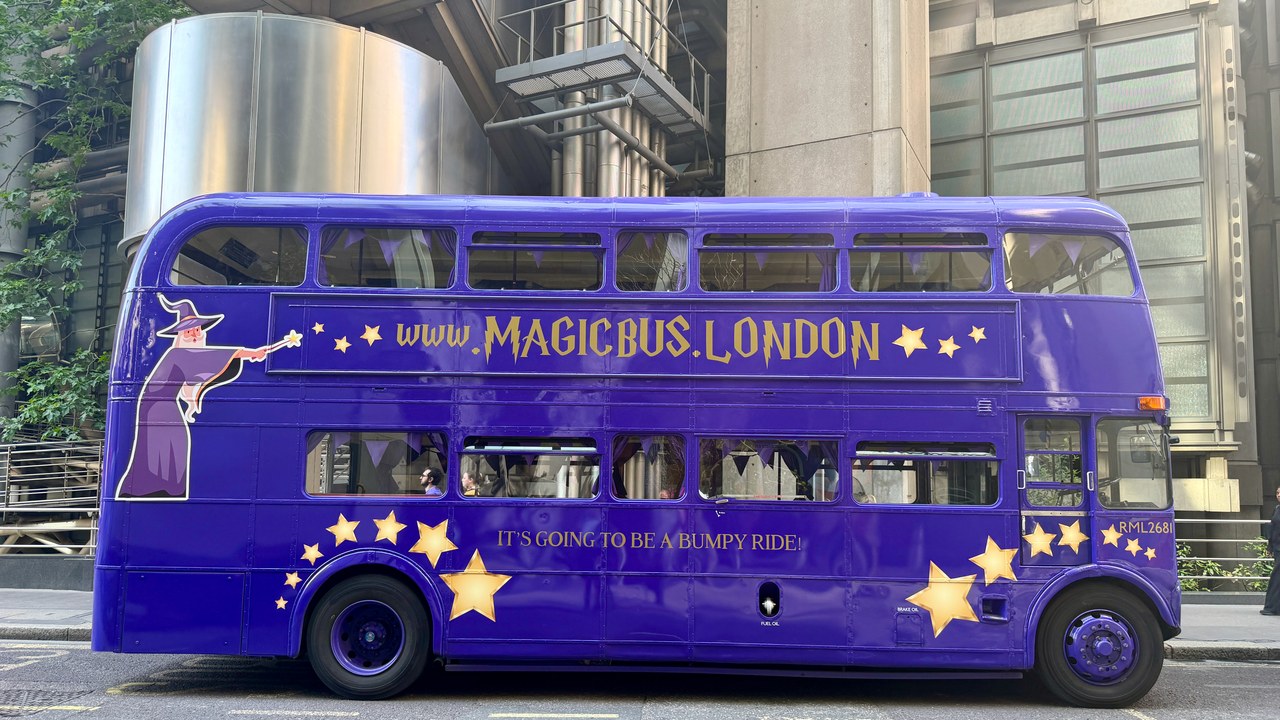
London Transport designed the AEC Routemaster together with builders AEC and Park Royal Vehicles, and the first prototype rolled out in September 1954, with deliveries to the transport authority continuing all the way through 1968.
That fourteen-year production run scattered the buses across central London routes for generations, and preserved examples now keep working on heritage services rather than sitting permanently behind rope barriers in a transport museum. Fare-paying commuters can still climb aboard one on a working day, not just tourists chasing a photo of a red double-decker.
2. New Routemaster: A Design Studio Reinvented The Classic
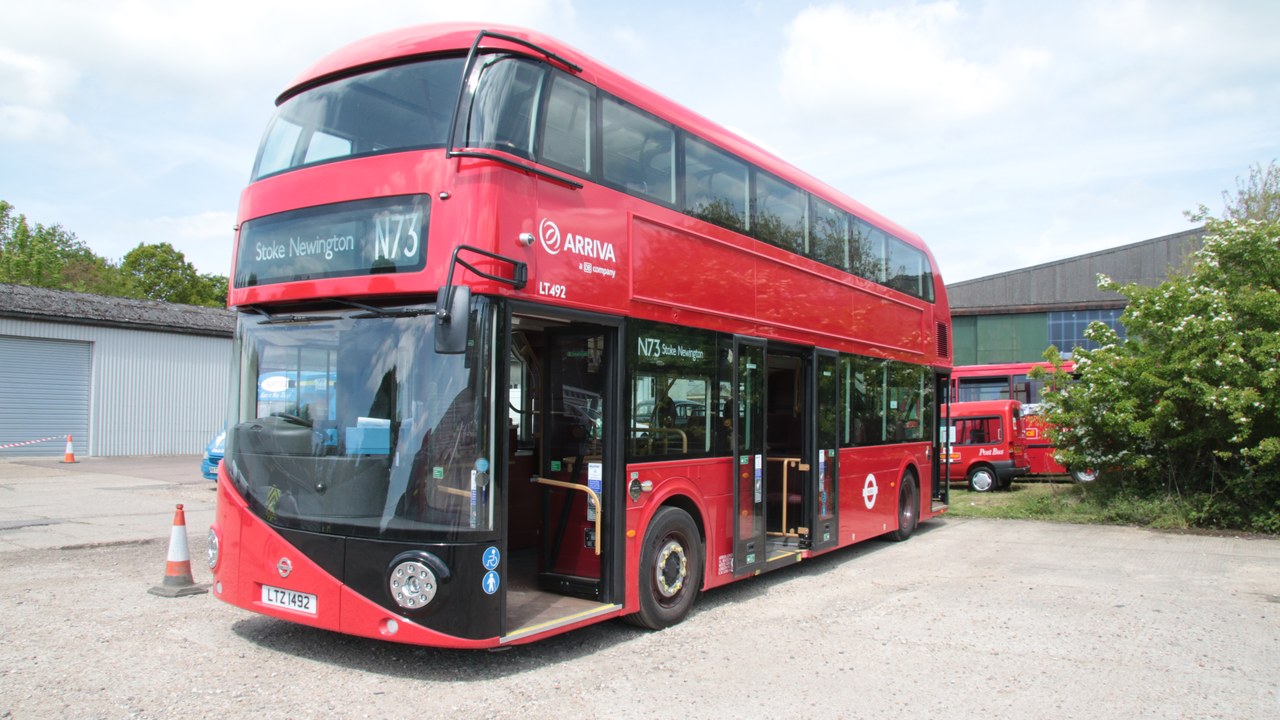
Heatherwick Studio drew up the New Routemaster, Wrightbus built it, and the hybrid diesel-electric successor entered passenger service with operator Arriva London on route 38 back in February 2012.
Naming it after the mid-century original was a deliberate nod, yet the mechanics underneath are entirely modern, pairing a battery-assisted drivetrain with a layout built to move heavy commuter loads through a dense city center. More than a decade later, examples of the design remain in daily fleet rotation across several London routes.
3. Alexander Dennis Enviro400: The Low-Floor Workhorse Of British Fleets
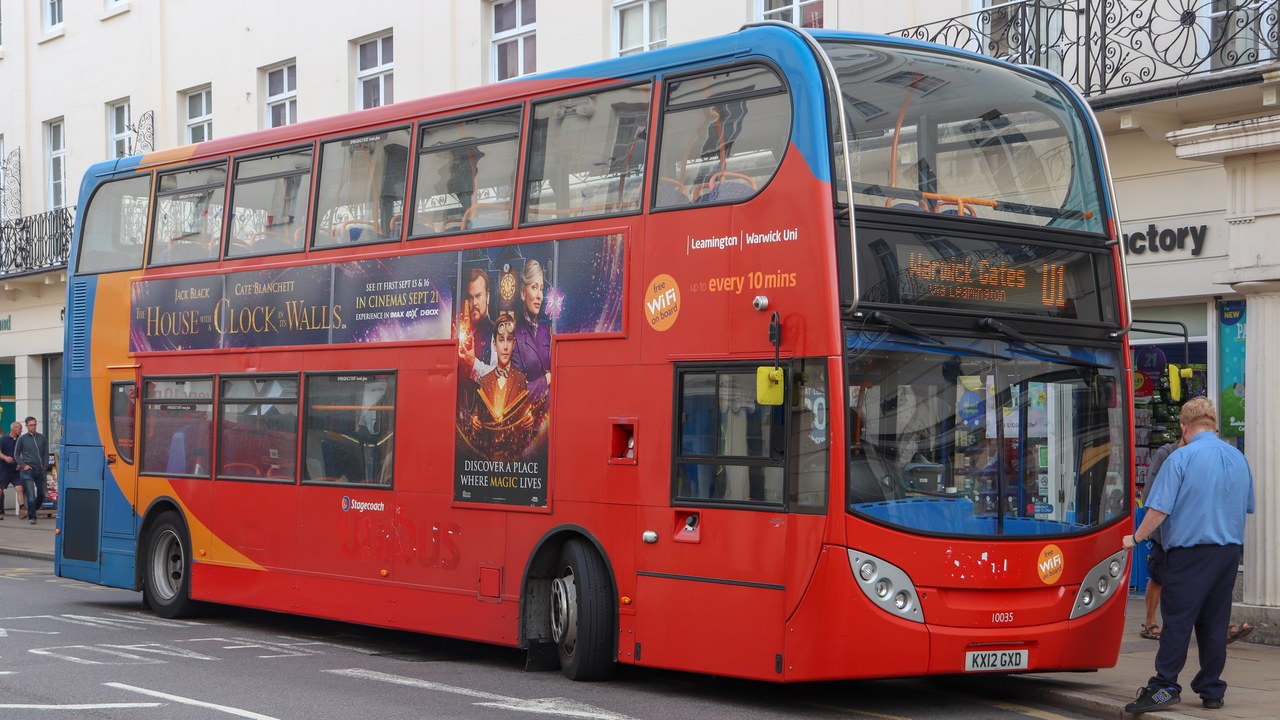
British manufacturer Alexander Dennis built the twin-axle, low-floor Enviro400 across a production window that ran from 2005 through 2018, supplying operators well beyond the capital.
A step-free lower deck made boarding faster at every stop along the way, which is part of why so many municipal and regional networks kept ordering the model for more than a decade straight. Fleets that bought early examples in the mid-2000s were still running them on scheduled routes when production finally ended. Later batches also picked up updated engine options as emissions standards tightened, keeping the same low-floor layout relevant well past its original launch window.
4. Wright StreetDeck: Built Whole, Not Bolted Together
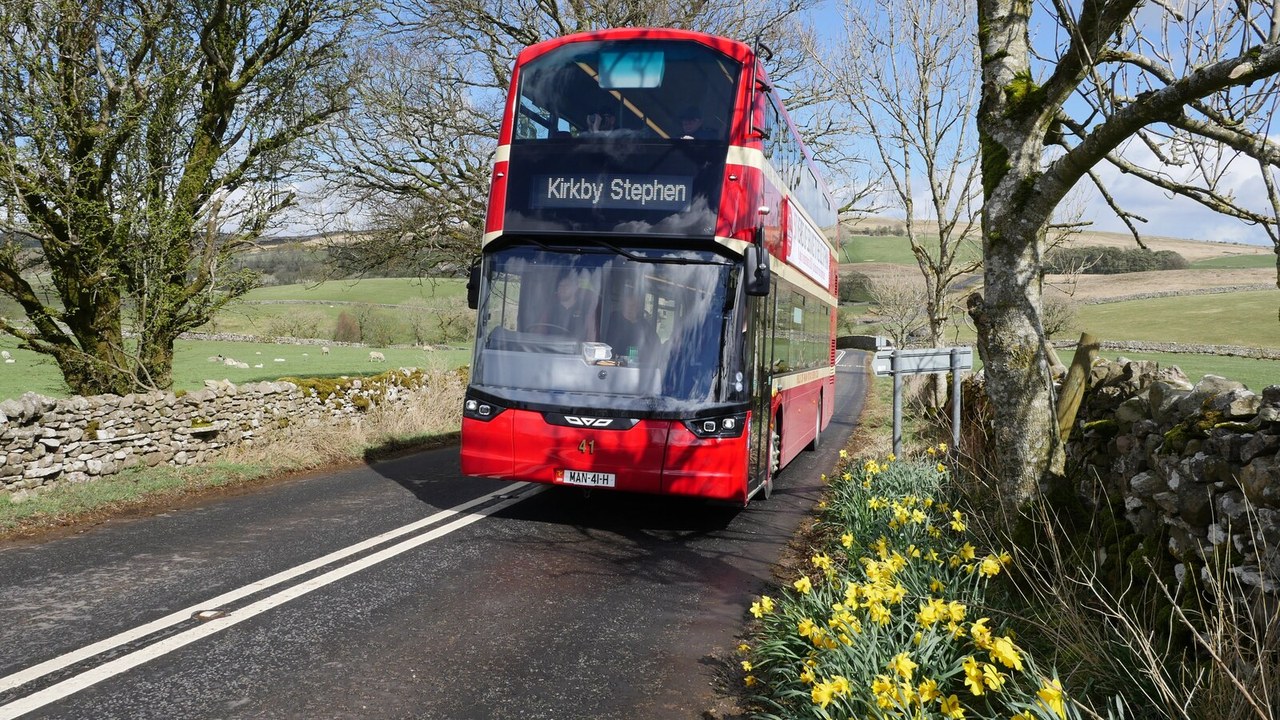
Wrightbus has manufactured the integral StreetDeck since 2014, and the double-decker originally left the factory fitted as standard with a Daimler OM934 diesel engine.
Building the chassis and body as one integral unit, rather than joining a separate body to a bought-in chassis, is the detail that sets this model apart from many of its double-decker rivals on the road today. Operators still take fresh deliveries of the design over a decade after it first launched. Newer variants have since added hybrid and hydrogen fuel-cell options on the same integral platform, extending the family beyond the original diesel specification.
5. Volvo B9TL: The Chassis That Replaced A Generation
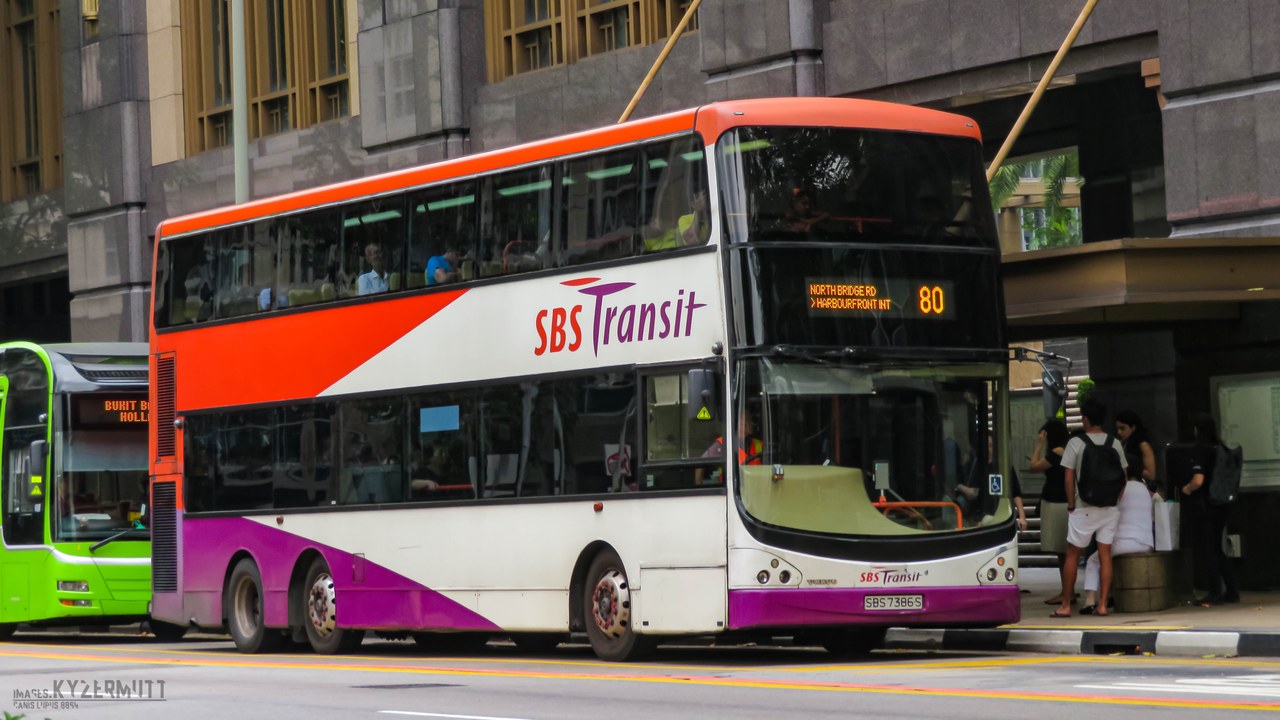
Volvo built the low-floor B9TL chassis from 2002 until 2018, positioning it as the direct successor to the earlier Volvo Super Olympian and Volvo B7TL double-deckers.
Operators bodied that chassis with several different coachbuilders’ shells over the years, so a B9TL underneath can look quite different from one city fleet to the next while sharing the identical running gear. Sixteen years of steady orders left a large number of the buses still working scheduled services today. Several major city operators standardized entire garages around the chassis, which made spare parts and driver training simpler across a large mixed fleet.
6. Neoplan Skyliner: Germany’s Answer Built For Long Hauls
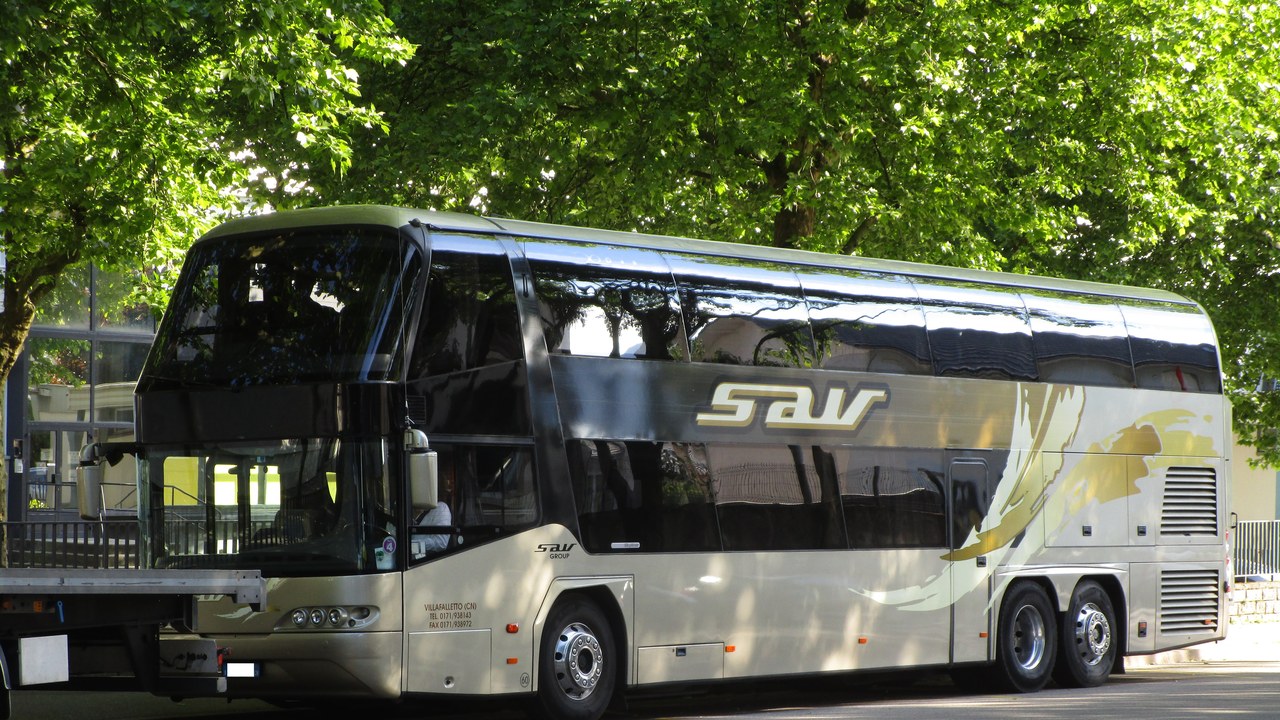
German manufacturer Neoplan introduced the multi-axle Skyliner in 1967 as a luxury touring coach rather than a city transit bus.
Designed from the outset for long-distance touring work instead of short urban hops, the double-deck coach still turns up on charter and holiday routes across Europe, carrying travelers well beyond any single metropolitan network. Nearly six decades after its debut, operators continue booking the model for multi-day group trips. Its raised upper deck and panoramic windows were built specifically to give paying passengers a better view on longer scenic journeys, a detail city transit buses rarely bother with.
7. East Lancs OmniDekka: A Body Built On Someone Else’s Chassis
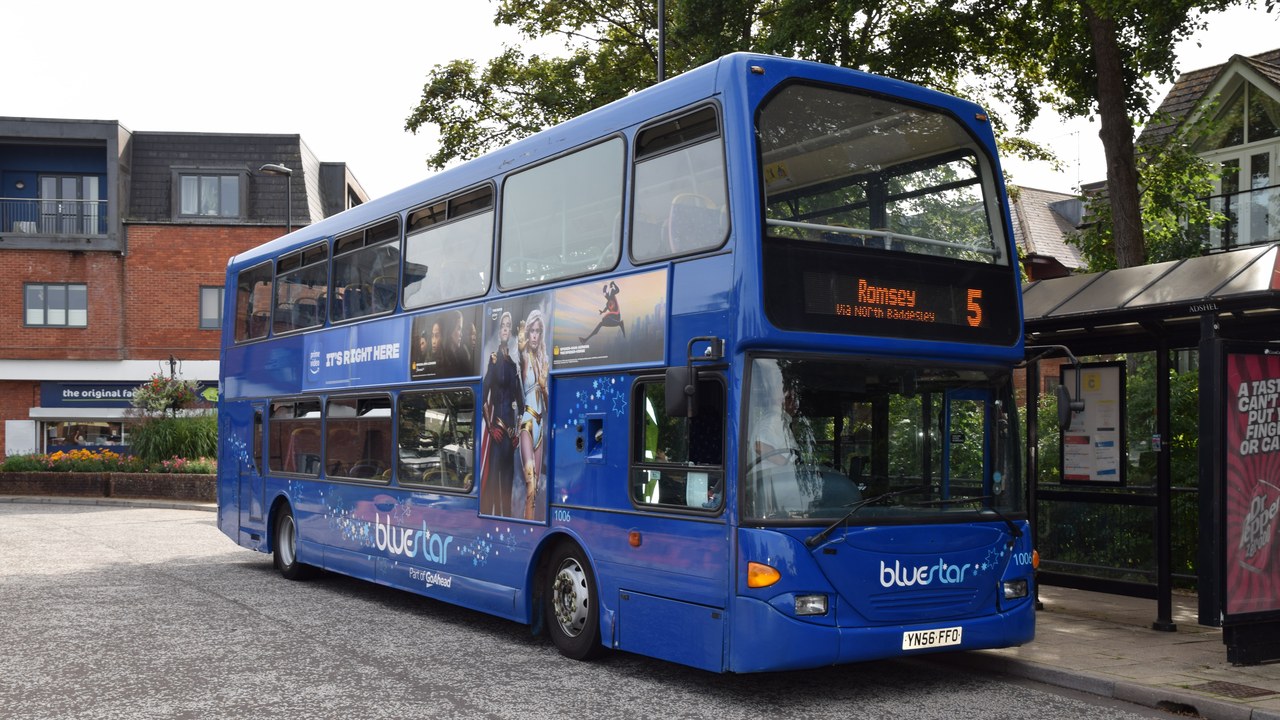
East Lancashire Coachbuilders built the OmniDekka body on Scania’s N94UD chassis between 2003 and 2011, pairing a Swedish drivetrain with an English coachbuilt shell.
Splitting the job that way, a specialist chassis maker paired with a separate body builder, was standard practice for double-deckers of that era and let smaller operators mix and match parts to fit their budgets. Buses built toward the end of that run are still well within a normal working lifespan for transit fleets. The OmniDekka name combined the coachbuilder’s own branding with a nod to the double-deck layout itself, a naming pattern common among British body builders of the period.
8. MAN Lion’s City: Three Decades Of One Platform’s Reach
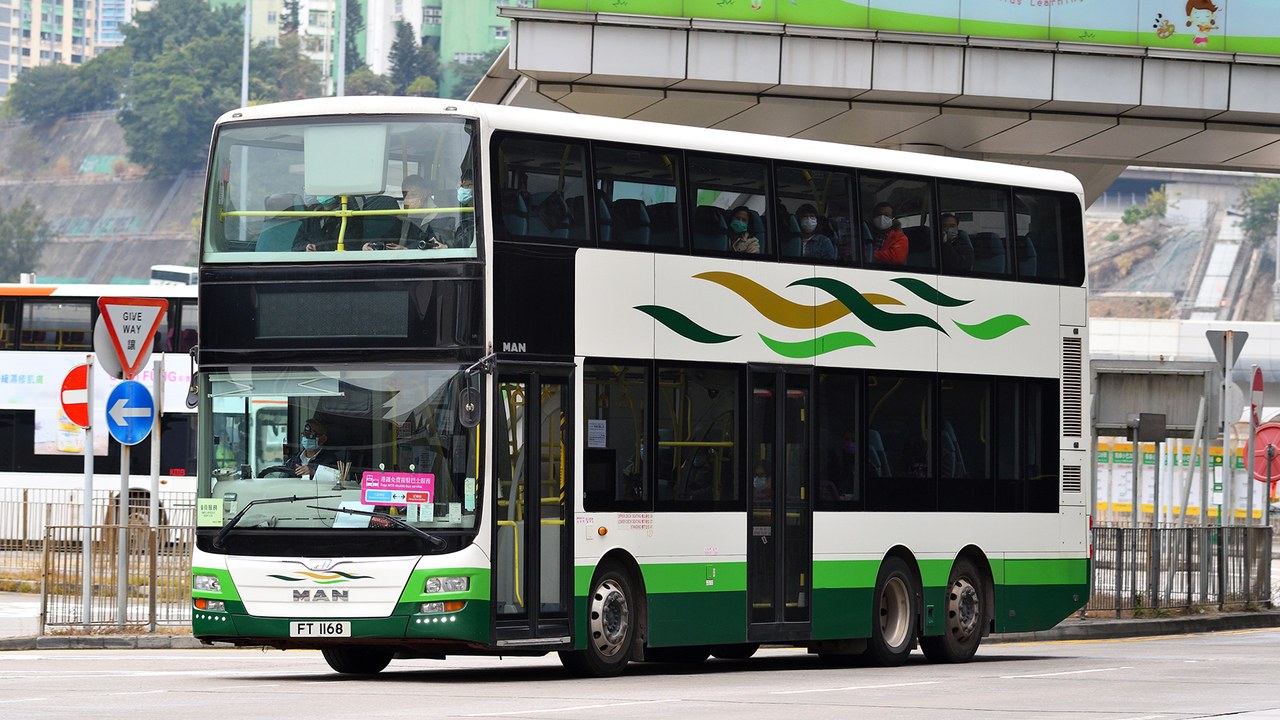
German maker MAN Truck & Bus has produced the Lion’s City range since 1996, a low-floor and low-entry public bus family that includes double-decker variants.
Staying in continuous production across three decades let the platform absorb newer engines and emissions rules along the way, and double-decker versions of it now run in transit fleets across multiple countries. New examples continue rolling off the line even as the earliest models from the family near retirement age. Double-decker versions of the range typically serve busy urban corridors where operators need to move large numbers of riders without adding extra vehicles to already congested streets.
9. Volvo Olympian: Four Hundred Seventy-One Superbuses Strong
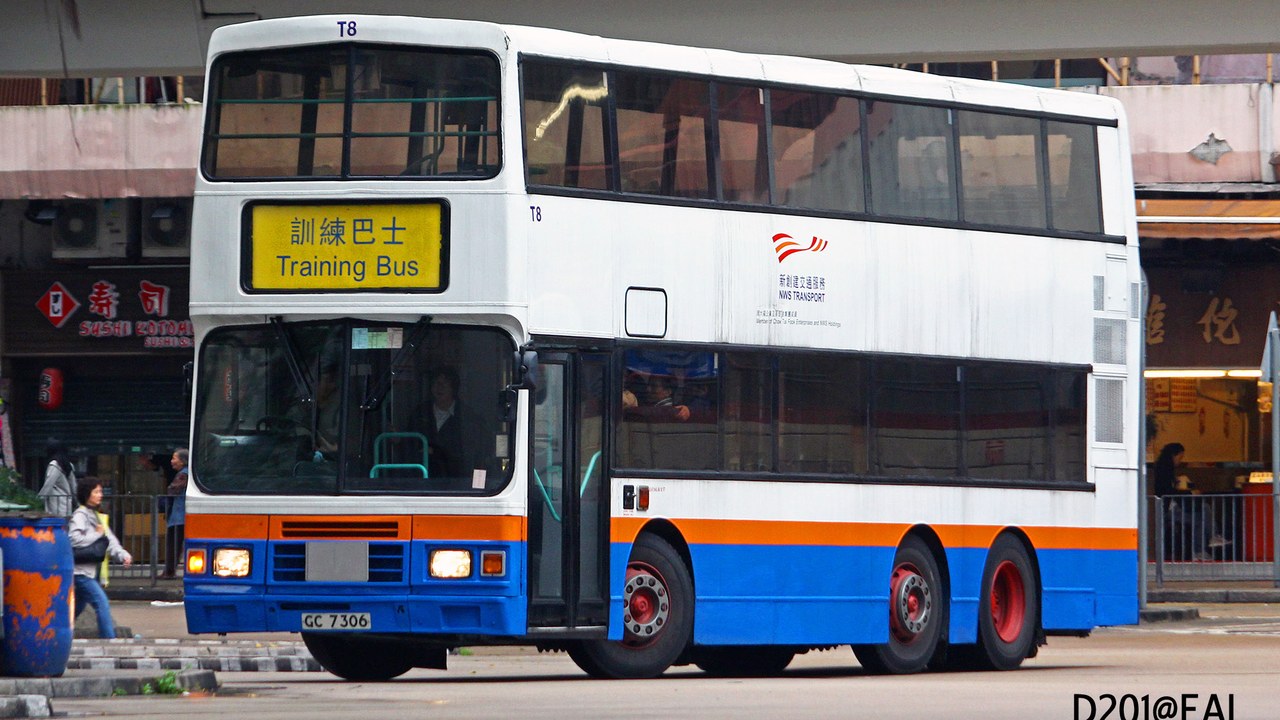
A fleet of 471 air-conditioned Volvo Olympian three-axle double-deckers was built as dedicated Superbus units, following an initial batch of 200 Leyland-built Olympians.
Ordering the buses in two distinct waves, first under the Leyland name and then rebadged as Volvo, meant the three-axle Olympian design stayed on the road for far longer than a single manufacturer’s ownership. Some of those Superbus units are still logging daily mileage on working routes decades after delivery. The Superbus designation reflected extra comfort features added specifically for that later order, setting the batch apart from the plainer specification of the earlier Leyland-built buses.
10. Leyland Olympian: The Last Bus Leyland Ever Built
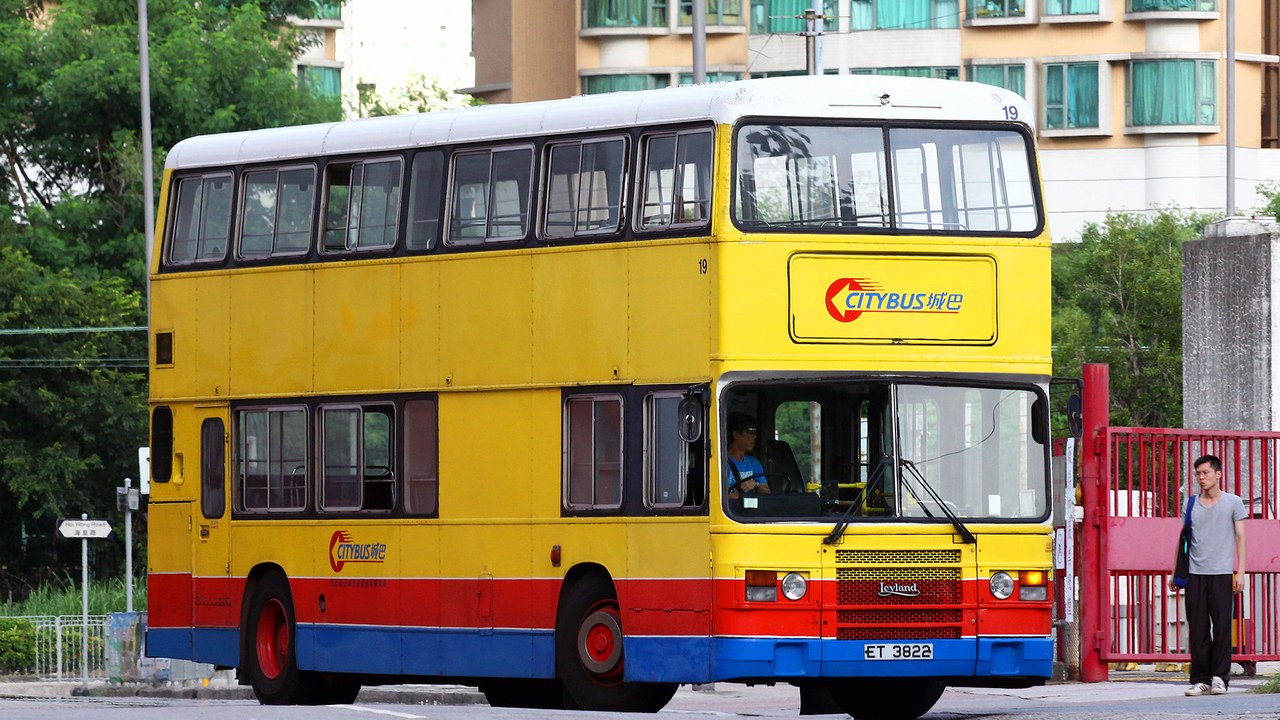
Leyland manufactured the two- and three-axle Olympian chassis from 1980 to 1993, the final bus model the company built before the Leyland marque ended production entirely.
Ending a badge that stretched back generations on this particular chassis gives the Olympian a bookend status among British buses, and surviving examples still carry passengers on preserved and working routes today. Thirteen years of orders spread the design across operators long after the Leyland name itself disappeared from new buses. Operators across Britain and several export markets bought the chassis in large numbers during its production run, which is part of why surviving examples remain relatively easy to find.
More from Morning Overview
- The NSA is again telling phone owners to switch off one location setting
- Four U.S. startups fired up their first small nuclear reactors, aiming to power AI data centers on-site
- 11 engines built to run well past 200,000 miles
- A handful of car transmissions are so tough that mechanics say they almost never die
