
People in many cultures raised stone monuments, towers and tombs that follow the Sun, Moon and stars through the year. Some catch the winter sunset, some cast an equinox shadow, and others mark sunrises along a ridge. Here are ten sites where ancient builders tracked the sun and sky.
Read next on Morning Overview: New York picked its finalists to build a big new nuclear plant upstate
1. Newgrange, Ireland: Oldest on the List
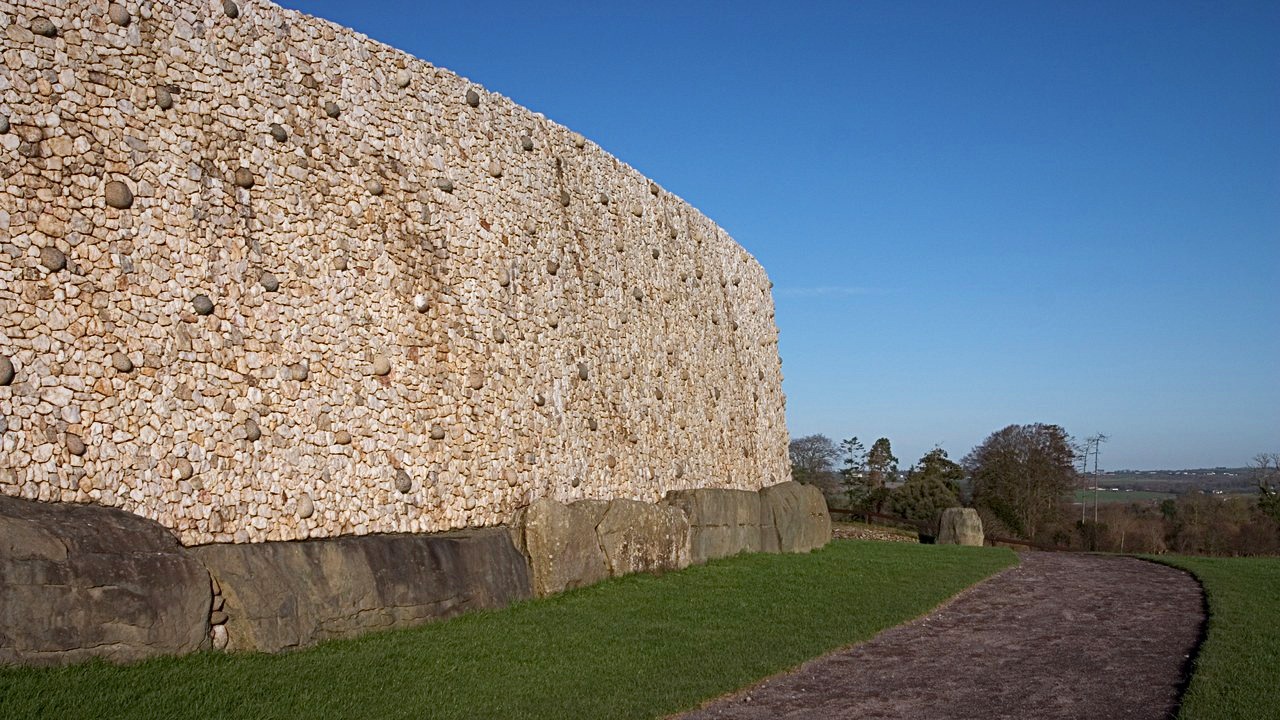
Stanford’s Solar Center describes Newgrange in Ireland as the “world’s oldest astronomically-oriented structure,” a superlative it states on its Ancient Observatories page. The page gives no further detail on the monument itself, so the claim stands as the institution’s own billing rather than a measured date.
The entry sits on a resource page that gathers sky-watching sites from several continents, among them Bighorn Medicine Wheel, Chaco Canyon, Machu Picchu and Stonehenge. Newgrange appears as one stop in a broad survey of how builders arranged earth and stone around the Sun, Moon and stars, and the page credits its Newgrange photograph to the knowth.com website.
2. Stonehenge, England: Standing Stones and Sky
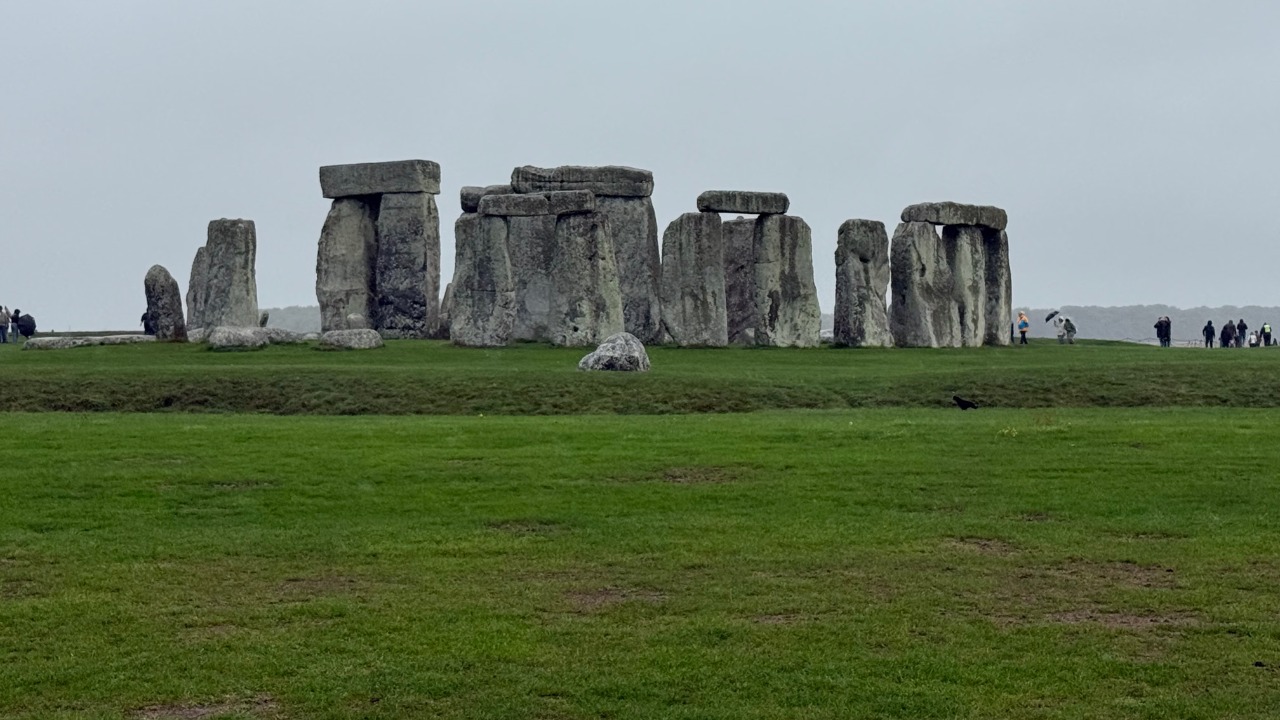
Stonehenge in England is listed on Stanford’s Ancient Observatories resource page as “ancient standing stones and astronomical site,” a short description that places the monument among the world’s sky-watching places. The page does not elaborate on which alignments are meant, so the entry works as a pointer rather than an explanation.
The listing sits directly beside Newgrange, which the same page bills as the world’s oldest astronomically-oriented structure, and above sections on astronomy in ancient India and ancient Egypt. Together they show how the page treats Stonehenge: as one famous member of a worldwide family of monuments built by people who watched the Sun, Moon and stars.
3. Sun Temple, Mesa Verde National Park: A Temple Named for the Sun
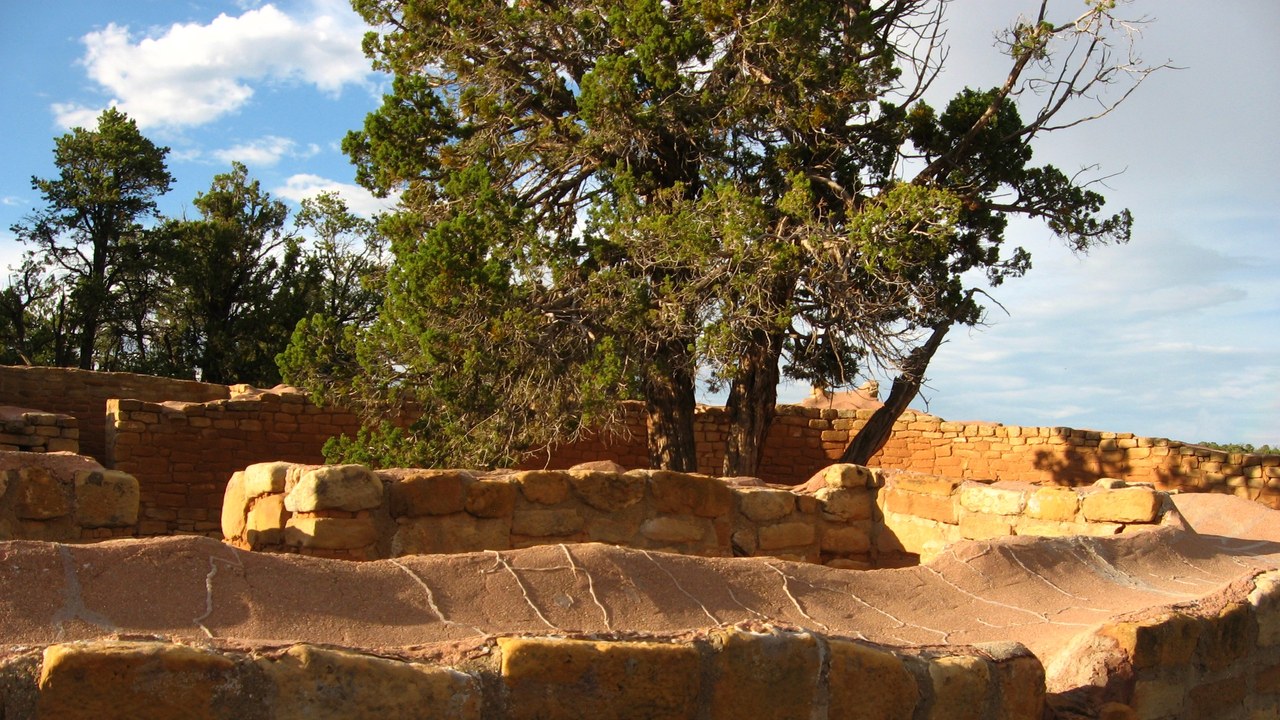
The Ancestral Pueblo people carved petroglyphs and painted pictographs to follow the cycle of the sun, moon and stars, and they also oriented settlements, buildings and architectural features to mark astronomical time. Sun Temple at Mesa Verde National Park is one of the examples the National Park Service gives in its archeoastronomy feature.
The Park Service lists it alongside the Aztec West great house and Great Kiva at Aztec Ruins National Monument and the complexes at Chaco Culture National Historical Park. Observing equinoxes and solstices helped people prepare for the coming seasons, and tracking those changes tied into important cultural events and ceremonies such as those surrounding planting.
4. Bighorn Medicine Wheel, Wyoming: Pointers to the Sun, Moon and Stars
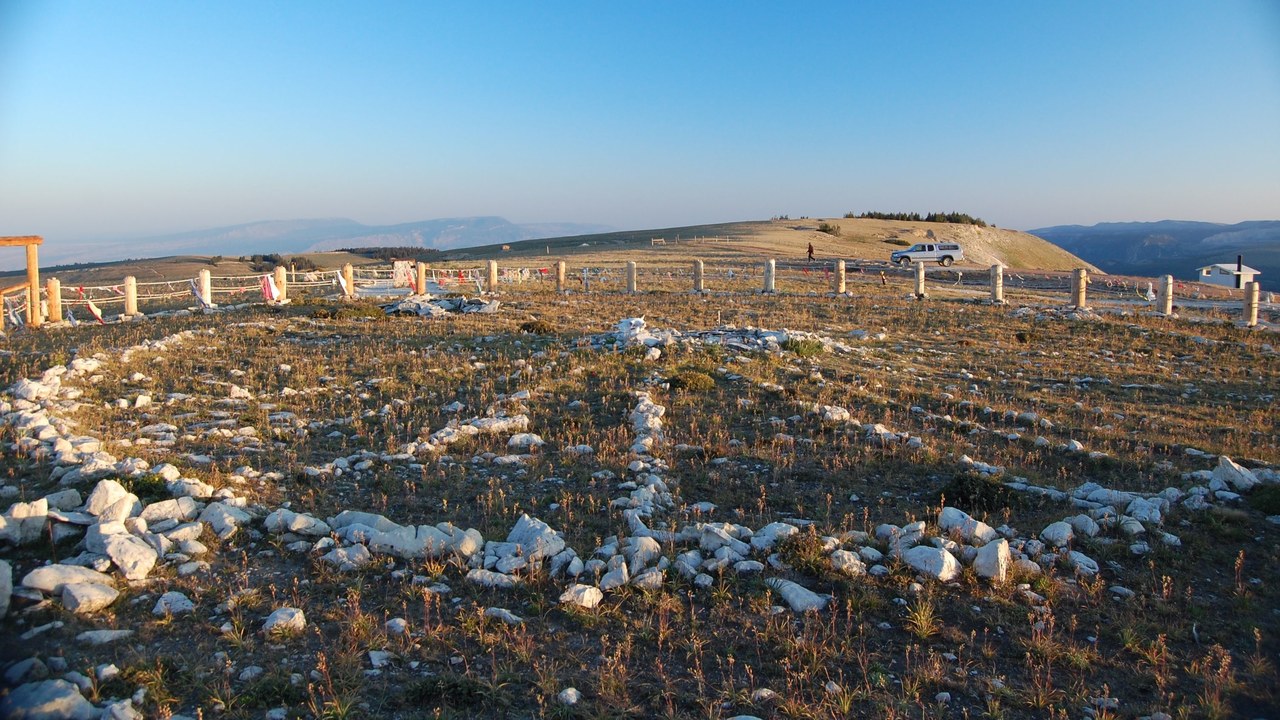
Bighorn Medicine Wheel in Wyoming is the featured site on Stanford’s Ancient Observatories page, which describes medicine wheels as “Native American pointers to the Sun, Moon, and stars.” The page offers activities for readers and links to sections on why medicine wheels were built and who built them, and when.
Related material on the same page covers how the Lakota Sioux tracked the Sun’s movement against the stars, in a section titled Sunpath in the Stars. The page credits its Bighorn photograph to the U.S. Forest Service’s Bighorn district office, probably taken in the late 1970s.
5. Sun Dagger, Fajada Butte, New Mexico: The Dagger of Light
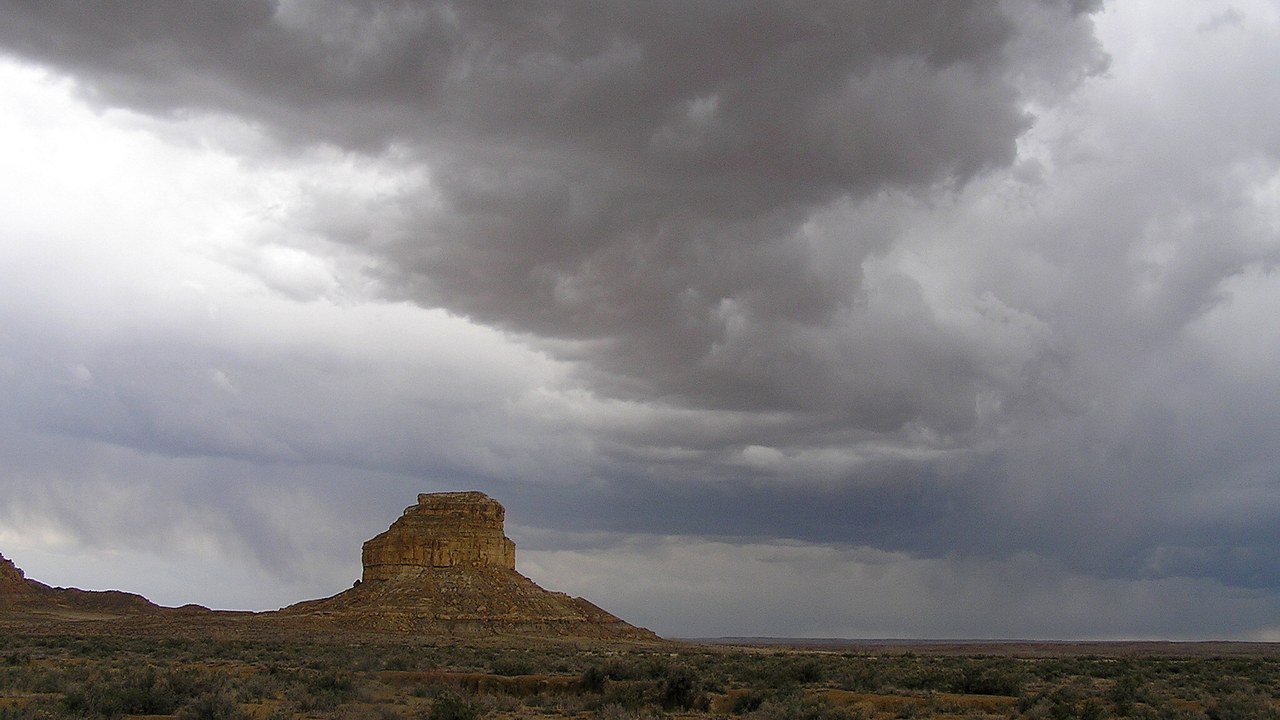
At Fajada Butte in Chaco Culture National Historical Park, a spot of sunlight began to fall on carved spirals and then lengthened into a “dagger” shape. The National Park Service says in its archeoastronomy feature that the Sun Dagger is believed to have marked the summer and winter solstices and the equinoxes.
The dagger extended across the spirals until it disappeared, but it no longer crosses the center of the spiral as it once did. Erosion caused by foot traffic shifted the stone slabs out of position, according to the Park Service, and the site is no longer open to the public.
6. El Caracol, Chichen Itza: The Observatory in the Jungle
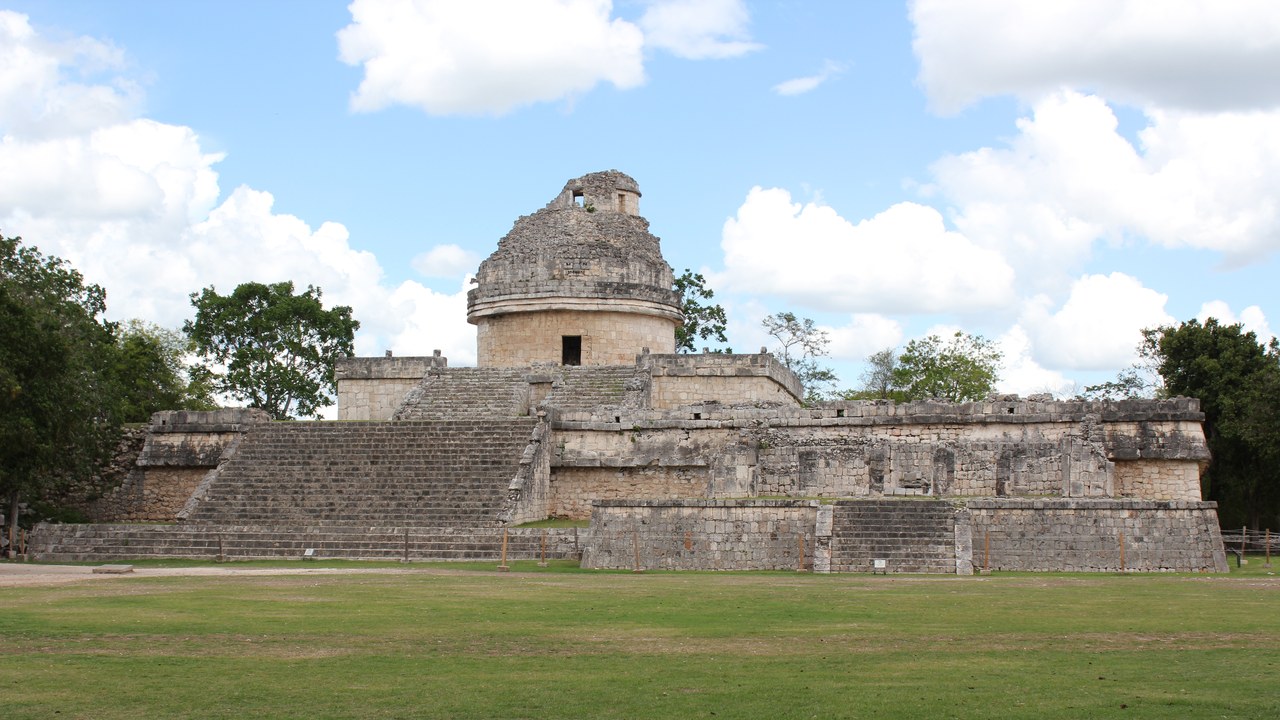
El Caracol is sometimes called “the observatory,” and its rounded dome, the decayed remains of a cylindrical structure, looks as if it could house a telescope. The Exploratorium’s Ancient Observatories page says it did not, but that plenty of evidence suggests it served as a lookout on the heavens.
In the flat, scrub-covered Yucatan, sky-watching needs some way to rise above the canopy, and the tower atop El Caracol offers unobstructed views. Its grand staircase faces 27.5 degrees north of west, an almost perfect match for the northern extreme of Venus, which the Maya regarded as the Sun’s twin and a war god used to time raids and battles.
7. El Castillo, Chichen Itza: The Shadow Snake
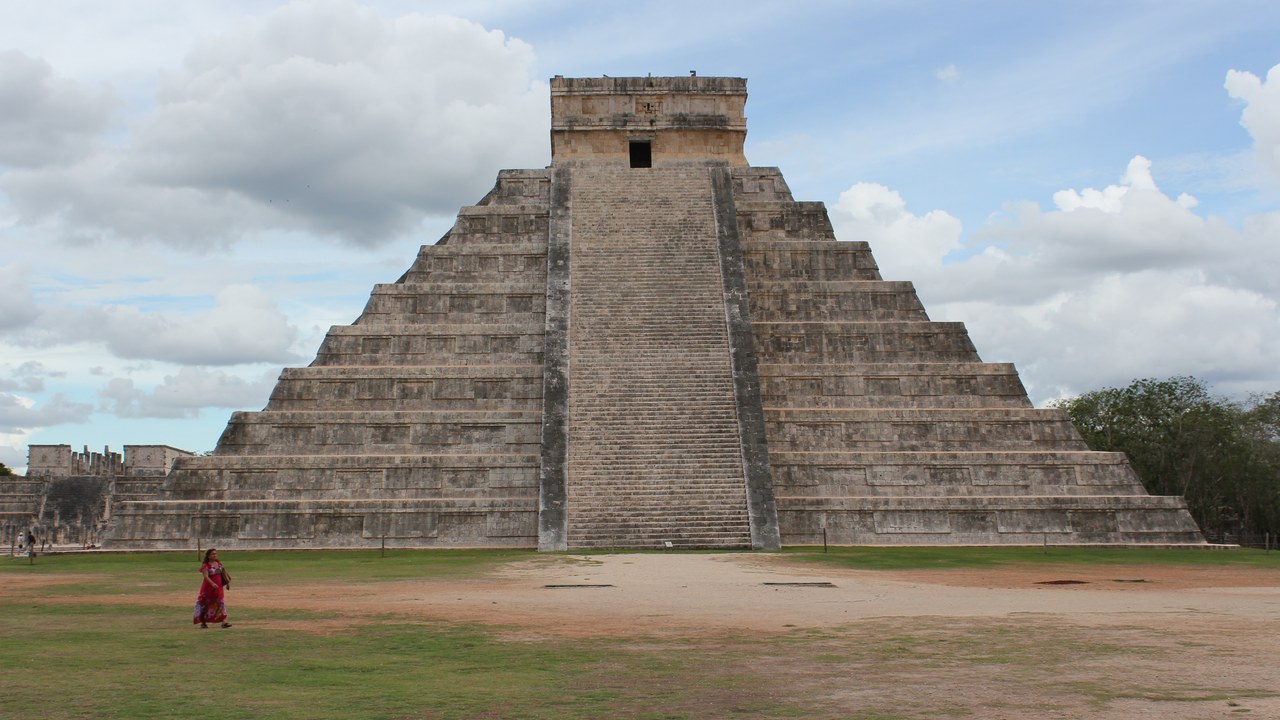
Every spring and fall, an apparition made of shadows descends the stairs of El Castillo at Chichen Itza during the solar equinoxes. The Exploratorium’s guide to Maya alignments says tens of thousands of visitors flock to the site every year to see “the snake.”
The Maya were expert sky-watchers, the same page explains, and their fascination with astronomy is carved in stone at Chichen Itza, Uxmal, Uaxactun, Edzna and dozens of other sites. Many buildings were aligned to cyclical events such as solstices, equinoxes, the shifting moon or the rise of planets, and El Castillo and El Caracol are the two structures that bear witness at Chichen Itza.
8. Maeshowe, Orkney: Midwinter Light Down the Passage
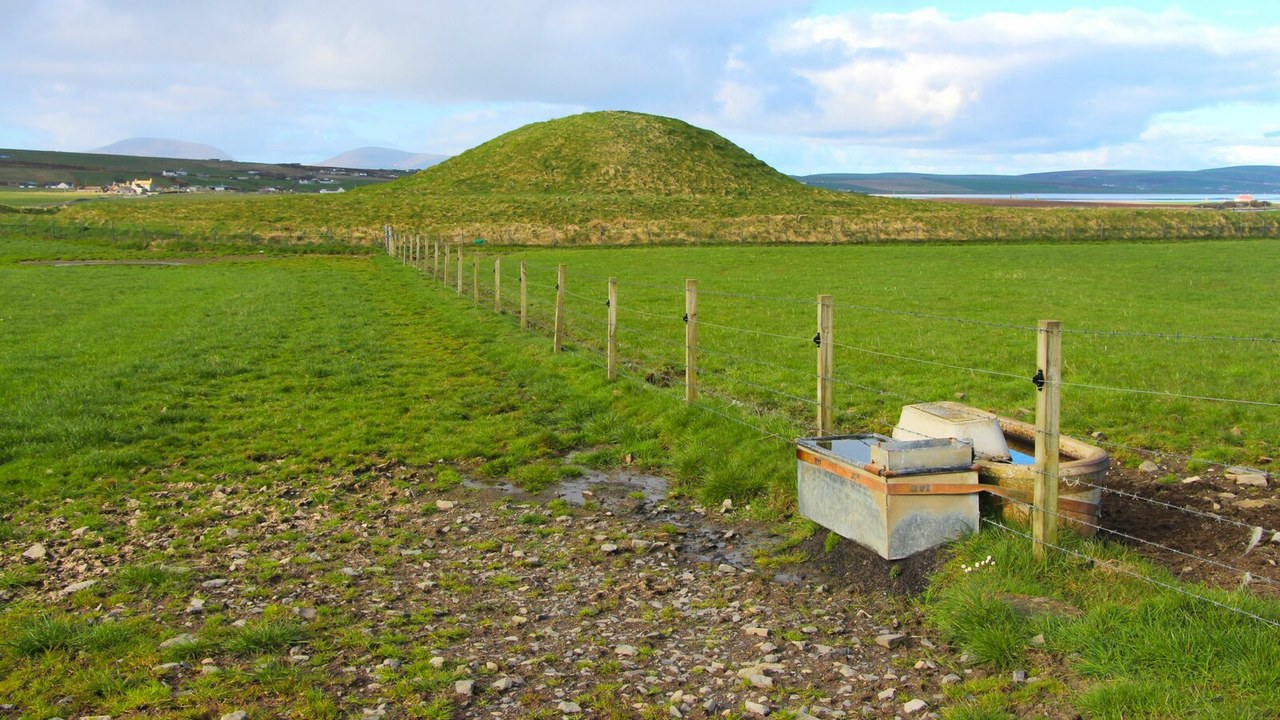
Maeshowe on Orkney is a monumental chambered tomb built around 5,000 years ago, which Historic Environment Scotland calls the finest Neolithic building to survive in north-west Europe. Its gently sloping passage was positioned with care, and for the three weeks before and after the winter solstice, the setting sun shines straight down it.
The light illuminates the back of the central chamber, and the Sun’s rays align with the Barnhouse Stone, a standing stone to the south-west of the mound. The agency notes that visitors can still see this solstice sunset on a midwinter visit today, along a passage whose walls are mostly single sandstone slabs.
9. Chankillo, Peru: Thirteen Towers on a Ridge
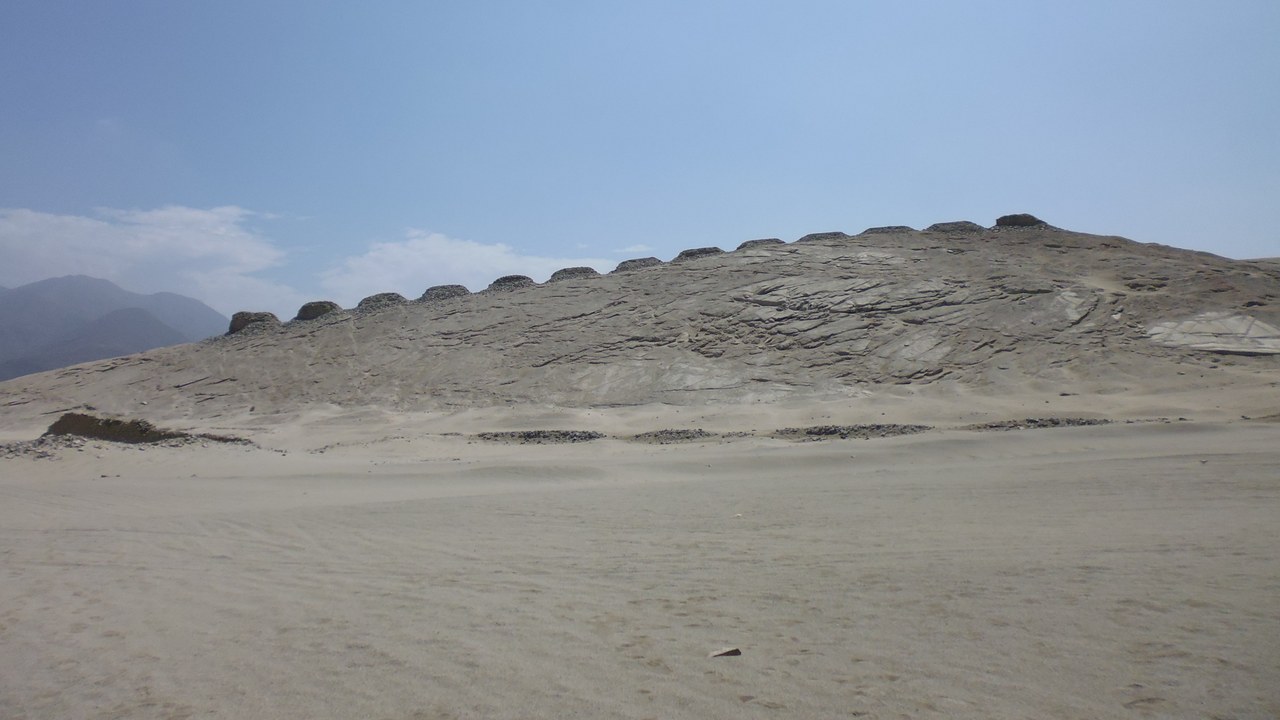
Chankillo, a 2,300-year-old site in the Peruvian coastal desert, has a 300-meter-long array of 13 towers along a ridge. Researchers identified them as the oldest known solar observatory in the Americas, according to a 2007 Science News report on a study by Ivan Ghezzi and Clive Ruggles.
Viewed from observing sites to the east and west, the towers mark sunrises and sunsets from solstice to solstice, and Ghezzi suggests they served as a calendar accurate to within two to three days per year. The Incas used solar calendars in another part of Peru in the 16th century, but the Chankillo towers were built 1,800 years before them, the authors say.
10. Jantar Mantar, Jaipur: The World’s Largest Sundial
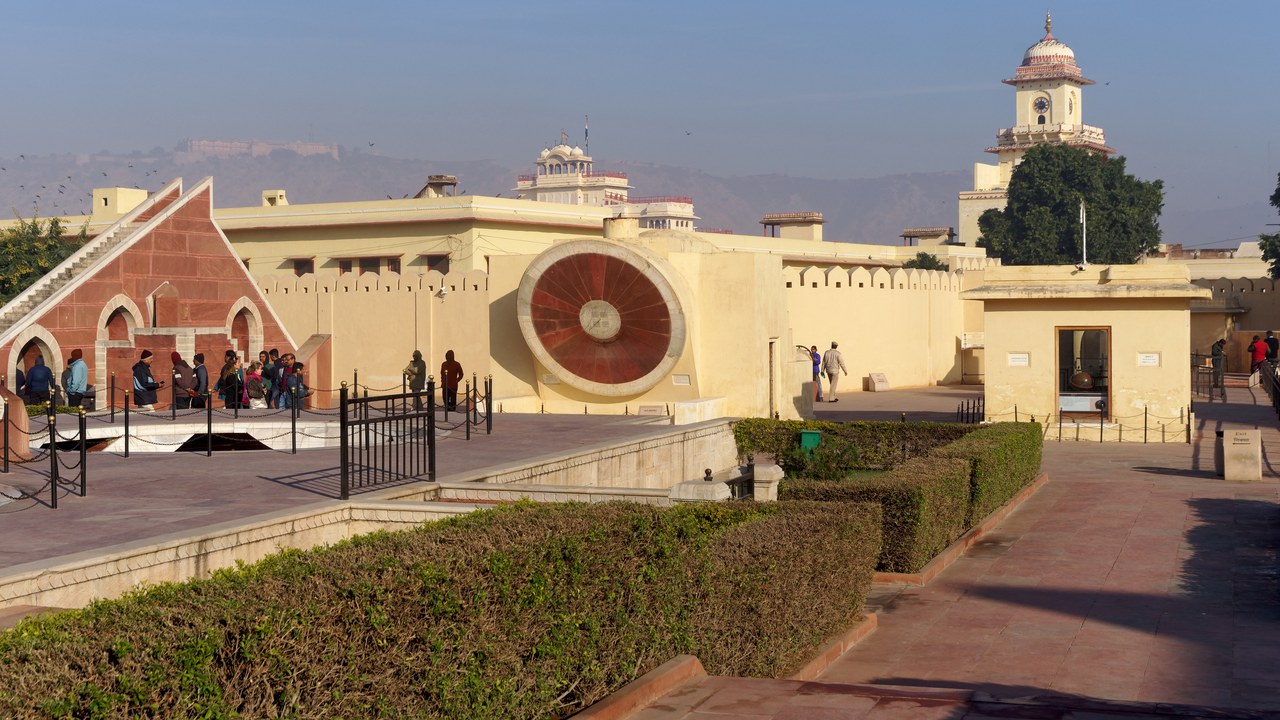
Jantar Mantar in Jaipur is not ancient in the strictest sense: Maharaja Jai Singh II built it in the 18th century, and WorldAtlas says it was probably completed around 1738. It describes the site as one of the most sophisticated observatories, hosting the largest sundial in the world.
Twenty instruments of stone and marble spread over about 18,700 square meters, and the most famous, the 27.4-meter Samrat Yantra, can predict local time to within two seconds. The observatory was in use until 1800, and UNESCO declared it a World Heritage Site in 2010.
More from Morning Overview
- Lockheed says its Valkyrie laser shot down a cruise missile stand-in with no tracking aids
- A hunting-trip Piper spiraled down from the sky before a deadly crash in Iowa
- Jeep’s new Recon sold just 19 units in 45 days, the fewest of any model on CarEdge’s worst-sellers list
- Washington is forcing coal plants from Colorado to Washington state to keep running
