
Superbike manufacturers keep chasing the same number, an electronically capped top speed that separates a fast motorcycle from a genuinely frightening one. A handful of machines have pushed past that limit on closed courses, tracks, and record runs, while others simply arrive at the cap and stop there. Here are ten production motorcycles built for speeds most drivers will never approach.
1. Kawasaki Ninja H2R: Fastest Production Bike Ever
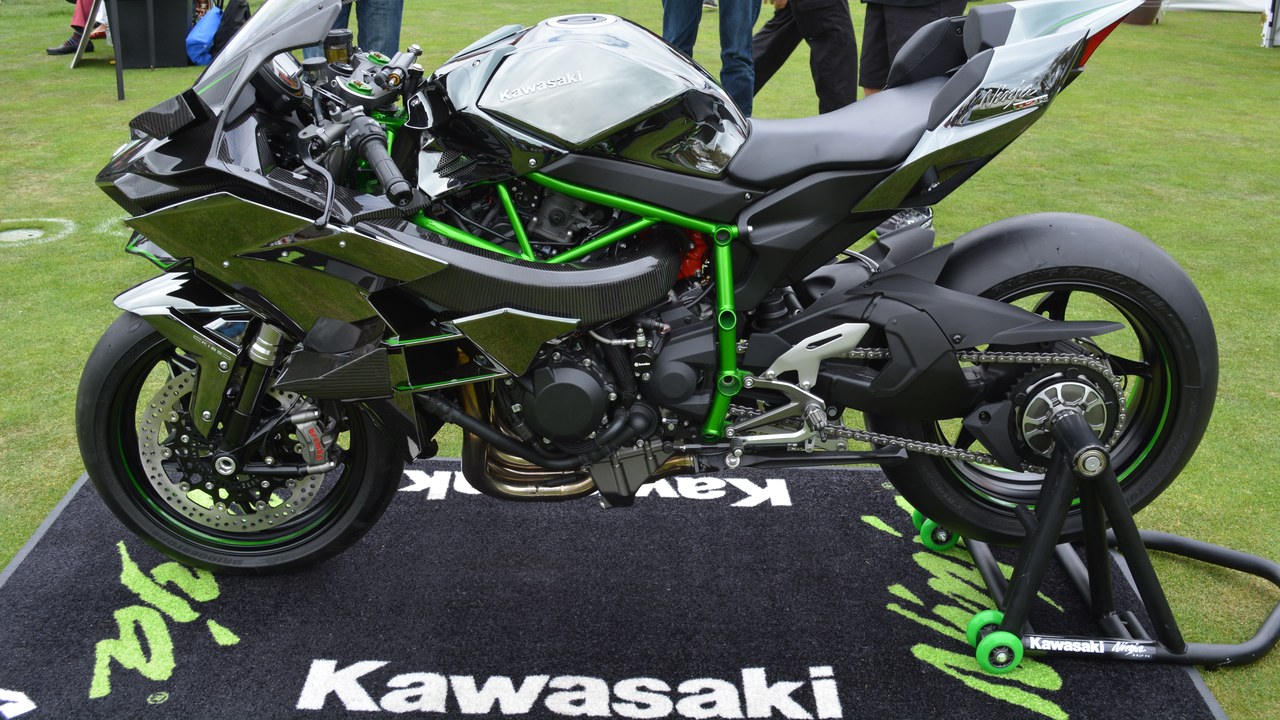
Kawasaki built the supercharged, track-only Ninja H2R without a speed limiter, and racer Kenan Sofuoglu rode one to 400 km/h, about 249 mph, on the Osman Gazi Bridge in Turkey in 2016.
That run stands as the fastest recorded speed for a production-based motorcycle, and the bike’s closed-course-only status is precisely what let Kawasaki skip the electronic limiters fitted to every street-legal machine further down this list, since a bike never plated for the road answers to no speed-limiting agreement at all.
2. Lightning LS-218: Fastest Electric Superbike
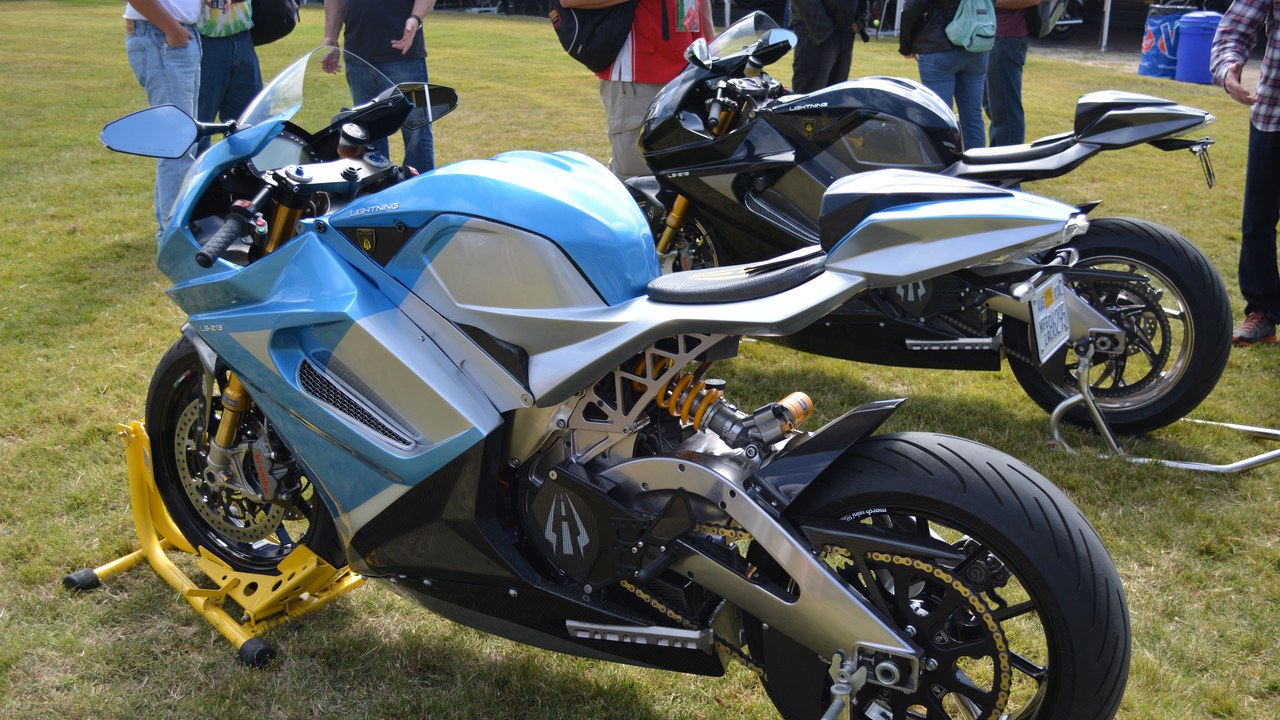
The Lightning LS-218 pairs a battery pack with a 180-kilowatt electric motor, and the California builder rates the superbike at 351 km/h, or 218 mph, a figure that gives the bike its name.
Unlike the gasoline machines surrounding it on this list, the LS-218 delivers that top speed with instant torque and no gearshifts, trading a combustion engine’s noise and vibration for silent, immediate acceleration straight from a standstill, a trait that has drawn racing series looking for emission-free competition on closed circuits.
3. Ducati Panigale V4: Italian V4 Track Weapon
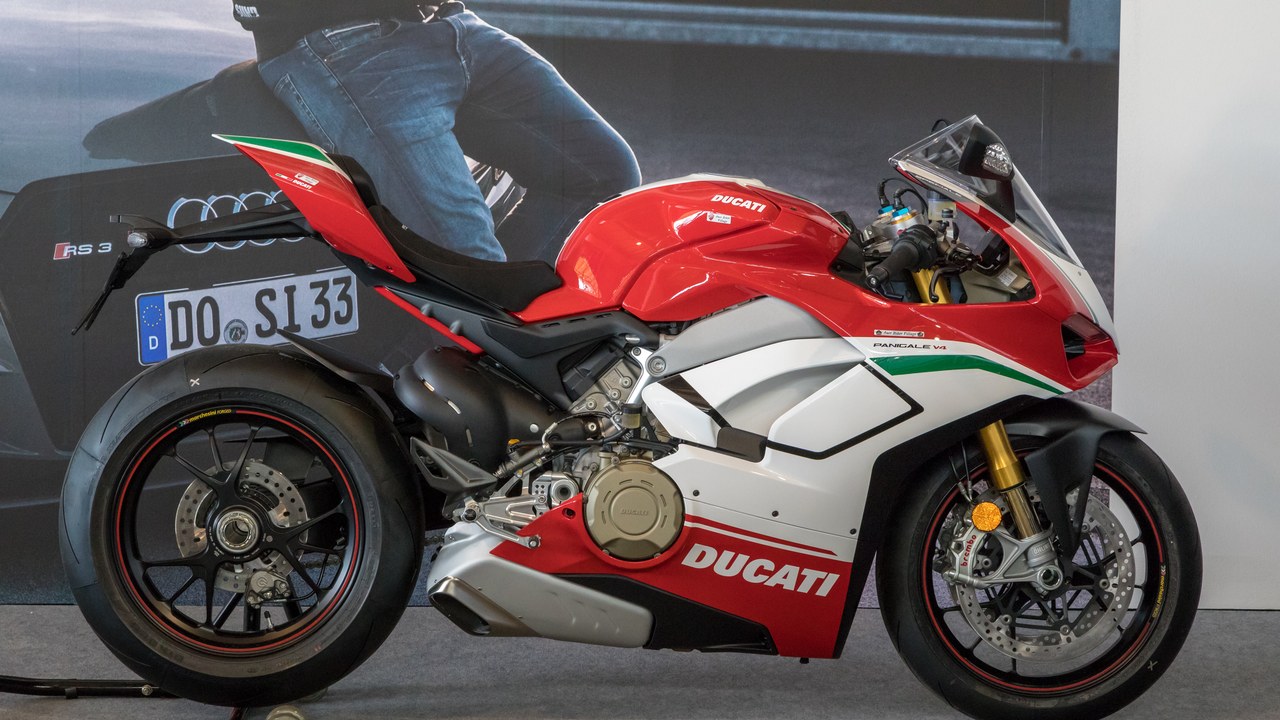
Ducati’s Panigale V4 draws on MotoGP-derived engineering, packing a 1,103cc V4 that makes 219 PS and pushes the superbike to 315 km/h on a closed track.
A desmodromic valve train and aerodynamic winglets borrowed from Ducati’s racing program help the Panigale hold that speed through corners as well as down a straight, a balance the brand markets as the model’s defining trait after years of dominating World Superbike competition on machinery derived from the same production platform sold in dealerships worldwide.
4. Kawasaki Ninja H2: Street-Legal Supercharged Speed
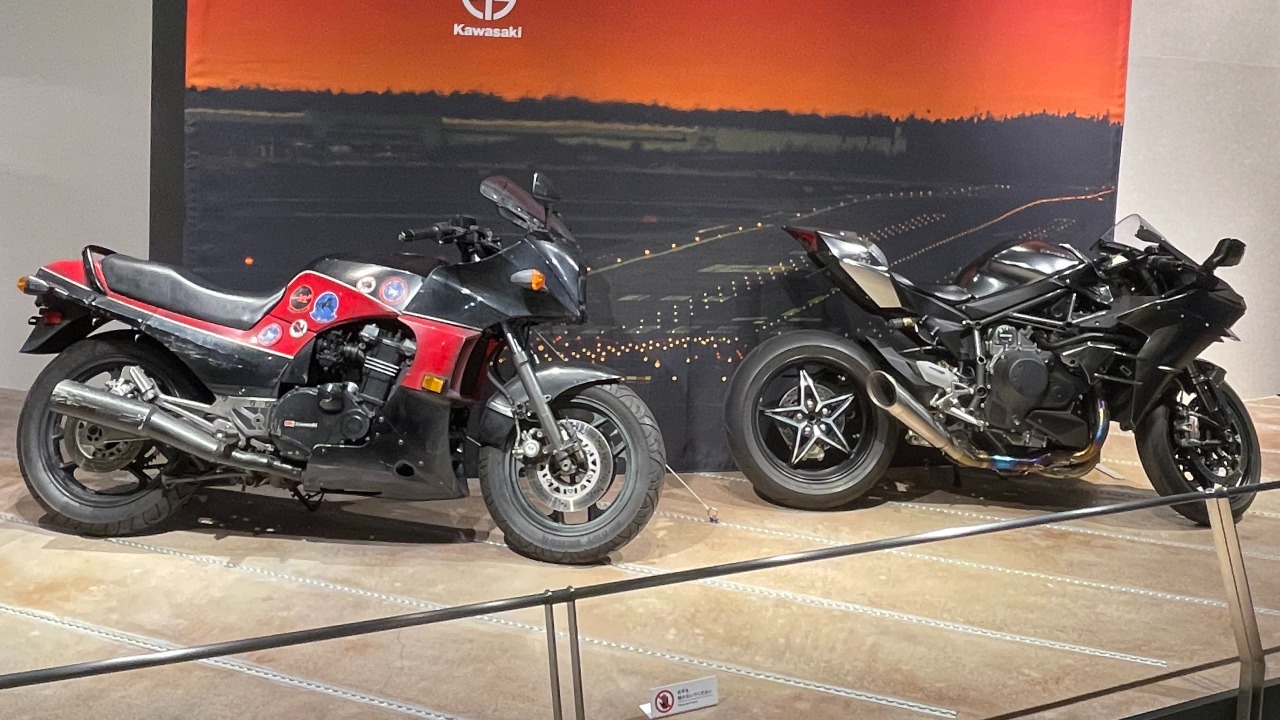
The street-legal sibling of the H2R, Kawasaki’s supercharged Ninja H2 carries license plates and mirrors while still running roughly 209 to 215 mph once its electronic limiter is removed.
That supercharger, mounted directly to the crankshaft rather than driven by a belt or chain, is the same forced-induction approach Kawasaki used on the track-only H2R, simply detuned and wrapped in road-going bodywork, lights, and mirrors so it can legally carry a license plate, mirrors, and turn signals on public roads.
5. BMW M 1000 RR: BMW’s Track-Homologated Flagship
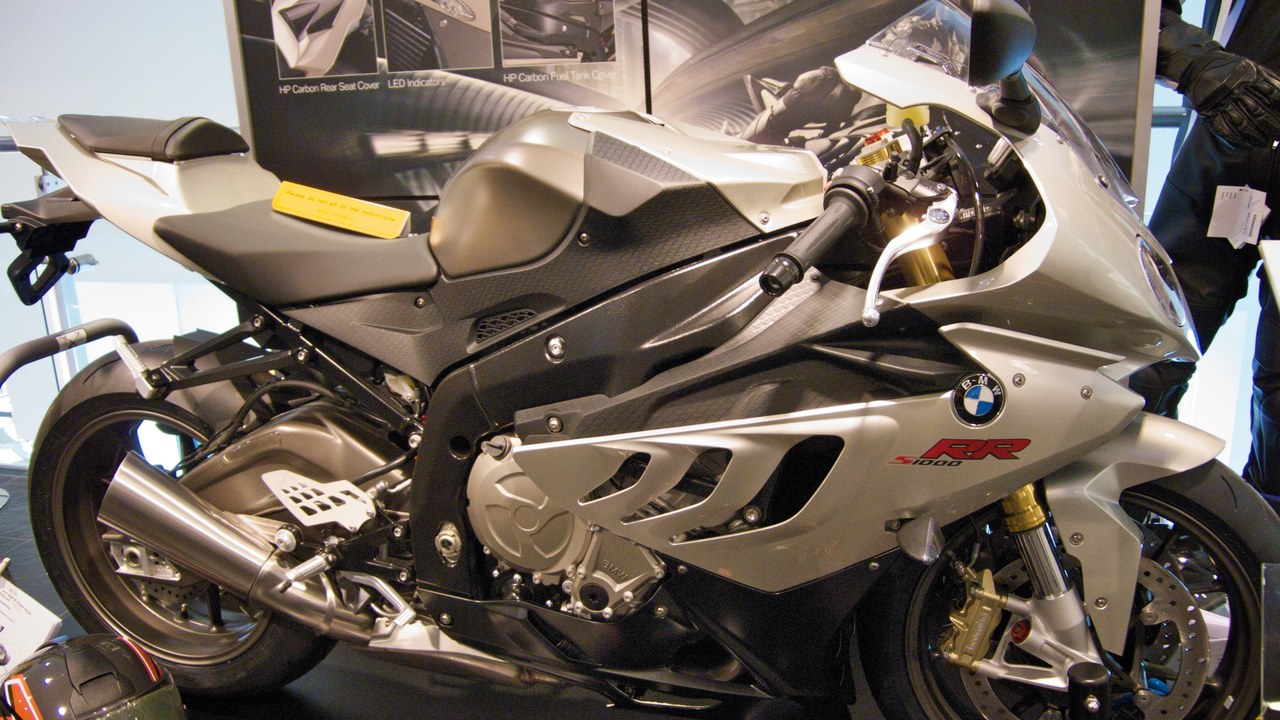
BMW built the M 1000 RR as a homologation special for World Superbike racing, and the German brand quotes 188-plus mph from its 205-horsepower inline-four engine.
Carbon-fiber wheels, aerodynamic winglets, and a lighter frame than the standard S 1000 RR are aimed squarely at racetrack lap times, with the top-speed figure arriving as a byproduct of a bike built mainly to homologate race parts for BMW’s World Superbike effort rather than to chase a headline number, even as that number lands near the top of any showroom lineup.
6. Aprilia RSV4: Italian V4 Racing Pedigree
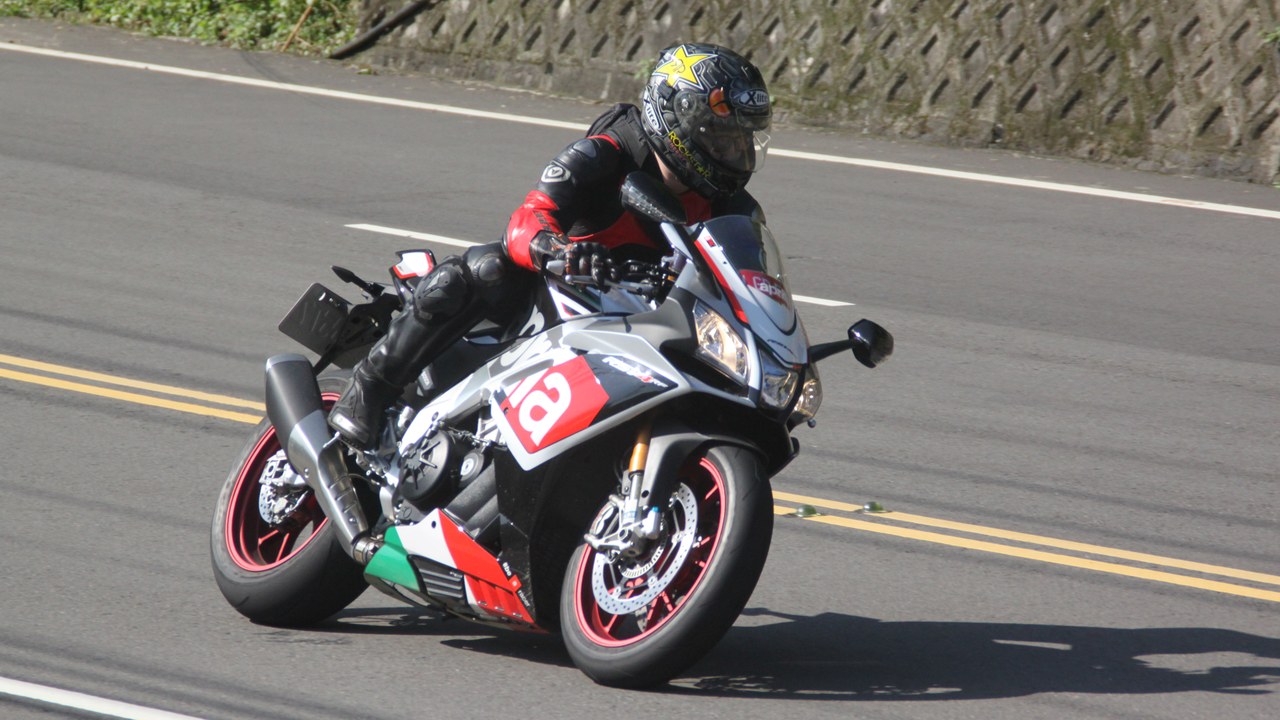
Aprilia’s RSV4 uses a compact 1,099cc V4 that makes 220 PS, enough to carry the Noale-built superbike to 300 km/h on a track.
The narrow V4 layout keeps the engine compact enough to centralize mass low in the chassis, a packaging trick Aprilia has leaned on through years of World Superbike competition, using race-bred lessons from that series to back up the raw top-speed figure on showroom machines sold to everyday riders rather than factory racers alone at the dealership.
7. MV Agusta Brutale 1000 RR: Naked Bike, Supersport Speed
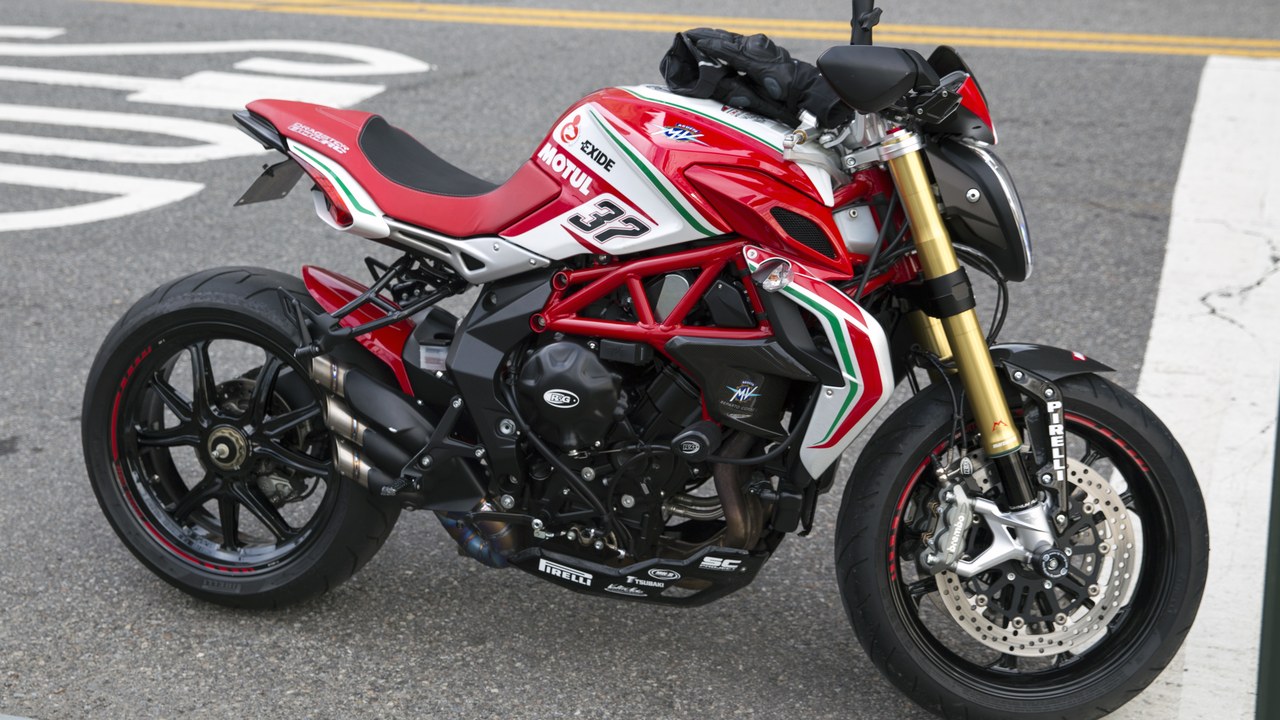
Most naked bikes sacrifice top speed for an upright, faired-less stance, but MV Agusta claims its Brutale 1000 RR still tops 300 km/h, or 186 mph, while sprinting from 0 to 200 km/h in 8.3 seconds.
That combination of a bare-chassis silhouette and supersport-grade acceleration makes the Brutale unusual on this list, showing a stripped-down streetfighter with upright bars and no wind-cheating fairing can still chase the same speeds as its fully faired, race-replica rivals from the same showroom era.
8. Honda CBR1000RR-R Fireblade: Speedometer Pinned, Still Climbing
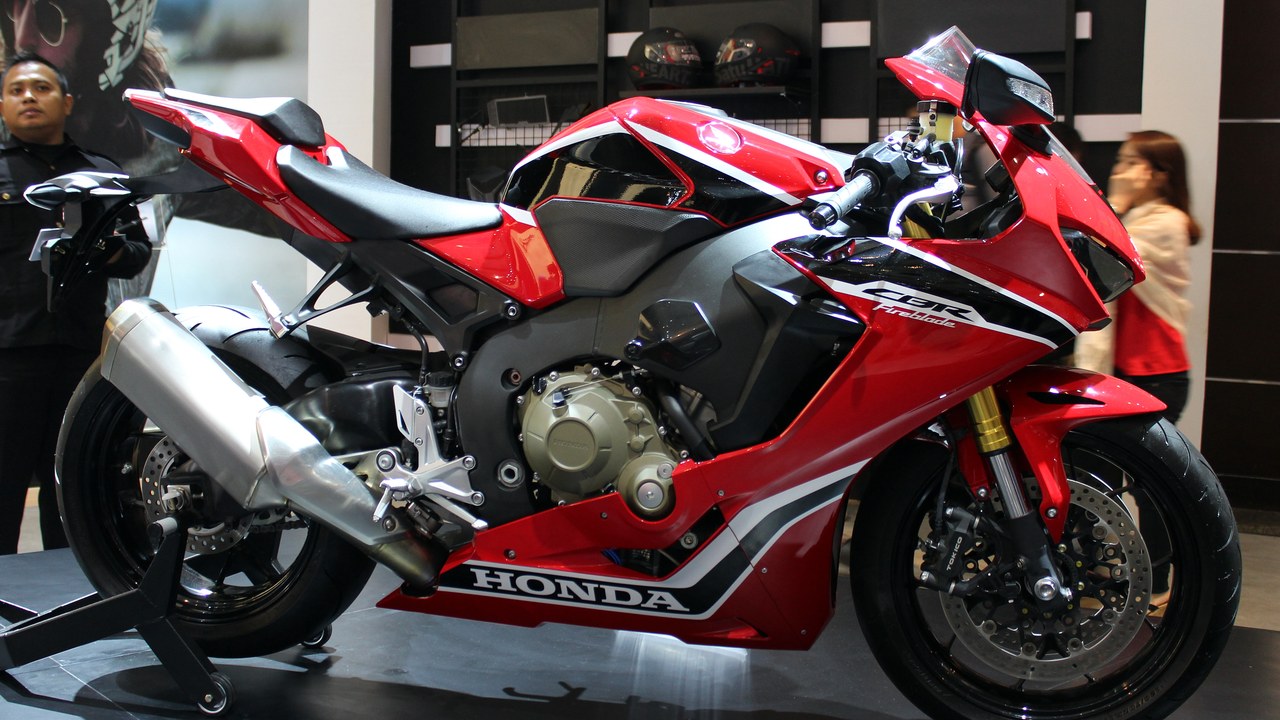
A filmed run of Honda’s CBR1000RR-R Fireblade showed the speedometer pin at 299 km/h, or 186 mph, with the superbike still gaining speed past that reading.
Honda built the Fireblade around a MotoGP-inspired aerodynamics package and a high-revving inline-four, continuing a racetrack-focused nameplate with a pedigree stretching back decades of Honda superbike development, and the fact that the bike kept accelerating once its gauge maxed out suggests its true top speed runs meaningfully higher than the officially rated figure once a rider clears that reading.
9. Suzuki Hayabusa: The Bike That Set The Cap
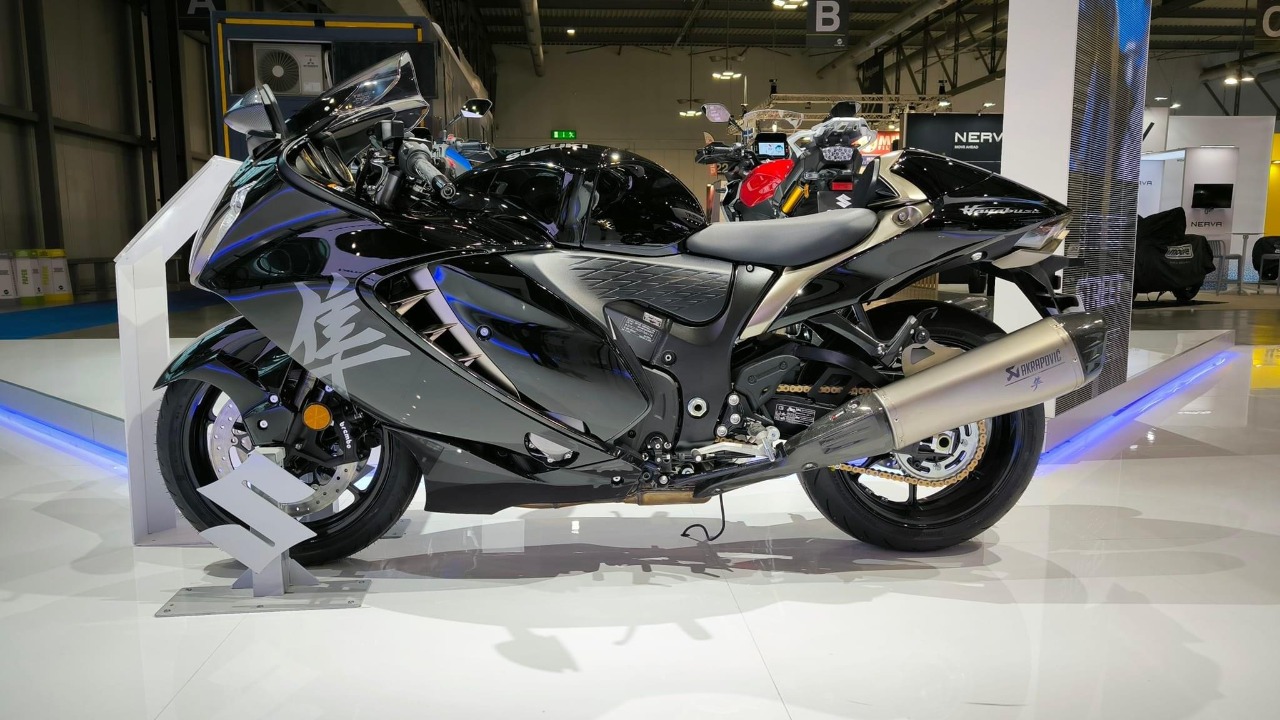
When Suzuki launched the original Hayabusa in 1999, testers clocked it at just over 190 mph, a speed that alarmed European regulators and rival manufacturers alike.
That run helped push Japanese and European manufacturers into a voluntary agreement electronically capping production motorcycles at around 186 mph, a limit still stamped into the electronics of most of the bikes appearing earlier on this list, one Suzuki itself invited by naming the Hayabusa after a falcon known for preying on blackbirds in the wild, a pointed nod toward a rival Honda model it was built to outrun.
10. Kawasaki Ninja ZX-14R: Capped At The Industry Limit
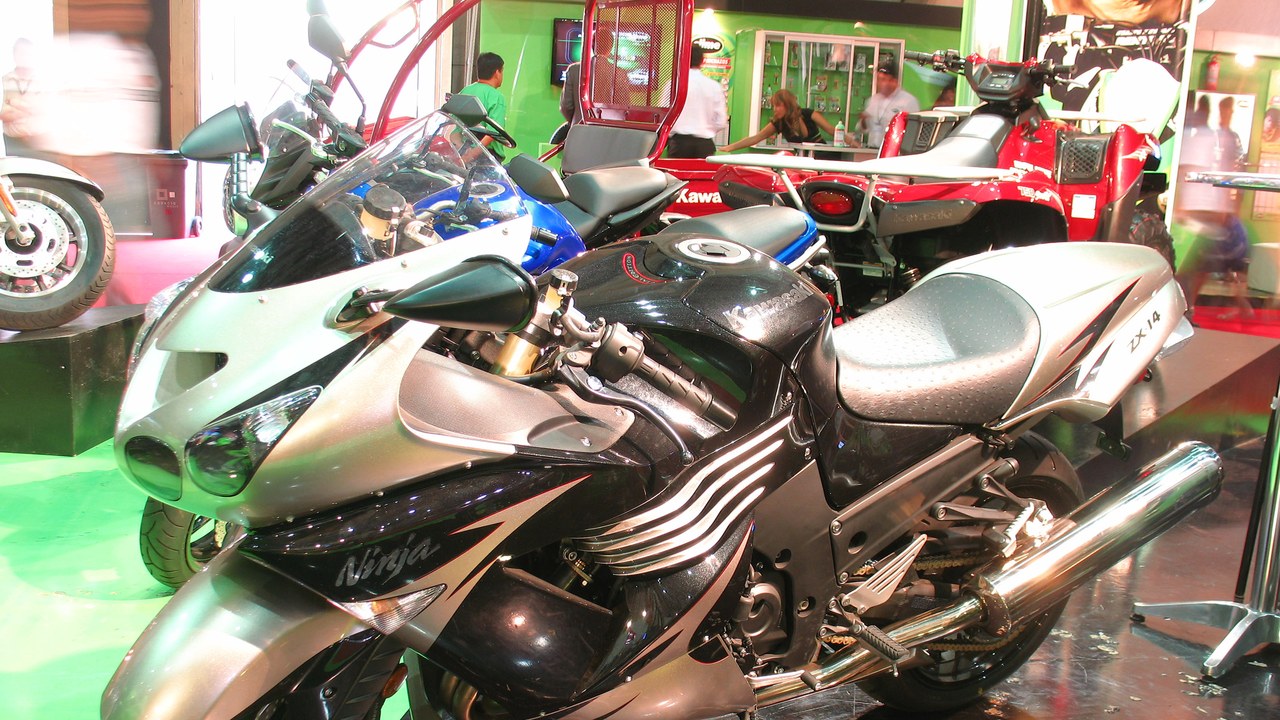
Kawasaki’s Ninja ZX-14R ships with the industry-standard electronic limiter holding it to 186 mph, though riders who remove the restrictor have reported speeds near 196 mph.
Built around a 1,441cc inline-four rather than the supercharged or V4 engines topping this list, the ZX-14R leans on sheer displacement and a long wheelbase for stability, an older-school route to hypersport speed that also gives the big Kawasaki enough comfort and wind protection for long highway stretches between the runs that test its limiter.
More from Morning Overview
- A geomagnetic storm is forecast to hit Earth today, pushing the northern lights unusually far south
- A recalled pill hid a stimulant dose linked to heart attacks and death
- Four U.S. startups fired up their first small nuclear reactors, aiming to power AI data centers on-site
- Card skimmers hidden on gas pumps and ATMs are draining accounts, and here’s the tell
