
The federal government treats a handful of cars like historic buildings, archiving them through the National Historic Vehicle Register. Each one earned its place with a specific, documented claim to fame, from a record-setting race car to a Hollywood stunt double that hid in a family garage for decades. Here are nine cars the Interior Department has archived alongside the nation’s landmark buildings.
1. 1964 Shelby Cobra Daytona Coupe CSX2287: Register Number One
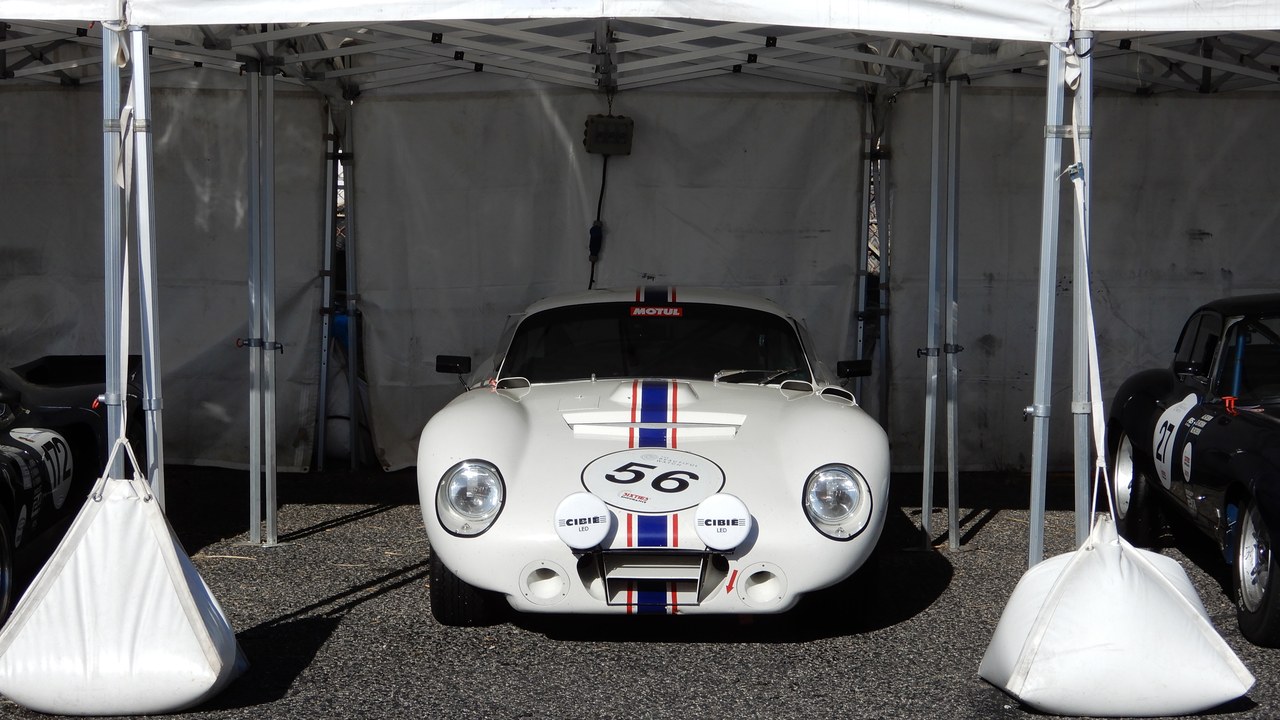
CSX2287 holds the No. 1 slot on the National Historic Vehicle Register, the coupe Carroll Shelby’s team built to chase class wins against Europe’s factory teams. It went on to set 23 land speed records at Bonneville in 1965 and now lives at the Simeone Foundation museum in Philadelphia.
Being the register’s first entry gives it an outsized place in the collection, and the Library of Congress now holds detailed engineering documentation of the car, filed alongside records for the country’s protected landmarks and historic engineering sites.
2. 1951 Mercury ‘Hirohata Merc’: The Most Famous Custom
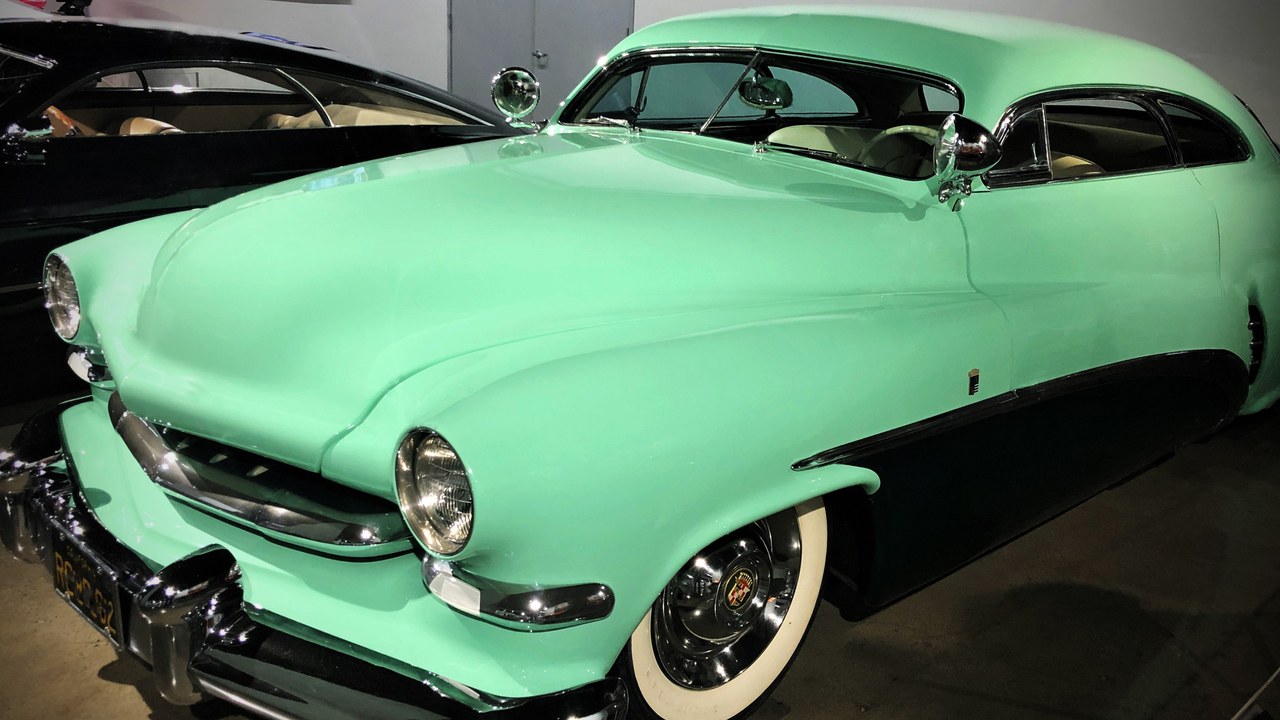
Customized by the Barris brothers and finished in Ice Green with a chopped roofline and shaved door handles, the Hirohata Merc is widely regarded as the most famous custom car ever built, a benchmark for the entire kustom-car movement that followed it. It’s now on display at the Petersen Automotive Museum in Los Angeles.
Its lowered stance and shaved trim became a template that later custom builders copied for decades, turning a single one-off Mercury into a reference point the kustom-car hobby still measures new builds against today.
3. 1964 Meyers Manx ‘Old Red’: The First Dune Buggy
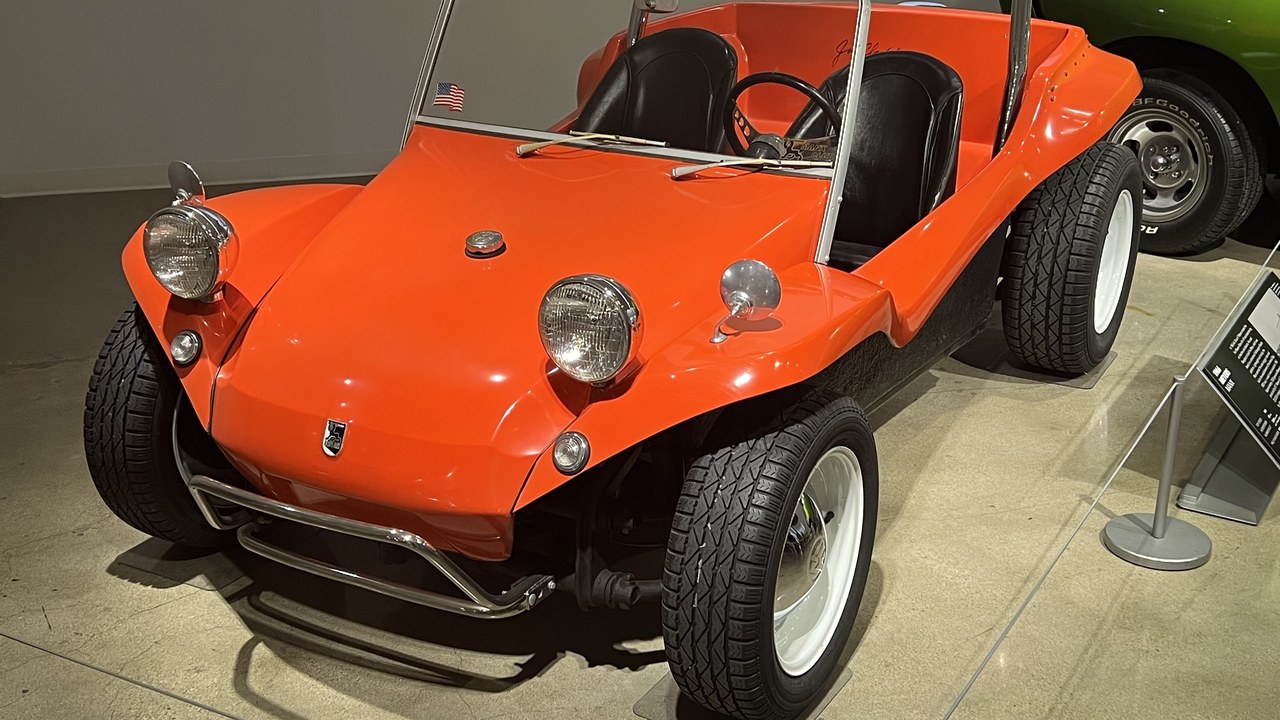
Bruce Meyers built ‘Old Red’ as one of the earliest examples of his fiberglass-bodied Manx, the vehicle that launched the dune buggy as its own category of car. According to Old Red’s registry entry, Meyers drove it hard and often in period for both recreational trips and off-road competition.
Because it was a working vehicle rather than a garaged showpiece, Old Red still runs today, giving historians a rare chance to see the prototype that started an entire off-road culture in something close to its original, well-used condition.
4. 1940 GM Futurliner No. 10: GM’s Rolling Road Show
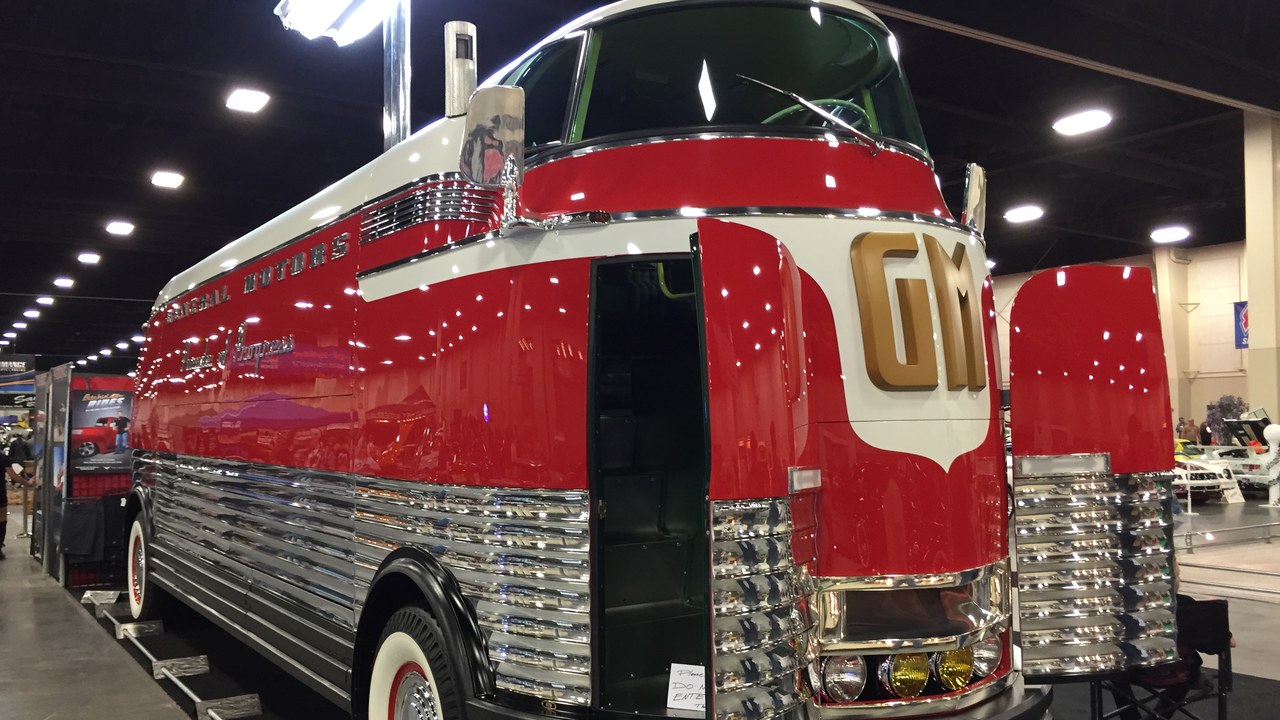
Futurliner No. 10 was one of only 12 built in 1940 to headline GM’s Parade of Progress, a traveling exhibition that hauled the company’s vision of the future through small towns across the country. The Parade of Progress toured until 1956, using the massive buses as rolling stages for new technology.
With only a dozen ever built and years of touring wear behind them, surviving Futurliners are treated as rolling monuments to a moment when car companies still staged traveling roadshows to sell the public on the future.
5. 1938 Buick Y-Job: The First Concept Car
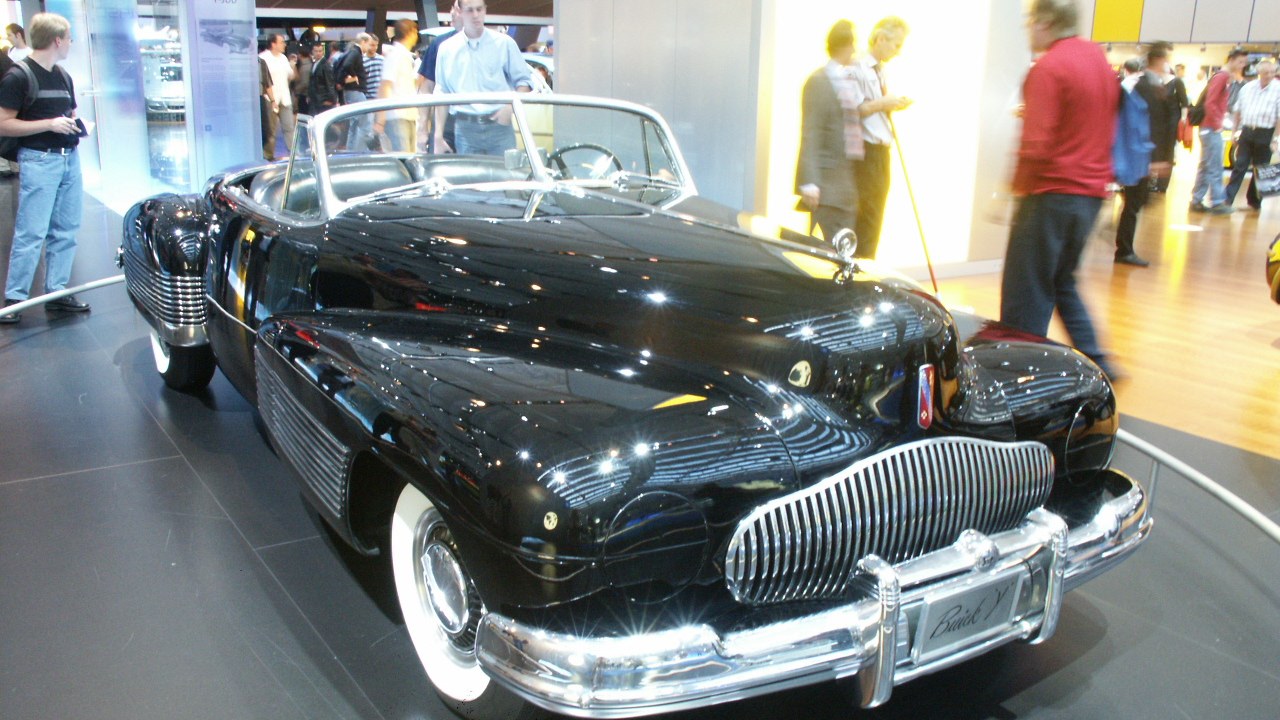
Designed as Harley Earl’s personal car, the Buick Y-Job is widely credited with introducing the modern concept car, a category of vehicle built to preview design ideas rather than to be sold to the public. GM has kept the Y-Job in its own care ever since, long after Earl himself retired.
Every concept car unveiled at an auto show in the decades since owes something to that first Buick, which proved a manufacturer could use a single show car to signal where its future styling was headed.
6. 1911 Marmon Wasp: First Indy 500 Winner
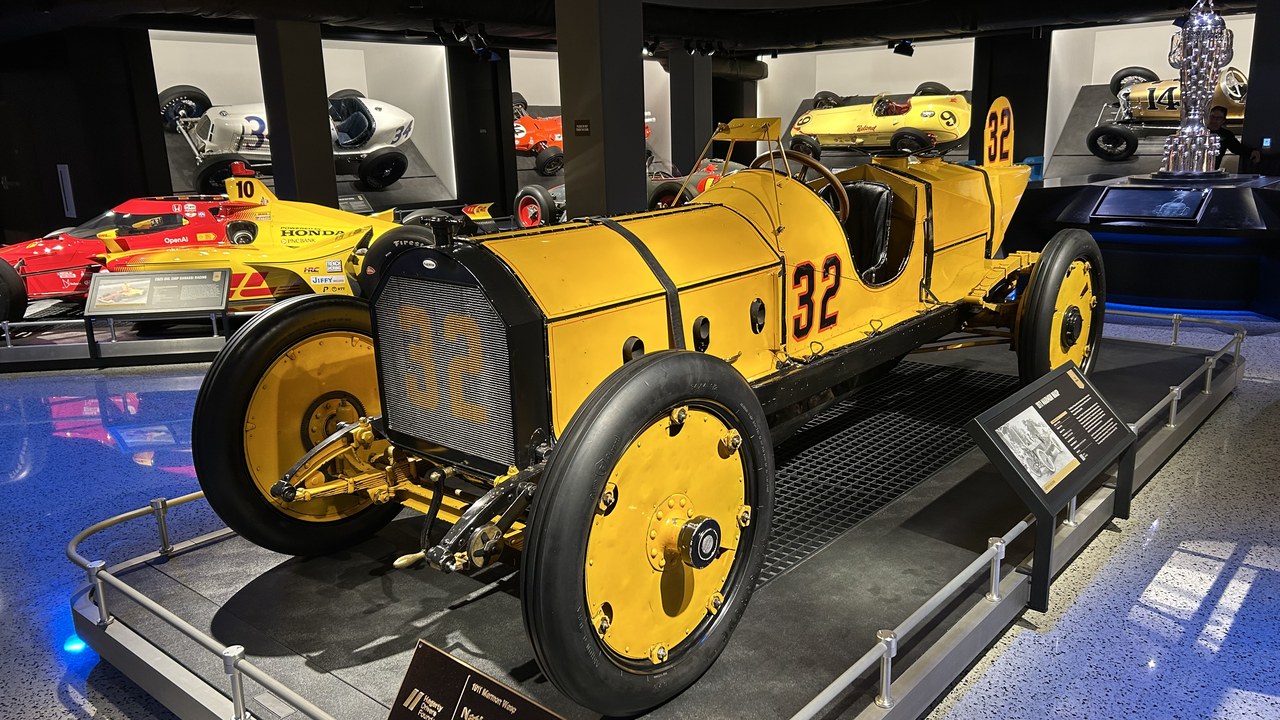
Driven by Ray Harroun, the Marmon Wasp won the first Indianapolis 500 in 1911, a single-seat racer at a time when most competitors carried a riding mechanic to watch the road behind them. The Wasp is believed to be among the earliest cars fitted with a rearview mirror, which let Harroun drive it alone.
That single mirror is credited as one of the first steps toward a piece of equipment now standard on every car built, turning a racing shortcut into a permanent fixture of everyday driving.
7. 1907 Thomas Flyer: New York To Paris
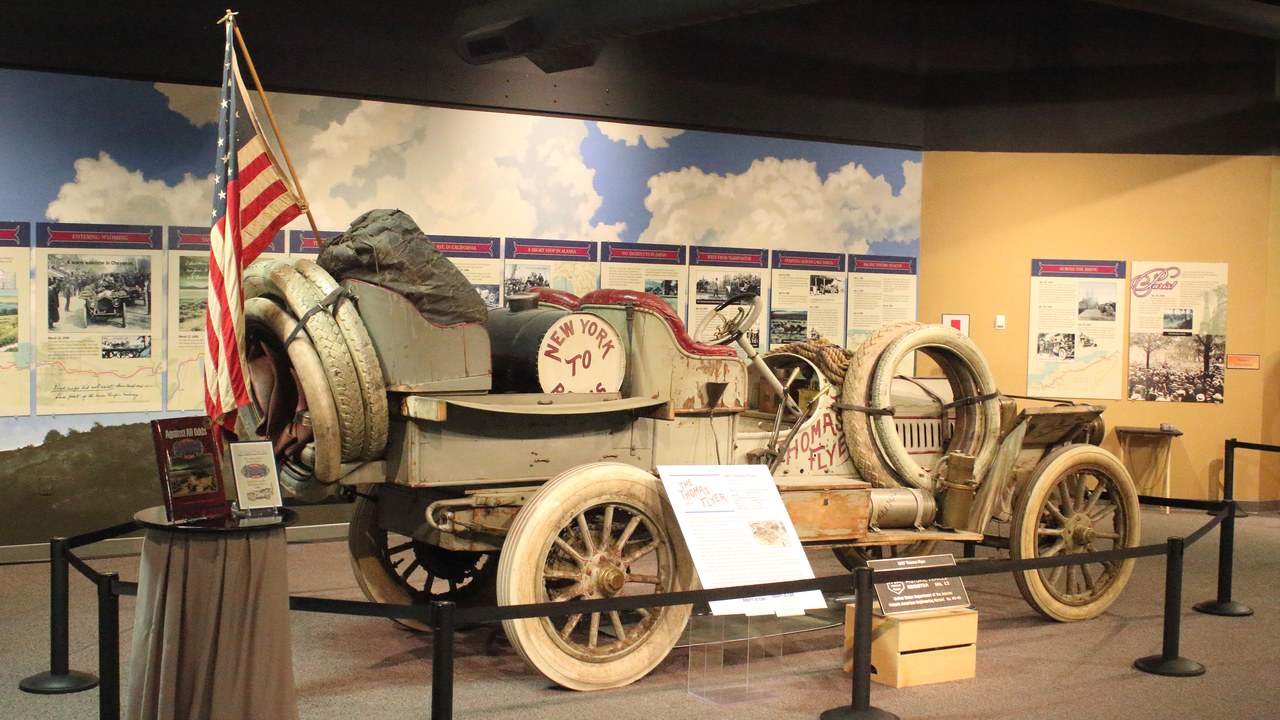
The Thomas Flyer won the New York to Paris race in 1908, an endurance contest that sent competing cars across three continents with no paved roads to speak of for most of the route. The winning car covered more than 22,000 miles over 169 days, at a time when a reliable long-distance car was still an open question.
That win did more to prove the automobile’s reliability to a skeptical public than any showroom advertisement could, and the Thomas Flyer’s finish is still cited as a landmark test of early cars against real-world conditions.
8. 1963 Chrysler Turbine Car: A Jet Engine On Wheels
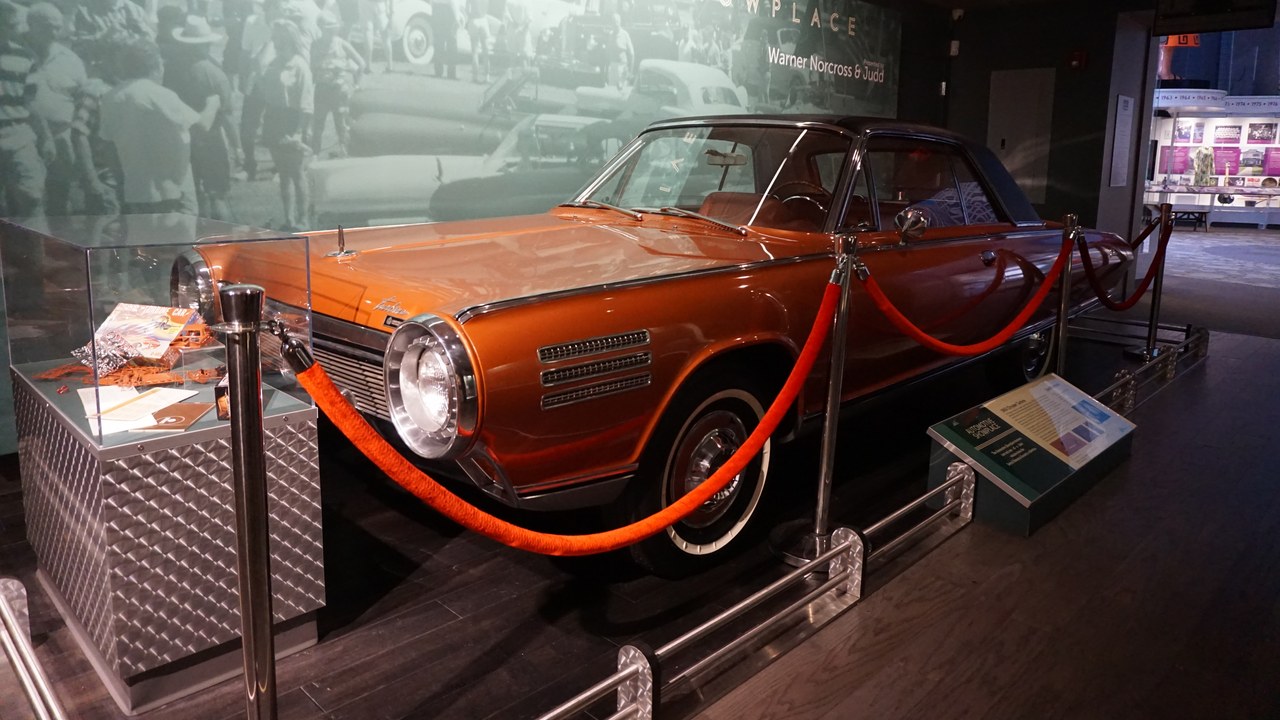
Chrysler built 50 examples of its bronze-bodied Turbine Car and lent them out to 203 ordinary drivers as a real-world test of a jet-age engine that could run on kerosene, diesel, unleaded gas or even tequila. Only nine cars survive from the Chrysler Turbine program today.
The turbine engine never made it to full production, which makes each survivor a genuinely rare hands-on artifact of a road not taken in mainstream car engineering, still capable of turning heads decades after the loan program quietly ended.
9. 1968 ‘Bullitt’ Mustang hero car: Hollywood’s Best-Kept Secret
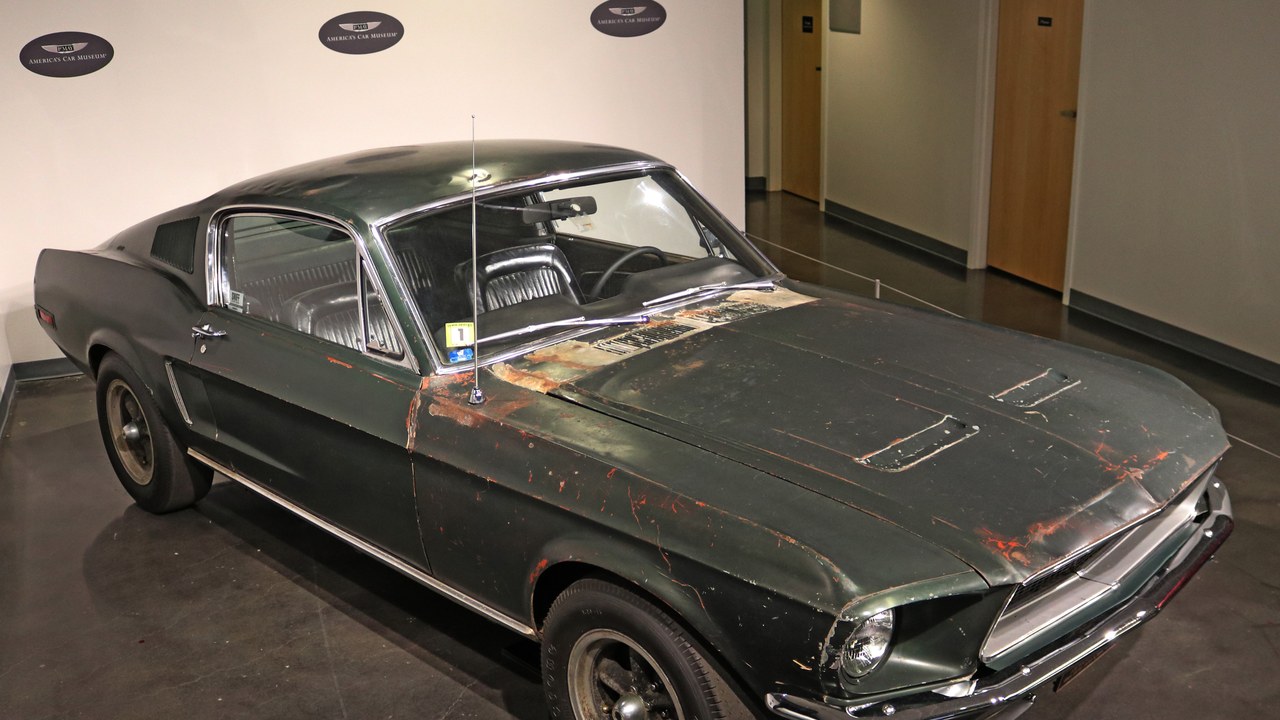
The Mustang used in the climactic chase scenes of ‘Bullitt’ stayed hidden in the same family’s garage for 44 years before its existence was confirmed publicly. Its documentation is now filed in Library of Congress records alongside the country’s other historic vehicles and landmark structures.
Its decades out of public sight only deepened its mystique among film and car enthusiasts, and its resurfacing gave historians a rare chance to document a genuine movie stunt car rather than one of the many replicas built long after the fact.
More from Morning Overview
- Herbal supplements are landing Americans in the hospital with liver damage, doctors warn
- General Motors is switching on cameras that record inside your vehicle by update
- A geomagnetic storm is forecast to hit Earth today, pushing the northern lights unusually far south
- A recalled pill hid a stimulant dose linked to heart attacks and death
