
The Enhanced Fujita Scale reserves its top rating for tornadoes capable of stripping pavement and hurling rail cars through the air. Since the scale replaced the original Fujita system in 2007, only a handful of storms have ever earned that EF5 label, and one multi-year gap left forecasters wondering whether the rating had become a thing of the past. Here are ten tornadoes that reached the top of the scale.
1. Greensburg, Kansas EF5 (May 4, 2007): Scale’s First EF5
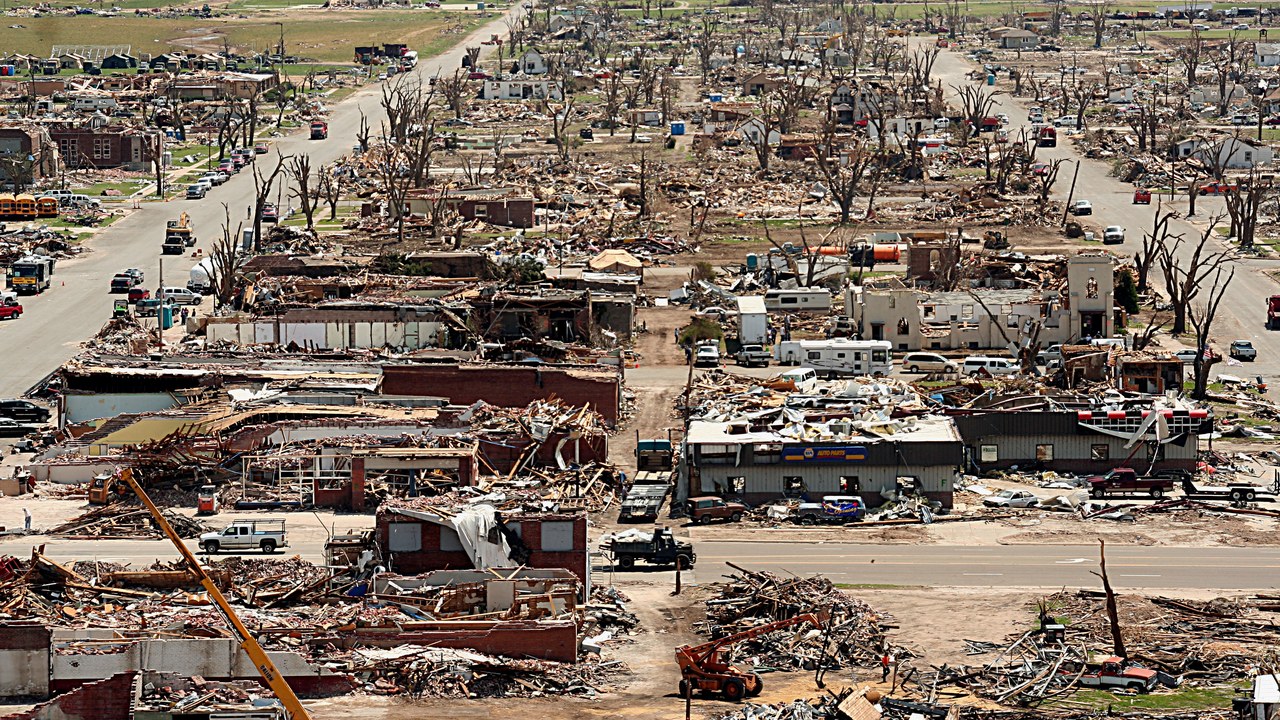
Greensburg, Kansas became the first town ever hit by a tornado rated EF5 on the new scale, a mile-and-three-quarter-wide wedge that carved a 26-mile path through the town on the night of May 4, 2007. The National Weather Service clocked its winds near 205 mph, and 11 people were killed.
The storm’s near-total destruction of Greensburg gave meteorologists their first real-world test case for the Enhanced Fujita Scale, which had replaced the original Fujita system just months earlier, and the town’s slow rebuilding effort later became a widely studied example of small-town disaster recovery.
2. Parkersburg–New Hartford, Iowa EF5 (May 25, 2008): Iowa’s Rare Return
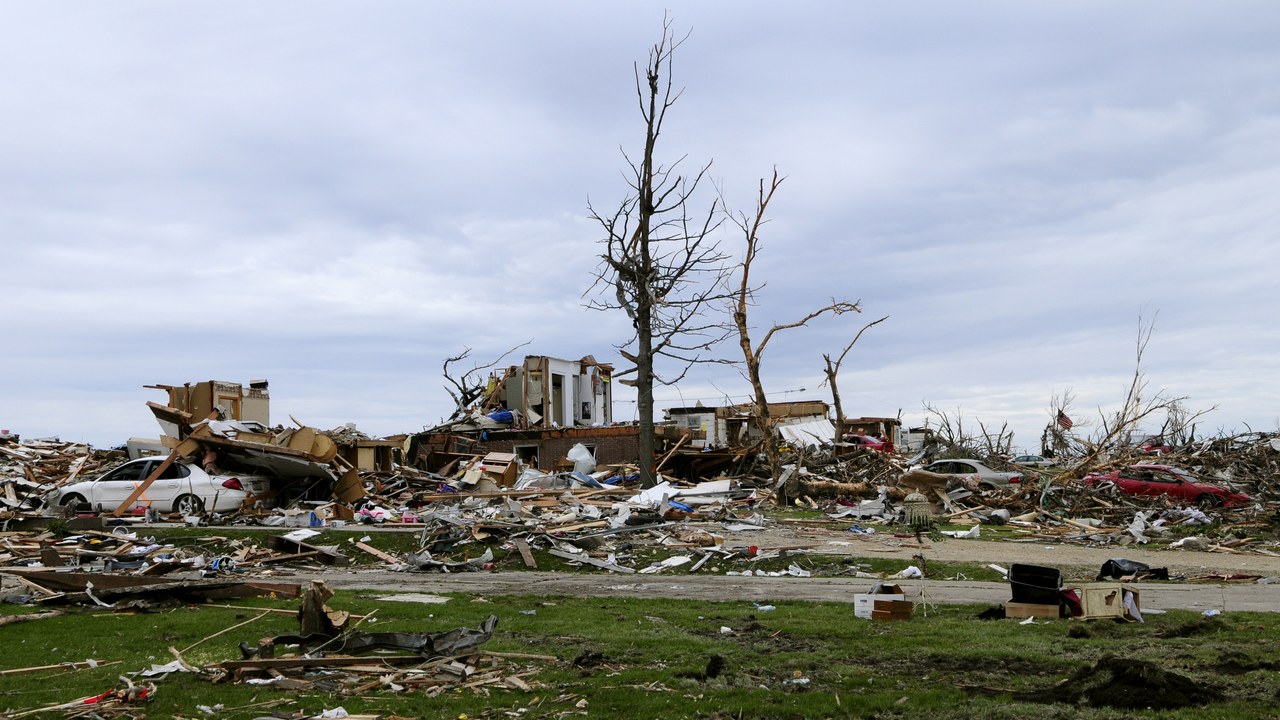
The tornado that tore through Parkersburg and New Hartford, Iowa, became just the second twister ever rated EF5 under the enhanced scale, with winds the National Weather Service put at up to 205 mph. It was also Iowa’s first tornado to reach the top rating since 1976.
That gap since the state’s last F5 underscored how rare top-rated tornadoes are even in a state that sits squarely inside Tornado Alley, and the twin towns’ recovery drew comparisons to other small Midwestern communities rebuilding after a direct hit.
3. Smithville, Mississippi EF5 (April 27, 2011): First of Four

The Smithville, Mississippi tornado carved a 35.1-mile track during the historic April 27, 2011, outbreak, one of the most violent tornado days in U.S. history. The National Weather Service rated its winds at 205 mph, and the storm killed 15 people and injured 40 more.
Smithville was one of four tornadoes rated EF5 during the same outbreak on April 27, 2011, which also produced violent EF5s at Philadelphia, Hackleburg-Phil Campbell and Rainsville within a matter of hours, making that single day one of the most violent in U.S. tornado history.
4. Philadelphia, Mississippi EF5 (April 27, 2011): Third EF5 That Day
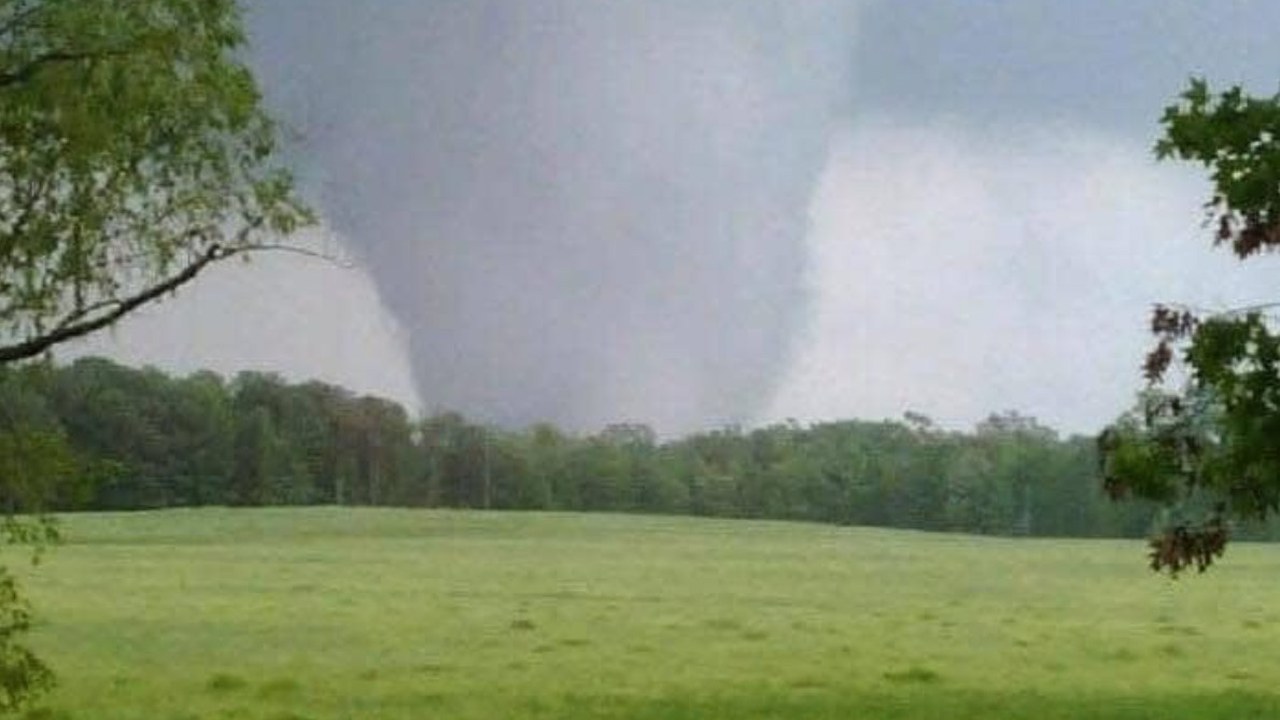
The Philadelphia, Mississippi tornado struck during the same April 27, 2011, outbreak that produced Smithville’s EF5 just hours earlier, tracking 29 miles and growing to half a mile wide. The National Weather Service measured peak winds of 205 mph, and the storm killed three people.
Its comparatively lower death toll next to that day’s other EF5s came down largely to timing and population density along the path, a reminder that a tornado’s rating measures wind damage and structural failure, not how many people happen to be in its way.
5. Hackleburg–Phil Campbell, Alabama EF5 (April 27, 2011): Deadliest of the Day
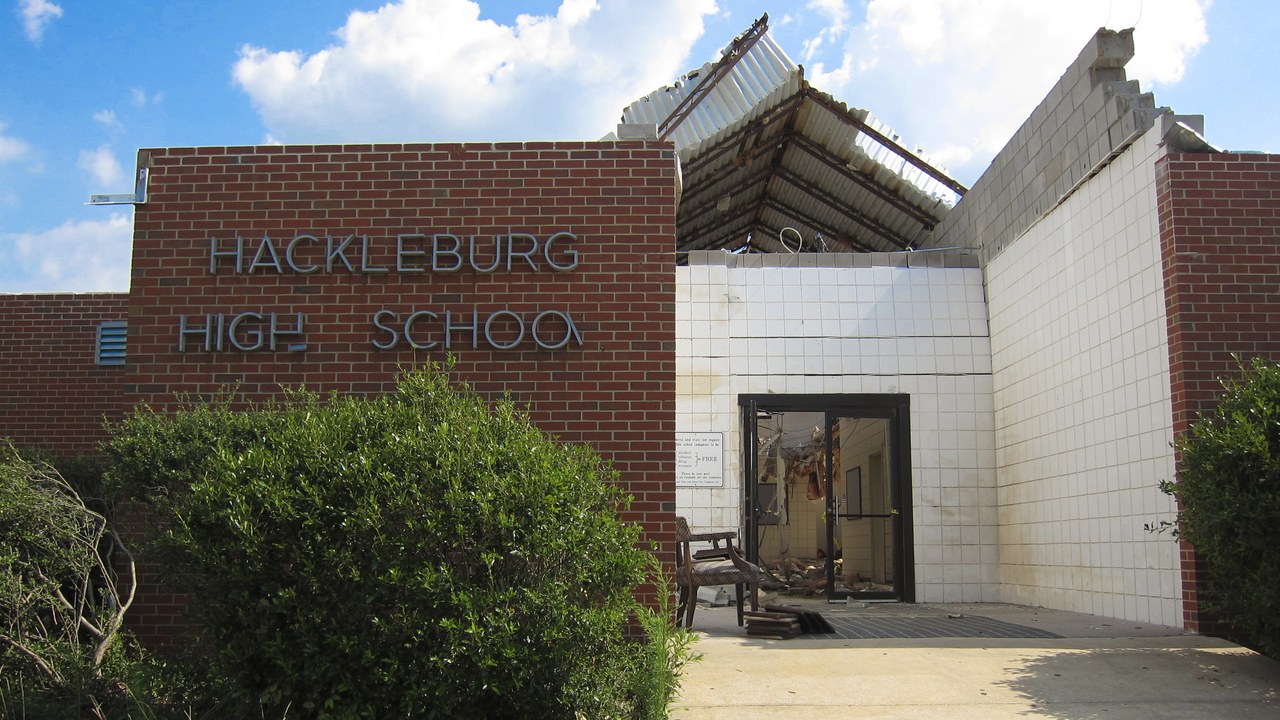
The Hackleburg-Phil Campbell tornado carved a track 132 miles long and up to 2,200 yards wide during the same April 27, 2011, outbreak, one of the longest damage paths of any tornado that day. The National Weather Service put its winds at 210 mph, and it killed 72 people.
Its 72 deaths made it the deadliest tornado of the entire outbreak and one of the deadliest single tornadoes in modern U.S. history, cutting a diagonal scar across northern Alabama that leveled entire neighborhoods in Hackleburg and Phil Campbell alike.
6. Rainsville, Alabama EF5 (April 27, 2011): Fourth EF5 That Day
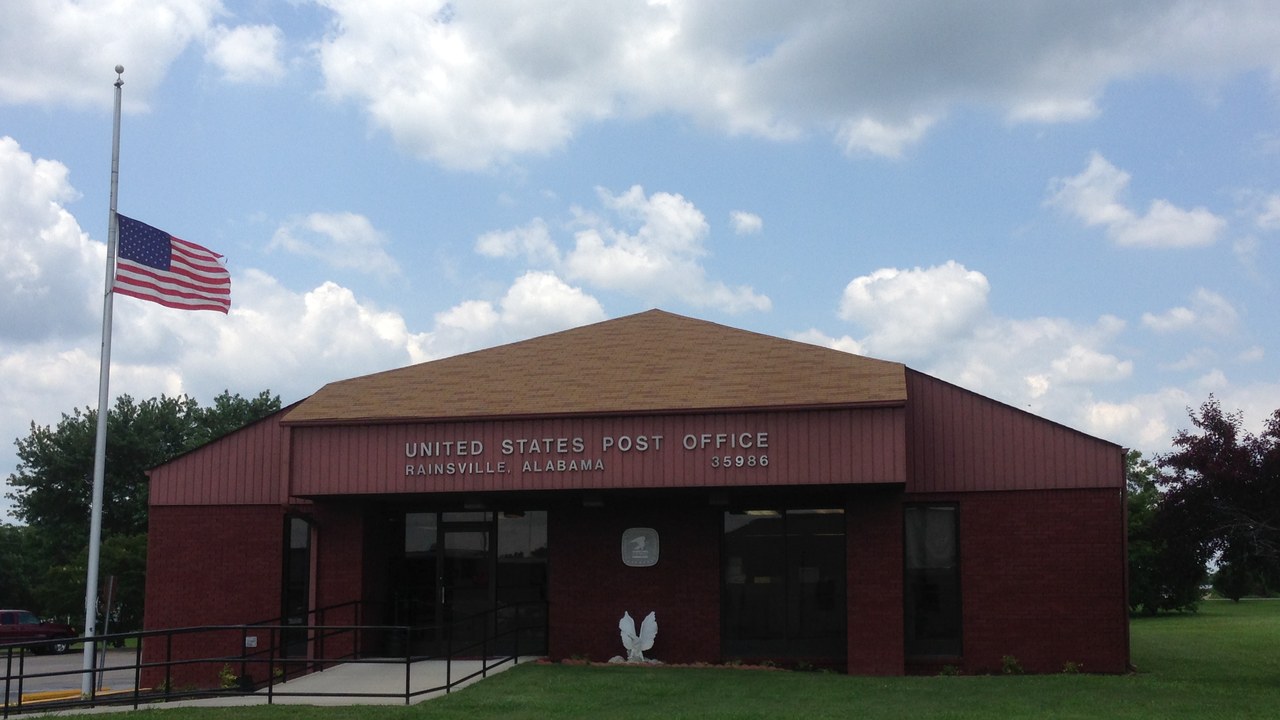
The Rainsville, Alabama tornado was the fourth twister rated EF5 during the April 27, 2011, outbreak, cutting a 33.66-mile path across DeKalb County that grew to three-quarters of a mile wide. The National Weather Service recorded winds above 200 mph.
Four separate EF5s touching down in one afternoon remains unmatched in the record books since the Enhanced Fujita Scale began, and Rainsville’s toll, though severe, was overshadowed in the news at the time by the far larger death count at Hackleburg-Phil Campbell the same day.
7. Joplin, Missouri EF5 (May 22, 2011): Deadliest in Decades
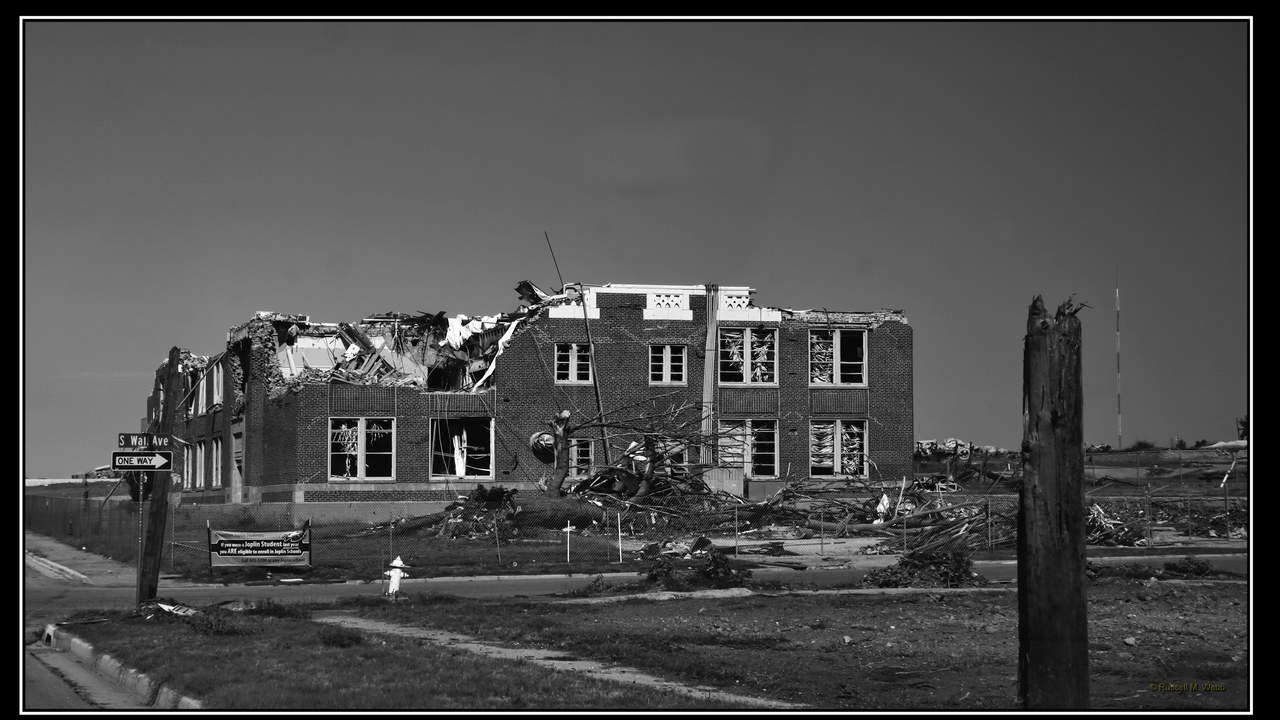
The Joplin, Missouri tornado struck less than a month after the April outbreak, tearing through the city with winds over 200 mph on May 22, 2011. The National Weather Service says nearly 160 fatalities and more than 1,000 injuries occurred in Joplin alone.
That toll makes Joplin the seventh deadliest tornado on record in the United States, a level of destruction rarely matched even among the other EF5s on this list, and the disaster remains one of the most studied tornado events in American meteorological history.
8. El Reno–Piedmont, Oklahoma EF5 (May 24, 2011): Long-Track May Storm
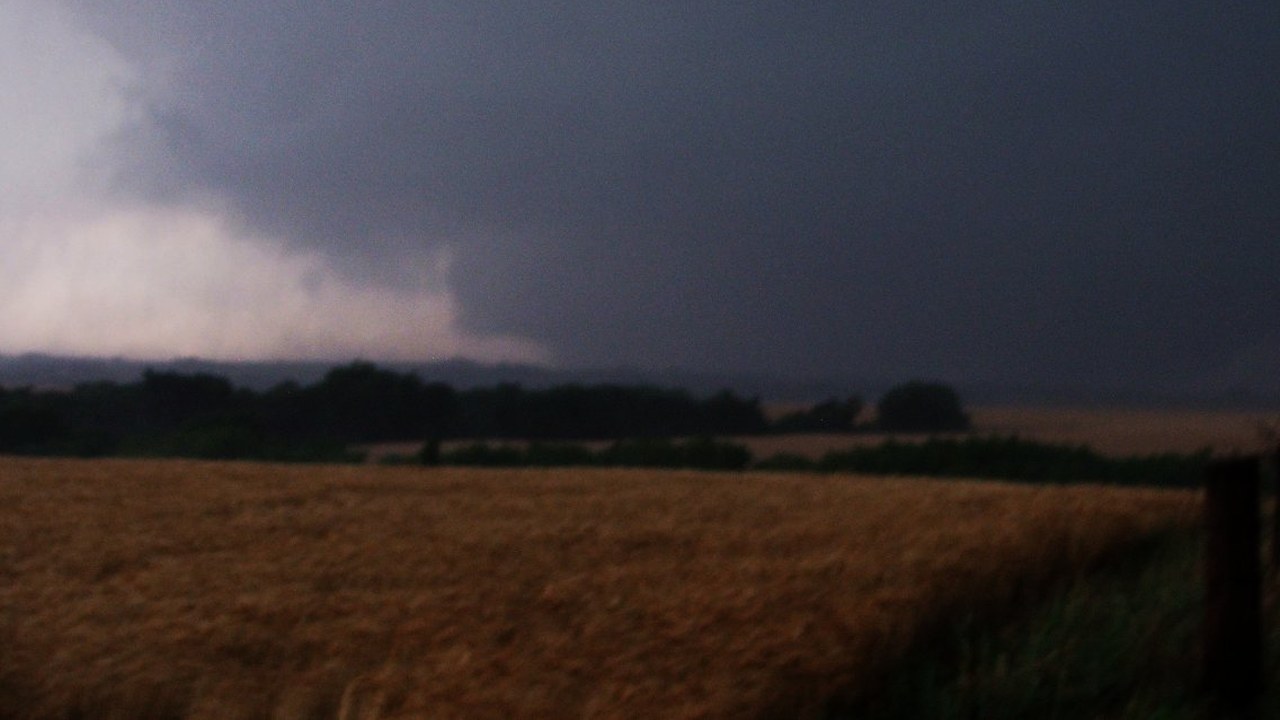
The El Reno-Piedmont tornado in Oklahoma tracked 63 miles on May 24, 2011, just two days after Joplin, part of the same violent stretch of the 2011 tornado season. The National Weather Service estimated peak winds greater than 210 mph, and the storm killed 9 people and injured 181.
Its lower death toll compared with Joplin or Hackleburg-Phil Campbell reflects a more rural path through central Oklahoma, though the tornado’s exceptionally long track and violent winds still placed it among the most powerful storms of an already historic year for tornadoes.
9. Newcastle–Moore, Oklahoma EF5 (May 20, 2013): Moore Struck Again
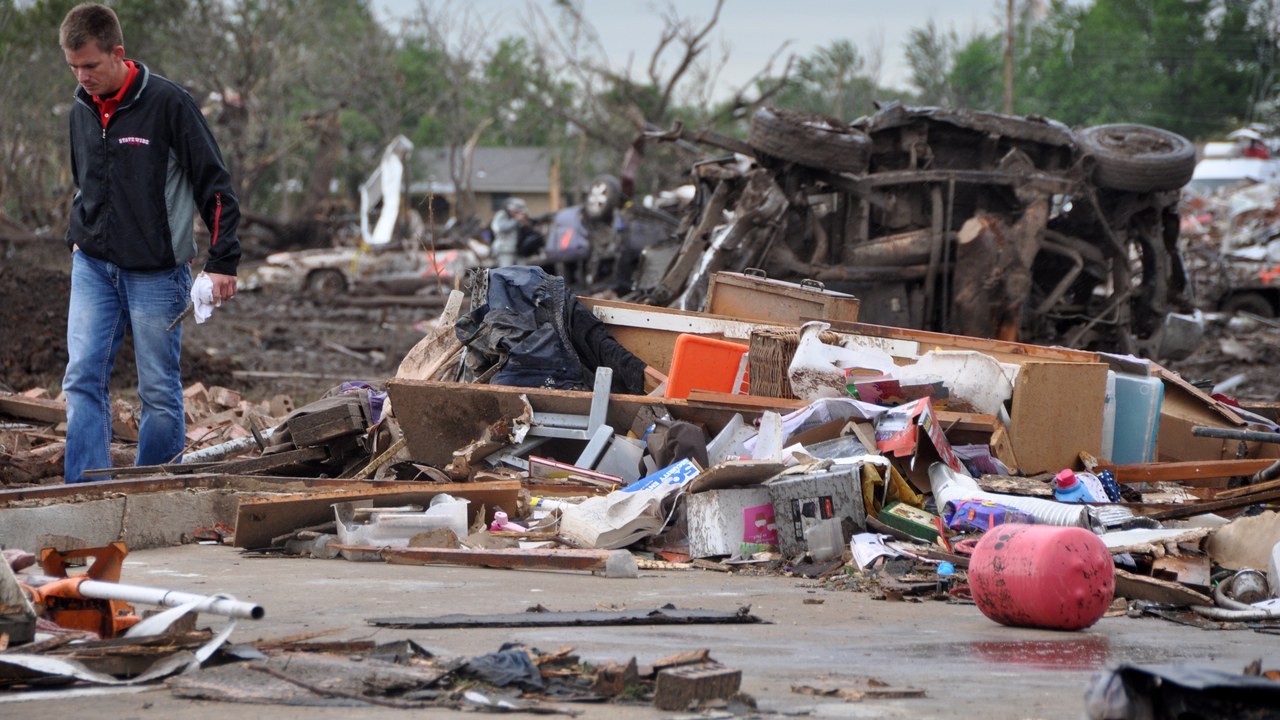
The Newcastle-Moore tornado returned to a stretch of Oklahoma already scarred by earlier violent tornadoes, tracking about 14 miles and growing to 1.1 miles wide on May 20, 2013. The National Weather Service says the tornado stayed on the ground for about 40 minutes and claimed 24 lives.
Moore had already been hit by other violent tornadoes in past years, making it one of the unluckiest patches of ground in Tornado Alley, and this EF5 would be the last one anywhere in the country for the next twelve years.
10. Enderlin, North Dakota EF5 (June 20, 2025): The Silence Breaks
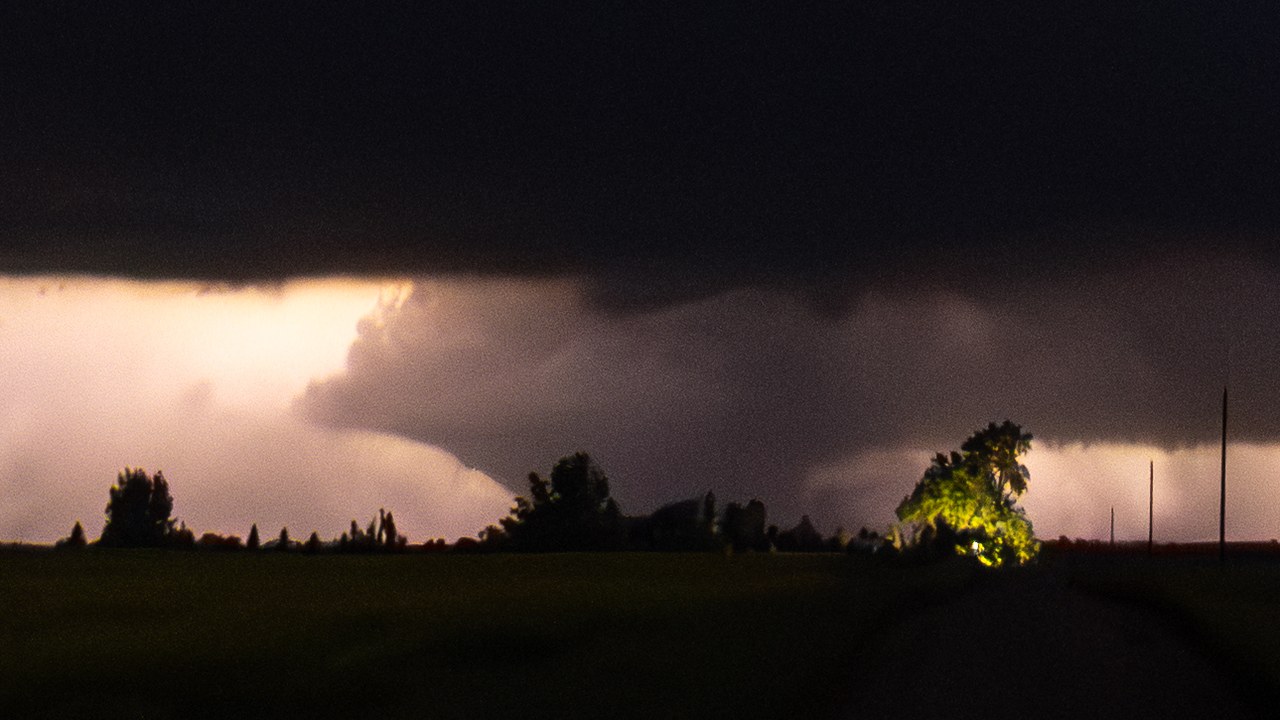
The Enderlin, North Dakota, tornado ended a long EF5 drought when the National Weather Service upgraded it in October 2025, months after it tore a 12.1-mile path through town on June 20, 2025. Investigators found one tanker car tossed about 476 feet, consistent with winds over 210 mph, and the storm killed 3 people.
It was the first EF5 anywhere in the United States in 12 years, ending a stretch that had run since the Moore tornado in Oklahoma. As of this list, no tornado in 2026 has reached EF5, including an April storm near Enid that was rated one step lower at EF4.
More from Morning Overview
- Four U.S. startups fired up their first small nuclear reactors, aiming to power AI data centers on-site
- Card skimmers hidden on gas pumps and ATMs are draining accounts, and here’s the tell
- Doctors warn a silent liver disease now affects one in three American adults
- Hackers are hijacking outdated home routers, and the FBI named the models to check
