
Every president since Franklin Roosevelt has ridden in a purpose-built limousine, and a surprising number of those cars survive today in museums rather than scrapyards. Some were armored from the start, while others carry darker histories, including the car Kennedy died in and the one Reagan was standing beside when he was shot. Here are nine presidential cars still on public view across the country.
1. FDR’s 1939 Lincoln ‘Sunshine Special’: Armored After Pearl Harbor
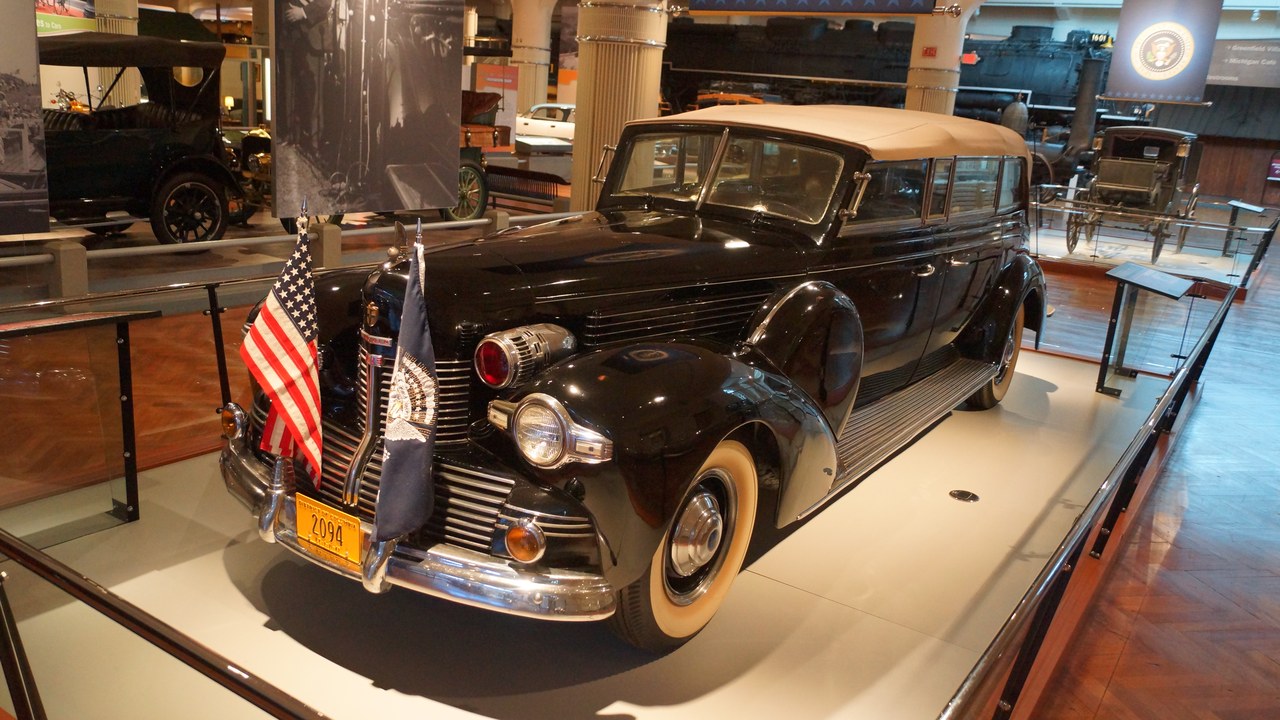
Franklin Roosevelt’s 1939 Lincoln, nicknamed the Sunshine Special for its removable top, became the first parade car ever modified for presidential use. Bullet-resistant tires, glass and armor plating were added only after Pearl Harbor, according to The Henry Ford’s collection notes, once wartime security made an unprotected president unthinkable.
Before that retrofit, presidents had ridden in cars no different from what any wealthy citizen could buy, a practice the war ended for good. The Sunshine Special set the template every presidential car after it would follow: a stately parade vehicle built, or rebuilt, to survive an attack.
2. Truman/Eisenhower 1950 Lincoln ‘Bubbletop’: Named For Its Roof
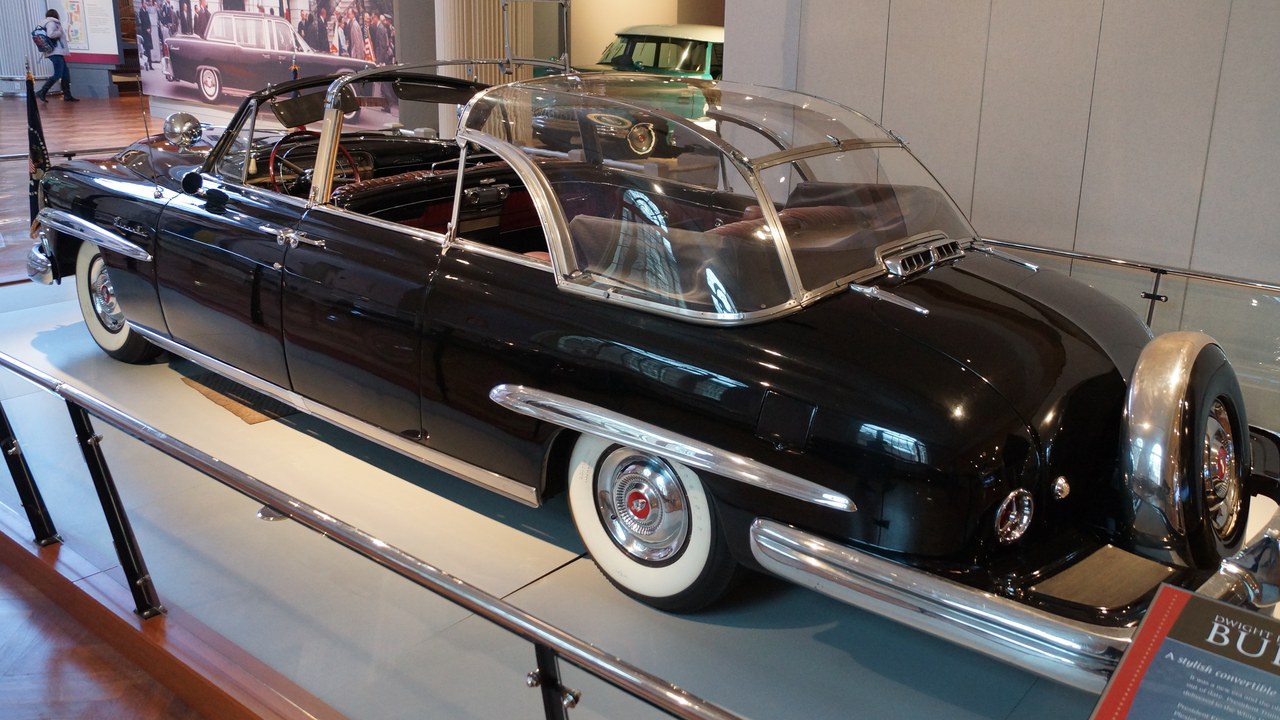
The 1950 Lincoln built for Harry Truman earned the nickname Bubbletop for the weatherproof plexiglass roof that let crowds see the president in bad weather, per The Henry Ford’s history. It went on to serve Dwight Eisenhower more often than the man it was originally built for.
Handing a car down between administrations was standard practice at the time, since a presidential limousine was an expensive, low-volume build rather than something replaced every term. The Bubbletop’s clear canopy also made it one of the more recognizable presidential vehicles of its era in photographs and newsreels.
3. Kennedy’s 1961 Lincoln Continental (SS-100-X): Rebuilt After Dallas
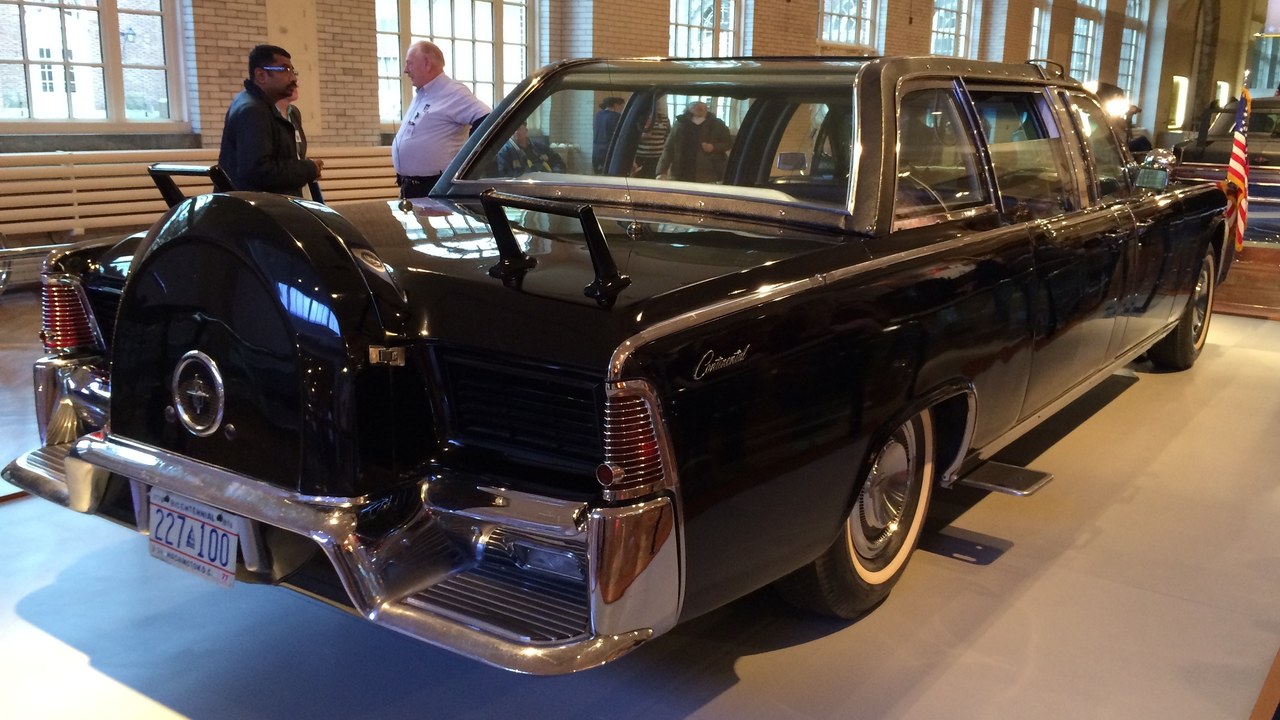
John F. Kennedy was assassinated in this 1961 Lincoln Continental, known by its Secret Service code SS-100-X, on November 22, 1963, according to The Henry Ford’s artifact record. Rather than being retired, the car was rebuilt with a permanent roof and titanium armor.
That rebuilt limousine stayed in active White House service for another fourteen years, carried on through several more administrations before finally retiring in 1977. Its continued use after Dallas reflects how differently the government weighed cost, security and symbolism in that era compared with today’s approach to presidential vehicles.
4. 1972 Lincoln Continental parade car: Armored From The Start
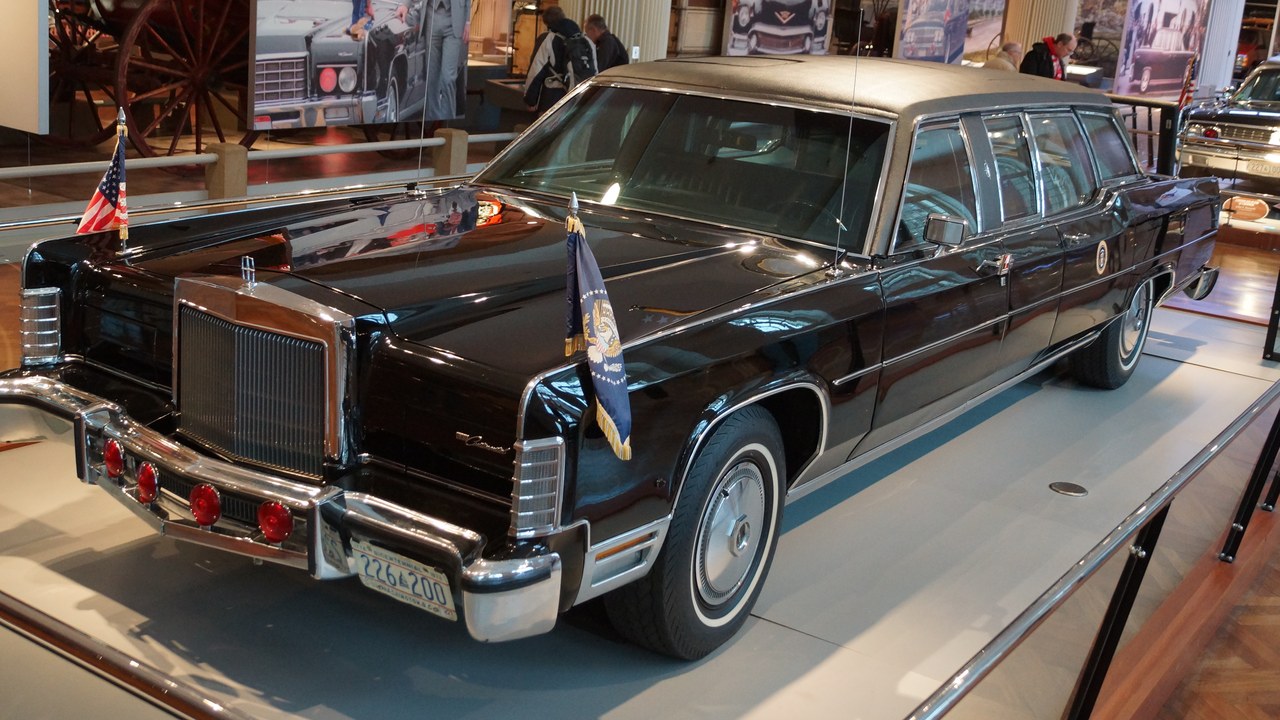
Unlike its predecessors, this 1972 Lincoln Continental was the first presidential parade car designed and built as an armored vehicle from the ground up, per The Henry Ford’s museum notes, rather than armored after the fact once a threat emerged.
That design choice did not prevent tragedy: Ronald Reagan was shot in 1981 while walking toward this same car outside a Washington hotel. The car’s dual legacy, as both a security milestone and the backdrop to an assassination attempt, is part of what keeps it on display today.
5. Nixon Library’s White House Lincoln: Fifty Thousand Miles Logged
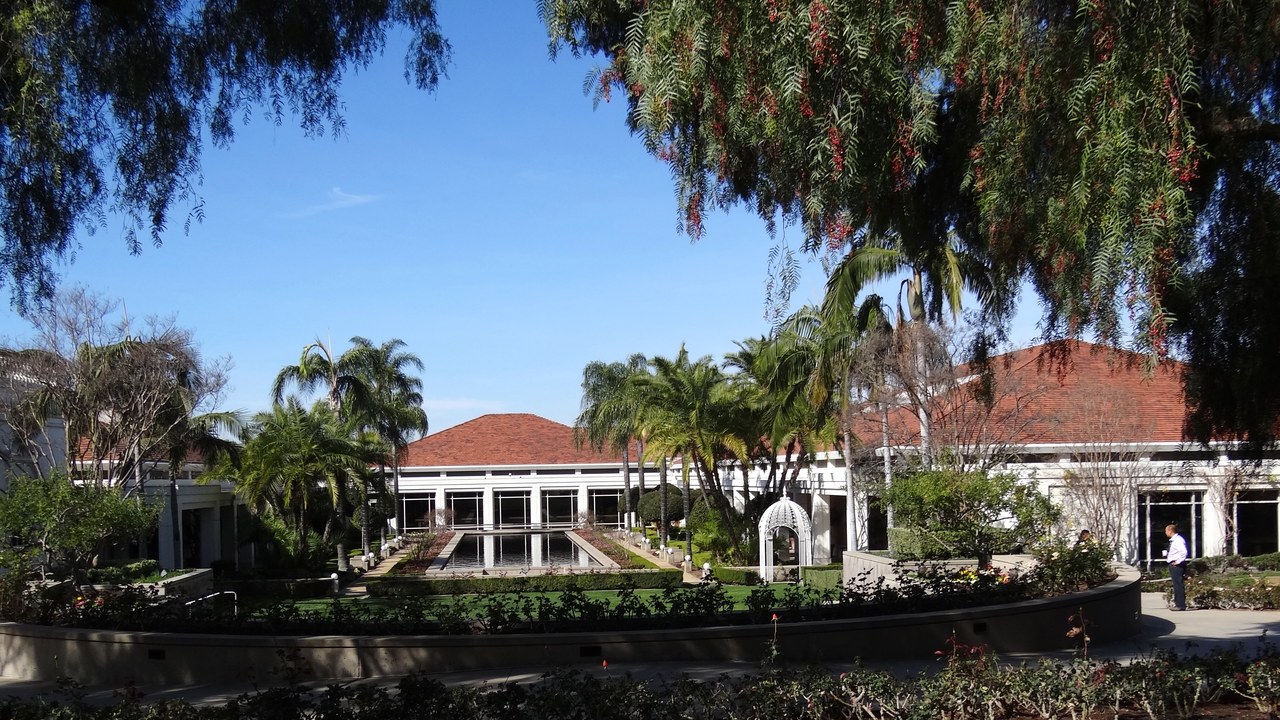
The White House Lincoln on display at the Nixon Library carried Richard Nixon roughly 50,000 miles across 32 countries, including trips to Russia and China, according to the Lincoln & Continental Owners Club. It carried over 4,000 pounds of added armor beneath its formal bodywork.
The same car outlasted the president it was built for, remaining in White House service through Lyndon Johnson, Nixon, Gerald Ford and Jimmy Carter before it was finally retired in 1978. That decade of continuous use underlines how few presidential limousines were built in any given generation.
6. Reagan’s 1984 parade limousine: Displayed Beside Air Force One
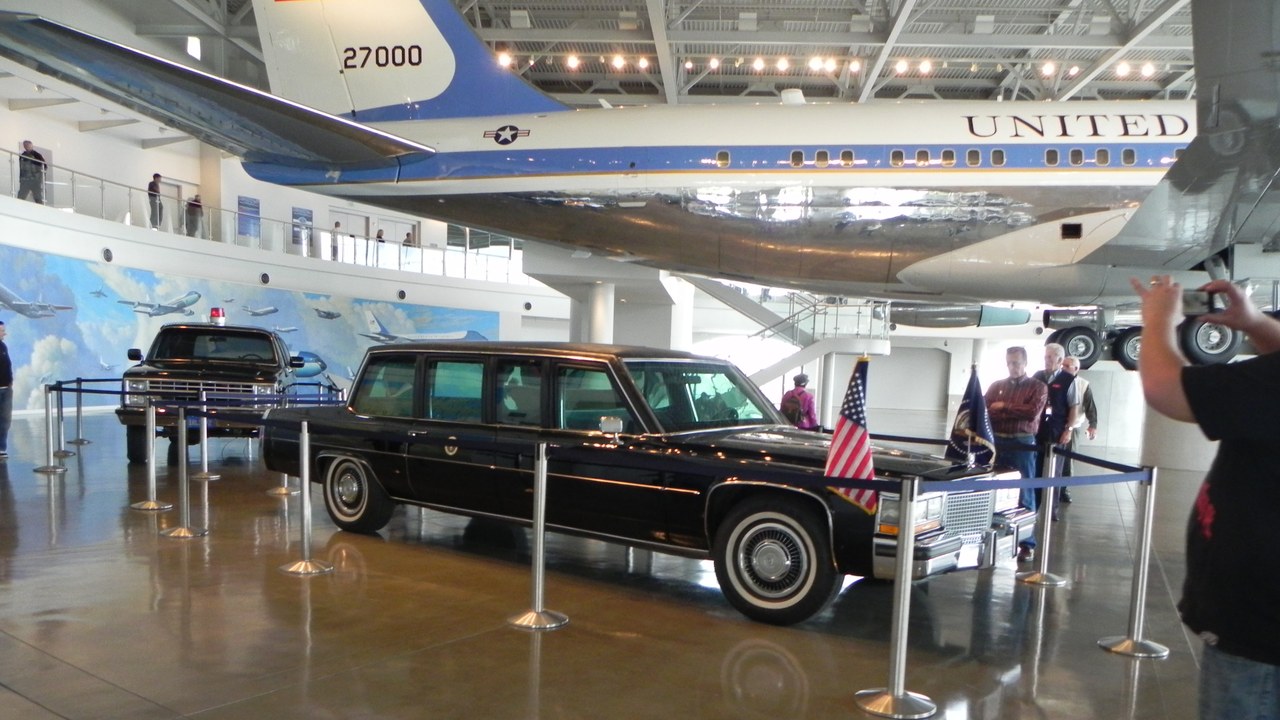
Ronald Reagan’s 1984 parade limousine is displayed as part of a full Secret Service motorcade recreation beside the retired Air Force One at the Reagan Library’s permanent exhibit, rather than sitting alone as a single roped-off artifact.
Surrounding the limousine with the supporting vehicles a real motorcade would include gives visitors a sense of scale that a lone car on a pedestal cannot, showing how much security machinery once traveled with a sitting president. It remains one of the more elaborate presidential vehicle displays open to the public.
7. Clinton’s 1993 Cadillac Fleetwood: One Of Only Three Built
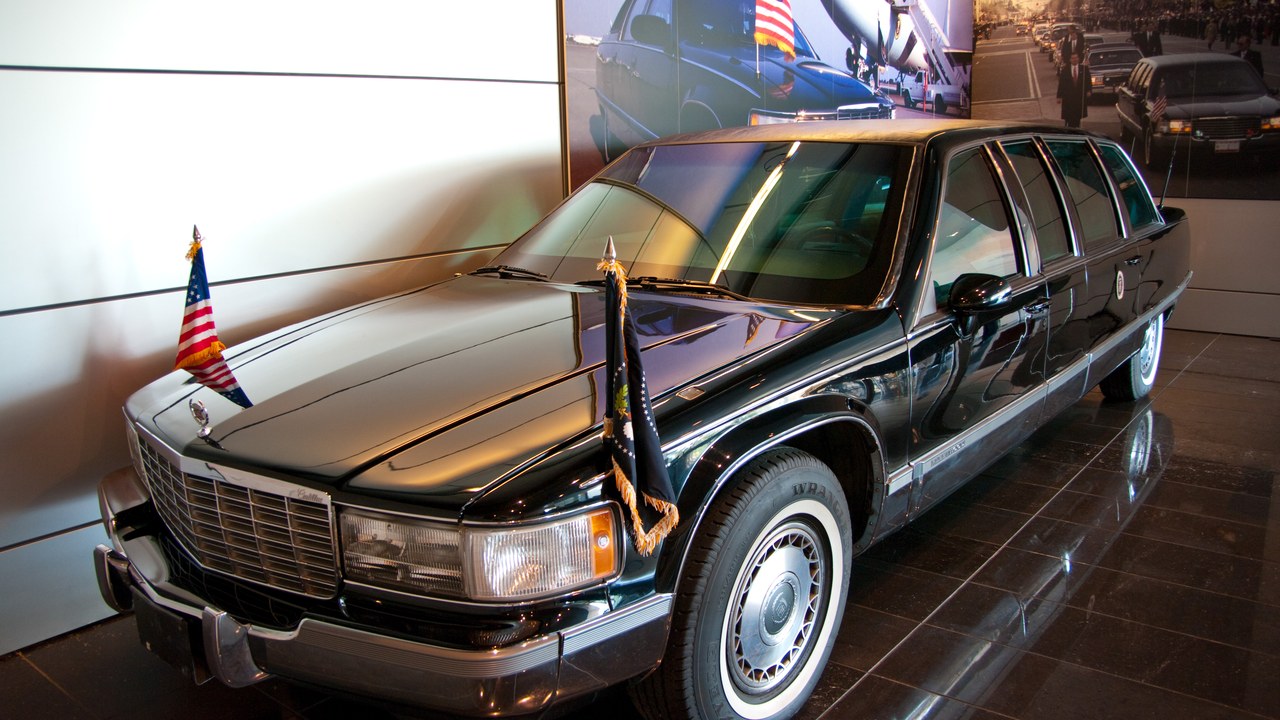
Cadillac built only three Fleetwood limousines for White House use in 1993, in Warren, Michigan, and one of them is now on display at the Clinton Presidential Center. The build reportedly took three years to complete and seats six passengers in the rear compartment.
A three-year build time for a single vehicle illustrates how far presidential limousines depart from ordinary automotive manufacturing, closer to a low-volume armored coach than a car off a dealer’s lot. Producing just three examples also means surviving Fleetwoods are rare artifacts even among presidential vehicles.
8. LBJ’s 1968 Lincoln limousine: Built With No Armor
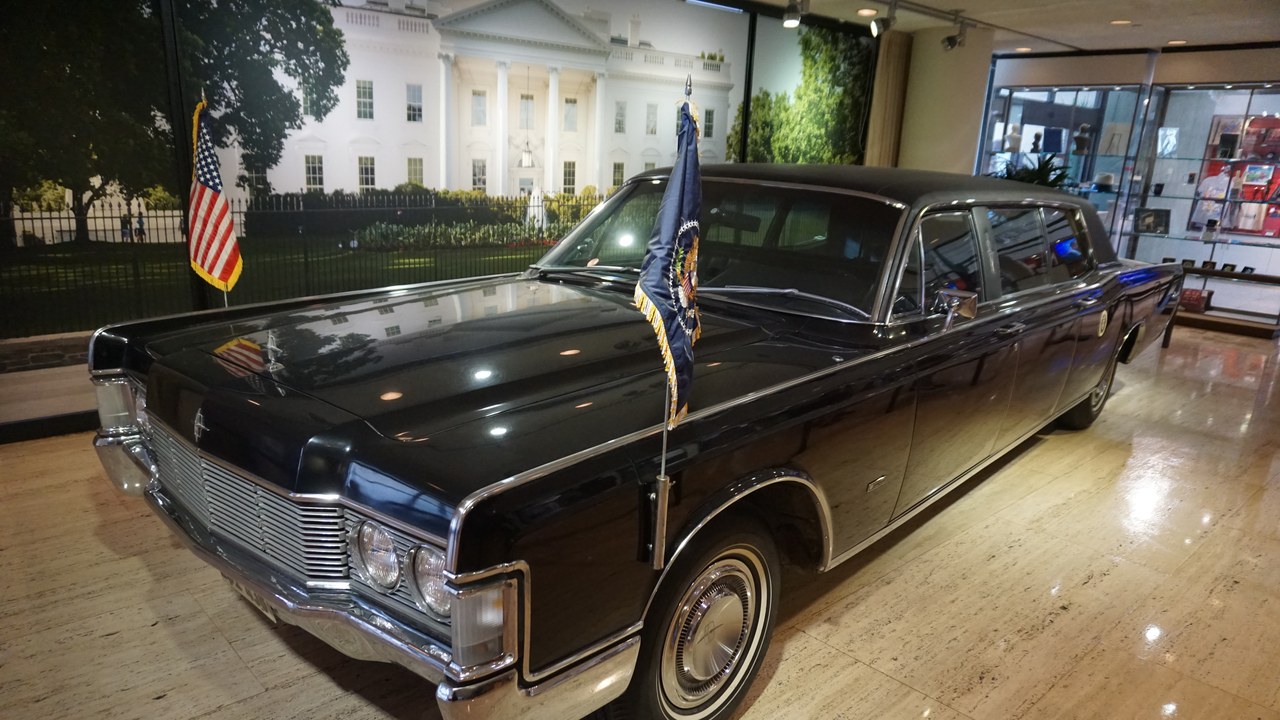
The 1968 Lincoln limousine built for Lyndon Johnson’s post-presidency, on view at the LBJ Presidential Library, was equipped with radio, television and a telephone for the Secret Service detail riding along. Despite that equipment, the car was not armored, bulletproof or bomb-proof.
That gap stands out next to the armor-plated limousines built for Johnson while he was still in office, and it says something about how security requirements were understood to change, or not, once a president left the White House. The car reads more like a well-equipped town car than a protective vehicle.
9. The current ‘Beast’ Cadillac: Eight-Inch Armored Walls
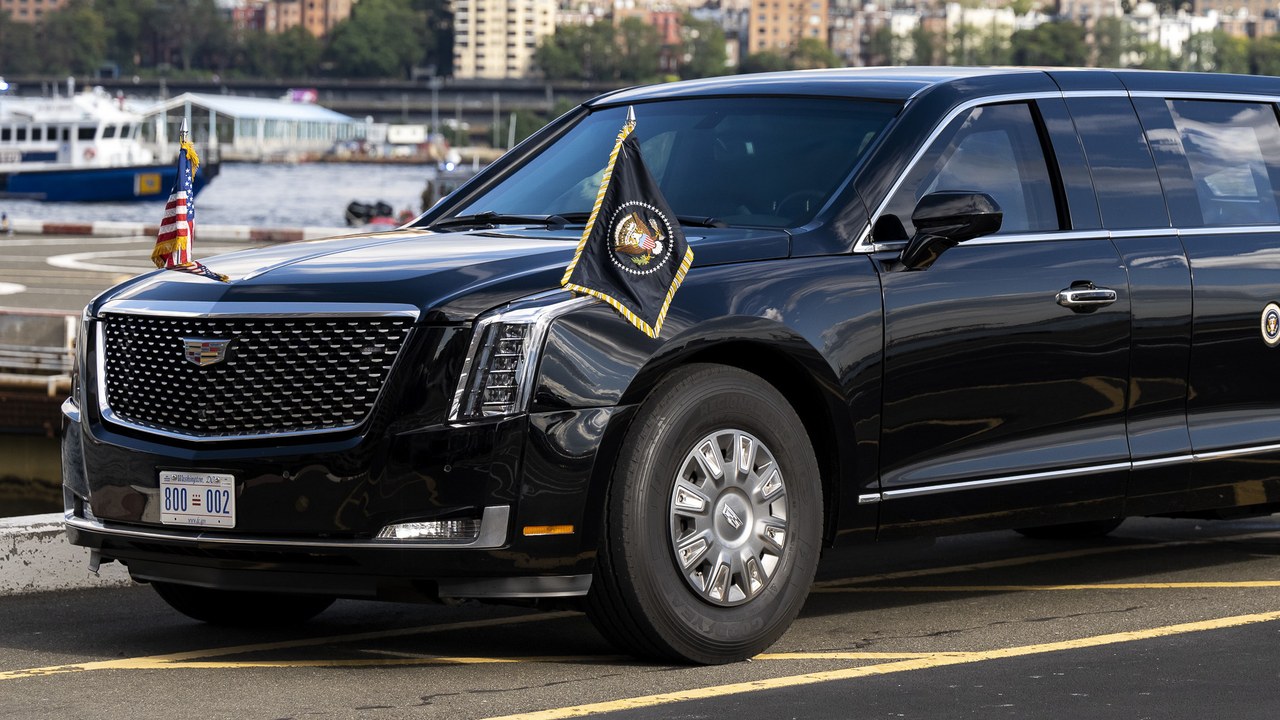
The current Cadillac limousine nicknamed the Beast has been in service since September 2018 and is estimated to weigh between 15,000 and 20,000 pounds, according to Wikipedia’s sourced entry on the presidential state car. Its exterior walls run eight inches thick, with windows five inches thick.
Those dimensions make the Beast several times heavier than a typical SUV, closer in weight and armor to a military vehicle than to any commercially available sedan. Unlike the retired cars on this list, it remains in active use and is not open for public viewing at a museum.
More from Morning Overview
- The NSA is again telling phone owners to switch off one location setting
- Supplements now rank as the fifth-leading cause of death from liver disease.
- Herbal supplements are landing Americans in the hospital with liver damage, doctors warn
- General Motors is switching on cameras that record inside your vehicle by update
