
Aviation history keeps producing aircraft that push a single dimension to its limit, whether that means wingspan, weight, length, or sheer cargo volume. Some of these machines became commercial mainstays while others flew only once or met violent ends far from any museum. Here are eight of the largest aircraft ever built, ranked by the record each one holds.
1. Scaled Composites Stratolaunch (Roc): Widest Wingspan Ever Built
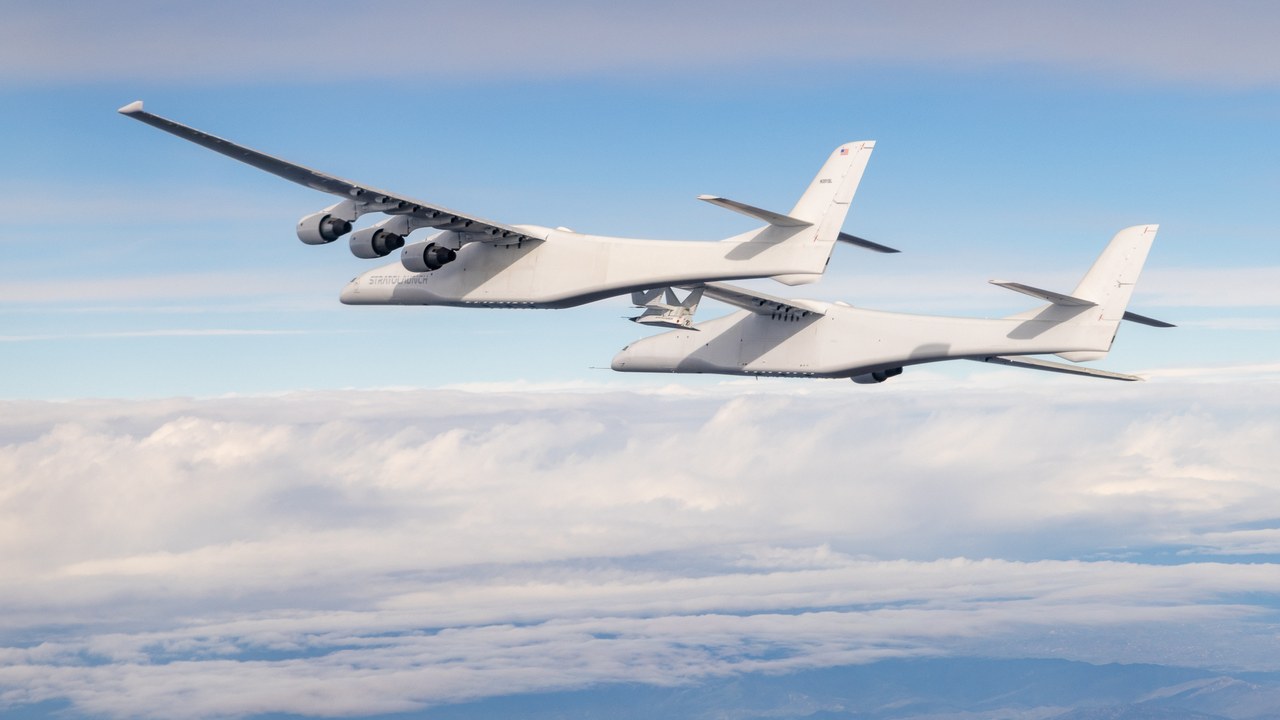
Built by Scaled Composites for the company Stratolaunch, the twin-fuselage carrier aircraft nicknamed Roc spans 385 feet from wingtip to wingtip and can weigh as much as 1.3 million pounds at maximum takeoff, numbers the manufacturer cites in calling it the largest fixed-wing aircraft ever built by wingspan, edging out cargo giants and record-setting flying boats alike.
Six turbofan engines salvaged from retired 747s power the twin fuselages, and the whole airframe exists to loft rockets and hypersonic test vehicles to altitude before dropping them for an air launch, a niche mission that only this scale of aircraft can perform.
2. Antonov An-225 Mriya: Heaviest Aircraft Ever Built
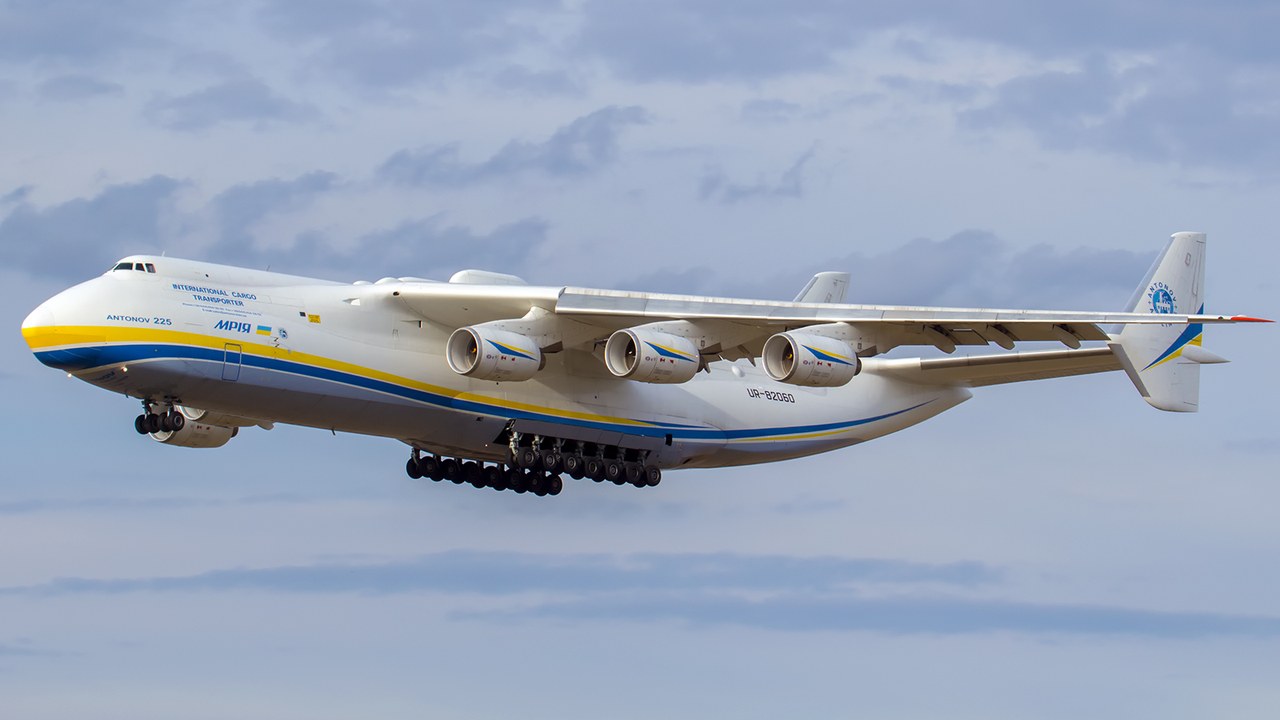
Designed in the Soviet Union to ferry the Buran space shuttle on its back, the six-engine Antonov An-225 Mriya was a stretched, widened derivative of the An-124 that carried a maximum takeoff weight of 640 metric tons, making it the heaviest aircraft ever built.
Only one Mriya was ever completed, and after years of commercial service hauling outsize cargo like generators and industrial equipment across the globe, it was destroyed on the ground at Hostomel airfield near Kyiv on February 27, 2022, during the opening days of the Russian invasion, erasing the record holder rather than merely retiring it.
3. Hughes H-4 Hercules: One Flight, Thirty Seconds
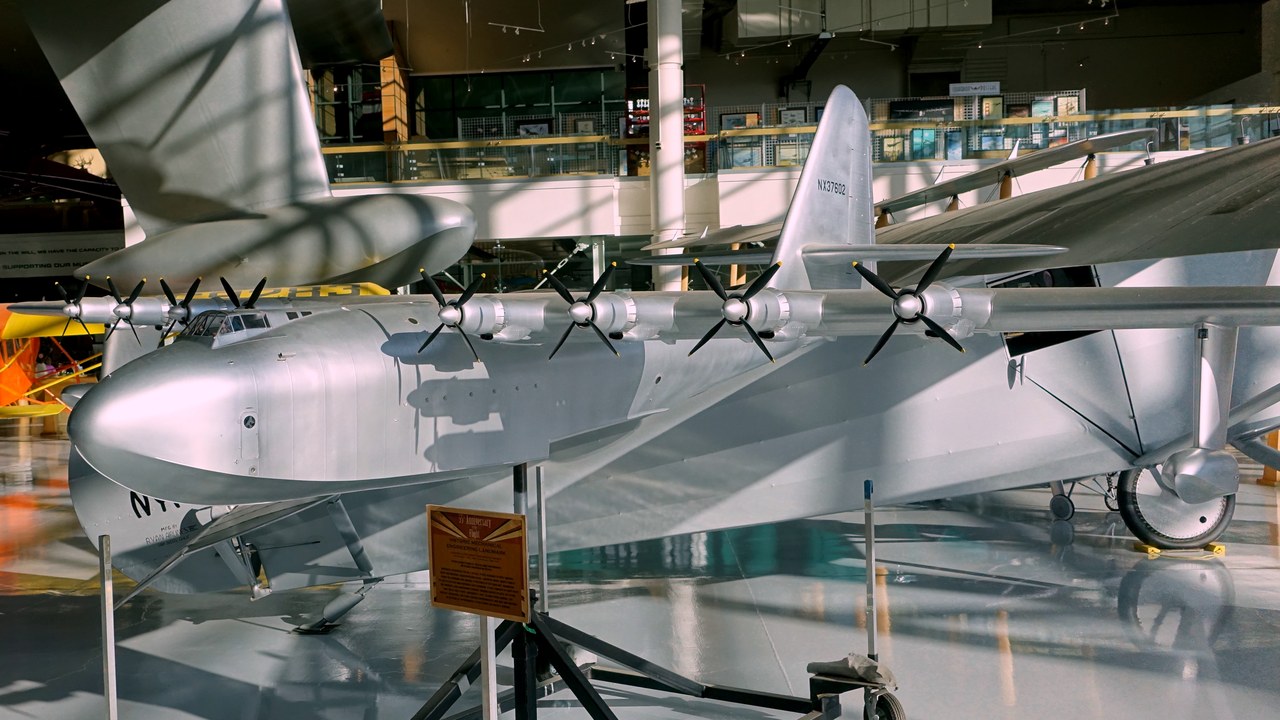
Built almost entirely from birch plywood because wartime metal was rationed, Howard Hughes’s H-4 Hercules stretched 319 feet 11 inches across its single wing and made its only flight on November 2, 1947, with Hughes himself at the controls over Long Beach Harbor, staying airborne for about 30 seconds.
Nicknamed the Spruce Goose despite being made mostly of birch, the flying boat never entered production and never flew again, surviving today as a museum centerpiece that draws visitors more for its scale and its one brief hop than for any operational record.
4. Airbus A380: Largest Passenger Jet Ever
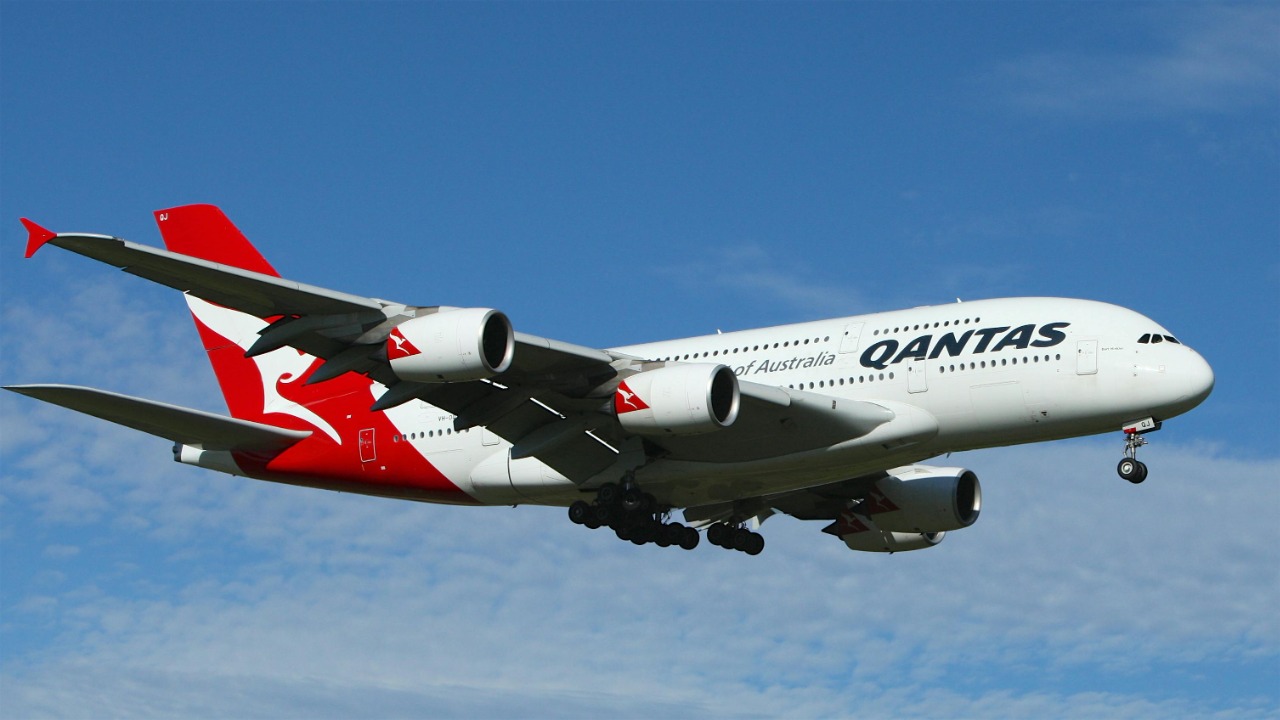
Airbus built the double-decker A380 as the largest passenger plane ever made, certifying the wide-body jet to carry as many as 853 passengers across a wingspan of nearly 80 meters, a scale the manufacturer still markets as the largest passenger aircraft flying today, a claim no rival jet has matched.
Most airlines configure the jet with far fewer seats, using the extra space for premium cabins, bars, and lounges across both decks, and the sheer size that set records also limited it to airports with runways and gates built to handle it.
5. Antonov An-124 Ruslan: Heaviest Cargo Plane Flying
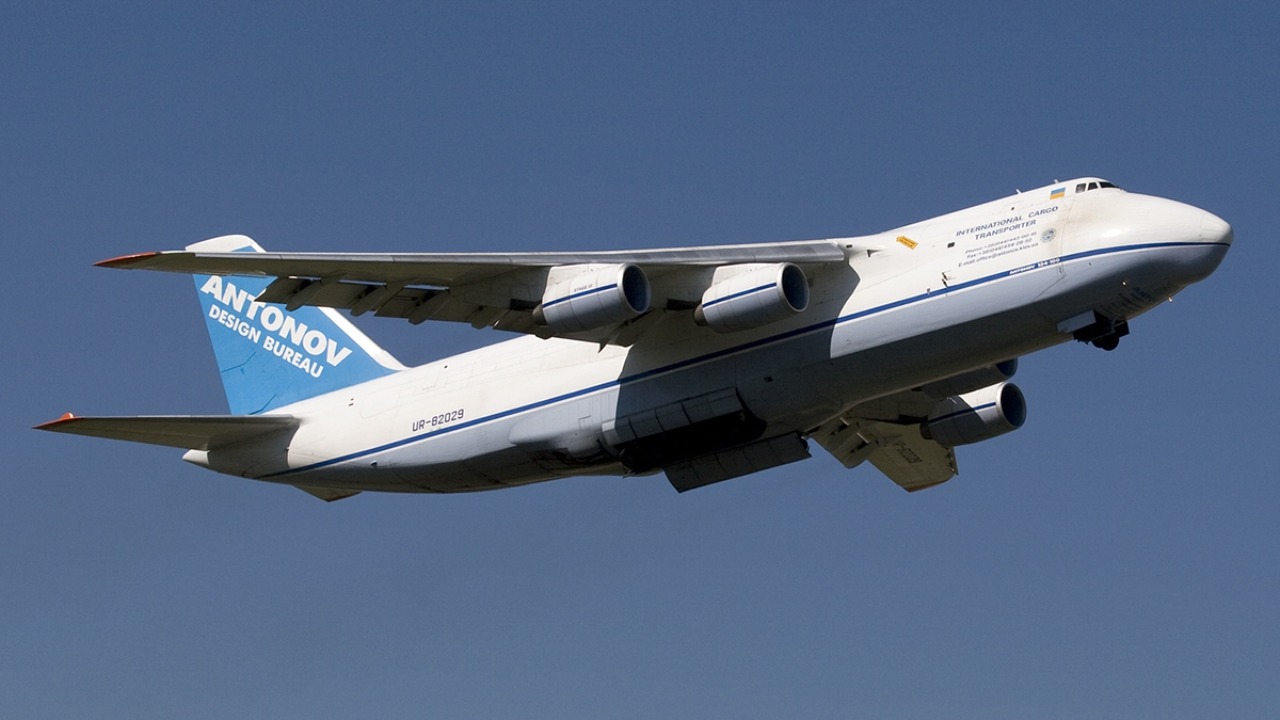
The four-engine, high-wing Antonov An-124 Ruslan carries a maximum takeoff weight of 402,000 kilograms, a figure that made it the second heaviest cargo plane ever put into production, behind only its stretched sibling, the now-destroyed An-225.
With the Mriya destroyed, the Ruslan now stands as the heaviest cargo aircraft still in active production anywhere, a workhorse recognizable by its raised cockpit and drive-through nose and tail ramps, chartered by militaries and freight operators to move satellites, generators, and other outsize loads too big or heavy for ordinary freighters to carry.
6. Boeing Dreamlifter: Triple The Cargo Volume
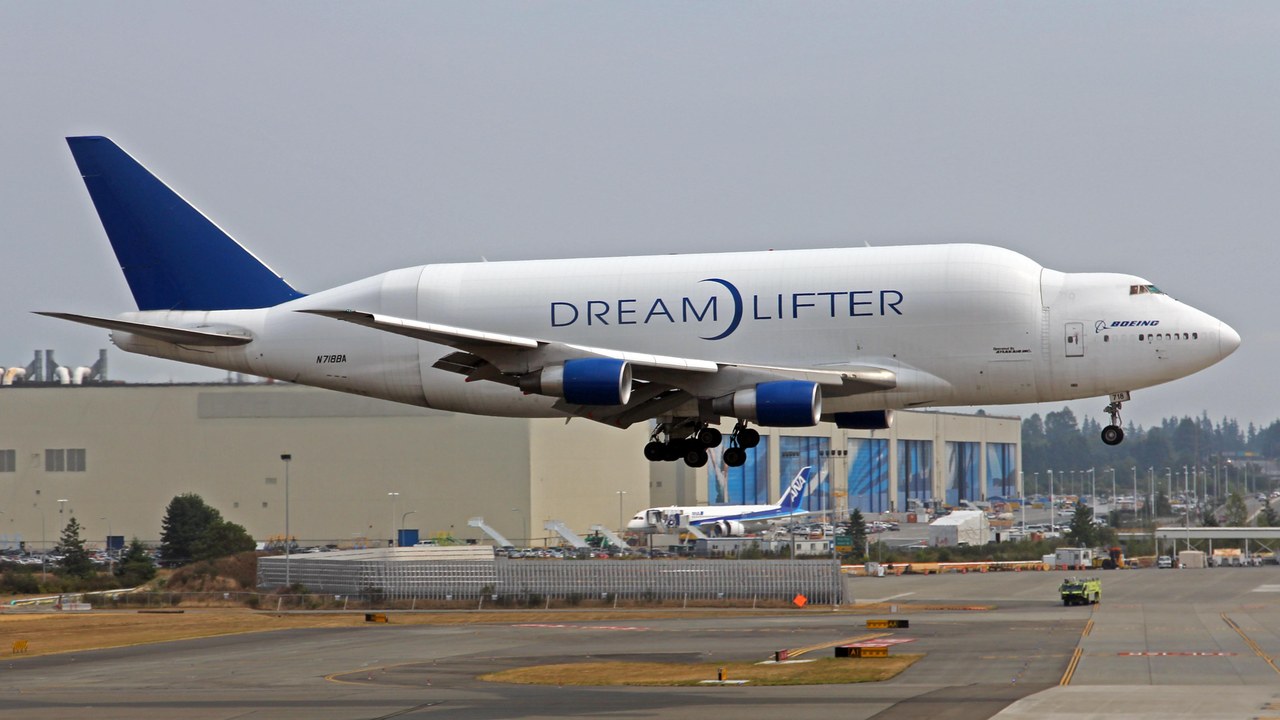
Boeing converted four used 747-400 jets into the bulbous Dreamlifter specifically to ferry 787 Dreamliner fuselage sections and wings between suppliers scattered across continents, giving the freighter three times the cargo volume of a standard 747-400 freighter.
The swollen upper fuselage makes the Dreamlifter instantly recognizable on any airport ramp, and its sole job is ferrying outsize composite parts too large to fit inside a normal cargo hold, linking assembly plants across the United States, Japan, and Italy on a tight production schedule that keeps the 787 program moving without relying on ships or specialized road convoys for those bulky structures.
7. Airbus BelugaXL: Largest Cargo Hold Ever
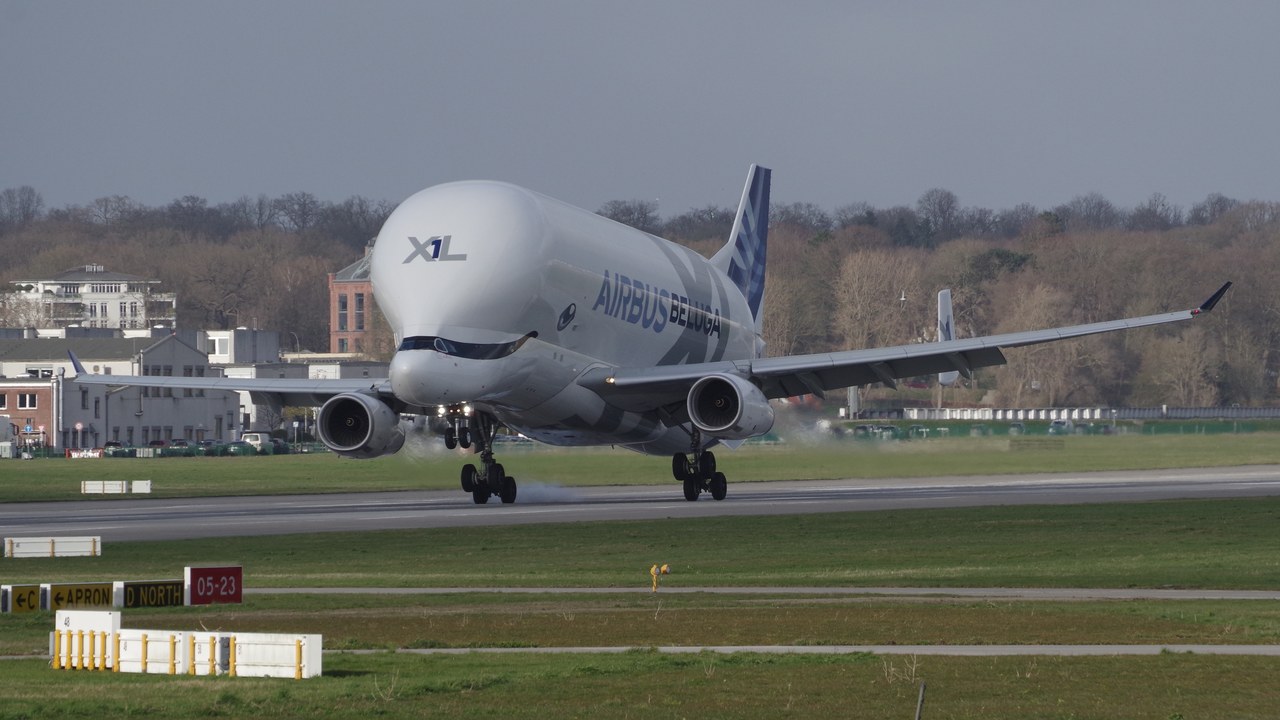
Derived from the A330 widebody and first flown on July 19, 2018, the Airbus BelugaXL was built as a larger successor to the original Beluga freighter, and it carries a cargo hold measuring 2,209 cubic meters, giving it the largest hold volume of any aircraft flying anywhere today.
Airbus built the whale-shaped freighter to move wings and fuselage sections between its European factories faster than the ships and road convoys it once relied on, keeping final assembly lines in France, Germany, Spain, and the United Kingdom steadily supplied with major airframe structures on a demanding weekly delivery schedule.
8. Airlander 10: World’s Longest Aircraft
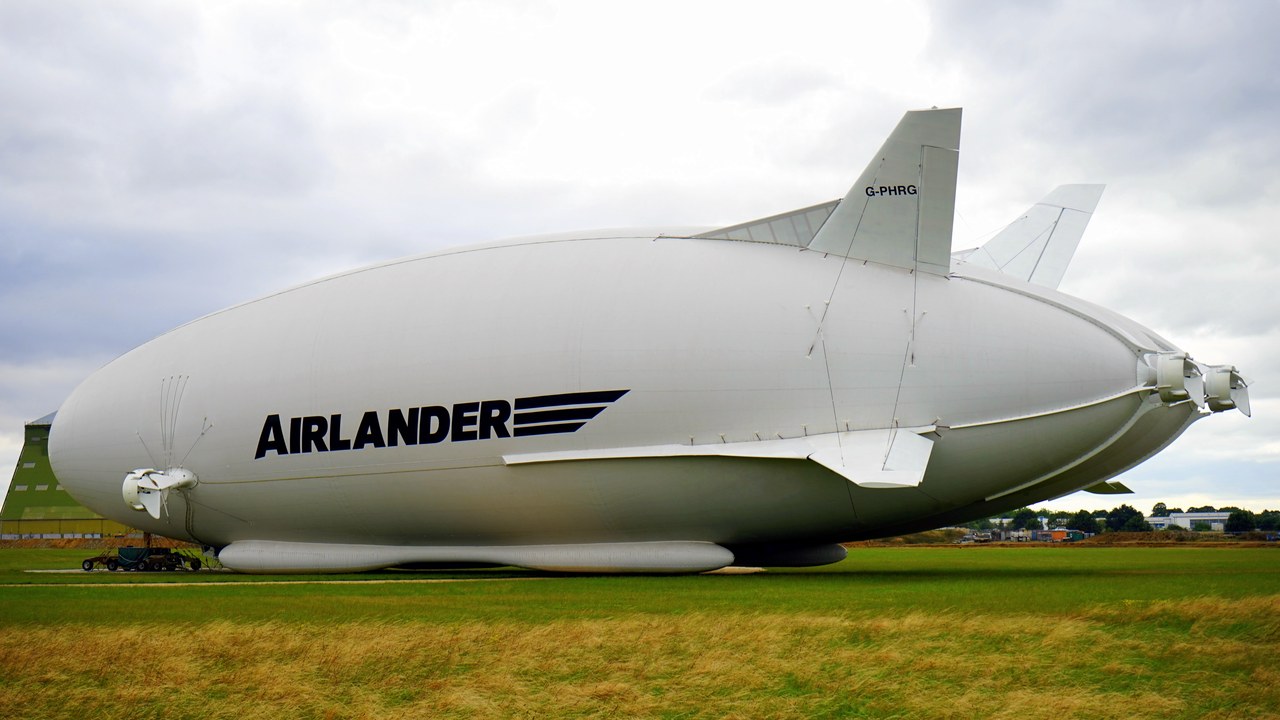
Part airplane and part airship, the helium-filled Airlander 10 stretches 92 meters from nose to tail and cruises at a fraction of a jet’s speed, a length that has it billed as the world’s longest aircraft currently flying anywhere.
Built by Hybrid Air Vehicles in the United Kingdom, the blimp-like craft is pitched for slow, low-emission jobs like surveillance, cargo delivery, and tourism rather than speed, using its buoyant hull and aerodynamic lift together to stay aloft far longer than a conventional fixed-wing plane while burning far less fuel doing it.
More from Morning Overview
- General Motors is switching on cameras that record inside your vehicle by update
- A geomagnetic storm is forecast to hit Earth today, pushing the northern lights unusually far south
- A recalled pill hid a stimulant dose linked to heart attacks and death
- Four U.S. startups fired up their first small nuclear reactors, aiming to power AI data centers on-site
