
Helicopter engineers have spent seven decades chasing the limits of vertical lift, building machines that haul battle tanks, refill firefighting tanks mid-hover, and spin twin rotors the length of a basketball court. Size and payload records rarely last long, but a handful of these designs have held their place in the record books for decades. Here are eight machines that pushed vertical lift to its limits.
1. Mil V-12 (Mi-12): Twin-Rotor Colossus

The Mil V-12 first flew on July 10, 1968, an experimental Soviet heavy-lift design built around two rotors mounted side-by-side on wingtip pylons. It still stands as the largest helicopter ever built, with a maximum take-off weight of 105,000 kilograms and rotor spans of 35 meters apiece, a mark Guinness World Records continues to recognize.
Only two examples were ever completed, and Soviet planners eventually decided the twin-rotor side-by-side layout was too complex for widespread service, leaving the giant an engineering trophy rather than a workhorse transport. It never entered mass production, and no design since has matched its sheer rotor span.
2. Mil Mi-26: Cargo-Hauling Giant
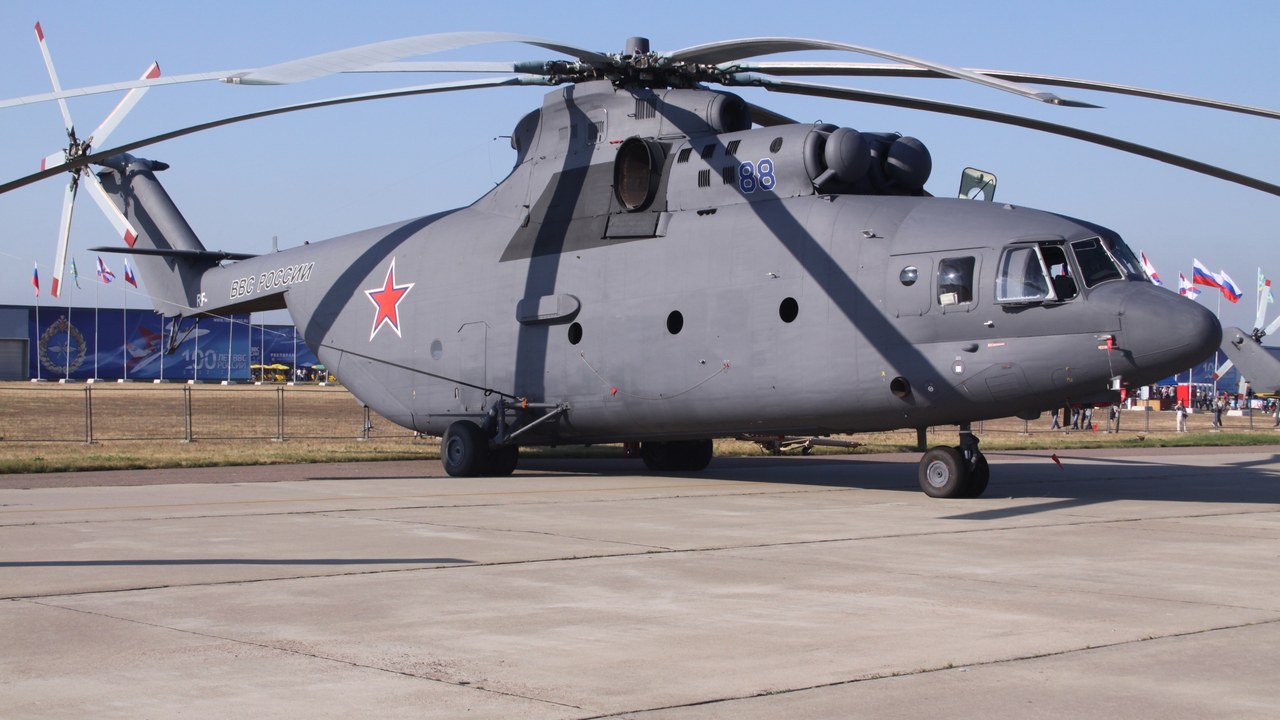
The Mil Mi-26 traces its design lineage to the Mil bureau responsible for several of the Soviet Union’s heavy-lift helicopters, and today’s Mi-26T variant remains in production for both military and civilian operators. Its manufacturer says the cabin or an external sling can move a 20-tonne cargo load.
That lift capacity has made the type a fixture of oil-field construction, disaster relief and heavy-equipment transport in regions where roads are scarce or nonexistent, hauling generators, vehicles and prefabricated structures to sites no fixed-wing aircraft could reach without a long runway nearby.
3. Mil Mi-6: Cold War Heavy Lifter
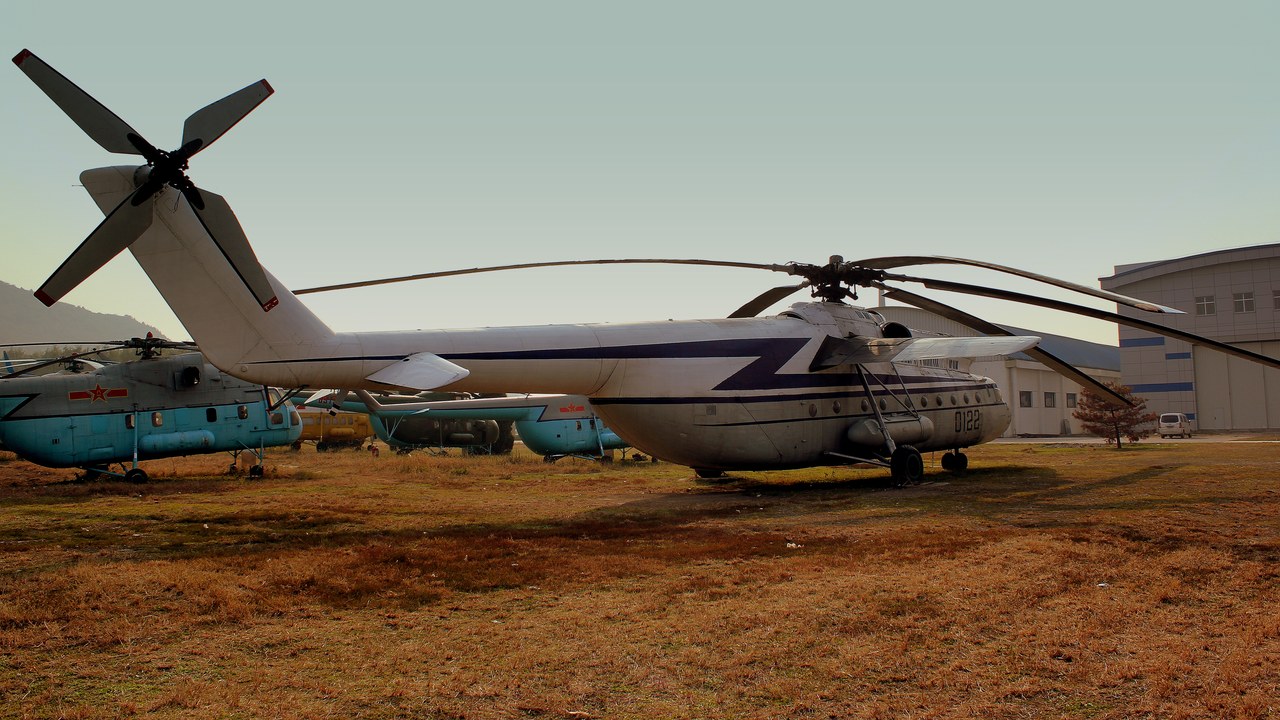
The Mil Mi-6 entered service in the late 1950s as the Soviet Union’s first mass-produced heavy-lift helicopter, pairing a 115-foot main rotor with stub wings that offloaded some of the lift in forward flight. Detailed specifications put its maximum take-off weight at 97,000 pounds, or 44,000 kilograms.
That combination of rotor size and stub-wing lift made the Mi-6 the template for later Soviet heavy-lift designs, including the Mi-10 flying crane and eventually the far larger Mi-26, and it served for decades hauling troops, artillery and construction equipment across remote terrain in the Arctic and Siberia.
4. Mil Mi-10: Stilt-Legged Crane
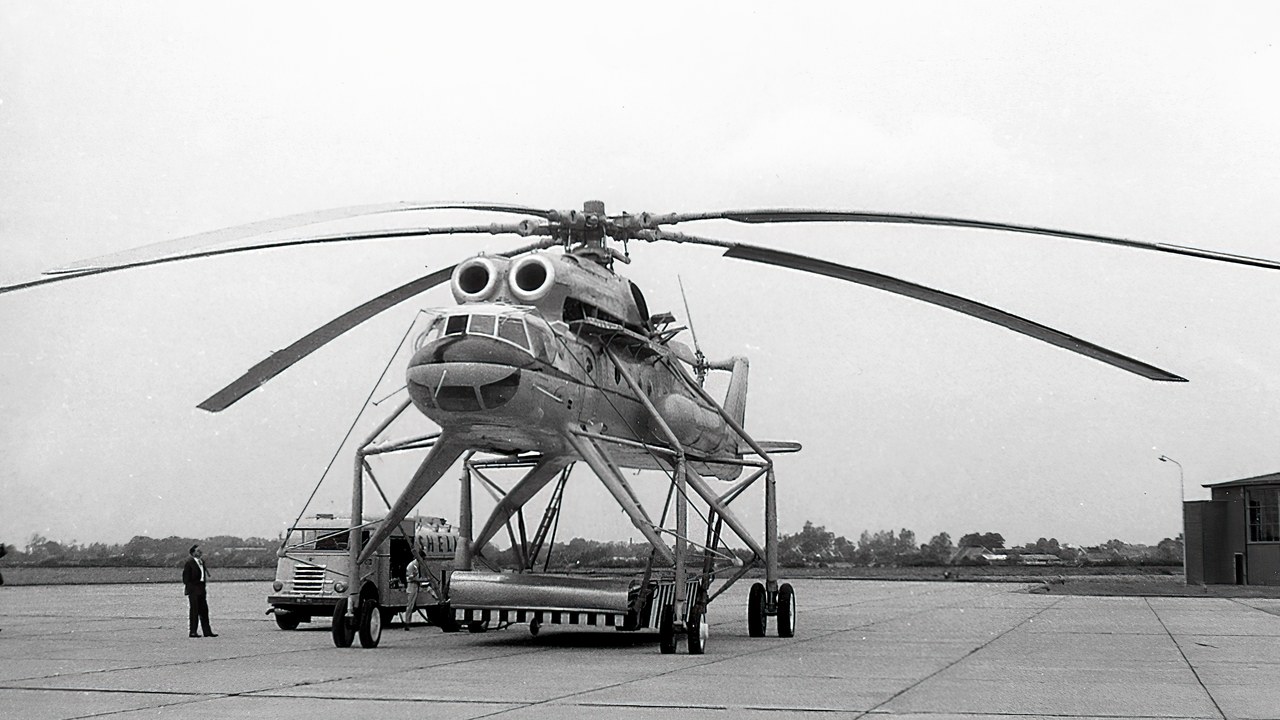
The Mil Mi-10 shares the Mi-6’s 115-foot main rotor but trades its fuselage for tall, spindly landing legs that let it straddle bulky cargo and lift it on a belly-mounted cradle or sling. Recorded specifications put its maximum take-off weight at 83,775 pounds, or 38,000 kilograms.
That tall stance let ground crews drive trucks or shipping containers directly beneath the fuselage before lifting them clear, a party trick the more conventional Mi-6 could not match, and the layout influenced flying-crane designs built by other manufacturers in the decades that followed, including Sikorsky’s own crane variants.
5. Sikorsky CH-53E Super Stallion: Marine Corps Heavy Lifter
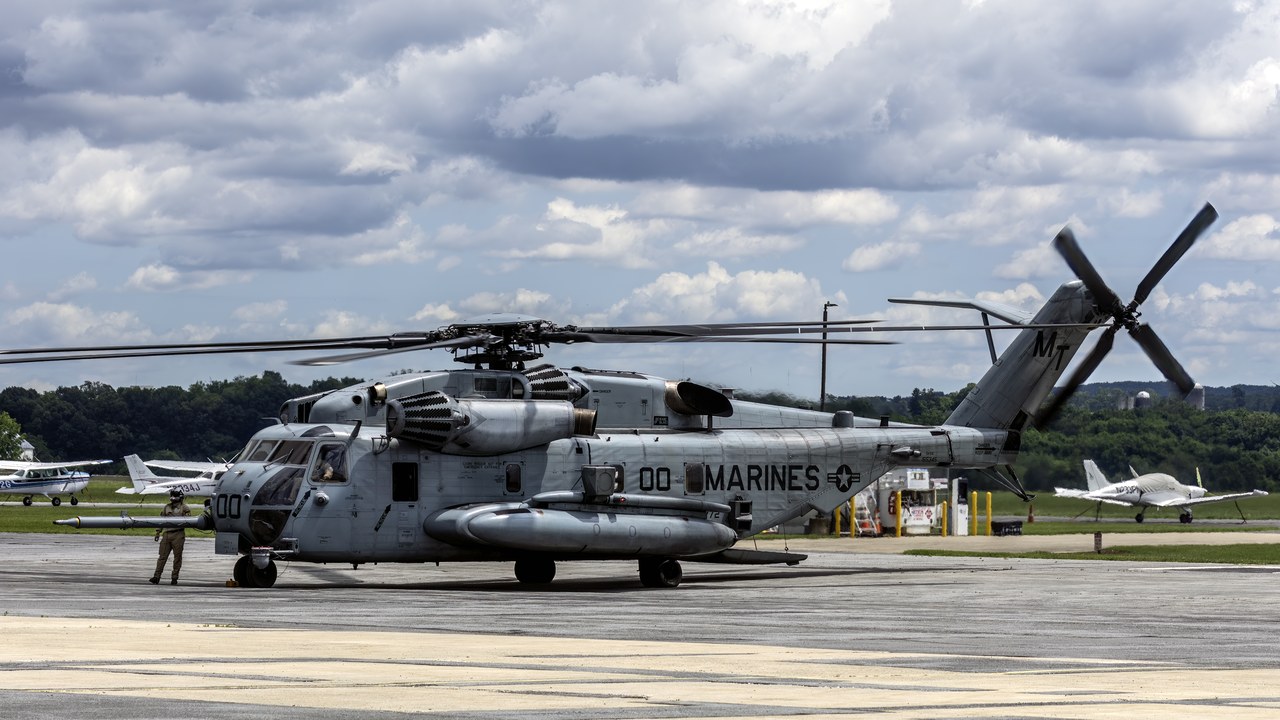
The Sikorsky CH-53E Super Stallion has served as the U.S. Marine Corps’ heavy-lift workhorse since the early 1980s, powered by three engines turning a single 79-foot main rotor. Published specifications list its maximum take-off weight at 73,500 pounds, or 33,340 kilograms.
It remains one of the largest helicopters in the U.S. military inventory, hauling downed aircraft, armored vehicles and heavy equipment for the Marine Corps and Navy from amphibious ships and forward bases where fixed-wing airlift cannot easily reach. Its rotor blades and tail fold for storage aboard those same ships, letting the type operate from decks far smaller than any runway it would otherwise need.
6. Sikorsky CH-53K King Stallion: Heaviest Sikorsky Yet
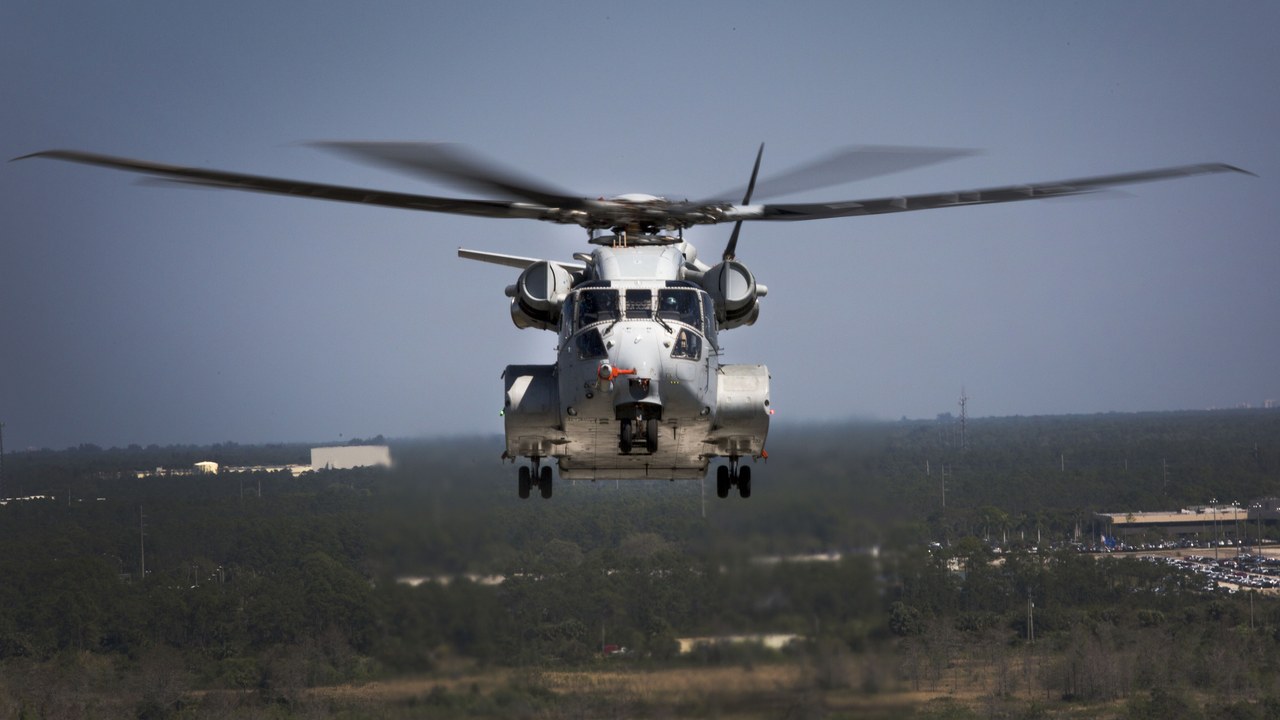
The Sikorsky CH-53K King Stallion is the newest member of the Stallion family, built to replace the CH-53E with more powerful engines and a redesigned airframe. During flight testing, Lockheed Martin reported the aircraft hovered with a 36,000-pound external load at a gross weight topping 91,000 pounds, calling it the heaviest helicopter Sikorsky has ever flown.
That test milestone marked a major step in expanding the King Stallion’s flight envelope ahead of full-rate production, and the extra lift capacity is meant to let Marine Corps crews carry heavier armored vehicles and equipment on a single external sling than the CH-53E it is replacing ever could.
7. Boeing CH-47 Chinook: Tandem-Rotor Mainstay
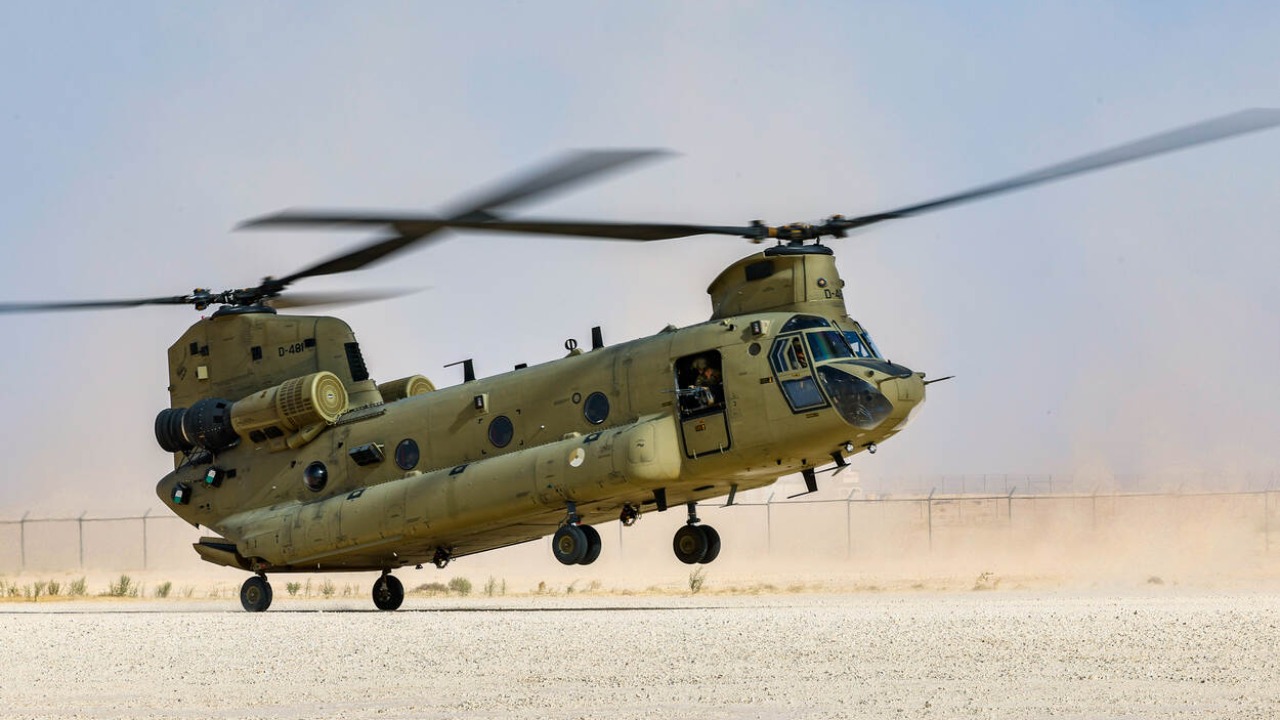
The Boeing CH-47 Chinook has flown for the U.S. Army and dozens of allied militaries since the 1960s, using two tandem, counter-rotating rotors instead of a rotor-and-tail-rotor layout. Boeing’s own figures list a maximum gross weight of 54,000 pounds and a useful load of 27,700 pounds.
The tandem-rotor layout eliminates the power lost to a tail rotor and lets the Chinook carry troops, artillery and cargo at high altitude where single-rotor helicopters struggle, a reason it has stayed in continuous production and frontline service for well over six decades across dozens of allied air forces.
8. Sikorsky S-64 Skycrane / Erickson Air-Crane: Firefighting Flying Crane
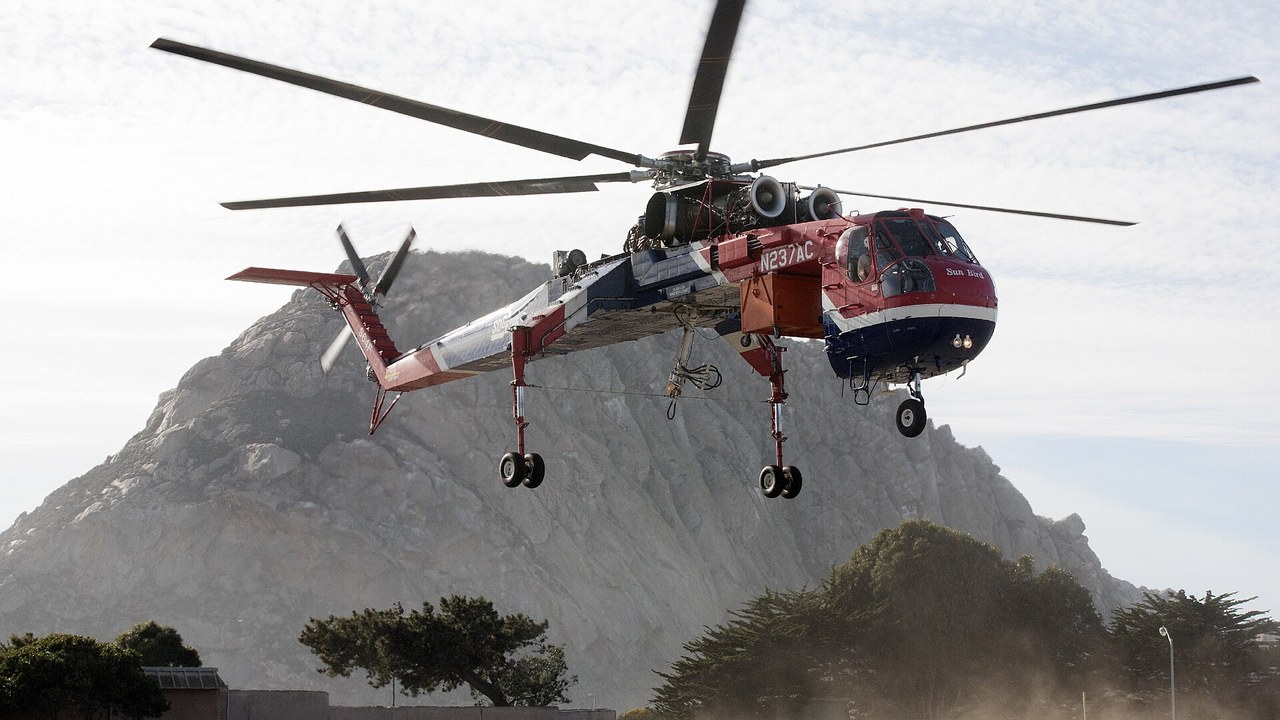
The Sikorsky S-64 Skycrane began life as a military flying crane before civilian operators like Erickson converted it into an aerial firefighter under the name Air-Crane, fitting a belly tank in place of cargo hooks. San Bernardino County Fire says the tank holds 2,650 gallons and can be refilled by hose in under a minute while the aircraft hovers over a water source.
That hover-and-refill trick lets a single Skycrane make repeated drops on a wildfire without ever landing, cutting the turnaround time between loads compared with helicopters that must return to a base to refuel and refill from ground tanks.
More from Morning Overview
- A recalled pill hid a stimulant dose linked to heart attacks and death
- Four U.S. startups fired up their first small nuclear reactors, aiming to power AI data centers on-site
- Card skimmers hidden on gas pumps and ATMs are draining accounts, and here’s the tell
- Doctors warn a silent liver disease now affects one in three American adults
