
Automotive history keeps a short list of cars that never escaped their reputations, undone by federal scrutiny, corporate collapse or a market that refused to buy in. Some were sunk by scandal and lawsuits, others by styling so polarizing it became a punchline, and a few simply outran their company’s ability to survive. Here are eight cars whose names still function as shorthand for failure.
1. Tucker 48 ‘Tin Goose’: Fifty-One Built, Then Nothing
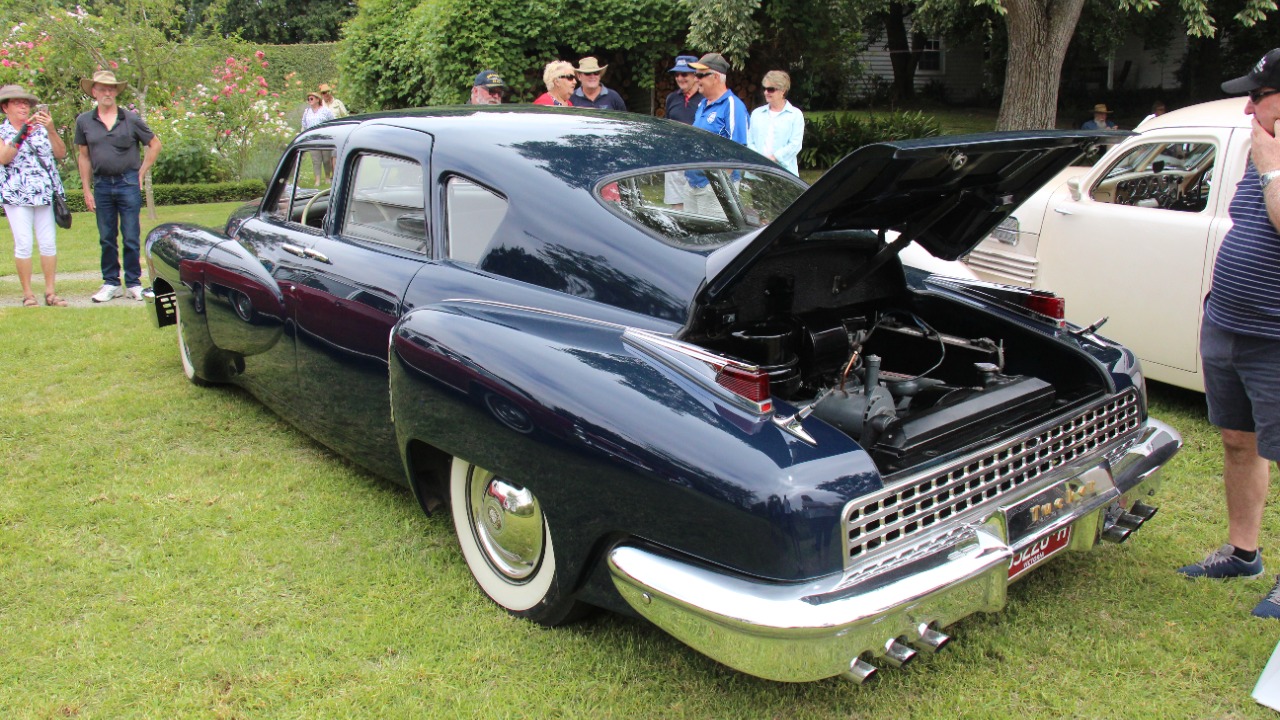
Preston Tucker built the 48 around safety ideas rivals wouldn’t touch, including a padded dash and a windshield designed to pop out in a crash, but only 51 cars left the factory before federal investigators and shareholder lawsuits shut the operation down. The Tucker Corporation collapsed within three years of its first prototype.
Surviving examples are treated less like used cars than museum pieces, prized today for the ambition and unfinished promise behind their design, and for standing as an early lesson in how quickly a challenger automaker can run out of runway.
2. 1958 Edsel Citation: The Name Nobody Wanted
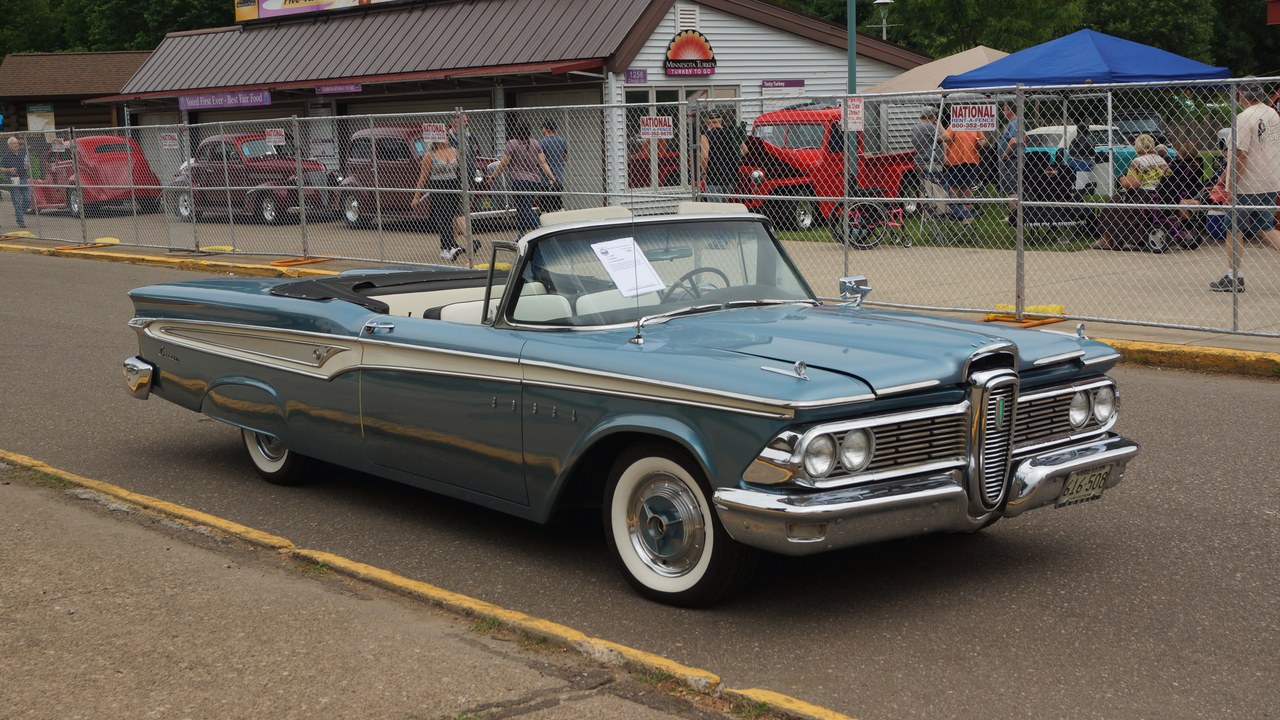
Ford launched Edsel with an unprecedented marketing campaign and a vertical grille that critics mocked instead of admired, and the division never recovered its footing in showrooms. The Henry Ford’s own archive puts it plainly: Edsel was not a success, and the brand was dropped after the 1960 model year.
The name outlived the actual cars, turning into a stock example that business schools and headline writers still reach for whenever a heavily funded launch badly misreads what buyers actually want from a new nameplate, decades after the last Edsel left a dealer lot.
3. Chevrolet Corvair: Branded Unsafe, Then Cleared
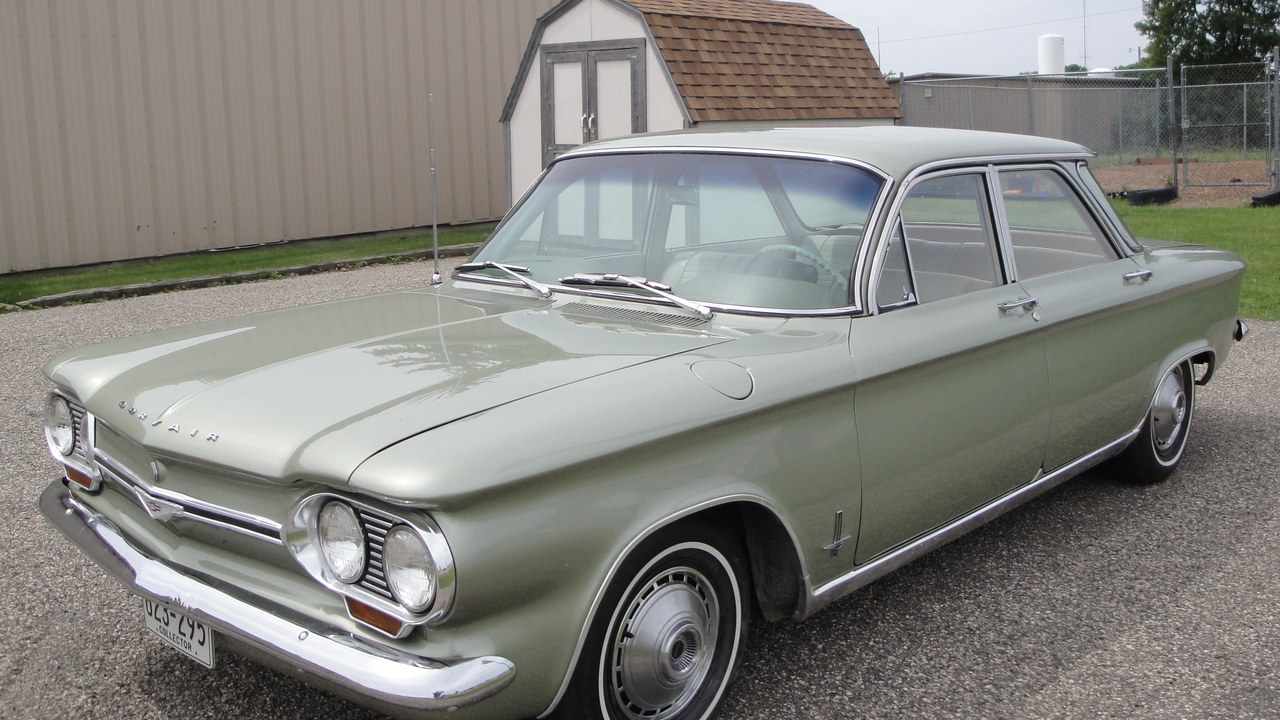
Ralph Nader’s 1965 book Unsafe at Any Speed made the rear-engine Corvair the face of American car-safety criticism, accusing its swing-axle suspension of inviting rollovers. A 1972 federal review of the Corvair later examined the 1960-63 cars and found no abnormal potential for loss of control or rollover.
The vindication came too late to undo the damage: sales had already slid, and the Corvair’s name stayed linked to the safety scandal for decades afterward, a lasting reminder that a car’s public reputation rarely moves as fast as the evidence behind it.
4. DeLorean DMC-12: Gull Wings, Then Receivership
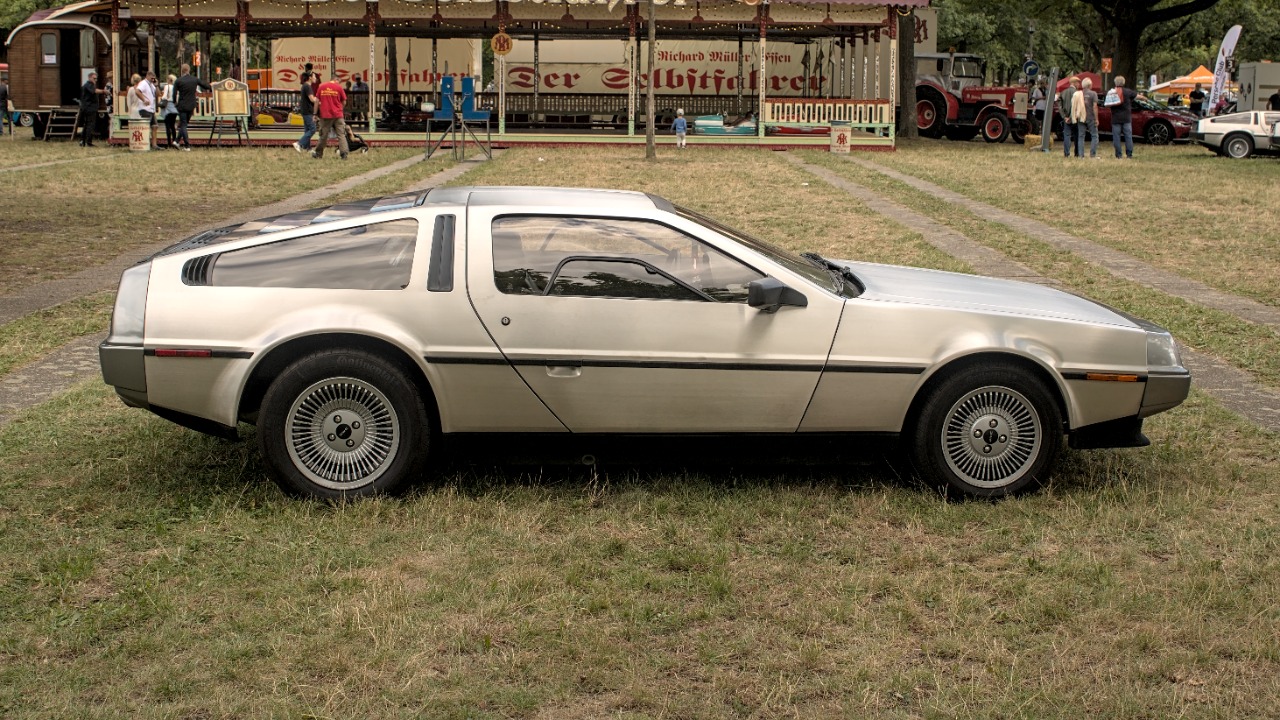
John DeLorean’s stainless-steel, gull-wing sports car was built at a purpose-built Northern Ireland plant that turned out roughly 8,975 cars before the money ran out. The DeLorean Motor Company entered receivership in February 1982 after selling only a fraction of what the factory was built to produce.
The car outlasted the company that built it, becoming better known today as a design icon than as a business that ever turned a profit, and its rarity now makes surviving examples sought after well beyond the reach of an ordinary used-car buyer.
5. Bricklin SV-1: Safety Sold, Cash Didn’t
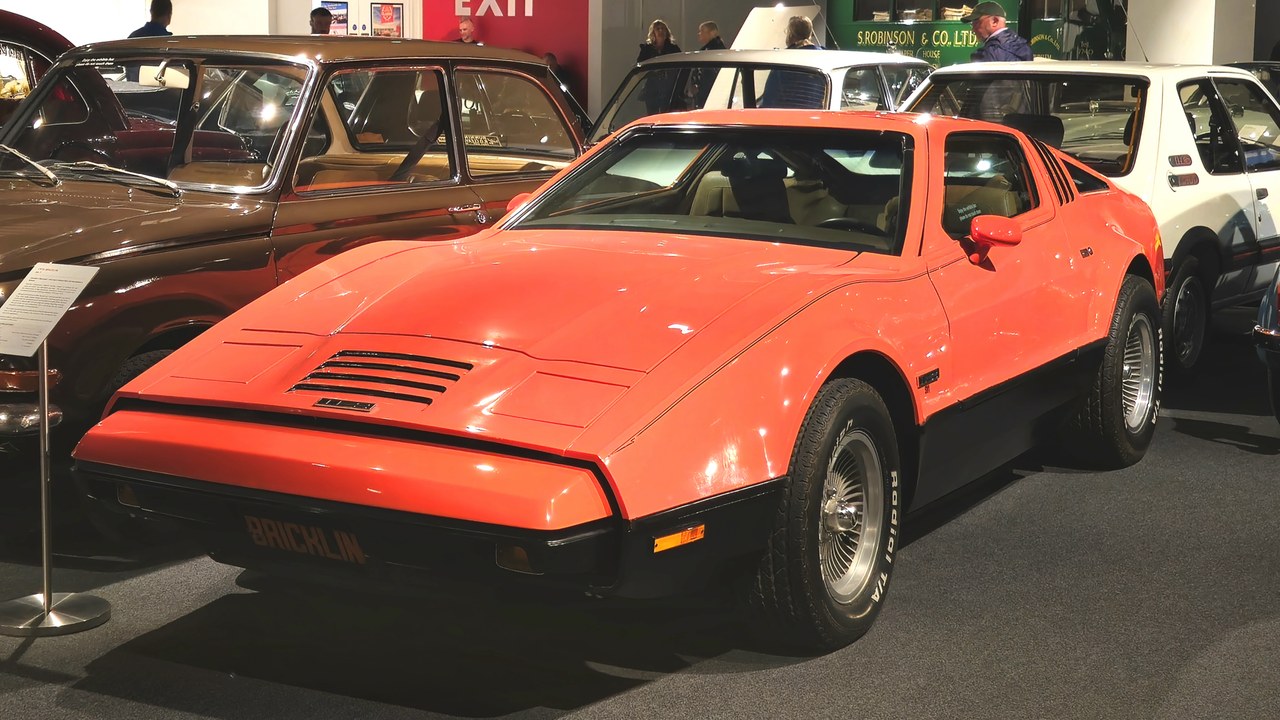
Malcolm Bricklin marketed the SV-1 on its integrated roll cage and 5 mph bumpers rather than performance, positioning it as the safety car Detroit wasn’t building. Production of the SV-1 ended with just under 3,000 cars built, after the province of New Brunswick had put in $4.5 million to keep the factory running.
Its short run turned the SV-1 into a curiosity for collectors rather than a lasting nameplate, and the episode is still cited as a cautionary example of a government betting public money on an unproven car company.
6. Sinclair C5: Too Low To See
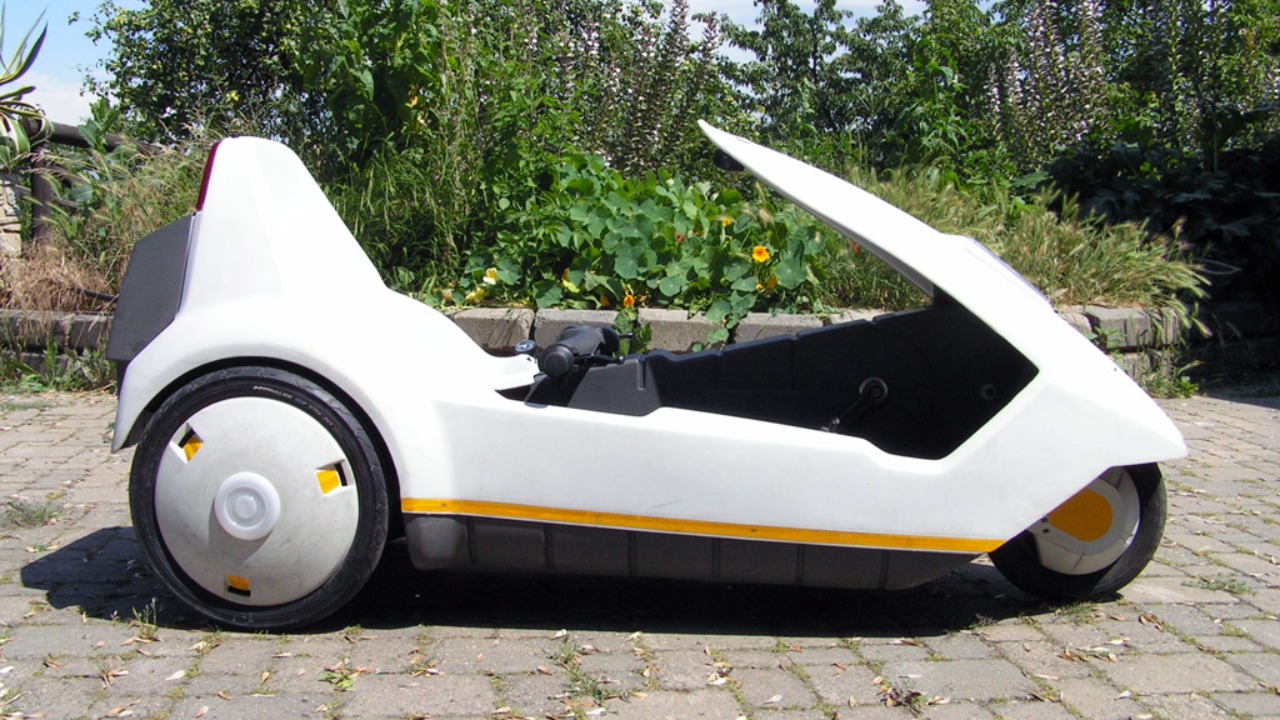
Sir Clive Sinclair pitched the C5 as an electric personal vehicle that would replace short car trips, but the pedal-assisted trike sat so low and exposed that other drivers routinely failed to see it in traffic. Lane Motor Museum’s C5 entry notes fewer than 17,000 were built in 1985 before sales never took off.
It survives today mainly as a museum piece and a punchline, held up as an example of launching a genuinely new kind of vehicle before roads, weather, insurers and other drivers were ready to accommodate anything like it.
7. Yugo GV: Cheap, Then Recalled
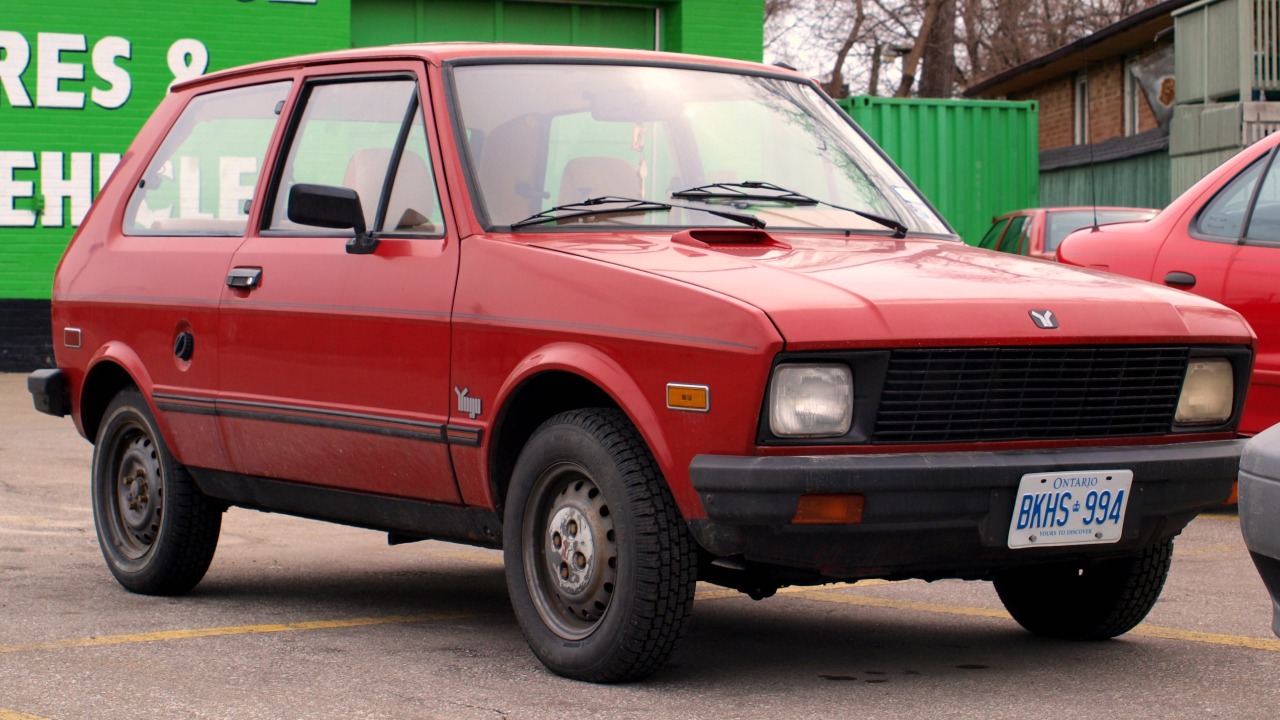
Marketed as the cheapest new car in America, the Yugo GV became a punchline almost as fast as it became a bestseller, and it was later voted worst car of the millennium by the radio show Car Talk. Yugo America shut down in 1992 after an EPA recall covering more than 126,000 cars.
The GV’s reputation for breakdowns and thin dealer support became a shorthand cautionary tale for what happens when a budget import arrives in a new market without the parts and service network to back it up long term.
8. Pontiac Aztek: The Ugliest Car Ranking
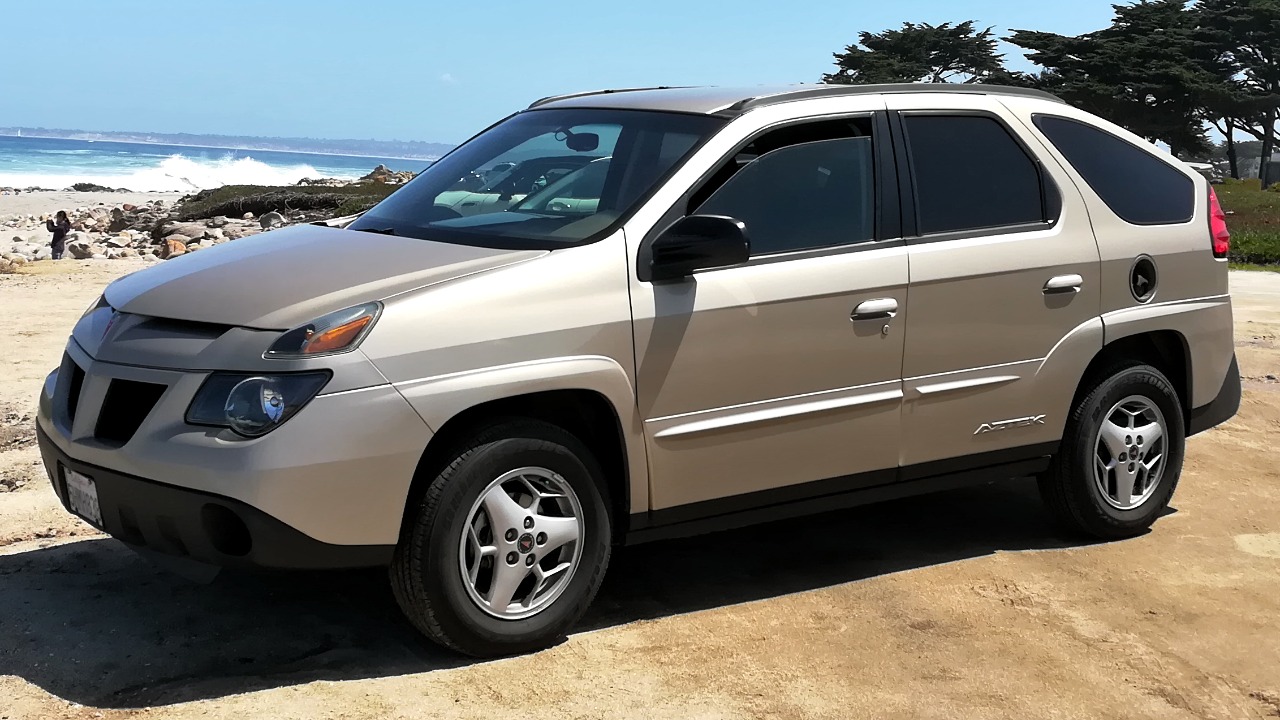
GM needed the Aztek to sell roughly 30,000 units a year just to break even, but the crossover peaked at 27,793 sales and never got close again. It later topped the 100 ugliest cars list in 2008, cementing its reputation as one of the most-mocked designs Detroit ever produced.
The Aztek is still invoked whenever the industry talks about styling by committee, a reminder that a genuinely bold concept vehicle can lose its nerve by the time focus groups, engineers and cost targets finish reshaping it for the showroom floor.
More from Morning Overview
- Supplements now rank as the fifth-leading cause of death from liver disease.
- Herbal supplements are landing Americans in the hospital with liver damage, doctors warn
- General Motors is switching on cameras that record inside your vehicle by update
- A geomagnetic storm is forecast to hit Earth today, pushing the northern lights unusually far south
