
Humans have been steering wheeled machines across other worlds by remote control since the Cold War space race, first on the Moon and later across the deserts of Mars. Some barely survived their planned missions, while a few kept driving for years after engineers expected them to fall silent. Here are eight rovers that have carried human curiosity, and sometimes human ambition, across another world.
1. Lunokhod 1 (USSR, 1970): First Robotic Moon Driver
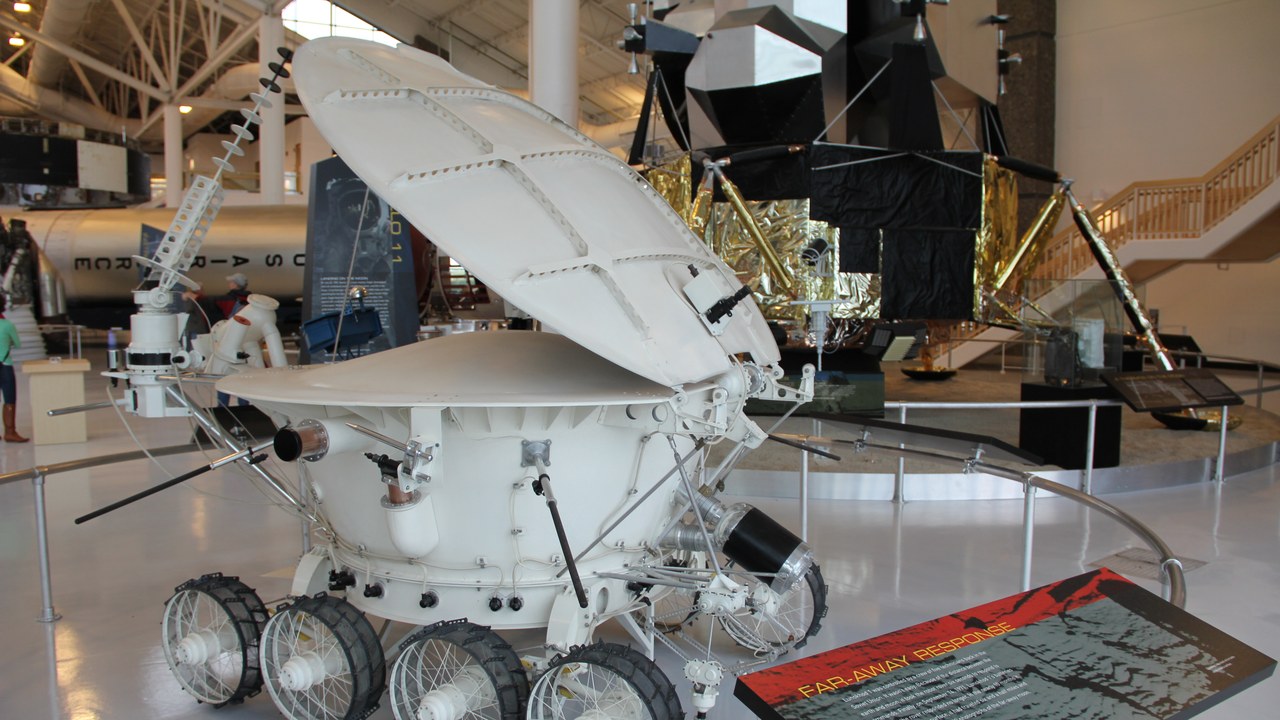
Lunokhod 1 became the first remote-controlled rover to drive across another world, landed by the Soviet Union on the Sea of Rains in 1970 and steered in real time by a five-person team near Moscow. NASA’s own archive notes it was designed to operate for just 90 days but kept exploring for about 11 months.
That significantly outlasted its planned lifespan and set a pattern later echoed by American rovers on Mars, and Lunokhod 1’s unusual tub-shaped design, topped with a lid-like solar panel, influenced Soviet planetary rover concepts for years afterward.
2. Apollo Lunar Roving Vehicle (1971-72): The Original Moon Buggies
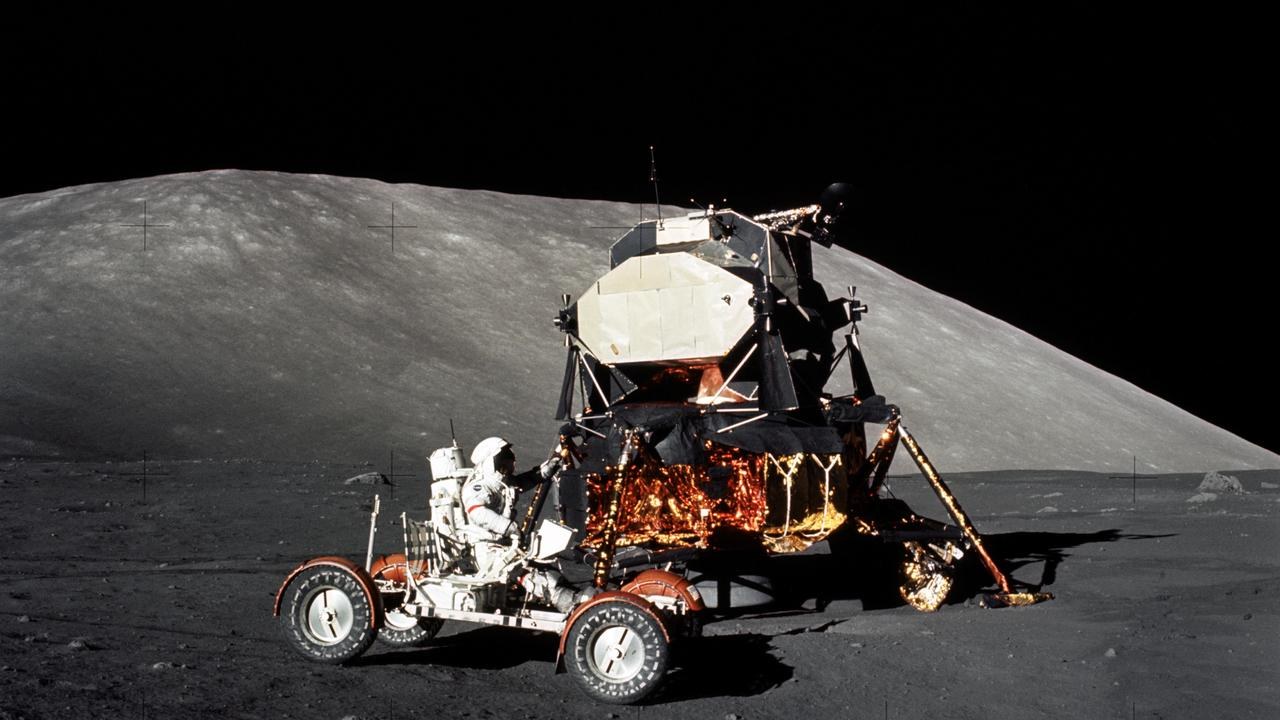
Three Apollo Lunar Roving Vehicles were driven across the Moon’s surface during the final crewed landings, giving astronauts a way to range far beyond walking distance from the lunar module. NASA’s mission records show the Apollo 17 crew alone covered 35.9 kilometers across 4 hours and 26 minutes of total drive time.
Each buggy folded into a compartment on the outside of the lunar module for the trip out and was left behind on the surface afterward, since none of the three ever returned to Earth, extending each mission’s range across craters and rocky plains no astronaut could have reached on foot.
3. Lunokhod 2 (USSR, 1973): Four-Decade Driving Record
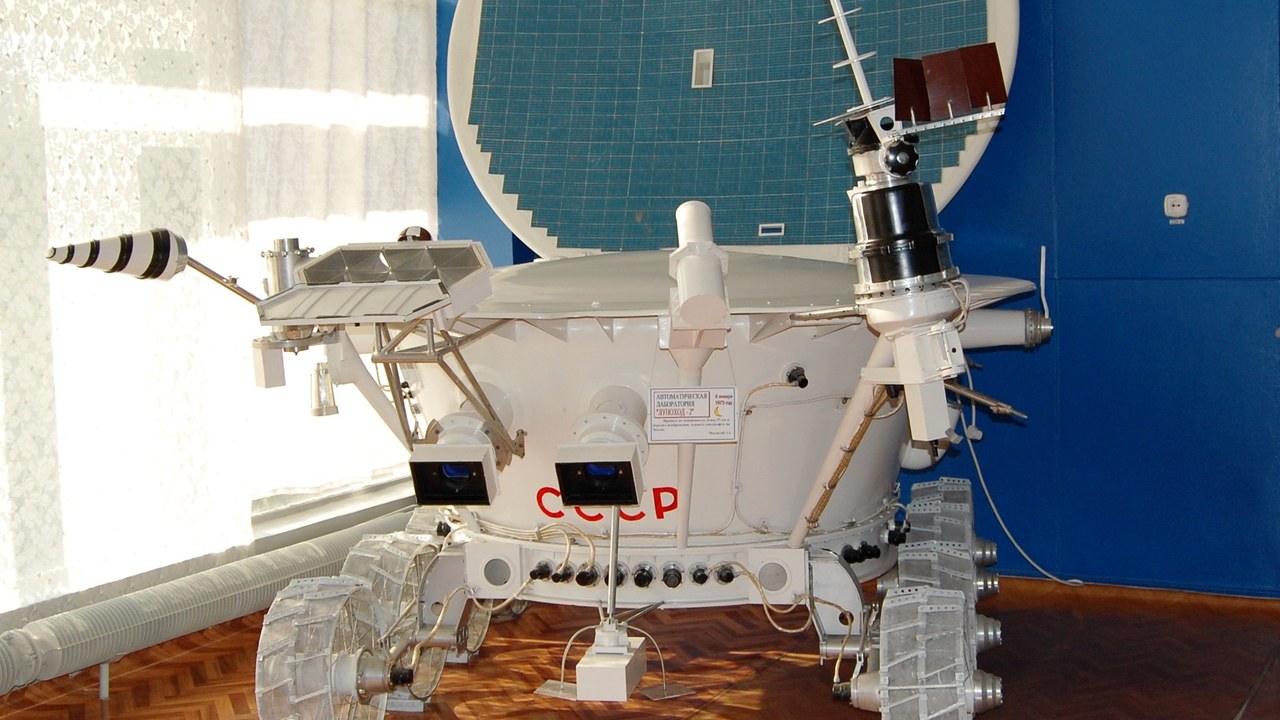
Lunokhod 2 landed on the Moon in 1973, carrying cameras and scientific instruments to study the lunar surface, and drove about 39 kilometers, or 24.2 miles, in less than five months on the surface. NASA later confirmed that distance stood as the off-world driving record until 2014.
That record survived four decades of subsequent lunar and Mars exploration before a NASA rover finally drove farther, a testament to how much ground a well-designed rover could cover even with 1970s-era Soviet technology and a delayed radio link back to mission control on Earth.
4. Sojourner (Mars Pathfinder, 1997): Mars’ First Wheels
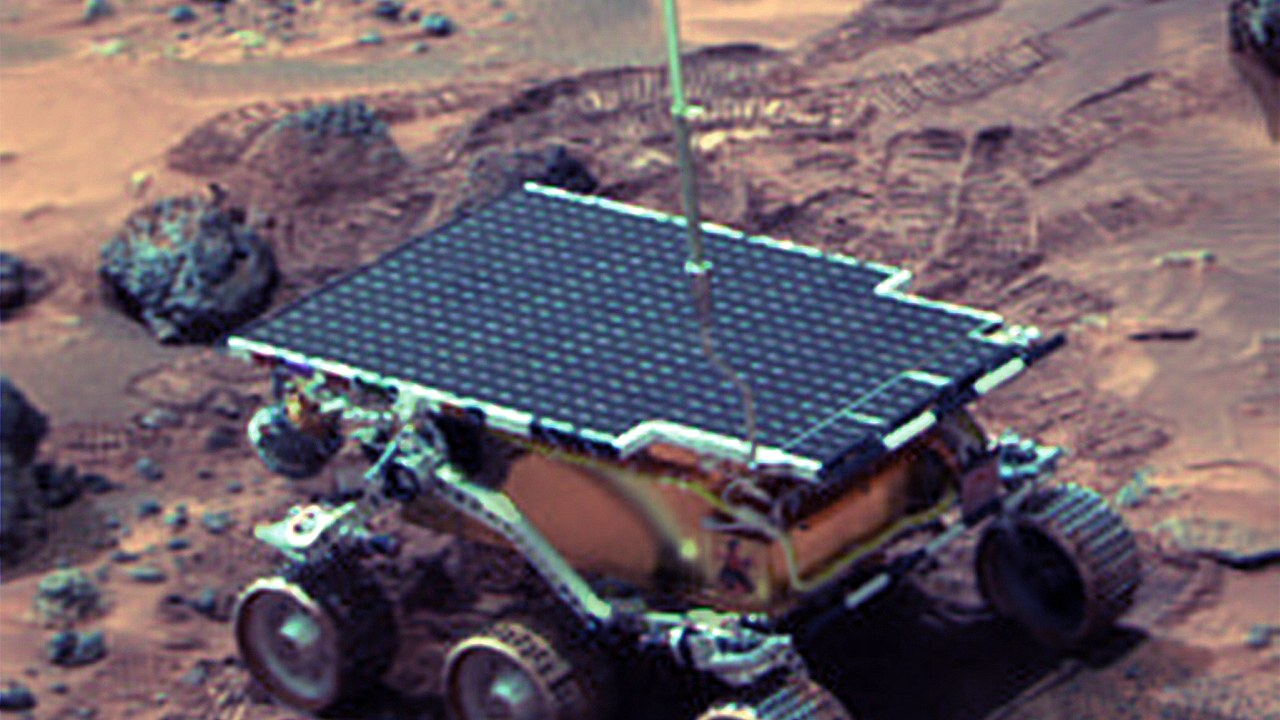
Sojourner became the first robotic rover to operate on Mars, rolling off the Mars Pathfinder lander onto the Martian surface on the mission’s second day, or sol 2. NASA describes the rover as barely a foot tall and weighing just 23 pounds.
Its tiny size and low cost proved that a small, inexpensive rover could still do real science on another planet, and the mission’s success helped convince NASA to fund the much larger and longer-lived rovers that followed it to Mars in the decades afterward, from Spirit and Opportunity to Curiosity and Perseverance.
5. Spirit (2004-2010): Outlasted Its Warranty
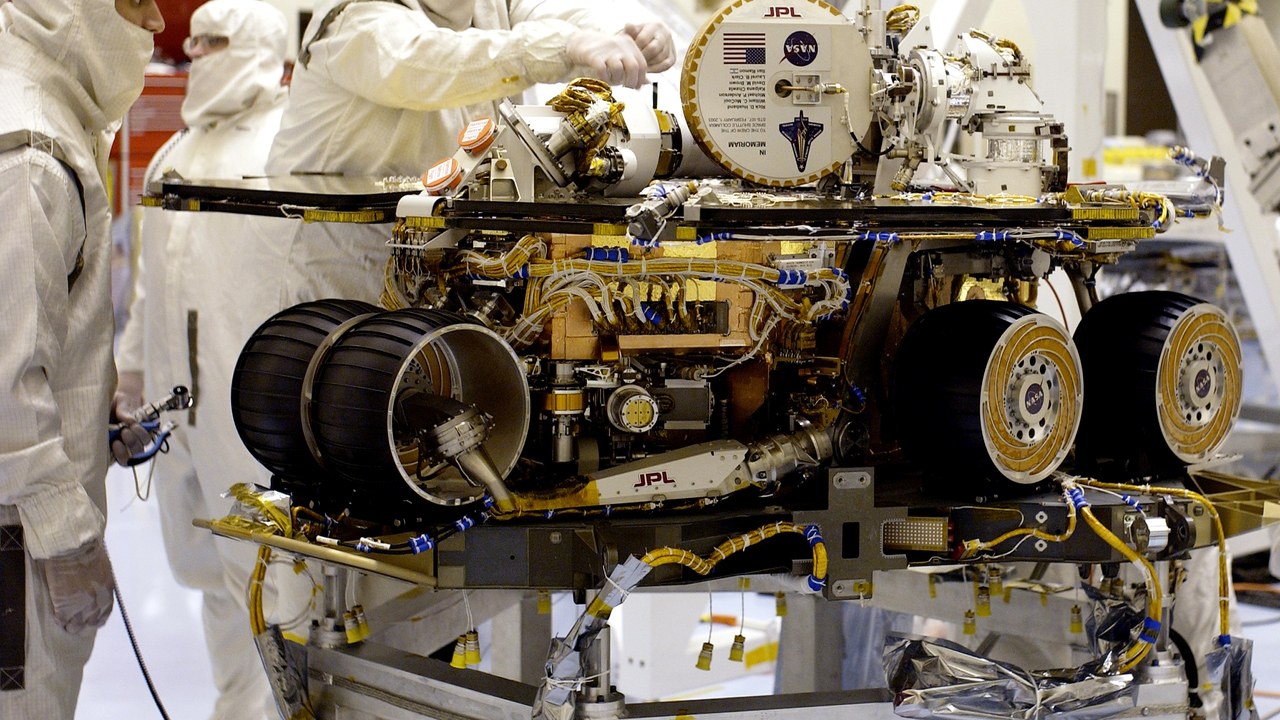
Spirit landed on Mars in 2004 on a mission designed to last just 90 Martian days, but it kept working and roving until March 2010. NASA’s mission page says that by the time it stopped, Spirit had traveled about 4.8 miles, or 7.73 kilometers, across the Martian plains.
Spirit was one half of NASA’s twin Mars Exploration Rover program alongside Opportunity, and its multi-year run far beyond that original 90-day plan showed engineers that a solar-powered rover could survive Martian winters and dust storms far longer than early designs assumed, reshaping expectations for every rover that came after it.
6. Opportunity (2004-2018): Sixty Times Over
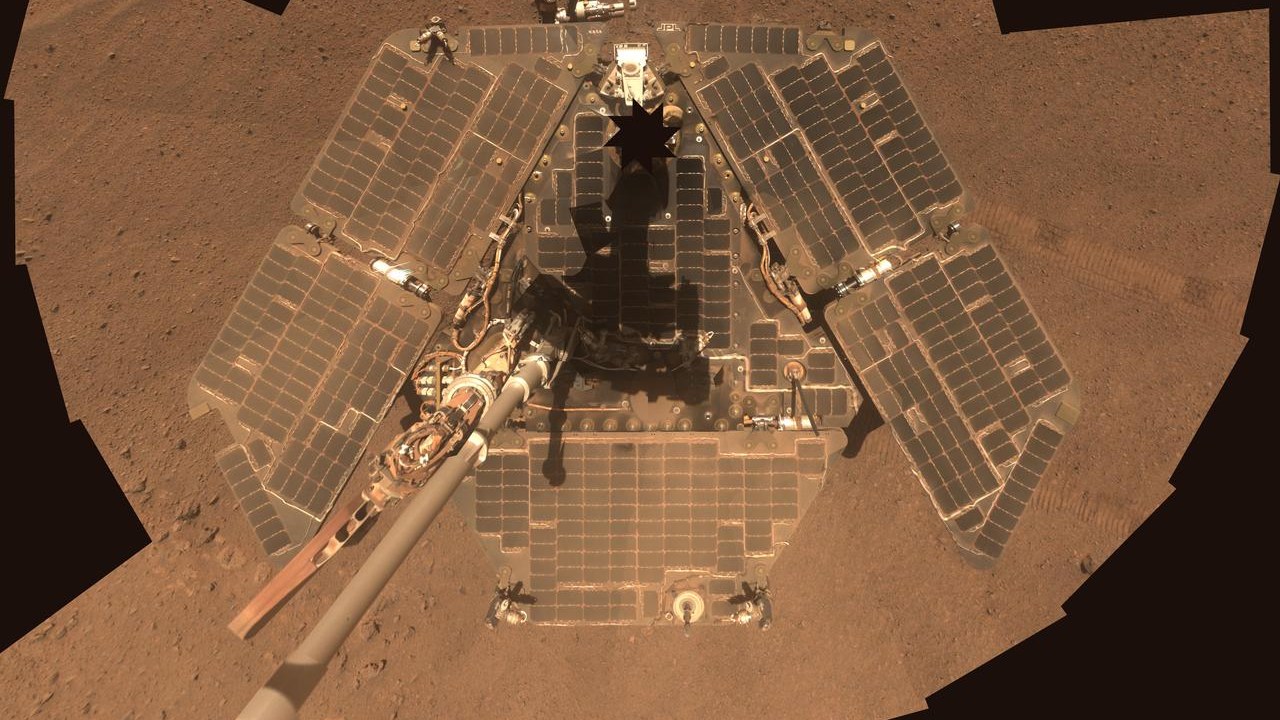
Opportunity landed on Mars in 2004 on a mission built to last just 90 sols, or Martian days, and instead kept exploring the surface for nearly 15 years before falling silent in 2018. NASA says the rover exceeded its life expectancy by 60 times.
Along the way it drove about 28.06 miles across the Martian surface, breaking Lunokhod 2’s four-decade-old off-world driving record in 2014, a distance covered gradually over nearly 15 years rather than in one continuous trek, since each day’s drive depended on new commands radioed up from Earth.
7. Curiosity (2012-present): Still Climbing Mount Sharp
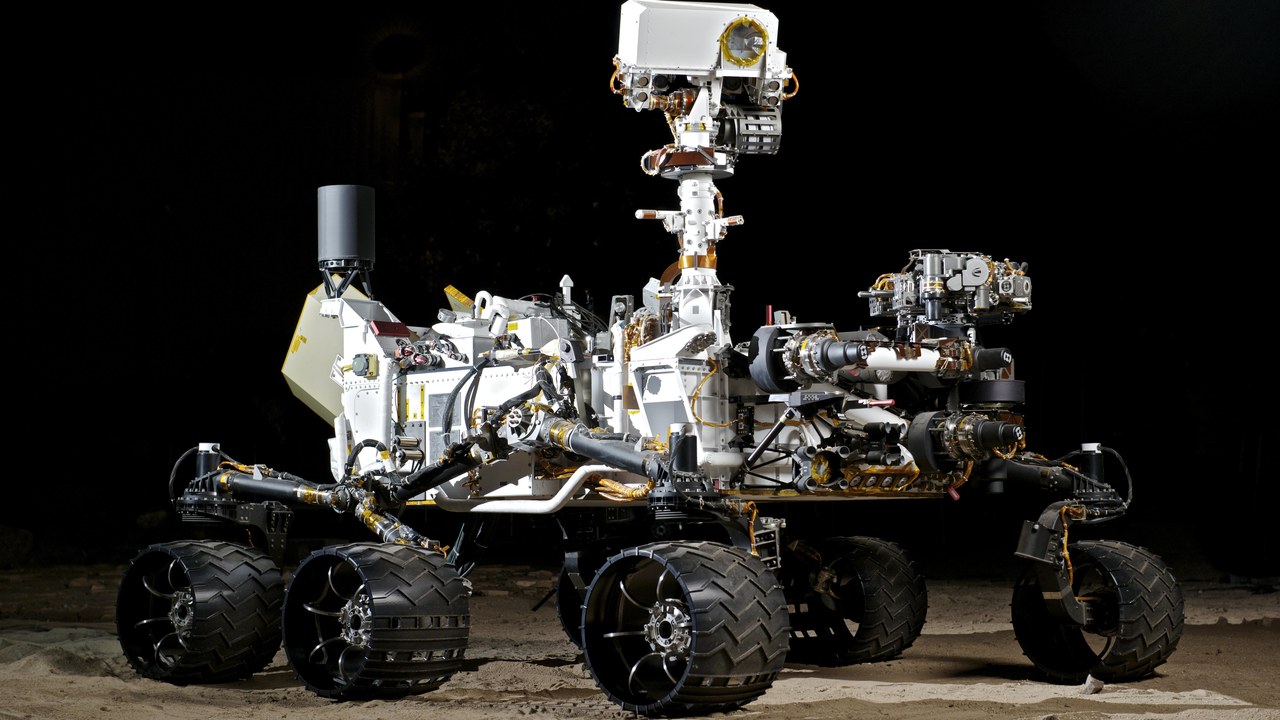
Curiosity landed inside Gale Crater in 2012 and has spent the fourteen years since driving up the layered slopes of Mount Sharp, a mountain rising from the crater floor. NASA reported that in August 2026 the rover passed 1 kilometer of elevation gain on its long climb.
Its nuclear power source lets it operate without relying on sunlight the way solar-powered rovers must, a design choice that has kept it running years longer than earlier solar rovers could manage on the same terrain, still sending back images and mineral data from higher on the mountain each year.
8. Perseverance (2021-present): Carried Mars’ First Aircraft
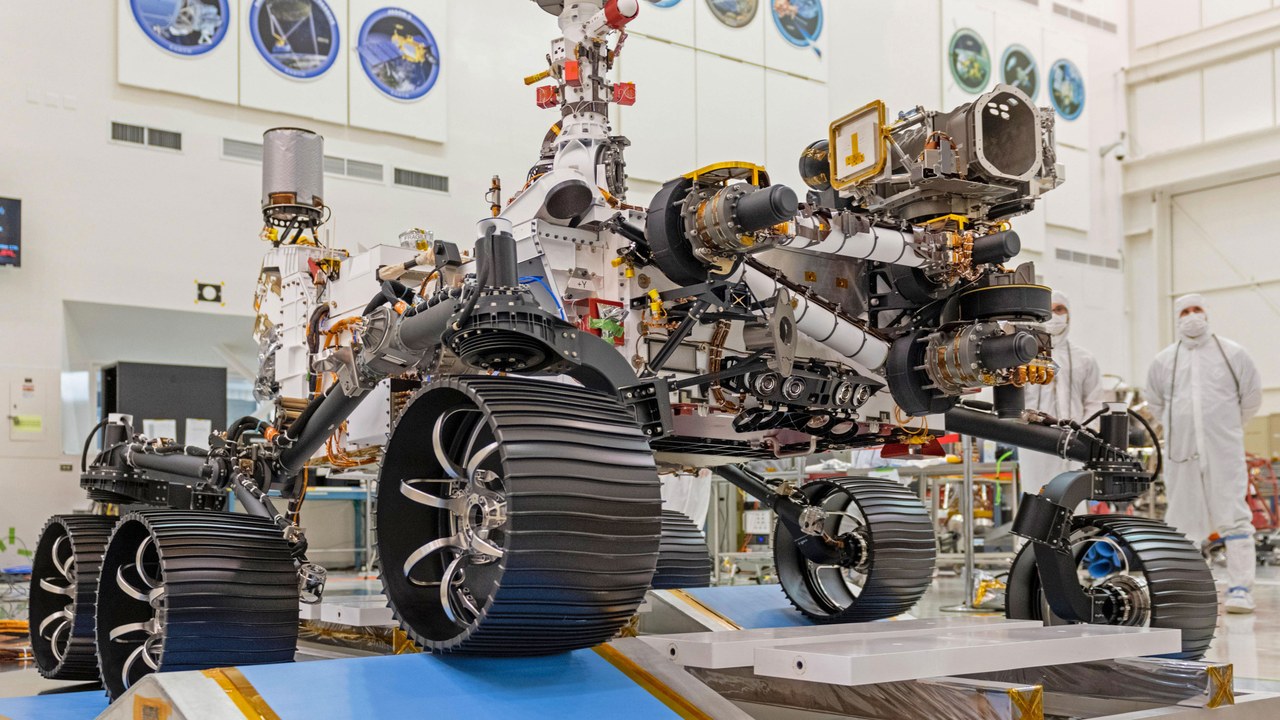
Perseverance landed in Jezero Crater in 2021 to search for signs of ancient microbial life and collect samples for eventual return to Earth. By October 2024, NASA said the rover had driven over 30 kilometers, or more than 18 miles, across the crater floor and rim.
It also carried Ingenuity, the small helicopter drone that became the first aircraft ever to achieve powered, controlled flight on another planet, riding along on Perseverance’s belly for the trip to Mars before being released to fly on its own missions above the crater floor.
More from Morning Overview
- Card skimmers hidden on gas pumps and ATMs are draining accounts, and here’s the tell
- Doctors warn a silent liver disease now affects one in three American adults
- Hackers are hijacking outdated home routers, and the FBI named the models to check
- Older Teslas are wearing out in ways early owners never saw coming
