
The 1960s turned American driving upside down as compact cars, pony cars and muscle machines all arrived within a single decade. Detroit and a few foreign rivals fought for young buyers with new shapes, bigger engines and bolder marketing. Here are twelve cars that help explain how that decade looked and sounded.
Tech news in one quick read: Get the most interesting stories in startups, tech and programming, each with a short TLDR, in one daily email from TLDR.
We may earn a commission if you sign up.
1. Ford Mustang (1964½): A Record First Year
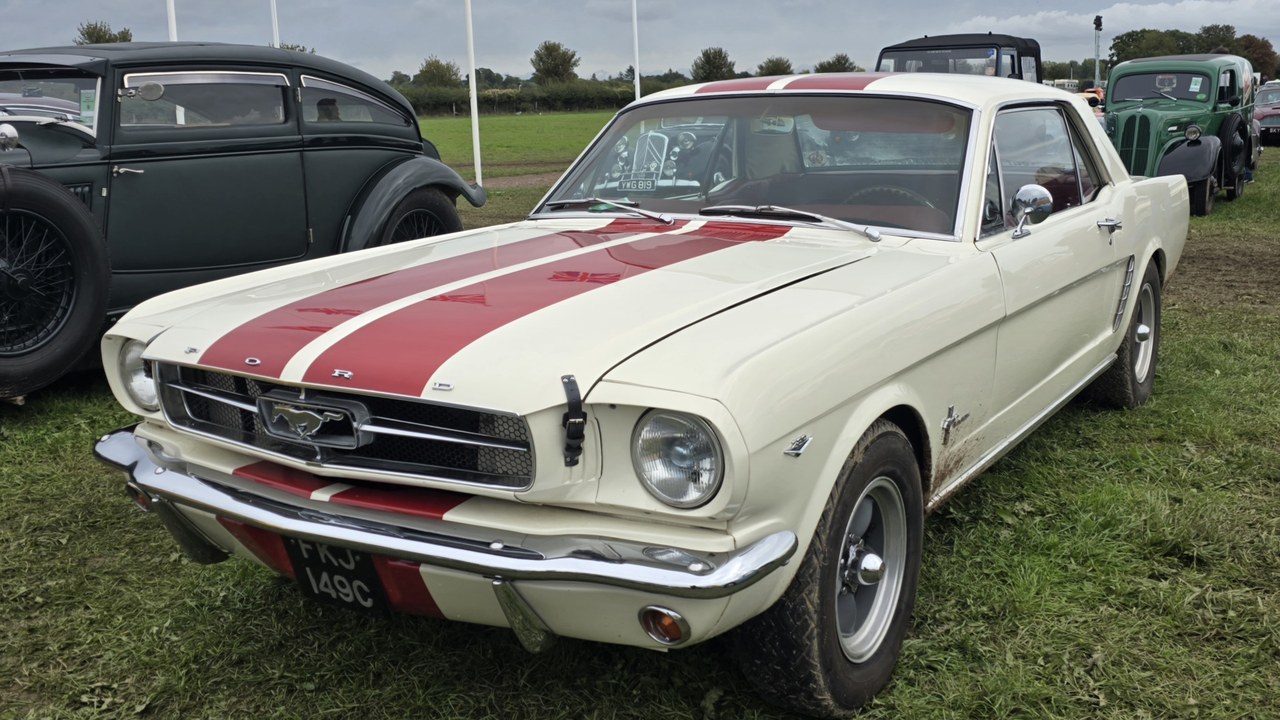
The Mustang was unveiled at the New York World’s Fair and went on sale April 17, 1964, at $2,368, and Ford’s launch account says it set a first-year record of more than 418,000. That is an industry mark for any new nameplate.
The car created the pony-car category and sent every rival scrambling. Its mix of low price, long hood and endless options let buyers shape one to their own taste. Its arrival changed how automakers thought about young buyers for years afterward.
2. Ford Falcon: The Compact That Led
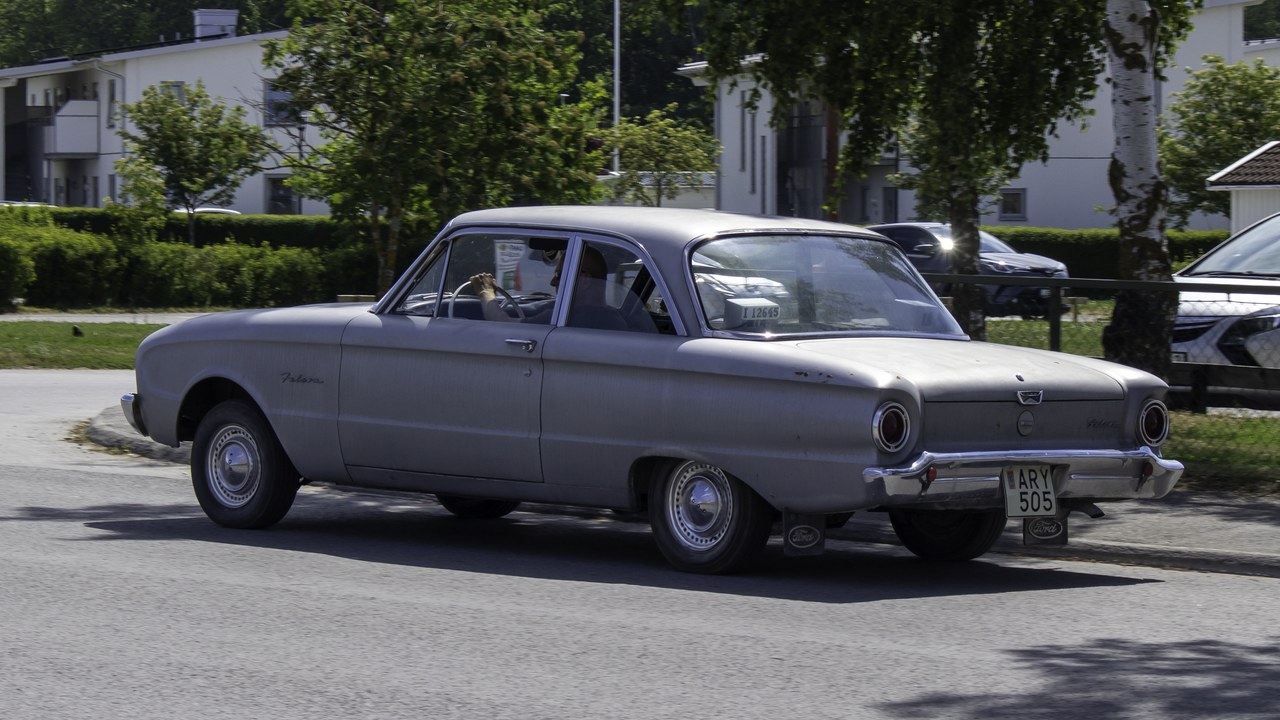
The compact Falcon held the first-year sales record from 1960 until the Mustang broke it, according to Ford’s Mustang launch story. It was a plain, economical car built around practicality.
The Falcon showed Detroit that smaller cars could sell in huge numbers. It also provided parts and engineering that fed straight into its flashier younger sibling. That success made its eventual defeat by the Mustang all the more notable, and it shows how quickly buyers’ tastes could shift from sensible transportation toward style.
3. Chevrolet Corvair: The Rear-Engine Experiment
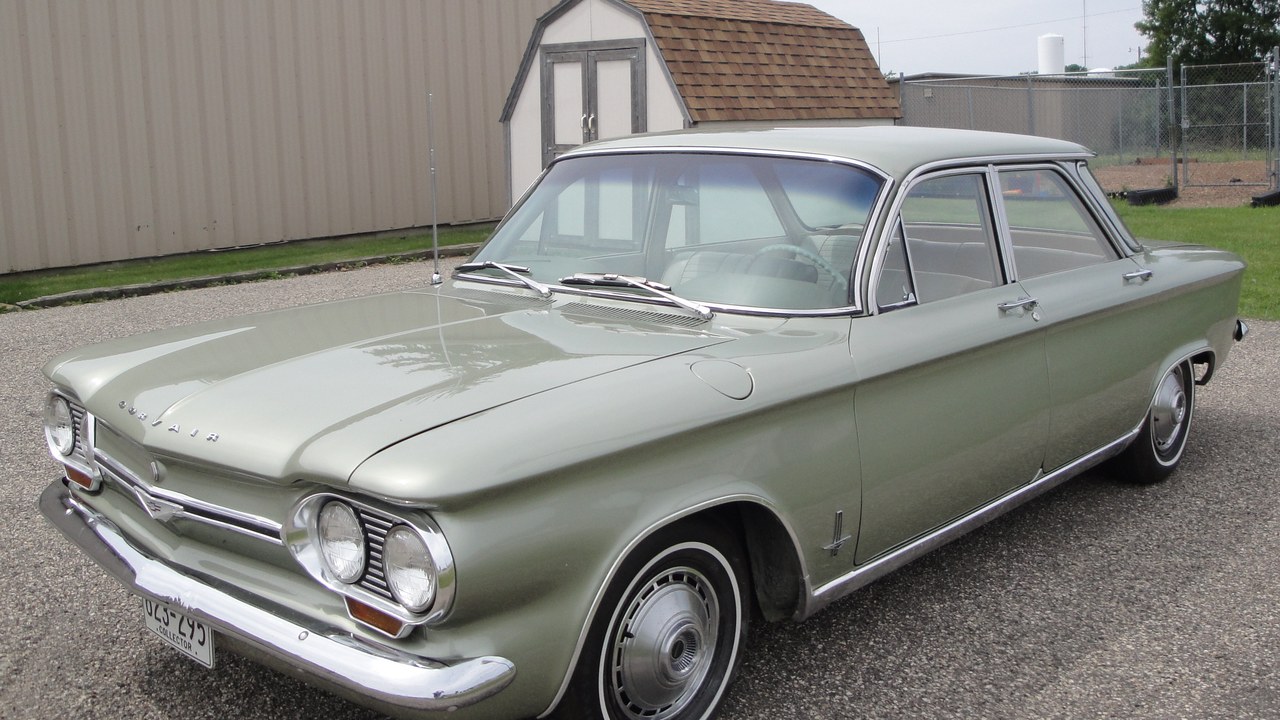
The Corvair launched October 2, 1959, with a rear air-cooled flat-six, and it was Motor Trend’s 1960 Car of the Year, the Corvair reference page explains. About 1.8 million were sold.
Few mainstream American cars of the period dared to place the engine at the back. The layout was unusual, and the car remains a talking point for collectors and historians. The car’s reputation later became tied to debates over handling and safety, though the engineering was undeniably original.
4. Pontiac GTO: Where Muscle Began
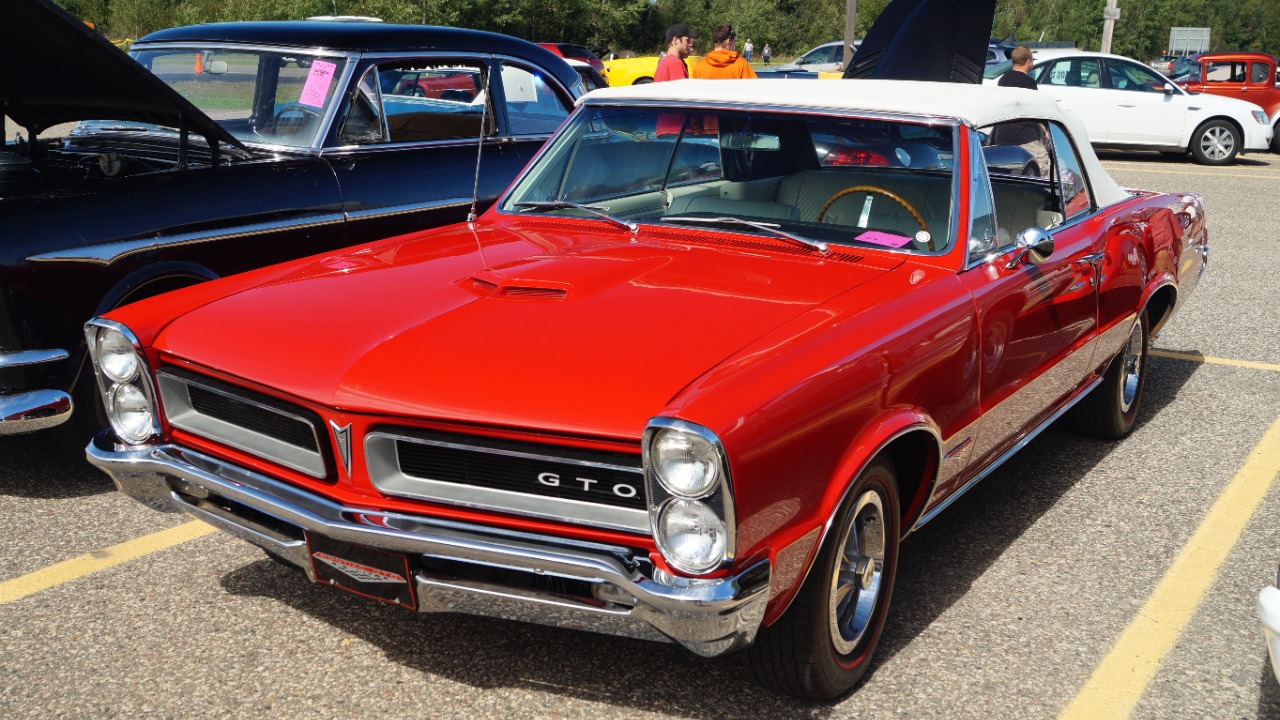
GM announced the GTO option in October 1963, putting a 325-horsepower 389 V-8 in the 1964 Tempest, according to a GM retro feature. It turned an ordinary intermediate into a performance car.
Many historians treat it as the spark for the muscle-car craze. The formula of a large engine in a midsize body was simple, cheap to build and easy for young buyers to understand. Rivals soon copied the approach, and the performance-intermediate became a staple of showrooms.
5. Dodge Charger: Hemi Power Arrives
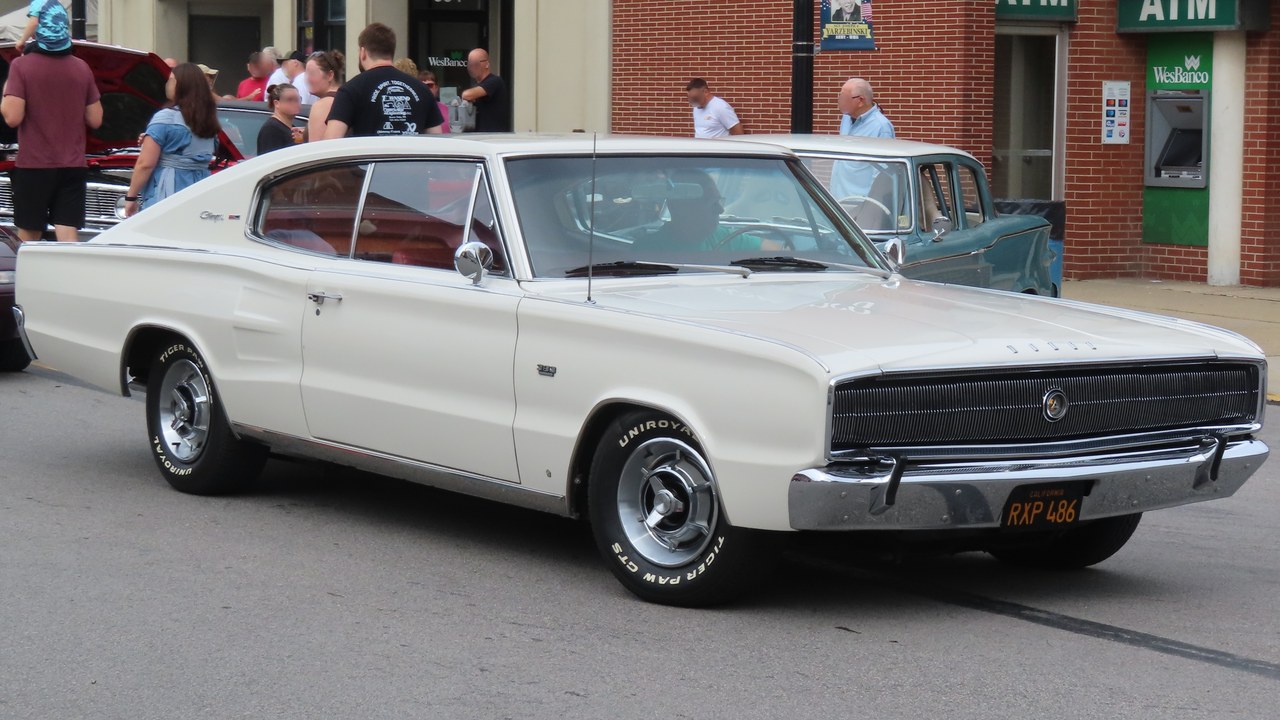
The Charger launched January 1, 1966, and offered a 426 Street HEMI rated at 425 horsepower, as the Stellantis heritage document records. That figure sat at the top of the era’s street engines.
The fastback shape and the legendary engine combined to give Dodge a lasting image. It remains one of the most recognizable names from the muscle age. The combination of looks and power gave the model a lasting place in popular culture.
6. Volkswagen Beetle: Small Car, Big Impact
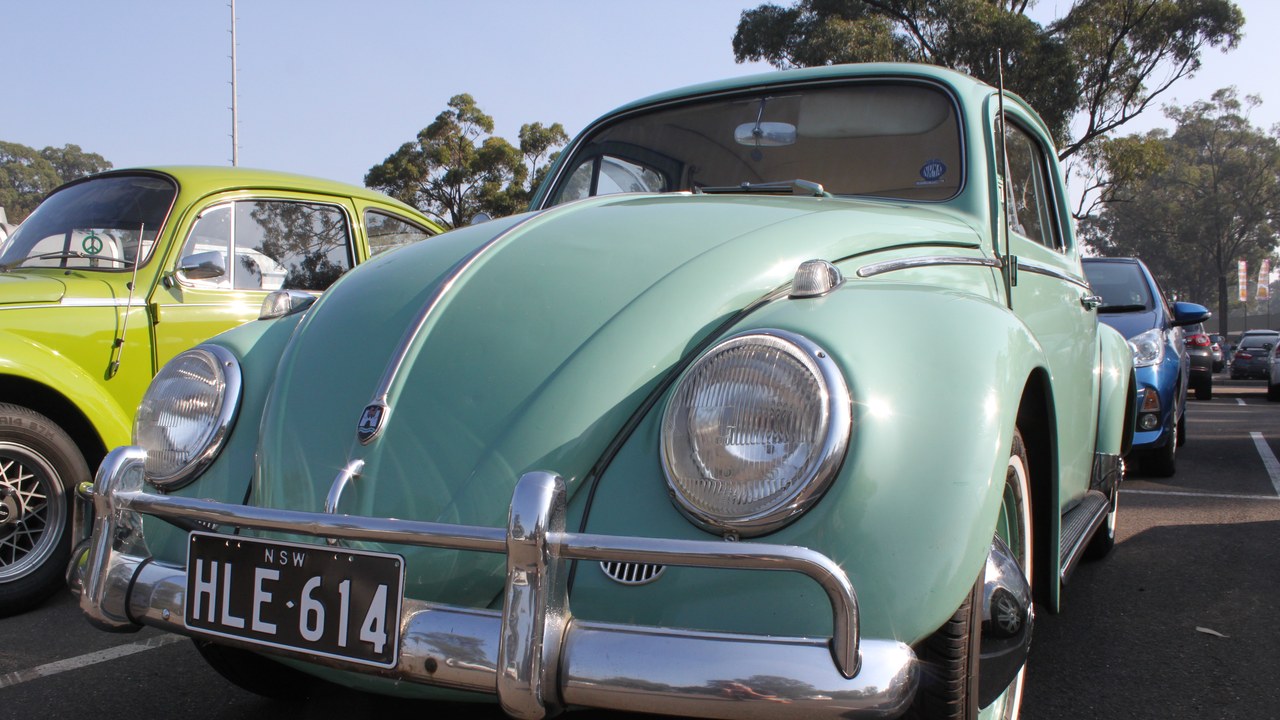
Volkswagen’s US sales passed 100,000 in 1960, a year after the ‘Think Small’ ads began, says a Hagerty Beetle guide. The humpbacked import won buyers with wit rather than size.
The Beetle proved a quirky, thrifty car could thrive in a land of chrome and fins. It also showed how advertising could reshape perceptions of a product that looked unlike anything on the road. That blend of humor and honesty was uncommon in car advertising at the time, and it helped the model stand out.
7. Chevrolet Corvette Sting Ray (1963): A New Sting Ray
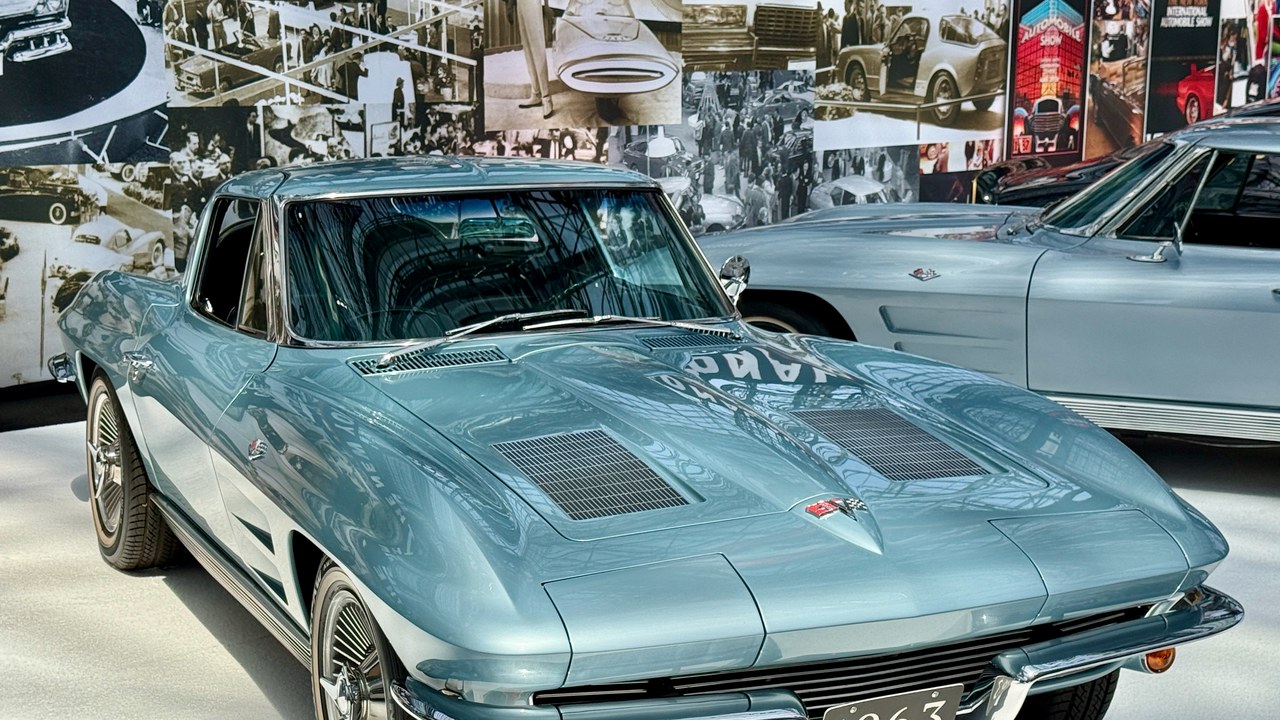
Chevrolet built 21,513 Corvettes for 1963, including 10,594 of the new Sting Ray coupes, according to a Hagerty Corvette list. The coupe made up roughly half of the year’s output.
The redesign gave America’s sports car a sharper look and a distinct identity. It set the template for generations that followed and kept Chevrolet at the top of the performance conversation. Today, the early Sting Ray coupes remain among the most admired American sports cars of the decade.
8. Ford Thunderbird (1961): A Pace Car Personal Luxury
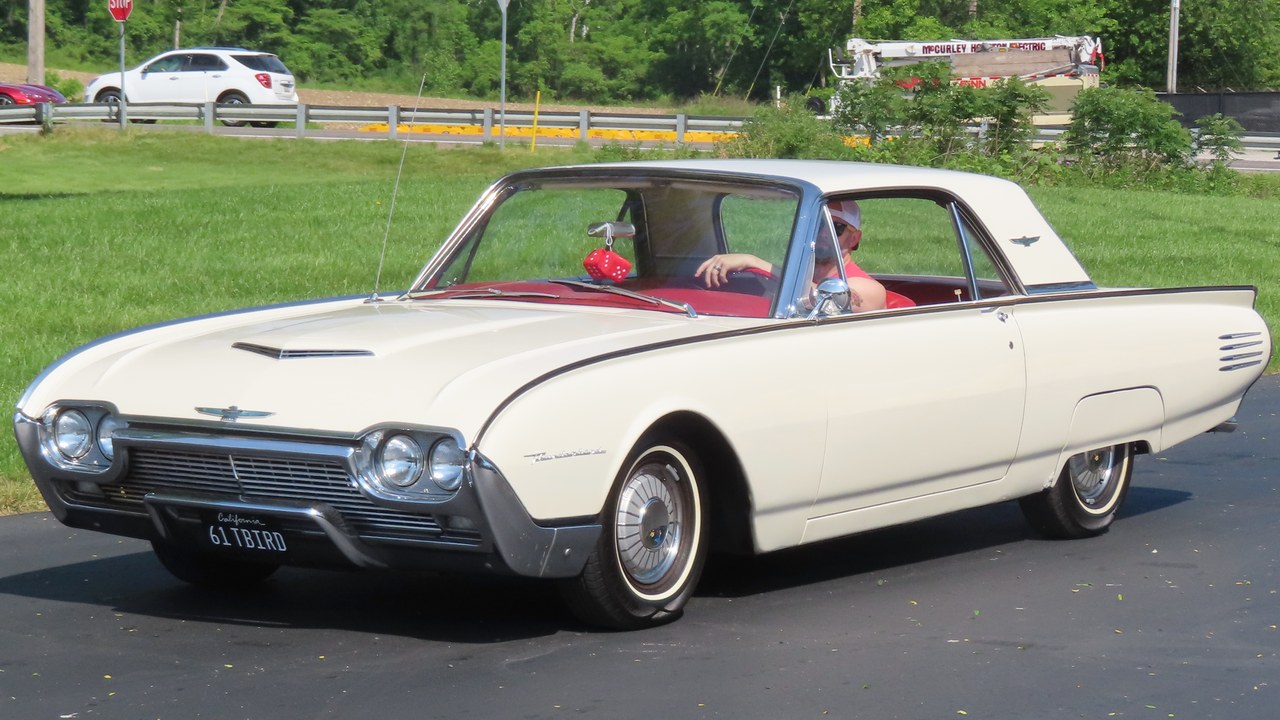
The 1961 Thunderbird sold 73,051 and paced the Indianapolis 500, the Thunderbird history article notes. It leaned toward comfort and style over raw speed.
The Thunderbird helped define the personal luxury car, a segment for buyers who wanted flair without a full-sized sedan. Its Indianapolis role gave it racing credentials despite its gentler mission. The nameplate would continue to evolve through later generations, always keeping a hint of luxury in its image.
9. Plymouth Barracuda: Beating The Mustang
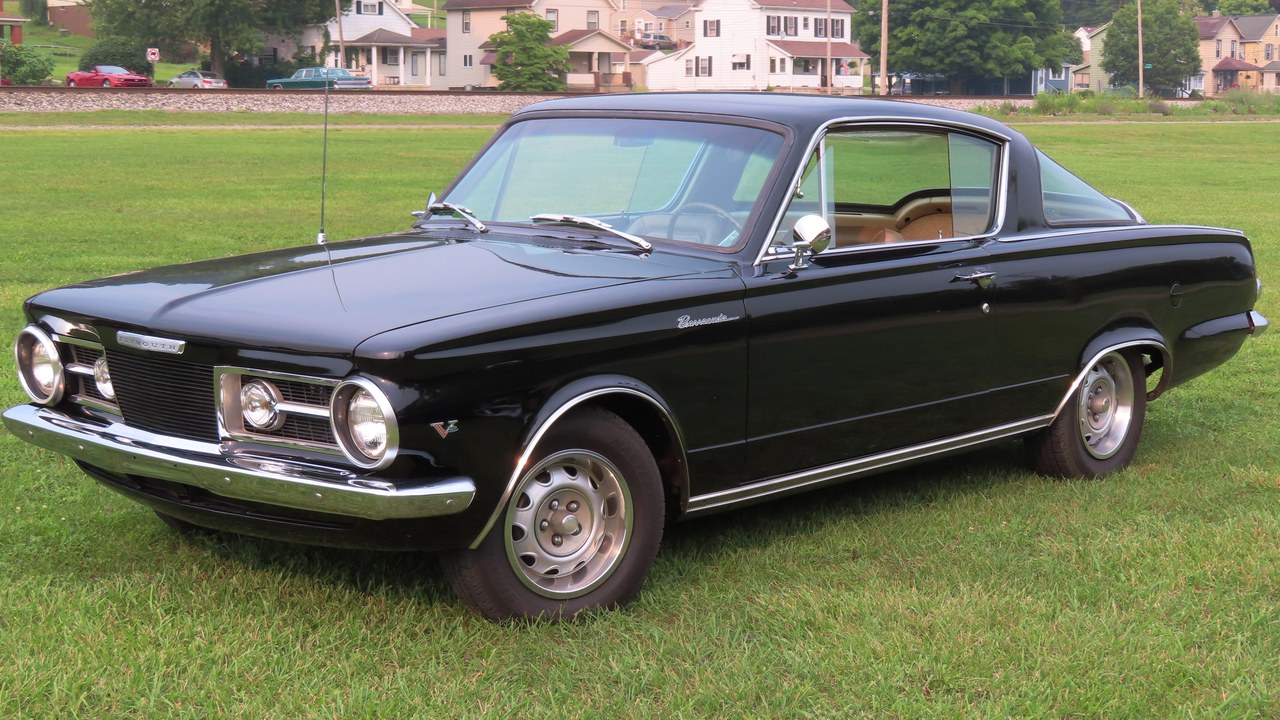
Plymouth’s Valiant-based fastback went on sale April 1, 1964, two weeks before the Mustang, according to the Pony car overview. That makes the Barracuda an earlier arrival than many people remember.
Plymouth never matched the sales of its famous rival, yet the Barracuda carved out its own identity. It remains a reminder that the pony-car race had more than one starting gun. Timing like that is often forgotten once a rival becomes the bigger sales hit.
10. Chevrolet Camaro (1967): Paced The Brickyard
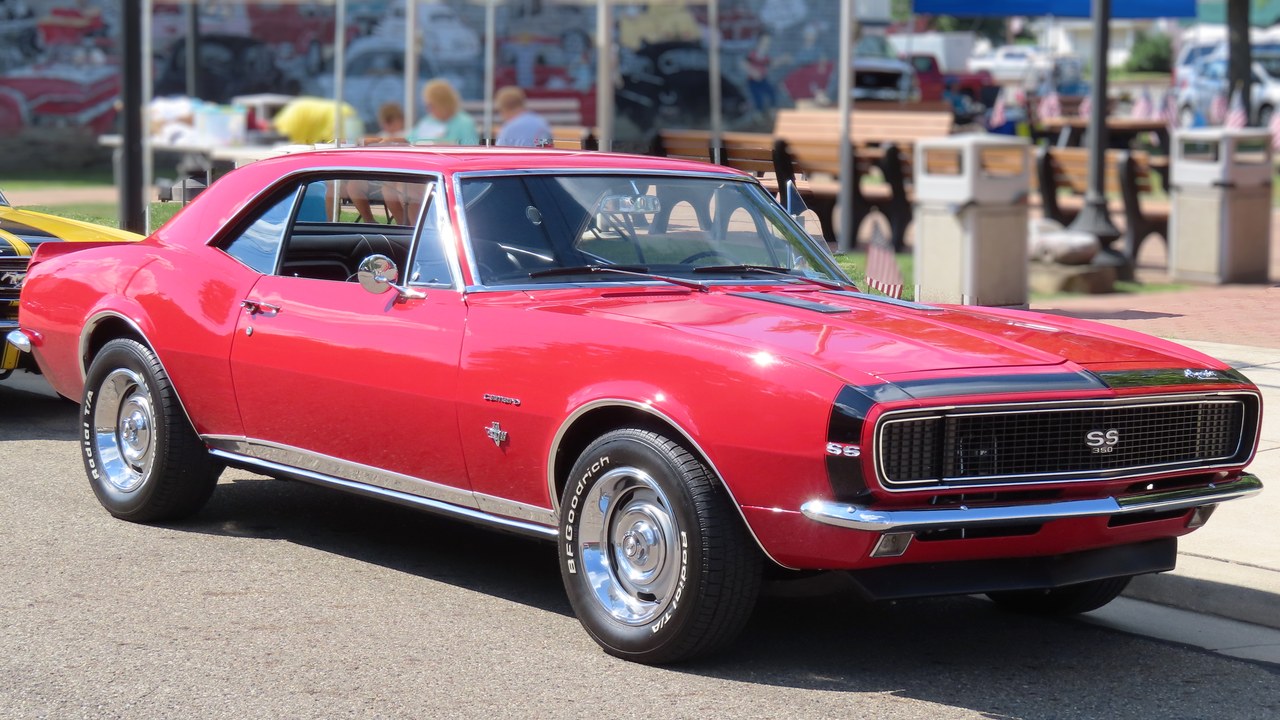
Introduced in fall 1966, the first Camaro paced the 1967 Indianapolis 500, and the first-generation Camaro article reports 602 Z/28s were sold that year. The model was Chevrolet’s answer to the Mustang.
The Z/28 was built with road racing in mind, and its small sales hinted at how specialized it was. Later enthusiasts have prized those early cars precisely because so few were made. Together with the Mustang and Firebird, it filled out the decade’s roster of sporty American coupes.
11. Pontiac Firebird: A Rare Trans Am
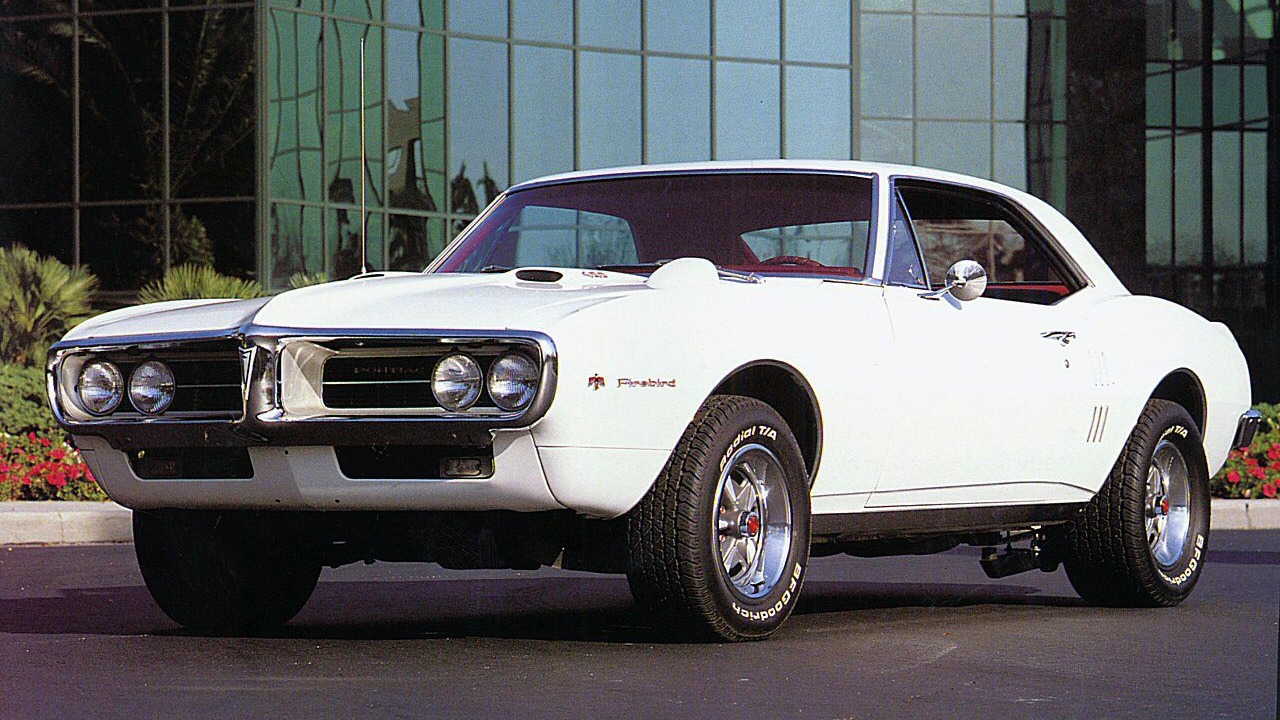
Pontiac’s Firebird debuted February 23, 1967, and the Firebird reference page says only 689 Trans Am hardtops were built for 1969. The model quickly built a performance reputation.
Low production turned those early Trans Ams into sought-after collectibles. The name later became a pop-culture fixture, though the rare 1969 cars sit at the root of that fame. Those small numbers also explain why original examples draw attention among collectors, who value the model’s scarcity as much as its speed.
12. Mercury Cougar: An Upscale Mustang
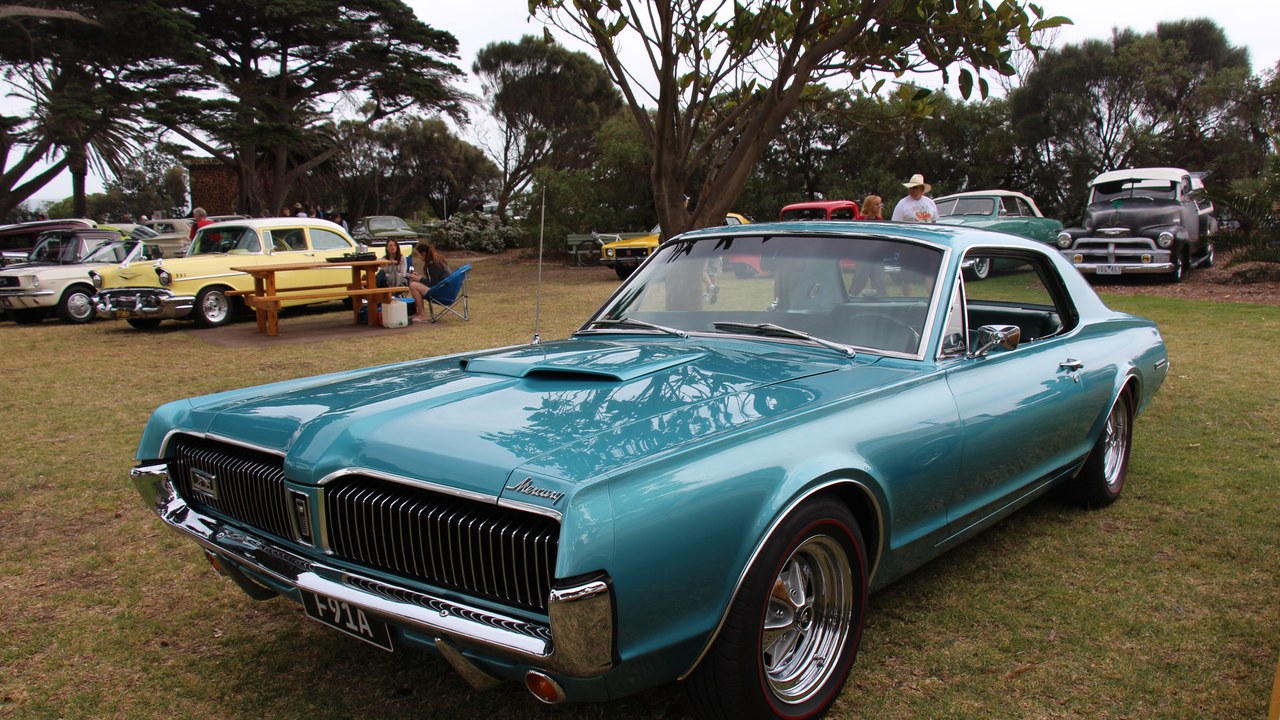
Mercury’s 1967 Cougar began as an upscale Mustang on a longer wheelbase, according to the Pony car overview. It offered more refinement for buyers who wanted a step up from Ford’s version.
The Cougar demonstrates how automakers stretched a popular design into several price points. It added a plusher option to a class otherwise known for youthful, sporty cars. Even so, it carved out a place of its own in the broader story of the decade’s sporty coupes, and it still has a loyal following.
Tech news in one quick read: Subscribe to TLDR →
We may earn a commission if you sign up.
More from Morning Overview
- Common allergy, bladder and sleep pills tied to sharply higher dementia odds
- NOAA now gives this winter a 75% chance of the strongest El Nino since 1950
- Doctors warn a silent liver disease now affects one in three American adults
- The FBI told the rest of ShinyHunters to surrender after a 24-year-old was arrested
