
Some animals measure their lives in centuries, outlasting the people who study them and the nations they were born under. This list gathers marine giants, ancient reptiles and a famous fish that all push far beyond a human lifespan. Here are ten creatures that can outlive a human, from a deep-sea clam to a tortoise still walking today.
1. Ocean quahog: Ming the Clam
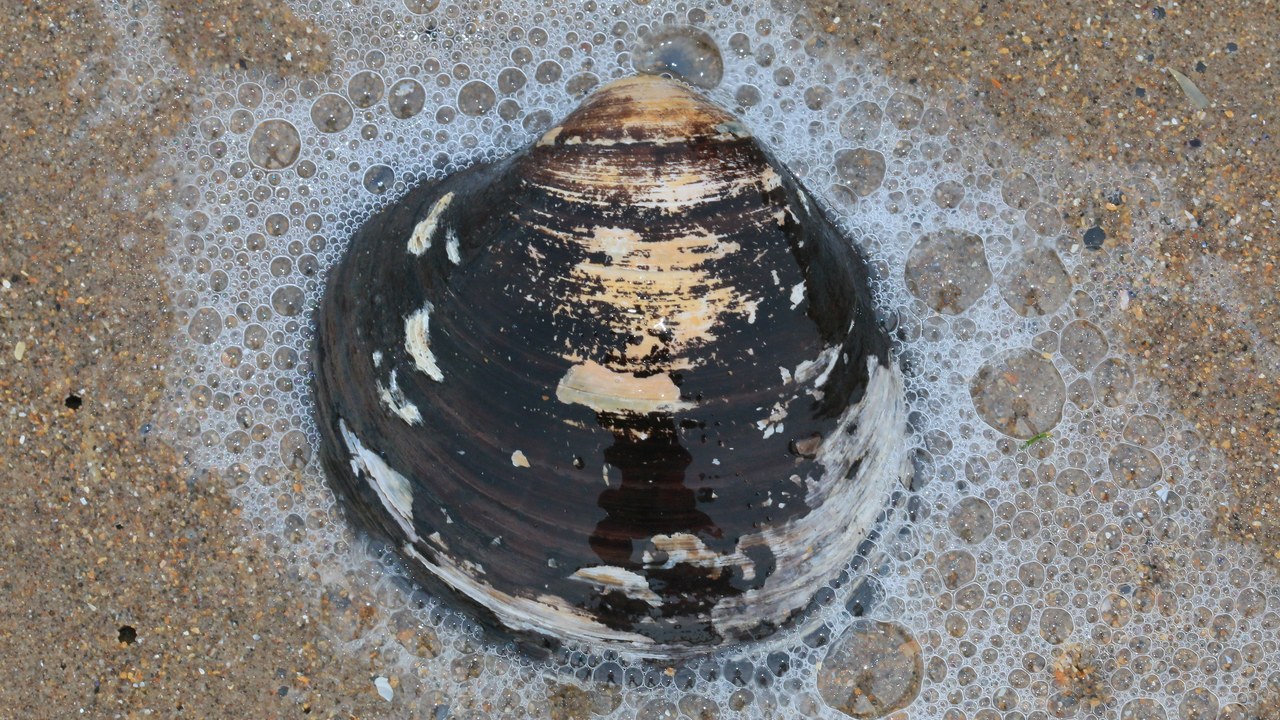
Wildlife coverage ranks the ocean quahog at 500-plus years of life, and the individual nicknamed Ming was recorded as 507 years old. The North Atlantic clam lays down shell in annual layers, so its age can be counted much like tree rings.
Those growth bands also make the species valuable to climate scientists, who read centuries of ocean conditions from old shells. The same slow pace means a single harvested clam represents several human lifetimes of growth that no population could quickly replace.
2. Greenland shark: Arctic Slow Swimmer
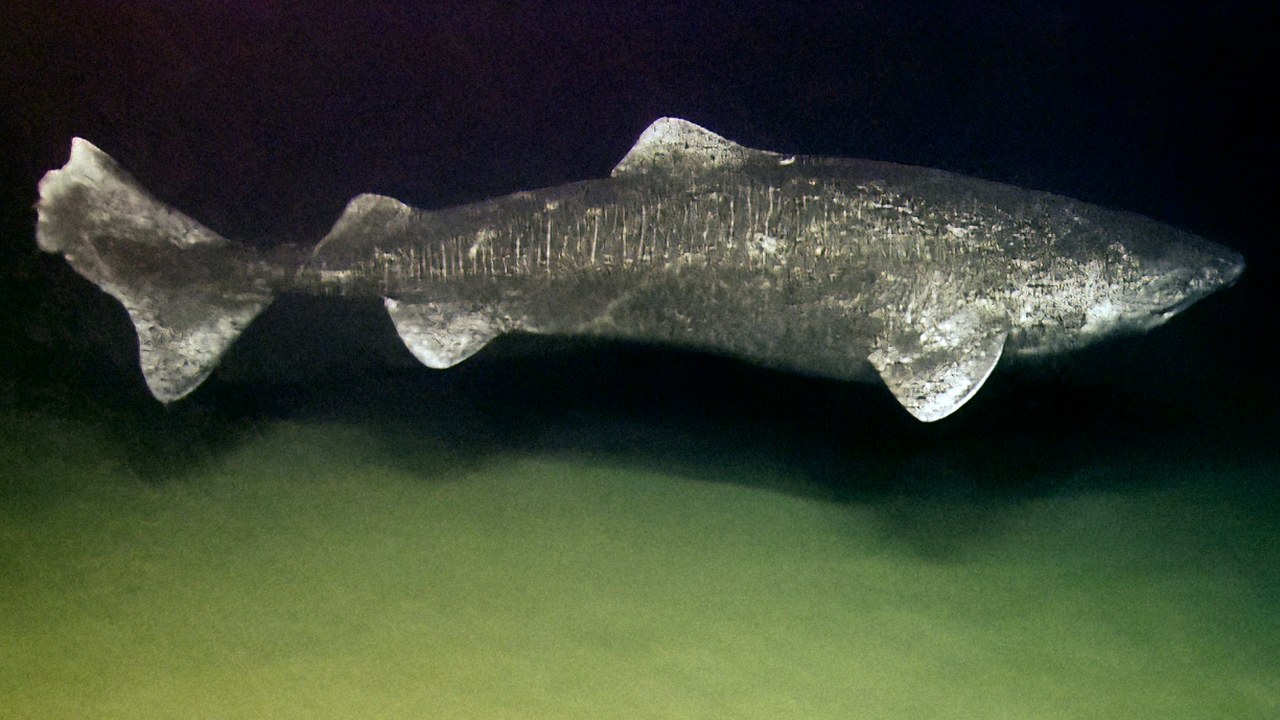
The Greenland shark is credited with a lifespan of 400 to 500 years, and the oldest known individuals were about 400 years old. Cold, deep Arctic water keeps its metabolism sluggish, and the animal cruises at a pace barely faster than a stroll.
A creature that lives this long is likely to mature very late, which would leave populations slow to recover from losses. An accidental catch in northern fisheries could therefore remove an animal that was alive centuries ago.
3. Koi: Pond Fish With a Century
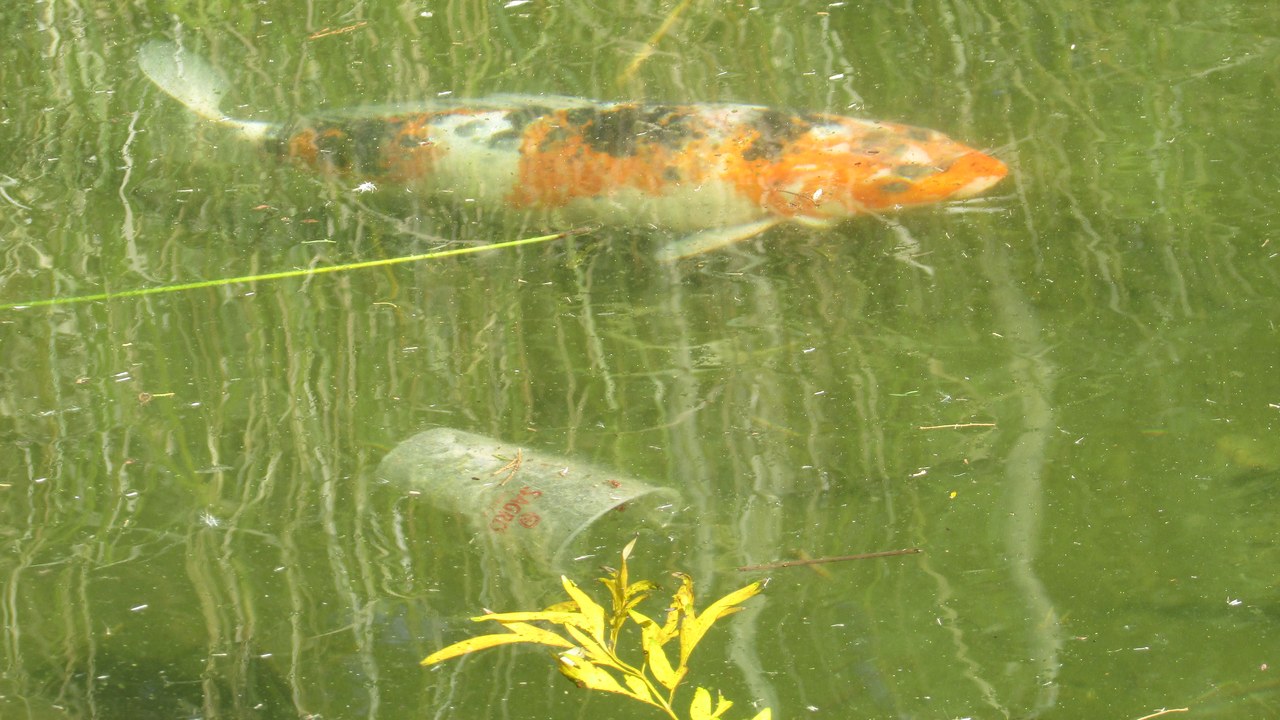
Koi are ornamental carp, yet one report says many live past 100 years, and a single fish reached 225. Even setting that outlier aside, a pond fish routinely outlasting its keeper contrasts sharply with the few years most aquarium fish manage.
Longevity depends on clean, cool water, ample room and steady feeding, which is why old fish are often passed down within families. Anyone buying koi should treat it as a multi-decade commitment and plan for who will care for the fish later.
4. Bowhead whale: The Longest-Lived Mammal
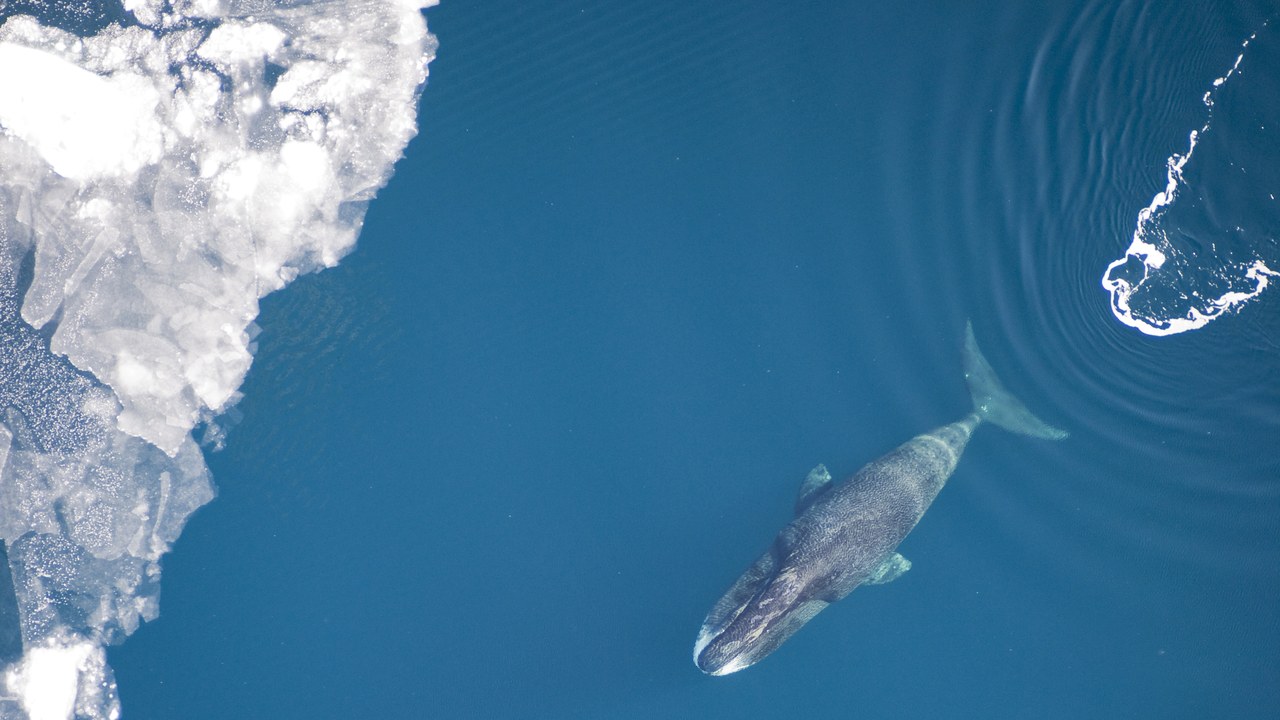
NOAA describes the bowhead as an Arctic whale that may live 200-plus years, the longest lifespan of any marine mammal. Its thick blubber and cold-water habitat suit a slow life, and the whale spends its years around sea ice.
That lifespan means some living animals were born before the nineteenth century was well under way, and their bodies can carry a long record of Arctic conditions. For conservationists, protecting each adult matters because replacing one takes generations rather than years.
5. Red sea urchin: Spiny Elder of the Kelp
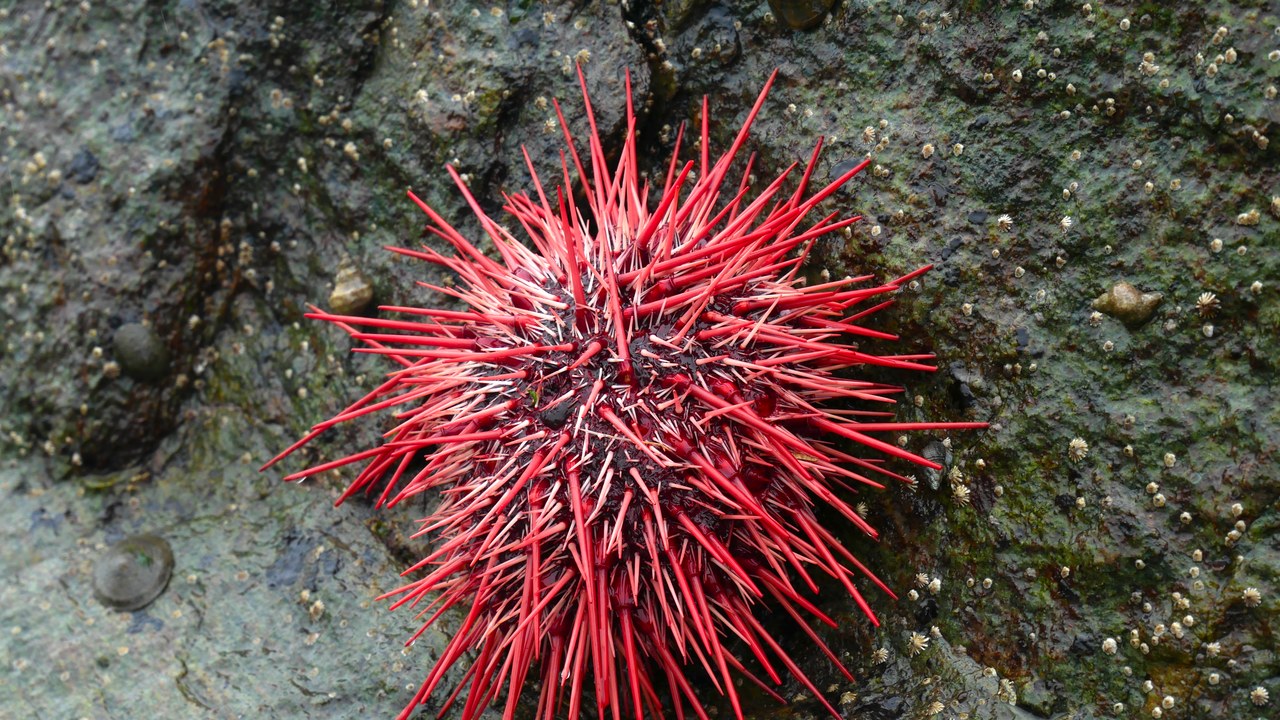
Sources put the red sea urchin at approximately 200-plus years, with the largest animals estimated to be around 200 years old. Few invertebrates on a rocky Pacific shoreline can match a spiny, slow-growing grazer of kelp that lives that long.
Because the biggest urchins are the oldest, harvest that targets large animals may strip out the elders first. Divers and fishery managers therefore watch size limits closely, since age in this species is hard to rebuild once the old animals are gone.
6. Seychelles giant tortoise: Jonathan the Tortoise
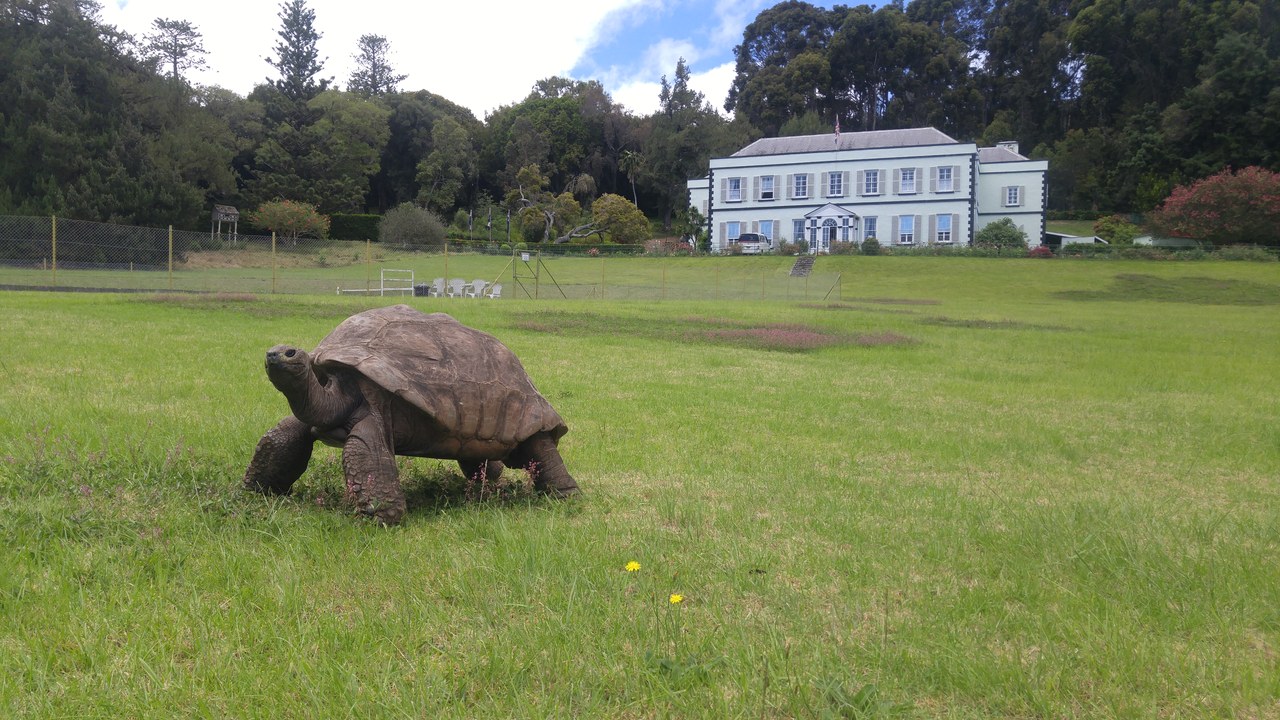
The Seychelles giant tortoise is listed at 190-plus years, and a tortoise named Jonathan is 193 as of 2026. He lives on the grounds of a residence on the island of Saint Helena, where he has outlasted generations of the people who tended him.
Jonathan stands as a living benchmark for what a reptile can reach with steady food and little stress. His case also hints that captive tortoises can outlive their caretakers, so owners of any long-lived species should arrange for continuity of care.
7. Lake sturgeon: A Dinosaur-Era Survivor
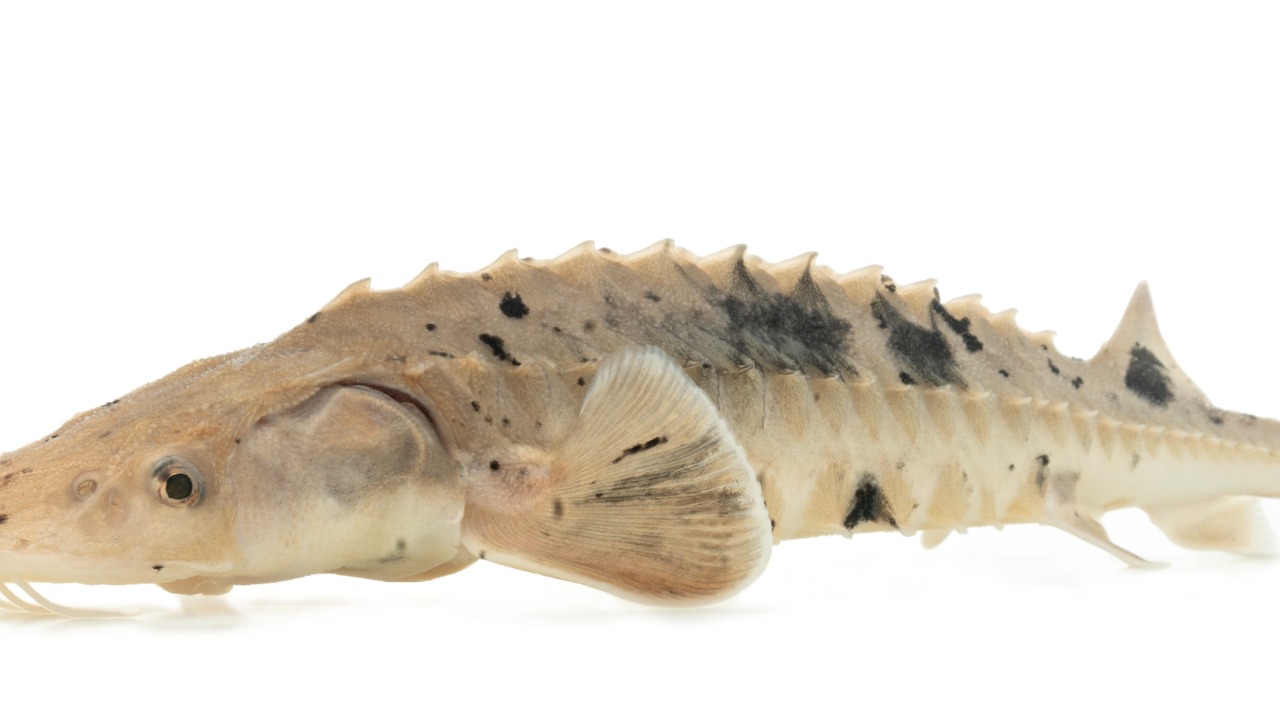
Federal biologists say the largest and oldest lake sturgeon live to 150 years of age and reach about seven feet in length. The armored, bony-plated fish has barely changed in outline for ages and cruises Great Lakes bottoms in search of insects and mussels.
Females mature late and spawn only every few years, so recovery after overfishing or dam construction is slow. Anglers who encounter one should treat it as a protected local elder, since a lost adult may take decades to replace.
8. Tuatara: A Living Fossil Reptile
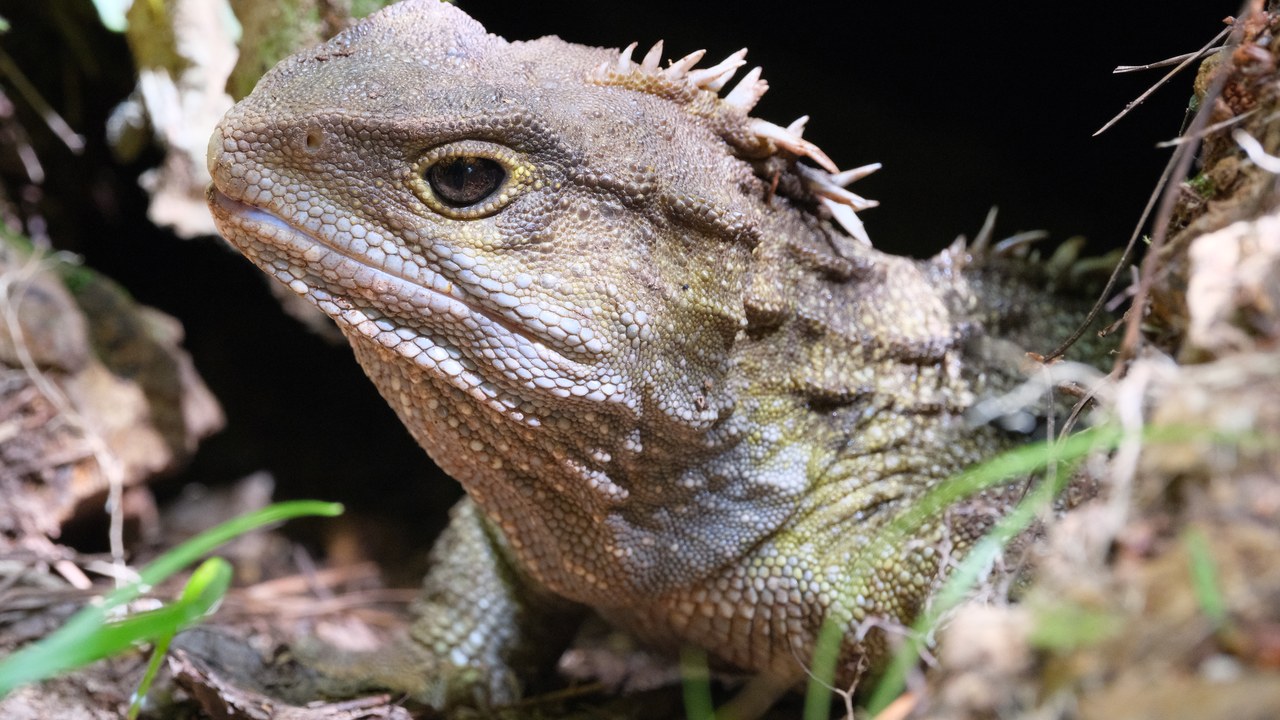
The tuatara, a spiny reptile native to New Zealand, is credited with a lifespan where individuals often live to 100 years. It resembles a lizard but belongs to a separate ancient lineage, and it thrives in cool, damp burrows shared with seabirds.
A slow metabolism and cool climate help explain the long life, and growth is leisurely enough that maturity arrives only after many years. Conservation work on predator-free islands matters because a tuatara lost today is a century of lifetime gone.
9. American lobster: A Claw-Wielding Centenarian
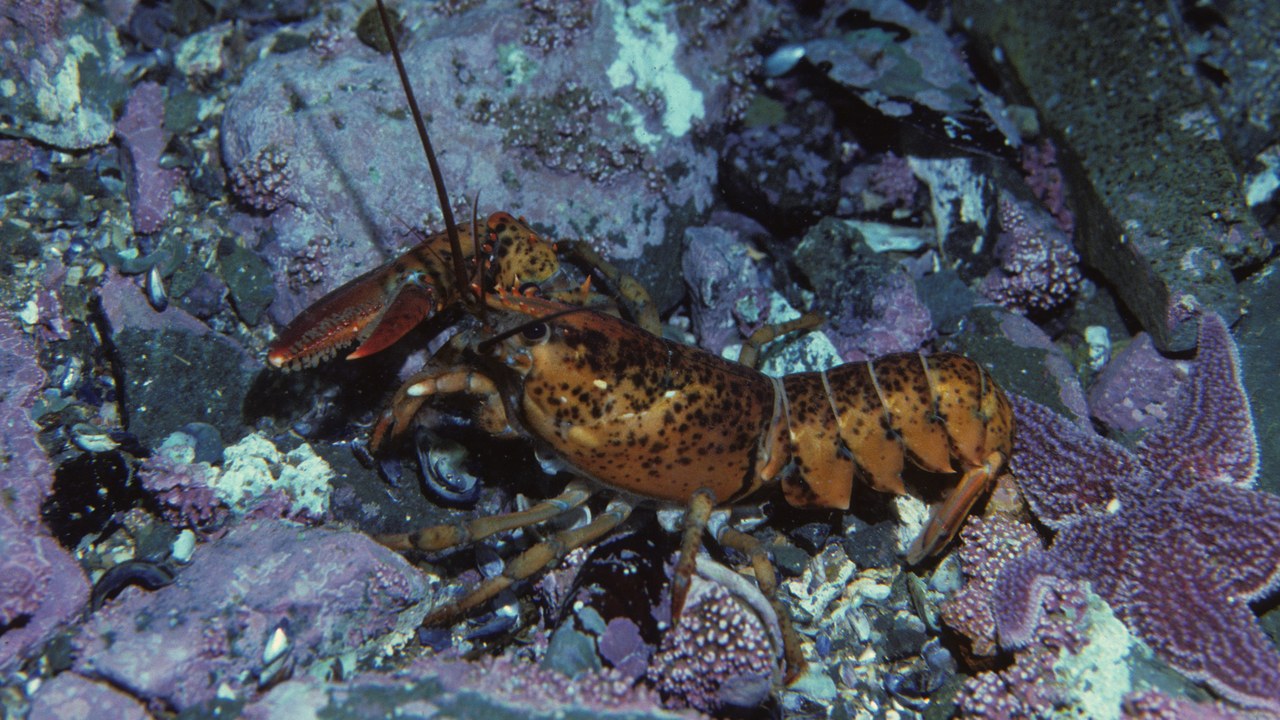
Reports say that some American lobsters reach around 100 years of age. Unlike most animals, the lobster is not known to slow down sharply with age, and it keeps molting and growing through its life instead of reaching a fixed adult size.
Age is notoriously hard to read, since the animal sheds its shell and loses the hard parts that could be counted. Seafood buyers rarely meet a century-old lobster, but fishery size limits are what let a small share of animals grow old.
10. Orca: The Grandmother Whale
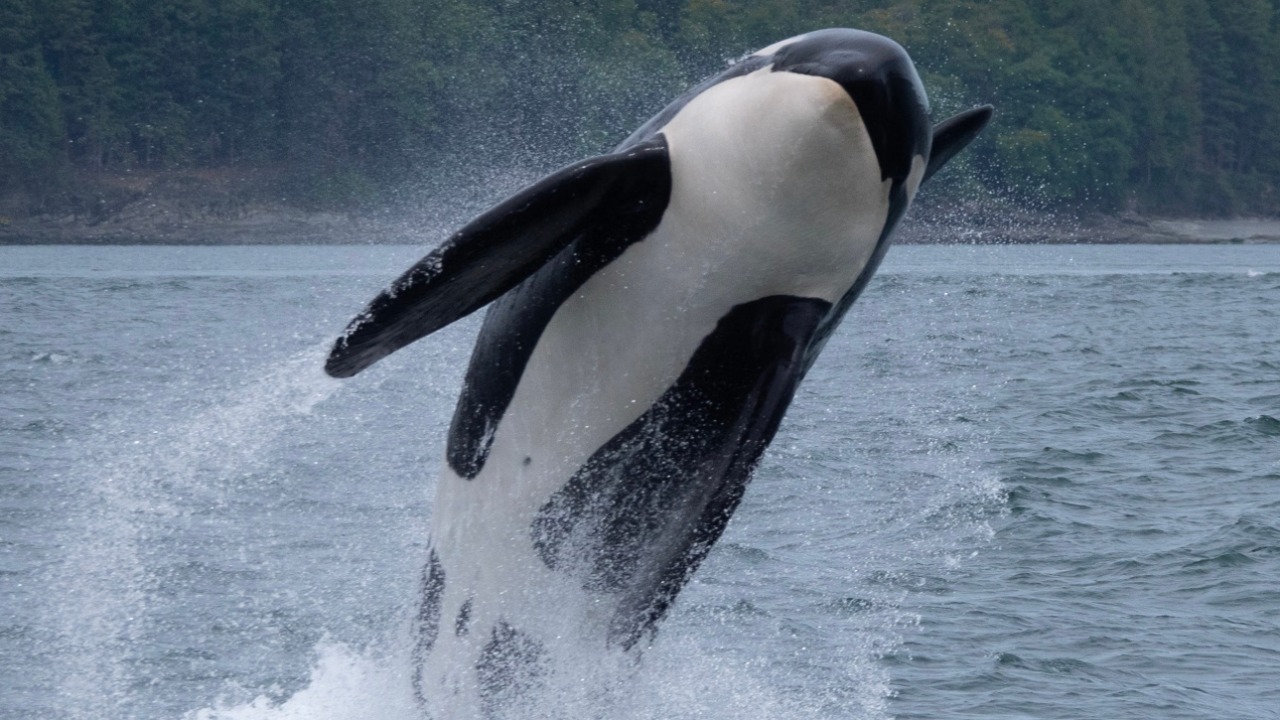
NOAA states that female killer whales typically live about 50 years in the wild, but can live up to at least 90 years. Orcas live in tight family pods, and older females often lead the group and pass on hunting grounds and routes.
A female living to 90 can easily match or exceed a human lifespan, and some outlive their reproductive years by decades. That role makes the loss of a single matriarch costly, which is why wildlife agencies track the oldest whales so closely.
More from Morning Overview
- Two passengers died at an Ohio toll plaza, and the NTSB now wants the cash lanes shut
- Long use of a common prostate pill is tied to a higher chance of glaucoma
- Ford is recalling 223,472 F-150 pickups because the fuel tank can leak or detach
- Hybrids have 15% fewer problems than gas cars, while EVs and plug-in hybrids have about 80% more, Consumer Reports finds
