
Luxury sedans dazzle on the showroom floor, but many surrender enormous value the moment they leave it. Complex technology, costly repairs, and thin used-car demand can erase half a car’s price within five years, turning yesterday’s flagship into today’s bargain. The models below share that steep curve, each losing roughly half its worth over a typical ownership span, and together they number ten.
1. BMW 7 Series: Flagship That Falls Fastest
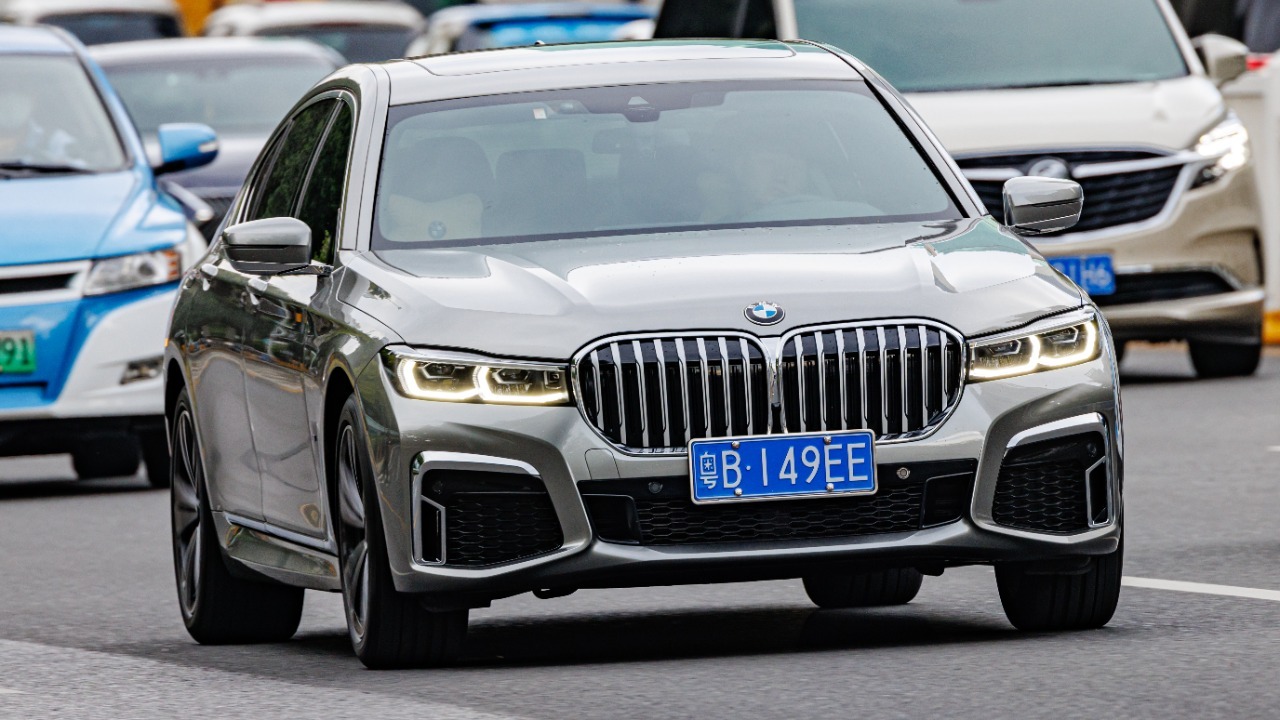
The BMW 7 Series sits near the top of nearly every fast-depreciation ranking, and iSeeCars data on five-year value retention helps explain why flagship sedans fall so far. A car that stickered near six figures often trades for less than half that after five years, as buyers chase the newest technology and warranty coverage.
Complex electronics, air suspension, and expensive dealer service make an aging 7 Series daunting to maintain, which suppresses secondhand demand. That combination rewards patient used buyers while punishing the original owner, who absorbs the bulk of the loss during the first ownership cycle.
2. Mercedes-Benz S-Class: Benchmark Tech, Steep Discount
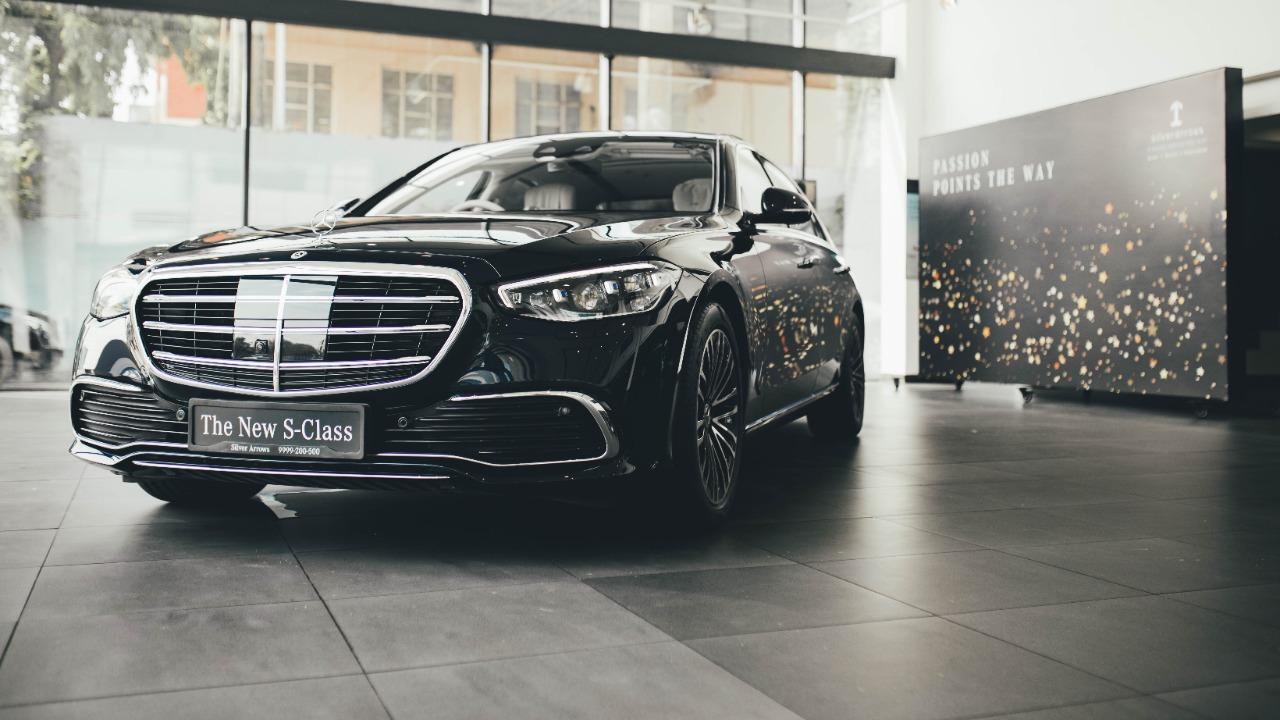
As the segment’s benchmark, the Mercedes-Benz S-Class carries some of the industry’s most advanced technology, but its high starting price sets up a long fall. iSeeCars research on depreciation among luxury sedans repeatedly places full-size German flagships near the bottom for value retention over five years.
Each S-Class generation debuts features that quickly define the next model, leaving the outgoing car feeling dated even when it drives beautifully. Costly repairs on aging air suspension and electronics deepen the discount, so a lightly used example can offer enormous content for a fraction of its original window sticker.
3. Maserati Ghibli: Exotic Badge, Rapid Loss
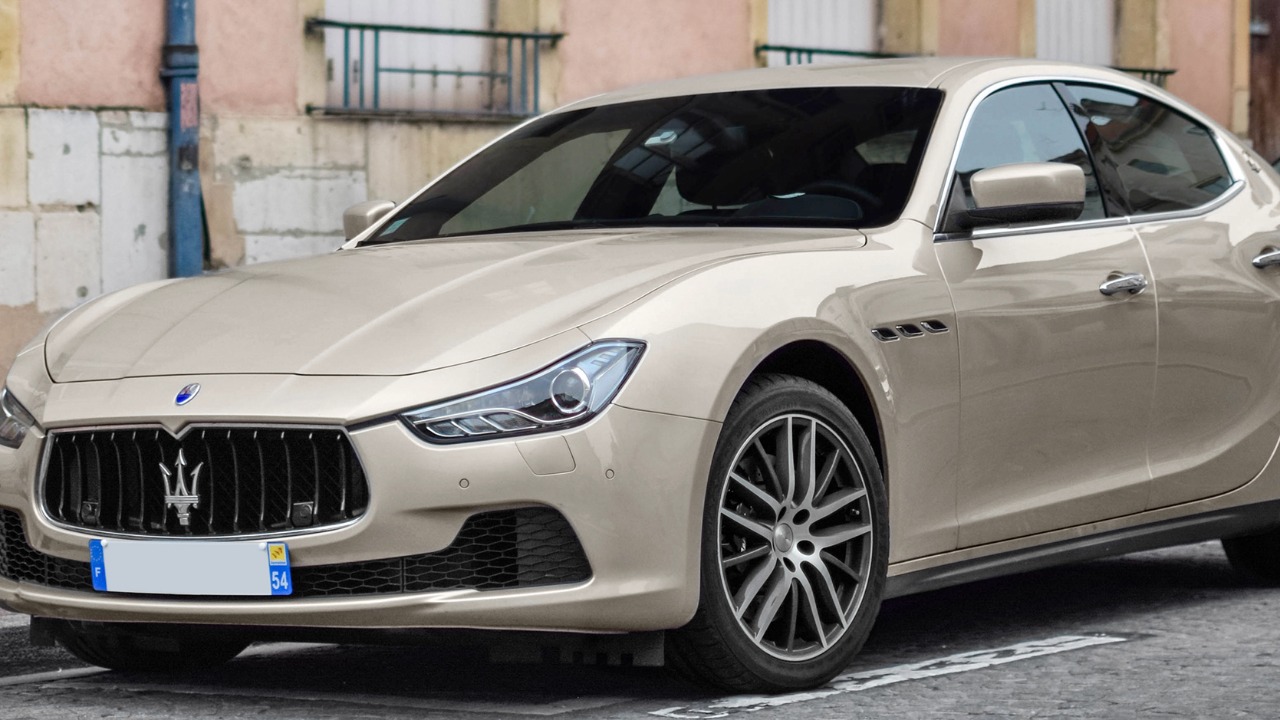
The Maserati Ghibli routinely appears among the very fastest-depreciating cars, a reputation reinforced by iSeeCars analysis ranking it near the top for steep five-year value loss. Exotic badge appeal fades quickly once buyers weigh maintenance realities against the far cheaper German rivals it competes with.
Shared Chrysler-era components sit alongside Italian running costs, and a thin service network makes ownership feel risky as the warranty lapses. The result is dramatic on the used market, where a Ghibli that cost well over seventy thousand new can change hands for a small fraction of that figure.
4. Jaguar XJ: Cachet Fades Quickly
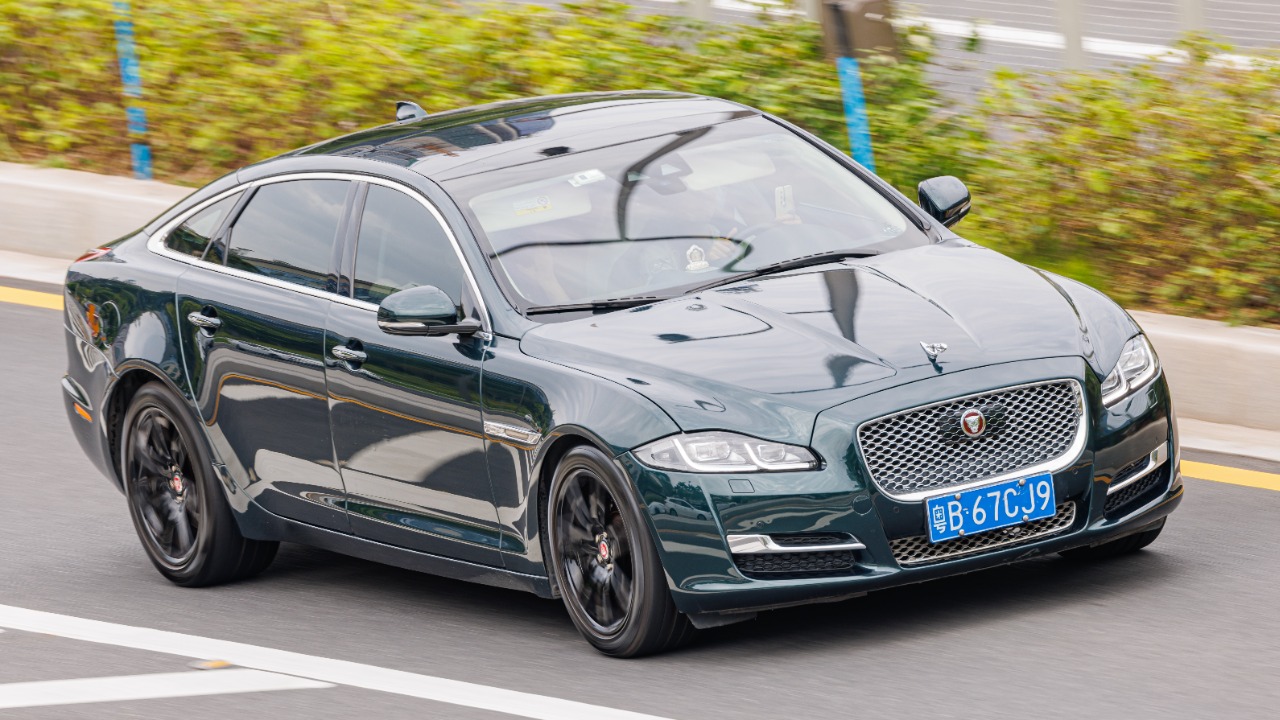
The final Jaguar XJ, the aluminum-bodied X351, blended striking design with genuine driving character, yet its luxury cachet faded fast once resale values were tested. The model’s 2010 to 2019 production run ended without a direct successor, leaving used examples plentiful and prices soft against better-known German competitors.
Buyers wary of Jaguar’s reliability reputation and the cost of specialist repairs steered toward safer badges, thinning demand further. That skepticism now benefits bargain hunters, since a flagship that once approached ninety thousand dollars can be found for a small share of its original price only a few years later.
5. Audi A8: Complexity Sinks Resale
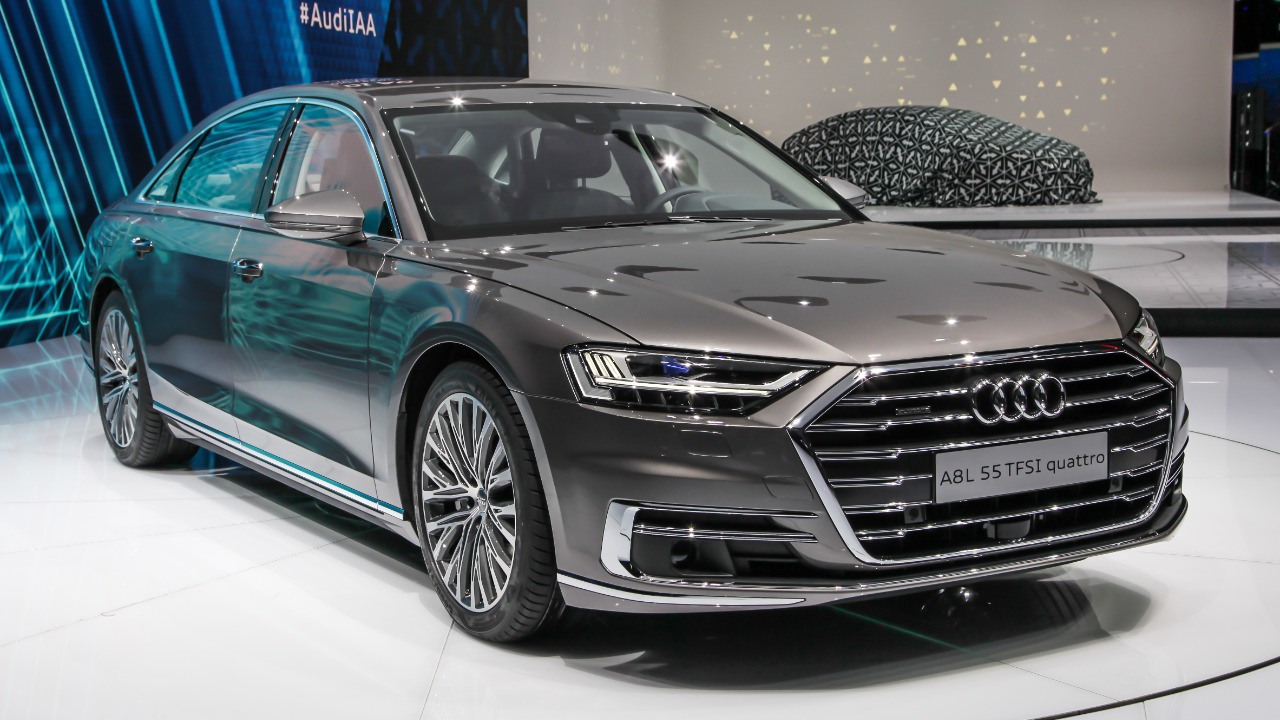
Audi’s A8 flagship has long served as a technology showcase, introducing features that trickle down across the lineup, but that complexity sinks resale quickly. Its full-time quattro all-wheel drive and dense electronics impress when new and intimidate used shoppers who fear the repair bills that follow the warranty.
Because the A8 never sold in large numbers, secondhand demand stays limited, and dealers discount aggressively to move aging inventory. The steep curve means a five-year-old car can list for a modest fraction of its original price, a striking value for anyone comfortable with the upkeep a used luxury sedan requires.
6. Nissan Leaf: Battery Aging Bites

The Nissan Leaf helped popularize affordable electric driving, but battery aging drags its resale down sharply, especially on early cars. The EPA’s guide to green vehicles underscores how range defines an EV’s usefulness, and a Leaf whose pack has degraded travels far fewer miles than it did when new.
Air-cooled early batteries lost capacity faster than rivals with active cooling, souring the reputation of used examples. Rapid improvements in newer electric cars, plus expiring tax incentives on the original purchase, pushed values down further, so a used Leaf can be one of the cheapest ways into electric motoring today.
7. Lincoln Continental: A Revival Cut Short
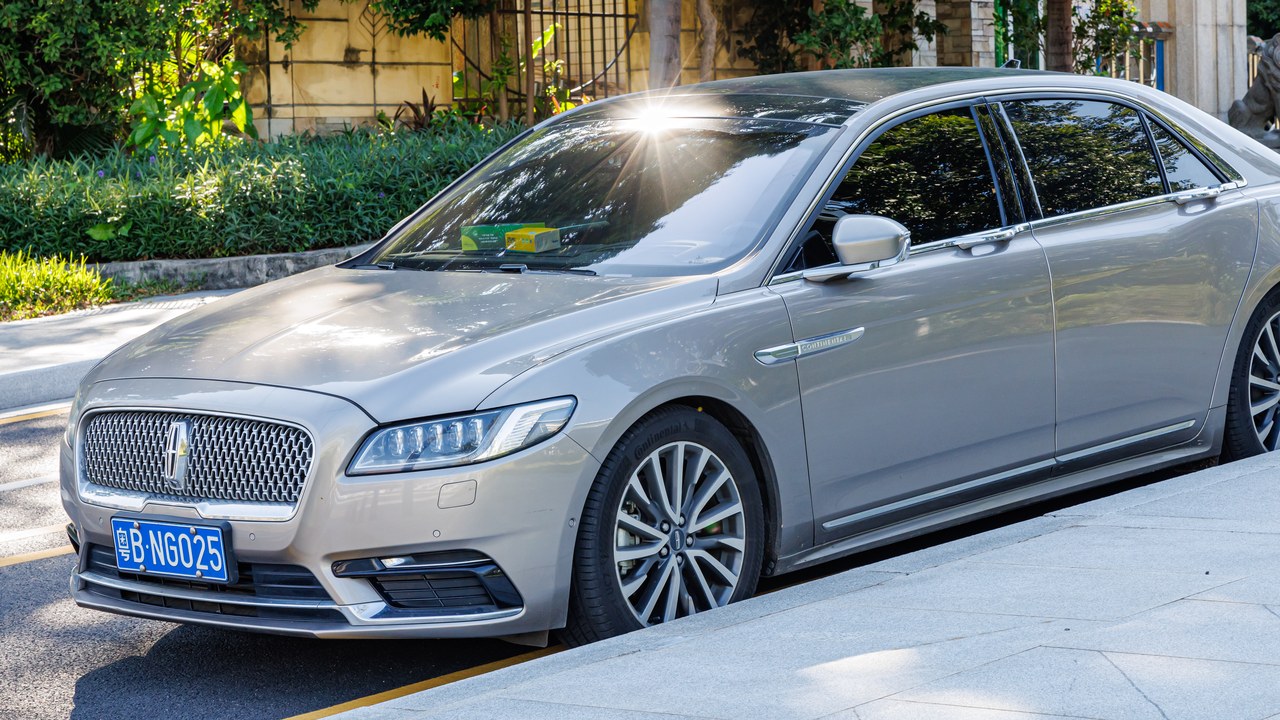
Lincoln revived the storied Continental name in 2017 as a plush front-wheel-drive flagship, but the short-lived revival lost value quickly. The tenth-generation Continental ended production in 2020 after modest sales, leaving few buyers for a discontinued luxury sedan competing against established German and Japanese rivals.
A nameplate without a future tends to depreciate hard, and the Continental was no exception once Lincoln shifted its focus entirely to SUVs. Well-equipped examples that approached seventy thousand dollars new now trade for a fraction of that, offering a quiet, comfortable cruiser to buyers who overlook the badge’s uncertain support.
8. Cadillac CT6: Flagship Dropped Early
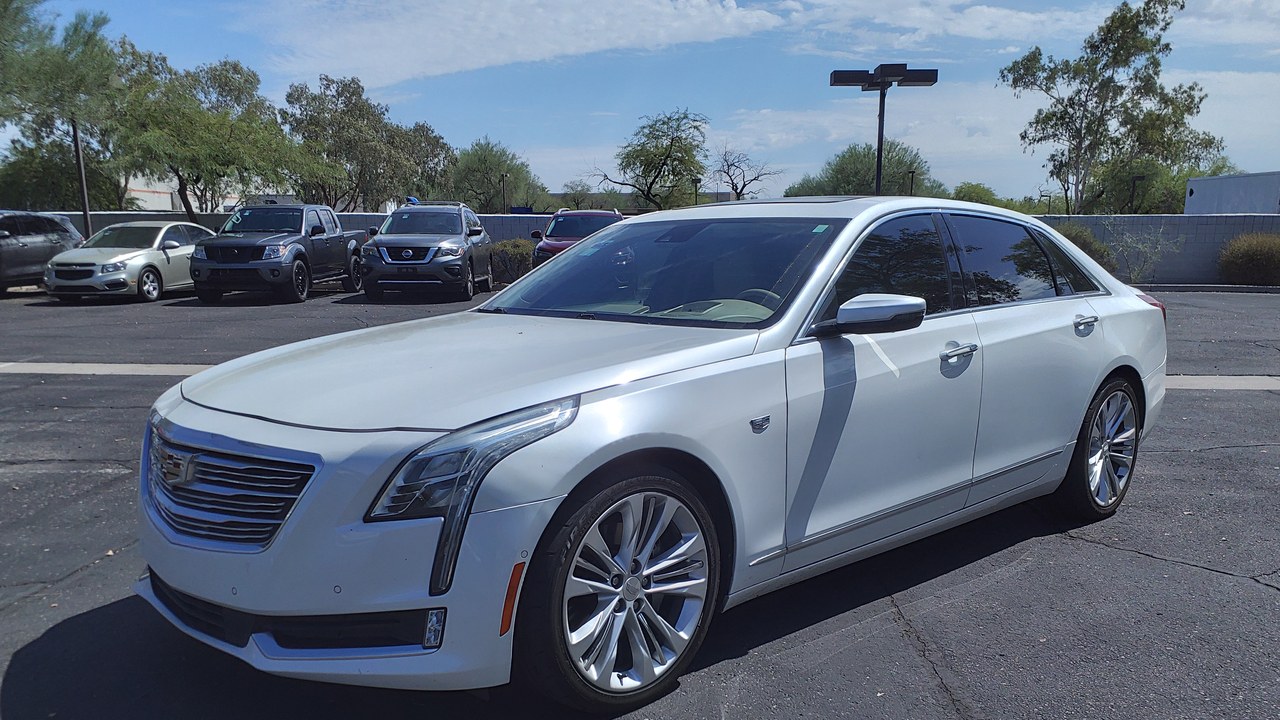
Cadillac’s CT6 arrived in 2016 as an ambitious full-size flagship, yet GM’s sedan depreciated fast after launch. Praised for its lightweight structure and available Super Cruise, the CT6 luxury sedan nonetheless struggled to justify its price against German rivals and was dropped from the American lineup by 2020.
A discontinued flagship with limited brand cachet in the luxury segment is a recipe for heavy depreciation, and the CT6 followed that script. Early cars that stickered near or above seventy thousand dollars now sell for a fraction of that, giving used buyers a technologically rich sedan at a steep discount.
9. Infiniti Q70: Capable But Quickly Cheap
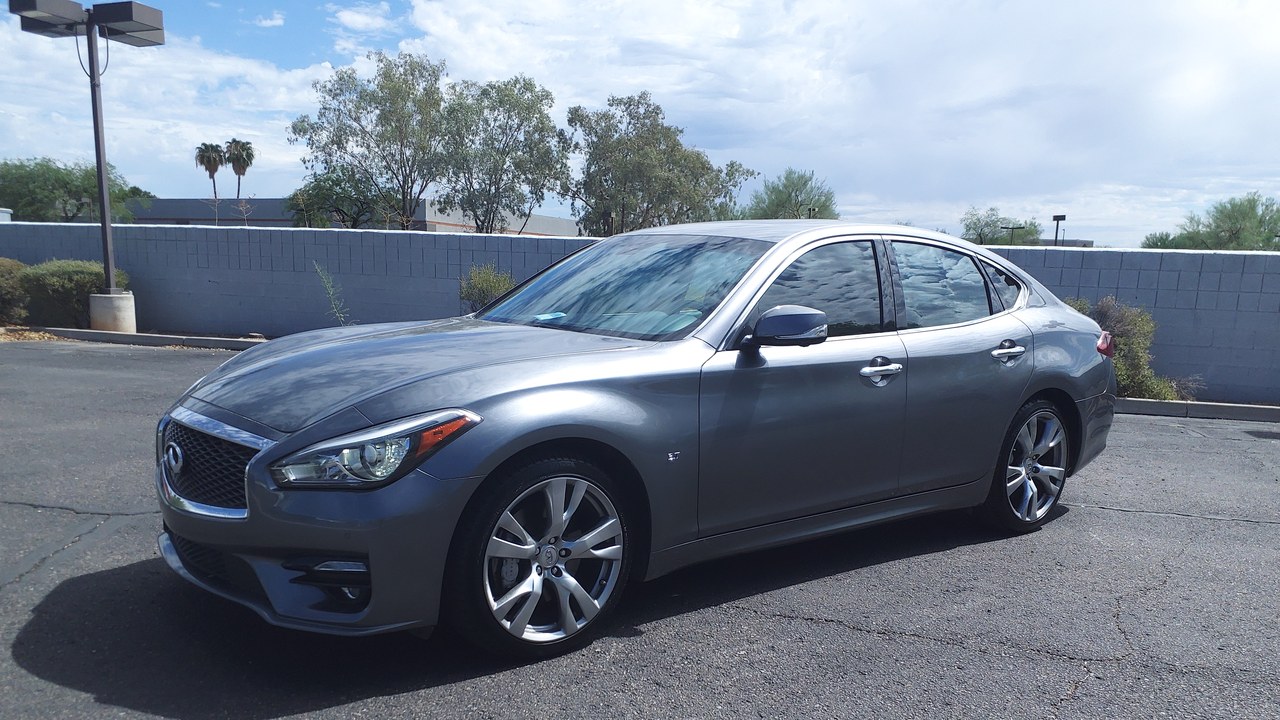
The Infiniti Q70 was a genuinely capable rear-drive sedan, but it lost value faster than its established rivals. Sold with strong V6 and available V8 power, the Q70 sport sedan lingered on the market with minimal updates, leaving it feeling dated against fresher competitors from BMW, Mercedes-Benz, and Lexus.
Weak brand recognition in the luxury field and an aging design pushed transaction prices down, and that softness carried into the used market. The result is a well-built, comfortable sedan that can be bought for a small fraction of its original price, rewarding shoppers who prize value over prestige.
10. Volvo S90: Strong New, Soft Used
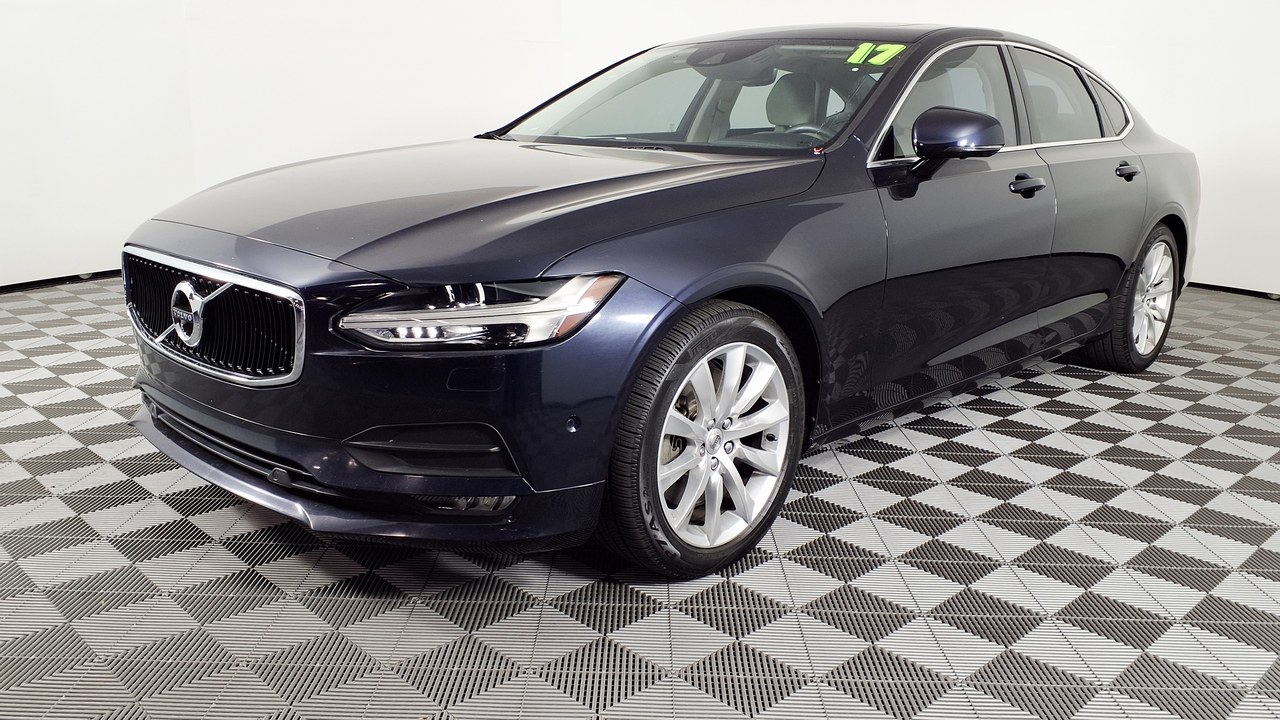
Volvo’s S90 impresses when new with Scandinavian design and a calm, well-appointed cabin, yet it slides quickly on the used market. The S90 executive sedan competes in a shrinking segment dominated by German badges, so demand for a Swedish alternative stays thin once the new-car incentives disappear.
Generous discounting to move flagship sedans, combined with buyers’ preference for SUVs, accelerates the drop for early owners. That leaves late-model examples available for a fraction of their original price, an appealing proposition for anyone who values safety, comfort, and understated style over the strongest resale figures.
More from Morning Overview
