
American muscle cars from the 1960s and early 1970s were once cheap used cars, dismissed as gas-guzzling relics of a bygone horsepower war. Today the rarest and most powerful of them rank among the most valuable collector automobiles on earth, with the finest examples selling for seven figures. These twelve muscle machines have all climbed into six-figure territory and beyond.
1. Plymouth Hemi Cuda: Million-Dollar Convertible
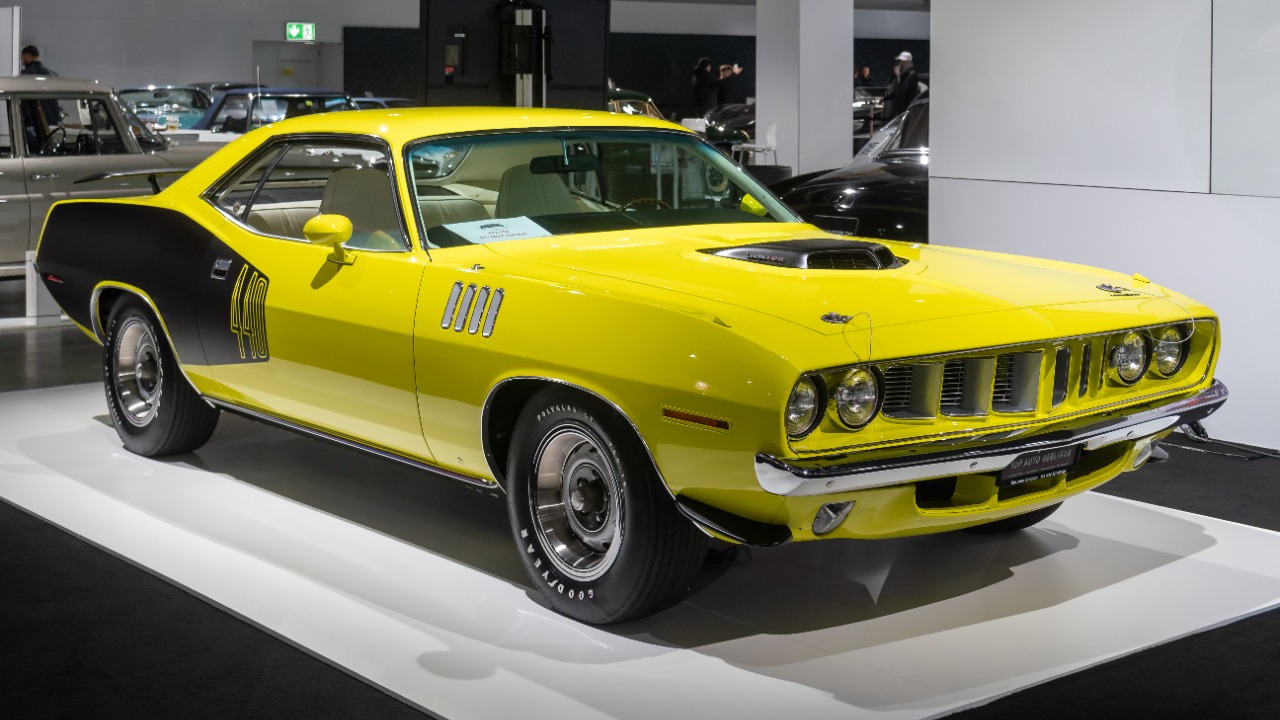
The Plymouth Hemi Cuda paired the fearsome 426 Hemi V8 with the sleek 1970-71 Barracuda body, and only a tiny number left the factory as convertibles. According to the model’s documented production history, the drop-top Hemi cars are almost mythically scarce.
Verified convertible examples have crossed auction blocks for well over a million dollars apiece. That rarity, rather than raw speed, drives the valuations; complete cars with original engines and paperwork command the strongest prices, while replicas and clones trade for a fraction of the genuine article.
2. Chevrolet Chevelle SS 454: The LS6 Big-Block
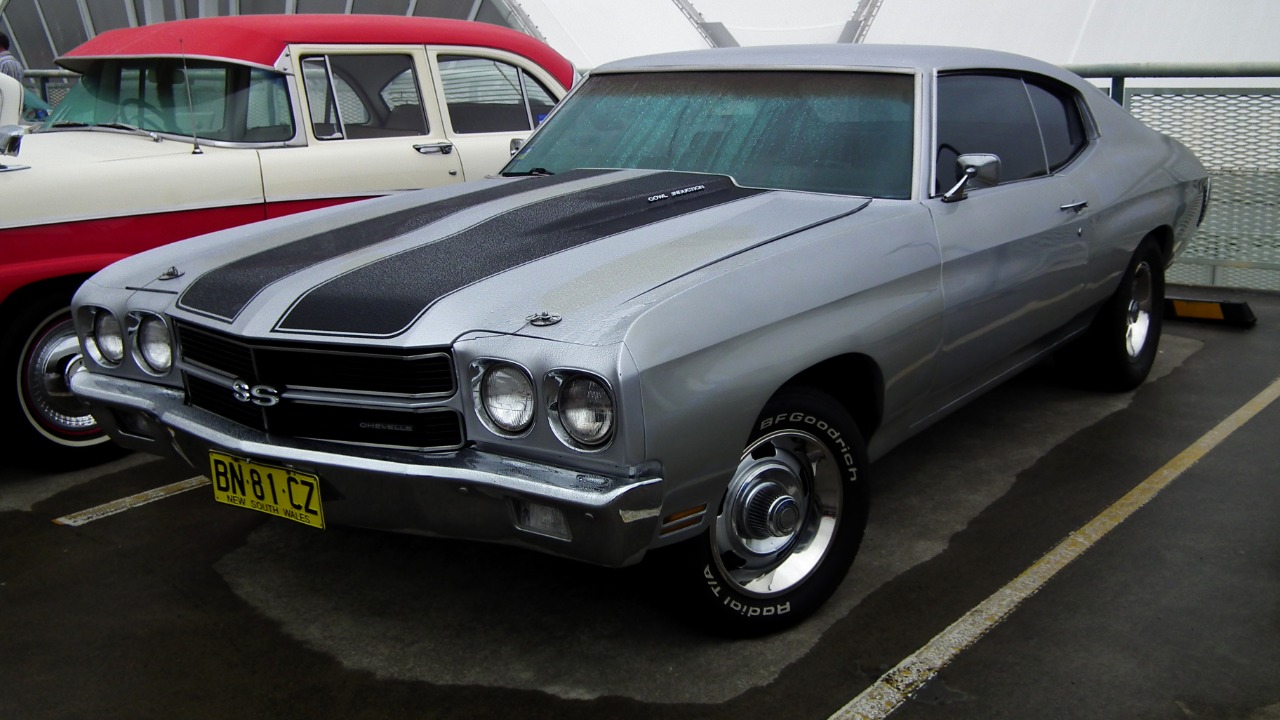
The Chevrolet Chevelle SS 454 arrived for 1970 with the legendary LS6 engine, a 450-horsepower big-block that made it one of the most muscular cars Detroit ever sold. The nameplate’s model overview ranks the LS6 among the highest-rated factory outputs of the era.
Genuine LS6 cars, especially convertibles and low-mileage survivors, now change hands for six figures. Documentation matters enormously, since the SS package and the top engine were often faked; a verified build sheet can separate a blue-chip investment from an ordinary clone.
3. Dodge Charger Daytona: Winged Aero Warrior
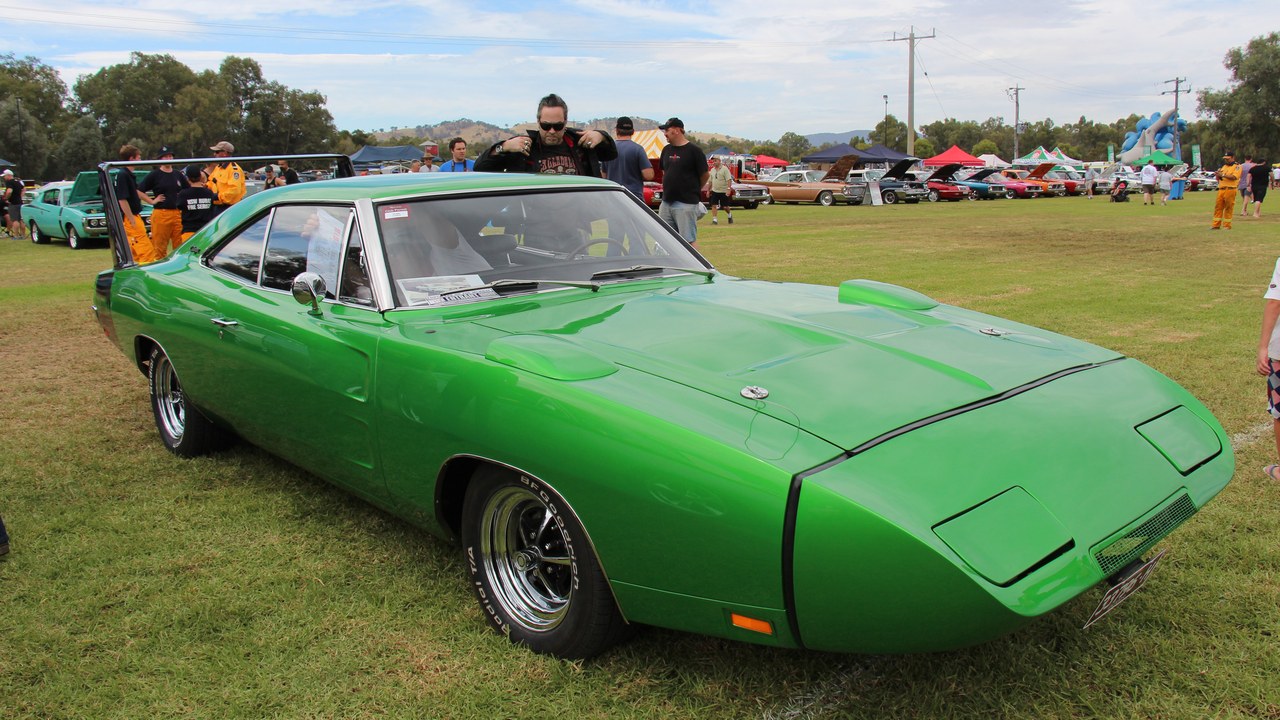
Built as a NASCAR homologation special, the Dodge Charger Daytona wore a pointed nose cone and a towering rear wing. Its aerodynamic engineering was designed to break 200 mph on superspeedways, and Chrysler built only a limited run for the street.
Surviving Hemi-powered examples rank among the most valuable American muscle cars, with the best cars trading in seven figures. The extreme styling that once made dealers slash prices is now the very feature collectors prize, turning an unloved oddity into a museum-grade trophy.
4. Plymouth Superbird: NASCAR Homologation Icon
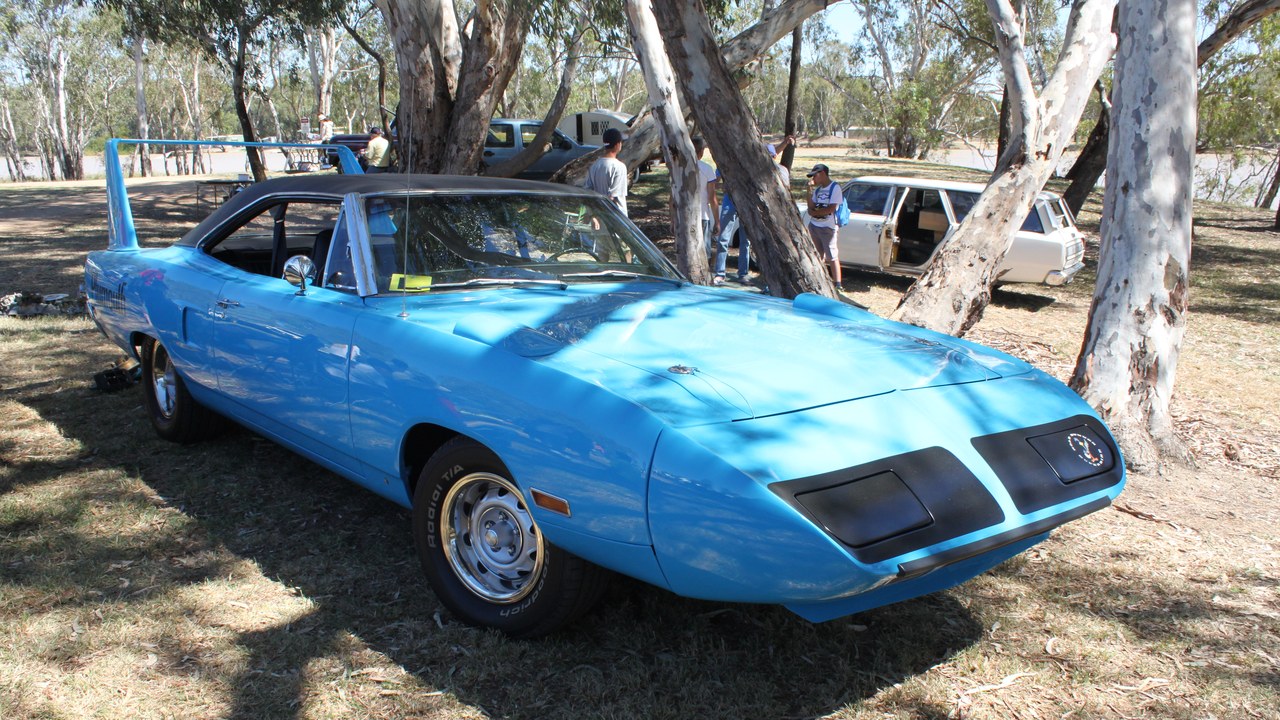
Chrysler’s follow-up winged car, the Plymouth Superbird was built for 1970 to lure Richard Petty back to the brand and to dominate stock-car racing. Its homologation origins required Plymouth to sell a set number to the public, complete with the dramatic nose and high wing.
Once so unpopular that some sat unsold on lots, Superbirds now command top dollar, with Hemi cars reaching well into six and seven figures. Condition, engine choice, and originality separate the strongest sales from more affordable 440-powered examples.
5. Ford Mustang Boss 429: Race Engine In Disguise
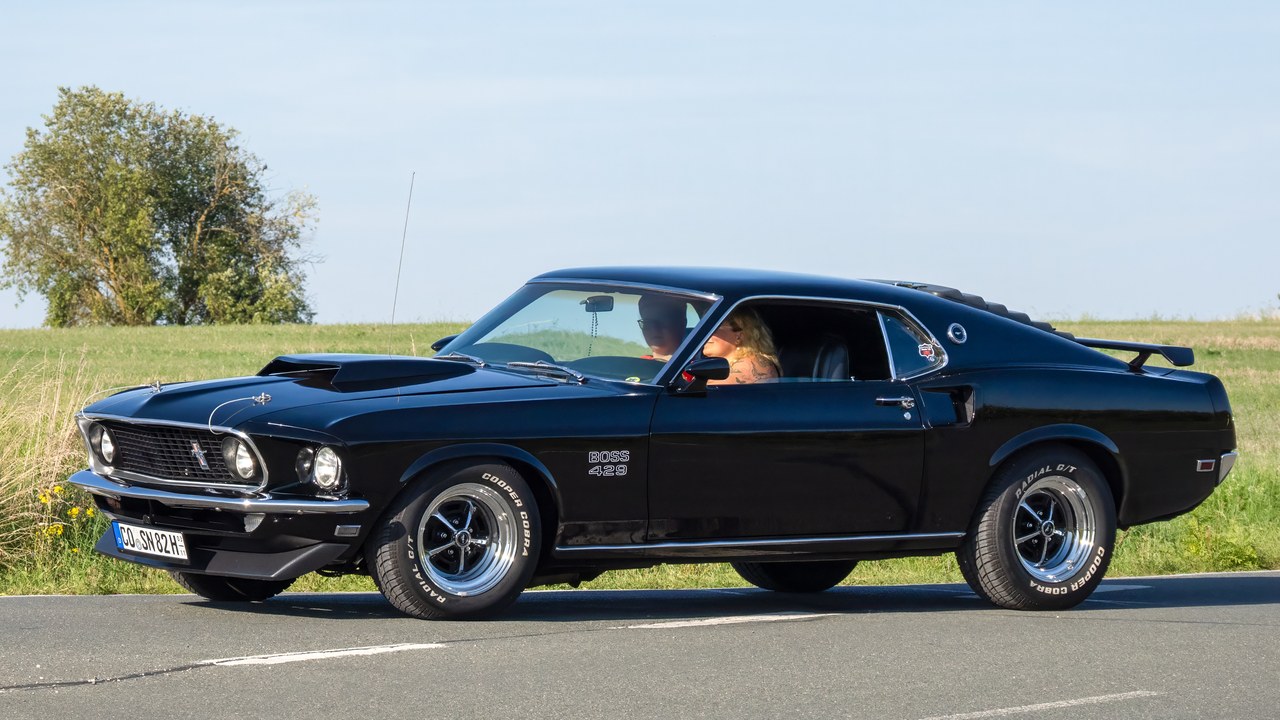
The Ford Mustang Boss 429 existed largely to homologate its massive semi-hemi 429 engine for NASCAR competition. As the model’s production background explains, the engine was too wide for the Mustang’s bay, forcing a specialist contractor to modify each car by hand.
Fewer than 1,400 were built across 1969 and 1970, and that scarcity now makes the Boss 429 one of the most coveted Mustangs ever. Clean, numbers-matching cars routinely sell for well into six figures, with exceptional examples pushing higher still.
6. Shelby GT500: Carroll Shelby’s Muscle Mustang

Under Carroll Shelby’s name, the GT500 transformed the Mustang into a big-block bruiser that blended brute power with distinctive styling. Analysis of cars that hold their value underscores how strongly desirable performance Fords resist depreciation over the long term.
Late-1960s GT500s, particularly the rare 1967-68 fastbacks and the KR King of the Road variants, now fetch six figures and beyond. Provenance tied to Shelby American, correct drivetrains, and factory documentation drive the biggest premiums at collector auctions.
7. Pontiac GTO Judge: The Judge Package
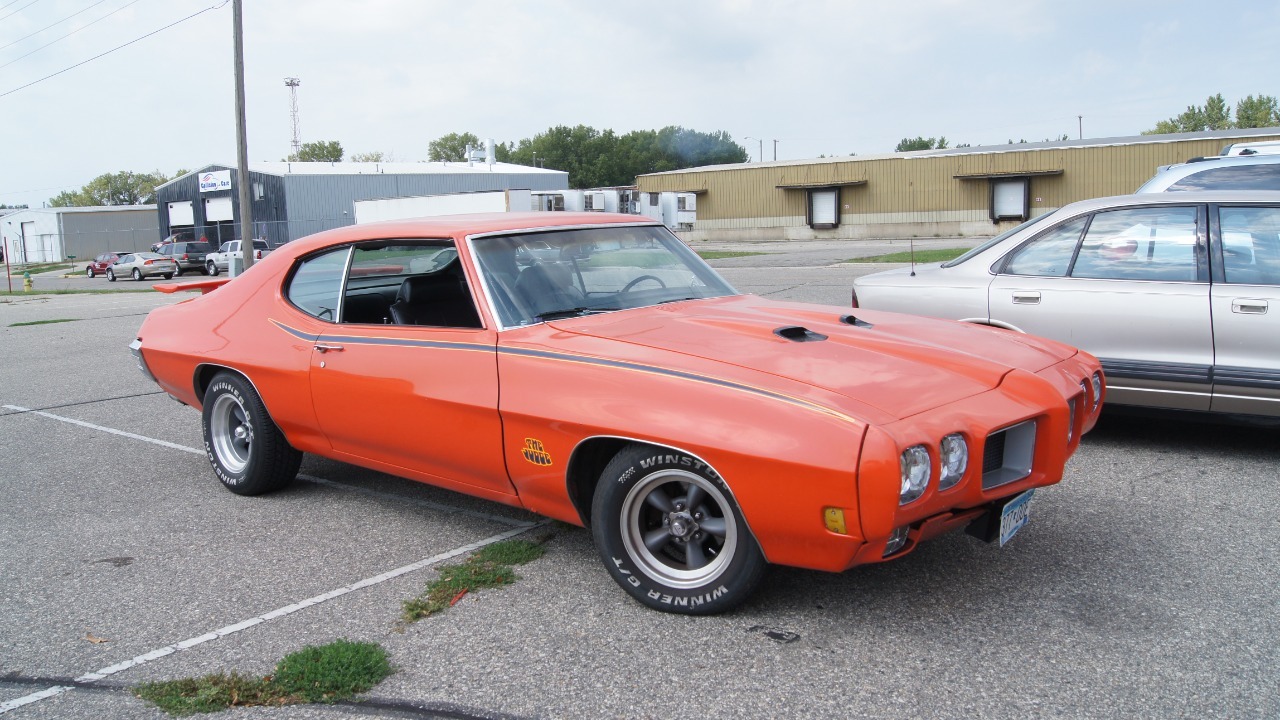
Debuting in 1969, the Pontiac GTO Judge was a loud, boldly striped version of the car often credited with launching the muscle era. The GTO’s model history shows the Judge added the Ram Air engine and eye-catching graphics as a marketing statement.
Judges built from 1969 through 1971, especially Ram Air IV cars and the scarce 1971 convertibles, rank among the priciest GTOs. Original color combinations and verified options can lift a well-kept Judge firmly into six-figure territory.
8. Chevrolet Camaro ZL1: All-Aluminum 427
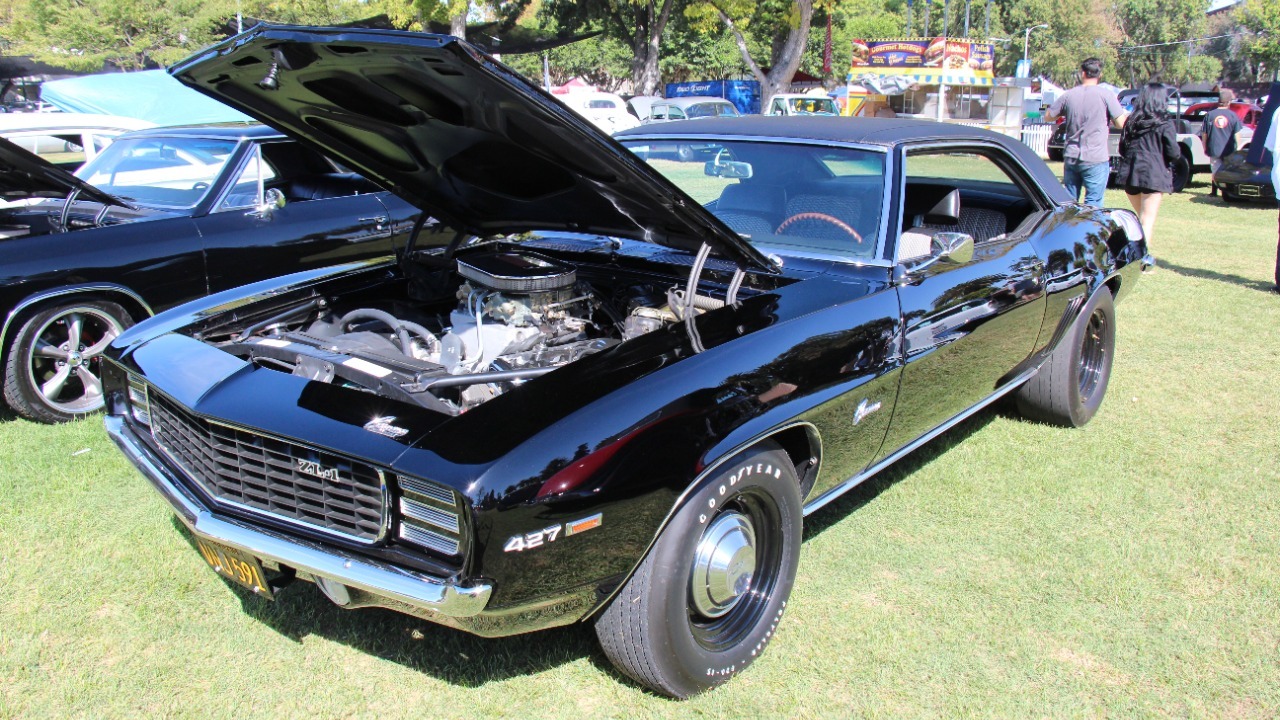
A factory drag-racing weapon, the Chevrolet Camaro ZL1 was ordered through a special channel with an all-aluminum 427 engine rated far below its true output. The first-generation Camaro’s development story notes that only 69 ZL1 cars were built in 1969.
That extreme rarity makes the ZL1 the holy grail of Camaros, with verified examples selling for seven figures at premier auctions. Because so few exist, provenance and the original aluminum block are scrutinized intensely before any sale is trusted.
9. Buick GSX Stage 1: Torque Monster
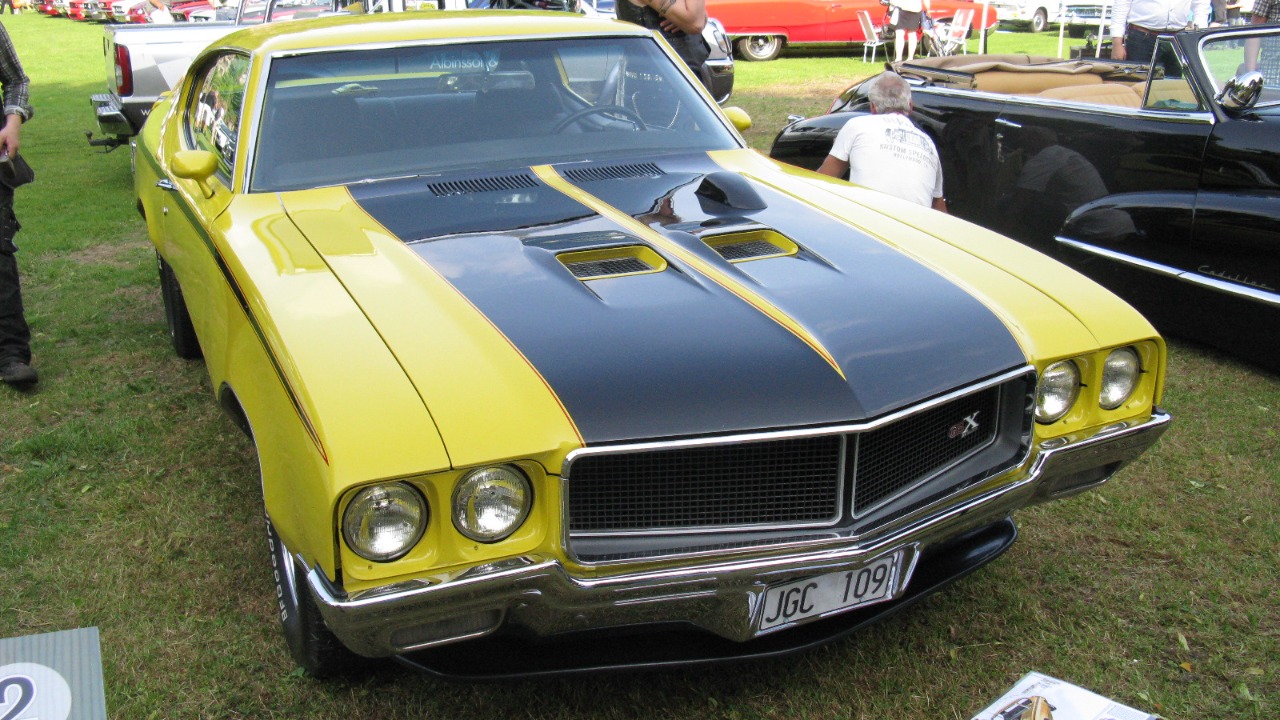
The Buick GSX Stage 1 stunned rivals in 1970 with a 455 engine that produced a monstrous 510 lb-ft of torque, an output that embarrassed flashier competitors. The GSX’s performance record shows it quietly ran quarter-mile times to shame far better-known muscle cars.
Once overlooked because it wore a Buick badge, the GSX Stage 1 has since climbed hard in value, with prime examples reaching well into six figures. Its scarcity and understated reputation now make it a favorite among knowledgeable collectors.
10. Oldsmobile 442 W-30: High-Output W-30
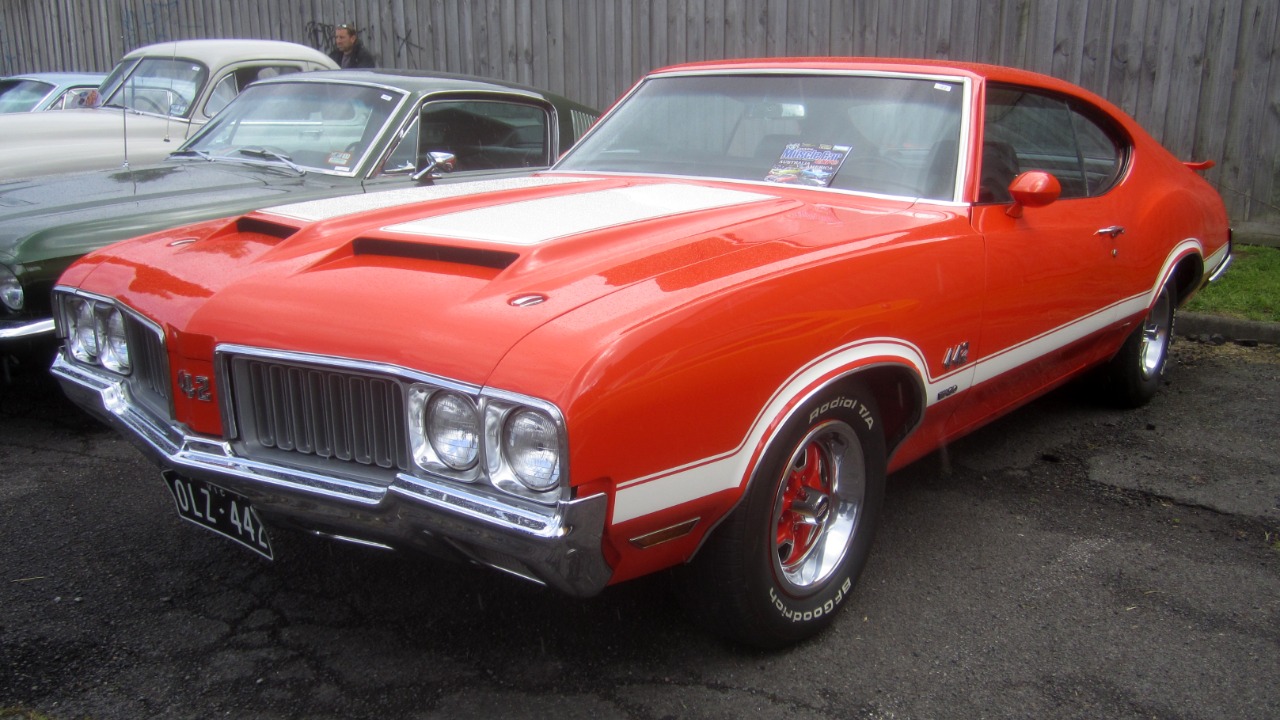
The hottest version of Olds’s muscle line, the Oldsmobile 442 W-30 combined a 455 engine with a cold-air induction package and aggressive tuning. The 442’s model lineage details how the W-30 option delivered the marque’s strongest street performance.
W-30 cars, especially 1970 convertibles and documented survivors, have become sought-after collector pieces trading in the six-figure range. As with its rivals, originality is everything; a verified W-30 build commands a substantial premium over a base 442.
11. Dodge Challenger R/T Hemi: Original Hemi E-Body
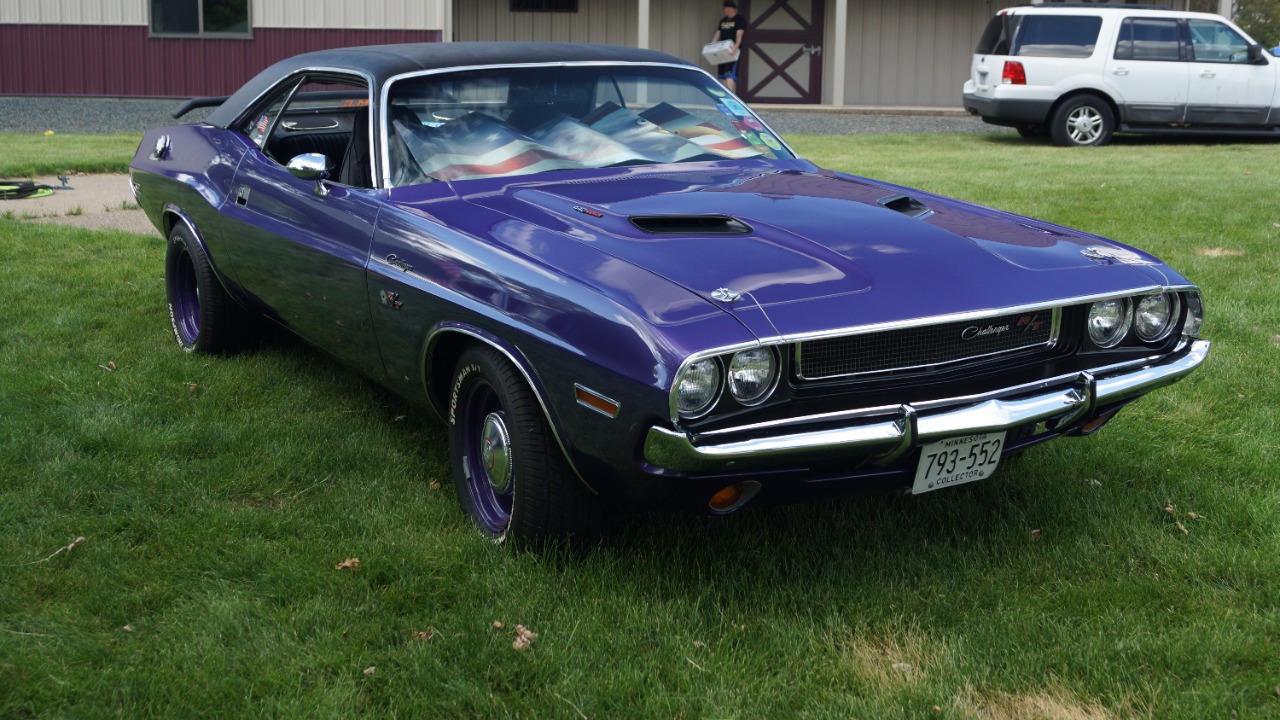
The Dodge Challenger R/T Hemi brought Chrysler’s 426 Hemi to the brand’s new-for-1970 pony car, creating one of the most desirable E-body muscle cars. The Challenger’s first-year history records that Hemi cars were expensive and comparatively rare when new.
Genuine Hemi Challengers, particularly convertibles and four-speed cars, are prized six-figure collectibles today. Because the Hemi option was costly and short-lived, surviving numbers-matching examples are scarce, and buyers pay steep premiums for verified originality and complete paperwork.
12. AMC AMX: Two-Seat Rarity
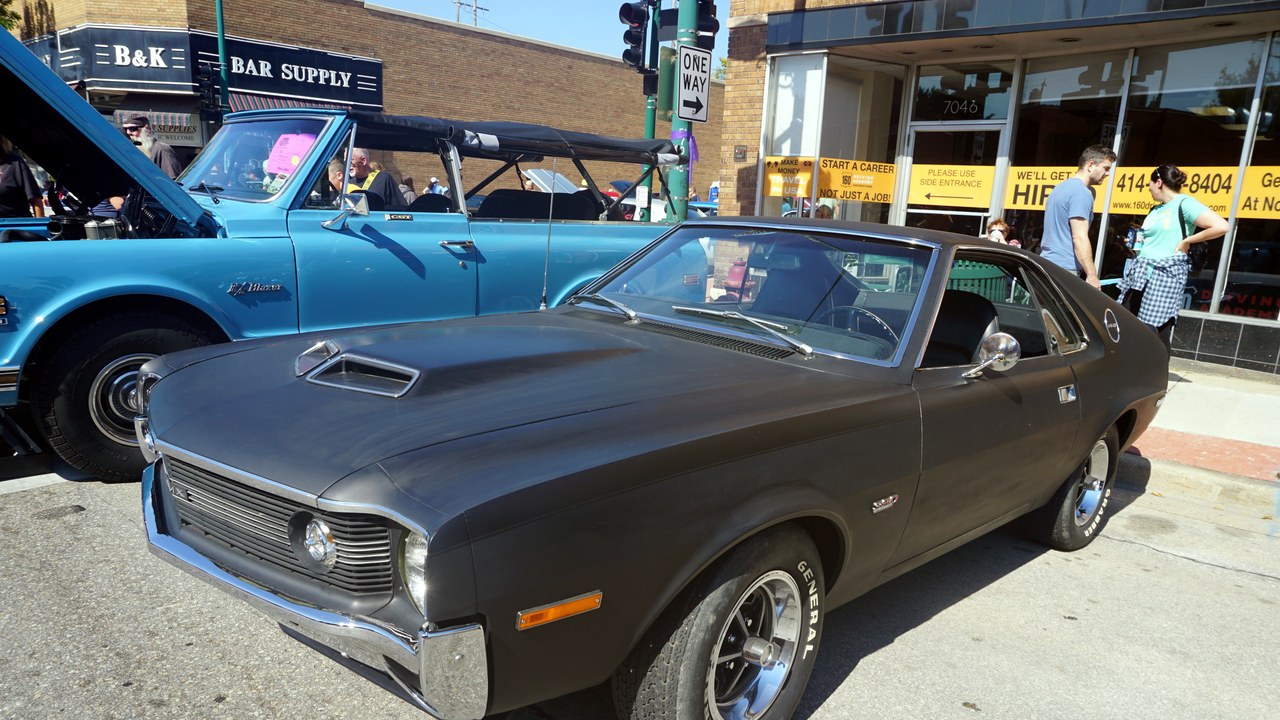
Breaking from convention, the AMC AMX was a short-wheelbase, two-seat muscle car and a bold gamble from the industry’s smallest player. The model’s design background highlights how the AMX competed against Corvettes on a fraction of the budget.
Built only from 1968 through 1970, the two-seat AMX has been climbing hard in value as collectors rediscover its rarity and character. Big-block-equipped Go-Package cars in original condition now command strong money, a striking turnaround for a once-underrated AMC.
More from Morning Overview
- The FTC is warning about a scam quietly draining thousands from victims
- The NSA is again telling phone owners to switch off one location setting
- A handful of car transmissions are so tough mechanics say they almost never fail
- A handful of SUVs keep hitting 300,000 miles, and they share one engine trait
