
New cars keep gaining screens and software while quietly shedding the hardware that older drivers grew up with. Some features vanish for safety or regulation while others disappear for fashion or cost, but the retreat is unmistakable across today’s showrooms. These twelve once-common touches are the ones fading fastest from new vehicles.
1. Spare tire: Sealant Kit Instead
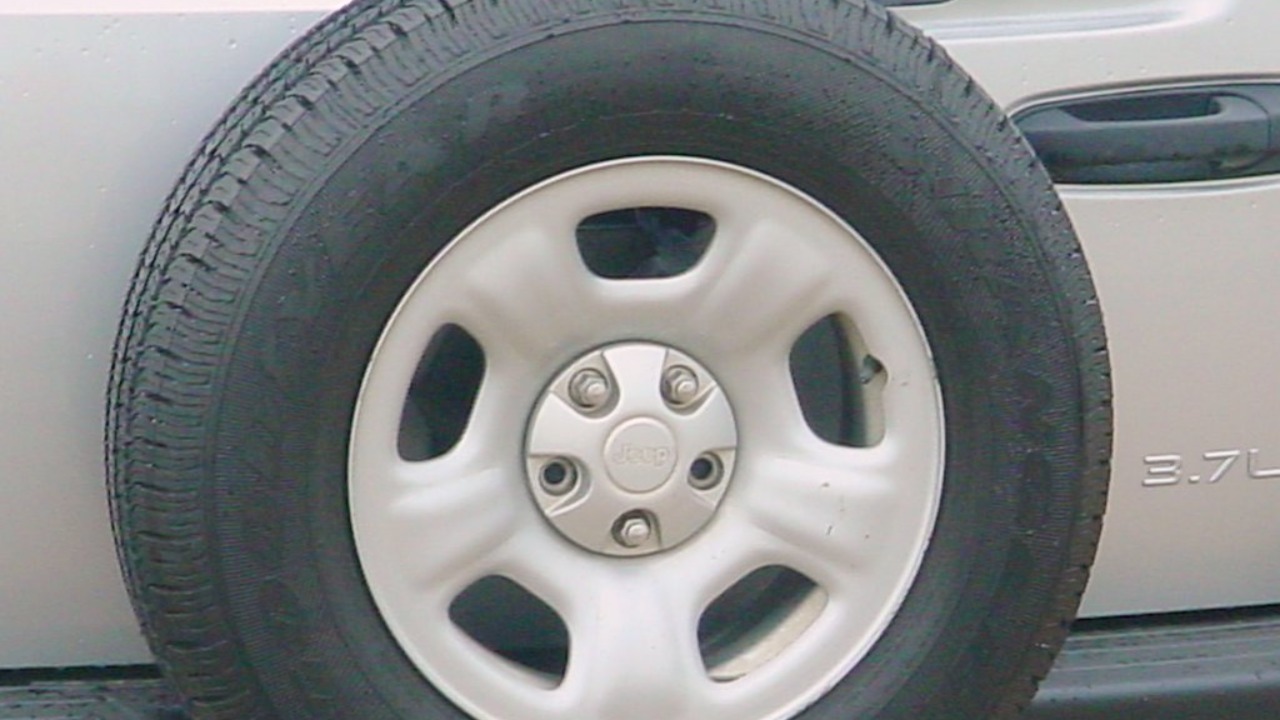
Automakers increasingly leave the spare tire out of new cars, tucking a small sealant-and-inflator kit into the trunk to save weight and space. Buyers combing through new-car equipment lists often find a tire mobility kit where a full-size or compact spare once sat.
The change trims cost and boosts fuel economy, but it leaves drivers stranded when a sidewall blows out, since sealant cannot fix a large gash. Roadside services and tire shops report more tows from motorists who never realized their vehicle carried no spare at all.
2. CD player: Streaming Killed The Slot
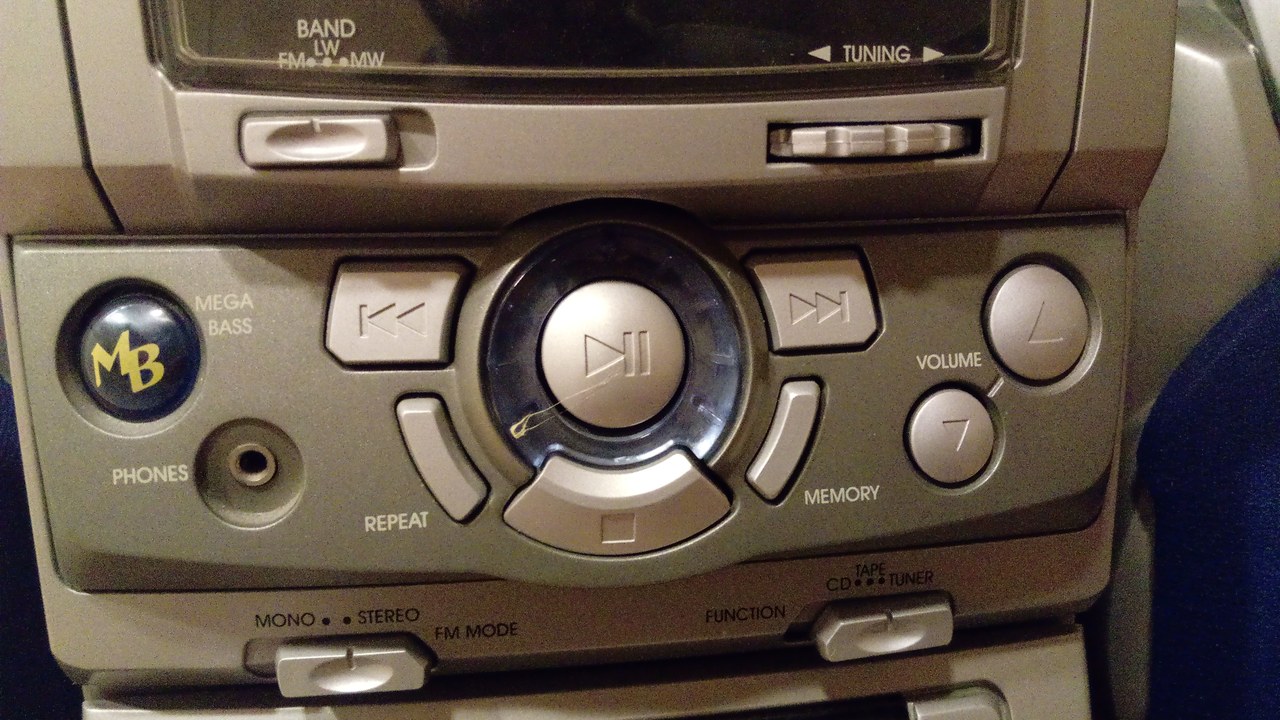
The in-dash CD player, once a premium selling point, has all but vanished as automakers assume drivers stream audio from their phones. An overview of the compact disc player notes how portable and built-in units peaked before downloads and streaming eroded demand.
Most vehicles now route sound through Bluetooth, Apple CarPlay, and Android Auto rather than an optical drive. Owners with large disc collections rely on aftermarket adapters or cheap external players, and secondhand shoppers increasingly treat a working factory CD slot as a nostalgic bonus rather than a standard fitting.
3. Manual transmission: Stick Shift Fades
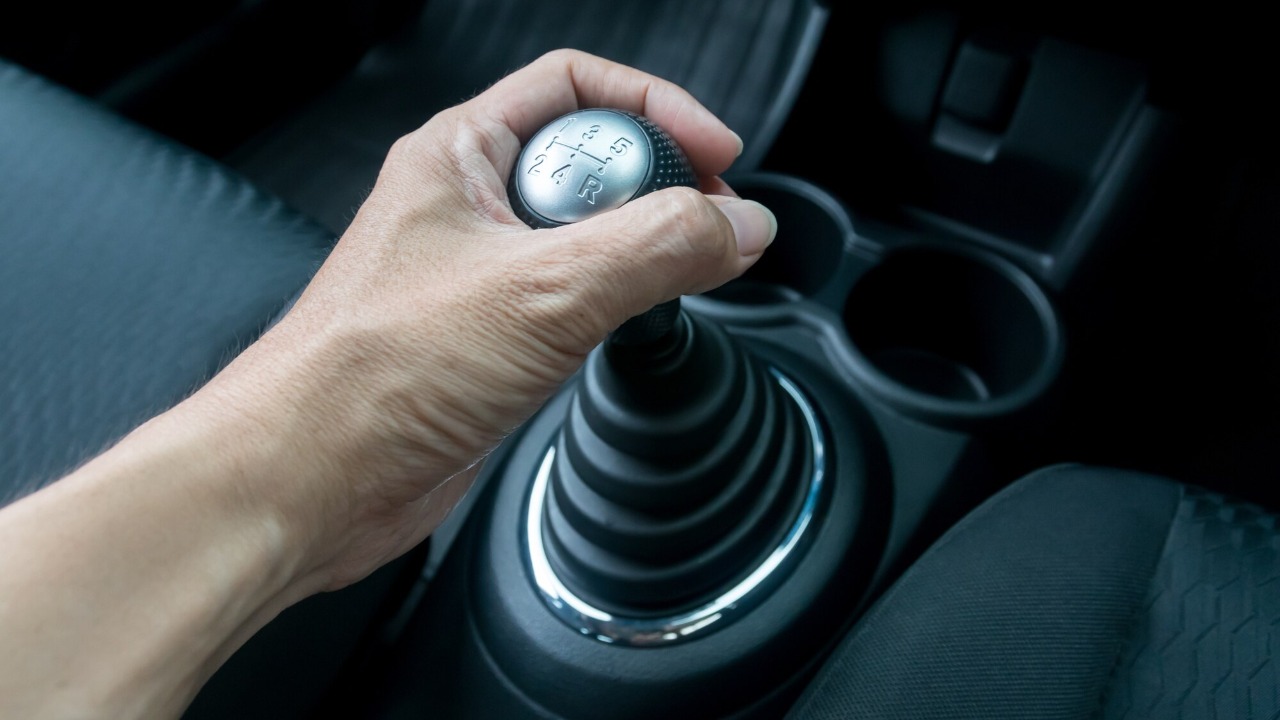
The manual transmission is disappearing from mainstream lineups as automatic and dual-clutch gearboxes match or beat it on efficiency. Enthusiast roundups such as Car and Driver’s reliability rankings now feature few models offering three pedals, and many brands have dropped the stick entirely.
Manuals survive mostly in sports cars, trucks, and budget economy models, where a devoted minority still prefers the control. Automakers cite thin demand and the cost of certifying a second transmission, so each redesign tends to quietly retire the clutch pedal that once dominated American driveways.
4. Physical volume knob: Touchscreen Takes Over
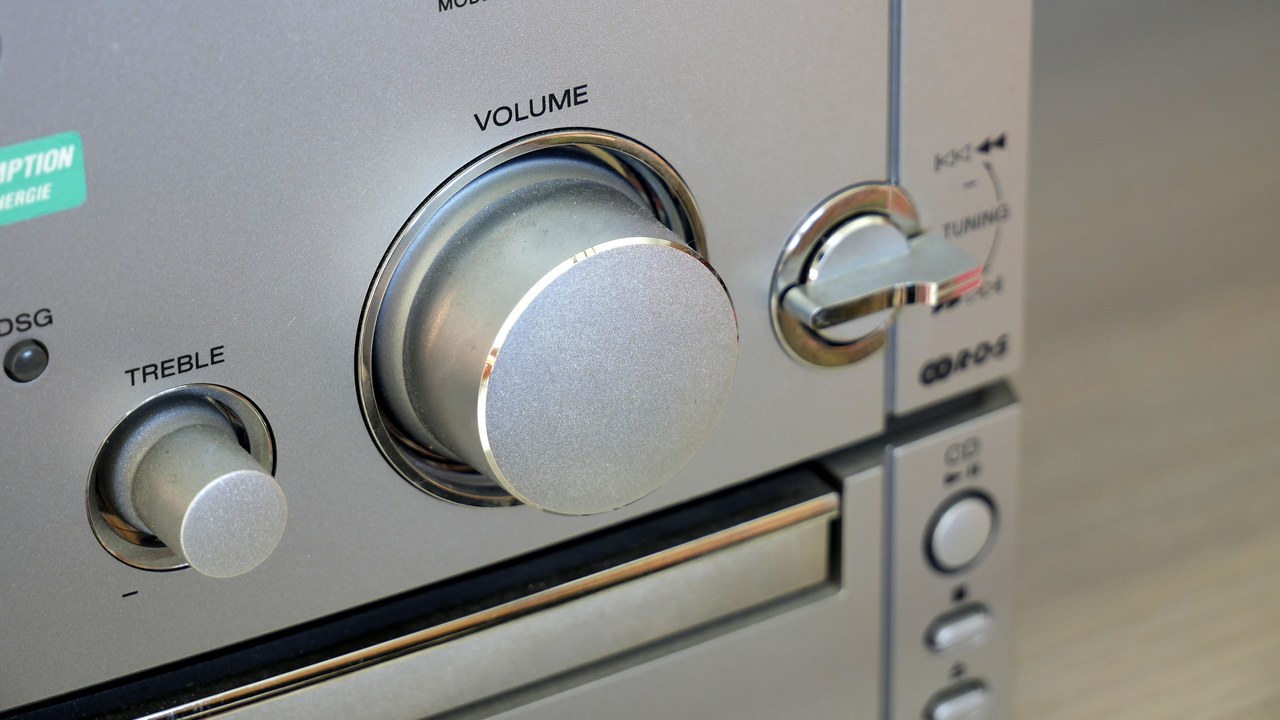
The physical volume knob is losing ground to touch sliders and steering-wheel buttons as dashboards go screen-first. Discussions of the shift toward push-button controls highlight how designers favor flat glass surfaces that look modern but demand a glance away from the road.
Safety researchers and frustrated owners argue a tactile knob is faster and safer to adjust by feel, and some automakers have begun reversing course after backlash. Even so, many new interiors bury basic audio and climate settings inside menus, leaving the once-universal twist dial an increasingly rare convenience.
5. Key ignition: Push-Button Wins
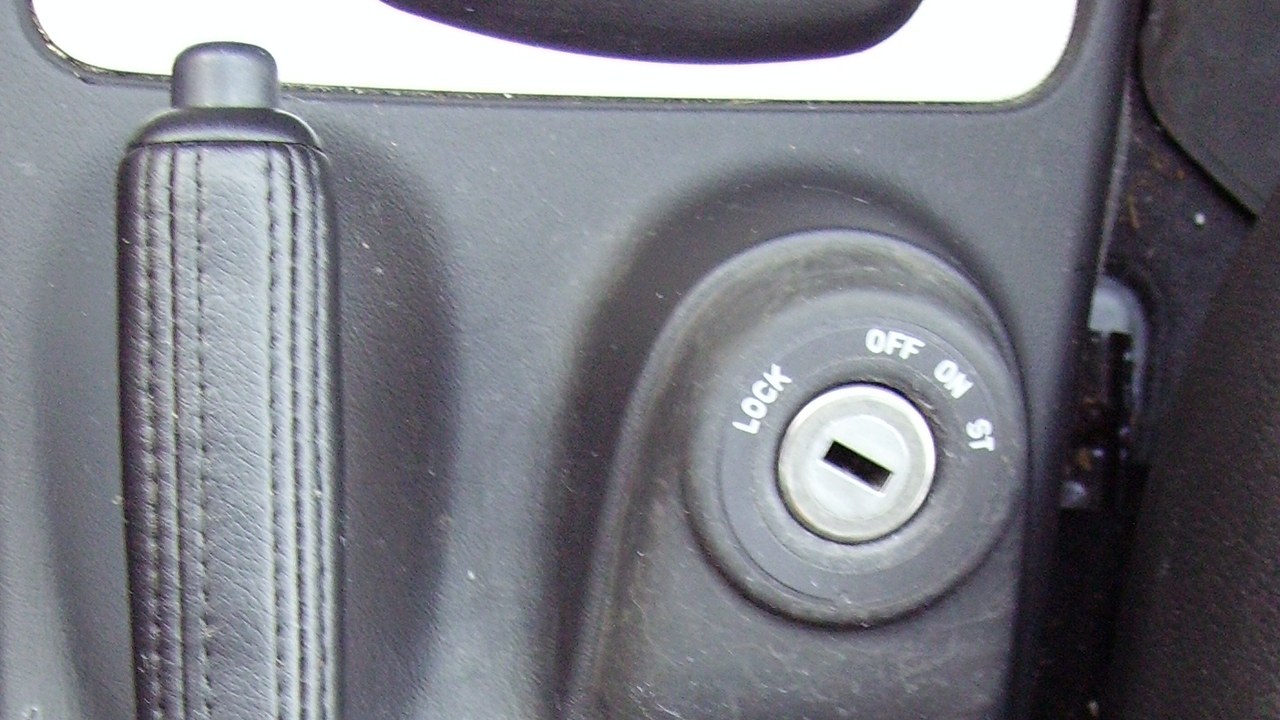
The turn-key ignition is being squeezed out by push-button start, which pairs with a proximity fob drivers keep in a pocket. Technical explainers of the ignition switch describe how the mechanical cylinder long controlled starting before keyless systems spread across even budget trims.
Push-button setups add convenience and let automakers integrate remote start and security features, but they also introduced rollaway and carbon-monoxide risks when drivers forget to shut the car off. Regulators have pushed for automatic-shutoff safeguards as the familiar twist-and-crank motion fades from new models.
6. Bench front seat: Buckets Replace Three-Across
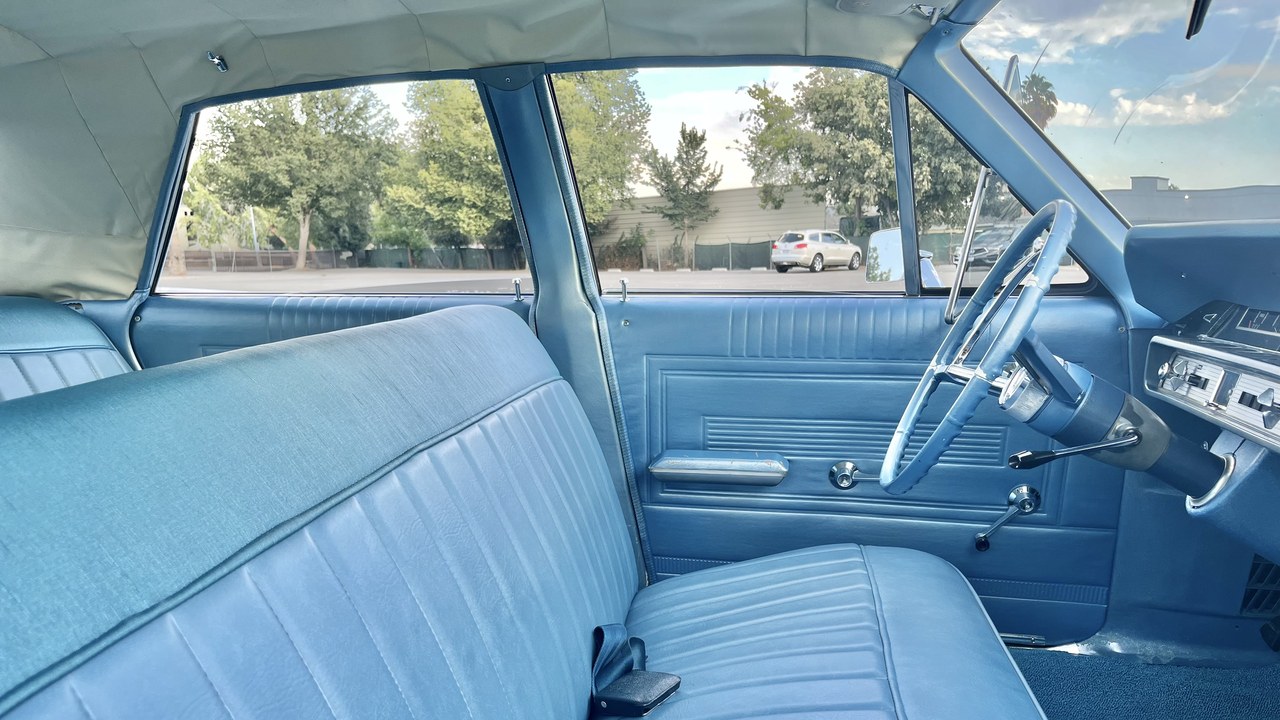
The front bench seat, which once let three people ride abreast, has all but vanished from new cars and trucks. Histories of the automotive bench seat trace its decline as bucket seats, tall center consoles, and cupholders became standard fixtures.
Consoles now house shifters, storage, screens, and armrests, leaving no room for a middle passenger up front. Even full-size pickups, the last holdouts, increasingly ship with captain’s chairs, so the six-passenger family sedan of the mid-century era is essentially extinct in showrooms today.
7. Hood ornament: Safety Rules Fell It
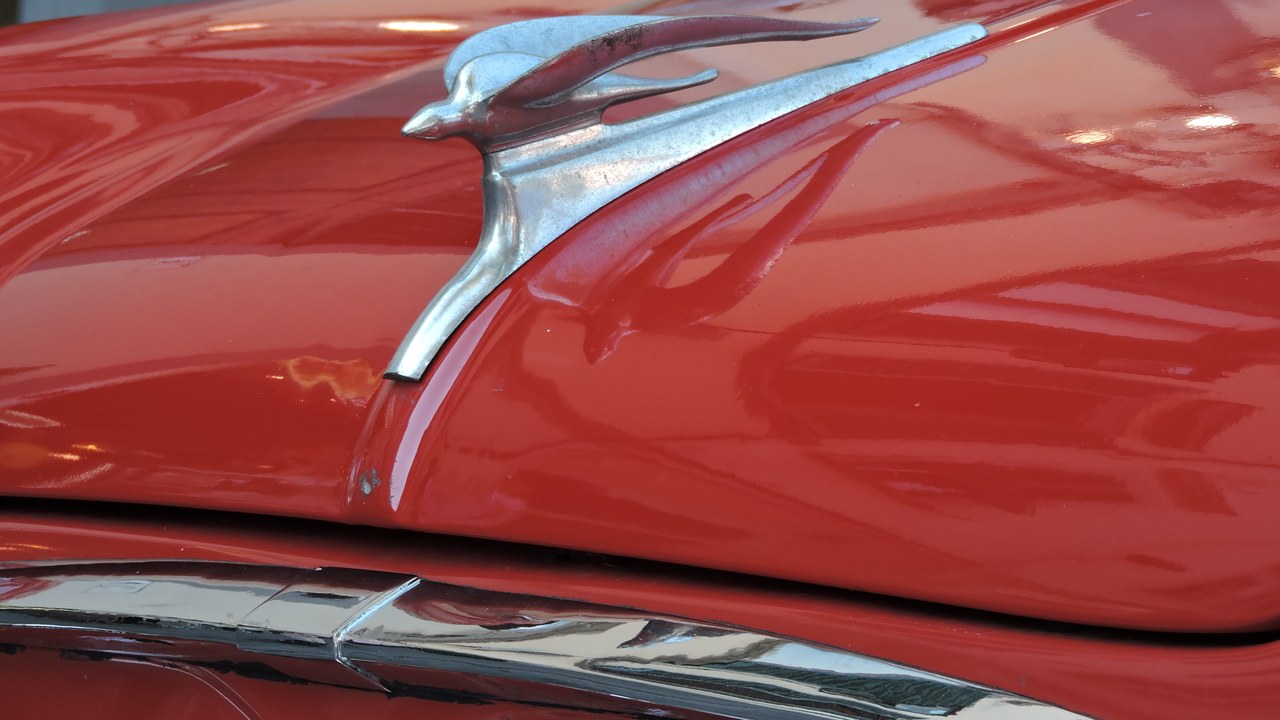
The stand-up hood ornament, long a badge of luxury, has largely disappeared under pedestrian-safety pressure. Coverage of the hood ornament notes how European rules discouraging rigid protrusions, plus theft and aerodynamics, pushed brands toward flush emblems.
A few marques retain retractable or spring-loaded versions that fold on impact, but most have flattened their badges into the grille or hood. The change reflects a broader design language prioritizing smooth, pedestrian-friendly front ends, retiring a decorative flourish that once signaled status from across a parking lot.
8. Analog gauges: Screens Replace Needles
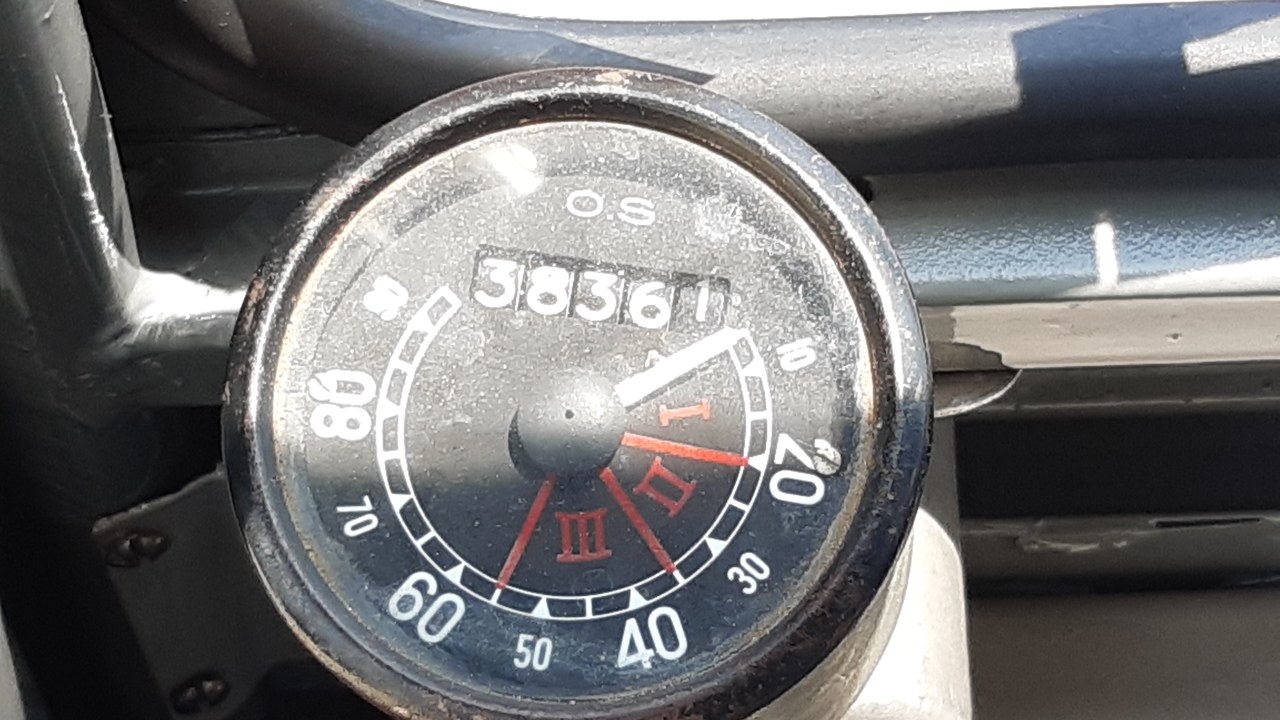
Analog gauges with sweeping needles are giving way to configurable digital clusters that render speed and fuel as pixels. Reference material on the automotive speedometer shows how mechanical and electronic dials dominated for a century before flat panels arrived.
Digital screens let drivers swap layouts, show maps, and surface driver-assist data a needle never could, which appeals to automakers chasing a high-tech feel. Critics counter that glare, lag, and eventual repair costs make a simple analog dial more durable, yet full digital dashboards keep spreading downmarket.
9. Ashtray and lighter: USB Ports Move In

The built-in ashtray and cigarette lighter, once standard on every trim, have been designed out as smoking rates fell. Entries on the car ashtray describe how the recess and heated lighter element were fixtures for decades before automakers made them optional.
The old lighter socket survives mainly as a 12-volt power outlet, and many cabins now fill that space with USB ports and wireless charging pads. Smokers who want a tray must buy a removable cup-holder insert, a quiet reversal from an era when tobacco accessories came with every dashboard.
10. AM radio: EVs Drop The Band
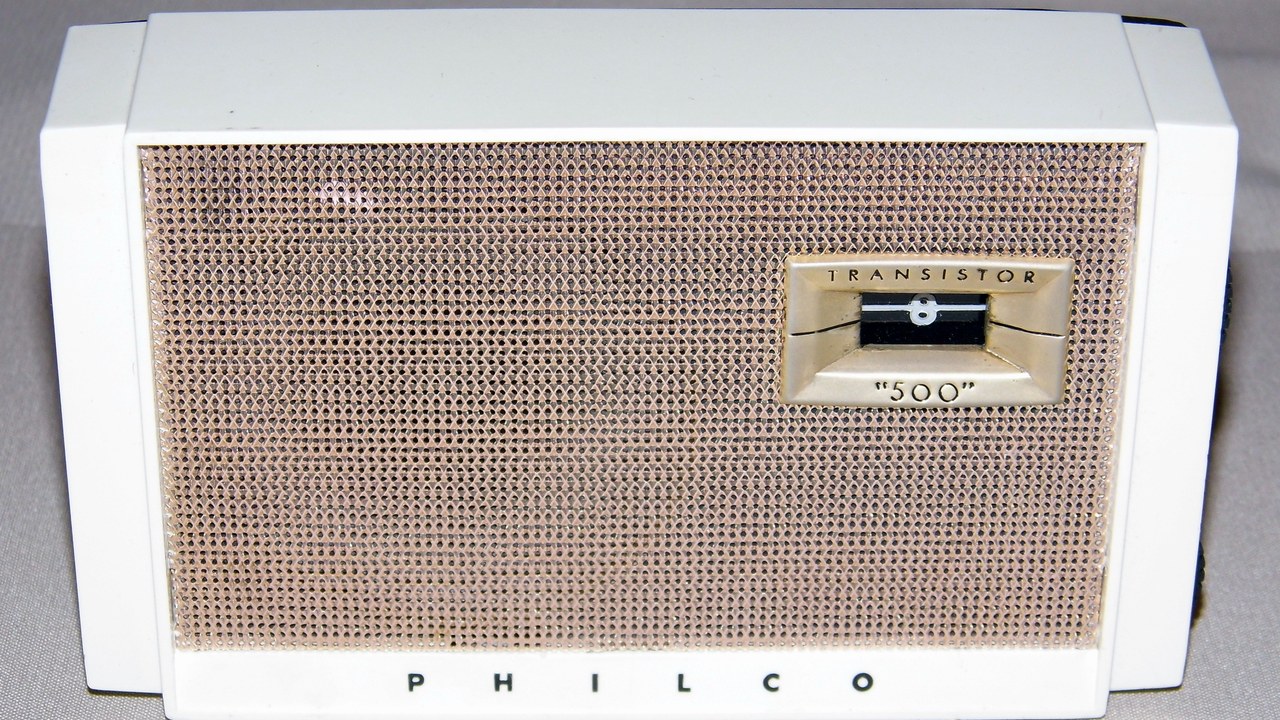
AM radio is being dropped from a growing number of vehicles, especially electric models whose motors interfere with the signal. Explanations of AM broadcasting note how the band’s long range once made it essential for news, sports, and emergency alerts.
Automakers argue few drivers still tune in and that shielding the electronics is costly, but lawmakers have pushed back, citing AM’s role in national emergency broadcasts. Proposed legislation would require the band in new cars, leaving the feature’s fate caught between engineering tradeoffs and public-safety politics.
11. Engine dipstick: Sensors Read The Oil
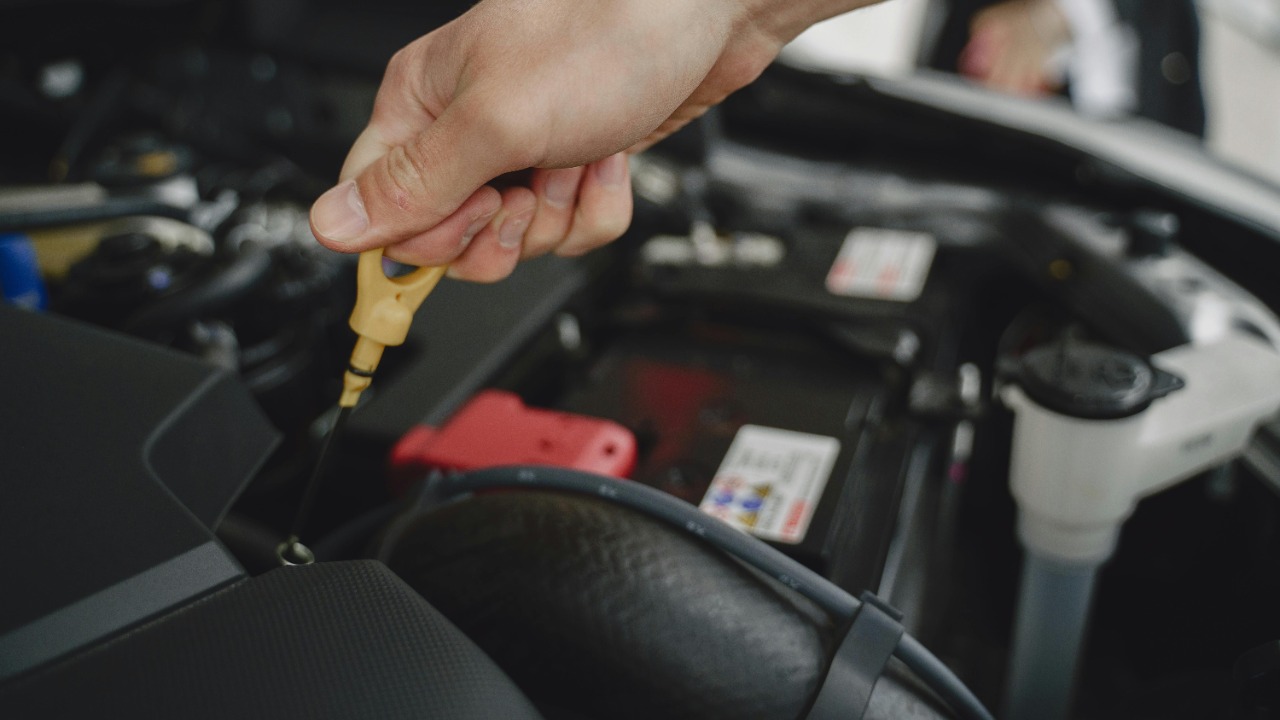
The pull-out engine dipstick is disappearing as automakers replace it with electronic oil-level sensors read from the dashboard. Background on the engine dipstick explains how the simple metal stick let anyone check oil in seconds without tools.
Electronic monitoring can warn of low oil while driving, but it removes the cheap, direct way owners once verified levels and spotted leaks or coolant contamination. Mechanics note that a failed sensor is costlier than a bent stick, and some drivers distrust a reading they cannot confirm by hand.
12. Foot-operated parking brake: A Switch Takes Over
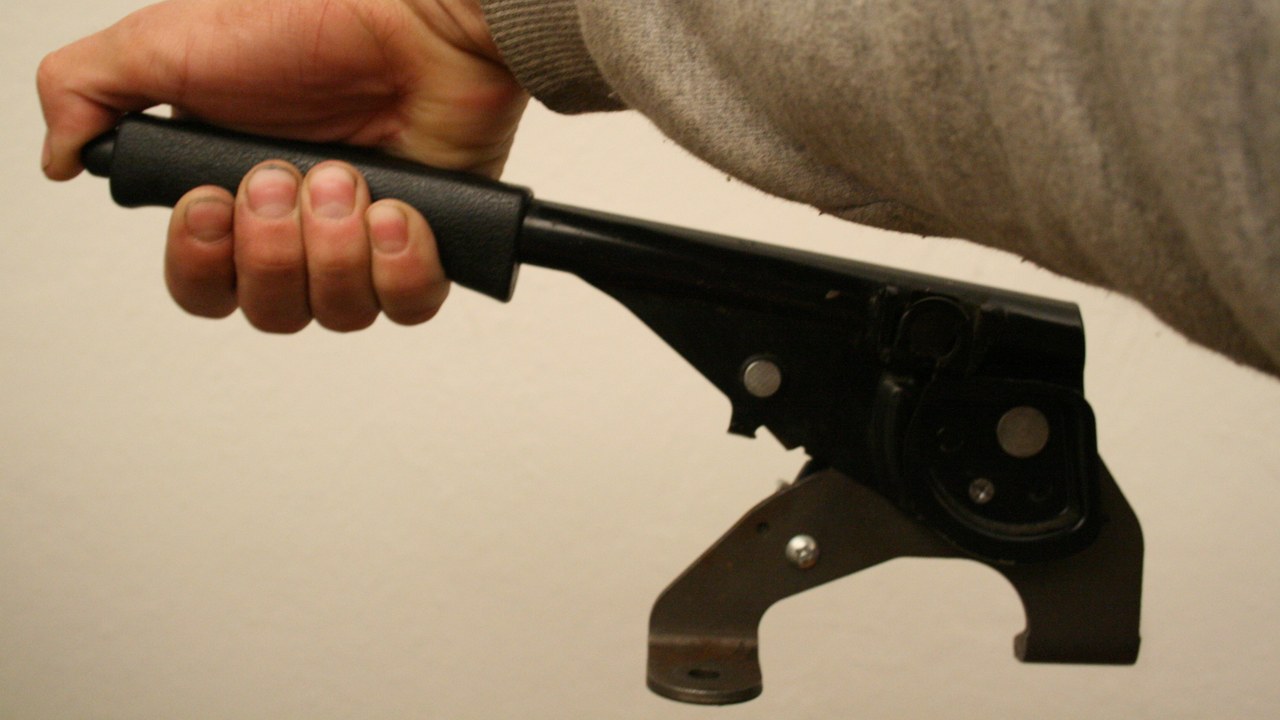
The foot-operated parking brake, and the hand lever before it, are being replaced by a small electronic switch on the console. Descriptions of the modern parking brake show how a motor now clamps the rear brakes at the push of a button.
Electronic brakes free up cabin space and enable features like automatic hold in traffic, but they add complexity and repair cost when the actuator fails. Drivers who relied on a mechanical handle for quick maneuvers or emergencies lose that direct connection, trading a cable for software.
More from Morning Overview
- Long-term use of common heartburn pills is tied to kidney and dementia risk
- A California supervolcano has bulged upward about two and a half feet since 1978
- The FTC is warning about a scam quietly draining thousands from victims
- The NSA is again telling phone owners to switch off one location setting
