
Depreciation is the largest single cost of owning a new pickup, and it varies sharply from one nameplate to the next. Trucks that pair proven mechanicals with steady used-market demand give back far less of their sticker price by the five-year mark. Here are eight pickups that resist that slide better than the rest.
1. Toyota Tacoma: The Midsize Benchmark
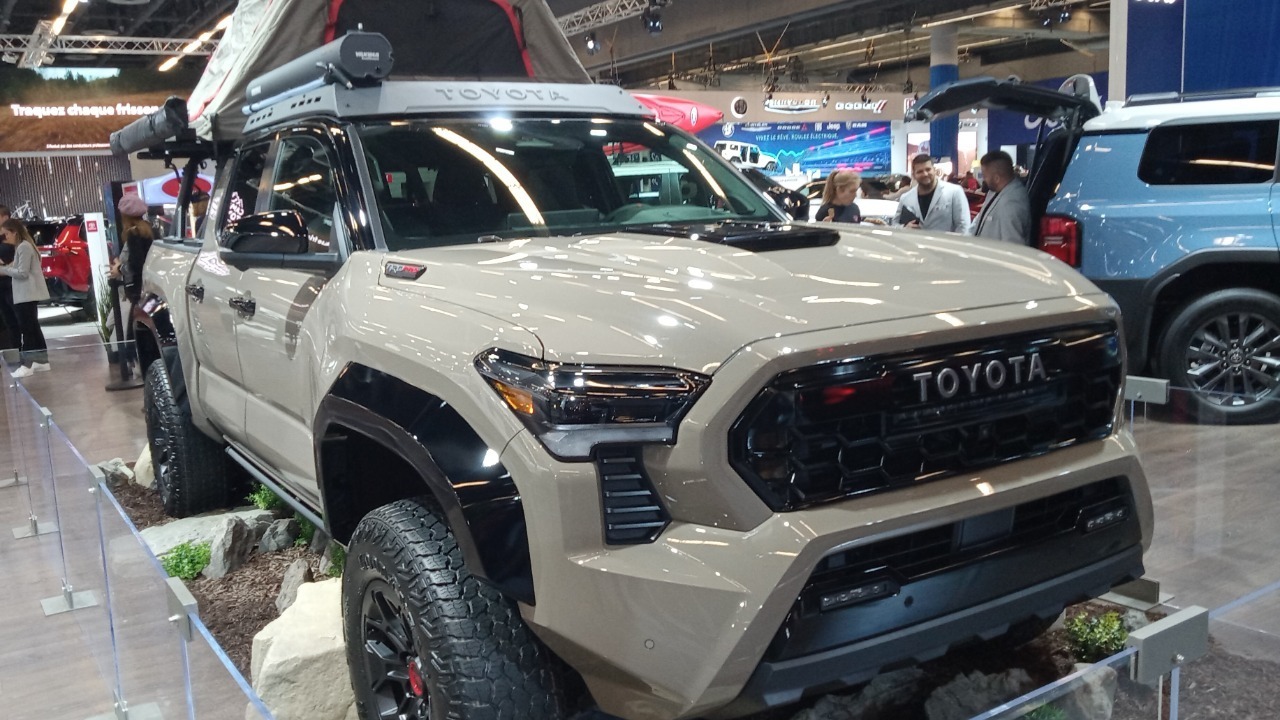
Toyota’s midsize pickup earns its reputation the slow way, by refusing to leave the road. The longest-lasting vehicles study from iSeeCars measures the share of each model still in service past 250,000 miles, and the Tacoma has repeatedly placed among the highest-scoring pickups rather than the middle of the pack.
Longevity of that kind converts directly into price. Shoppers who expect a truck to run for two decades bid accordingly, so a clean five-year-old Tacoma frequently asks close to what a new midsize rival costs. Off-road TRD trims hold the tightest, propped up by an enthusiast base and an aftermarket that keeps older examples desirable long after the factory warranty lapses.
2. Toyota Tundra: Scarcity Doing The Work
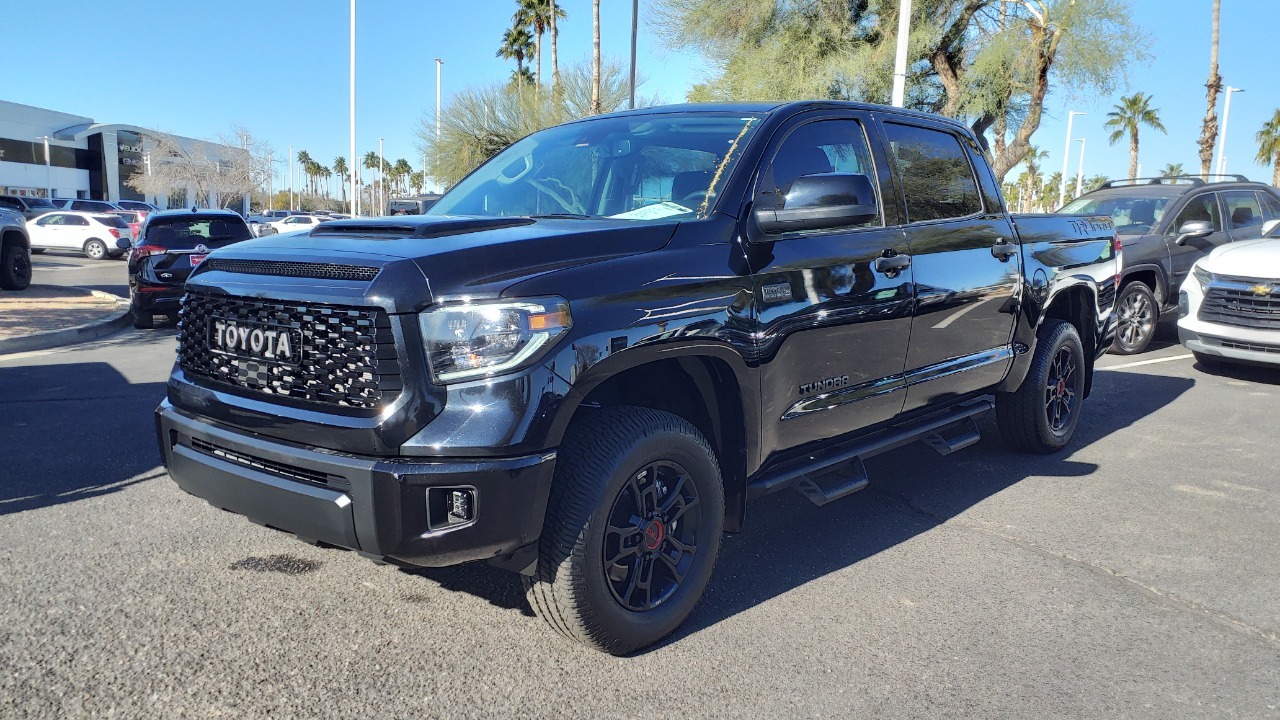
Assembled in San Antonio, Texas, Toyota’s full-size entry has never chased Detroit on volume. The third-generation Tundra arrived for 2022 with a twin-turbocharged 3.5-liter V6 replacing the long-serving V8, alongside an i-FORCE MAX hybrid variant, and annual output stays a fraction of what the domestic three build.
Thin supply is the whole mechanism. Fewer trucks reaching the used market each year means less discounting to clear them, and V8-powered second-generation examples in particular still command money that surprises sellers. The trade-off is choice: configurations are limited, so a buyer with specific cab, bed and drivetrain requirements may hunt for months.
3. Chevrolet Colorado: Trim Decides Everything
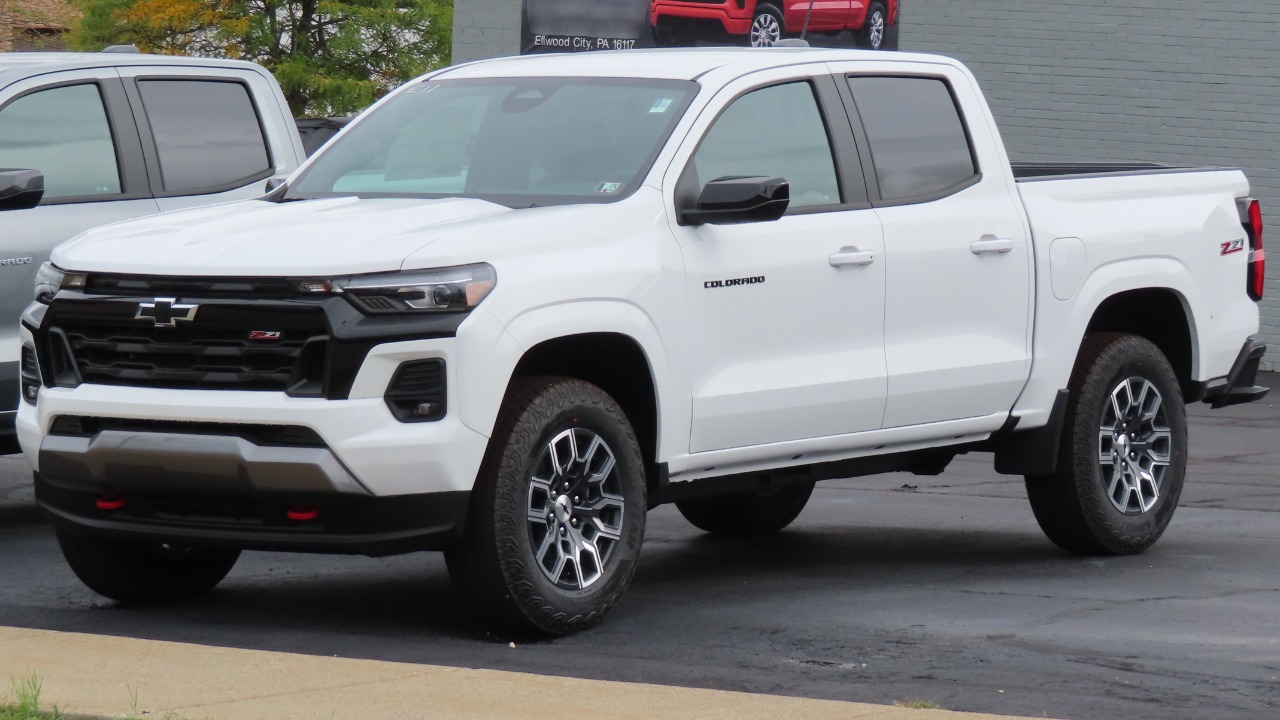
General Motors restarted the American midsize fight when the Colorado returned to showrooms for 2015 after a hiatus, and the generation launched for 2023 standardized a single 2.7-liter turbocharged four-cylinder across the entire range, with the trail-rated ZR2 anchoring the top of the lineup.
Retention here splits hard by configuration. Four-wheel-drive crew cabs and the off-road trims give back noticeably less than two-wheel-drive work-spec trucks, which arrive on the used market in fleet-sized batches and compete against each other on price. A base example depreciates like any commodity vehicle; an optioned one behaves like a specialty product.
4. GMC Sierra: Sold Up, Not Out
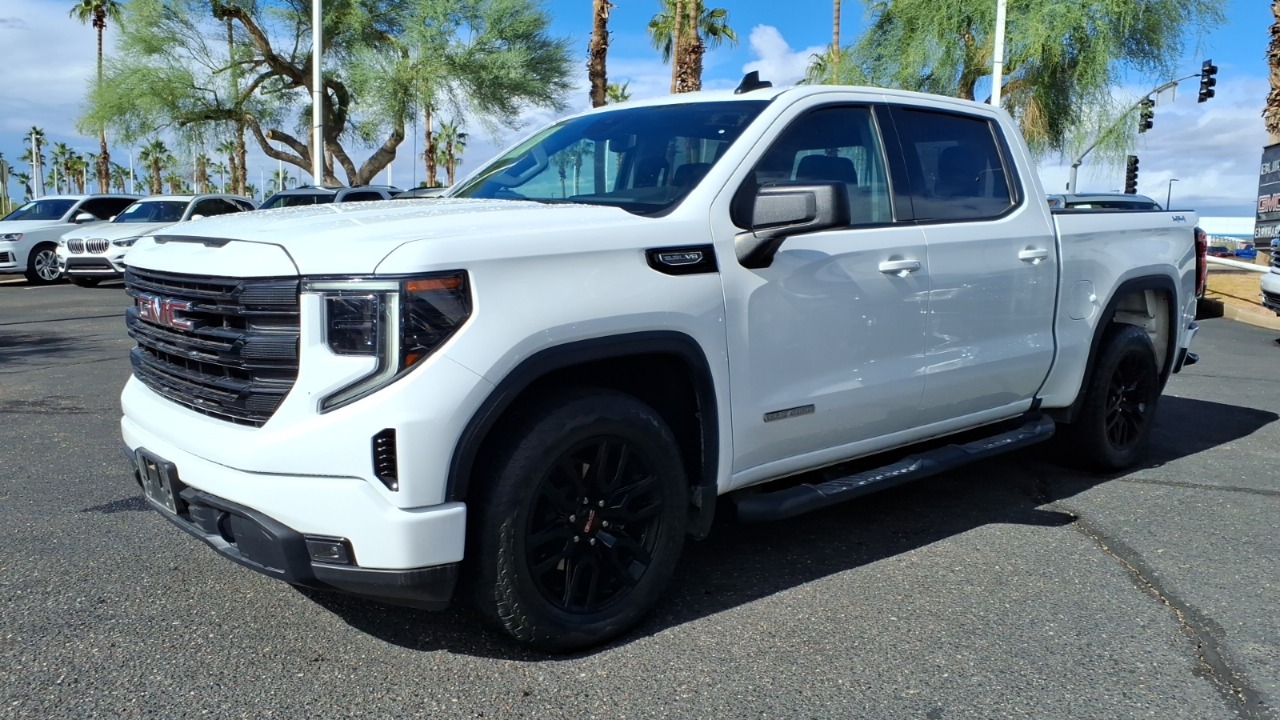
Mechanically the twin of the Chevrolet Silverado, GMC’s full-size truck is marketed almost entirely from the upper half of the price list. The Sierra’s Denali flagship and the off-road AT4 take a large share of production, and the 2019 redesign added the six-position MultiPro tailgate plus an optional carbon-fiber bed.
Trim mix explains the resale curve. A loaded Denali depreciates against a much bigger sticker but lands in a used bracket with few genuine substitutes, while the high-volume fleet business that normally floods a segment with stripped trucks skews toward the Chevrolet badge instead. Diesel drivetrains layer on additional demand from towing buyers.
5. Ford F-150: Two Markets, One Badge
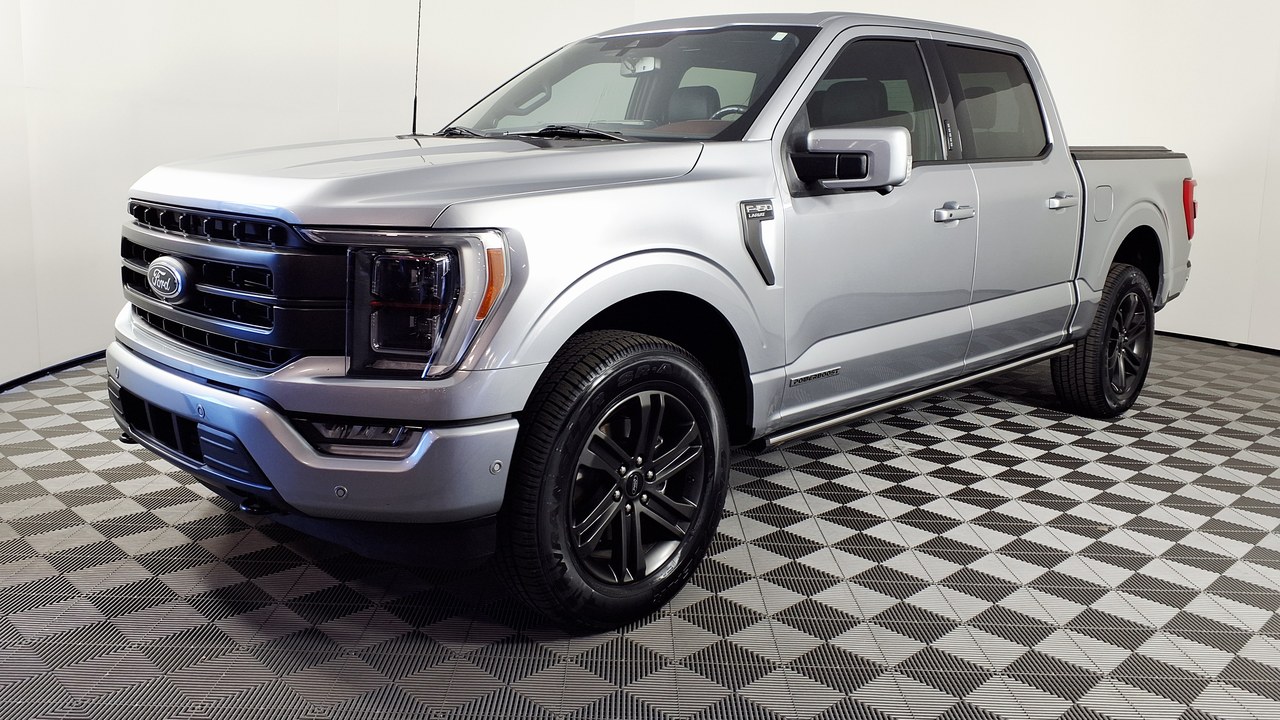
Nothing else sells in comparable numbers, and that scale cuts both ways. Ford moved the F-150 to an aluminum-alloy body for the 2015 model year, shedding hundreds of pounds, and the F-Series has topped American sales charts for decades, which floods the used lots with inventory that demand still absorbs.
Value concentrates in specific builds rather than the nameplate. Crew-cab four-wheel-drive trucks, the Raptor and the luxury trims resist depreciation stubbornly, while base regular cabs sold into commercial fleets do not. Anyone shopping a five-year-old example is really choosing between two separate markets wearing identical badges.
6. Ram 1500: The Comfort Premium
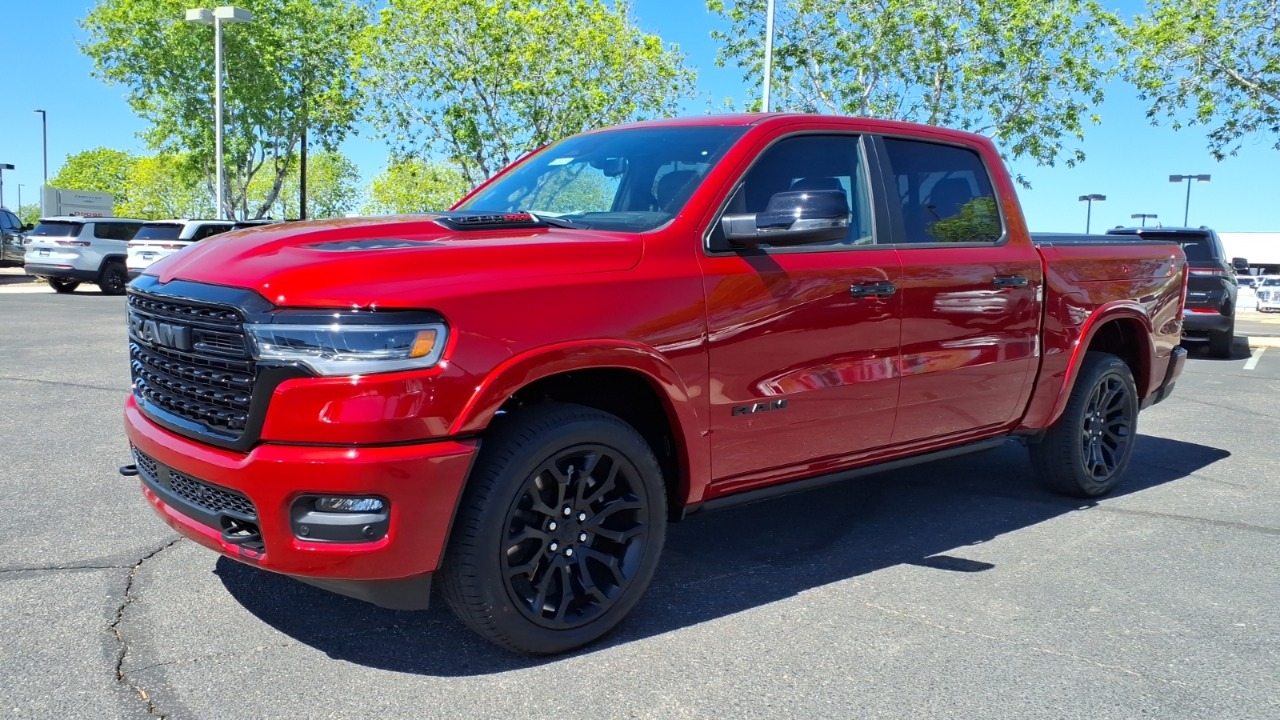
Breaking with pickup convention in 2009, Ram swapped the leaf-sprung rear axle for coil springs, and the Ram 1500’s rear suspension has kept that layout since, with a four-corner air system available. Ride quality became the truck’s calling card and pushed its upper trims into territory ordinarily occupied by luxury SUVs.
Laramie, Limited and Longhorn examples carry that premium into the used market, where cabin materials do more selling than payload figures. Lower trims fare ordinarily by comparison. Air suspension components also become an ownership expense once coverage ends, a caveat worth pricing into any truck approaching its sixth year.
7. Honda Ridgeline: A Small Pool Of Believers
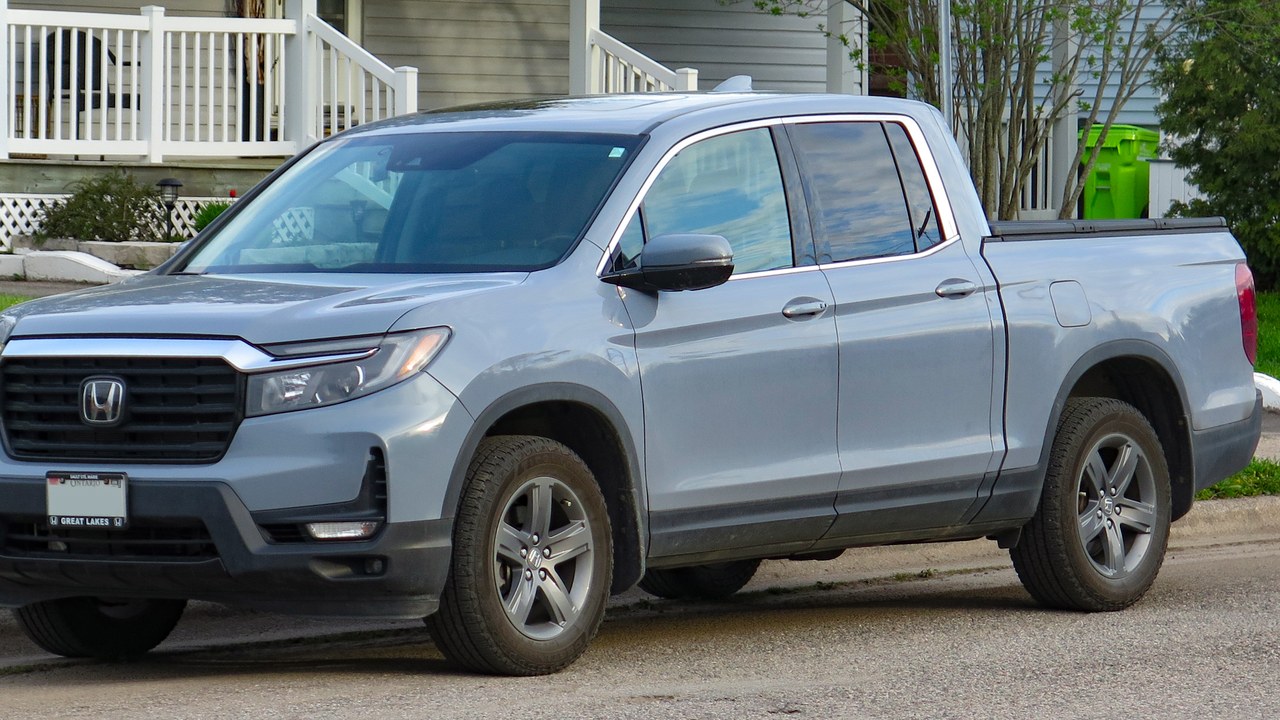
Honda engineered its pickup unlike everything else here. The Ridgeline’s unibody structure descends from the Pilot crossover, independent rear suspension replaces the usual solid axle, and the truck hides a lockable trunk beneath its cargo floor behind a tailgate that either folds down or swings sideways.
Production volume stays low, so used examples are scarce and the buyers hunting one specifically want that package rather than a body-on-frame alternative. Narrow demand of that sort proves remarkably durable on price. Towing and payload ratings trail conventional midsize trucks, which shrinks the audience without softening what the survivors sell for.
8. Jeep Gladiator: No Substitute Exists
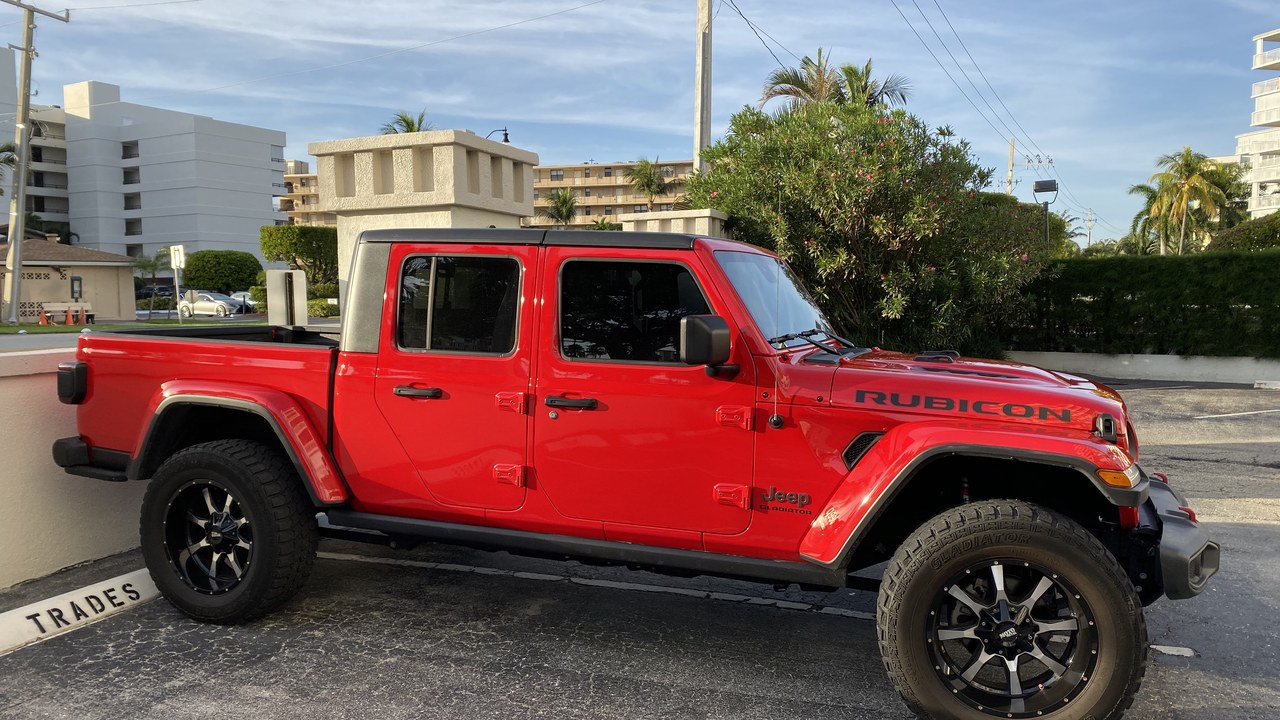
Jeep had been absent from the pickup business since the Comanche ended production in 1992 when the Gladiator arrived for 2020, built on the Wrangler JL with a five-foot bed grafted behind the cab. Removable doors, a folding windshield and a roof that comes off entirely make it the only convertible pickup sold new.
Uniqueness is leverage. A shopper who wants an open-air truck has no rival product to negotiate against, and Rubicon examples with solid axles and locking differentials sit at the top of that small market. Fuel economy and highway refinement are the price paid, and both trail every other truck on this list.
More from Morning Overview
- 7 SUVs built to cruise past 300,000 miles without a major repair
- A magnitude-6.0 earthquake struck southern Mexico near El Progreso.
- The sun launched material at 3.3 million miles an hour, and Earth is in its path
- The NSA is telling every phone owner to switch off Wi-Fi, Bluetooth and NFC in public.
