
A quarter-million miles used to mark the end of a car’s life, but a handful of nameplates now treat that figure as a checkpoint. Longevity studies and owner records keep circling back to the same badges, most of them wearing a Toyota or Honda emblem. Here are eight vehicles that routinely keep going long after the odometer rolls past 250,000.
1. Toyota Land Cruiser: The Half-Century Durability Brief
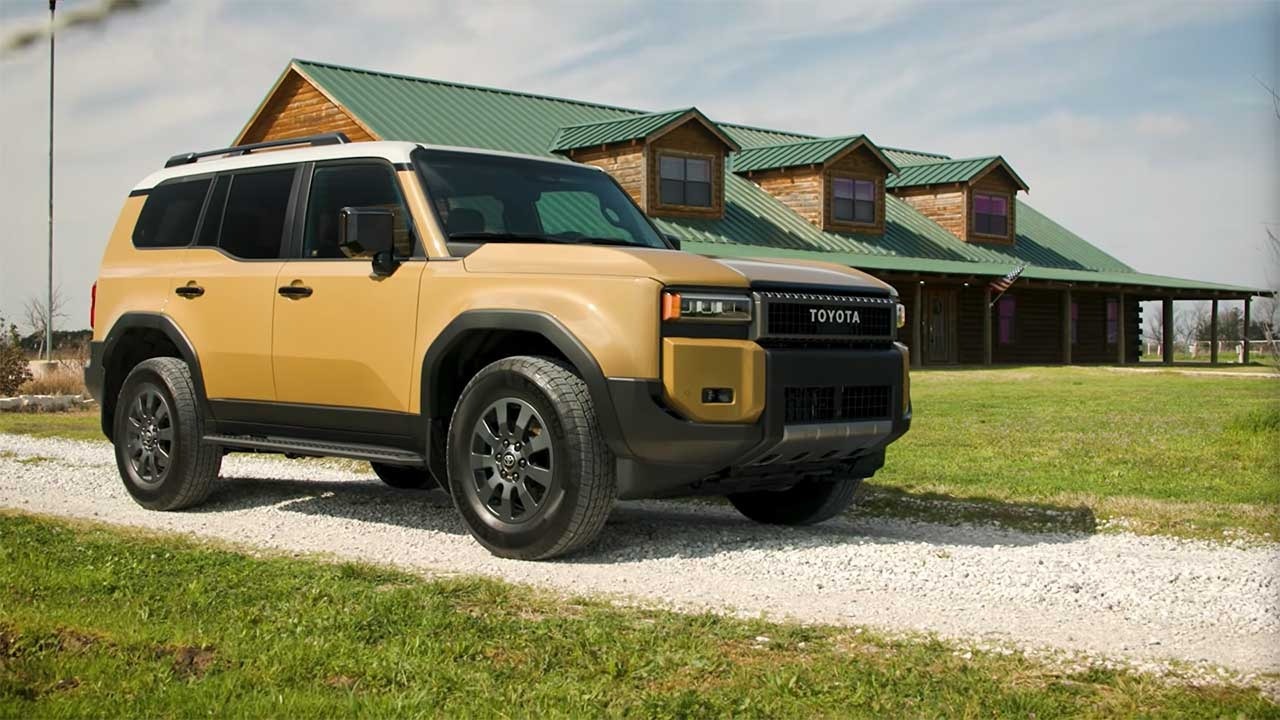
Toyota has built the Land Cruiser continuously since 1951, and the brief has barely changed: a ladder frame, a solid rear axle, and drivetrain hardware specified for territory where a tow truck is not coming. That engineering conservatism is why the nameplate keeps surfacing at the top of the longest-lasting vehicle rankings that track how often a model survives past 250,000 miles.
The trade-off is weight, thirst and a purchase price well above the segment average. Owners who keep one for fifteen or twenty years tend to argue the math works anyway, because the parts that usually retire a vehicle, from the frame to the axles and transfer case, are precisely the parts the Land Cruiser over-engineers.
2. Toyota Sequoia: The Pickup Platform Underneath
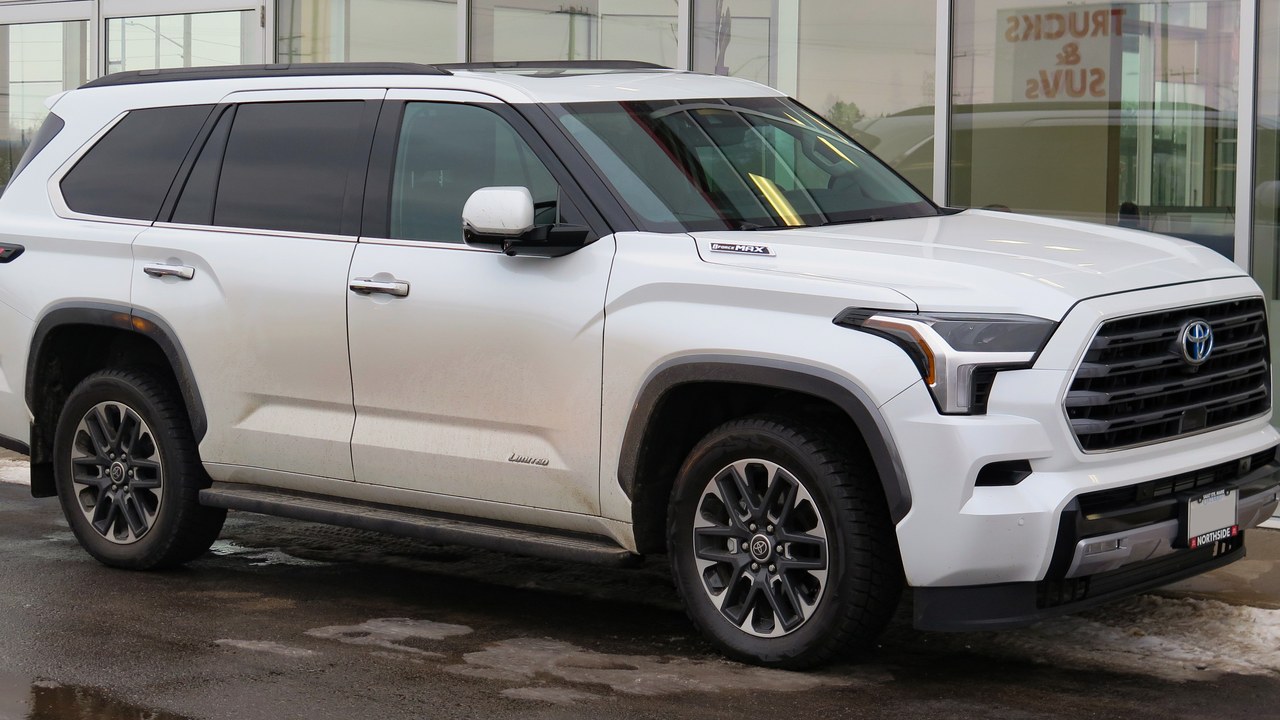
The Sequoia is a full-size SUV wrapped around Tundra pickup architecture: body-on-frame construction, a truck-rated chassis and a driveline sized for towing rather than commuting. Vehicles engineered to haul weight rarely feel stressed doing anything lighter, which helps explain why the model keeps appearing near the top of iSeeCars longevity research on which sport-utility vehicles reach the highest mileage.
Second-generation examples ran from 2008 to 2022, long enough that high-mileage cars are now common on the used market. Frame corrosion and worn suspension bushings do more to end a Sequoia’s service life than engine failure, so the inspection priorities differ sharply from those that matter on an ordinary unibody crossover.
3. Honda Accord: Fifty Years Of Iteration
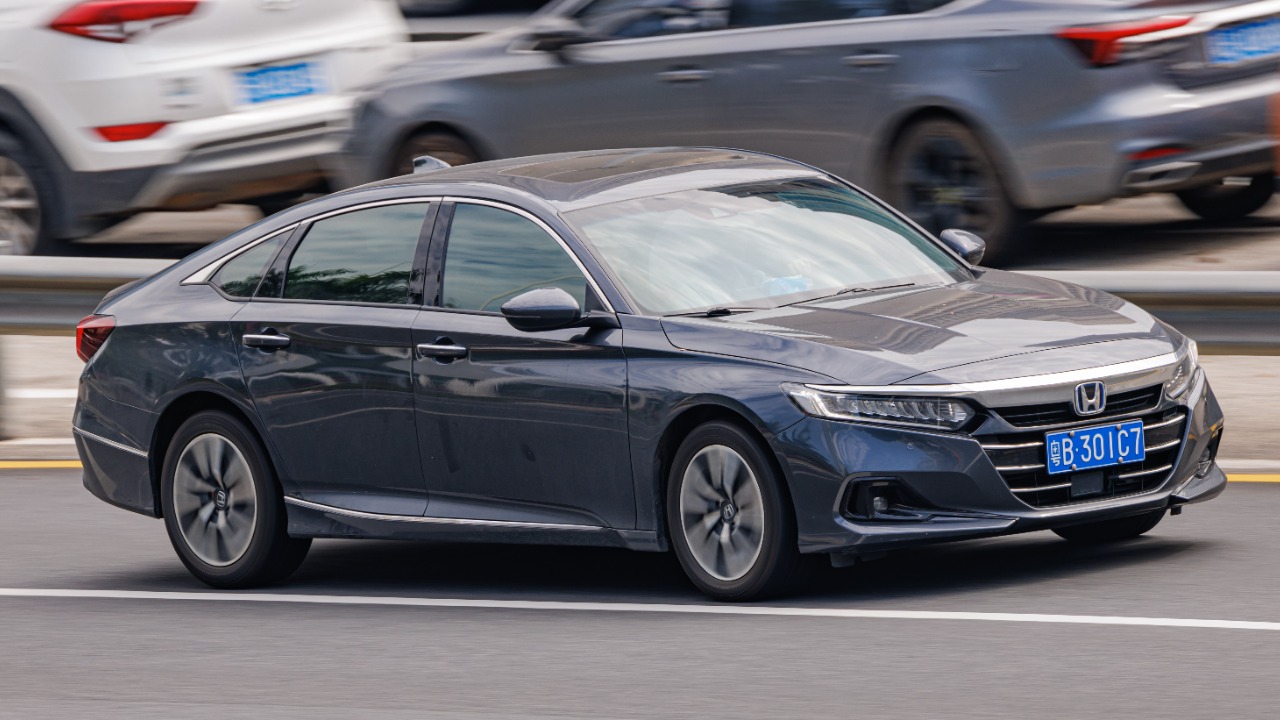
Honda has sold the Accord since 1976 and began building it in Marysville, Ohio, in 1982, making it the first Japanese car mass-produced in the United States. Successive generations of incremental refinement rather than reinvention left a midsize sedan whose engineering and production history reads as a long series of small corrections to known weak points.
That iteration shows up in the failure list. Accords that reach 250,000 miles generally get there on routine maintenance rather than major surgery, with tired suspension components and aging automatic transmissions in older generations doing most of the damage. Timing chains on the modern four-cylinder engines remove one traditional service deadline entirely.
4. Toyota Camry: America’s Default High-Mileage Sedan
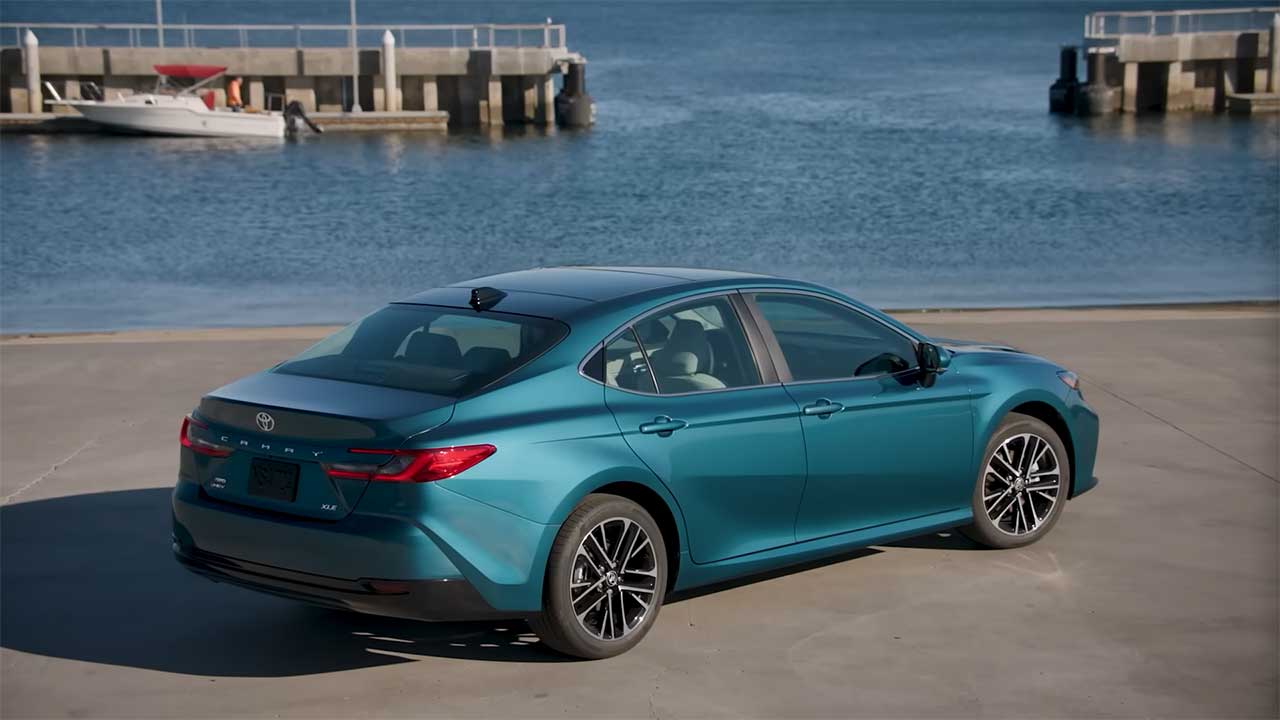
Volume alone puts an enormous number of Camrys on the road long enough to prove the point: the model has been the best-selling passenger car in the United States for most years since 1997. Built largely in Georgetown, Kentucky, the car relies on naturally aspirated four-cylinder engines that avoid the turbochargers and extra plumbing rivals have adopted.
Scale also keeps ownership cheap late in life. Parts are abundant, independent mechanics know the platform intimately, and a repair that would write off a low-volume car is often still worth doing on a Camry at 240,000 miles. The result is a fleet that stays economically alive far longer than most.
5. Toyota Tacoma: Resale Value As A Symptom
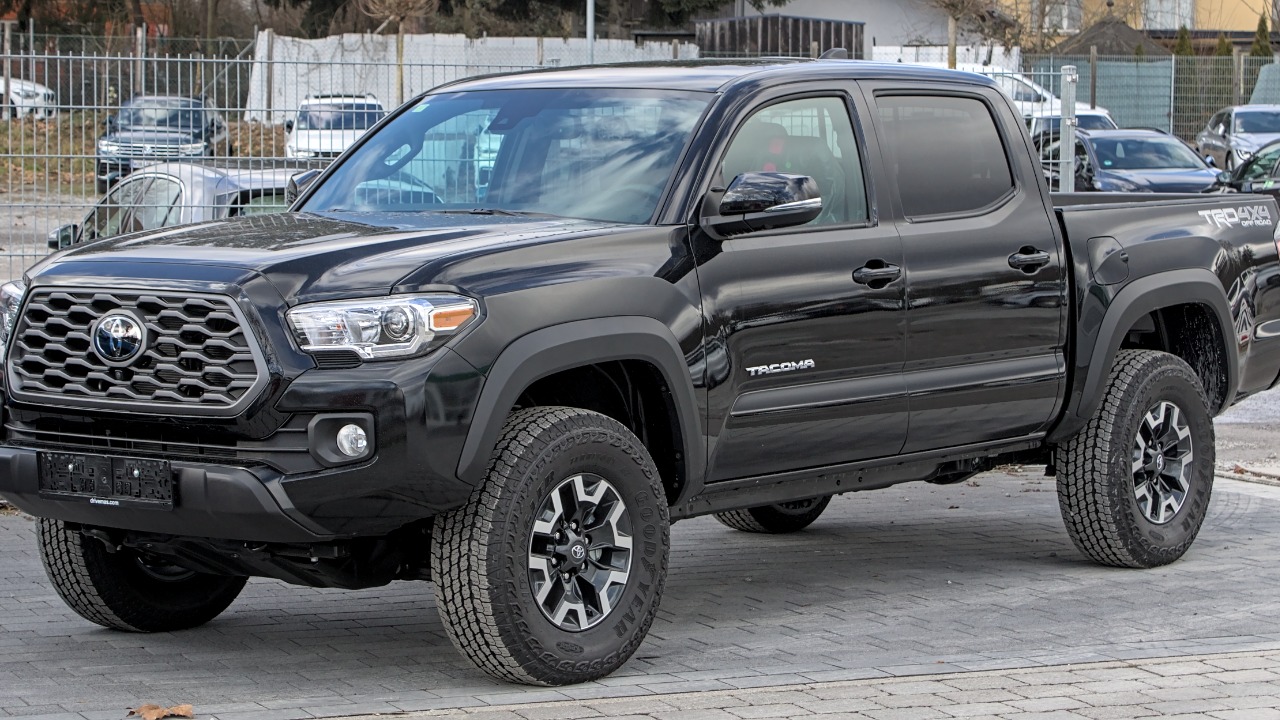
Since 1995 the Tacoma has carried Toyota’s midsize pickup line in North America, replacing the Hilux-derived compact truck that built the reputation in the first place. Body-on-frame construction and long-running engine families give it a record spanning four generations in which the fundamental architecture changed slowly and predictably.
Resale figures work as a market verdict on that durability, since buyers pay a premium for used examples precisely because high mileage is not assumed to mean the end. Frame corrosion prompted major recalls and buybacks on earlier trucks, and rust remains the single most important thing to inspect before purchase.
6. Honda Civic: Compact Car, Uncompact Lifespan
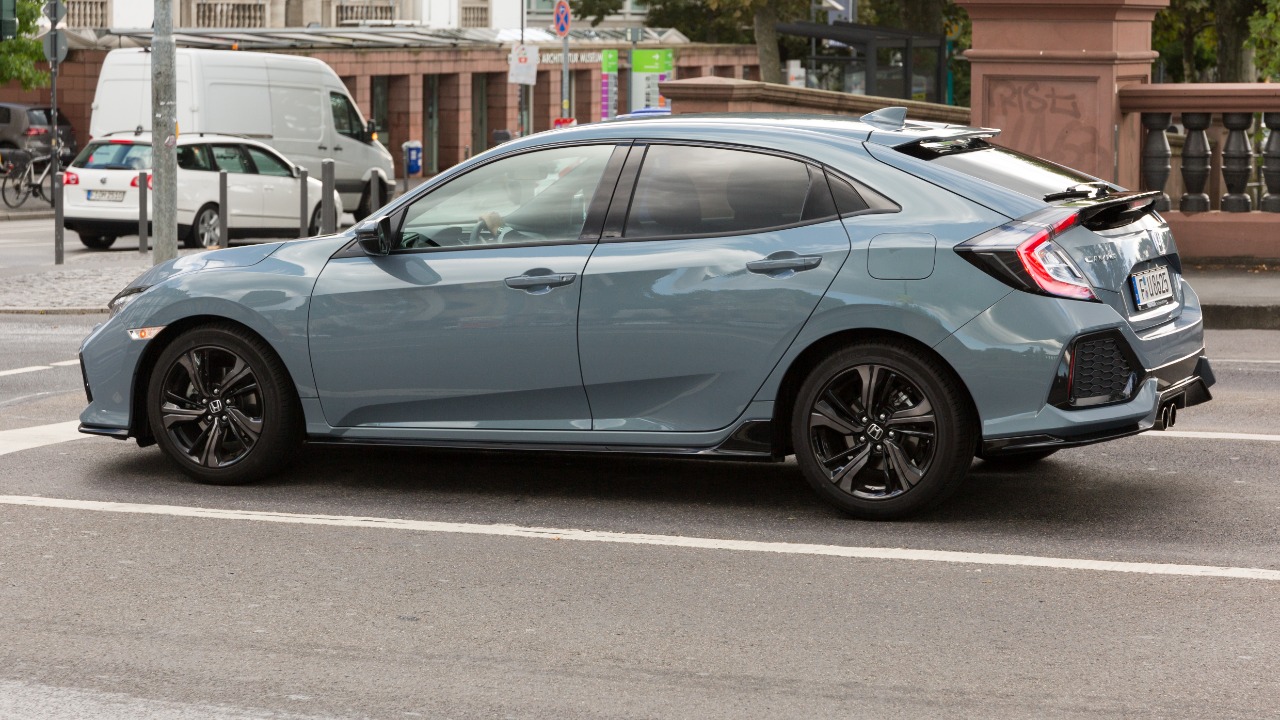
Few nameplates have run as long or as widely as the Civic, in production since 1972 and assembled in Ontario and Indiana for the North American market. The Civic’s generational record describes a compact repeatedly rebuilt around efficient, low-stress four-cylinder engines rather than around outright output.
Low stress is the operative phrase. Engines that never work hard, a curb weight far below that of any truck on this list, and a parts supply measured in decades keep repair bills proportionate to what an old compact is actually worth, which is the calculation that decides whether a car reaches 250,000 miles or gets scrapped.
7. Toyota 4Runner: The Truck That Stayed A Truck
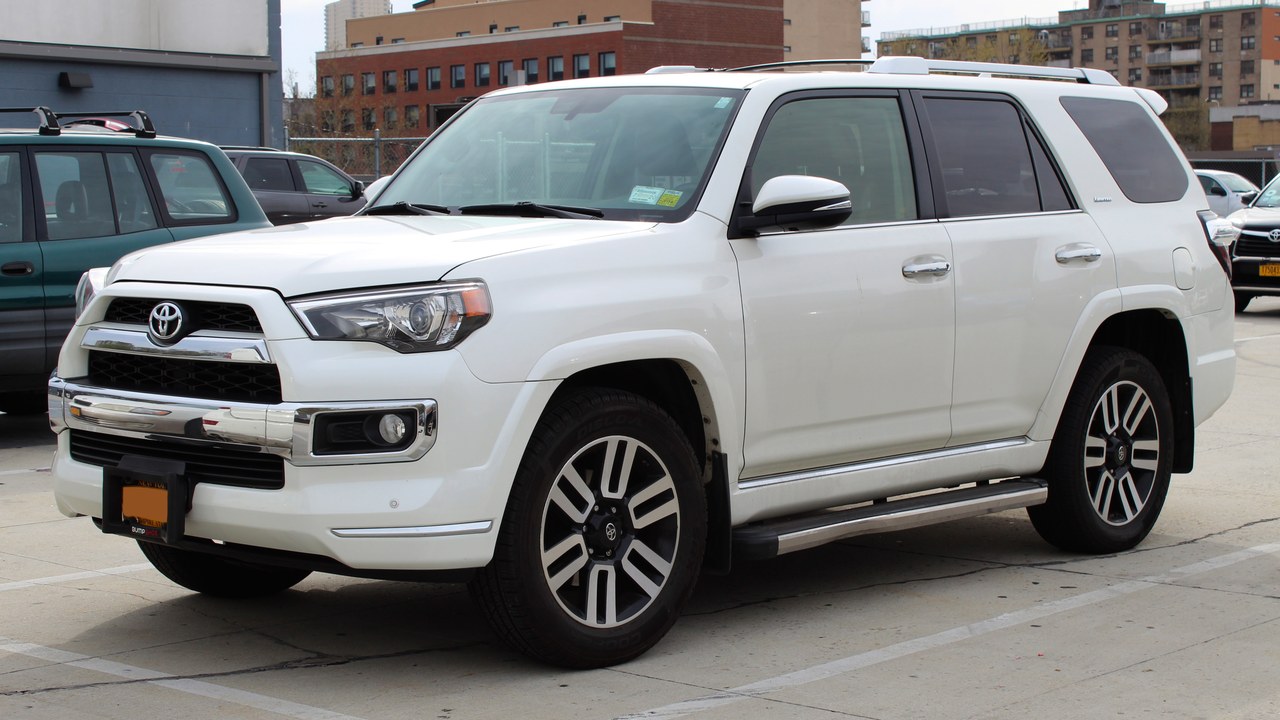
While most sport-utility vehicles migrated to car-based unibody platforms, the 4Runner kept a separate ladder frame and a live rear axle from its 1984 debut onward. A fifth generation that ran from 2009 to 2024 on a 4.0-liter V6 stands out across the model’s five-generation production history as an unusually long span in which the drivetrain was thoroughly debugged.
Longevity here is partly a consequence of simplicity: fewer electronic subsystems, a conventional automatic transmission and mechanical four-wheel drive. The cost is fuel economy and a cabin that dates quickly, which is why high-mileage examples tend to be bought by people who care about the frame under the body.
8. Honda CR-V: The Crossover Exception
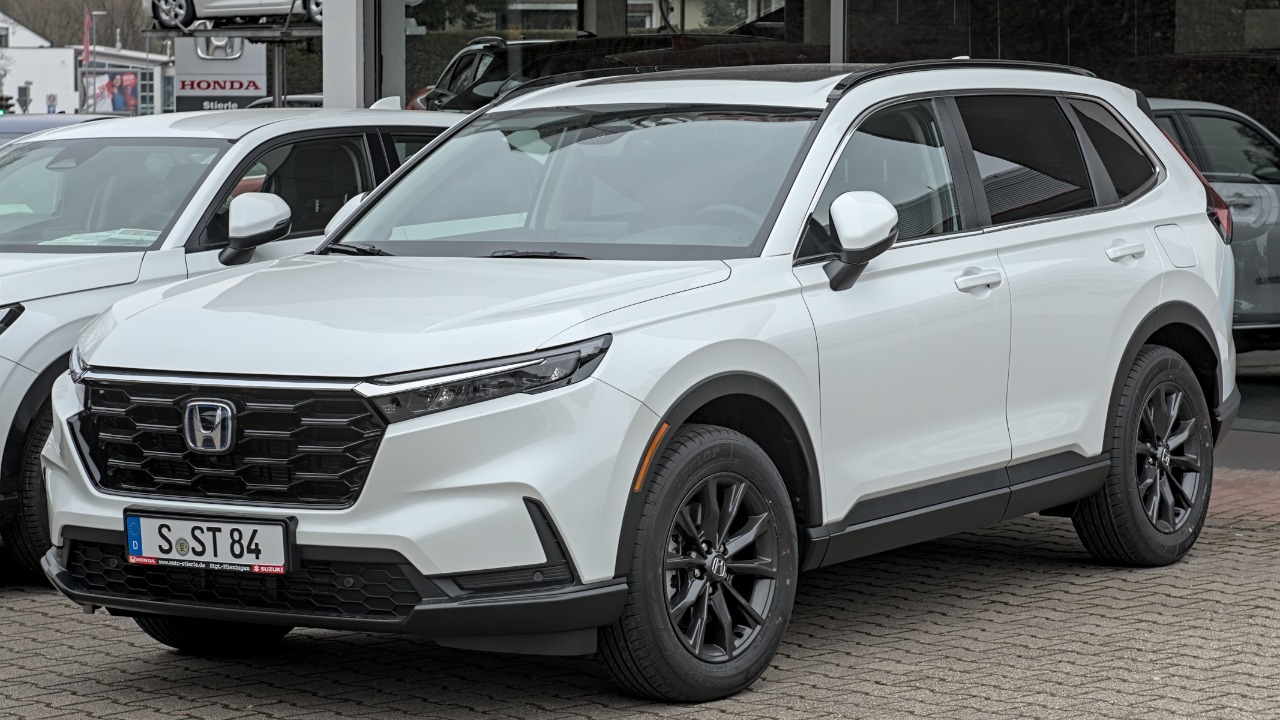
Unlike the body-on-frame entries elsewhere on this list, the CR-V is a unibody crossover derived from Civic underpinnings, on sale since 1995 and assembled in Ohio, Ontario and Indiana. Its shared compact-car platform brings the same modest, low-output four-cylinder engines instead of truck hardware, and far less mass to move around.
That combination produces a different route to high mileage: light loads, inexpensive parts and an engine bay familiar to any mechanic who works on Civics. Continuously variable transmissions in later generations are the component most often cited as a limit, which makes transmission service records the key document on a used example.
More from Morning Overview
