Image Credit: Tennen-Gas - CC BY-SA 3.0/Wiki Commons
Federal law bars any vehicle that was never certified to American safety and emissions standards, and the only ordinary escape hatch is the exemption that opens once a car turns 25 years old. That single rule has walled off some of the most coveted machinery ever built. Here are eight cars the United States locked out.
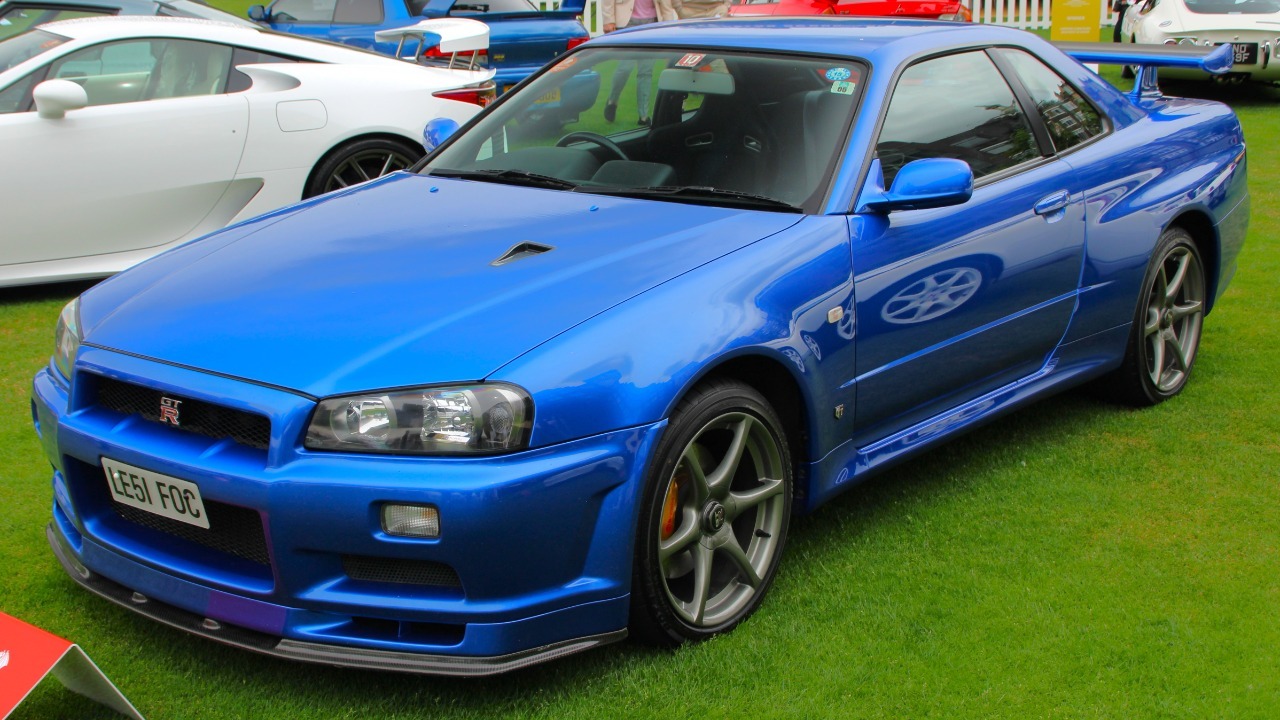
1. Nissan Skyline R34 GT-R: The Icon Behind The 25-Year Wall
<p>Image Credit: MrWalkr – CC BY-SA 4.0/Wiki Commons</p>
Nissan built the R34-generation GT-R between 1999 and 2002 and never certified a single example for American sale, which places it squarely under federal import rules: a vehicle that does not conform to Federal Motor Vehicle Safety Standards cannot be permanently imported until it turns 25. Twin-turbocharged 2.6-liter RB26DETT power, all-wheel drive and four-wheel steering made it the era’s benchmark Japanese performance car.
The barrier lifts one model year at a time rather than all at once, so the earliest cars have aged past the threshold while later builds remain ineligible to title. Importers who moved ahead of schedule have had vehicles seized at the port, a reminder that eligibility runs on date of manufacture rather than paperwork optimism.
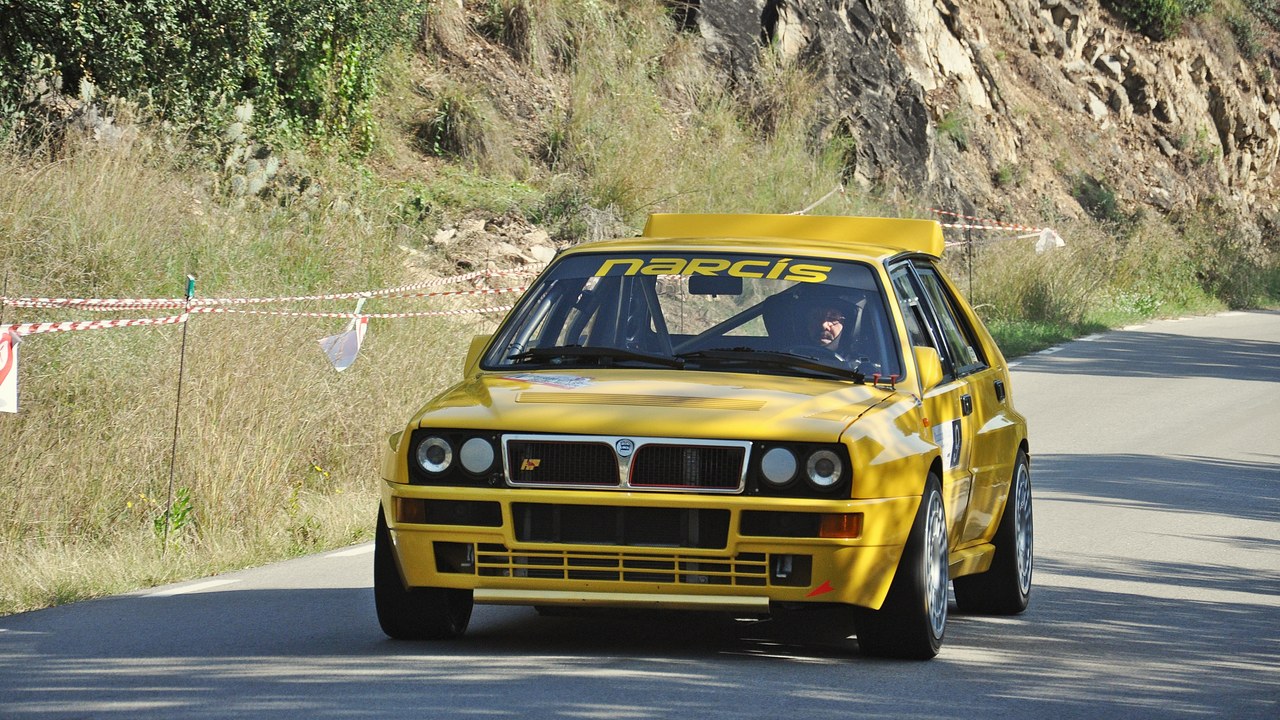
2. Lancia Delta Integrale: Six Rally Titles, Zero US Sales
Image Credit: Alberto-g-rovi – CC BY 3.0/Wiki Commons
Lancia abandoned the American market in 1982, five years before the Integrale arrived, so the car was never engineered to meet US crash, lighting or emissions certification. The four-wheel-drive Lancia Delta carried the company to six consecutive World Rally Championship constructors’ titles between 1987 and 1992, using a turbocharged two-liter four and a traction system honed on gravel stages.
Because no Integrale was ever federalized, age is the only legal path in rather than a formality. Whatever arrives remains a European-specification car: no domestic parts network, no factory support, and a bodyshell with a rust reputation that specialists price accordingly.
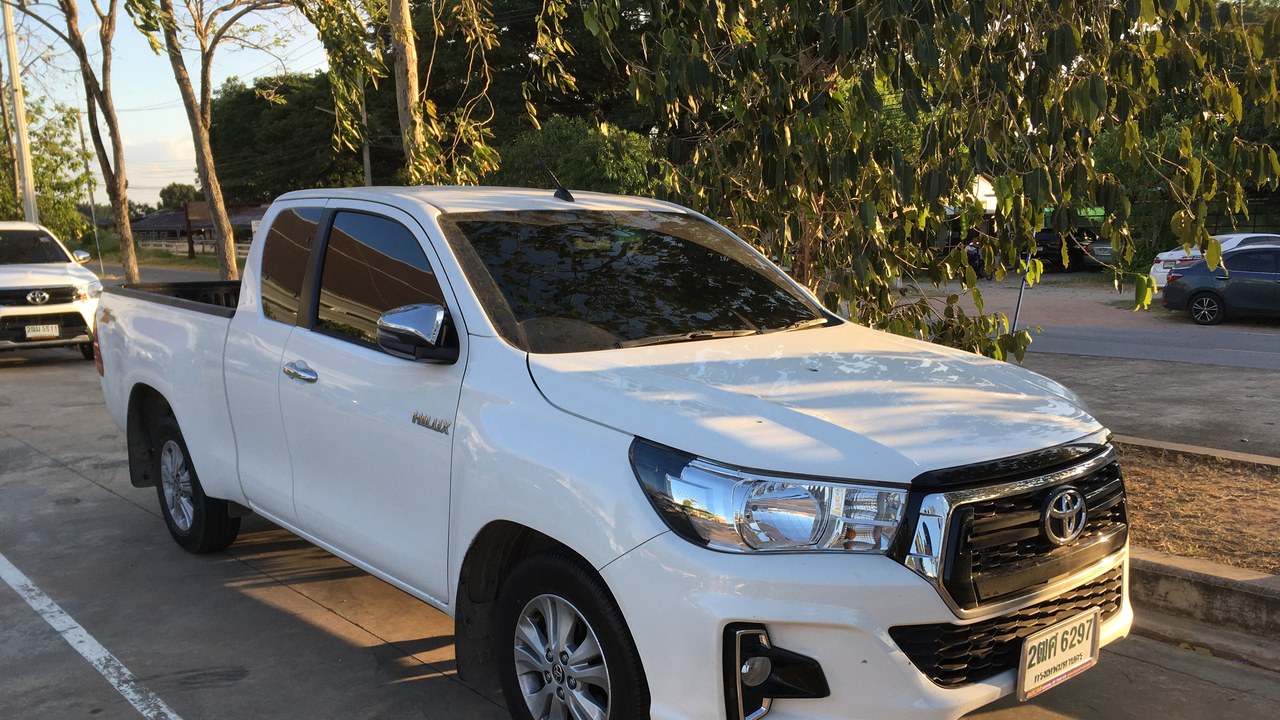
3. Toyota Hilux: Blocked By A 1964 Tariff
Image Credit: LoveTripSpotting – CC BY-SA 4.0/Wiki Commons
Two separate walls keep the current Hilux out. A 25 percent tariff on imported light trucks, levied since 1964 and still known as the chicken tax, makes domestic sale uneconomic, while the global Toyota Hilux has never been certified to Federal Motor Vehicle Safety Standards, so a private import of a current truck is refused entry outright. Toyota offers the Tacoma to American buyers instead.
The consequence is peculiar. A pickup that hauls aid convoys, armies and farmers across Africa, Asia, Australia and South America, and that did more than any other model to build Toyota’s indestructible reputation, is the one Toyota an American cannot buy new.
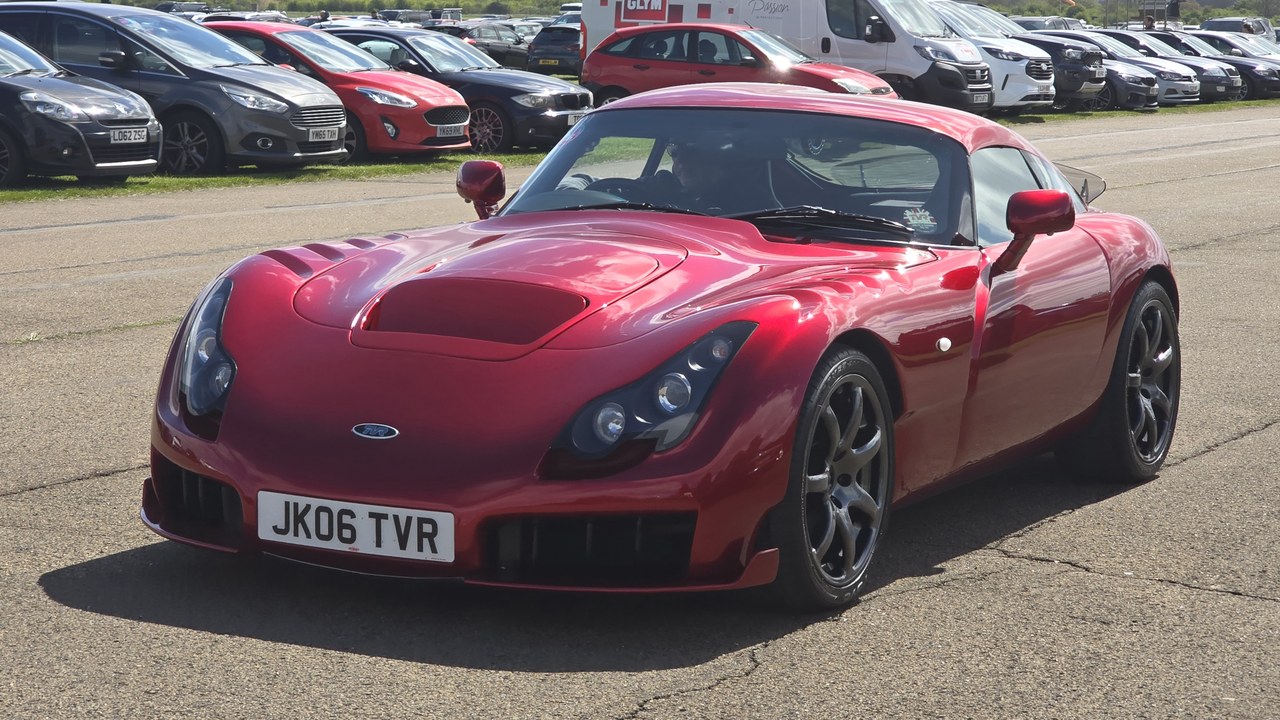
4. TVR Sagaris: No Airbags, No Chance
Image Credit: Calreyn88 – CC BY-SA 4.0/Wiki Commons
TVR produced the Sagaris across 2005 and 2006 with a four-liter Speed Six engine of roughly 400 horsepower, a fiberglass body over a tubular steel chassis and, by design, no anti-lock brakes, no traction control and no airbags. The hand-built TVR Sagaris was never submitted for American certification, and a car without airbags had no realistic prospect of passing it.
That combination makes it the most complete lockout here: too young for the age exemption, which stays shut until the end of this decade, and engineered around the exact equipment federal standards demand. Show or Display approval reaches only a handful of historically significant models and caps how far an owner may drive.
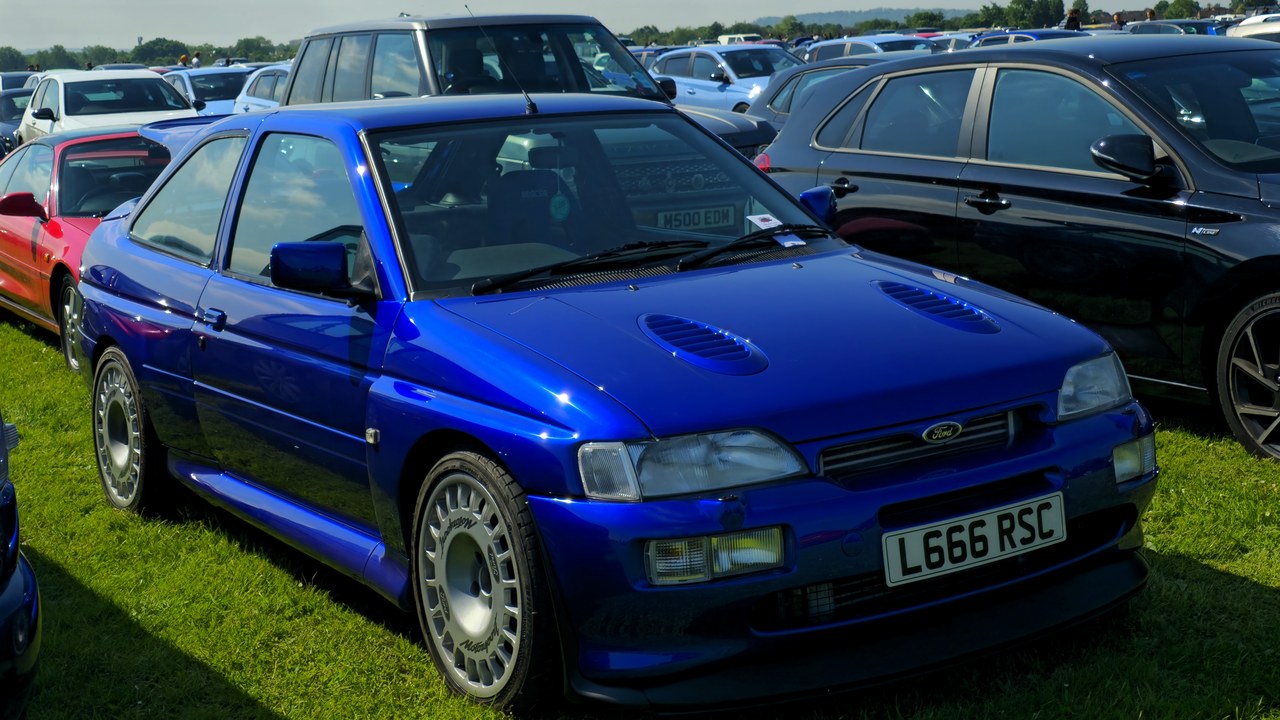
5. Ford Escort RS Cosworth: A Rally Homologation Special Denied
Image Credit: Calreyn88 – CC BY-SA 4.0/Wiki Commons
Ford of Europe built the Escort RS Cosworth from 1992 to 1996 to homologate a Group A rally weapon, mating a turbocharged two-liter Cosworth YB engine to four-wheel drive beneath a double-deck rear wing. Assembly ran at Karmann in Germany for European markets, and no example was engineered to American emissions or bumper standards or offered through Ford’s US dealer network.
The absence traces to corporate structure rather than engineering, since the American arm never contested the championship the car existed to serve. Anything crossing the border does so purely on age, decades after the design was frozen, with no factory support and a spares supply concentrated in Britain.
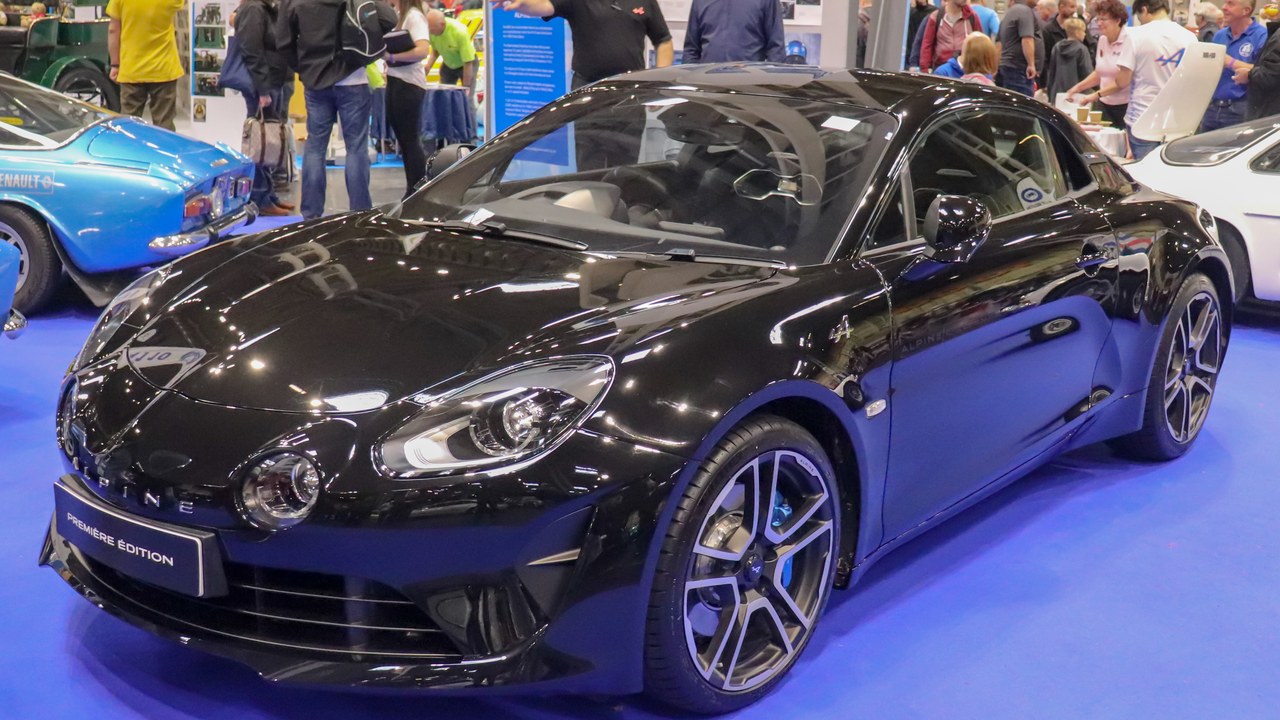
6. Alpine A110: Modern, Light, And Off Limits
Image Credit: Vauxford – CC BY-SA 4.0/Wiki Commons
Renault has had no American dealer network since 1987, and the revived Alpine A110 sports car was developed for Europe alone, with no US homologation program at any stage. A bonded aluminum structure holds it to roughly 1,100 kilograms, and a mid-mounted 1.8-liter turbocharged four sends about 250 horsepower to the rear wheels.
Every example is barred on both counts, being neither certified nor remotely old enough to qualify, since the first cars do not reach 25 years until 2042. Of everything listed here it is the plainest case of a current model Americans can only drive abroad, on rented tarmac.
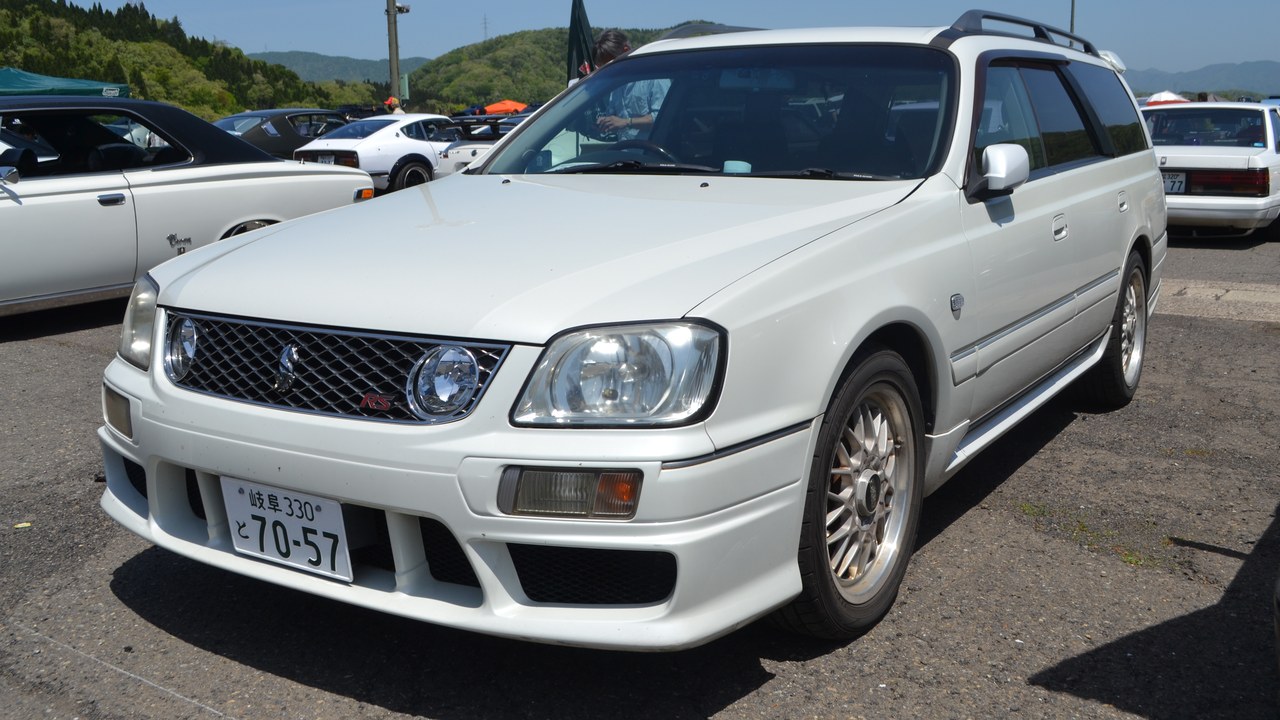
7. Nissan Stagea: A GT-R Wearing Estate Bodywork
Image Credit: 先従隗始 – CC0/Wiki Commons
Sold only in Japan from 1996 to 2007, the Nissan Stagea wagon reached its high point with the first-generation 260RS, which carried Skyline GT-R mechanicals under estate bodywork, including the twin-turbocharged RB26DETT and all-wheel drive. Nissan never certified any Stagea for the United States, so it joins the same queue as the Skylines whose parts it shares.
That queue moves by build date, which splits the model in half: the oldest cars have aged out while the later M35 series, produced into 2007, sits years from eligibility. Buyers who assume a model name rather than an individual chassis governs entry get caught by exactly that gap.
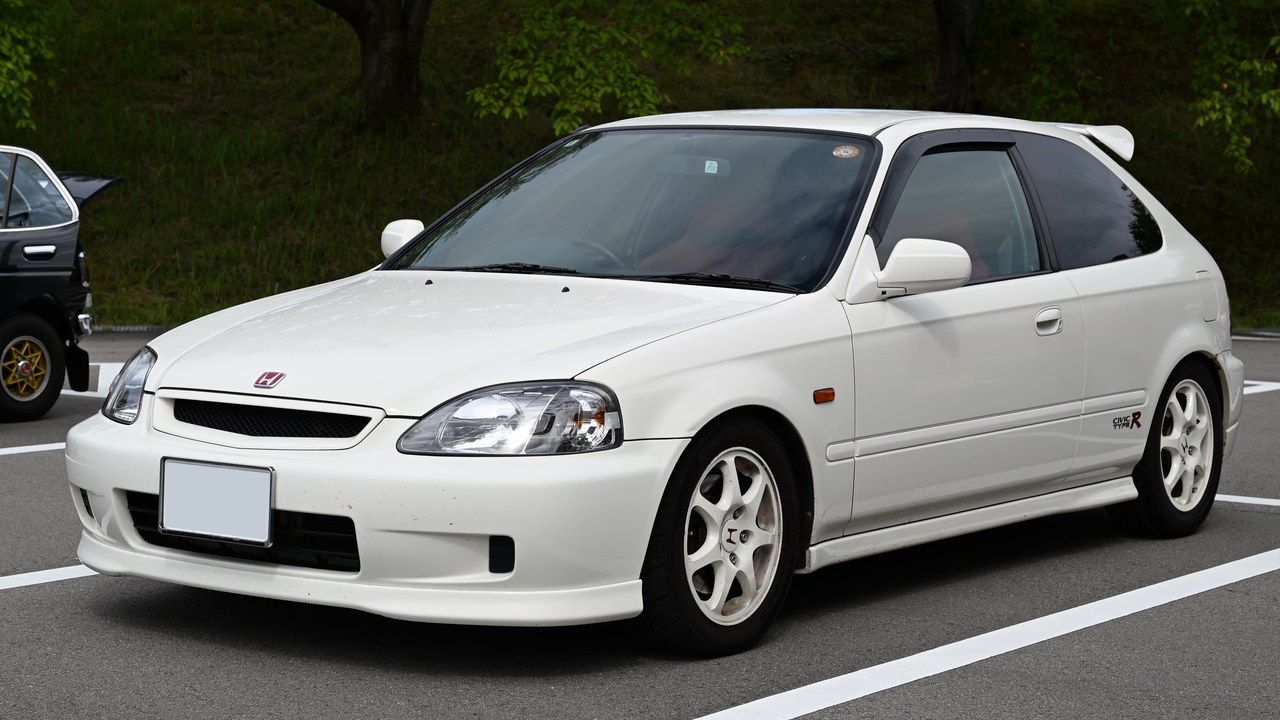
8. Honda Civic Type R EK9: Japan Only From The Start
Image Credit: TTTNIS – CC0/Wiki Commons
Honda restricted the first Civic Type R, the EK9, to Japan between 1997 and 2000, hand-porting the cylinder head of its 1.6-liter B16B engine to reach 185 horsepower at 8,200 rpm and stripping sound insulation from a seam-welded shell. No version was certified for American sale, and the Type R badge did not reach US showrooms for another two decades.
Later generations show the exclusion still biting, as the FD2 sedan of 2007 and the FK2 of 2015 both sit well short of the age threshold. Only the original has served its time, and it lands as a Japanese-market car with kilometre-marked instruments and right-hand drive.
More from Morning Overview
Morning Overview is reader-supported. Some links in our articles are affiliate links, and we may earn a commission at no extra cost to you. As an Amazon Associate I earn from qualifying purchases. Full disclosure.