
Used SUVs rarely fail all at once. They accumulate small, expensive faults — air springs that sag, transmissions that shudder, electronics that drain a battery overnight — long after the factory warranty has lapsed. Here are eight SUVs whose repair records, recall histories and hardware complexity make experienced mechanics pause before recommending one off a used lot.
1. Land Rover Range Rover: Cheap To Buy, Costly To Keep
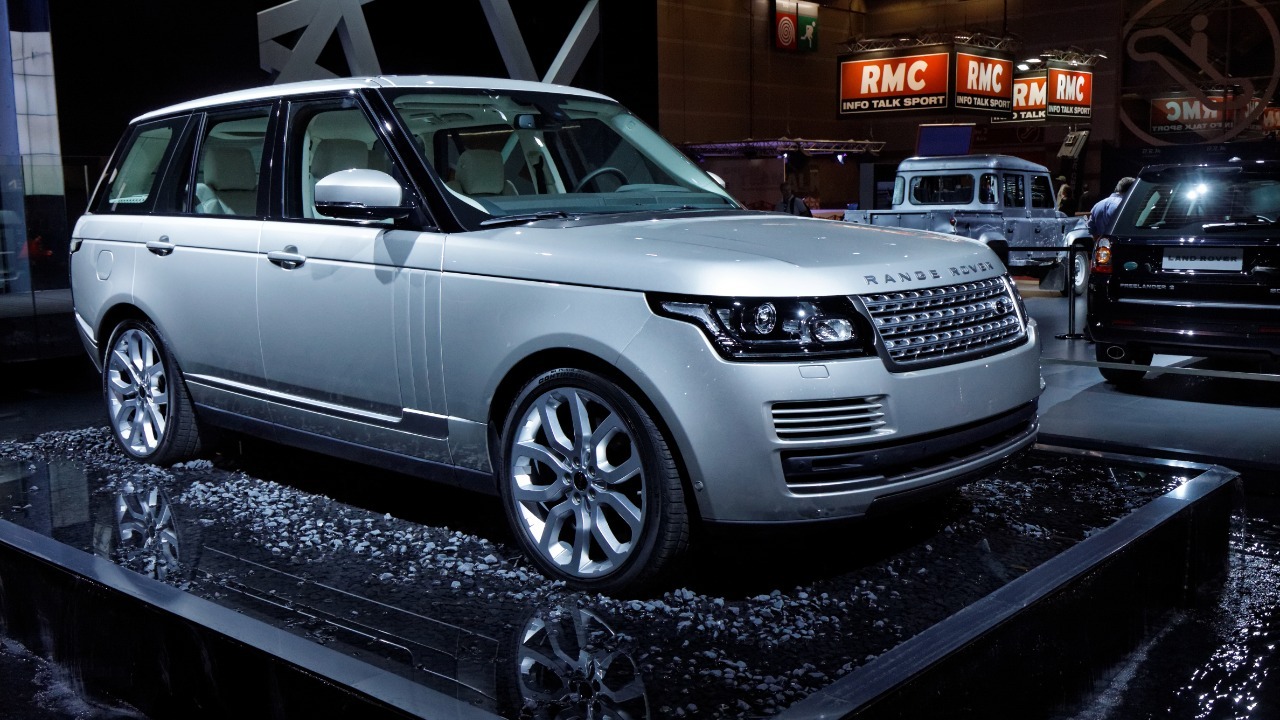
Land Rover has spent years near the bottom of the industry in J.D. Power’s dependability rankings, and the Range Rover carries most of that reputation. The full-size flagship rides on electronically controlled air suspension rather than steel springs, adds adaptive dampers, and runs a dense network of control modules for the drivetrain, chassis and cabin. Each system is a separate failure point priced as a luxury component.
Depreciation is what tempts used buyers, since a truck that cost six figures new sells for a fraction of it a decade later. Those savings evaporate the first time an air spring, compressor or control module gives out.
2. Jeep Grand Cherokee: The Monostable Shifter Recall
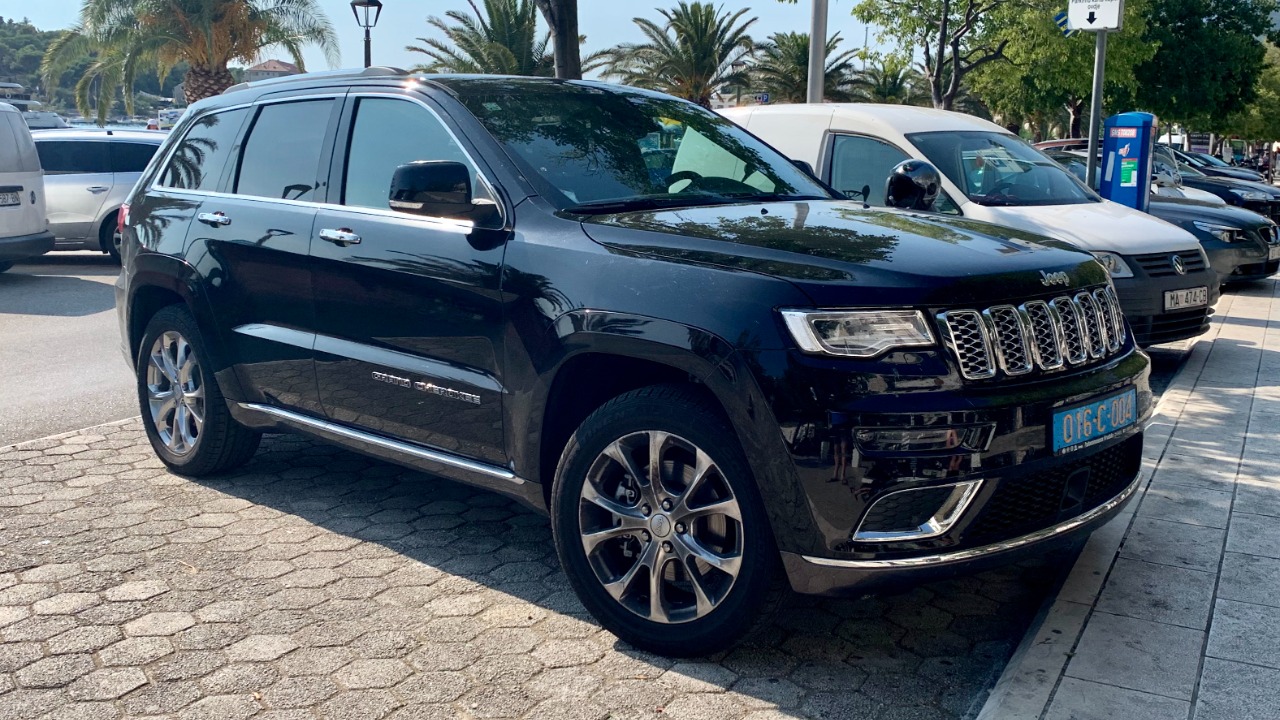
Fiat Chrysler recalled roughly 1.1 million vehicles worldwide in 2016 over a monostable electronic shifter that drivers struggled to leave reliably in park, and the campaign covered the 2014 and 2015 Grand Cherokee. Higher trims of that generation also carry Quadra-Lift air suspension and an eight-speed automatic controlled entirely by wire, so a used example can bring both an electronics history and load-bearing air springs.
Volume works against the model here. Decades as one of North America’s best-selling midsize SUVs mean a deep used supply and a long complaint record, and separating a maintained car from a neglected one takes service documentation rather than a test drive.
3. BMW X5: Life After The Warranty
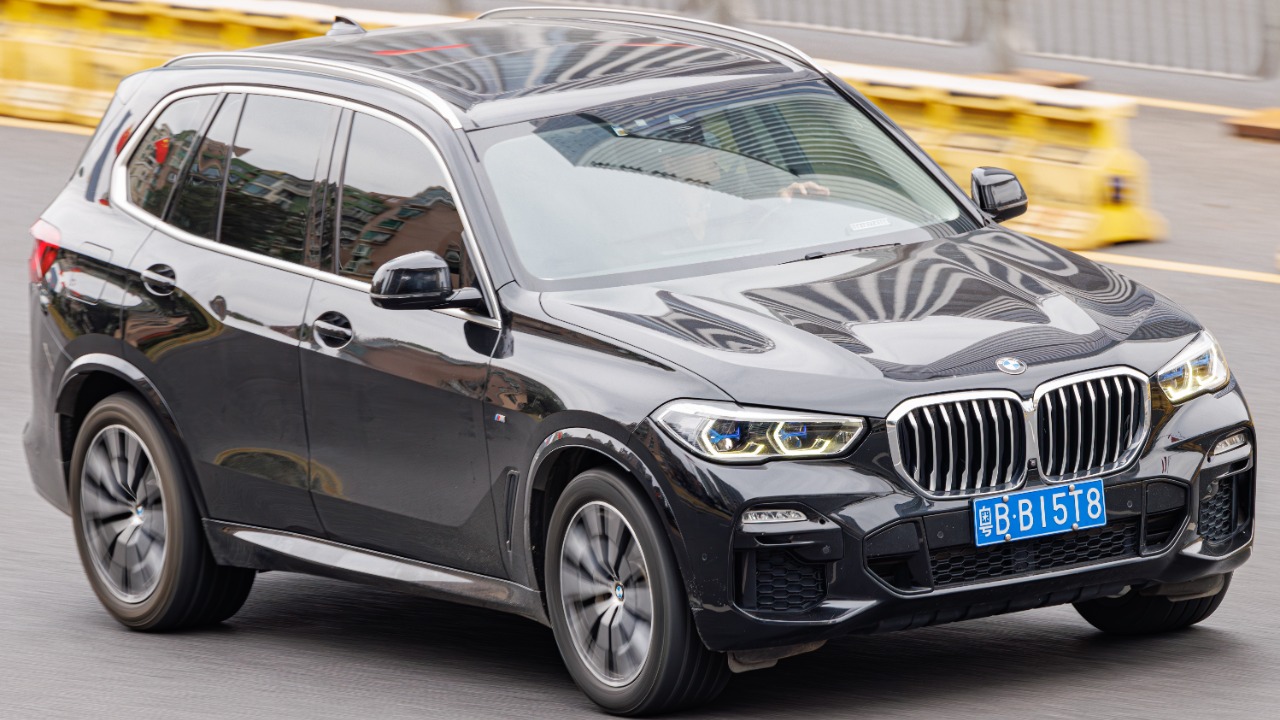
Sporting hardware is what made the BMW X5 the template for the fast luxury crossover, and it is the same hardware that turns expensive later. Across generations the model has been sold with twin-turbocharged inline-sixes and V8s, self-leveling rear air suspension, active anti-roll bars, adaptive dampers and a cabin full of networked modules.
None of that is an owner’s problem while the factory warranty holds. Afterward a single cooling-system, valve-cover or air-suspension job reaches four figures at an independent shop, because the parts are model-specific and the labor hours are long. Used prices reflect that, which is precisely the warning.
4. Cadillac Escalade: The Luxury Tax On Repairs
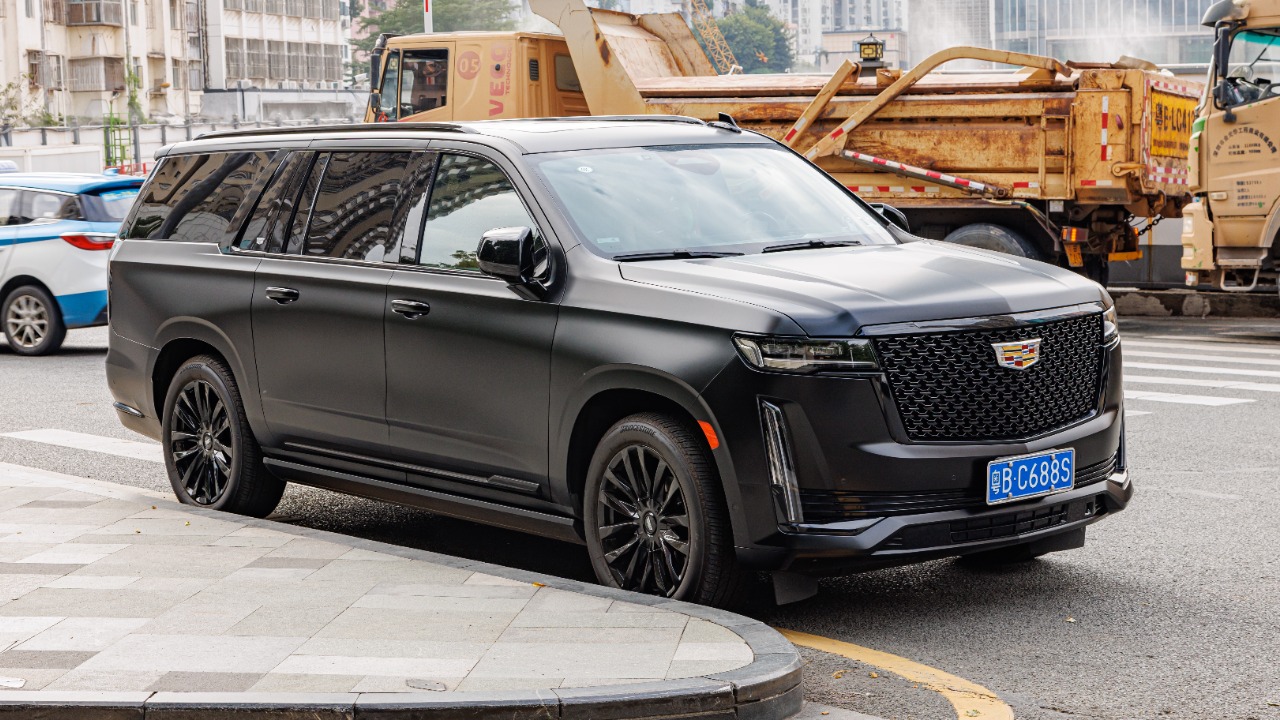
Underneath, the Cadillac Escalade is a full-size General Motors body-on-frame truck shared with the Chevrolet Tahoe and Suburban. The parts that separate it are the ones that cost money: Magnetic Ride Control dampers, air-leveling rear suspension on later trucks, a 6.2-liter V8 with cylinder deactivation, and 22-inch wheels wrapped in low-profile tires.
A magnetic damper costs a multiple of a conventional shock, cylinder deactivation puts hardware inside the engine that a plain V8 does not have, and a set of 22-inch tires is a four-figure purchase. The Escalade is cheap to buy used relative to its sticker and expensive to keep in the condition that justified it.
5. Nissan Pathfinder: The CVT Question
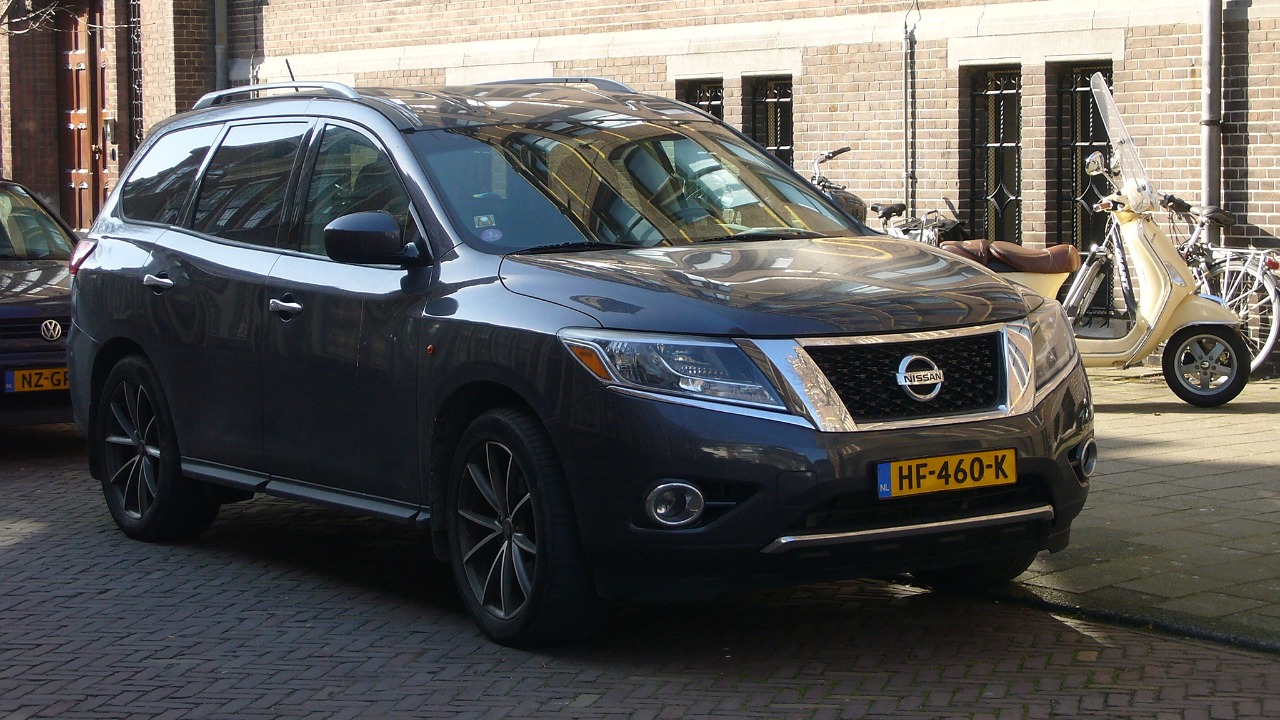
Sold from 2013, the fourth-generation Nissan Pathfinder abandoned body-on-frame construction and a conventional automatic for a unibody platform and Nissan’s Xtronic continuously variable transmission. That gearbox is a sealed unit built around a steel belt and pulleys, so a shudder, slip or overheat is usually answered with a replacement transmission rather than a rebuild.
Later production improved cooling and control software, and the 2022 redesign moved the Pathfinder back to a nine-speed conventional automatic. Model year therefore matters more than mileage or trim on a used listing, which is not how most shoppers rank a used SUV.
6. Ford Explorer: The Exhaust-Odor Years
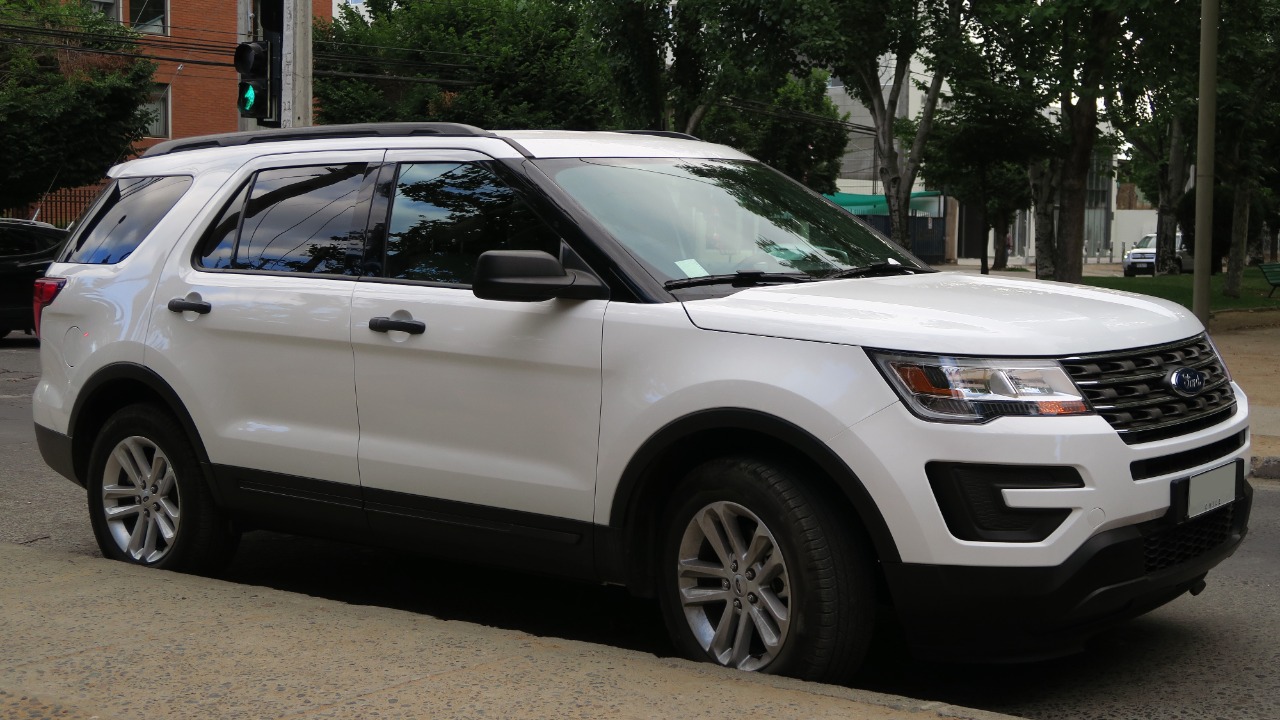
Federal regulators spent years examining complaints that exhaust fumes were reaching the cabin of the fifth-generation Ford Explorer, an investigation that grew to cover roughly 1.3 million vehicles built between 2011 and 2017 and prompted Ford to offer a free sealing repair. Transmission and electronics complaints trail the same generation.
That generation is also the one used shoppers encounter most, because it sold in enormous numbers to families and to police fleets. A retired Interceptor and a one-owner family car photograph identically and wear very differently, so the service file decides which is which.
7. Volkswagen Tiguan: Compact SUV, Midsize Labor
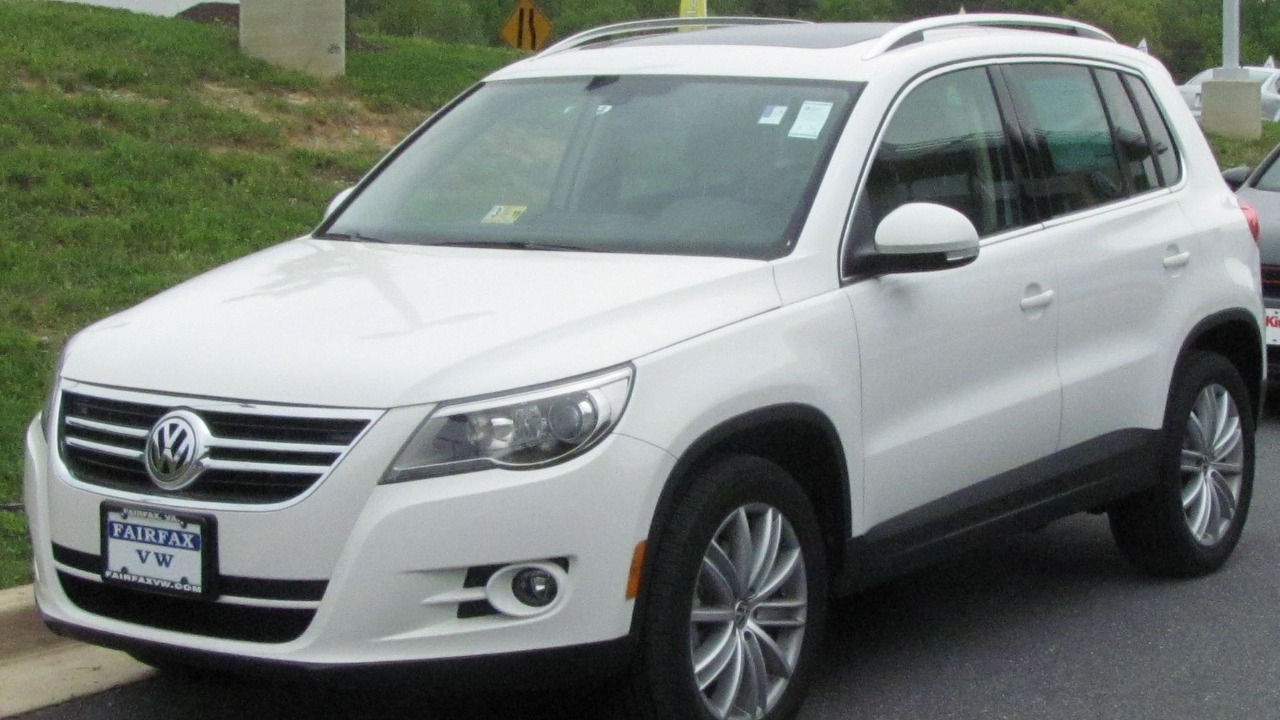
Powering the first-generation Volkswagen Tiguan is a turbocharged, direct-injection 2.0-liter four whose timing chain, tensioner and water pump sit behind components that must come out to reach them. Direct injection also leaves the intake valves without a fuel wash, so carbon removal becomes a scheduled maintenance item rather than a defect.
The Tiguan is not a fragile vehicle, but it does carry midsize labor hours in a compact package. Work that stays routine on a naturally aspirated rival becomes a multi-hour teardown here, and a low used asking price covers only the first part of the cost of ownership.
8. Chevrolet Traverse: A V6 Turned Sideways
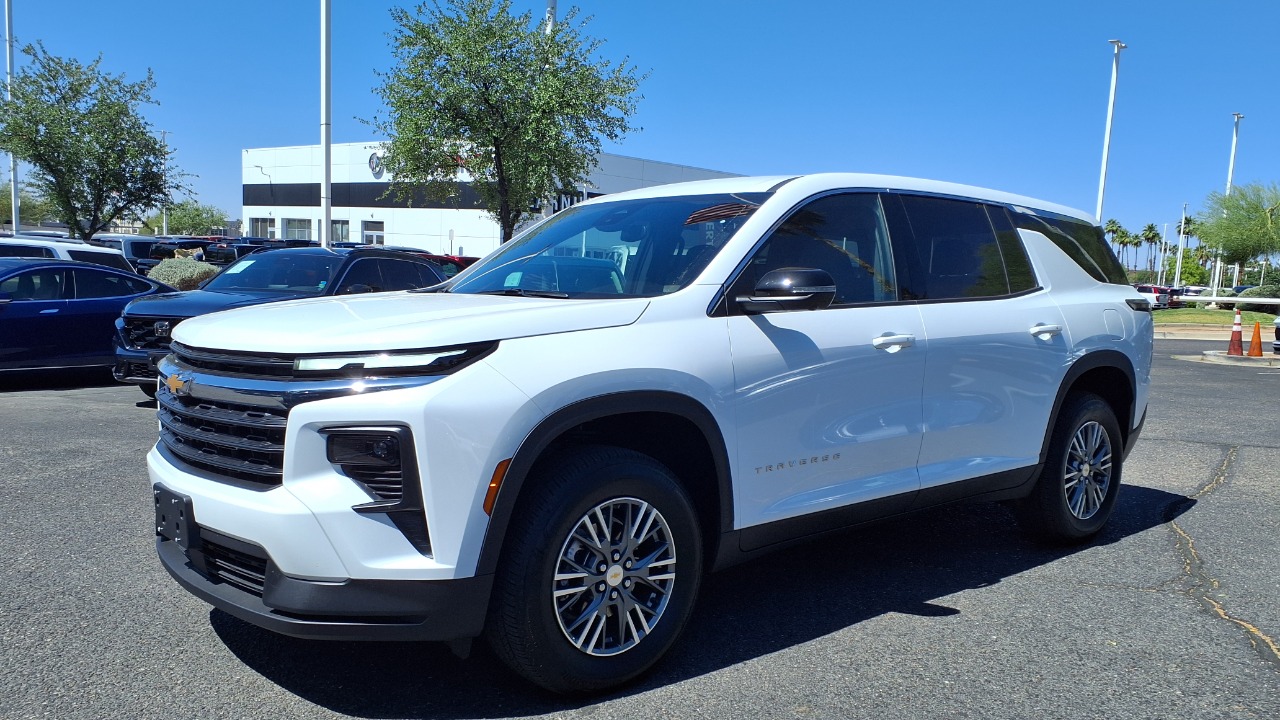
Built on General Motors’ Lambda architecture alongside the GMC Acadia and Buick Enclave, the Chevrolet Traverse mounts a 3.6-liter V6 transversely in a unibody three-row body. That packaging leaves little clearance around the engine, so ordinary wear items such as the water pump, the timing chain guides and the rear bank of spark plugs sit where labor time climbs sharply.
First-generation examples, sold from 2009, now occupy the cheap end of the used three-row market, which is where the drivetrain complaints concentrate. A later, lower-mileage truck with documented cooling and transmission service is a very different purchase from a bargain-priced early one.
More from Morning Overview
